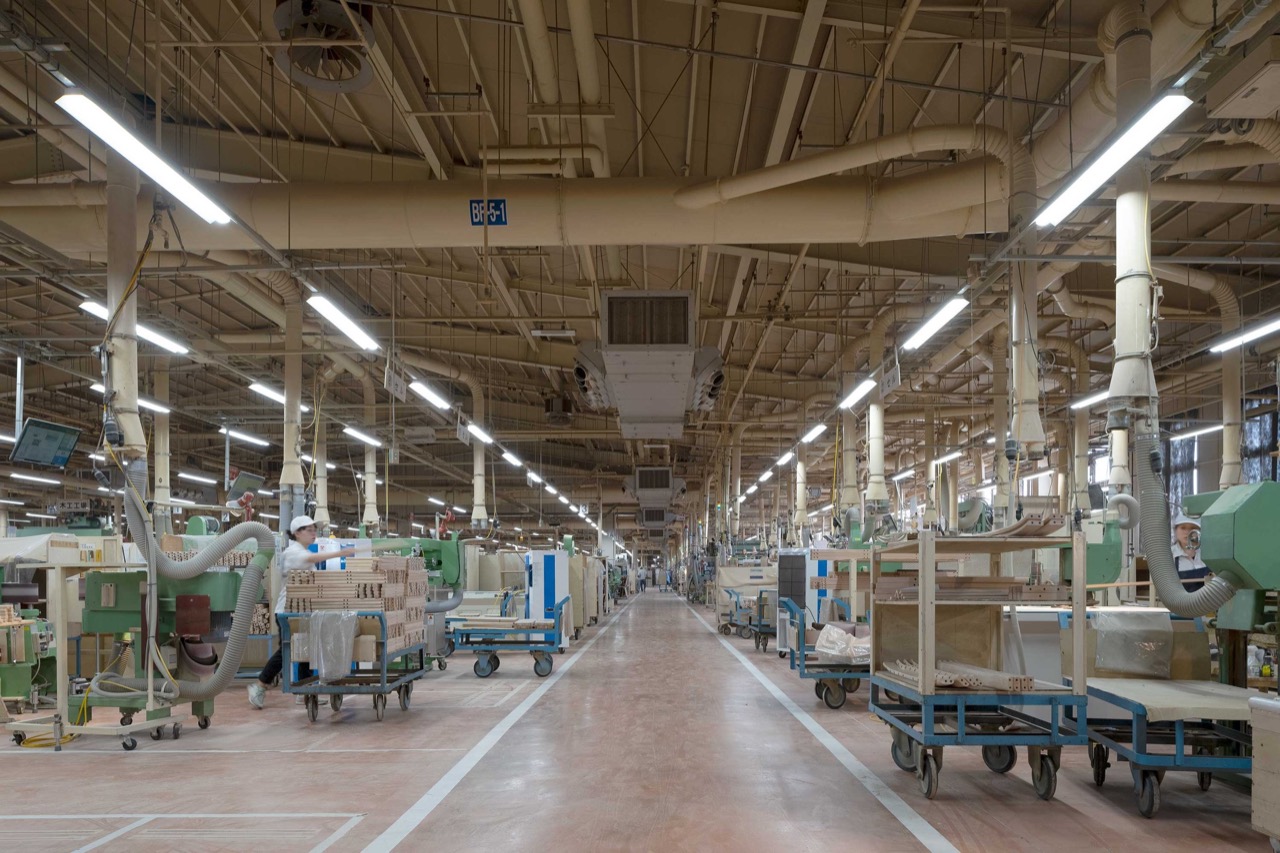
An 87,450 yen two-seat sofa and a 5,790 dollar two-seat sofa come out of one company. Same timber suppliers, same finishing line, same factory in Aichi. All that differs is the name. Last month those names gathered in one place.
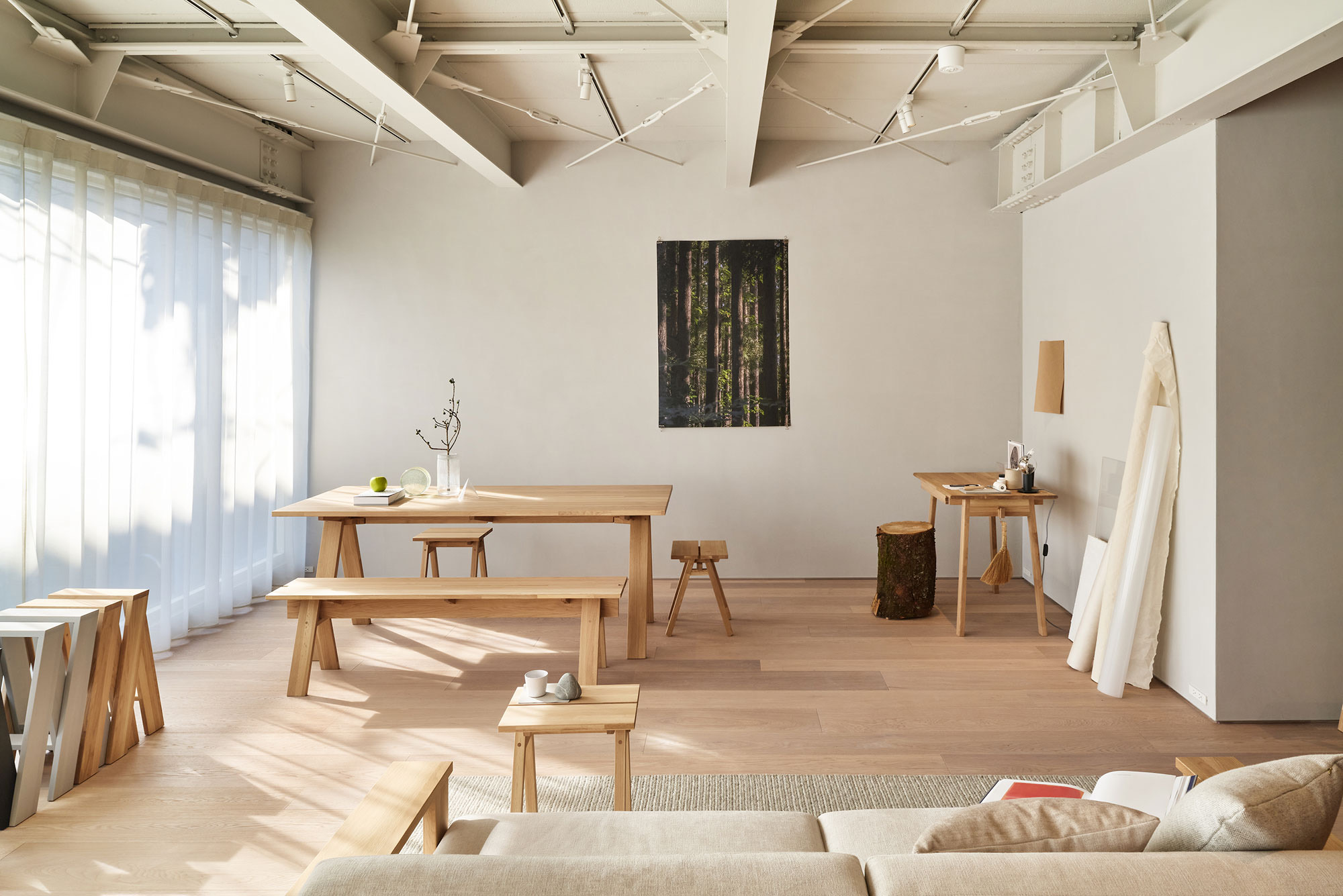
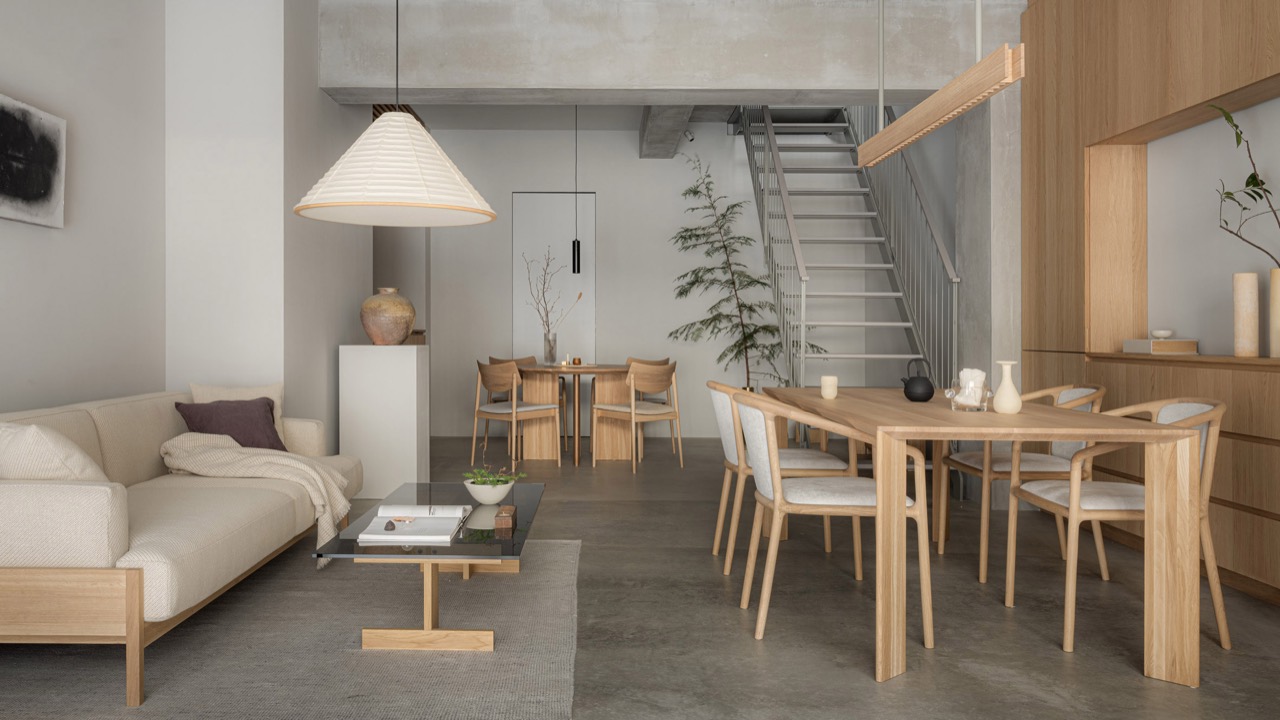
1.Starting with the Shin-Yokohama showroom on July 3, Karimoku Furniture ran its 2026 new product exhibition at three locations nationwide under the title HOUSE OF KARIMOKU. The head office showroom followed on July 10 and the Kansai showroom on July 17. Up to fifteen brands and collections stood together. The exhibition explains itself as treating the company as a house and each brand as a room inside it, with spatial direction by NOTA&design.
2.The company started in 1940 as a woodworking shop in Kariya, Aichi. Its head office now sits in Higashiura, Chita district, with capital of 45 million yen, and it is the largest company in Japan making wooden furniture domestically. It is unlisted, so recent results are not published, and the last confirmed revenue is 23.2 billion yen for fiscal 2017. Group headcount runs around 1,700.
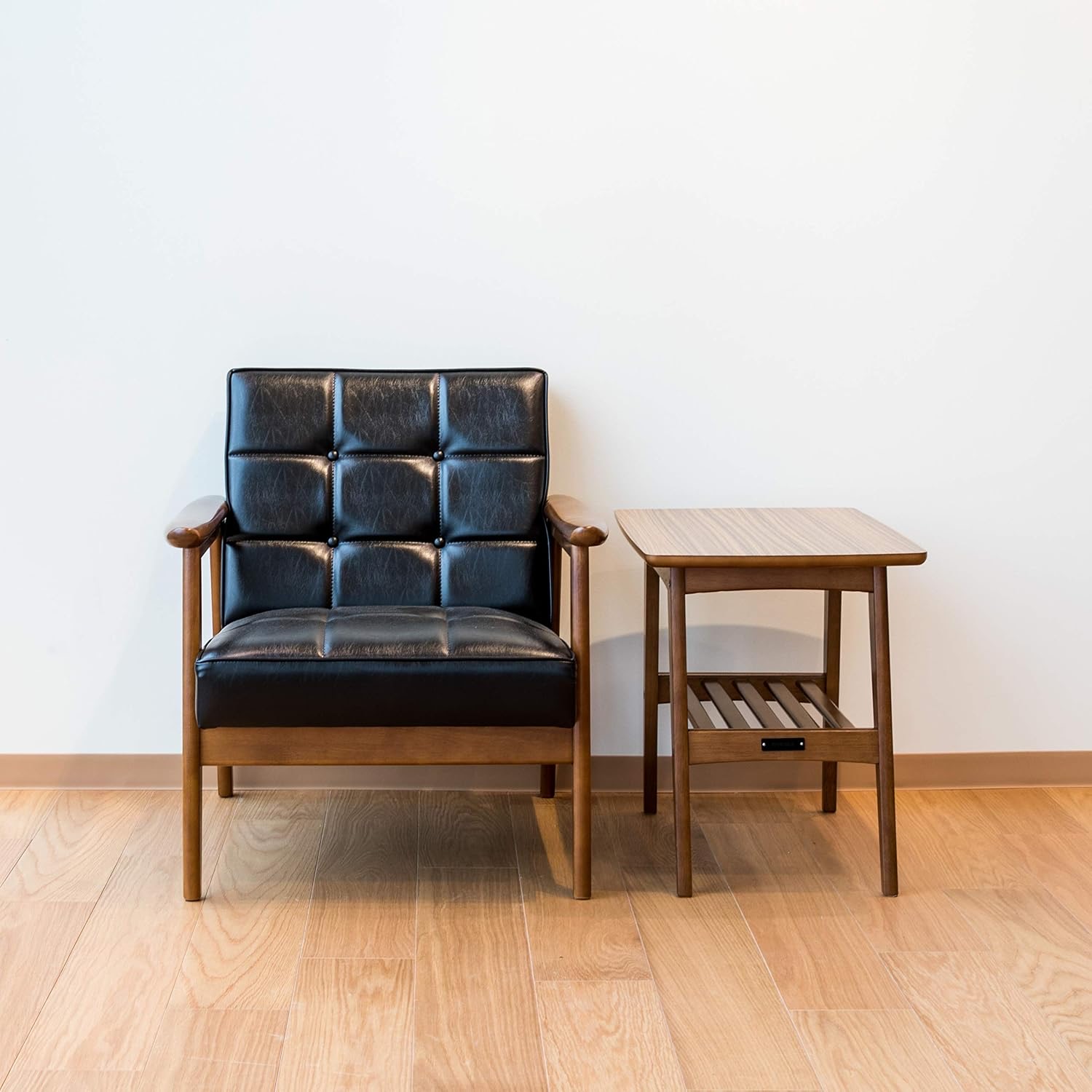
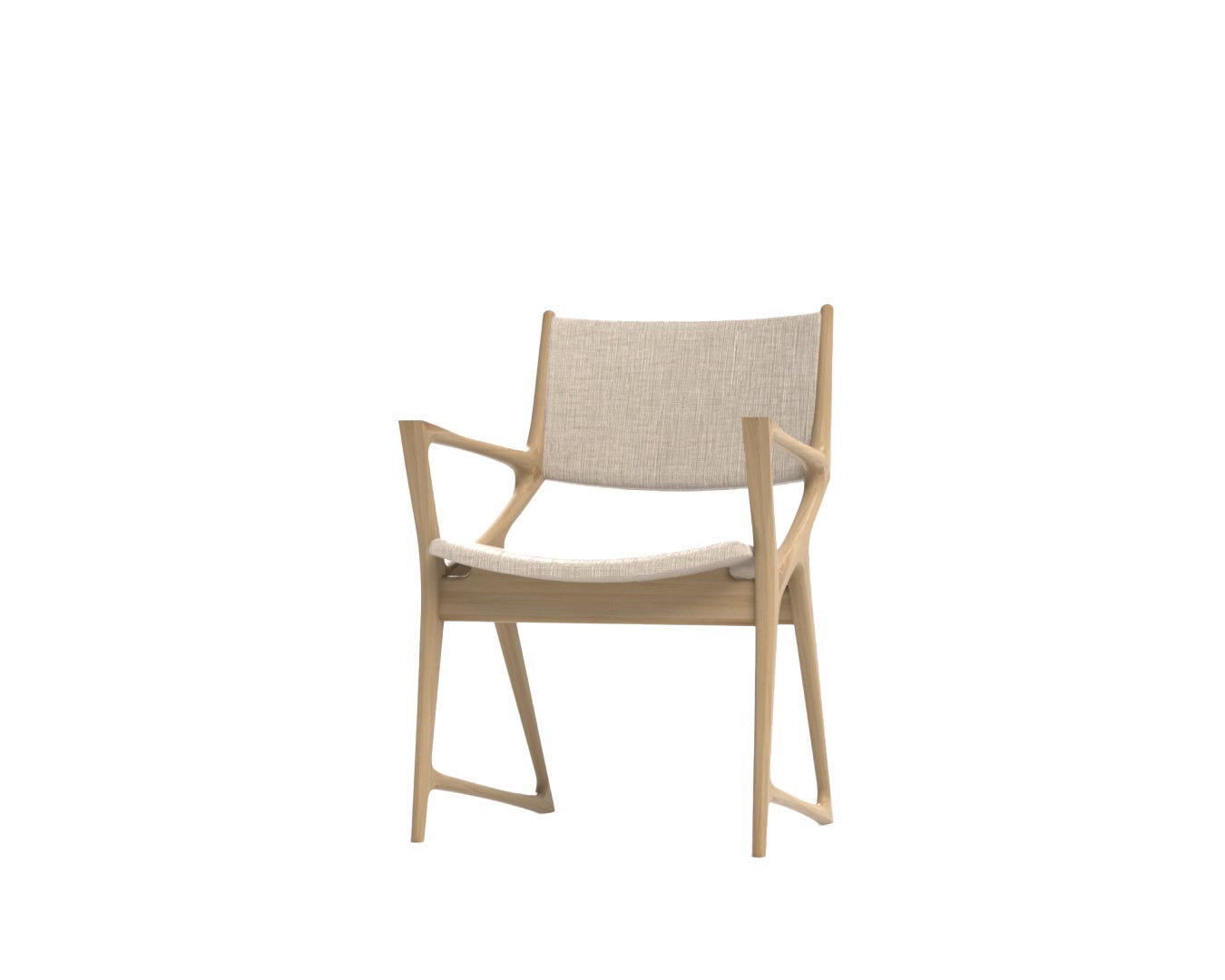
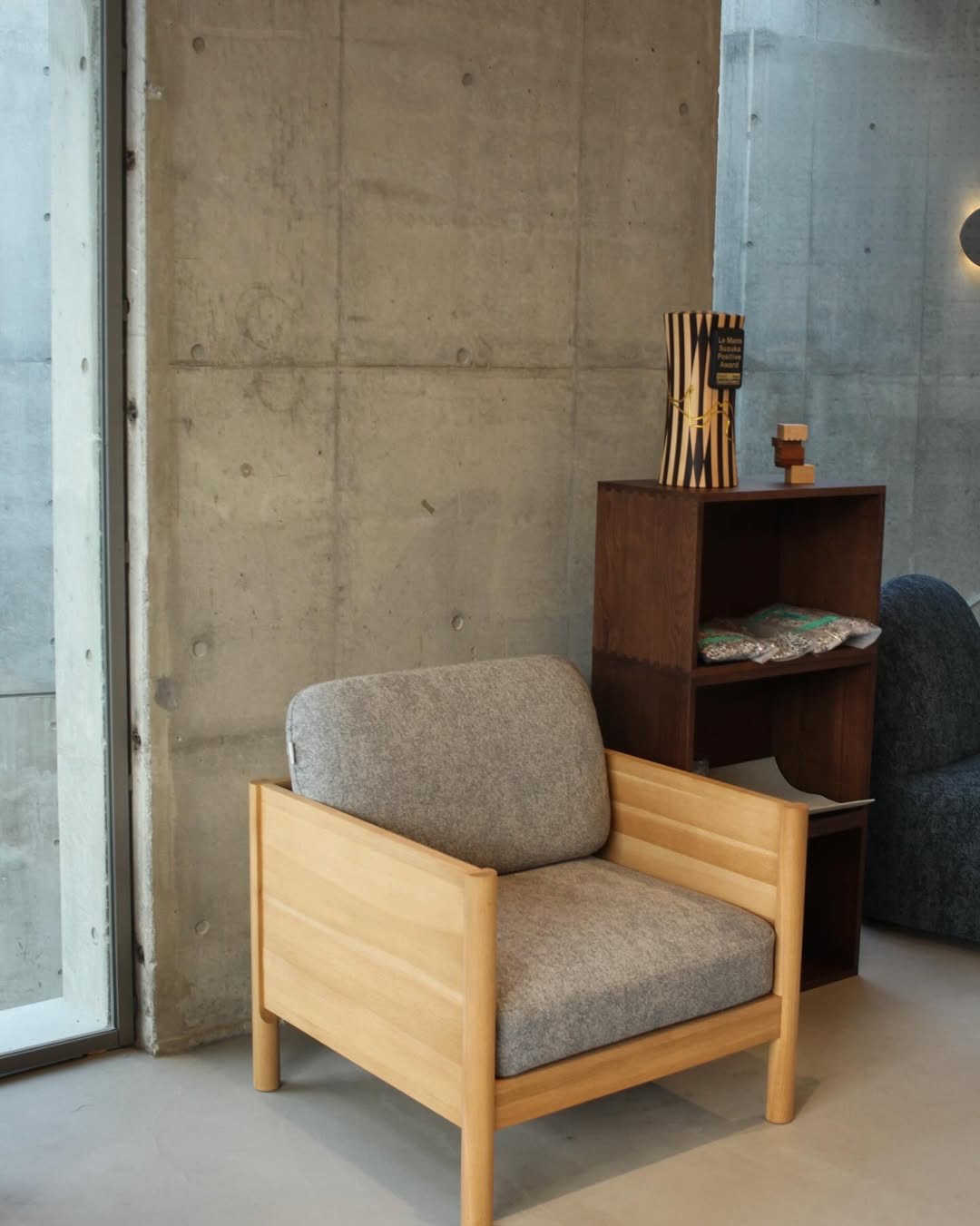
3.Open the rooms one by one and the layers of price register first. At the bottom is Karimoku60. The line revives the K Chair first made in 1962, and its two-seat sofa is 87,450 yen, with a seat depth of 70 centimeters against the 85 to 100 common elsewhere. Dimensions cut down to fit small rooms in Japanese houses have gone untouched for over 60 years. Wear out the seat and you swap that part alone.
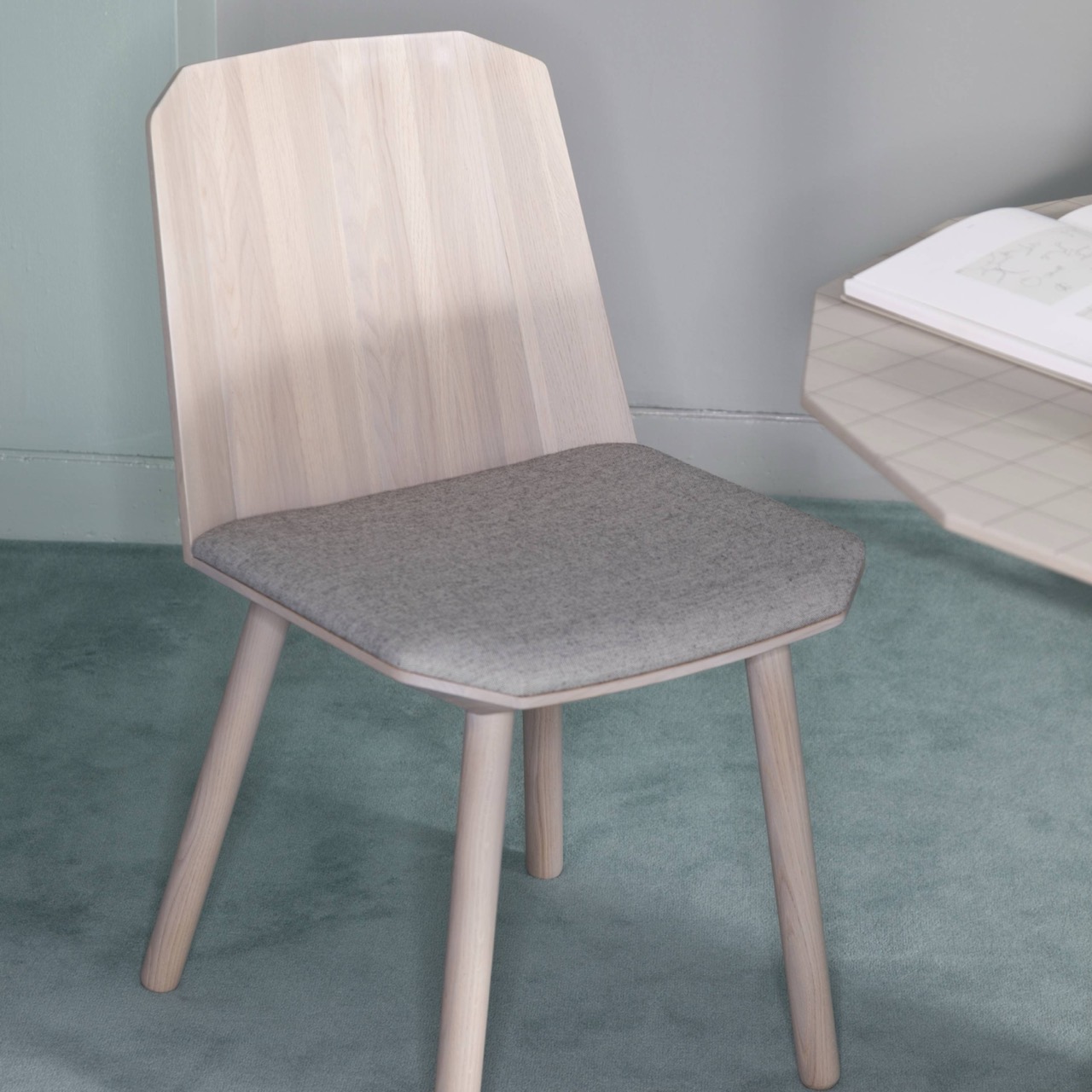
4.One level up is Karimoku New Standard. Named in 2009, it goes differently from the material up. Small-diameter hardwoods that never grew thick enough and were ground into chips for paper pulp, chestnut and maple and oak, get stood up as furniture. Rather than erase the knots and color blotches, an opaque color goes over them, and sweep a palm across the seat and the grain catches on your hand. Not cheap material sold dear so much as a price tag put for the first time on material nobody was buying.
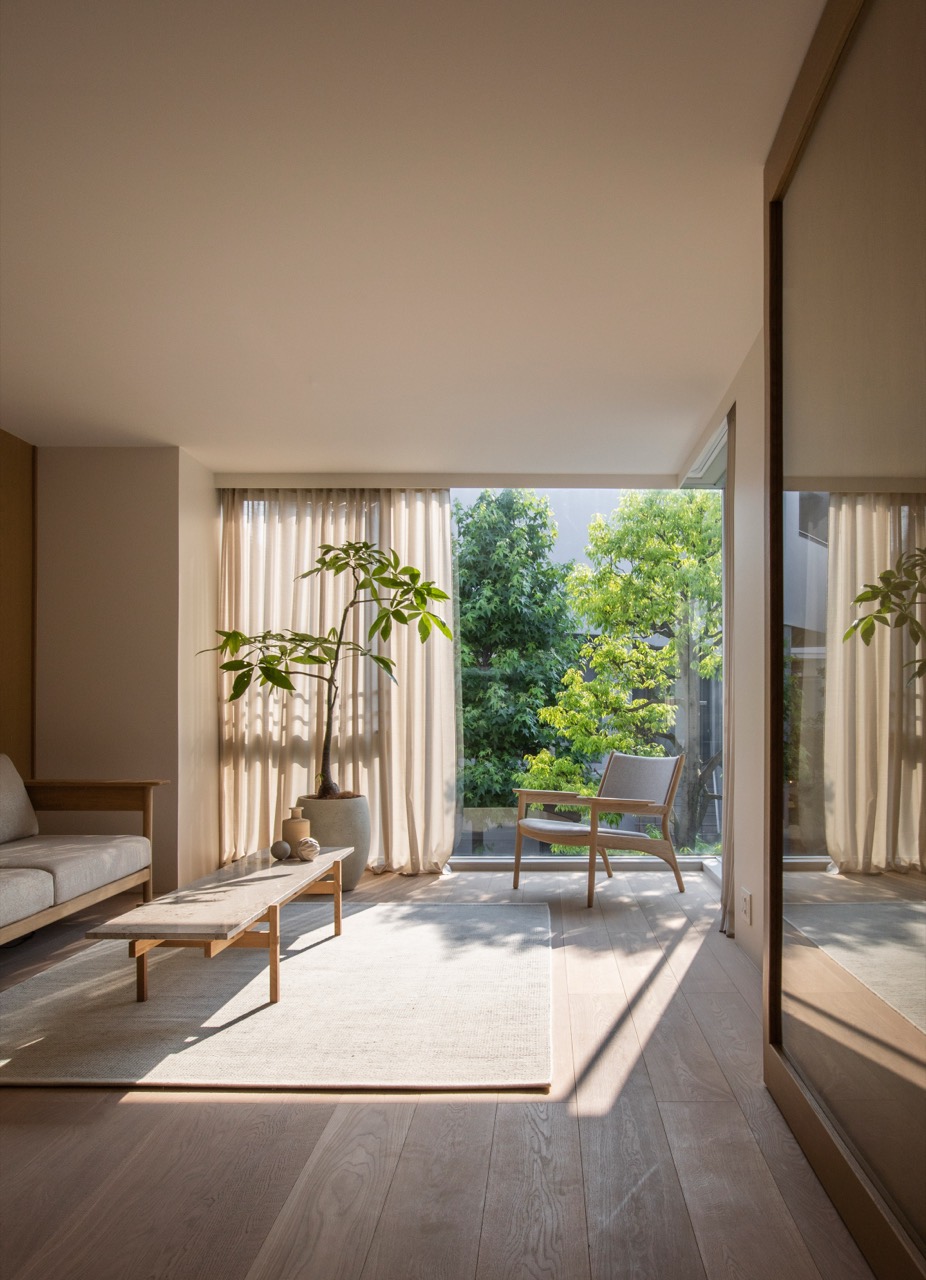
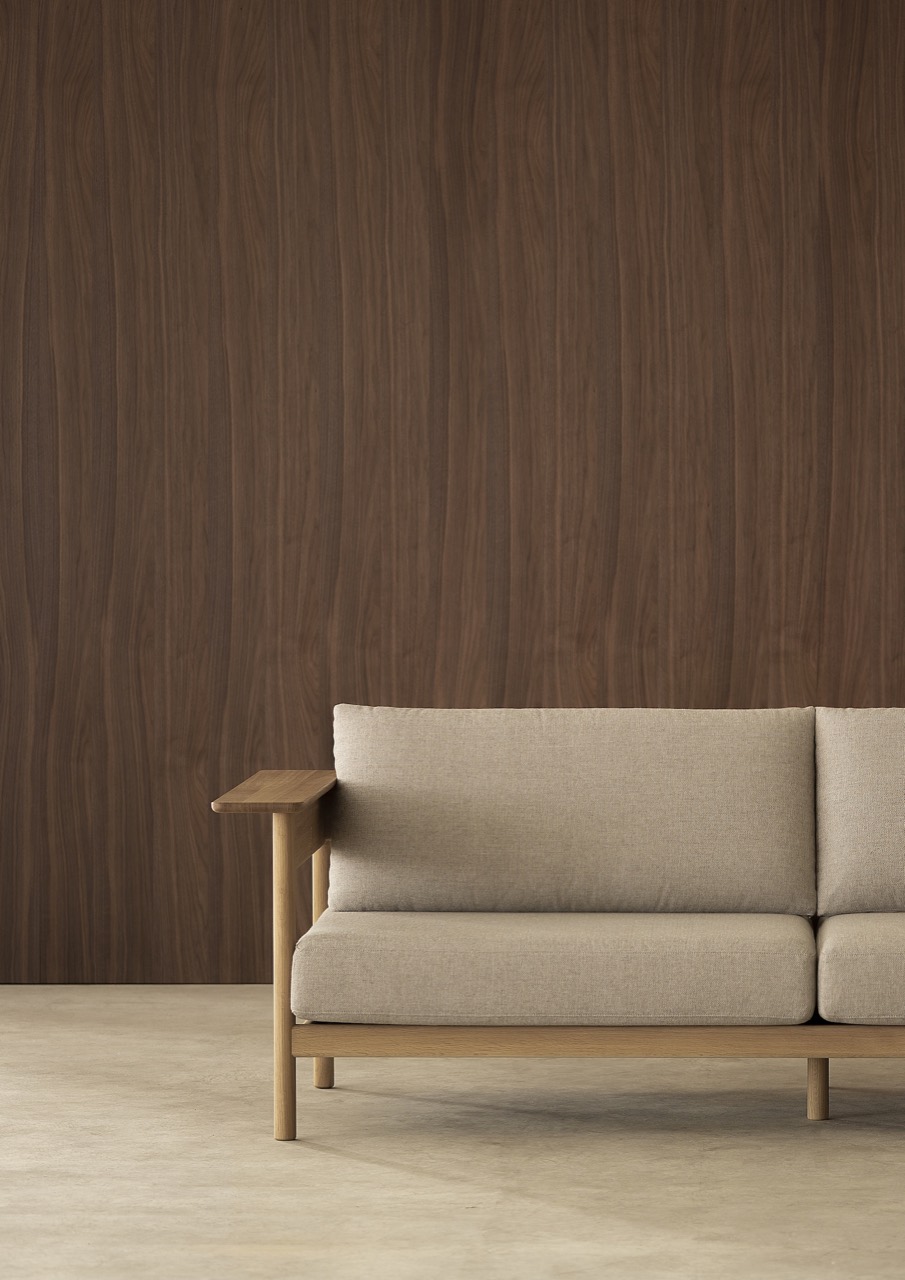
5.At the top is Karimoku Case. It began in 2019 with the renovation of two units among 36 in a 1980s apartment building in Kinuta, Setagaya, Tokyo. Twelve pieces that Norm Architects of Denmark and Keiji Ashizawa made to fit that home became the first collection outright, and the two-seat sofa from it, the N-S01, sells overseas from 5,790 dollars. The brand did not come first with product following. One house gave birth to a brand.
6.What to ask here is why this company absorbs other people's design languages so well. The answer is in its founding years. It spent more than 20 years cutting to other people's drawings and other people's specifications before putting out furniture under its own name, and the year it began producing and selling domestic furniture was 1962. Long subcontracting leaves two things. One is a process that can take any drawing. The other is having no attachment to a taste of its own.
7.Those two are now the weapon. A line drawn by a Danish architect gets cut without complaint in an Aichi factory, and a form thrown out by a Los Angeles studio comes back in a polished polyester resin finish. The brands look nothing alike, yet the level of finish lines up in a single row. What the customer bought is not taste but that consistency.
8.Look from the demand side and one more thread attaches. What Japanese consumers learned across 30 years was that cheap furniture is available without limit, and what they learned next was that it does not last five years. A sofa where swapping one part is enough, a chair whose dimensions have not changed in 60 years, find their opening at the end of that lesson. No wonder Karimoku60 keeps advertising part-by-part replacement.
9.Now the money. Nitori Holdings posted consolidated revenue of 928.8 billion yen for the year to March 2025, and the Japanese furniture market runs around 1.14 trillion yen on manufacturer shipments. Karimoku's 23.2 billion is a fortieth of Nitori and 2% of the whole market. Almost no company in Japan holds domestic production at this weight class today.
10.Carrying a domestic factory means carrying fixed cost, and fixed cost is covered only by volume. Yet the market able to absorb that volume shrinks each year. Two answers remain. Go abroad, or raise the unit price. Splitting into fifteen brands is how both answers get used at once. Two-seat sofas that passed through the same factory carry prices of 87,450 yen and 5,790 dollars, and however you set the exchange rate the gap runs close to tenfold.
11.Look a little closer at what that gap is made of. Karimoku Case was born out of an architectural project in the first place, so its goods move through hotel and residential projects more than through individual buyers. That side moves dozens of pieces at a time and enters the quotation as one line of interior construction cost. Someone hesitating over a single sofa and a contractor laying the same sofa into thirty units read the price differently.
12.Sales channels split by brand too. The main lines go through furniture stores nationwide and the company's own online shop, and the upper lines sit at Karimoku Commons in Nishiazabu, Tokyo and in Kyoto. The Tokyo store, opened in February 2021, is a three-floor complex, and the Kyoto store from 2023 went into a renovated old house in Nakagyo ward. Places like these are not built to sell but to explain a price. The goods to sell are already spread across furniture stores nationwide.
13.Trace the line and a ladder like this is something European furniture companies rarely build. They add collections and designers under one name, and starting a fresh brand is rare. The moment you split the name, advertising and distribution split by that many. Why Karimoku accepted that inefficiency is not in the marketing textbook.
14.I read the answer as sitting in the factory schedule. Demand for wooden furniture swings hard with season and economy, so when orders pile onto one brand the other lines idle. Hang fifteen brands of differing character and the peaks fall out of step, which keeps the lines turning evenly. Splitting brands is capacity management before it is marketing. The company has never said so, and this far is my reading.
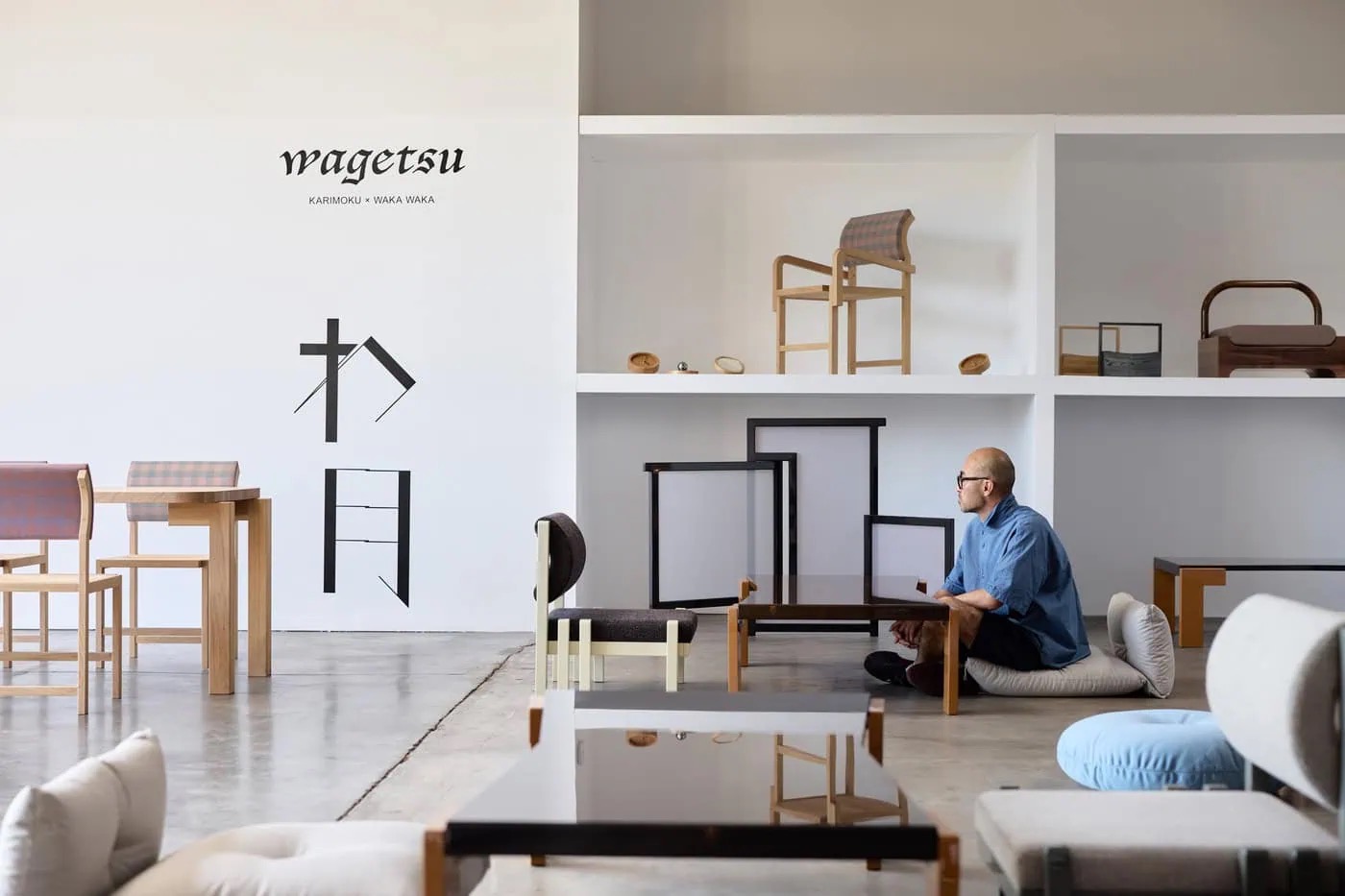
15.A company that started in 1940 as a subcontracting woodshop has grown its names to fifteen and puts out goods at ten times the price from the same factory, and this May it took one of them, wagetsu, to a Busan art fair for the first time. The number to keep is not fifteen but tenfold. Build this ladder in Korea, though, and it snags at the factory rather than the design, because domestic wooden furniture manufacturing has already split into small workshops and large distributors, with almost no mid-sized in-house factories left. A brand takes half a year. A finishing line does not.