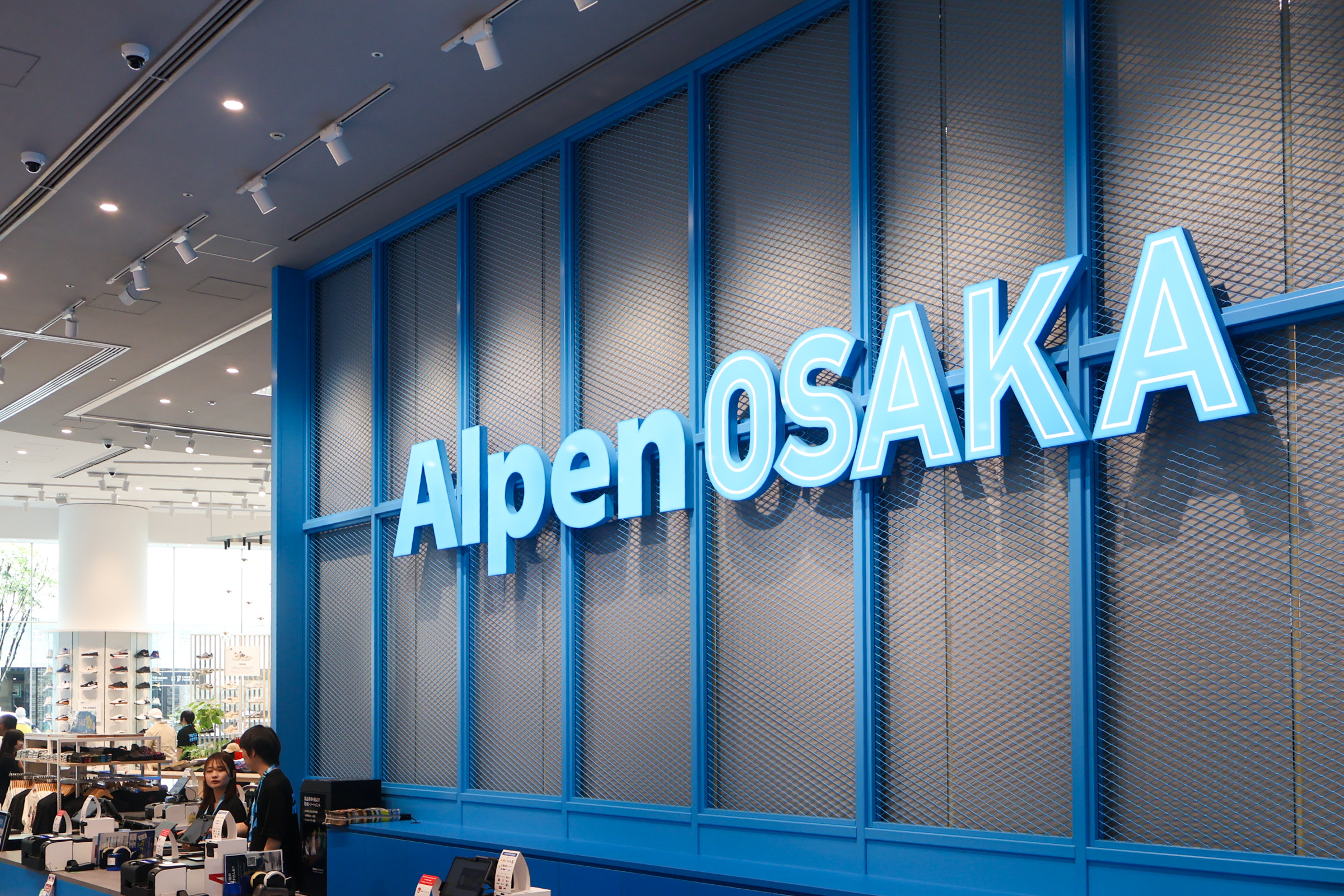
Six floors in the middle of Umeda, emptied when UNIQLO and GU moved out together. One sporting goods chain took all 1,800 tsubo, about 5,950 square meters, and opened on August 7. Last year that company sold 285.9 billion yen worth of goods and kept 8.5 billion in operating profit.
1.At 10 a.m. on August 7, Alpen OSAKA opened in Chayamachi, in the Umeda district of Osaka. It runs from the second basement to the fourth floor of the YANMAR FLYING-Y BUILDING, six levels in all, roughly 1,800 tsubo. Three of the group's formats, GOLF5, Sports Depo and Alpen Outdoors, are stacked in one building, with 461 brands and about 25,100 items. Doors close at 9 p.m.
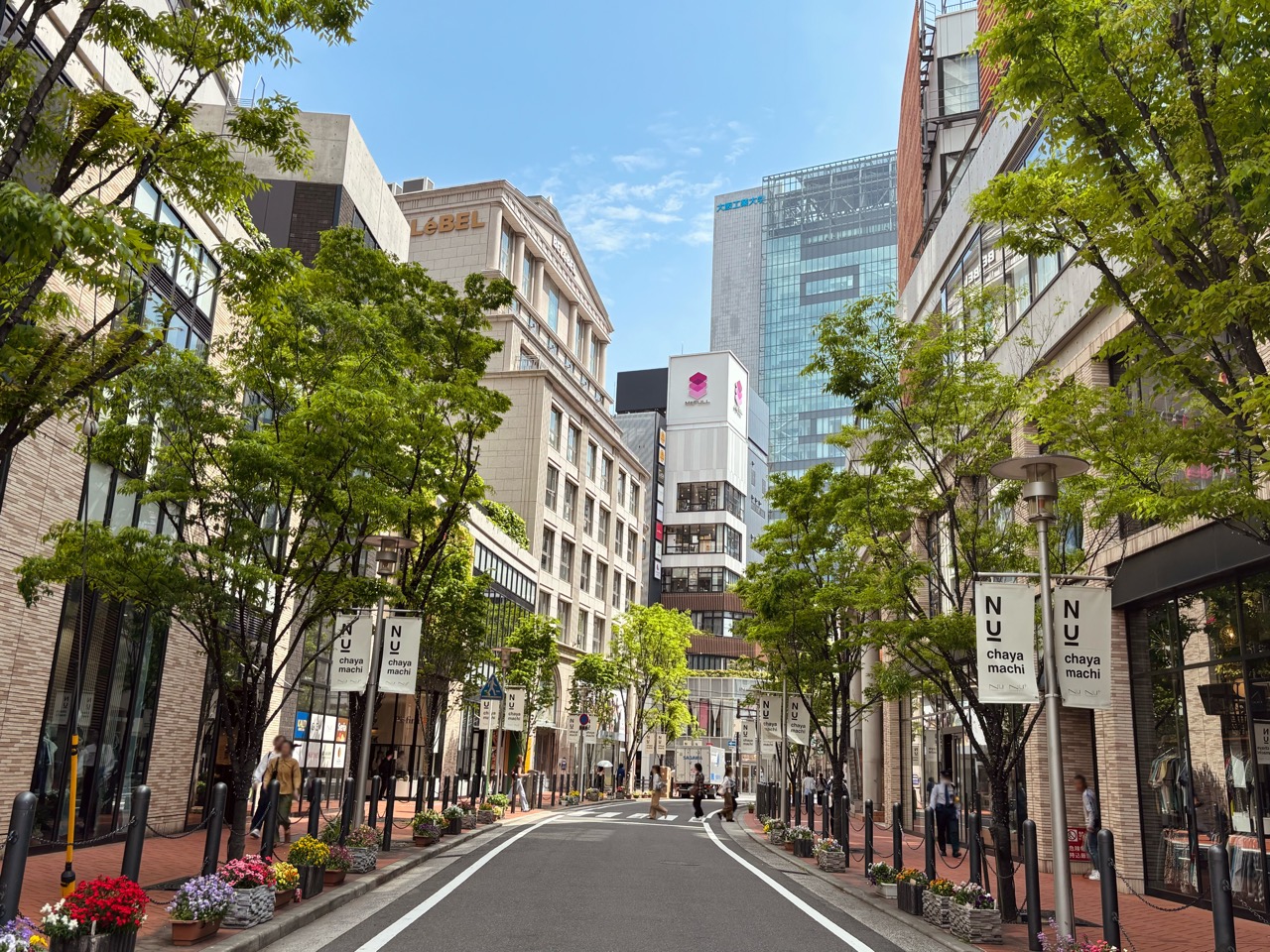
2.The previous tenants were UNIQLO OSAKA and GU Umeda. Both closed in October 2025, and UNIQLO moved to the first and second floors of LINKS UMEDA near Osaka Station, about 1,300 tsubo. Trading an 890 tsubo store for a 1,300 tsubo one is not an exit from Umeda but a change of address. That same year Umeda Loft and ZARA Osaka Umeda also moved out of Chayamachi.
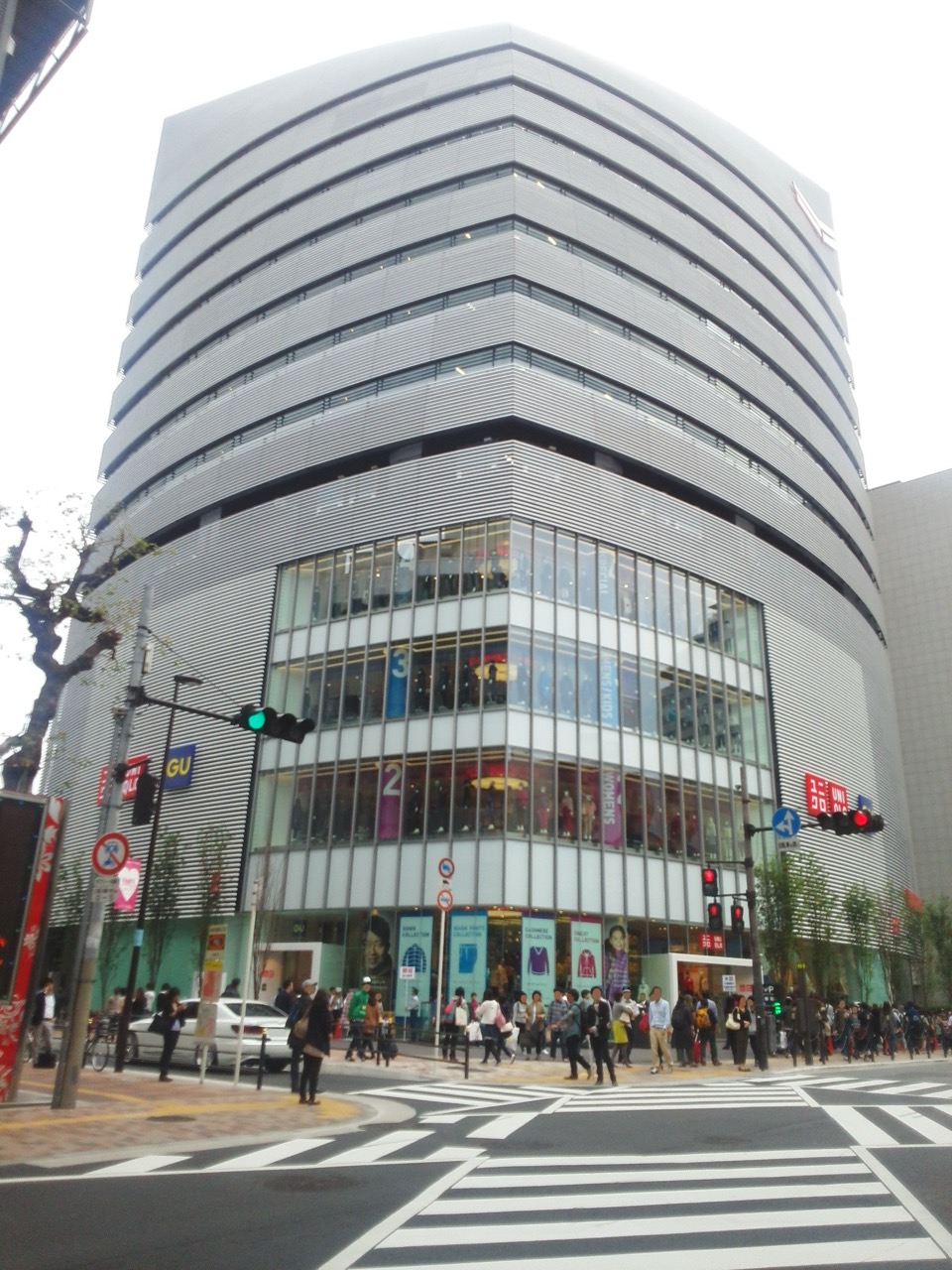
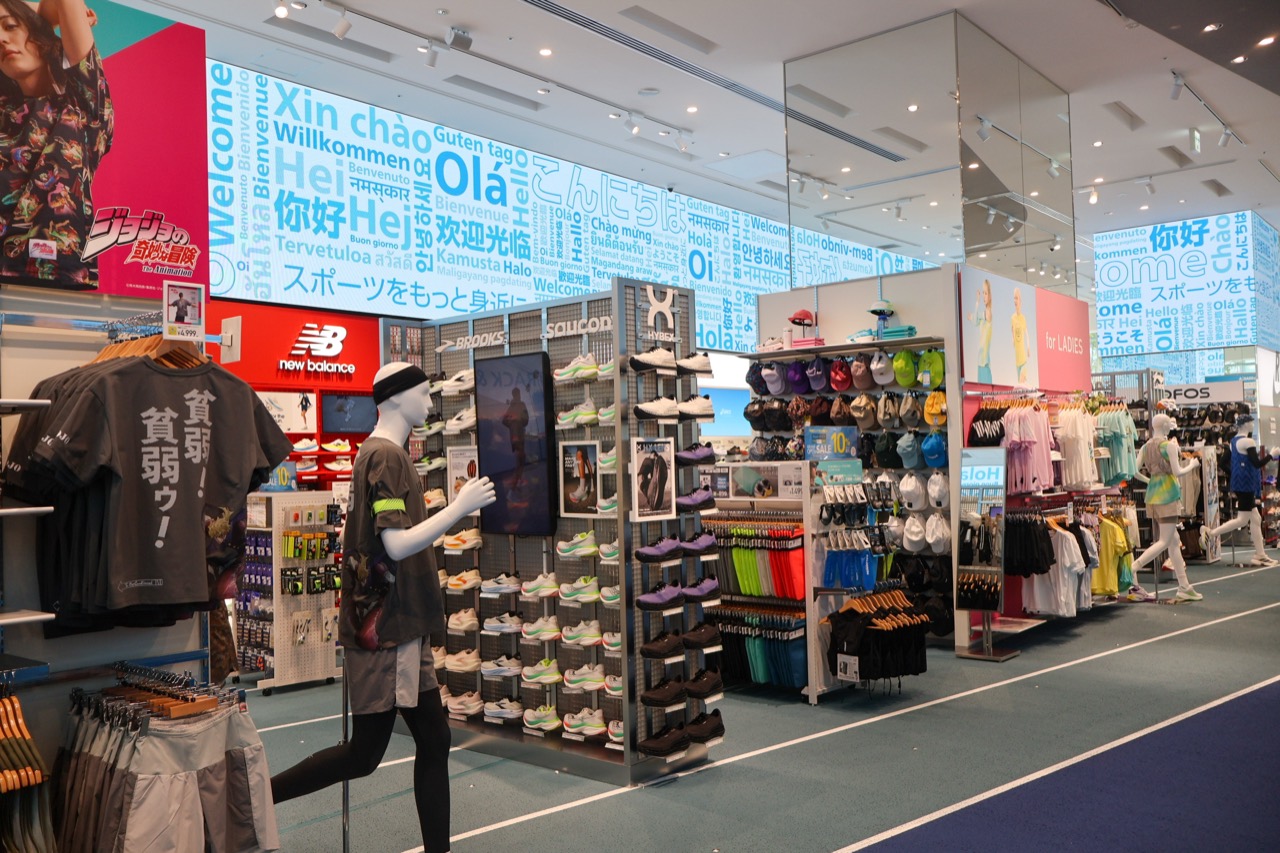
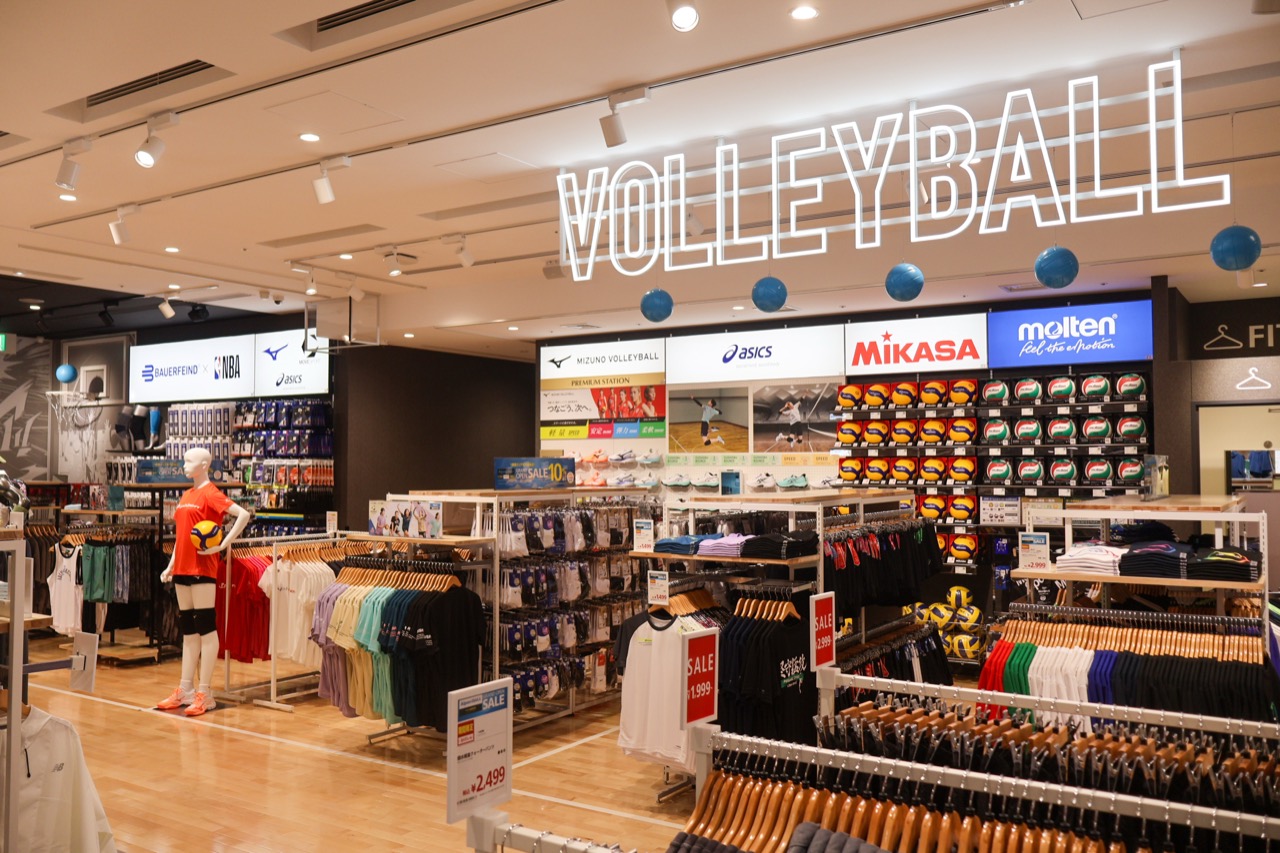
3.Floors are divided by sport. Golf clubs in the second basement, used clubs and golf shoes and bags in the first, running and athletic footwear on the ground floor, casualwear plus basketball, volleyball, swimming and fitness on two, football, baseball, tennis, badminton and table tennis on three, outdoor and trekking gear on four. The fourth floor alone carries more than 100 brands, the company says. A passage to the Whity Umeda underground arcade lets shoppers arrive without stepping into the rain.
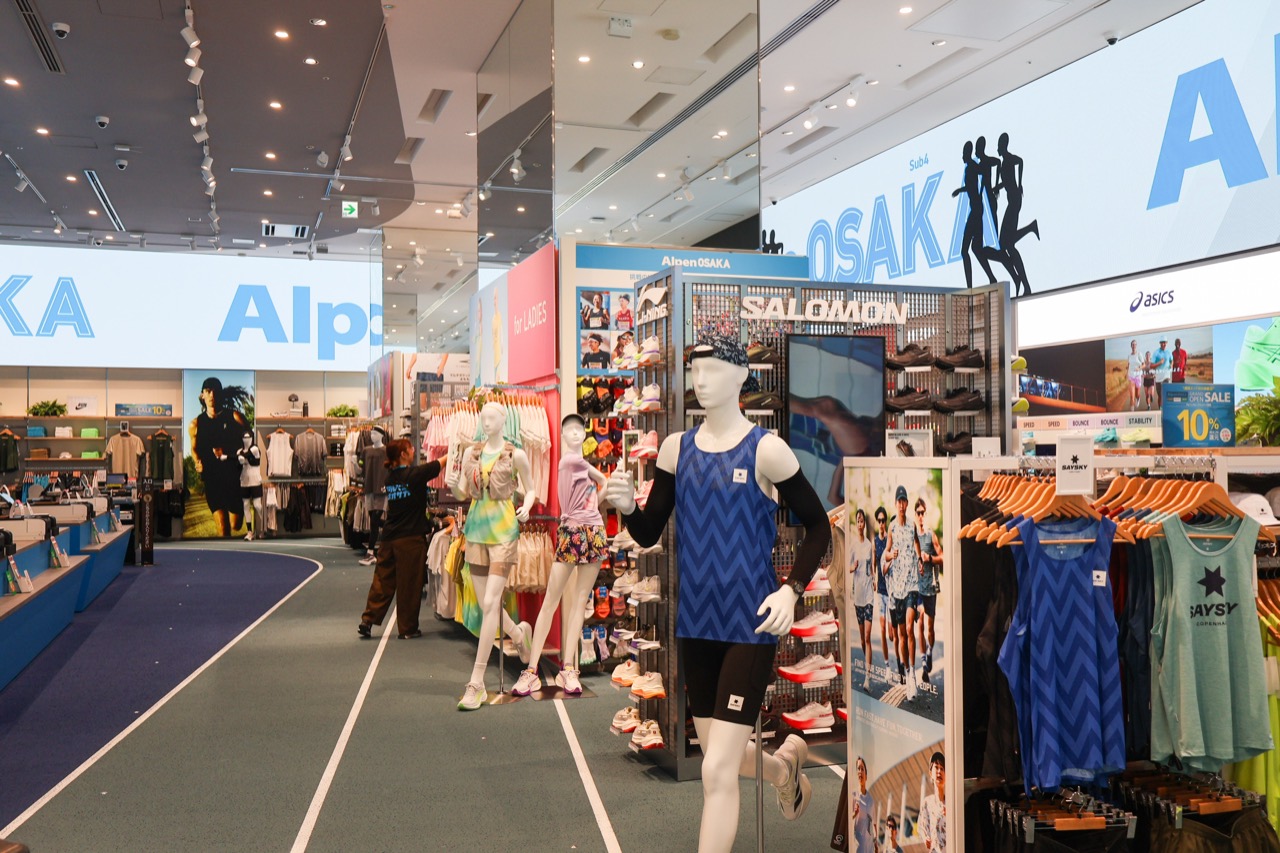
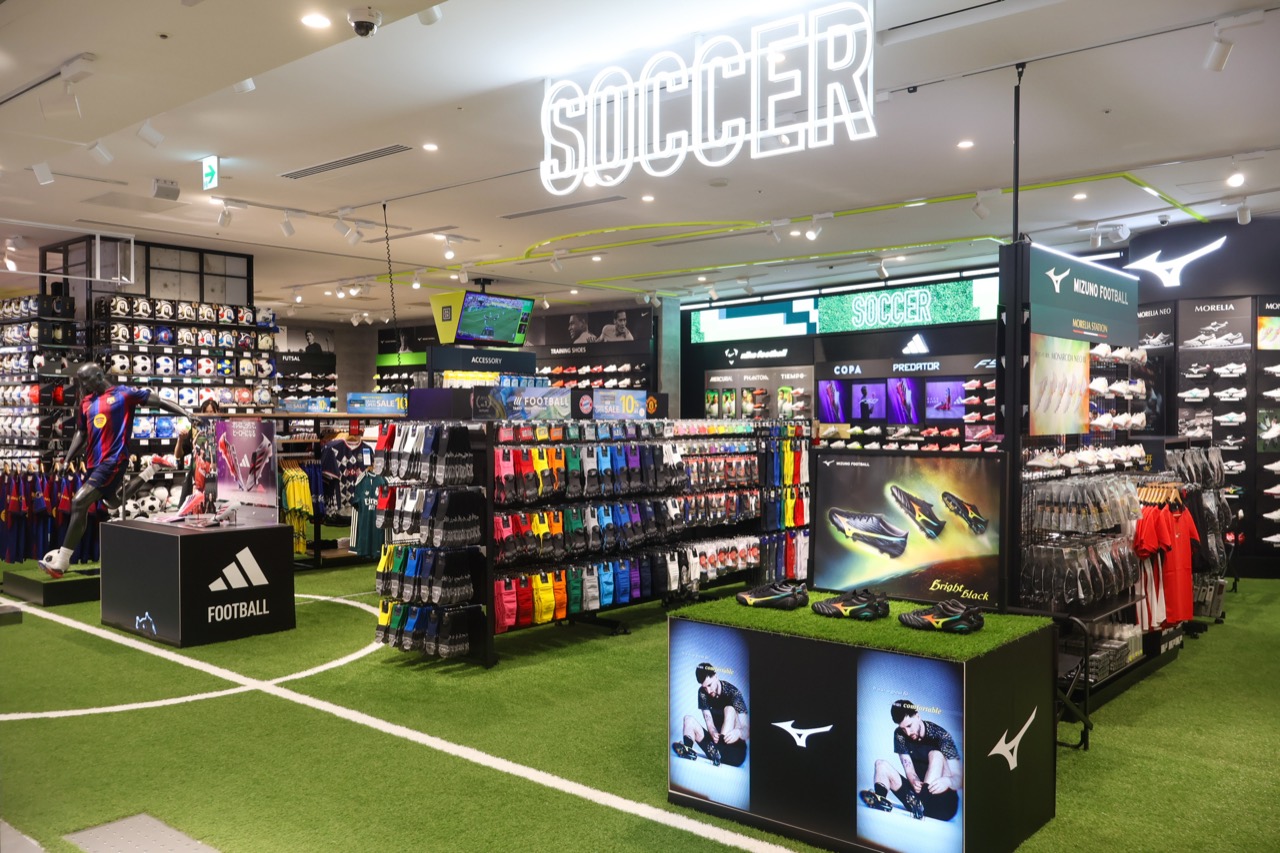
4.The flooring changes as you climb. The running corner uses the same surfacing laid at Yanmar Stadium Nagai, the tennis corner on three is finished in DecoTurf, the football corner in artificial grass, and the basketball corner on two carries the official NBA game floor. Put a shoe on and take a few steps, and the floor answers back. That is a different kind of information from choosing running shoes on carpet.
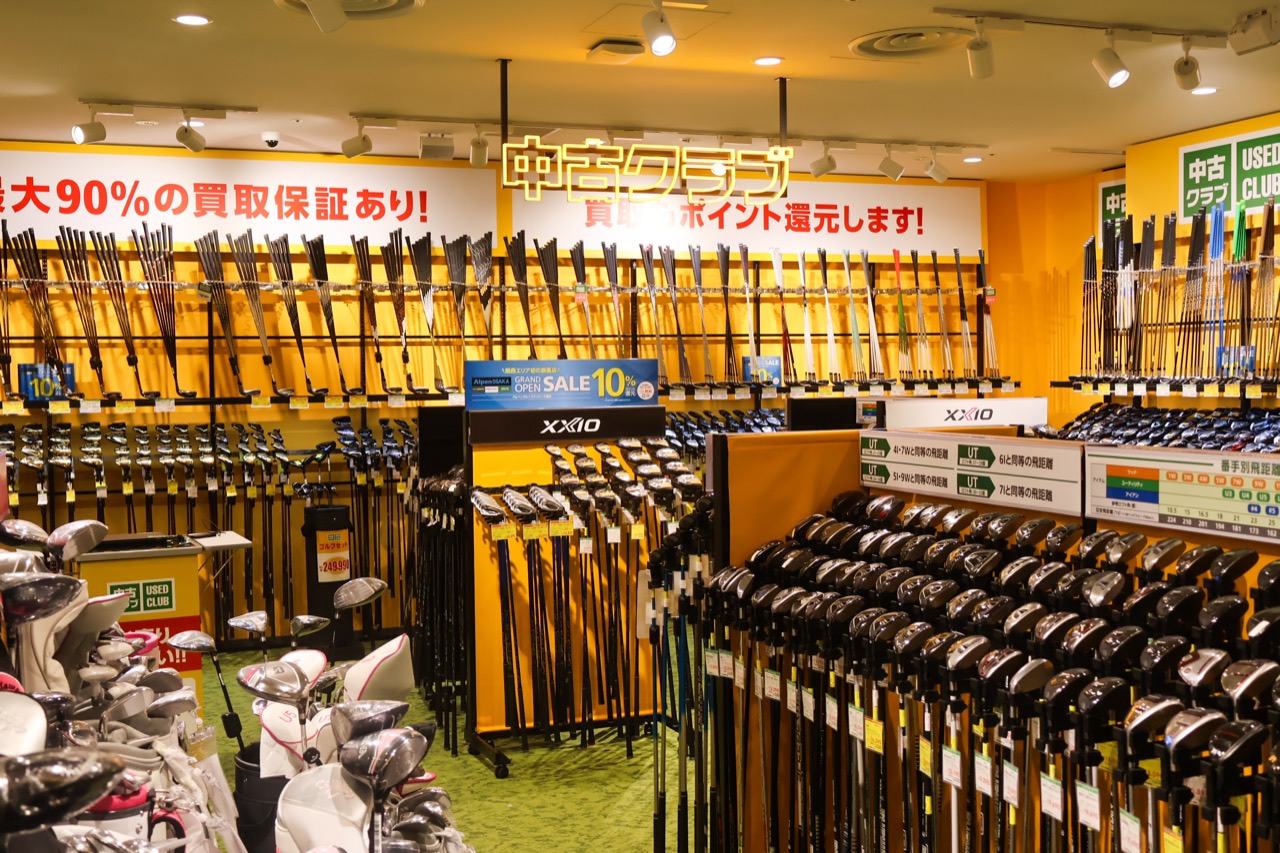
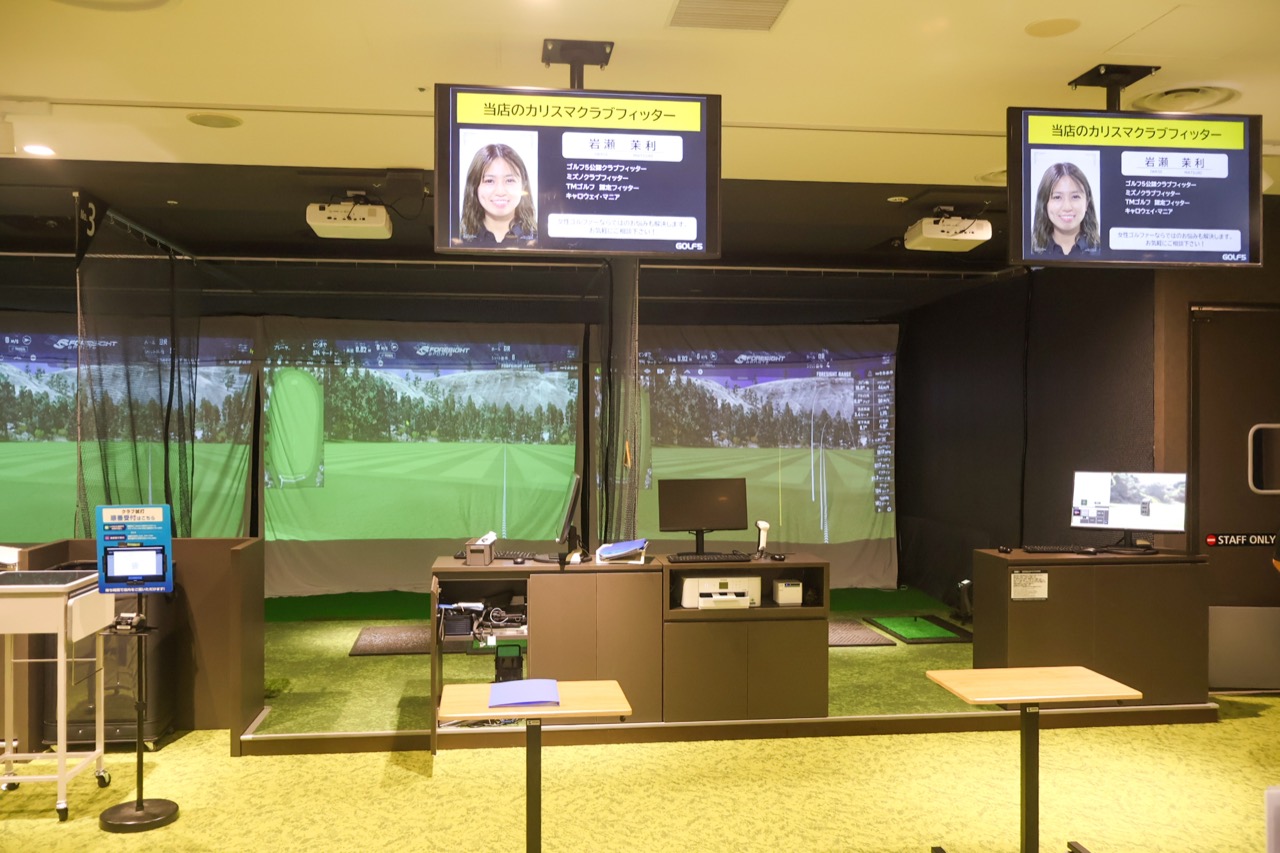
5.The two basement floors carry the weight of this store. About 5,000 used clubs, about 2,000 clubs for testing, three hitting bays that measure driver distance and direction, and a paid VIP room. The equipment that measures and adjusts putter oscillation is the first of its kind in Japan, the company says. No used club here has to be bought unswung.
6.Alpen booked 285.94 billion yen in revenue for the fiscal year ended June 2026, up 6.4 percent. Operating profit reached only 8.543 billion, a rise of 0.3 percent, or 3.0 percent of sales. Recurring profit of 10.072 billion actually fell 3.7 percent.
7.The mid-term plan published in 2024 set targets for the year ending June 2027: 285 billion yen in revenue and 12.5 billion in operating profit. Revenue cleared the mark a year early. Operating profit sits at 68 percent of the target. Volume grew and the margin did not follow.
8.That is why half a basement floor went to used clubs. On new clubs the maker sets the price and the retailer's slice is thin, while on used clubs the buyer sets the purchase price. A customer brings in an old set, it is valued at the counter, refurbished, and hung back on the rack. The company credited used clubs with holding up same-store golf sales last year.
9.Japan's golfing population fell from 14.5 million in 1994 to 7.6 million in 2015. Half the market disappeared, and two of six floors went to it anyway. The reason is how thick the remaining wallets are. A new set runs into the hundreds of thousands of yen, and the same buyer adds a used club while selling off what they had.
10.The same company runs the online business. Its own e-commerce sales passed 25 billion yen, and the mid-term plan calls for doubling that. And still it leases 1,800 tsubo. How much room is there for a screen in measuring a foot, swinging a club, walking on artificial grass? President Atsushi Mizuno says he looked for a place that could be the face of Osaka and settled on Umeda's Chayamachi.
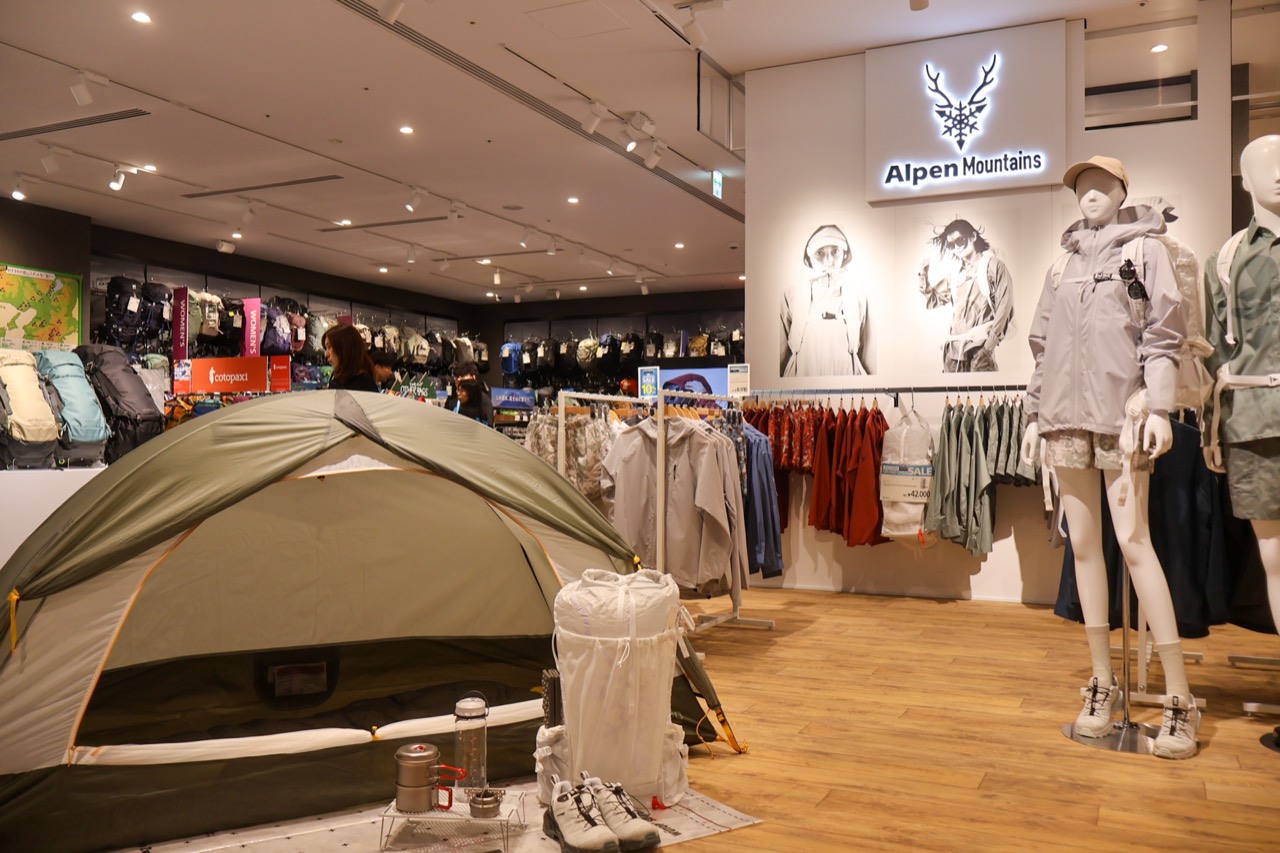
11.All four of the chain's flagships sit in big boxes someone else left. Alpen TOKYO opened in Shinjuku in April 2022 across ten floors and 3,700 tsubo vacated by Yamada Denki LABI Higashiguchi, and the Hakata store followed in September 2023 with three floors and 3,000 tsubo inside Canal City Hakata. Osaka is the fourth and the smallest by area. Used clubs, though, doubled from Hakata's 2,500.
12.Lease terms explain why sports keeps inheriting space that large fashion gives up. Few tenants can absorb six commercial floors at once, and splitting them raises management costs and stretches the vacancy. A tenant who takes the whole stack without carving it up is the kind a landlord will cut rent to keep.
13.The trade is that sporting goods earn less per square meter than fashion. Tents and golf bags are bulky and turn slowly, and one unit of stock occupies the floor space of dozens of T-shirts. Covering that with a single store means pulling in the value of the signage as well. Alpen runs 409 stores, and these six floors in Umeda are the most visible address among them.
14.The paid VIP room is the detail worth pausing on. Rather than giving the experience away, the company priced it. Three bays stay open, and anyone who wants to hit quietly for a long stretch pays. How to handle the customer who occupies a spot for hours is the question every experiential store carries, and this is one answer.
15.One sporting goods chain took the 1,800 tsubo that UNIQLO and GU emptied together and spread it over six floors, and that company's operating margin last year was 3.0 percent. In Korea the first obstacle is the floor count. Buildings in Seoul where a single tenant runs from the second basement to the fourth floor are already held by department stores and hypermarkets, and what reaches the market is often sectional ownership with a different owner on every level. Binding six floors into one lease means untangling the title first, and that time costs more than any rent discount.