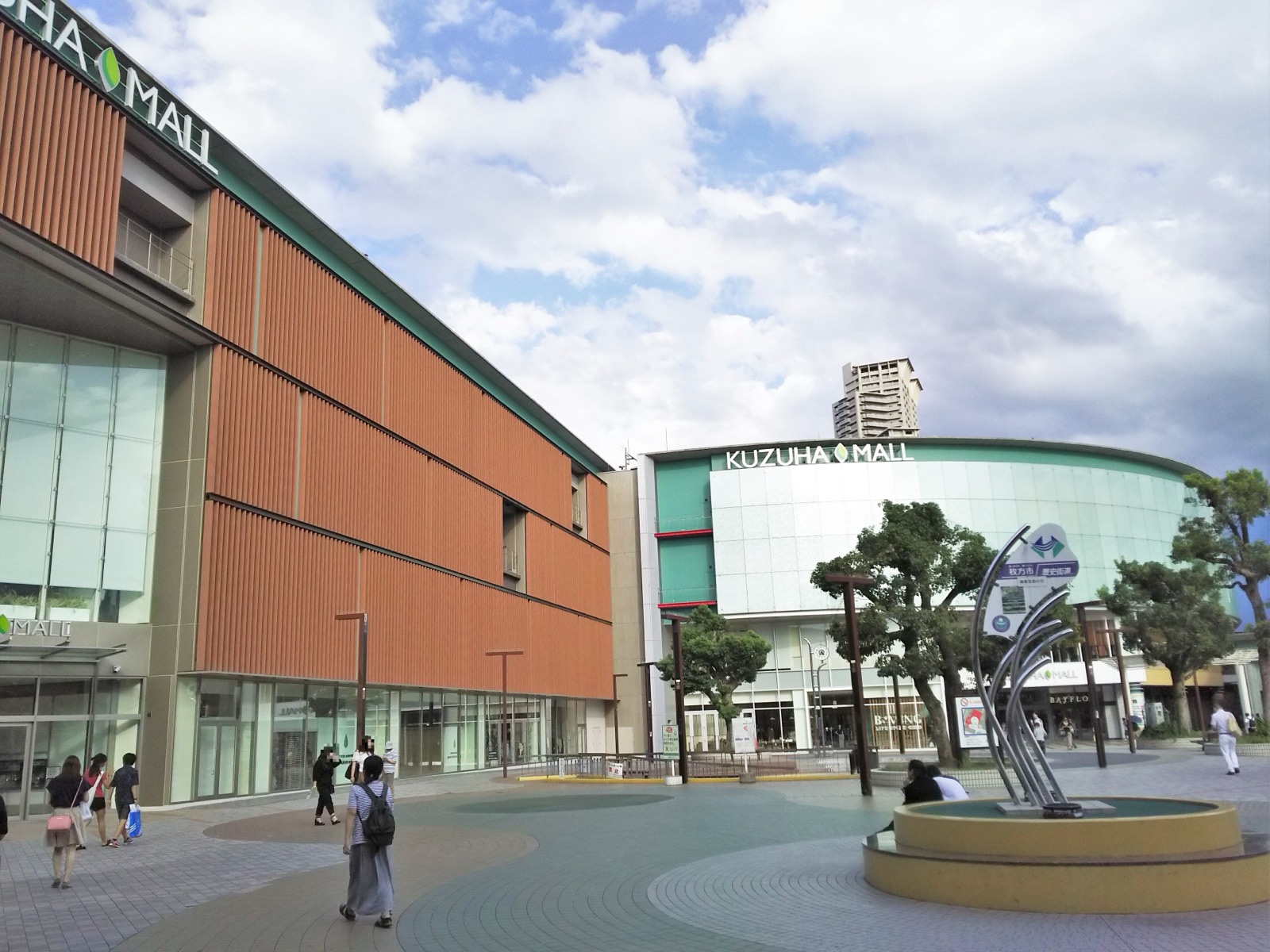
On 9 October a 1,320-square-metre clothing store opens in Hirakata, Osaka Prefecture. It is called WEGO.JP OSAKA. The brand's largest store in Japan, and yet the address is not the city centre but the second floor of a suburban mall attached to a Keihan Main Line station. The company began in 1994 as a 10-square-metre vintage shop in Osaka's Amerika-mura. Two years ago 79.73% of its shares changed hands for 500 million yen, and the buyer was a company that had sold suits in department stores.
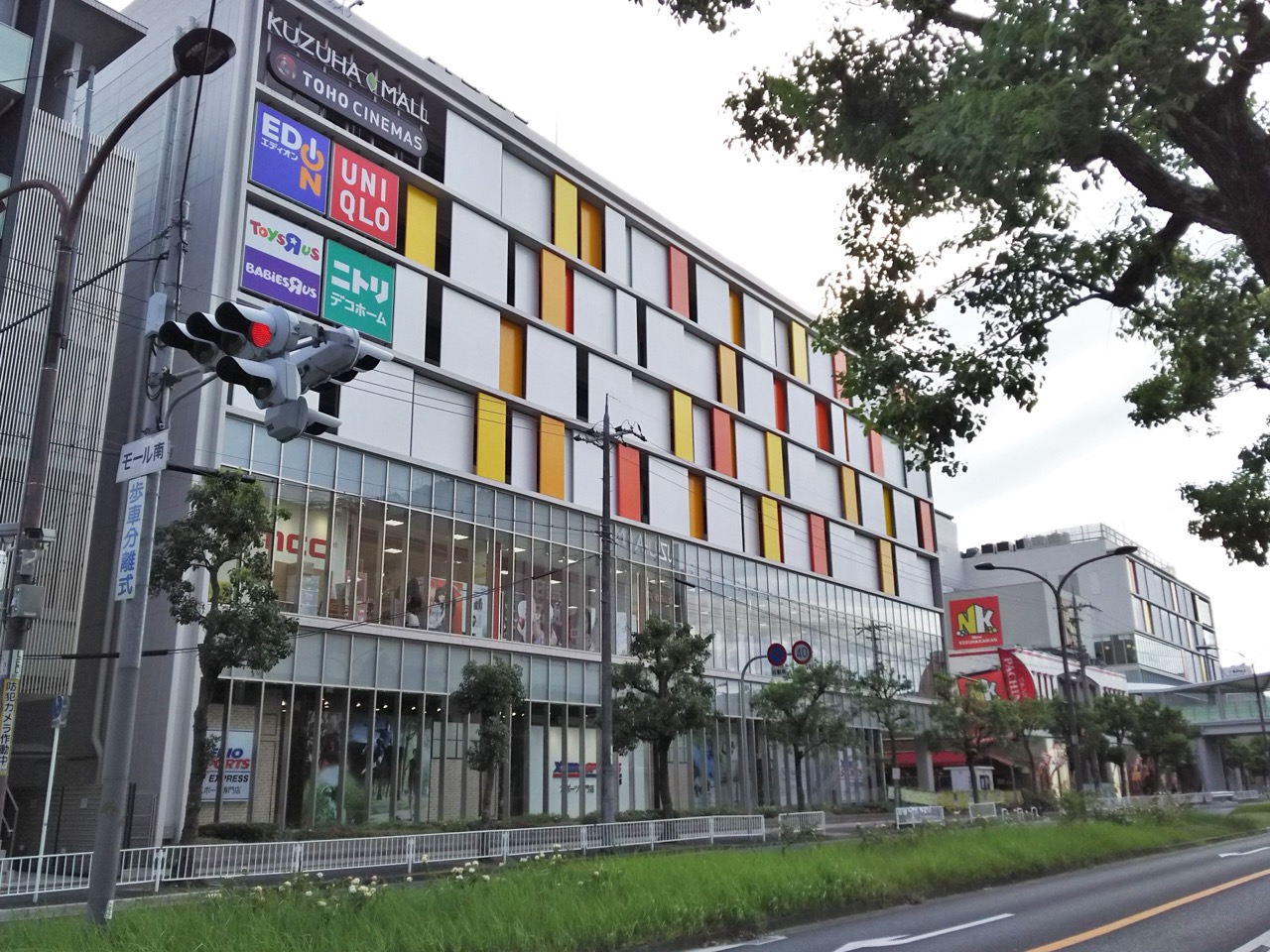
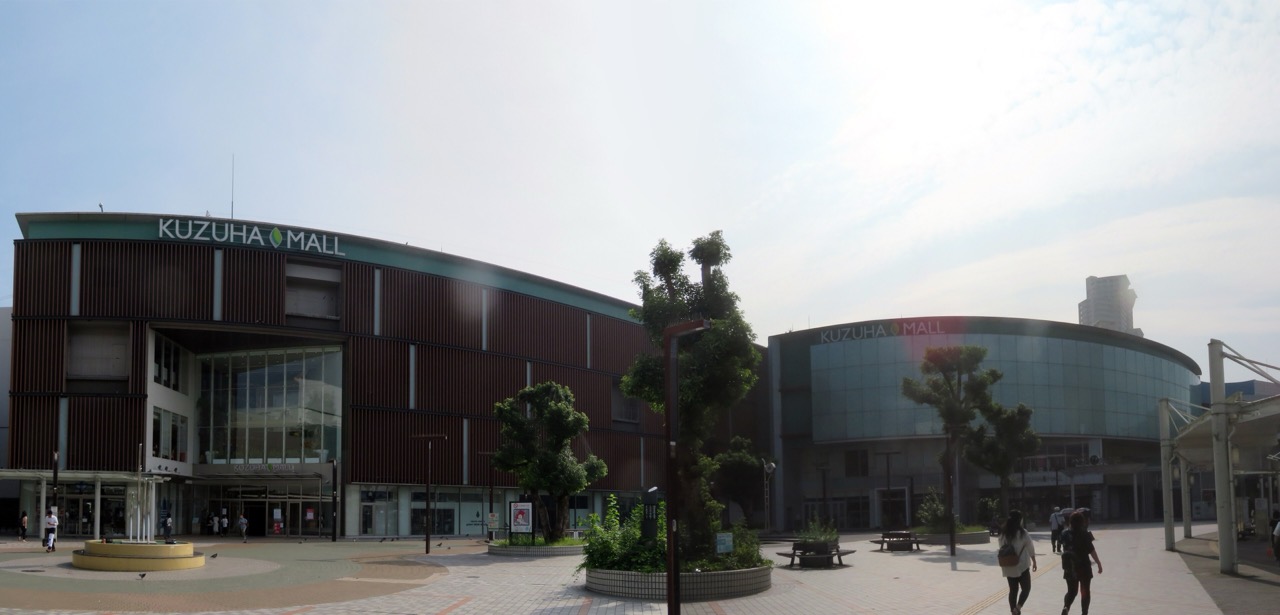
1.The announcement came on 1 September. Opening day 9 October; the address is the second floor of Hikarino Mall, the south building of KUZUHA MALL, at 15-1 Kuzuha Hanazonocho, Hirakata; floor area roughly 1,320 square metres. It is the first store of a new format called WEGO.JP and the brand's largest outlet. Menswear, womenswear, general goods and vintage clothing, every in-house label gathered on a single floor, the company says. Not Harajuku, not Shibuya, not even central Osaka.
2.KUZUHA MALL is one of the largest shopping centres in Osaka Prefecture, run by Keihan Ryutsu Systems. Around 240 tenants sit across three sections, Hanano Mall, Midorino Mall and Hikarino Mall, and the retail floor area is about 72,000 square metres. It reopened on 22 March 2024 after a year of phased work begun in spring 2023, and that work is what took the floor area from 50,000 to 72,000 square metres.
3.Clothing alone will not fill 1,320 square metres. The company's phrase is a world like a street where culture is experienced, and what actually goes in is the WEGO line itself plus in-house labels such as PUNYUS and W♡C, mixed with general goods and vintage racks. Existing shops hung one or two labels across roughly a quarter of that space. The company calls the format new and has numbered this store the first.
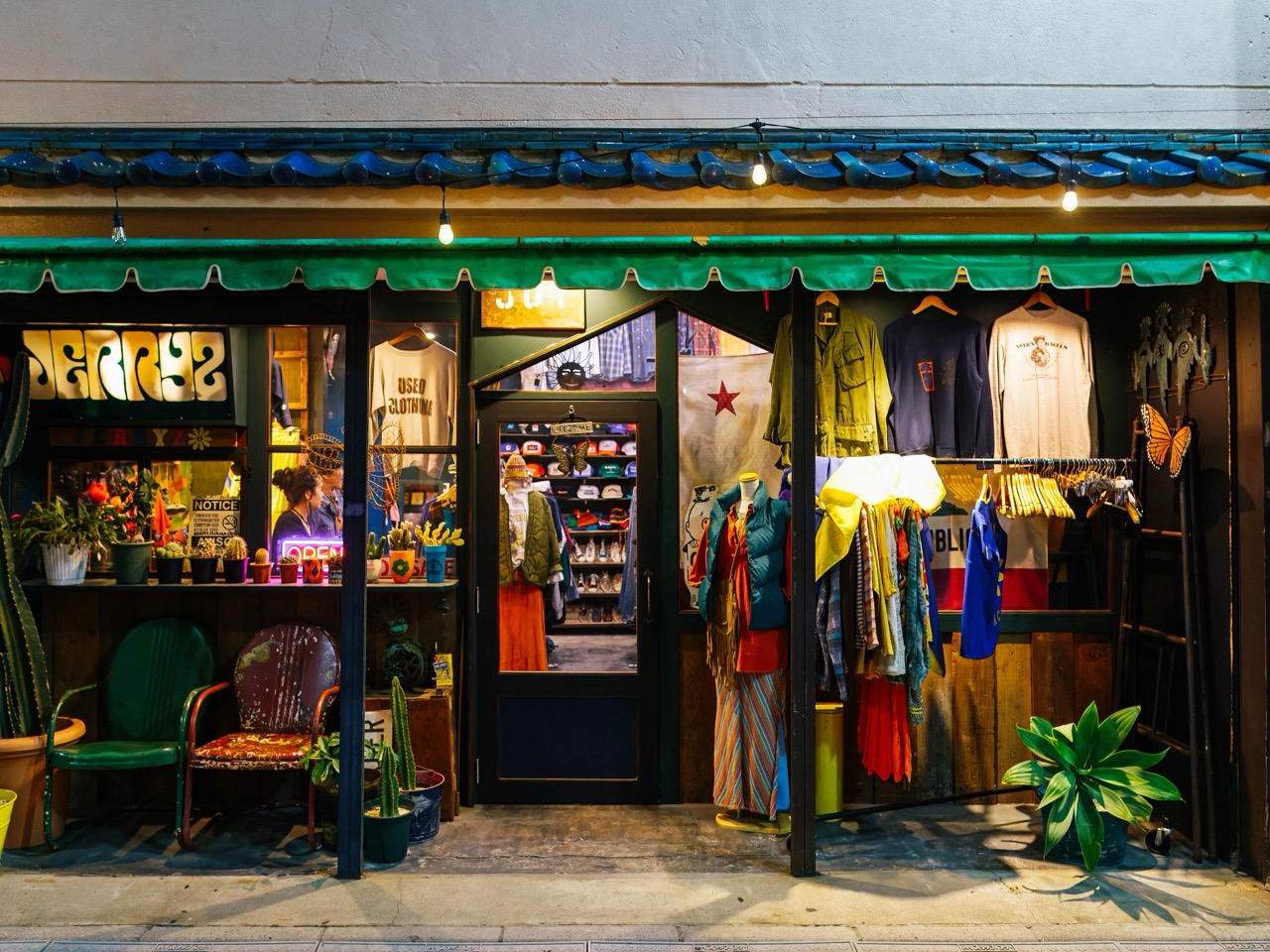
4.A vintage rack sounds different from a rack of new clothes. Push the crowded hangers along the rail and metal scrapes, and people stand there a long time pulling out one garment at a time. Nothing comes in duplicate, so browsing slows, and that slowness is what makes 1,320 square metres bearable. Fill the same space with new stock only and a customer decides they have seen it all in ten steps.
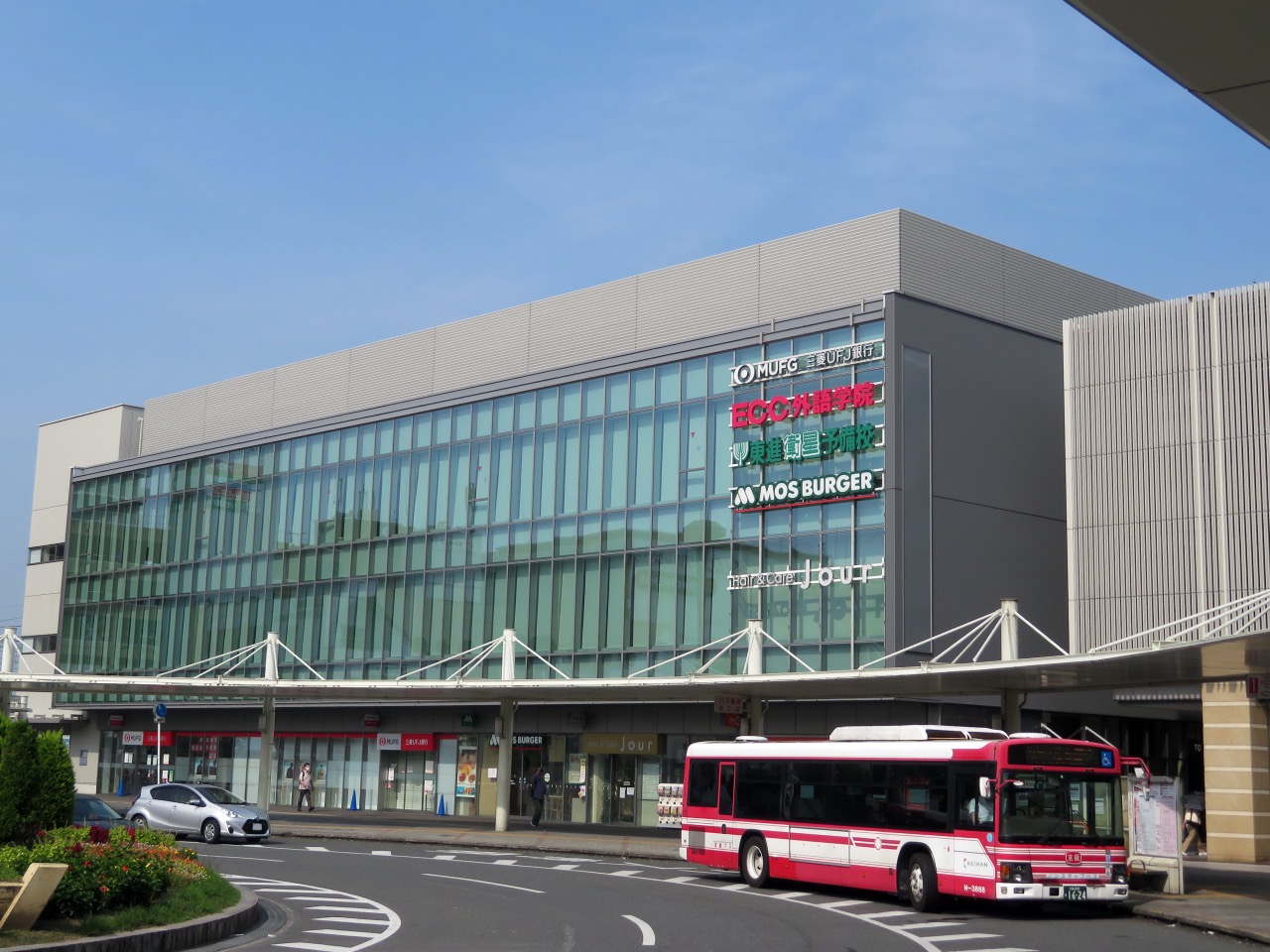
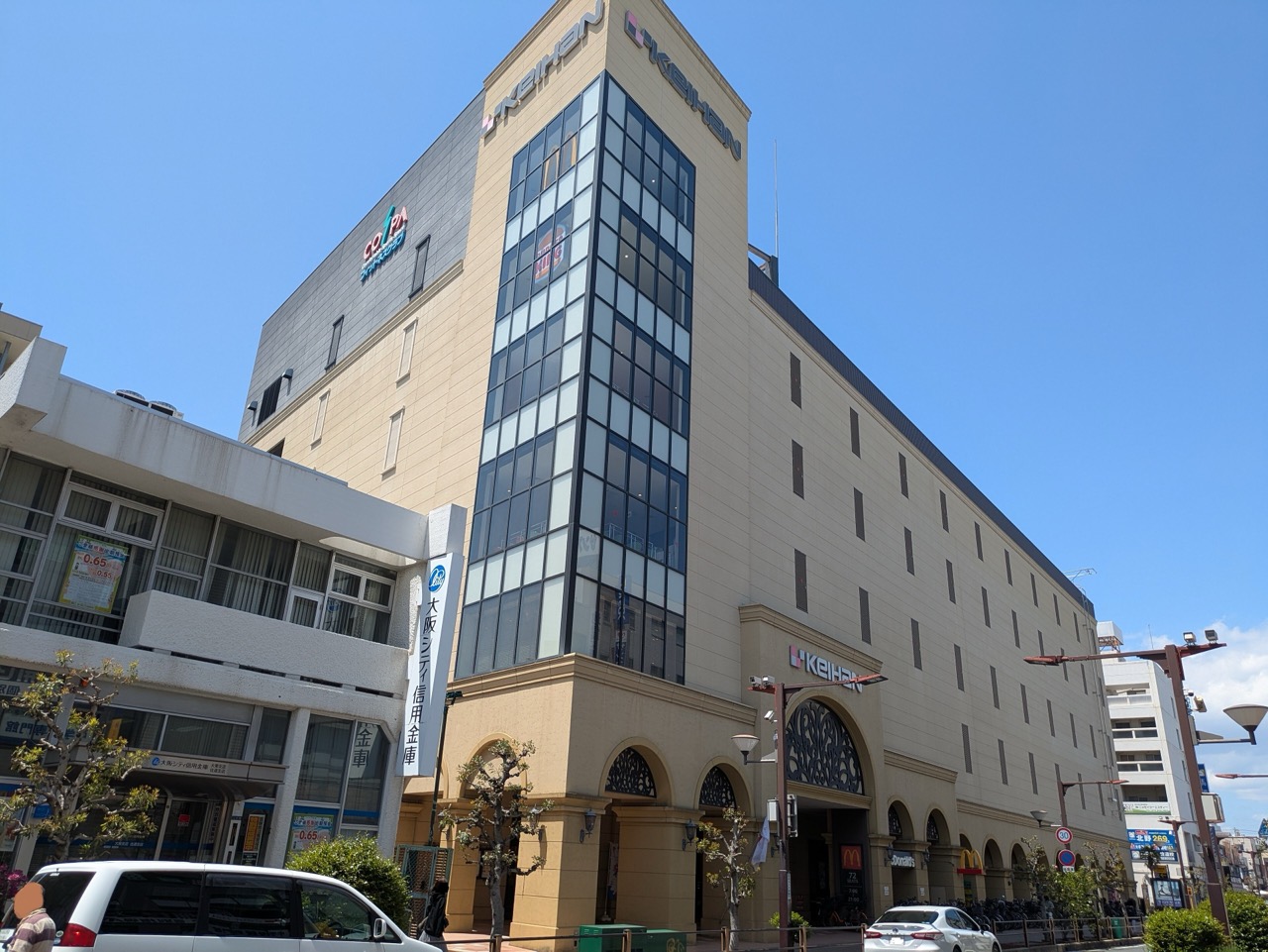
5.How customers arrive explains the address. Hirakata is a commuter town of 390,000, and KUZUHA MALL sits directly against Kuzuha Station on the Keihan Main Line while also carrying a large car park. Teenagers come by train; the parents who drop them off come by car. At a Shibuya street-front store those parents had no reason to follow them in.
6.The market is part of the reason for the wide vintage floor. Yano Research Institute puts Japan's fashion reuse market at 1.41 trillion yen in 2025, 110.2% of the previous year. Shoppers trimming clothing budgets as prices and social insurance premiums rise have moved to second-hand, the researchers say. The cost structure differs too. Buying-in prices are low and the goods are not tied to seasonal sales, so margins erode less.
7.Closer to the truth is that the company's own accounts drove the choice. Revenue for the year to February 2024 was 28.37 billion yen, against an operating loss of 440 million and a net loss of 1.525 billion. Five straight years in the red. A downtown street-front store pays fixed rent that does not bend when sales wobble, while suburban malls often set a low minimum guarantee and take a percentage of turnover. A company five years into losses can only choose the second.
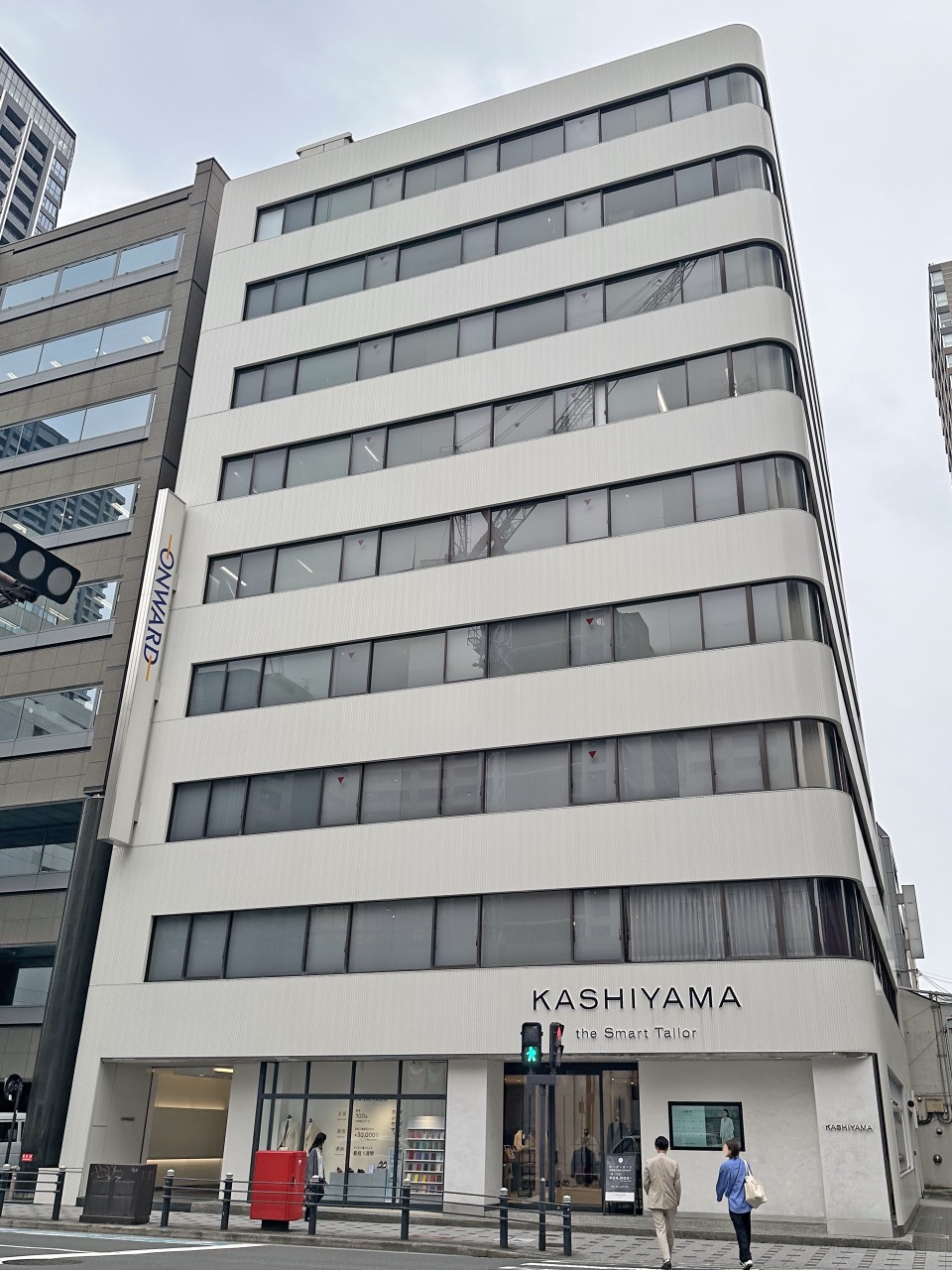
8.On 28 August 2024 Onward Holdings disclosed that it would buy the remaining 79.73% for 500 million yen, with completion set for 27 September. Eight-tenths of a company turning over 28.3 billion yen changed hands for 1.8% of that revenue, and net assets stood at 531 million yen. The sellers were the investment fund J-STAR and individuals including president Kyosuke Sonoda.
9.The money came after the cheap purchase. Onward said it would put a total of about 10 billion yen into the company, of which only 500 million was the share price, the rest going to digital and human-capital investment. Less a price for equity than a bill for a turnaround. What Onward wanted was customers rather than a brand. Its department-store clothing sells mainly to people over 30, while WEGO deals only with teenagers and twenty-somethings.
10.Two years on, the numbers explain the arithmetic. Onward's revenue for the year to February 2026 rose 13.6% to 236.8 billion yen, and split by channel, department stores fell 1% while shopping centres and the like rose 37%. Online rose 17% to 58 billion yen, 28.3% of the total. Onward's growth is coming from outside department stores, and WEGO's 30.3 billion yen in revenue landed whole in that shopping-centre column.
11.What does 1,320 square metres have to sell to pay for itself? Dividing 30.3 billion yen of revenue for the year to February 2025 by roughly 170 stores gives 178 million yen per store. Put rent for an apparel tenant in a Japanese suburban shopping centre at around 20,000 yen per tsubo per month and 1,320 square metres costs 96 million yen a year, and holding that to 10% of sales means selling 960 million yen a year. More than five times the average store. The rent figure is an estimate and the actual terms have not been disclosed.
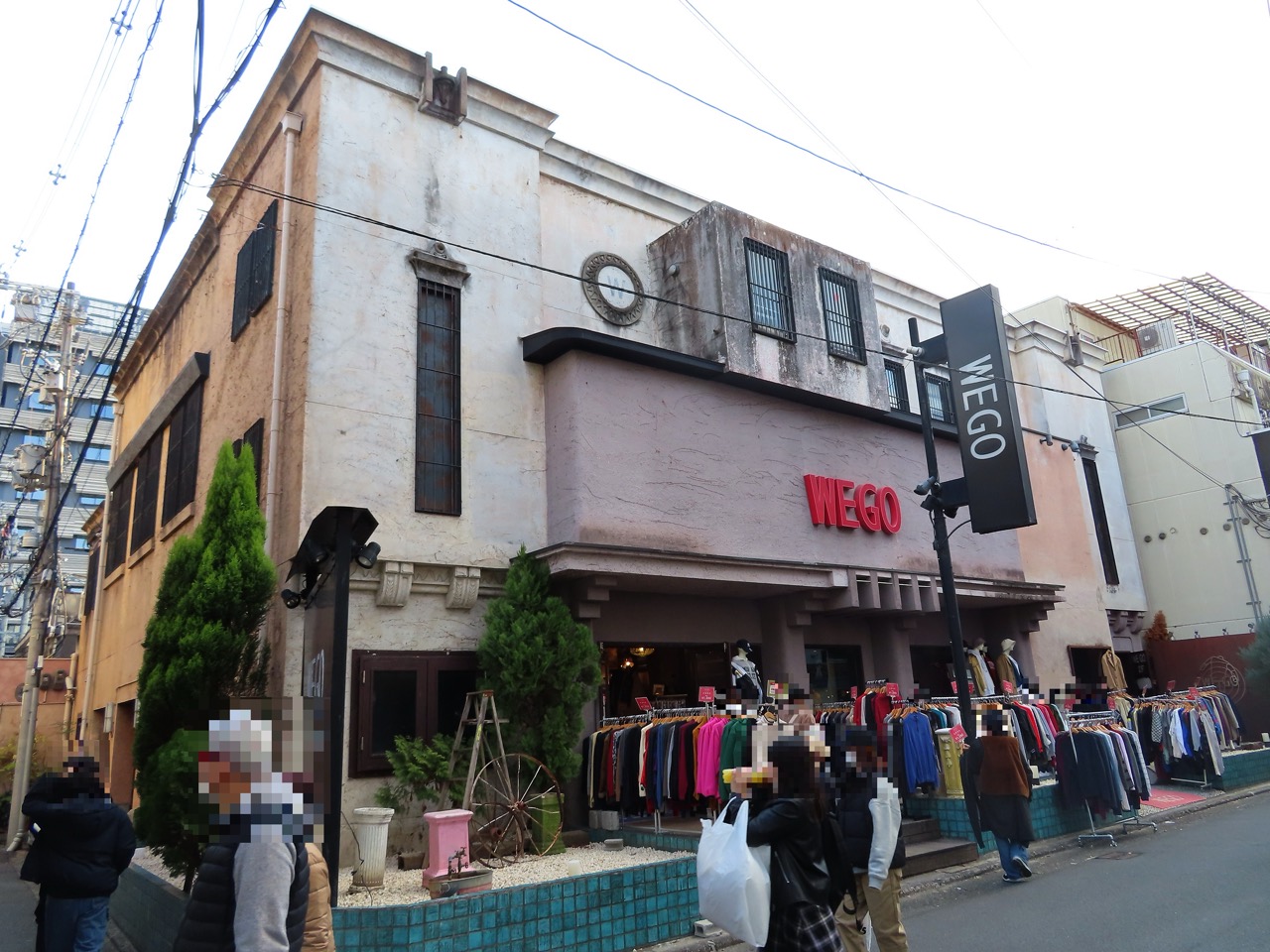
12.This company also started in Osaka. In 1994 Seishi Nakazawa opened a 10-square-metre vintage shop in Amerika-mura; in 1998 he moved up to Shimokitazawa in Tokyo; in 2003 a flagship opened in Harajuku. At one point the company handled a third of all vintage clothing imported into Japan, its own history states. In September 2018 the investment fund J-STAR took over the business through a corporate split, and six years later it passed to Onward.
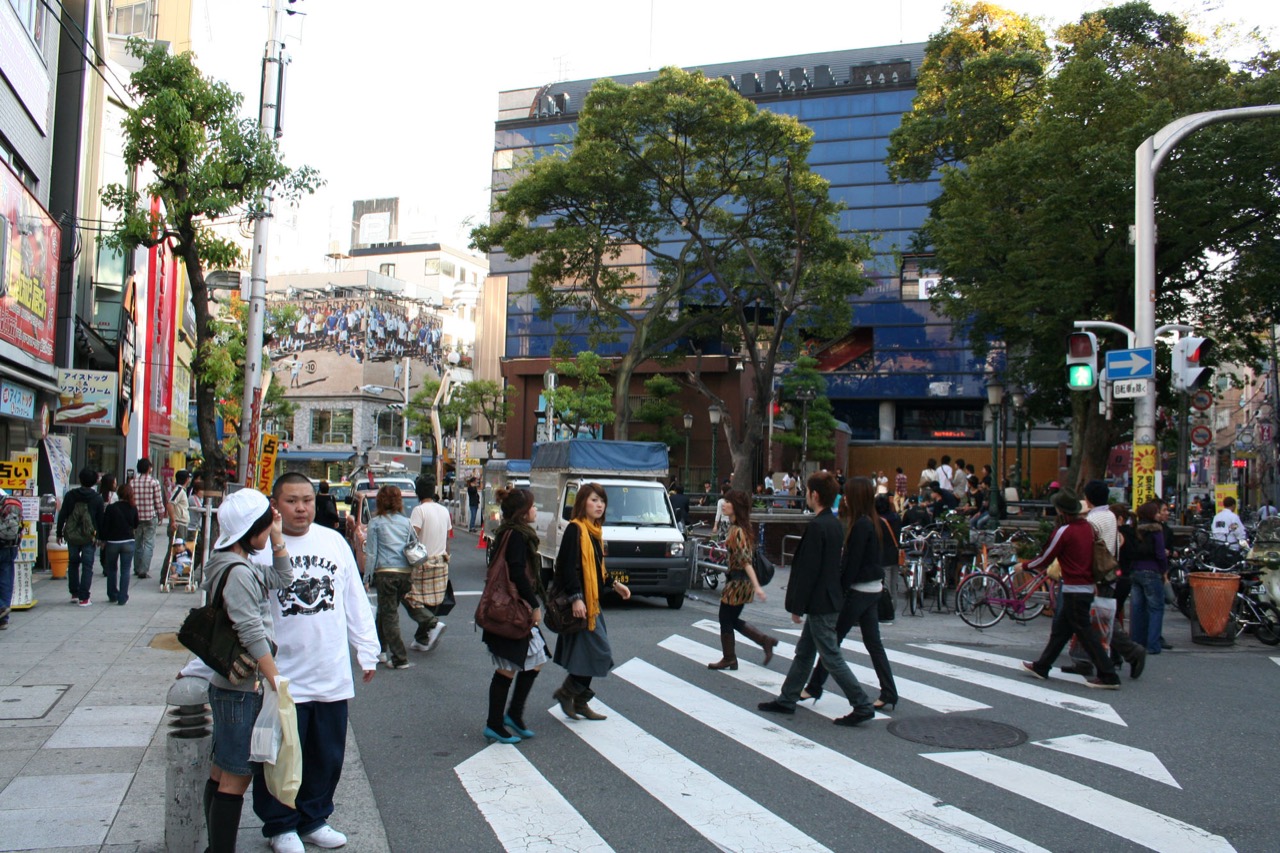
13.Reading this as a return to Osaka after 32 years is the easy version, but a map says something else. Amerika-mura is the middle of Osaka; Kuzuha sits out near the Kyoto boundary. In 2025 the company reached all 47 prefectures by opening in a mall in Onoda, Yamaguchi Prefecture. The site chosen for its biggest store was not a city centre either, but land of the same character as that last missing square.
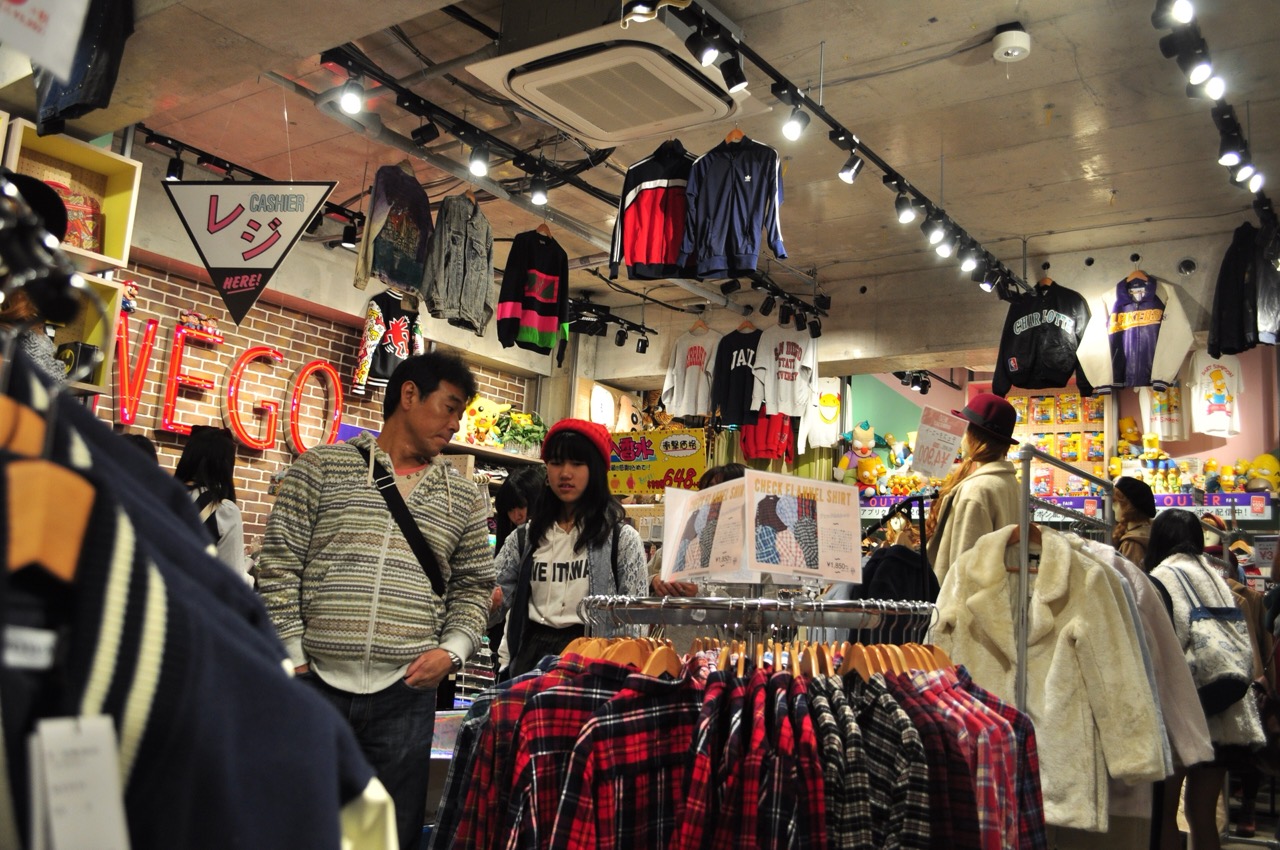
14.Teenagers and people in their twenties spend little on clothes and their numbers are shrinking, so filling 1,320 square metres on that customer alone may work in one place and not in several. Vintage means the buy is the inventory, and picking goods that will sell rests on people, so every store needs its own eye. The phrase first store of a new format already assumes a second. The company has not said how many more it will open.
15.A company that began on three tsubo opened 1,320 square metres 32 years later, and along the way eight-tenths of it went for 500 million yen. The most honest number attached to the story is Onward's split by channel: department stores minus 1%, shopping centres plus 37%. Anyone trying the same thing in Korea runs first into lease terms. Japanese suburban malls commonly keep the minimum guarantee low and take a percentage of sales, while large Korean malls often want a deposit and fixed rent together, which makes it hard for a loss-making brand to take a large floor as an experiment. Stack a vintage floor that carries bought-in inventory on top of those terms and the risk doubles up.