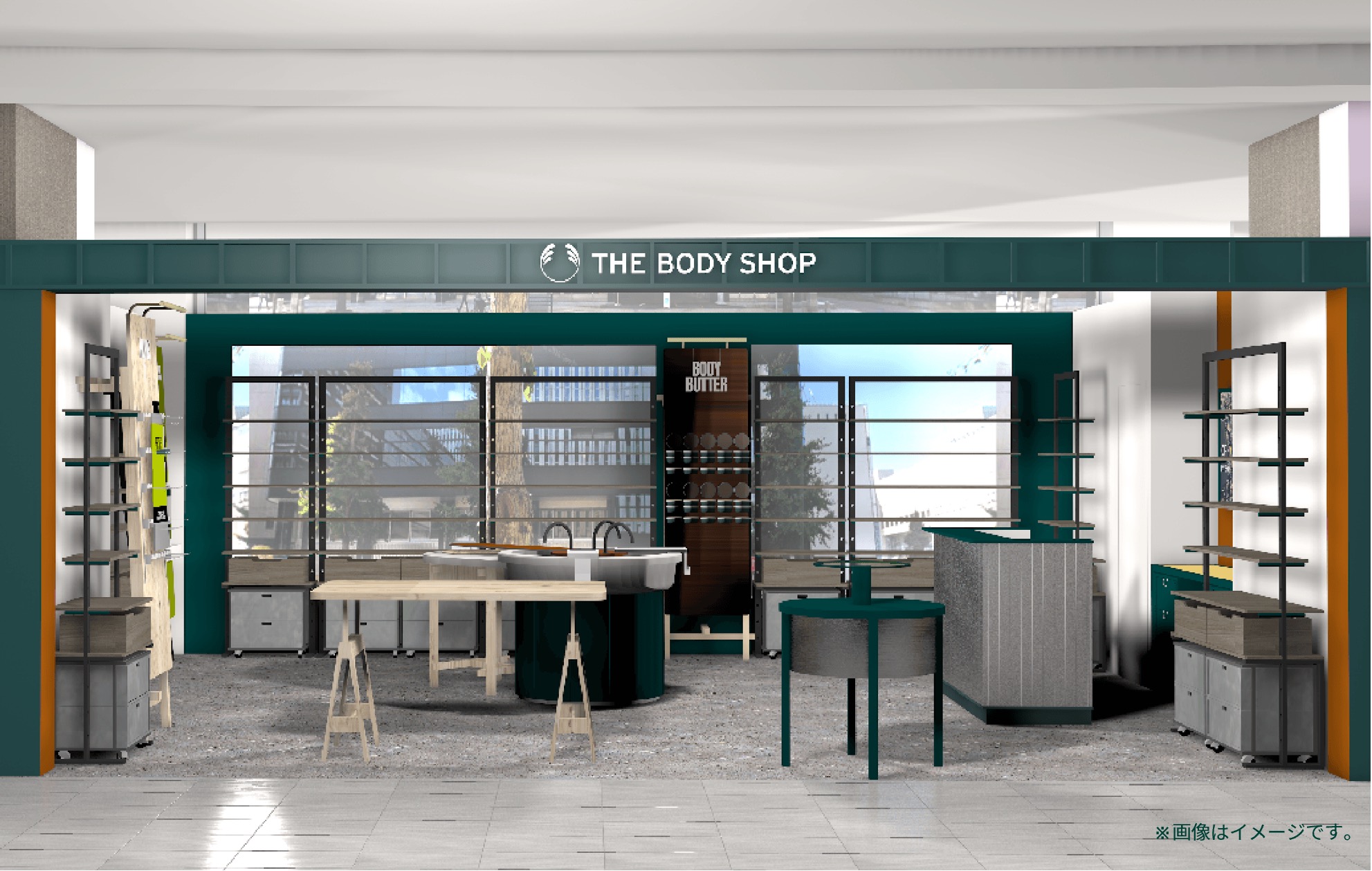
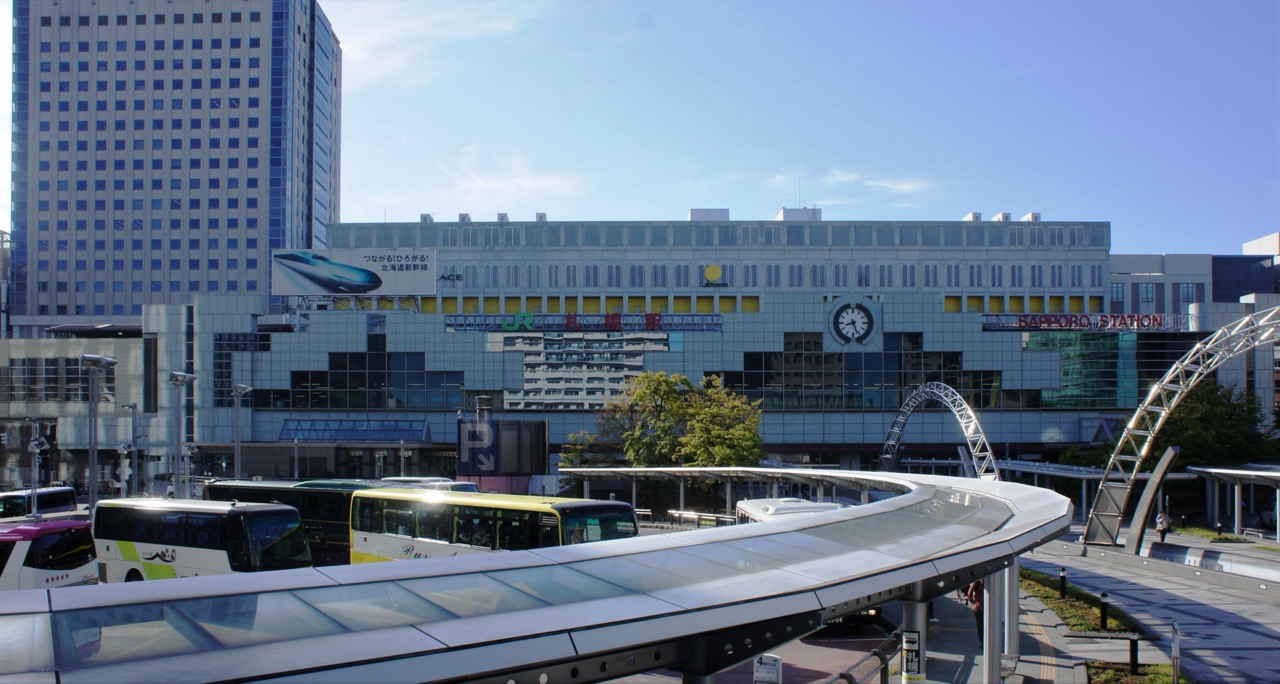
Today The Body Shop opened a store on the first floor of Sapporo Tokyu Department Store. It is the brand's only remaining store in Hokkaido, and until nine days ago it sat on the third floor of Daimaru Sapporo, a five minute walk away. The building it left booked 88.2 billion yen last year and has grown about 30 percent in six years, while the one it entered has handed five upper floors to specialty tenants and kept only the four lower ones as a department store. The brand gave up the third floor of a building that is doing well and took the first floor of a building that shrank. The fixtures are built from aluminium stripped out of retired Shinkansen cars.
1.The opening date is 9 September 2026 and the address is 1F Sapporo Tokyu Department Store, Kita 4-jo Nishi 2-chome, Chuo-ku, Sapporo. Doors open at 10am and close at 8pm, following the department store's own hours. This is the only store the brand has in Hokkaido. The Daimaru Sapporo unit on the third floor closed on 31 August. Floor area is not disclosed.
2.Only one thing actually changed in this move, and that was the floor. The third floor at Daimaru was womenswear. The first floor at Tokyu is the beauty hall, where Chanel, Dior and Shiseido stand in a row. A brand selling body care and skincare pulled its counter out of the clothing floor and set it down in the cosmetics line.
3.Almost every fixture is built from something that was used before. Reclaimed timber pulled from demolition sites, recycled plastic that was headed for disposal, FSC certified wood. Aluminium from scrapped Tokaido Shinkansen cars goes into part of the display units and into the spatulas customers use to scoop cream. A sink sits in the middle of the floor with two taps on it. A place to wash your hands, wedged between one counter and the next.
4.The aluminium comes from the 700 series. It ran the Tokaido line from 1999 and was retired in March 2020. JR Central cuts the cars into 100mm chips, screens out impurities with vibrating sieves, magnetic separators and human eyes, then melts down what is left. Producing aluminium this way takes 3 percent of the energy that new metal needs. When the Osaka store opened in July, the brand released a pouch made from material of the same family. Printed on the label on the back: the car series.

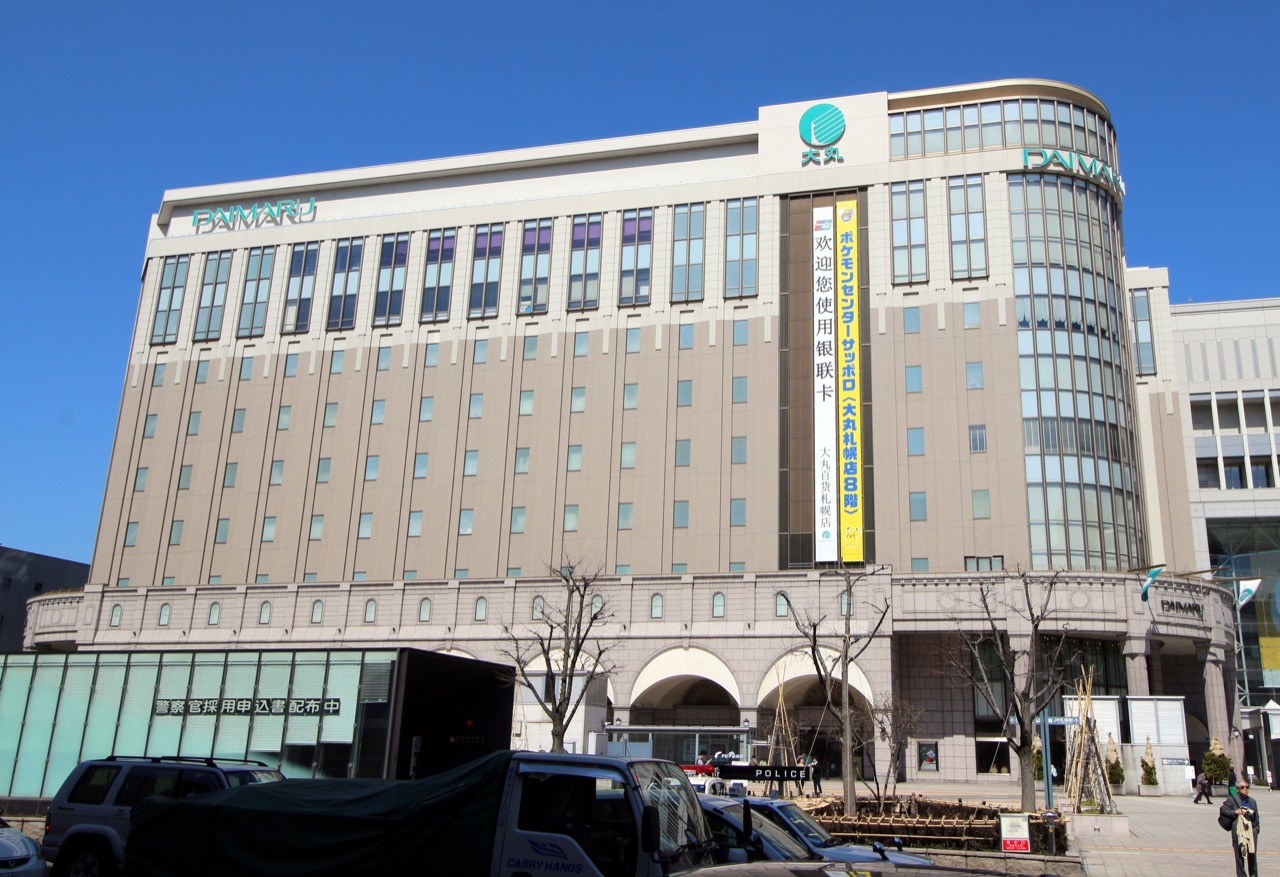
5.That is where the press release stops, and the expensive part of this store lies somewhere else. Daimaru Sapporo sold 88.253 billion yen in the year to February 2025, up 16.9 percent. It has grown more than 30 percent in six years and says it will clear 100 billion yen in 2028, its 25th anniversary. The brand walked out of the fastest growing department store in Hokkaido.
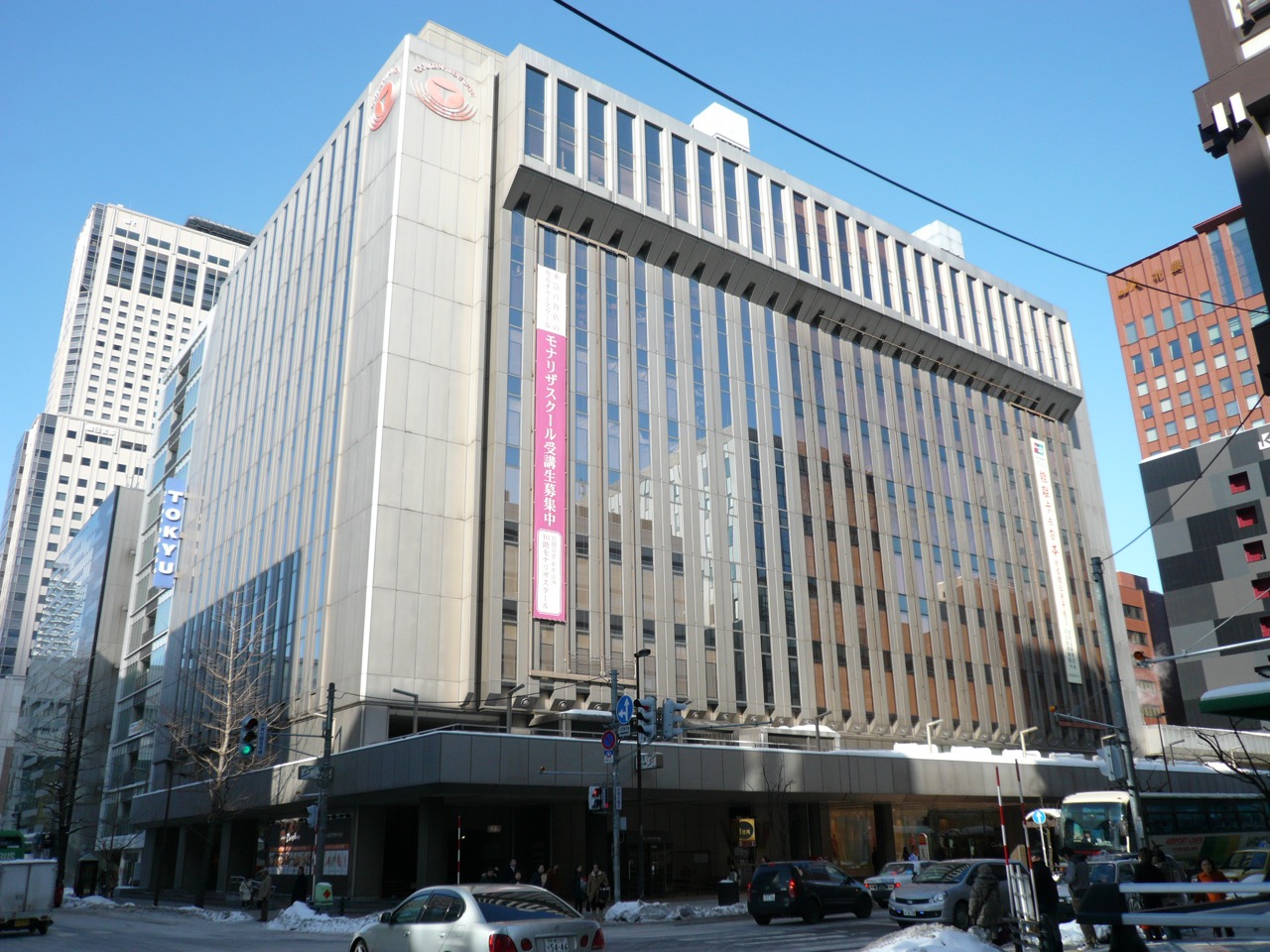
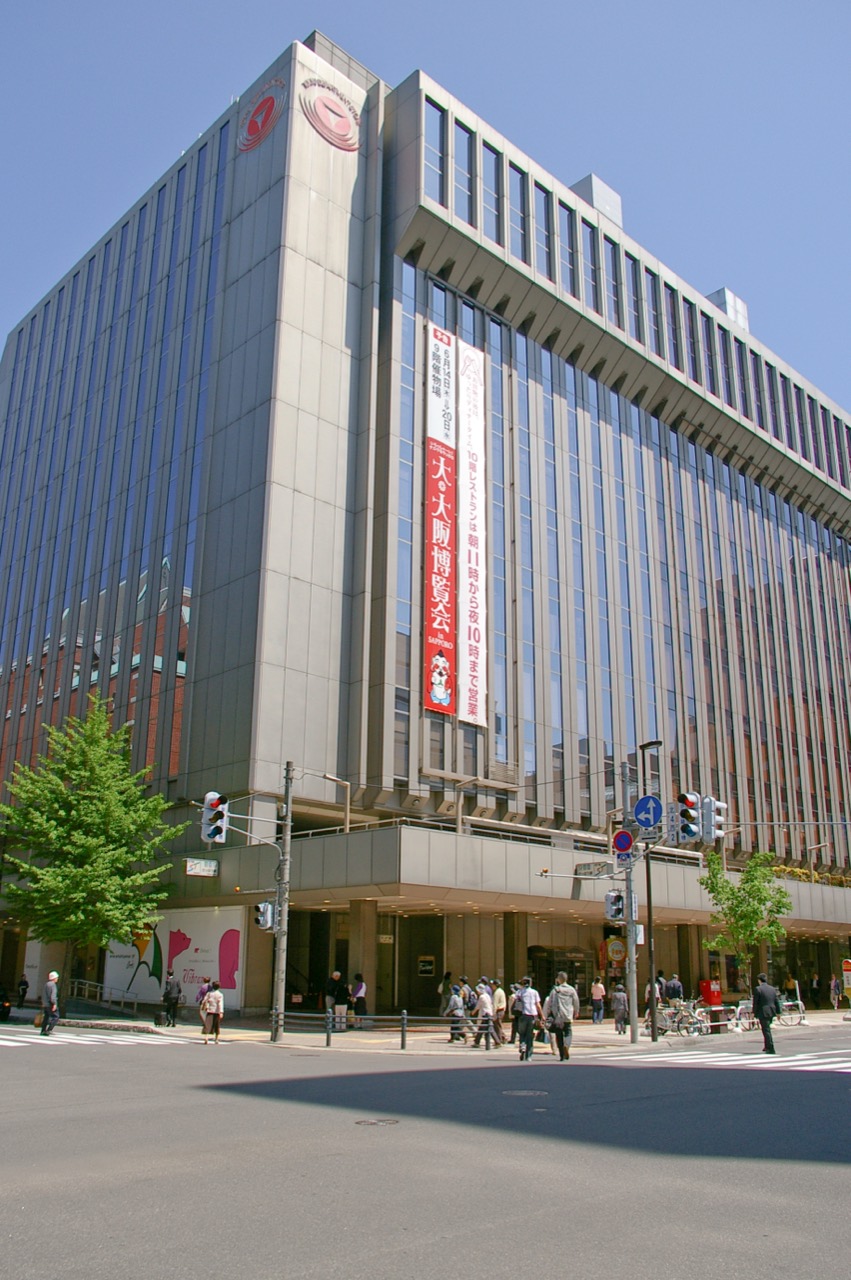
6.The building it walked into is a different story. Sapporo Tokyu Department Store opened in 1973 and was gutted in 2023, its fiftieth year. What stayed as department store was floors one to four. Floors five and six went to Bic Camera, the eighth to Hands, the ninth to a Bandai Namco arcade. The renovation was meant to pull an audience skewed to people over 60 back down the age range, aiming at double the footfall and 1.5 times the sales.
7.Someone standing on the third floor of a department store came to buy clothes. The first floor beauty hall is the strip everyone crosses between the basement food hall and the street entrance. Body wash and hand balm are not things people set out to buy that morning. They get picked up by someone who caught the smell walking past, so footfall converts straight into sales. A poor spot on the first floor beats a good one on the third.
8.The sink in the middle of the floor comes out of the same logic. You smell something, rub it into the back of your hand, then wash the slick off. Water runs, the scent goes, and the person turns back toward the shelves. One demo station buys a few extra minutes of dwell time, and on a beauty floor a few minutes is the distance to the till.
9.The two autumn lines that reached Sapporo ahead of the rest of the country are priced at 2,200 yen for a 250mL bath and shower gel, 4,180 yen for a 200mL whipped body butter, 1,540 yen for a 30mL hand balm, 3,080 yen for a 100mL fragrance mist and 4,840 yen for a 50mL eau de toilette. Roughly 15,000 to 46,000 Korean won. On a first floor beauty hall, that is the bottom shelf.
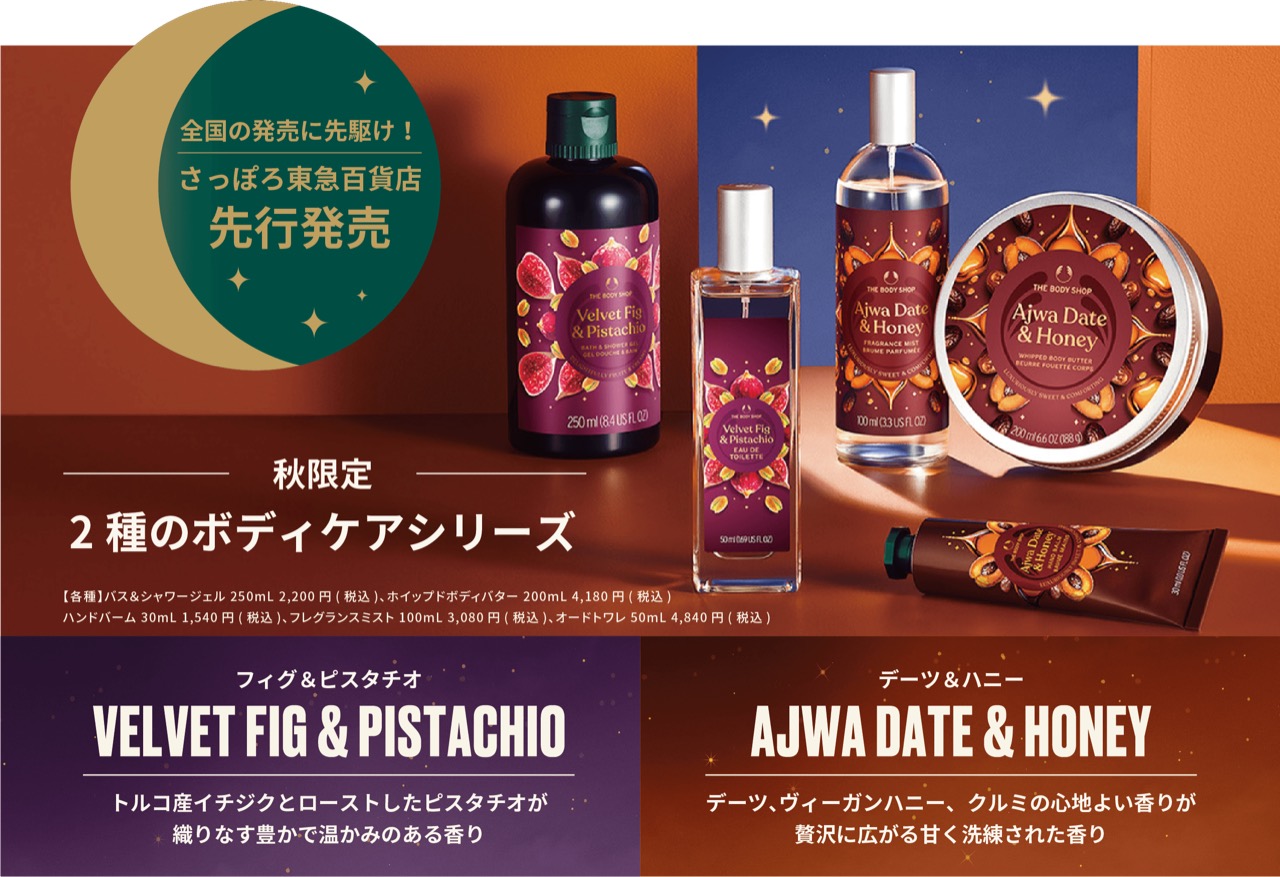
10.The opening gift requires a purchase of 7,700 yen or more. That threshold sits tight against the price list. A body butter plus a shower gel comes to 6,380 yen and falls short. Add a hand balm and it reaches 7,920 yen and clears. The number was picked to make people carry three items to the till. The gift is a floral pouch in two patterns.
11.So how much does one store sell? The answer survives in an old set of accounts. Aeon Forest, which ran the Japanese business for 30 years, booked 6.619 billion yen in the year to February 2019. With roughly 120 stores that year, one store sold about 55 million yen. That is 4.6 million yen a month, 150,000 yen a day. Put the average basket at 4,000 yen and 38 people cross the till daily. Turn those 38 into 7,700 yen customers and the same floor area nearly doubles its revenue.
12.The brand itself started in Brighton, England in 1976, when Anita Roddick opened with 25 products and a refillable bottle. It has changed hands four times since, and the price kept falling. L'Oréal paid 652.3 million pounds in 2006, Natura &Co paid 880 million in 2017, Aurelius paid 207 million in November 2023. The last of those owners lost its bank credit within four months and put the UK company into administration in February 2024.
13.Japan stood one step outside that storm. In 1990 Aeon Forest, a subsidiary of Aeon, signed a master franchise and opened the Omotesando store in Jingumae, Tokyo. When the 30 year contract ran out in October 2020, Aeon sold its entire stake to the British parent. Store numbers fell from about 160 in 2015 to 103 by February 2020. The Sapporo move belongs to that same shrinking. Leave one store in a prefecture, and put that one on the floor with the most traffic.
14.The brand is now run by Auréa Group, which bought the assets out of administration on 6 September 2024. Mike Jatania took the chair and Charles Denton, formerly chief executive of Molton Brown, took the top job. Denton left after a year and Jatania added the role to his own. The head of the Japanese company is Mitesh Jatania. An investor family sitting in the operating seats is carrying the brand through its fiftieth anniversary, and in July it opened a second Osaka store in Umeda, putting two units inside one catchment.
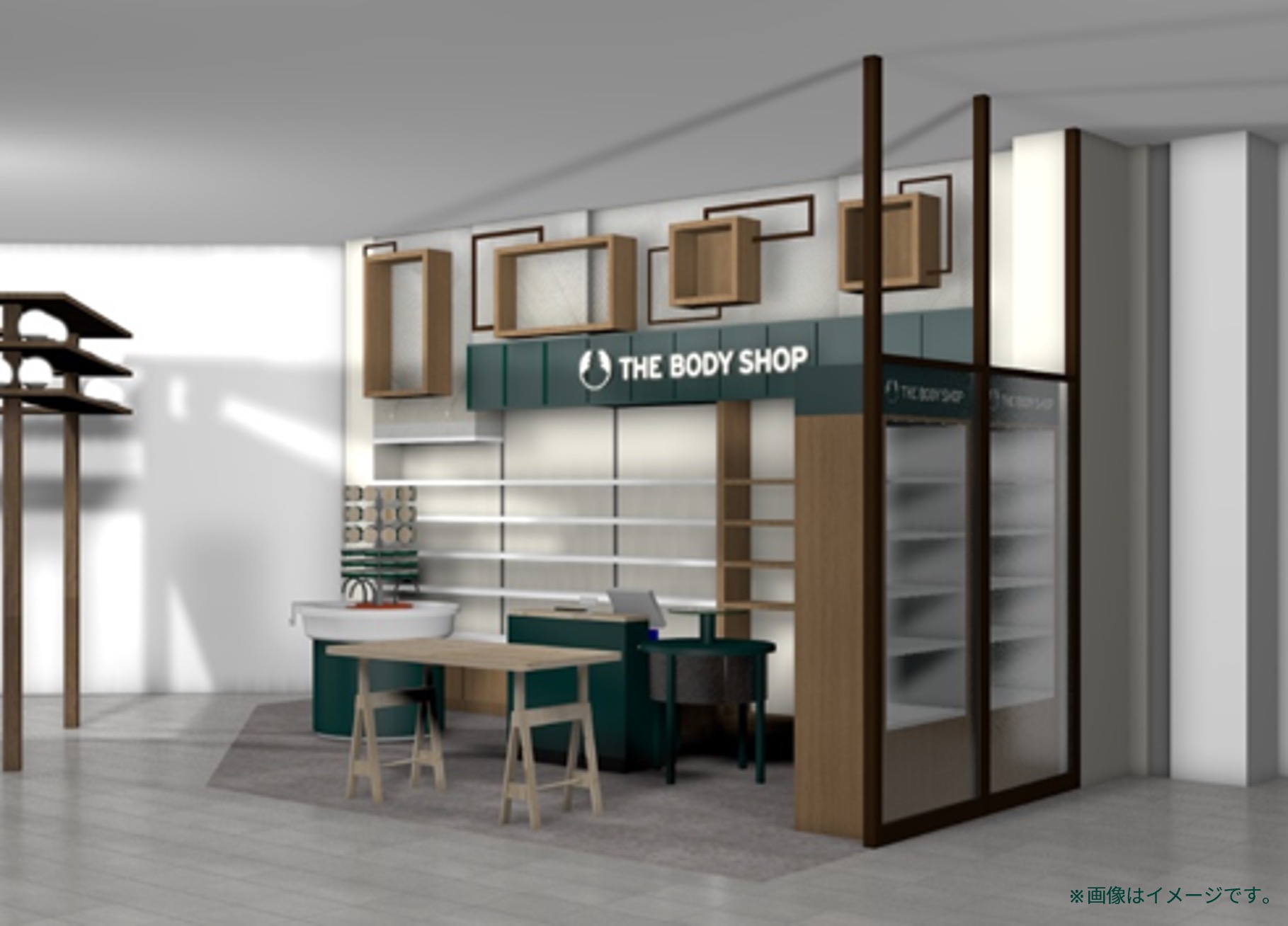
15.Vacating the clothing floor of a growing department store for the beauty floor of another one 300 metres away is what happened today, and the number underneath that decision is an old average of 55 million yen per store per year. Revenue like that does not win a good floor by asking, so changing floors meant changing buildings. In Korea the fixtures would stop you before the floor does. A concession's fixtures pass the department store's own design review, finishes are asked for non-combustible or semi-non-combustible test certificates, and timber pulled off a demolition site needs fresh testing with every batch that arrives. Budget a store of recycled materials as cheap because the material is cheap, and the quote will not agree. The material is the cheap part. The expensive part is the paper saying it may come through the door.