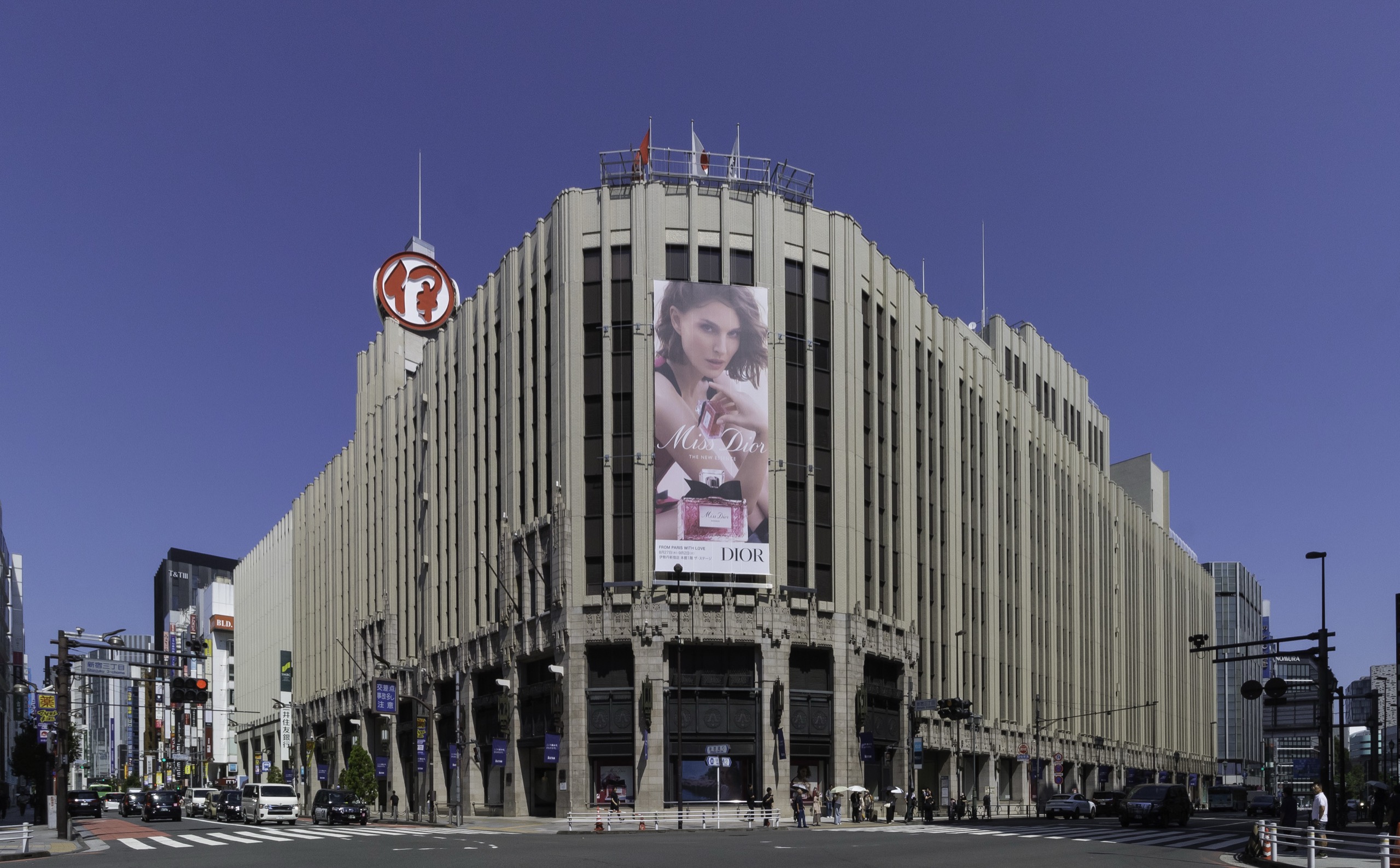
KHAITE has opened its first permanent store in Japan. The address is the third floor of the main building at Isetan Shinjuku. Not a street-level shop but space inside someone else's building, with no rent and no deposit, in exchange for handing the department store a cut of every sale. The New York brand sits in more than 200 multi-brand retailers worldwide, and two thirds of its revenue comes from that wholesale channel. The first cash register carrying its own name in Japan stands in a building that sells 424.9 billion yen a year.
1.The space sits in the International Designers zone on the third floor of the main building, and the doors opened on September 4. Before that came a ten-day pop-up on the same floor at The Stage #3, running July 1 to 11. Show the numbers with a pop-up, then get the permanent counter. Floor area undisclosed.
2.Khaite Japan runs the business. Yagi Tsusho set it up as a joint venture in 2025, and the co-CEOs are Yagi Tsusho president Yuzo Yagi and Norimichi Fujii, seated together. Fujii previously served as an executive at the Japanese arms of Chloé and Dolce&Gabbana. The brand's head office did not walk in on its own; a Japanese trading house laid the ground.
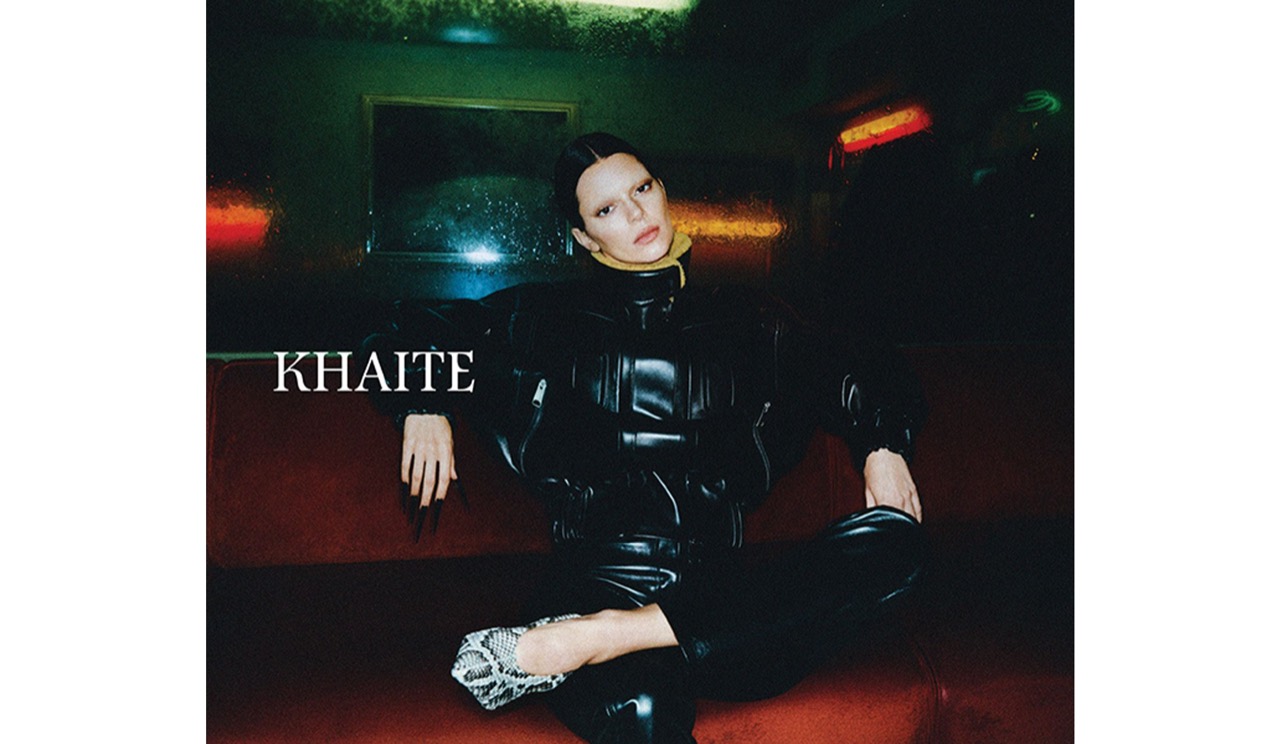
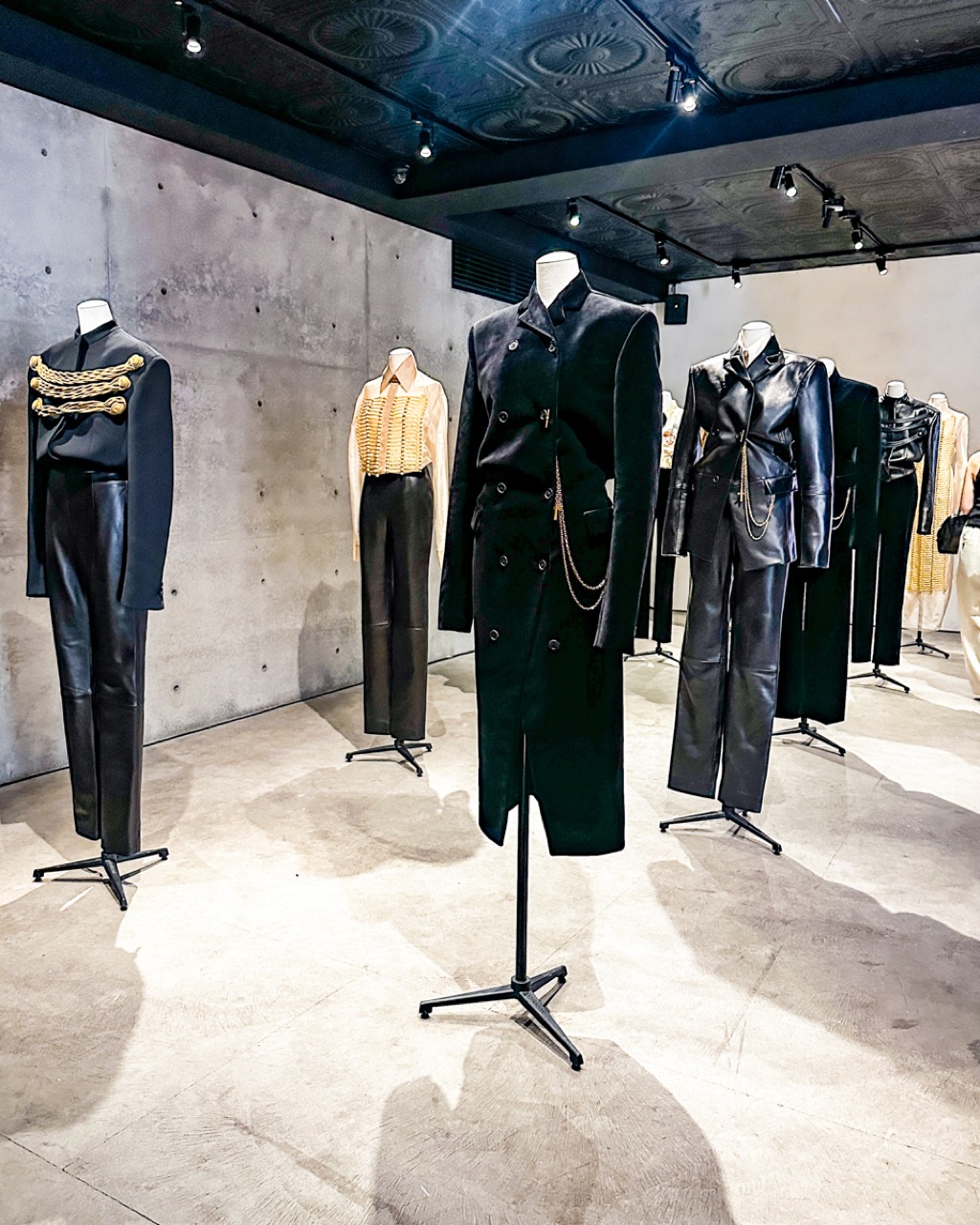
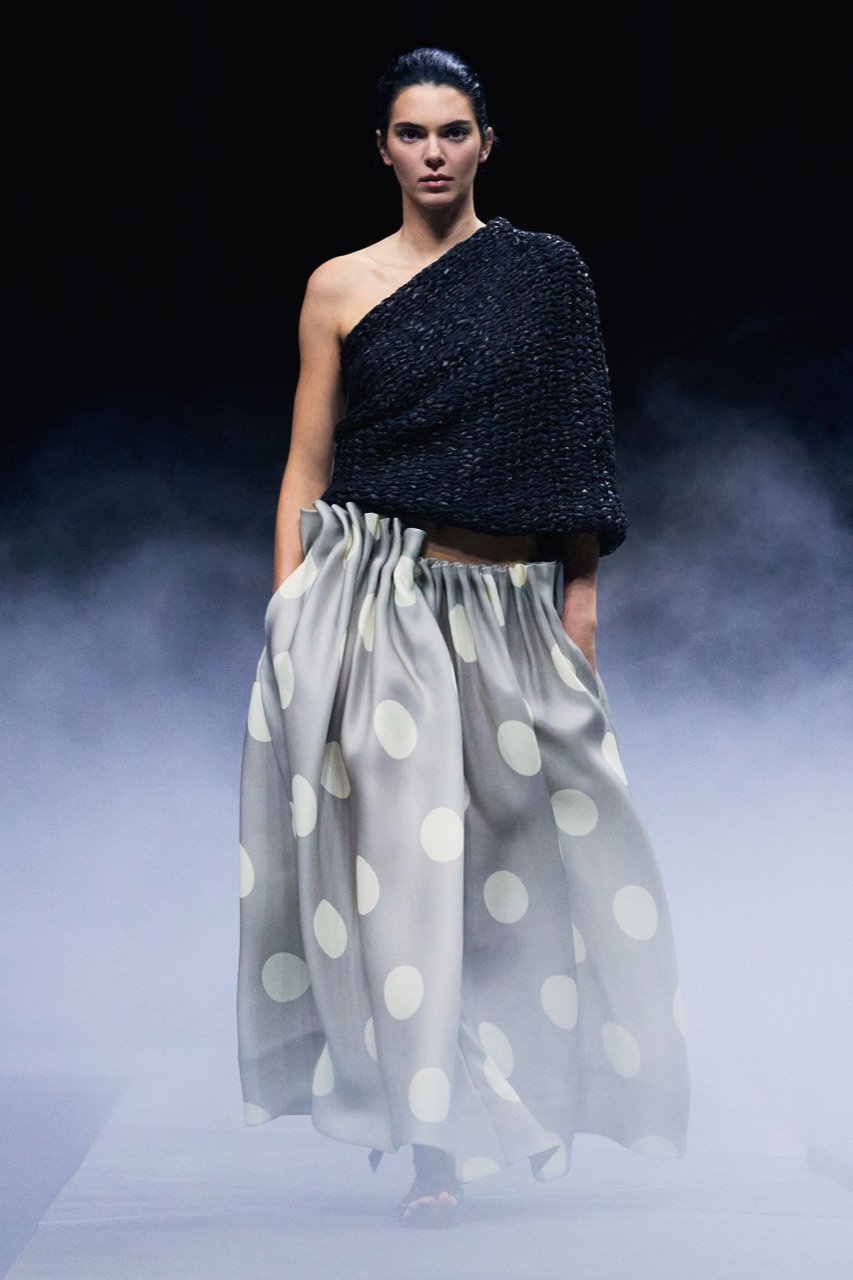
3.The price list shows which shelf this counter occupies. The Clara jean runs 110,000 yen, the Shelman jacket in lambskin 759,000 yen. Seven times the spread inside a single counter. The lower shelf holds what fills a wardrobe, the upper shelf what explains it.
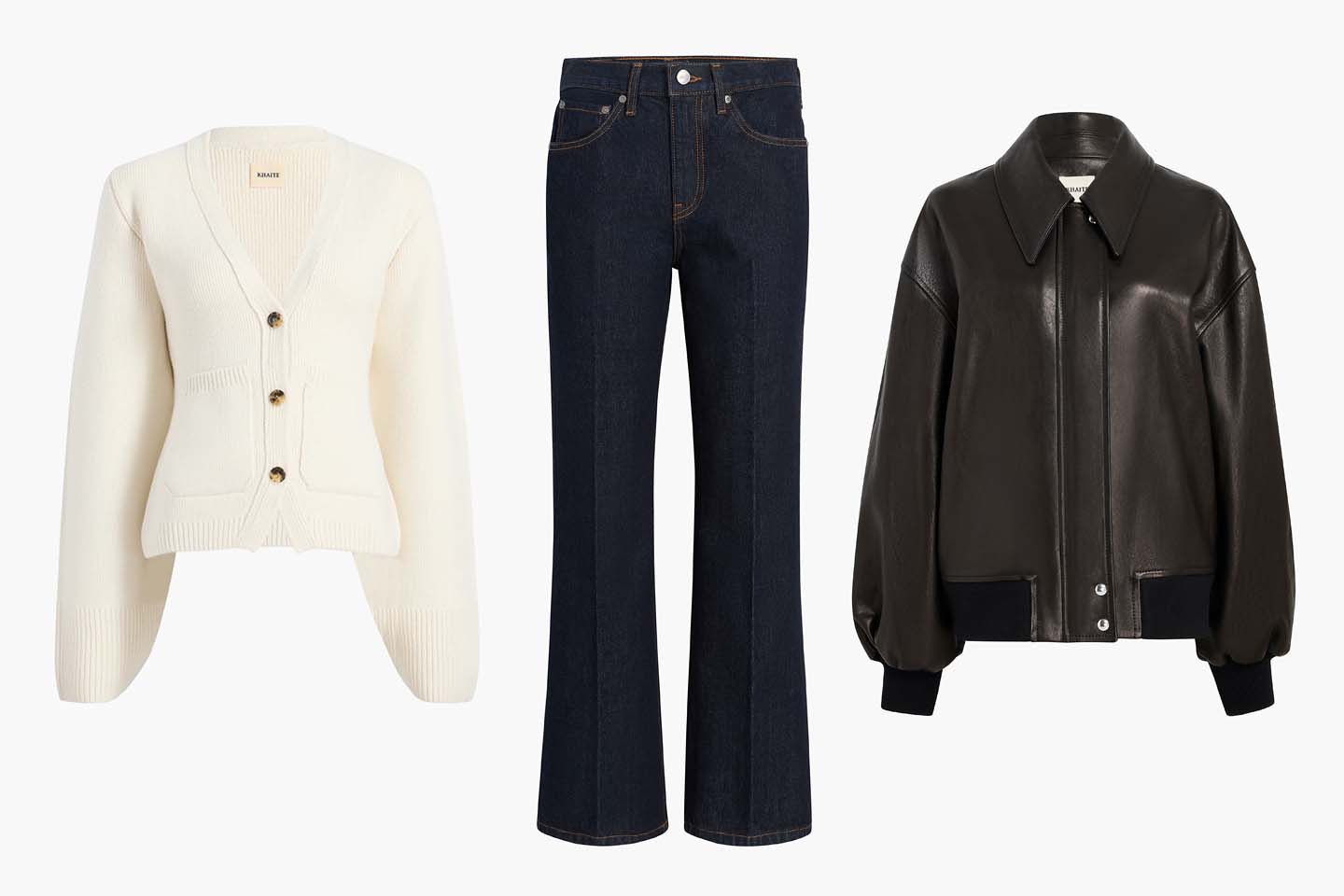
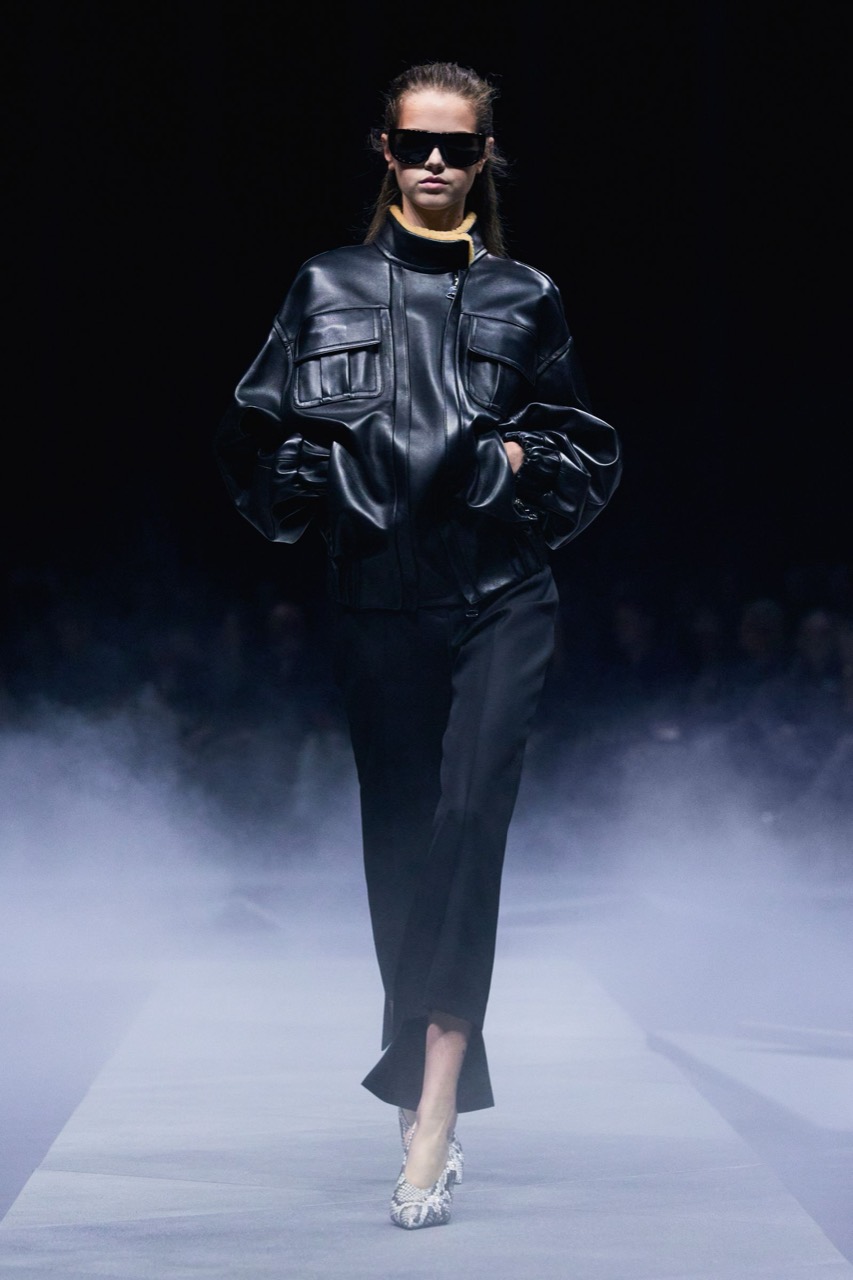
4.Lambskin does not stand the way cowhide does. Drop your arm and it slides straight down, so a bomber cut in it lets the shoulder line follow the body instead of squaring off. The cashmere cardigan clings to the palm. On a department store counter there is no way to explain that touch except to let people reach for it, and those few seconds separate a 374,000 yen cardigan from an ordinary knit.
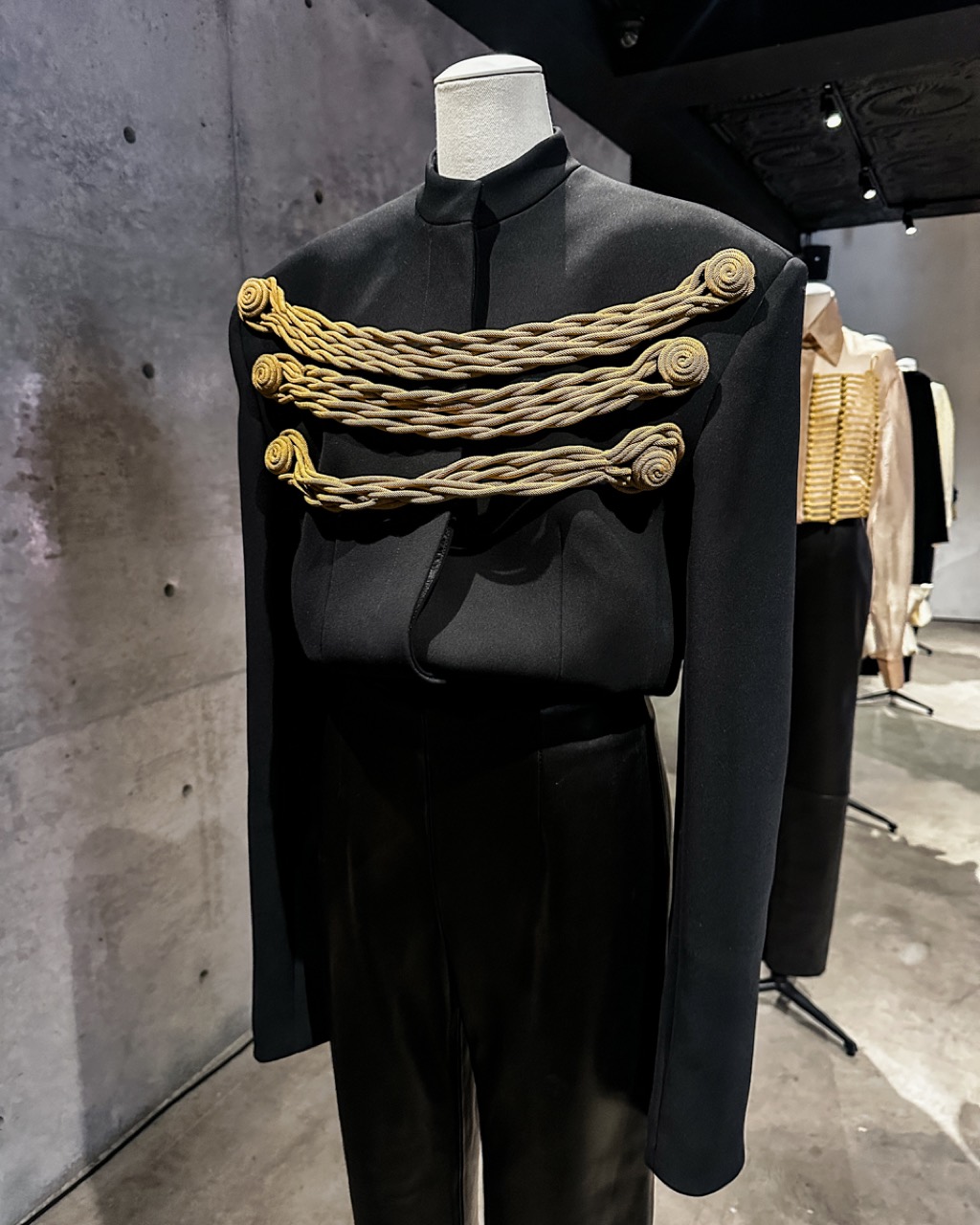
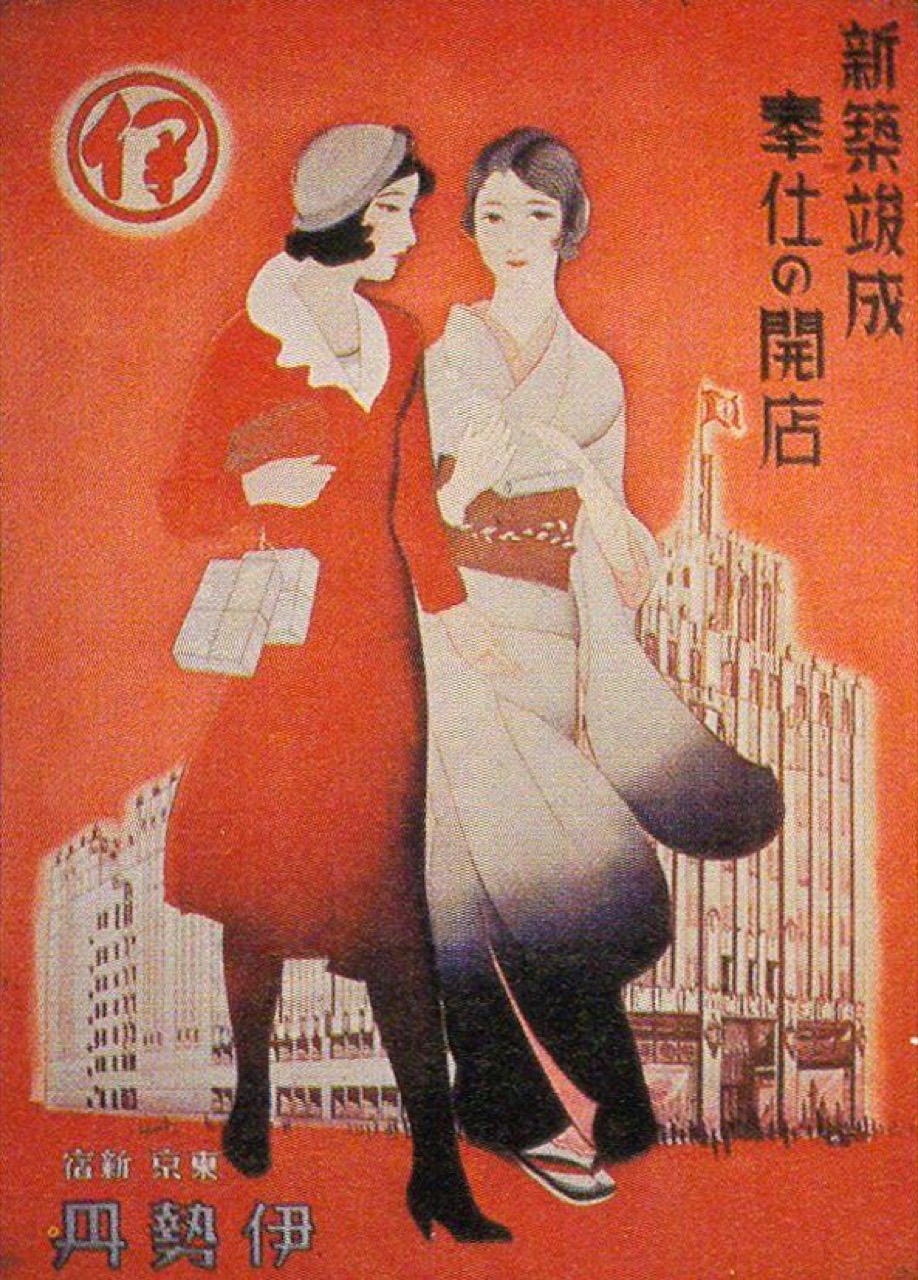
5.The third floor is the international designer zone. Which signs stand beside you sets your price on that floor, and shoppers come to see a floor rather than a single brand. The building connects underground to Shinjuku-sanchome station, so people walk in dry on a rainy day. Money that a street-level store spends pulling people in has already been spent here.
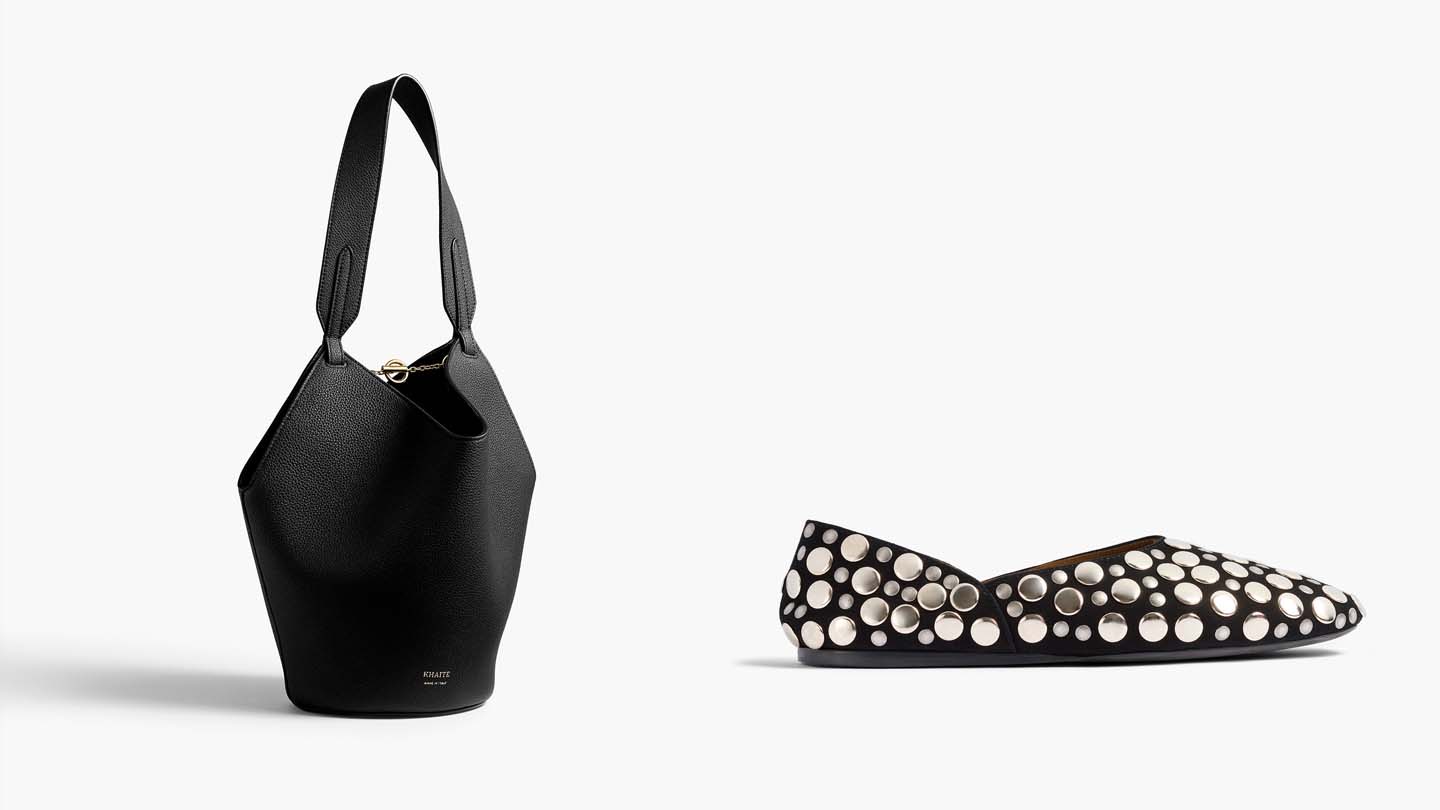
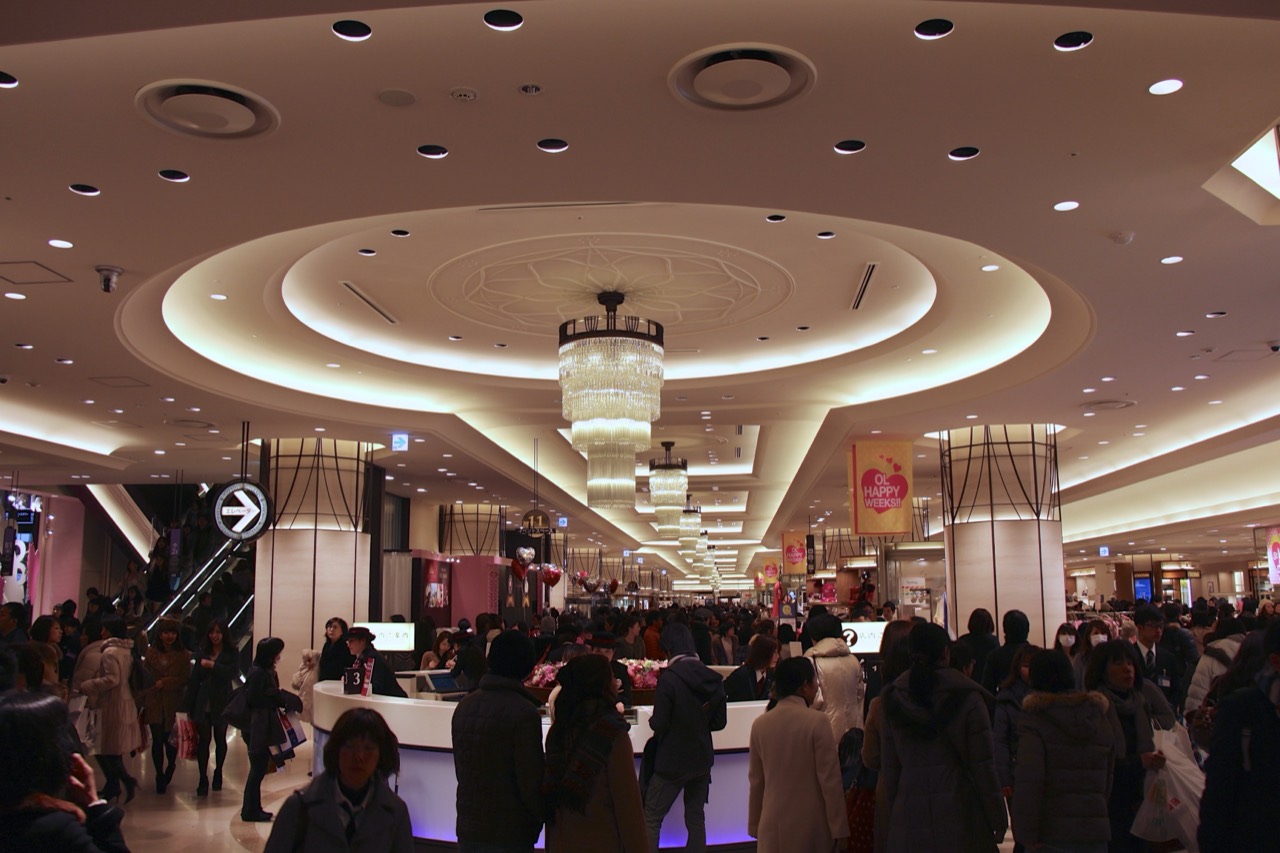
6.The same brand occupies two floors of one building. The third-floor store carries clothing, shoes and bags, while a separate set of bags and wallets sits in the handbag zone on the first floor. Department stores split floors by product category, and someone shopping for a bag does not climb to the third. In Osaka the brand took one spot only, the Bag Gallery on the second floor of Hankyu Umeda Main Store.
7.The revenue mix explains why the street was not the answer. Sales passed 100 million dollars in 2022, with wholesale at 65 percent and the brand's own online at 35 percent. More than 200 stockists worldwide, and only one store of its own, the SoHo flagship opened in 2023. This was a company that made things and handed them to others.
8.Here the Japanese department store contract enters. Stores do not lease the space; they take it on shoka shiire (消化仕入れ), a consignment purchase in which the store counts the goods as bought only at the moment they pass the register. Inventory stays on the brand's books and the brand pays the sales staff. Rent and deposit come to zero. The commission is charged only on what sells.
9.Wholesale returns a little over half the retail price. Apparel wholesale in Japan runs around a 55 percent kakeritsu (掛け率), while consignment commissions run 30 to 38 percent for ordinary brands and 15 to 20 percent for high-end imports. Between selling the same item wholesale and selling it from your own counter, what stays behind differs by more than 20 percentage points. Opening one counter rewrites the margin.
10.Count it through a single 341,000 yen Lotus mini bag. At a 55 percent wholesale rate the brand keeps 187,550 yen; at a 25 percent consignment commission it keeps 255,750 yen. A gap of 68,200 yen per bag. Put two salespeople at 16 million yen a year and sell 660 bags, and 24,000 yen attaches to each one, which still leaves more than 40,000 yen ahead.
11.Does paying no rent make the spot free? Isetan Shinjuku sold 424.9 billion yen in the fiscal year ended March 2026, first among Japanese department stores. The main building and the men's building together hold 64,296 square meters of selling space, so each square meter produces 6.61 million yen a year. Roughly 21.8 million yen per tsubo. Holding a spot in this building means matching that density, and failing to match it means losing the counter at the next reset.
12.Assume a 30 square meter counter and it has to sell 198 million yen a year to reach the floor average. At an average ticket of 300,000 yen that is 660 transactions, or 1.9 a day across 350 trading days. Two people a day buying a bag or a cardigan holds the spot. The floor area was never disclosed, so this number rests on assumptions, but it shows the density a luxury zone demands.
13.Yagi Tsusho, which laid the ground, is a trading house based in Kitahama, Osaka. It turned toward luxury apparel imports after setting up a Milan subsidiary in 1971, and consolidated revenue for the fiscal year ended March 2025 came to 61.6 billion yen. It has held the exclusive Moncler import since 1996, and Mackintosh and Barbour also passed through its hands. Growing other people's brands in Japan is what this company sells.
14.Moncler Japan is split 51 percent Moncler, 49 percent Yagi Tsusho. When a brand grows, control moves to the brand, and Yuzo Yagi has said as much in public interviews more than once. The shareholding worth watching in this case sits elsewhere. KHAITE took 150 million dollars from the private equity firm Stripes in 2023 and handed over an 80 percent stake, at a valuation reported around 400 million dollars. The Japanese expansion is a growth plan for the brand and a timetable for that fund's exit.
15.A brand carried wholesale by more than 200 multi-brand retailers in New York put its first store in Japan on the third floor of a department store instead of the street. It pays commission rather than rent, and in return has to match a floor average of 6.61 million yen per square meter. Anyone taking the same route in Korea hits the sequence before the commission rate. The Korea Fair Trade Commission puts the effective sales commission at Korean department stores at 19.1 percent on average for 2024 transactions, which looks lower than Japanese consignment. But merchandising staff pick the brands for an international designer zone, and newcomers get a permanent counter only after running a pop-up. This brand ran a ten-day pop-up first. The only way around that queue is a street-level store paid for with your own deposit and fit-out money, and a company built on wholesale has no reason to burn that money at the start.