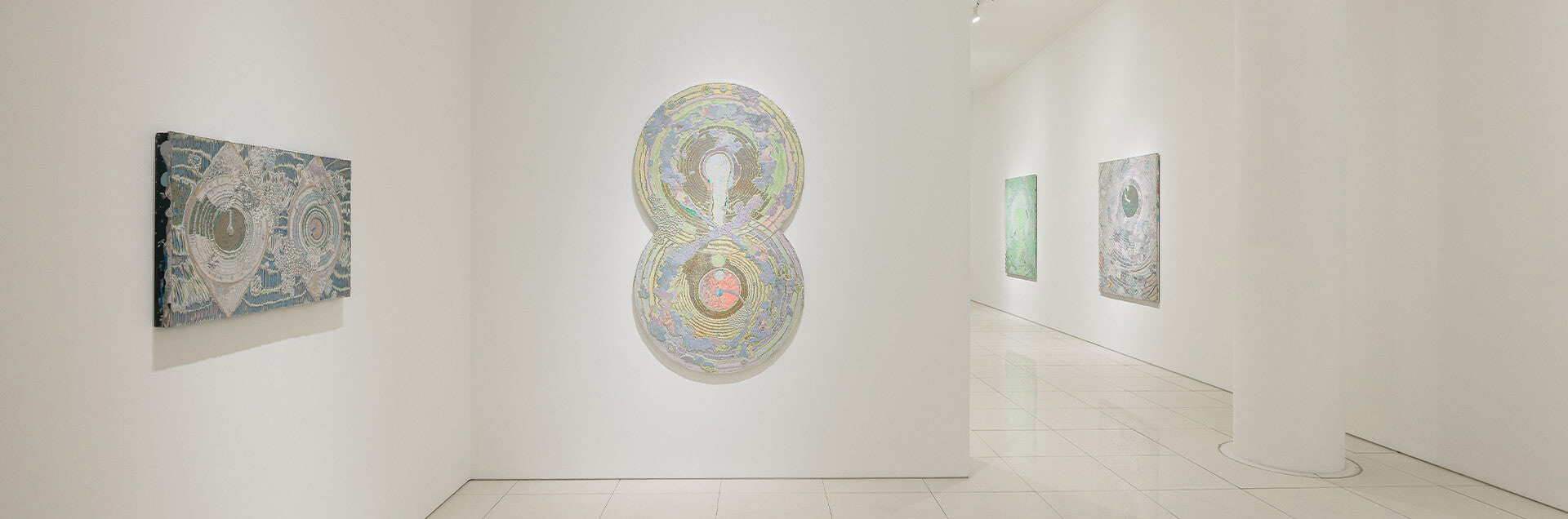
On August 27, a Japanese bridal jewelry company opened its first Korean store inside the Whitestone Gallery building on Sowol-ro in Seoul. The building opened as an exhibition space in 2023; now two of its floors sell rings, and the gallery keeps the basement. The gallery and the ring company were founded by the same man.
1.On August 27, two bridal ring stores opened at once in the Seoul building of Whitestone Gallery at 70 Sowol-ro, Yongsan-gu. They are the Seoul flagships of EXELCO DIAMOND and GINZA DIAMOND SHIRAISHI, both run by NEW ART HOLDINGS, listed on the Tokyo Stock Exchange. The announced store area is 459.7㎡ (about 139 pyeong), operated by the Korean subsidiary NEW ART KOREA.
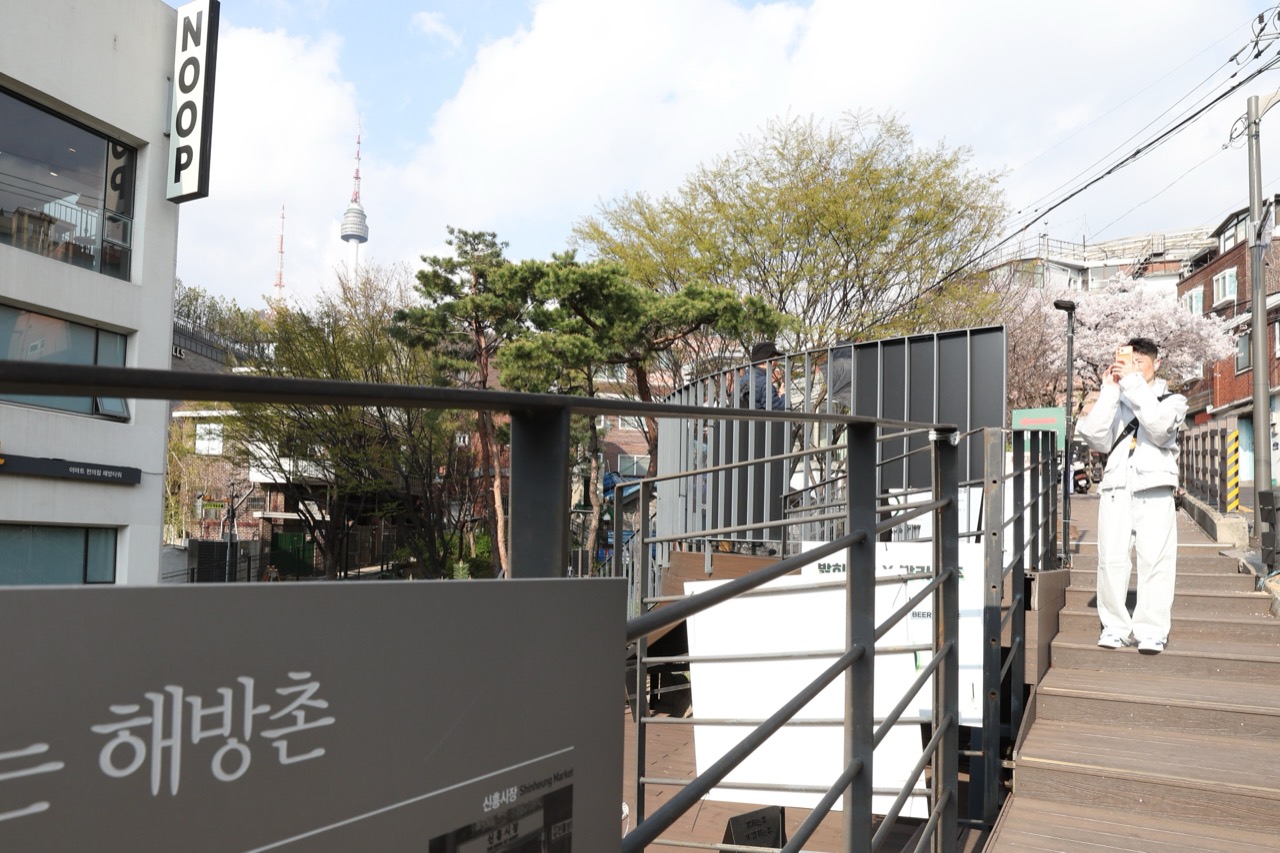
2.The site sits on the western slope of Namsan, on the stretch of Sowol-ro that curves above the houses of Huam-dong. No department store, no ground floor on a busy street. The building opened in autumn 2023 as the first Korean branch of a Japanese gallery, with interiors reworked by Kengo Kuma. At opening, the gallery announced three exhibition spaces totaling 700㎡.

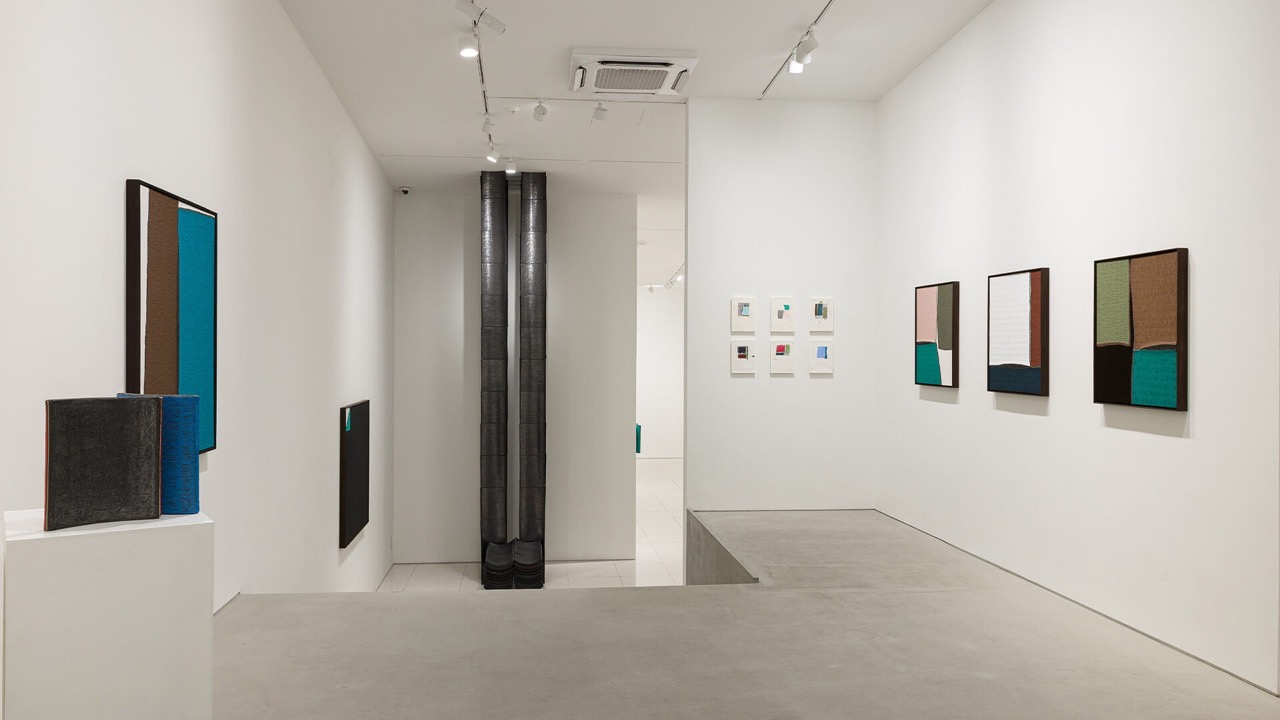
3.Three years on, the floors have been reassigned. Basement: the gallery. Second floor: EXELCO DIAMOND. Fourth floor: GINZA DIAMOND SHIRAISHI. The company has not said whether the two area figures were measured the same way. If they were, about two thirds of the original exhibition area has gone to rings.
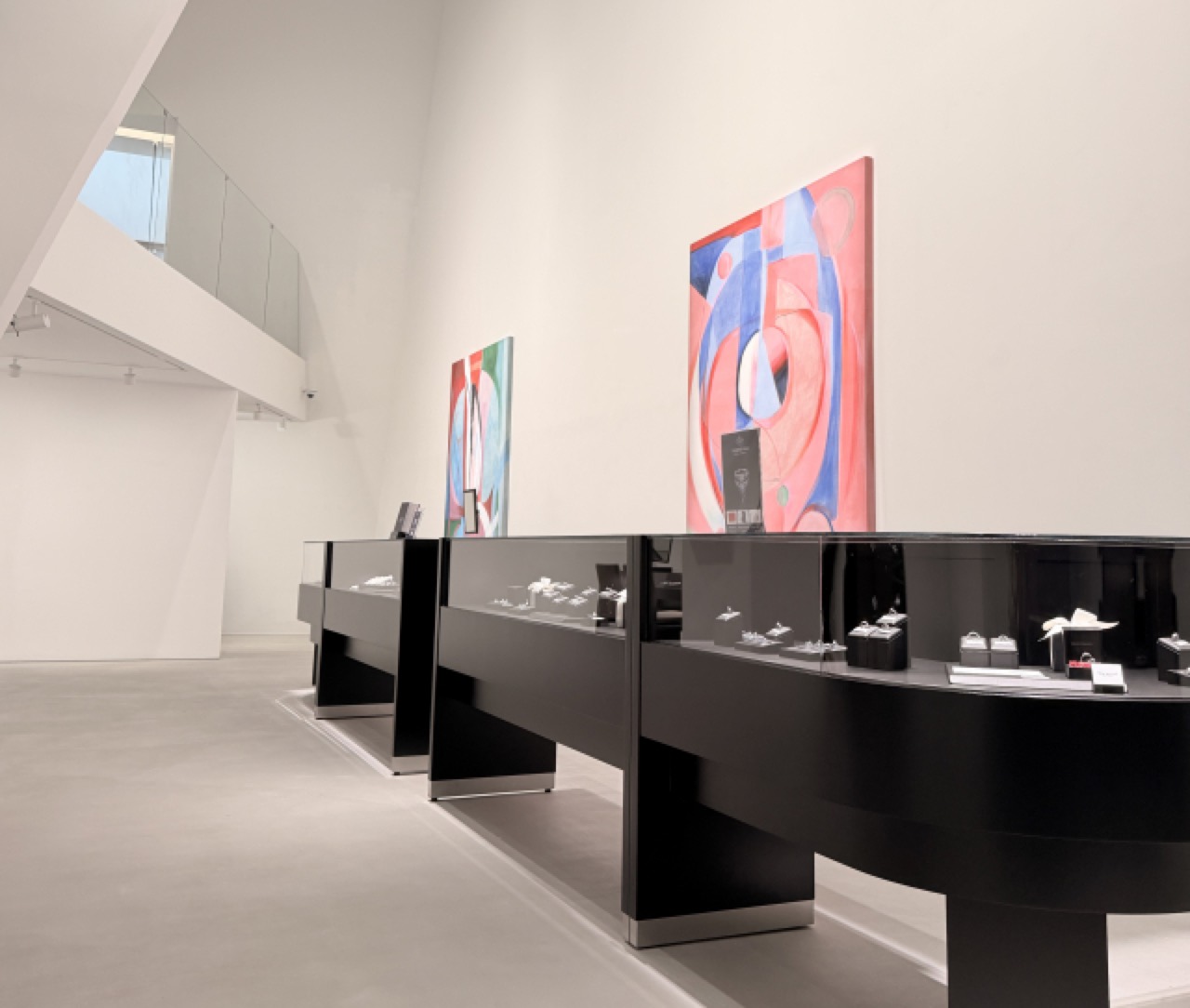
4.In the store photo, a white wall rises two storeys high, hung with large abstracts washed in pink and blue. Below, black display cases curve away, and behind the glass each ring stand sits apart from the next. Grey concrete underfoot, a glass railing above. The gallery's walls and ceiling were left untouched, and only the display cases were added.
5.EXELCO DIAMOND on the second floor carries the name of a diamond firm founded in Antwerp, Belgium, in 1993, with the diamond cutter Jean-Paul Tolkowsky among its founders. The Seoul store leads with semi-order rings, where the customer picks a setting and then matches a diamond to it, plus the option of a stone hidden on the inside of the band. GINZA DIAMOND SHIRAISHI on the fourth floor leads with more than 500 designs and set rings that pair the engagement ring and wedding band.
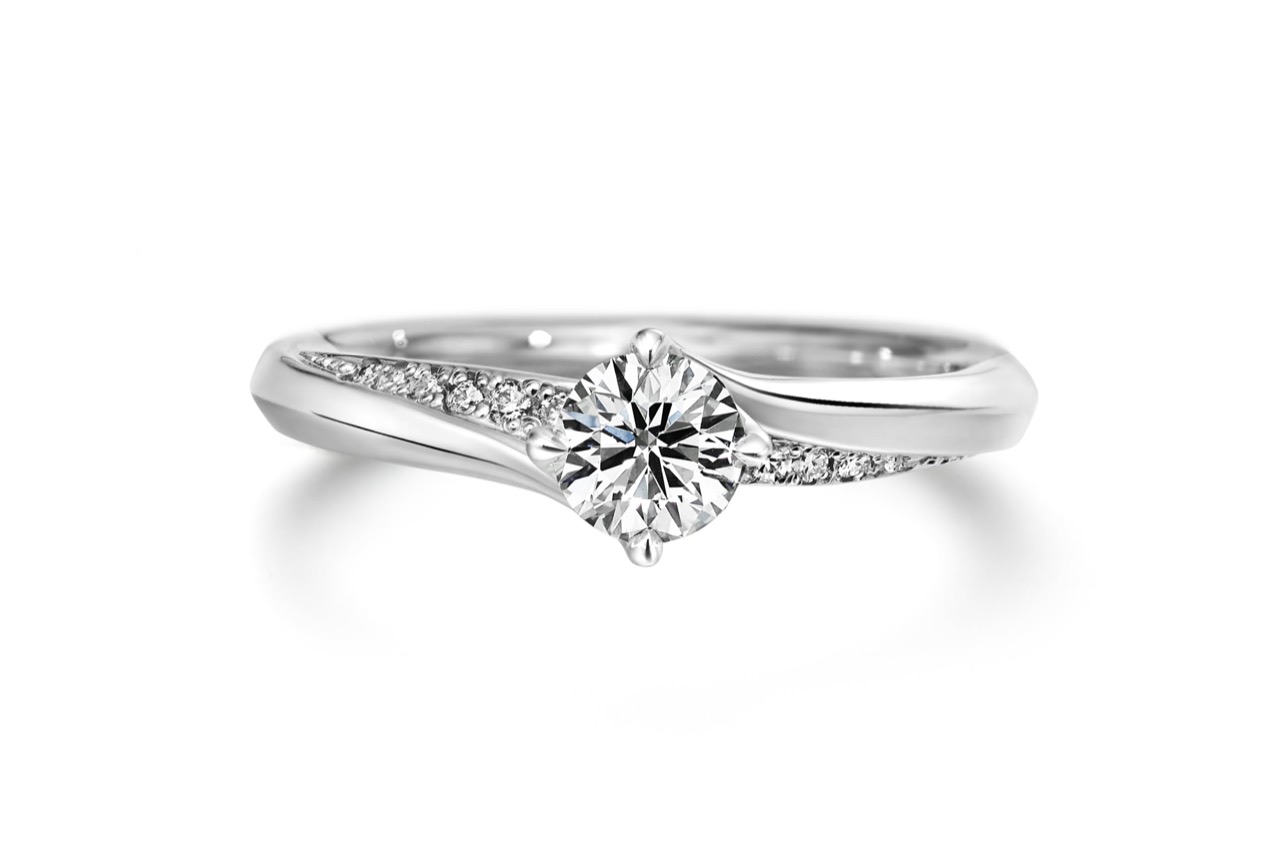
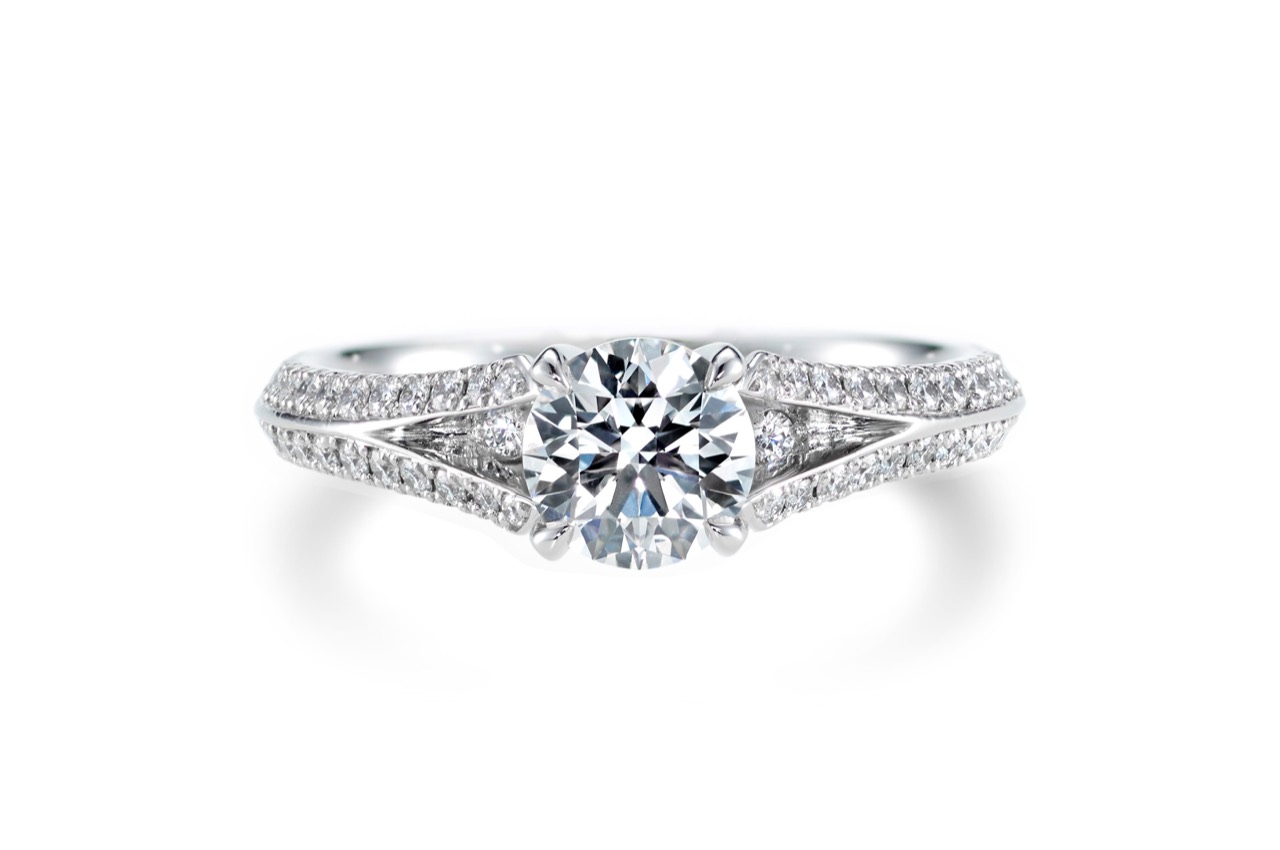
6.Both brands grade sparkle on the same scale: Sarine Light, from the Israeli company Sarine. The company says more than 99% of its diamonds receive the top grade on that scale. GINZA DIAMOND SHIRAISHI keeps buyers at the Israel Diamond Exchange and purchases directly. Skipping the middle wholesaler, the company says, lets it lower retail prices.
7.Nobody buys a wedding ring on the way past. A couple books a date, comes in for a consultation, gets sized, and returns a few weeks later to collect. Because the same couple visits two or three times, the case for a ground floor on a busy street is weak, and a building up a hill that takes appointments can still do business. The basement gallery gives the waiting time and the second visit something to look at.
8.Korean demand has turned. Statistics Korea counted 240,326 marriages in 2025, up 8.1% from a year earlier. The increase was led by people in their early thirties, men and women alike.
9.In a survey released this March by the matchmaking company Duo, newlyweds spent an average of KRW 5.88 million on wedding jewelry and gifts. In the same release, six couples in ten said they were scaling down the ceremony. The venue shrinks; the ring stays. Japan runs the other way: marriages are on a declining trend, and the average engagement ring purchase in the Zexy survey stays at 390,000 yen.
10.In NEW ART HOLDINGS' results for the year ended March 2026, the segment combining jewelry, art, and auctions posted sales of 23.1 billion yen. Its operating profit was 5.75 billion yen, a margin of 24.9%. Food earns thin margins and beauty and resorts lose money, so the company's profit comes almost entirely from this one segment.
11.Dividing by store count gives a rough scale. Split the segment's sales across 154 stores worldwide and each one comes to about 150 million yen. Art and auction sales are mixed in, so the figure for ring stores alone is lower (estimate). Prices at the Korean store and the building's lease terms have not been disclosed.
12.A rough profit sketch for the Seoul store: if each couple spends KRW 4 million on an engagement ring and a pair of wedding bands, and 40 couples buy each month, monthly sales come to KRW 160 million (estimate). With two brands sharing one building, security, cleaning equipment and repair staff run as one set, and bookings go through a single desk.
13.Money comes into the gallery in a different shape. Gallery sales bunch up in the months a major work sells, with long empty stretches between. Ring sales follow weddings with fixed dates and arrive evenly month by month. Put the two businesses in one building and the rings fill the gallery's empty months.
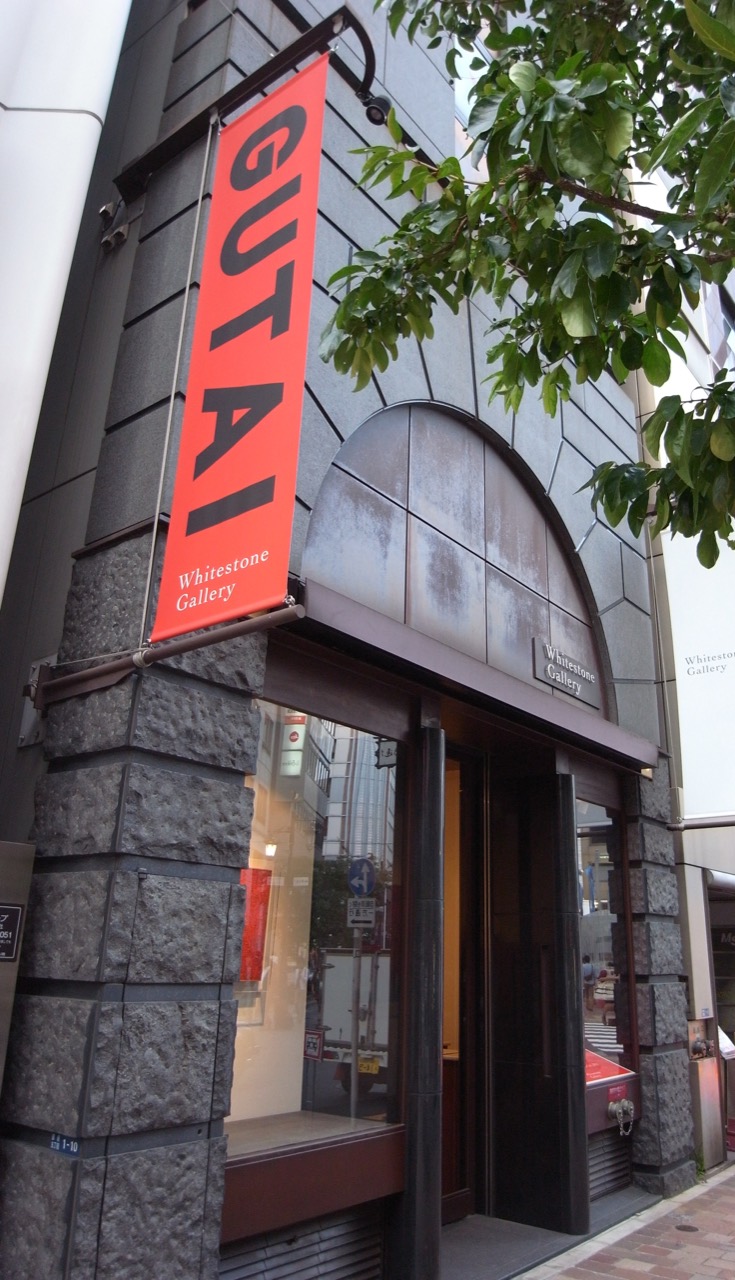
14.Both businesses trace back to Ginza. The gallery Yukio Shiraishi opened in Ginza in 1967 became today's Whitestone Gallery, and the ring company he founded in 1994 is today's NEW ART HOLDINGS. The gallery made its name dealing in Gutai, Japan's postwar avant-garde, and in works by Yayoi Kusama. Today the two sit in separate groups and work together.
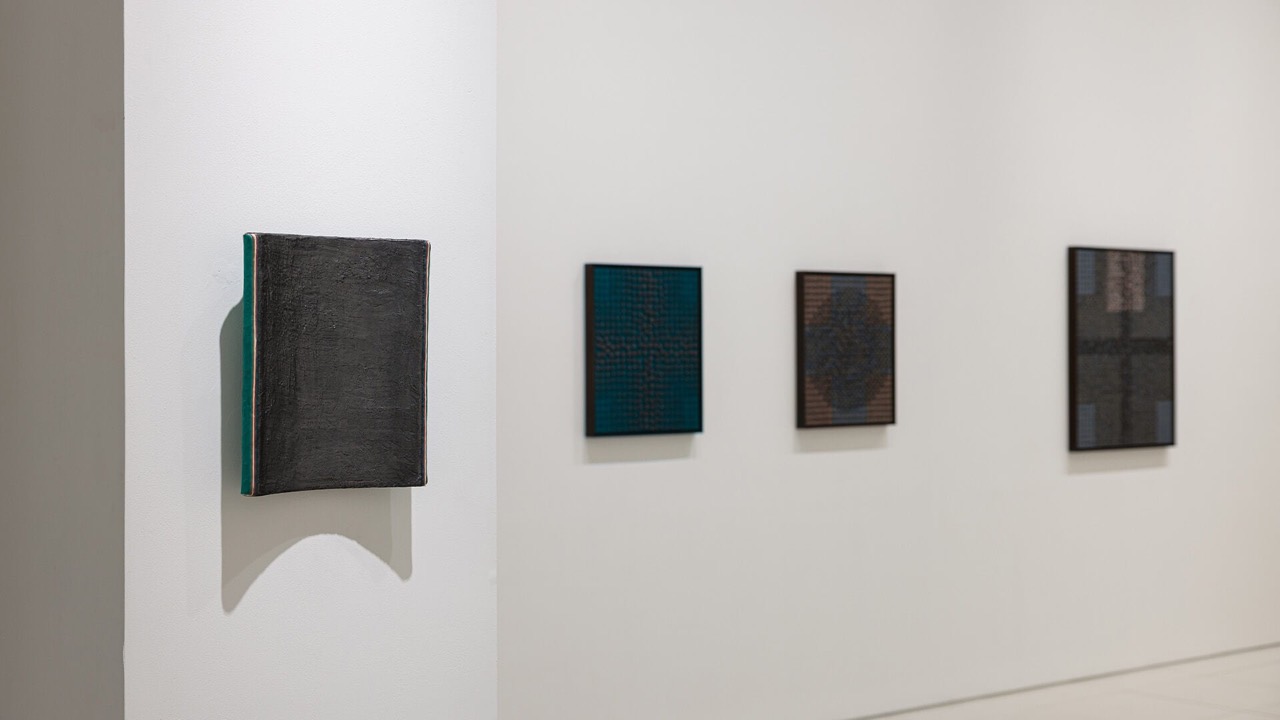
15.The paintings on the store walls are by Soonik Kwon. Two days after the store opened, on August 29, the basement gallery opened a solo show by the same artist, running until October 11. A gallery and a ring shop started by one man grew apart for nearly 60 years, then moved into one building with their calendars in step.
16.A Japanese bridal jewelry company took two floors of a gallery building for its first Korean store, and the exhibition space shrank to a single basement level. The company's segment that bundles rings and art turns 24.9% of sales into operating profit. The first obstacle in Korea is the habit of comparing prices across stores. Korean couples usually walk the foreign jewelers on department store ground floors and the gold shops of Jongno, and a standalone building up a hill falls outside that route. If the advertising needed to bring appointment customers up the hill costs more than the rent saved by avoiding busy streets, the math turns over.