The UNIQLO on Kyoto's Kawaramachi closes on October 4 and reopens on November 6 as a global flagship. The mall it sits in was built on the site of an old theater, and UNIQLO's parent company runs the building. In 2008 the store occupied the 5th and 6th floors; in 2019 it moved down to basement level 1 through the 3rd floor.
1.UNIQLO Kyoto Kawaramachi, on Kawaramachi-dori, shuts its doors on October 4. After a little over a month of work it reopens on November 6 in the same spot under a new name, UNIQLO KYOTO. The operator, Fast Retailing, has given it the rank of global flagship, a first for Kyoto.
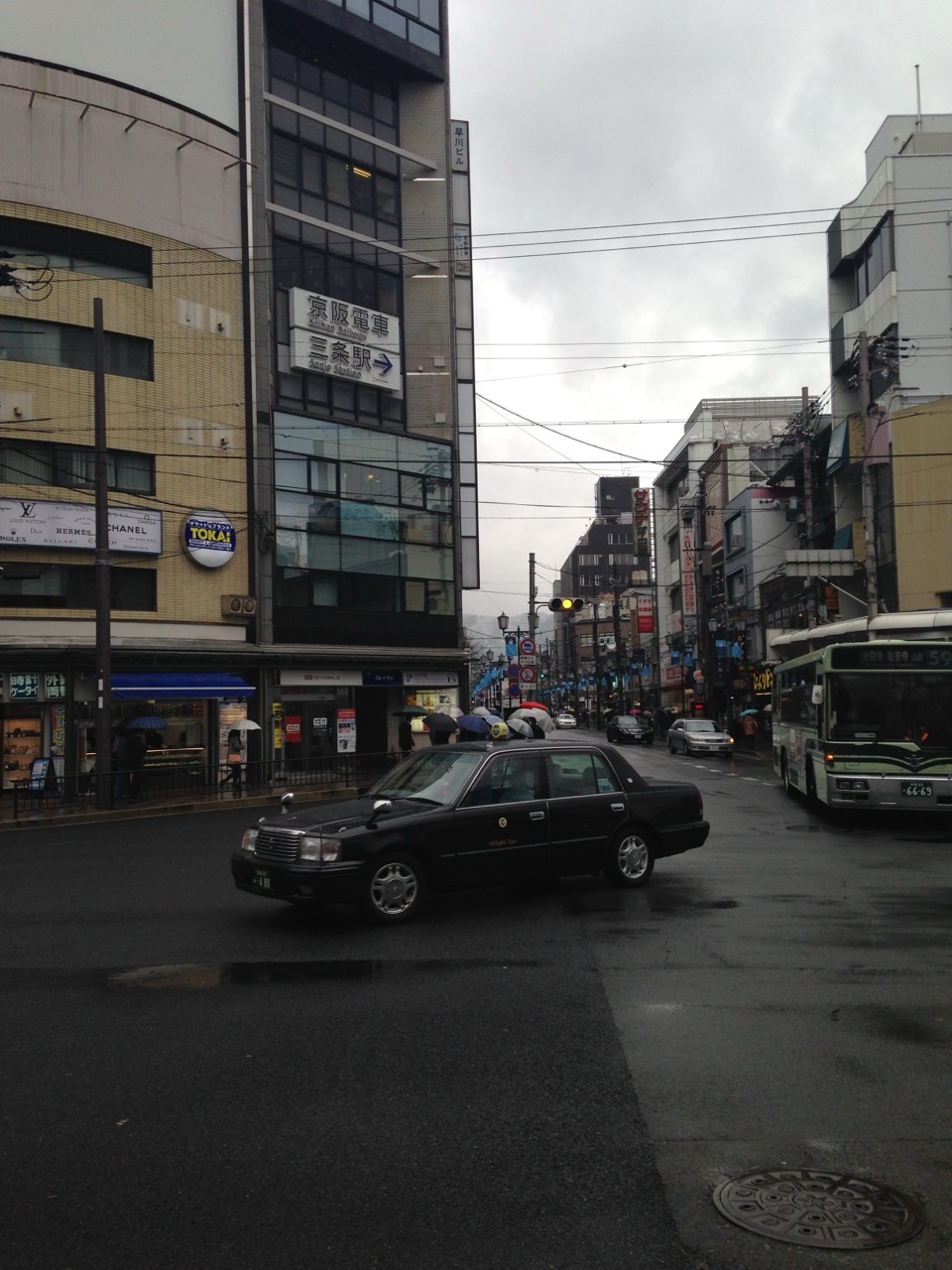
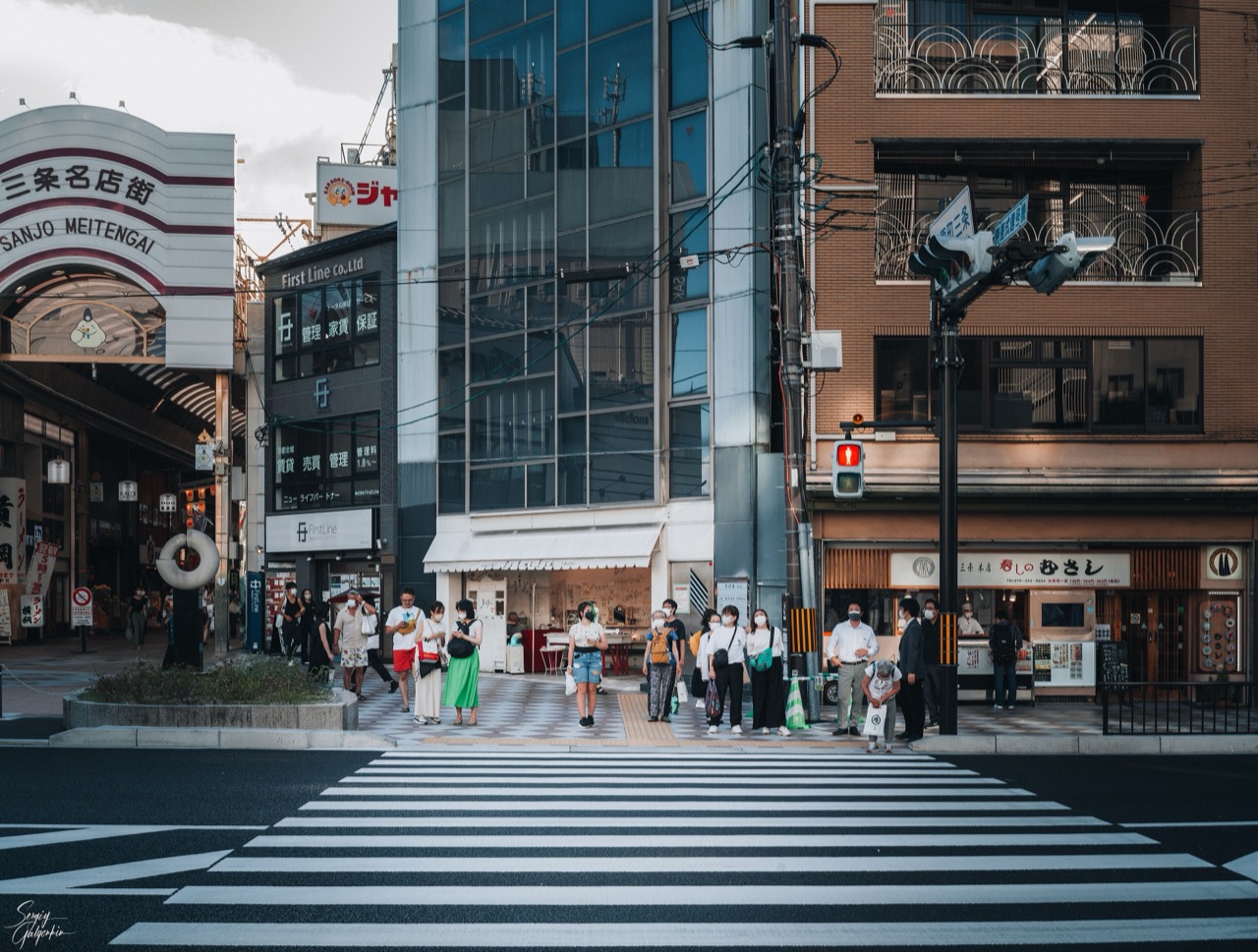
2.The address is on the east side of Kawaramachi-dori, a little south of Sanjo, a five-minute walk from Keihan Sanjo Station. The store takes four floors, basement 1 through the 3rd floor, of the Mina Kyoto shopping building, with an announced sales floor of about 3,200㎡ (about 960 tsubo). After Ginza, Tokyo, Shinjuku Main and Umeda, it is Japan's fifth global flagship.
3.The Mina Kyoto site used to be a theater. Toho's Kyoto Takarazuka Theater and the Scala-za screened their last films in January 2006, and Toho rebuilt the site and opened Mina Kyoto in April 2008. Toho owns the building; Fast Retailing runs it. A clothing retailer manages someone else's building end to end and signs up the other shops.
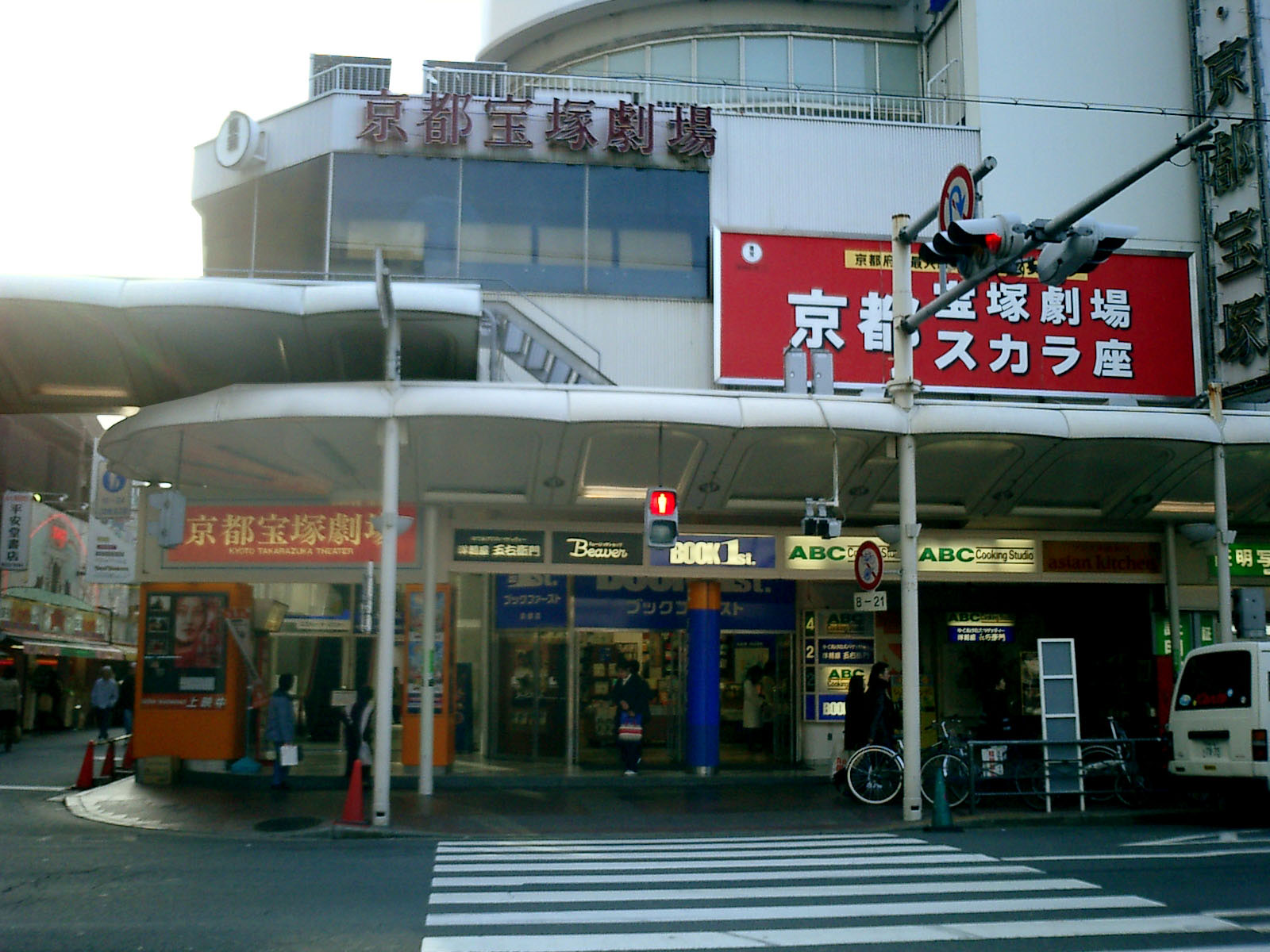
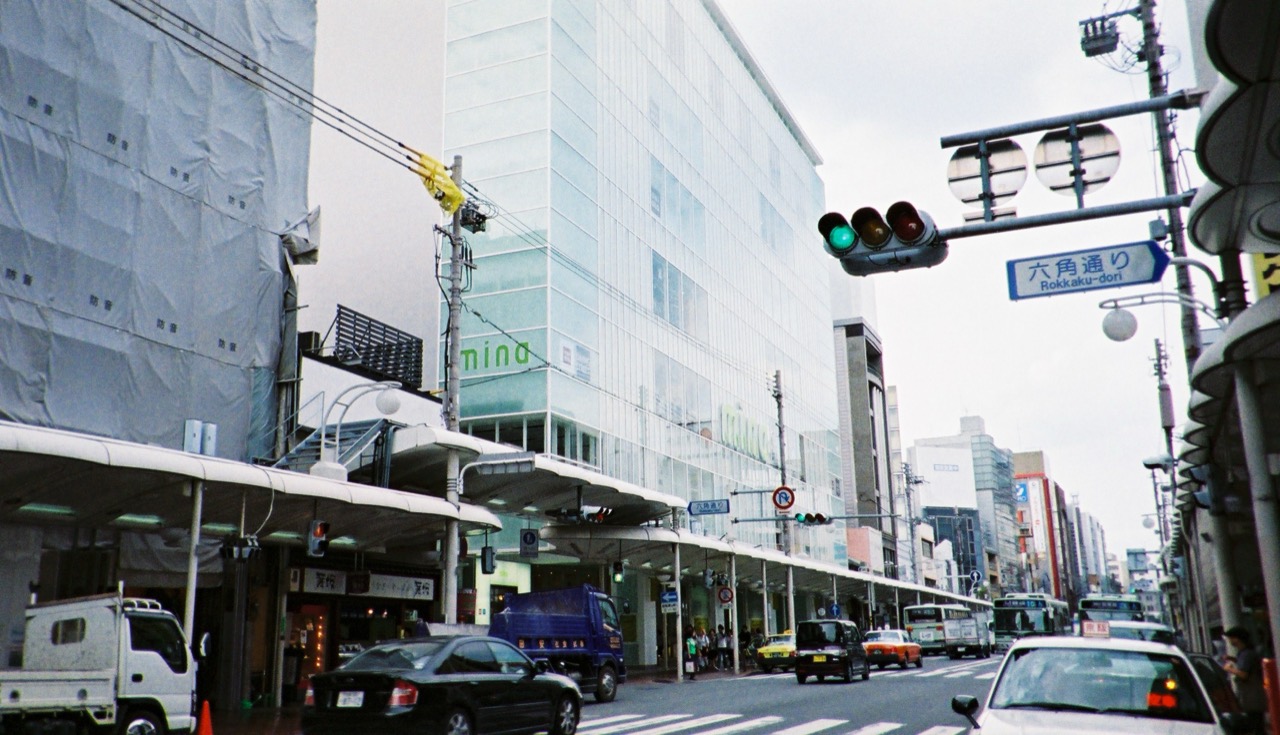
4.When it opened in 2008 the building had 48 tenants. UNIQLO was one of them, on two floors, the 5th and 6th, about 500 tsubo. In a mall aimed at women in their 20s and 30s, the biggest store sat at the top, the old mall trick of pulling shoppers upward past the shops on the middle floors.
5.Eleven years later the layout was flipped. In November 2019 UNIQLO left the 5th and 6th floors and moved down to basement 1 through the 3rd floor, growing to about 900 tsubo. The four lowest floors, including the street level that commands the highest rent, went to the store of the company that runs the building.
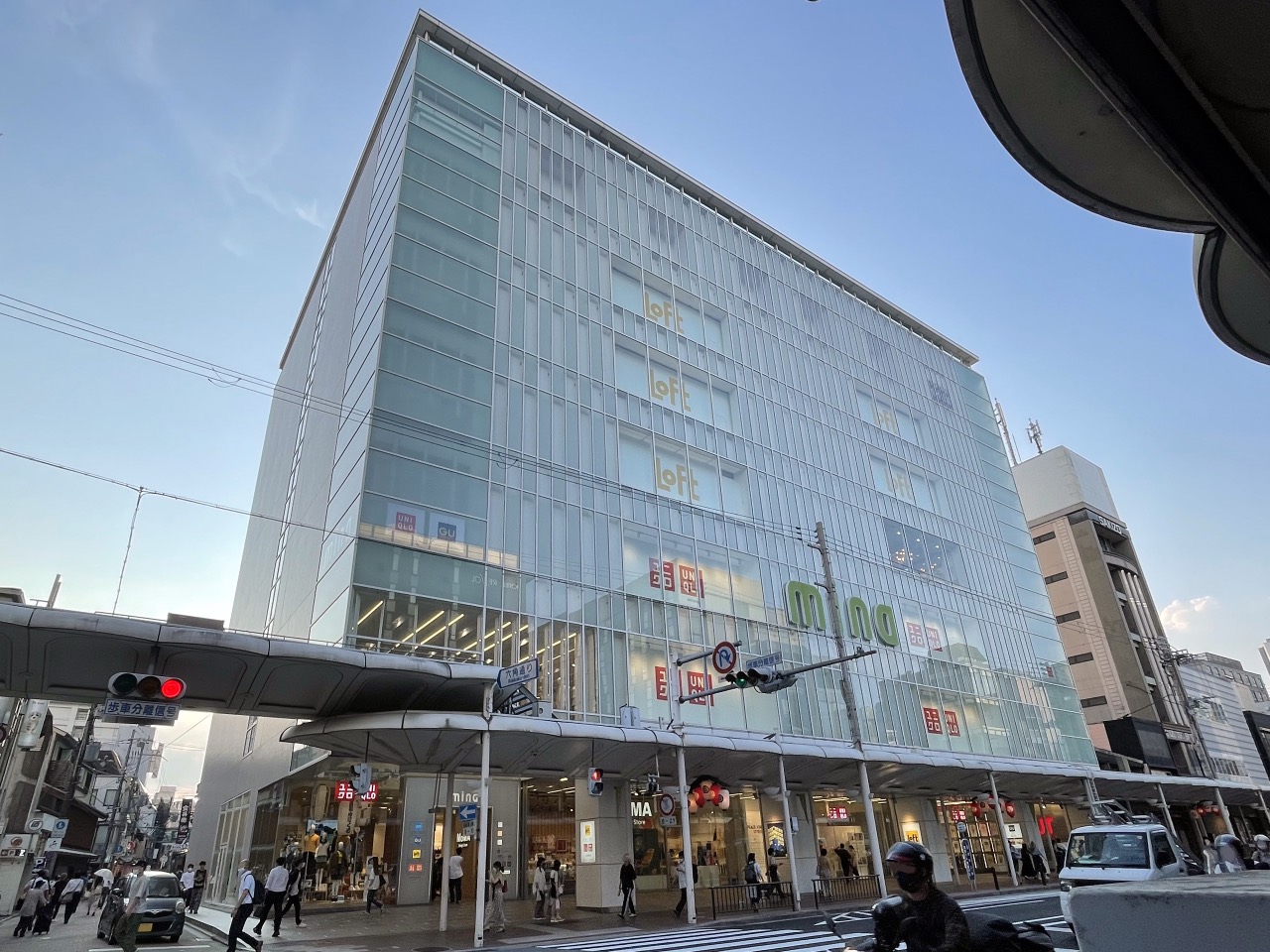
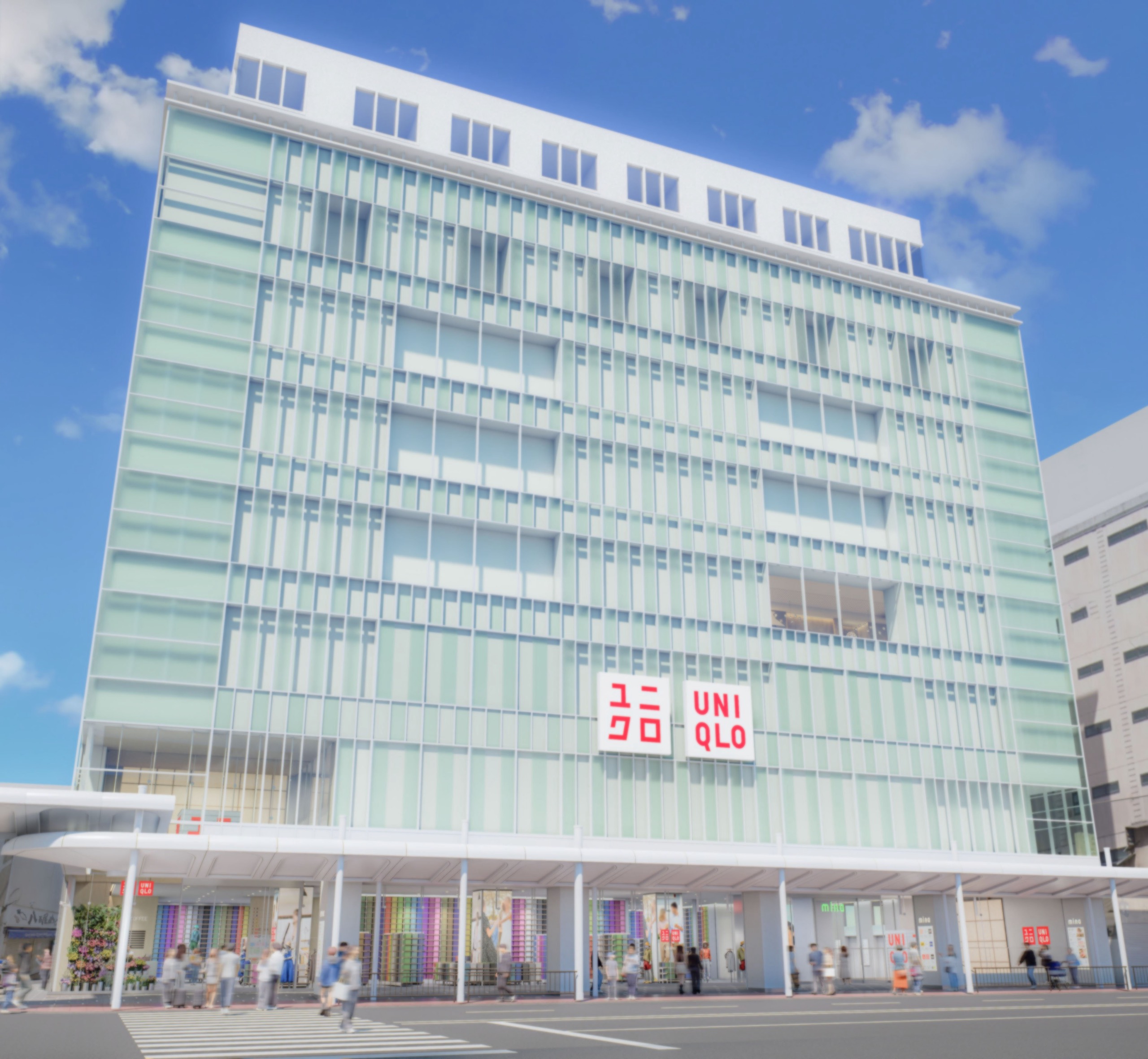
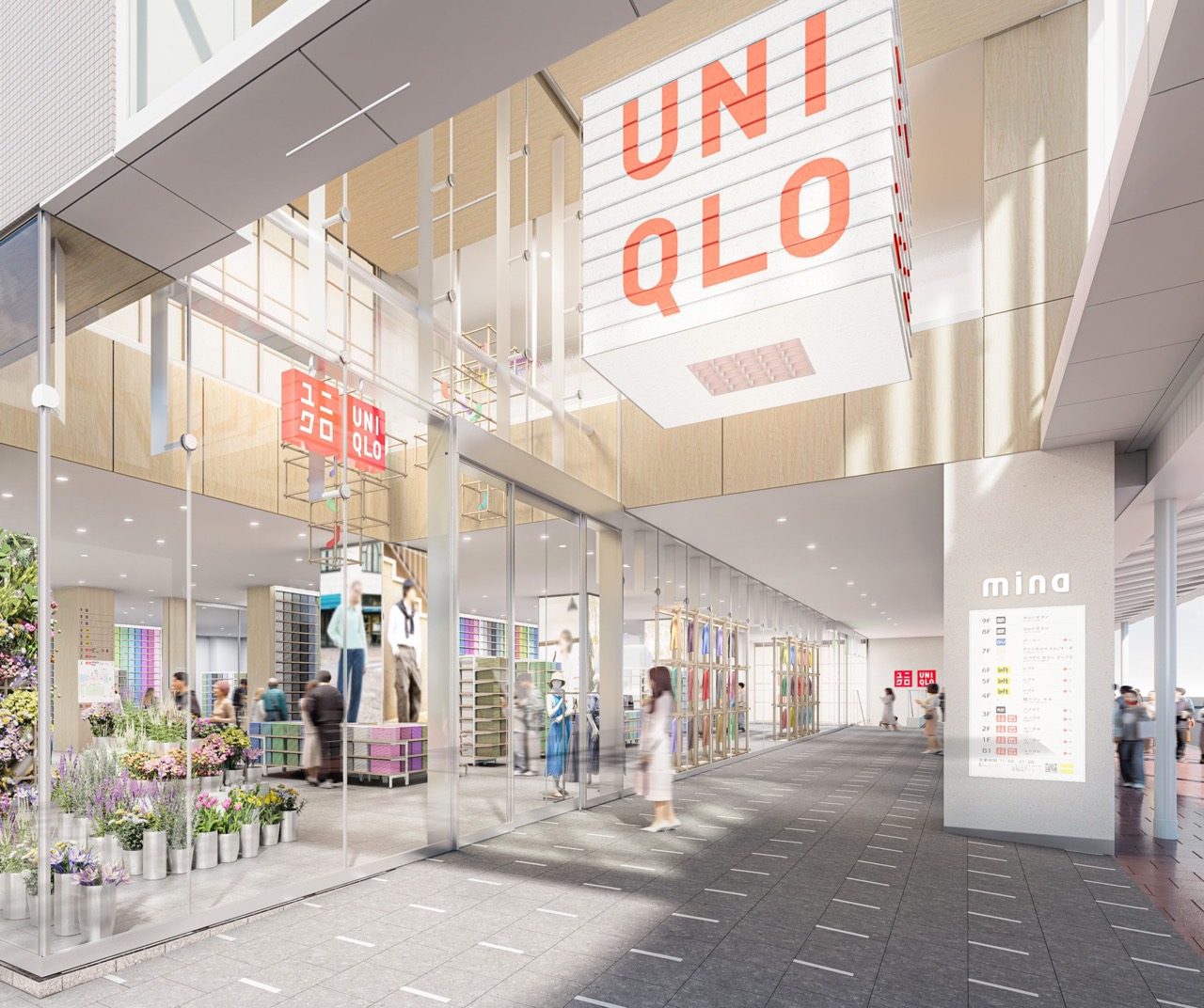
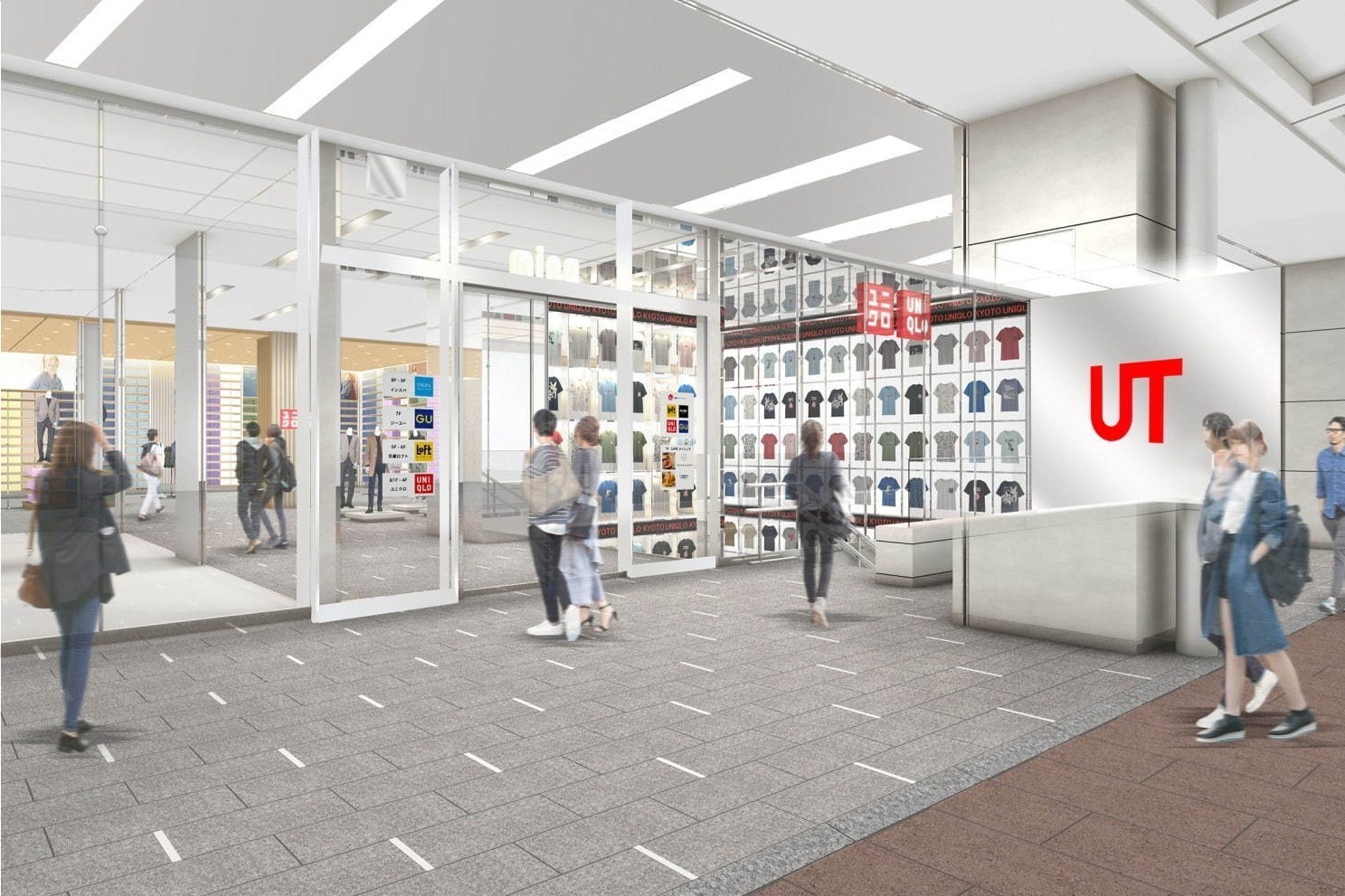
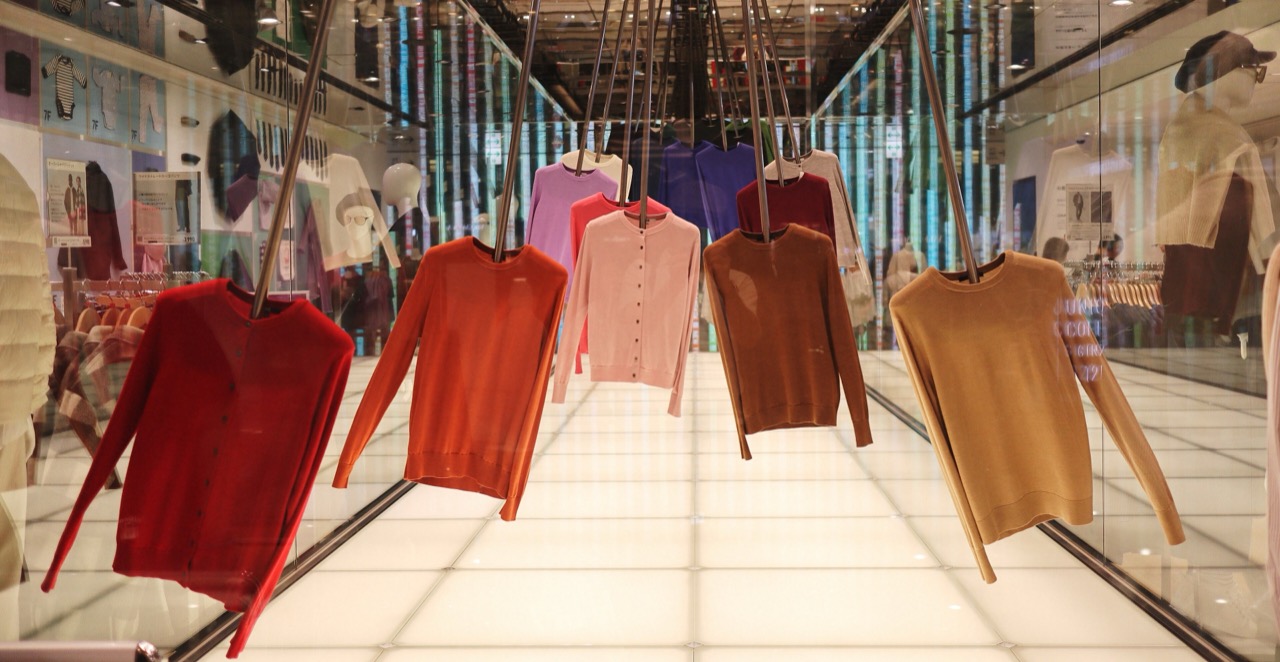
6.The 2019 store brought in noren curtains, wooden lattices and Kyoto paper lanterns borrowed from the city's machiya townhouses. In the new rendering, ground-floor windows run along the street beneath a facade of vertical glass stripes, and clothes in many colors hang tier upon tier behind the glass. A flower stand sits out on the sidewalk by the entrance. Beyond the exterior, the company has not yet disclosed the interior layout or services.
7.Kyoto City drew 62.79 million visitors last year, passing 60 million for the first time. Foreign visitors numbered 12.68 million, and overnight guests in Kyoto split almost evenly between Japanese and foreign. By the city's count, foreigners spent 851 billion yen in Kyoto over the year.
8.Kawaramachi is the path tourists take from Nishiki Market across the Kamo River to Gion. For foreign shoppers UNIQLO has become something to pick up while in Japan, and Fast Retailing said tax-free sales rose to about 10% of UNIQLO Japan's revenue in last autumn's quarter. In a Kyoto shopping street heavy with tourists, the share is likely higher (estimate).
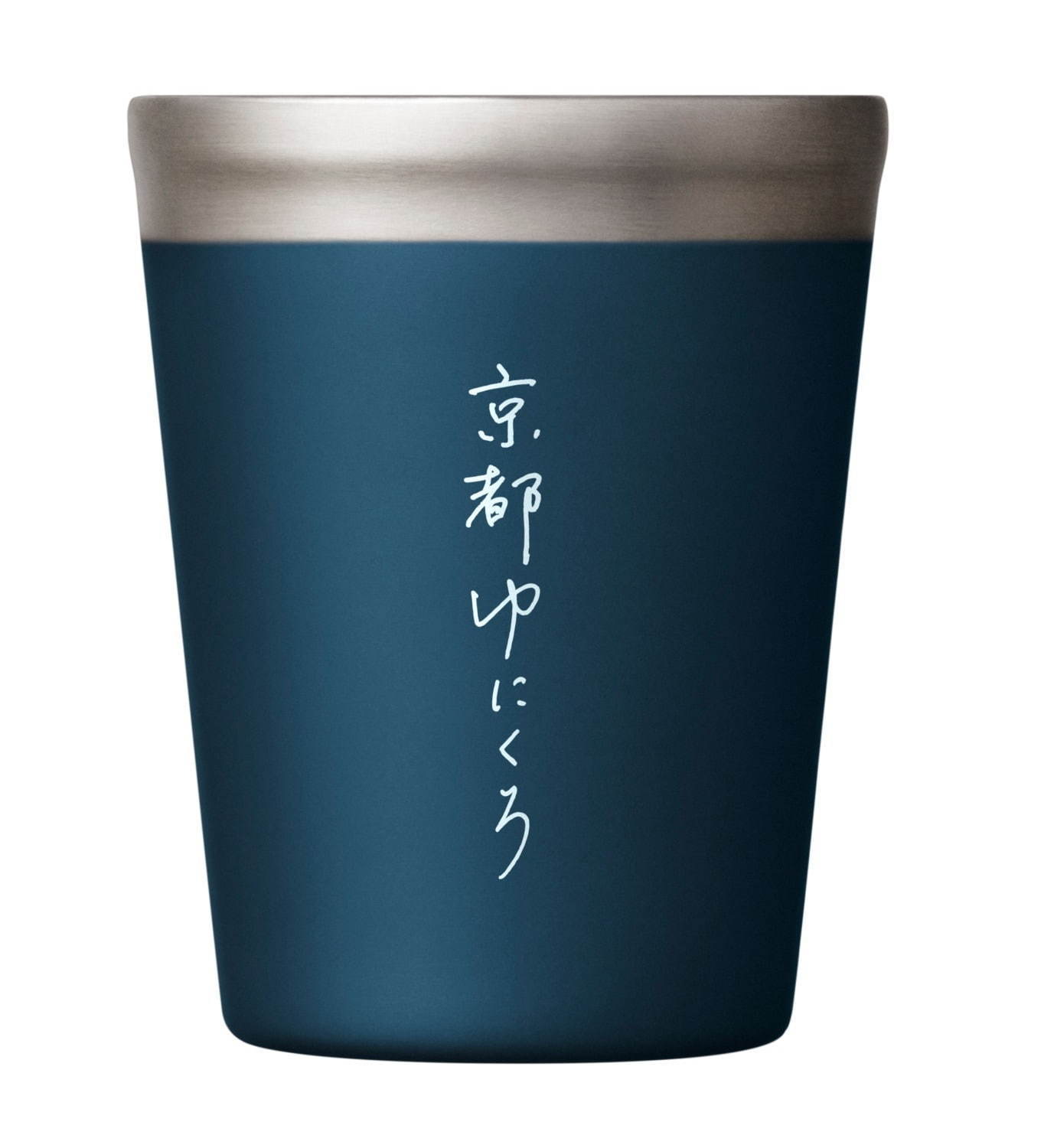
9.When it opened in 2019 the store took the nickname Kyoto Yunikuro, and customers who spent more than 10,000 yen before tax got an indigo stainless tumbler bearing those words. UT T-shirts printed with The Tale of Genji and the prints of Katsushika Hokusai went on sale here first. The clothing store took over a souvenir shop's job, and the 10,000-yen threshold nudges customers to pick up several items at once.
10.UNIQLO Japan posted revenue of 1.026 trillion yen and business profit of 181.3 billion yen for the year to August 2025. 17.7% of sales stayed as profit.
11.In the first half (September 2025 to February 2026) online sales made up 15.4%. Apply that share to annual revenue and divide the rest across roughly 800 stores in Japan, and each store sells around 1.1 billion yen a year (estimate). The store count includes franchises, so this is not an exact average.
12.Retail rents around Kyoto-Kawaramachi Station average 23,265 yen per tsubo per month, and 46,068 yen for ground-floor units alone (Inshokuten.com data). Assume the four floors are the same size, apply the ground-floor rate to the ground floor and the average rate to the other three, and the store's monthly rent comes to around 28 million yen (estimate).
13.That is roughly 330 million yen a year. Clothing retailers usually try to keep rent under 10% of sales, so at market rent this store would need to sell 3.3 billion yen a year for the numbers to work (estimate). Three times the average store in Japan. In reality the operator holds the lease on the whole building with Toho, so what it charges itself for its own floors is invisible from outside.
14.The most recent to open, the Umeda store, moved in October 2025 to about 1,300 tsubo on the 1st and 2nd floors of LINKS UMEDA. Kyoto is neither a new build nor a relocation. A seven-year-old store closes for a little over a month, adds 60 tsubo and changes its name.
15.It can move this fast because it already moved floors in 2019. In a typical mall, when an anchor asks for the ground floor, the landlord weighs it against the rent from other shops. At Mina Kyoto both sides of that scale are the same company. Its sister brand GU is in the same building too.
16.A clothing company that runs a mall on an old theater site has pulled its own store down from 500 tsubo on the top two floors to 960 tsubo on the bottom four, and is turning it into Kyoto's first global flagship. In Korea, if one brand leases a whole building and signs up other shops, the moment combined sales floor passes 3,000㎡ it becomes a large-scale store under the Distribution Industry Development Act. Registration requires a commercial-area impact assessment and a local cooperation plan, and whoever registers carries full responsibility for running the mall. That is the load that comes with the right to choose your own floors.