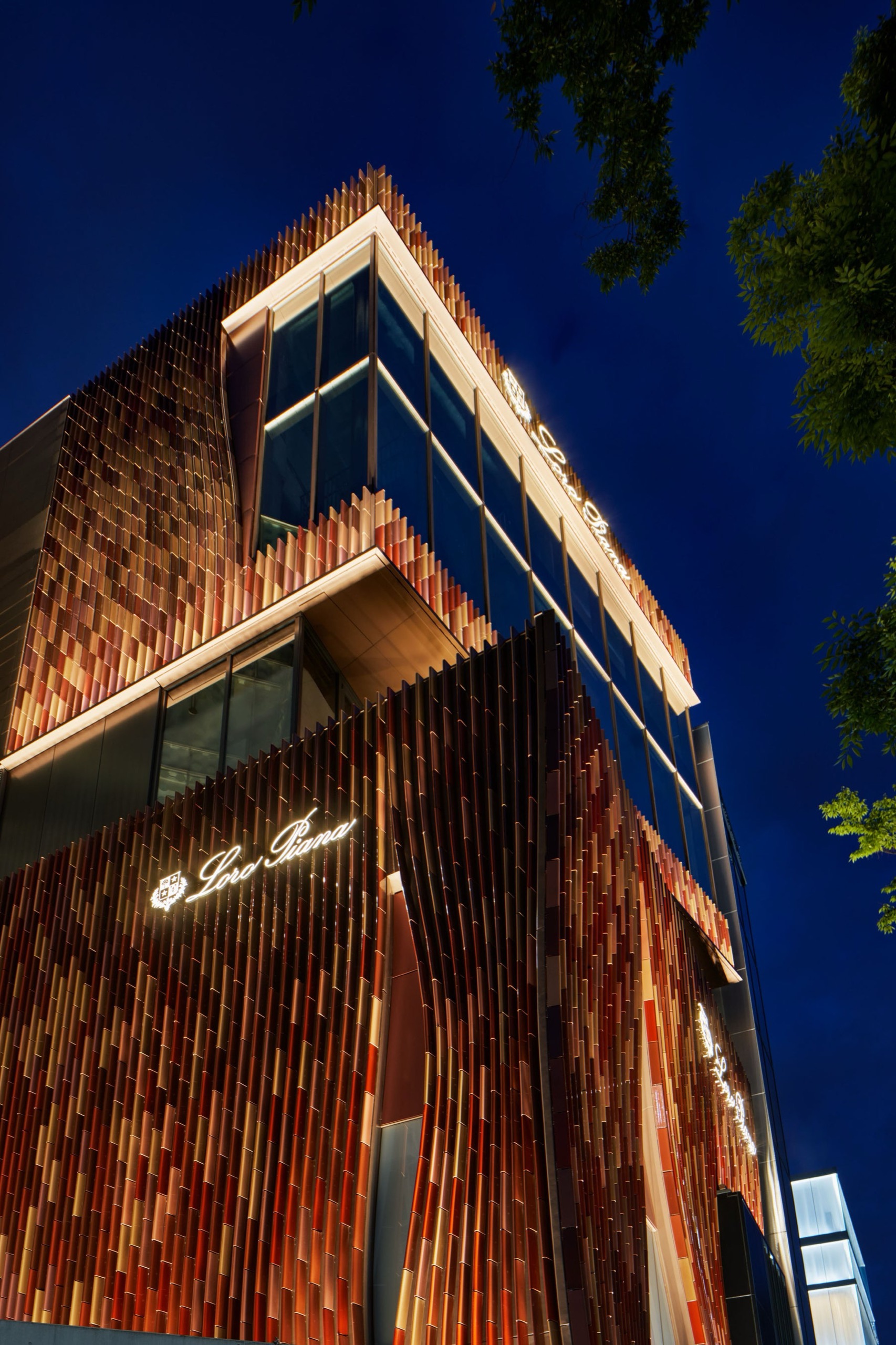
Loro Piana opens a four-storey flagship on Tokyo's Omotesando in October. Jun Aoki wrapped the facade in more than 1,400 terracotta tiles fired in Tuscany. A brand that barely puts a logo on anything has hung its material on the street instead of a sign, and the money for it comes from the wide gap between what a jacket costs to make and what it sells for.
1.Loro Piana opens a new flagship on Omotesando in Tokyo this October. It occupies four floors of a building put up for the brand alone, and foreign press put the retail area at 6,673 square feet (about 620 sq m, or 187 tsubo). It is the brand's 15th store in Japan and fifth in Tokyo since it arrived in August 1999 with a counter at Isetan Shinjuku. The exact opening date has not been announced.
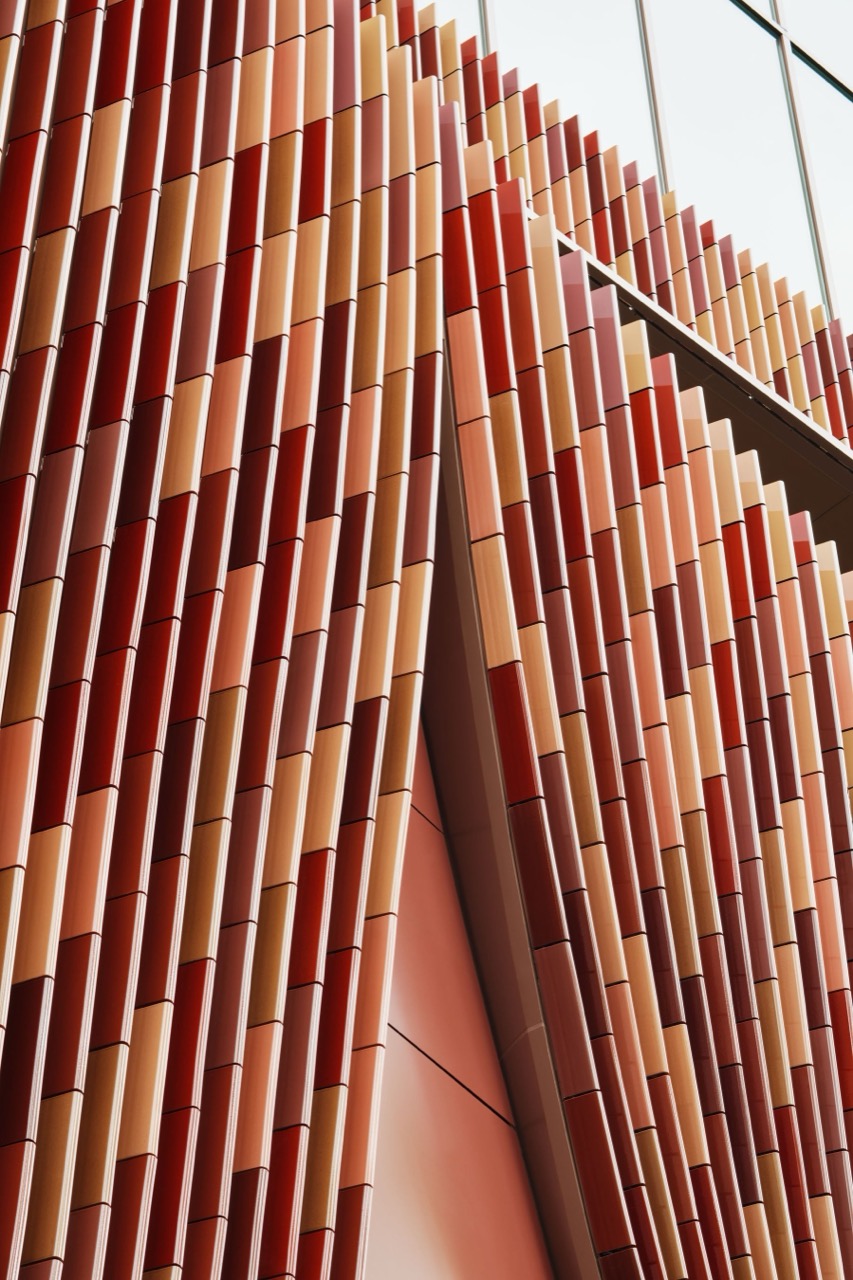
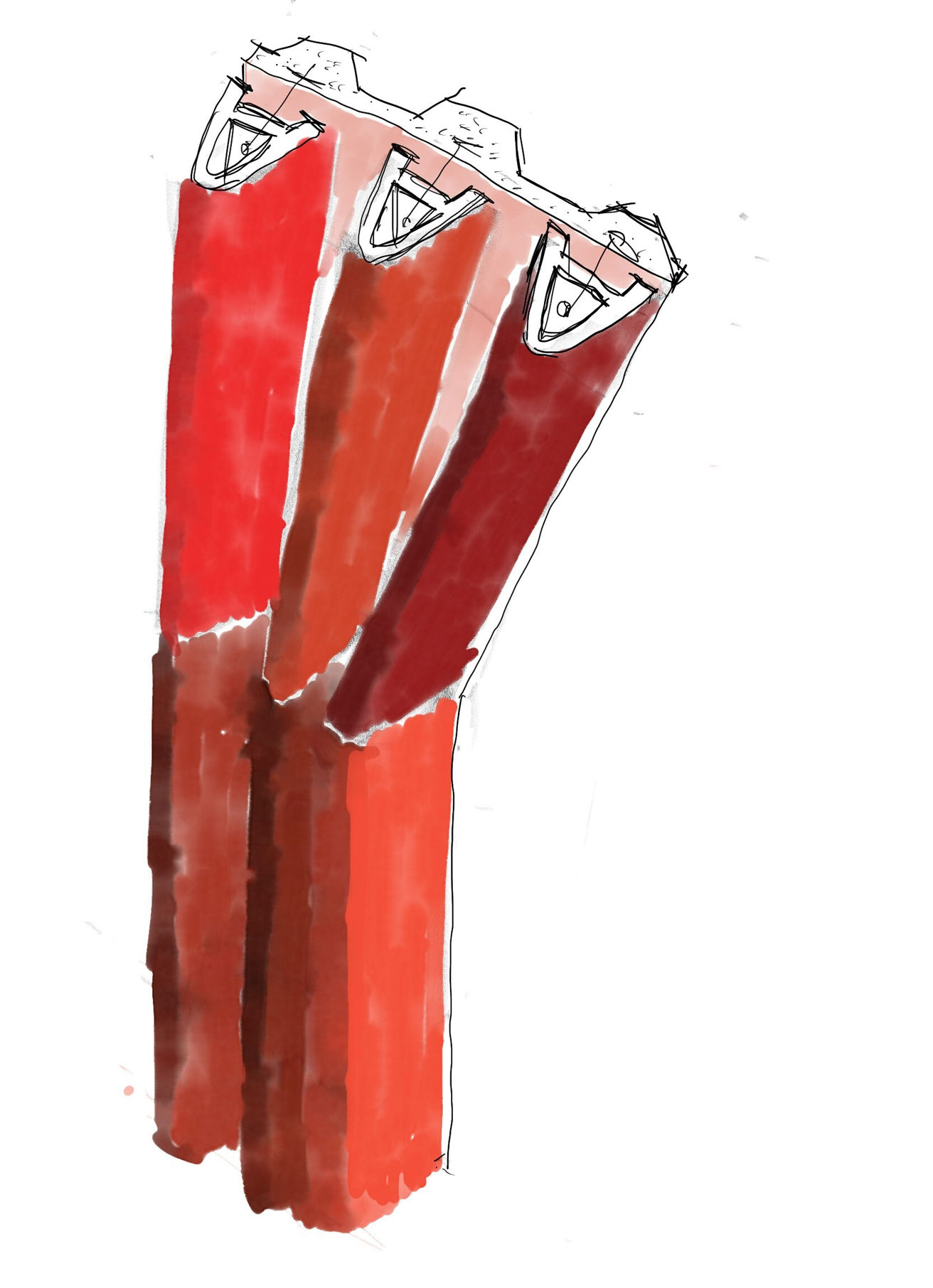
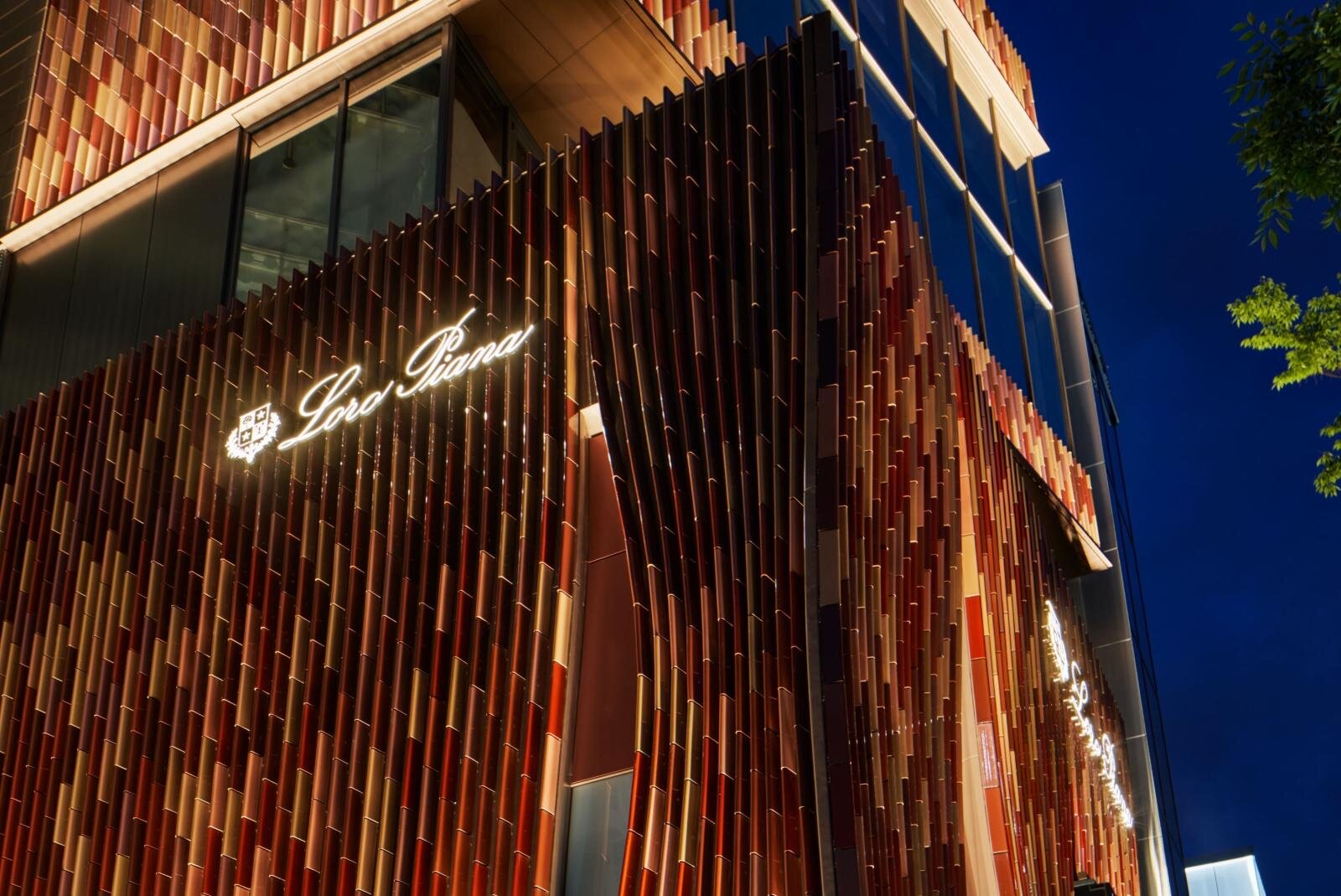
2.The facade is by Jun Aoki. More than 1,400 terracotta tiles, hand-fired in Tuscany, run vertically up the front in seven shades, including Kümmel, the colour the house treats as its own. Firing the tiles alone took over three months, and getting from the first batch to a finished facade took a little over a year.
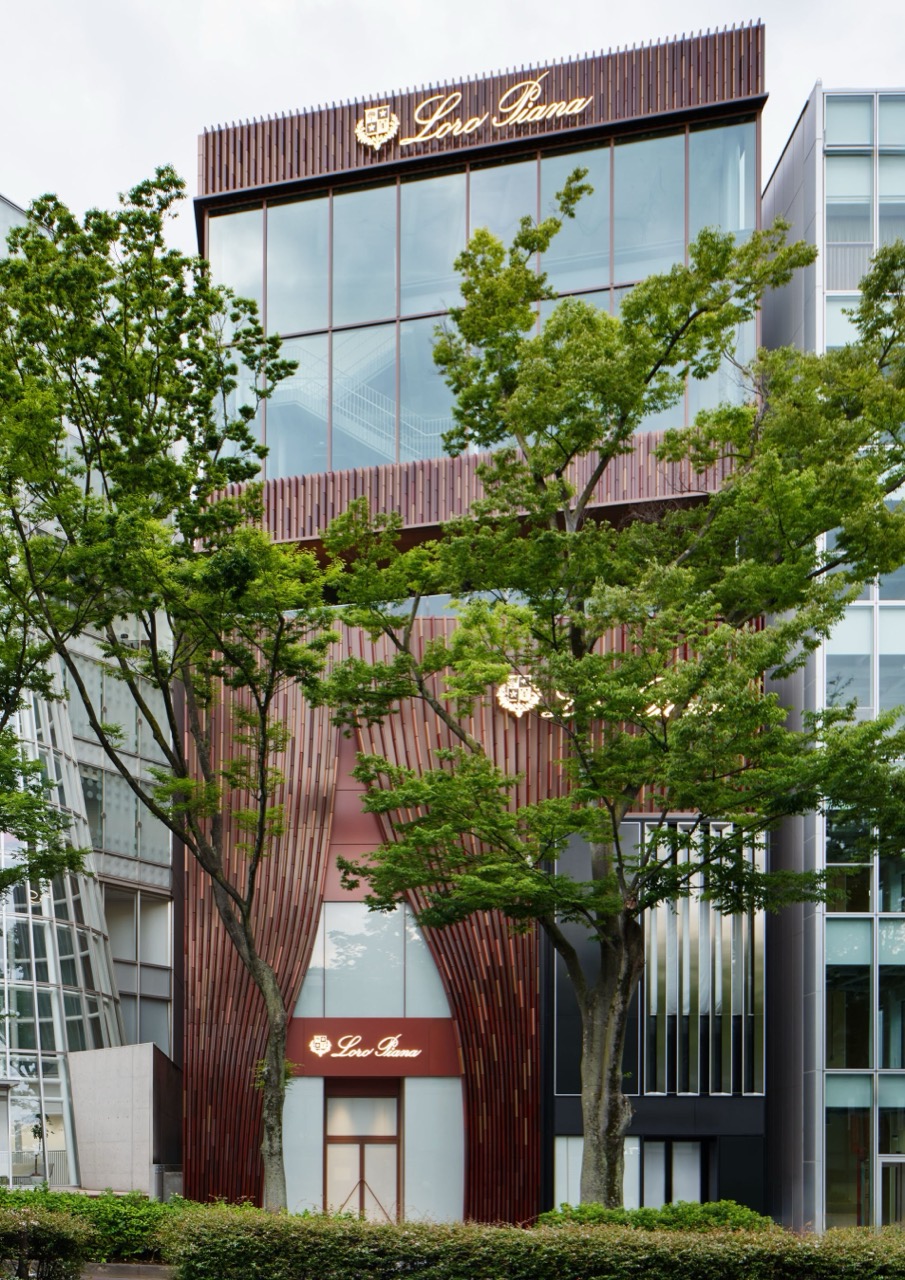
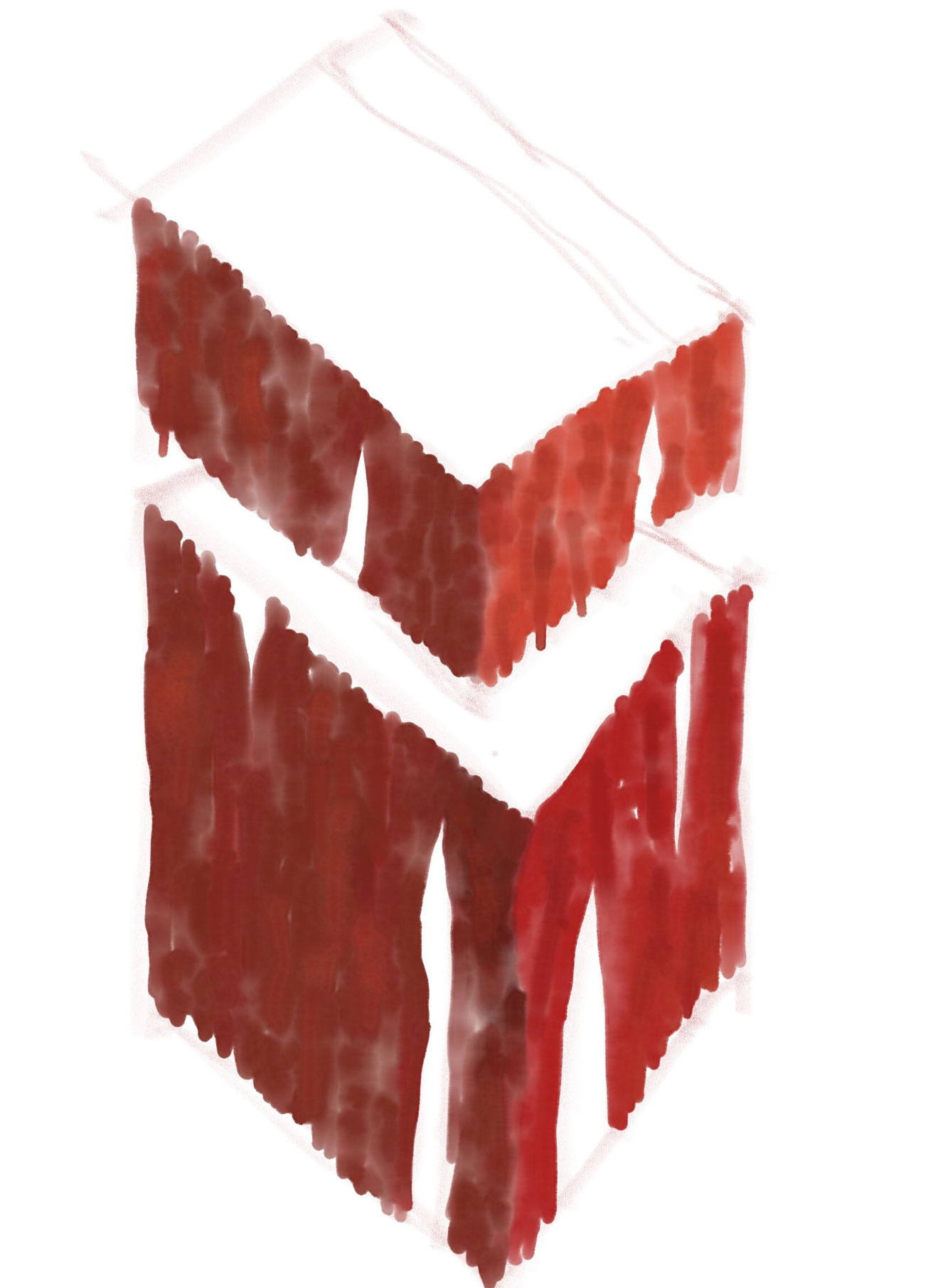
3.The tiles do not sit flat. Each one bends gently, rising like the warp threads of a cloth, and in front of the entrance they part to either side like a stage curtain. Because the clay is fired by hand, every tile carries its own blotches within the same shade. At night, light thrown up from below lands on each curved face at a different brightness. Aoki says he wanted passers-by to slow down and step closer.
4.Inside, the brand says it used oak, carabottino woodwork and a warm palette. Carabottino is the wooden grating once laid on the decks of Italian boats. The floor plan has not been released ahead of opening, but the Ginza store, opened in June 2020, gives a guide. It put textile accessories and leather goods on the ground floor, womenswear on the second, menswear on the third, and handed the entire top floor to made-to-order work.
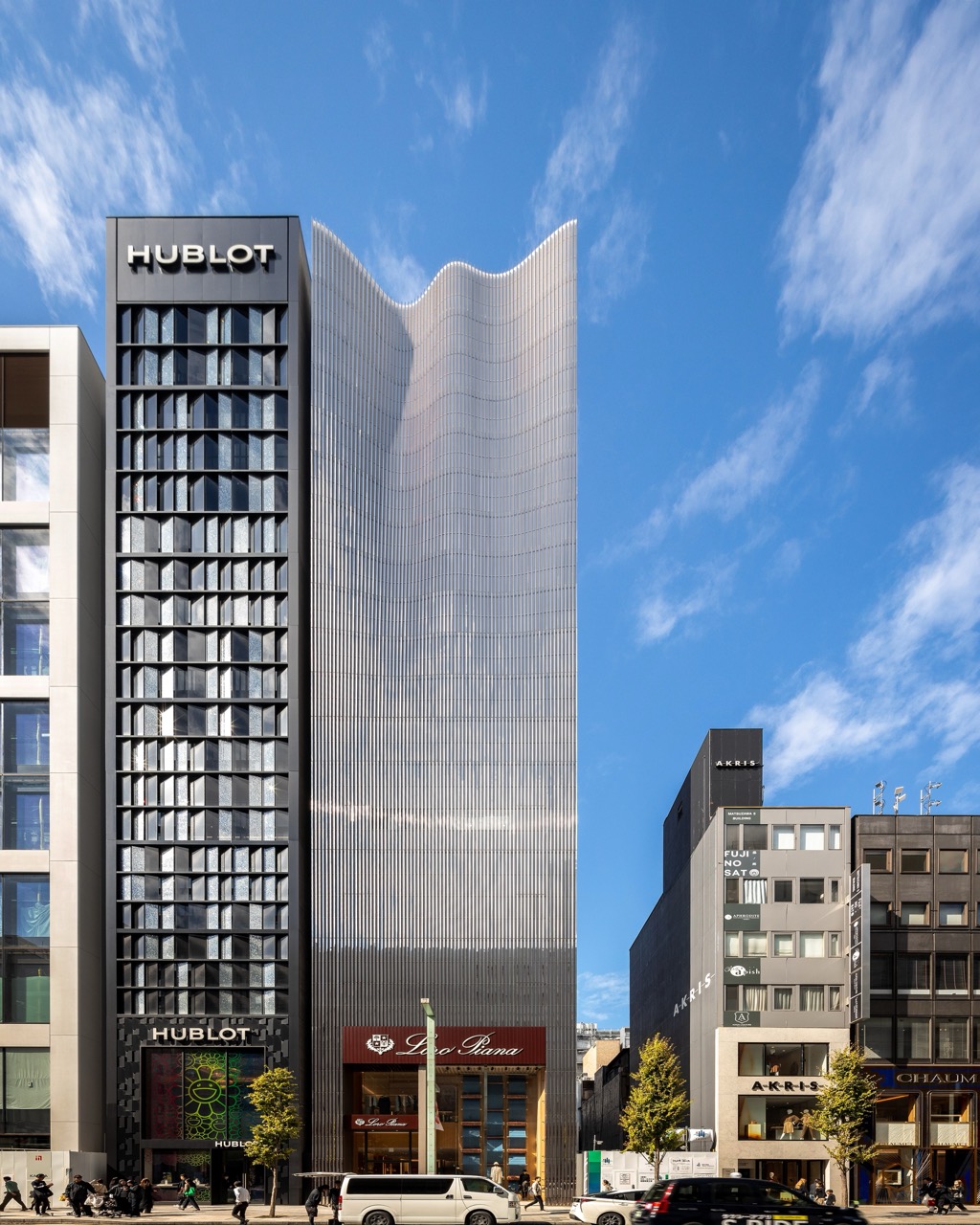
5.The Ginza facade is Aoki's work too. Strips of mirror-polished steel stand twisted by three degrees each to break up reflections, and the Kümmel tone at the bottom fades to white toward the top. Fabio d'Angelantonio, then chief executive, called it the first time the brand had expressed itself through architecture. Six years on, the same architect has a second facade, and this time he dropped metal for clay.
6.Loro Piana clothes carry almost no logo. Fabrics such as cashmere and vicuña do the talking, and customers piled in once the phrase "quiet luxury" took off a few years ago. The catch is that a logo-free coat is hard to identify on the street. If customers wearing the clothes do not advertise the brand, the only place left to hang its name in public is the store's own wall.
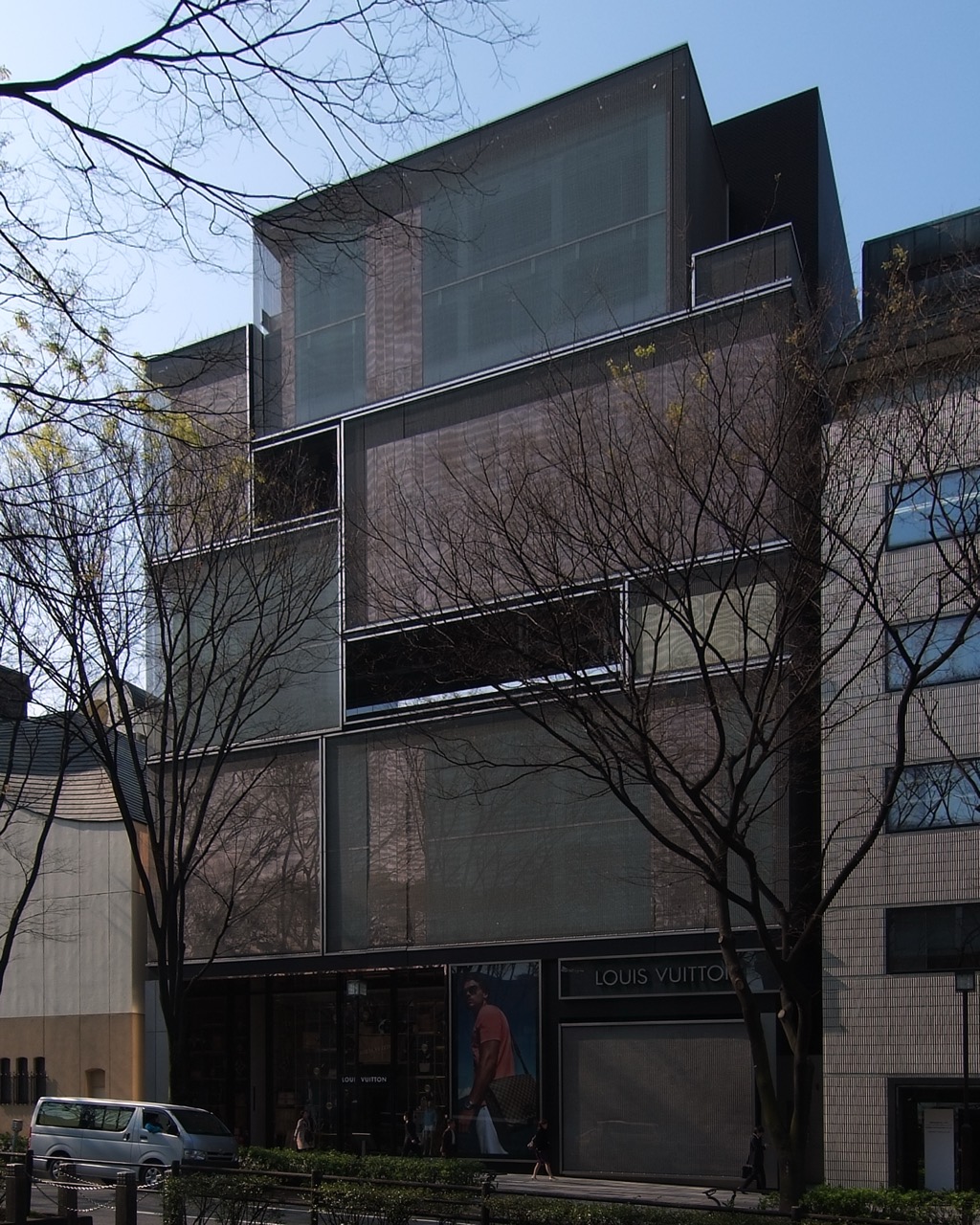
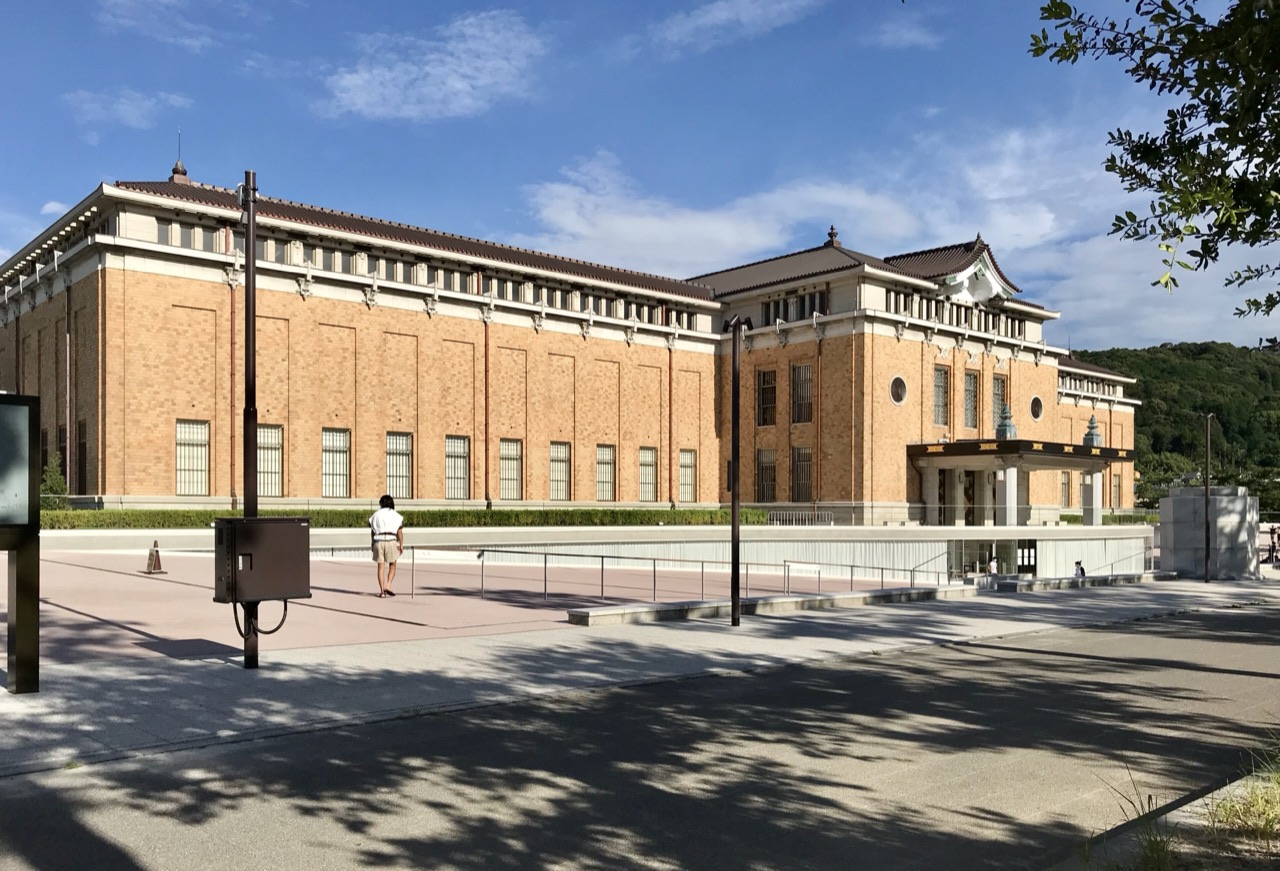
7.This is not the first facade Aoki has hung on this street. In August 2002 he completed the Louis Vuitton building on the same Omotesando: a stack of trunks, two floors below ground and eight above, 3,327 sq m of floor area. Louis Vuitton and Loro Piana now both sit under LVMH, and Aoki also led the 2020 renewal of the Kyoto City KYOCERA Museum of Art.
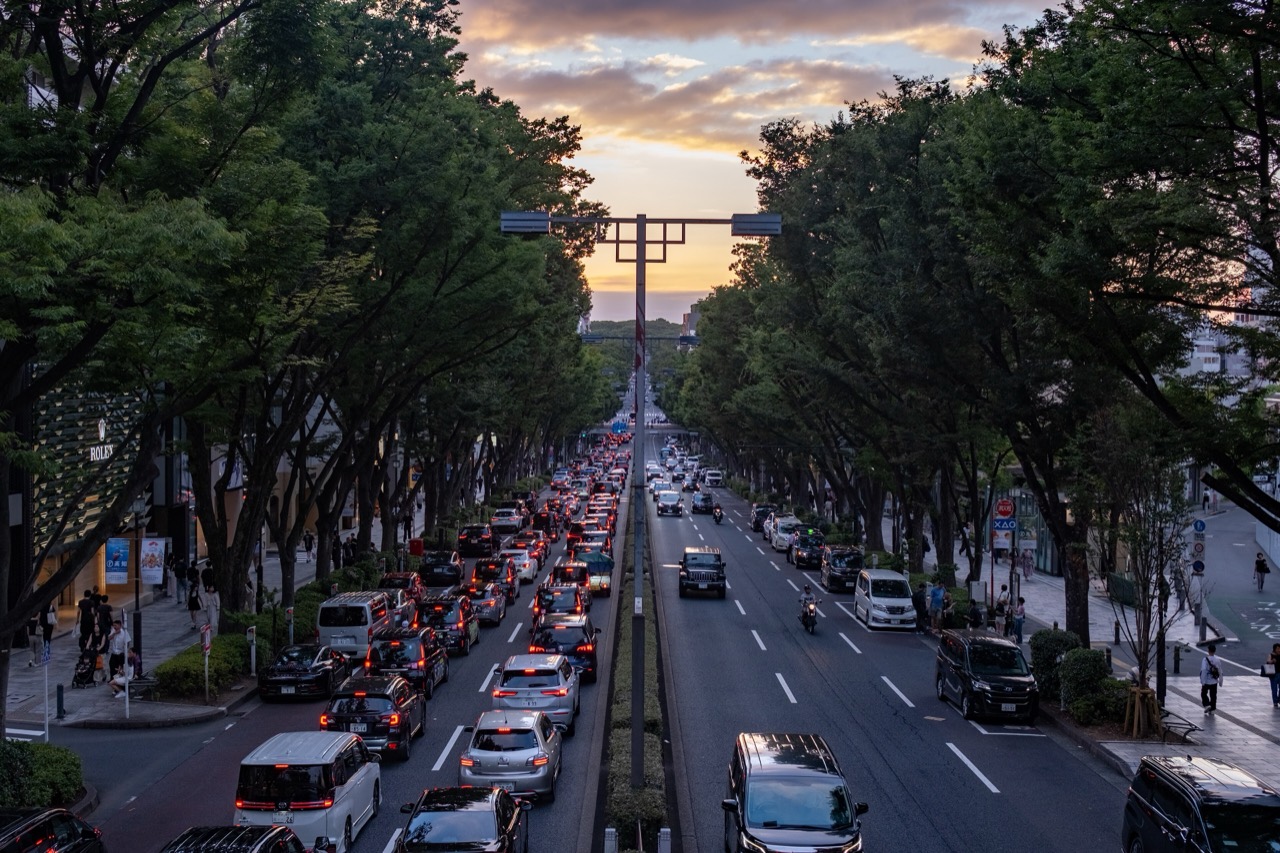
8.Omotesando is the most expensive street in Tokyo after Ginza. Cushman & Wakefield puts the top of the range for ground-floor retail rents in Harajuku, Omotesando and Aoyama at 450,000 yen per tsubo a month in the second quarter of this year, against 550,000 yen in Ginza. LVMH said that in the first quarter, local shoppers in Japan partly made up for lost tourist sales. Which street still has Japanese shoppers walking it once the duty-free crowd thins out? The brand's answer is Omotesando.
9.Loro Piana's 2024 revenue was 1.6095 billion euros, up 24.2% on the year. Operating profit came to 478.1 million euros, a margin of 29.7%. By region, Asia was both the largest and the fastest-growing of the big three. The figures are Fashionbi's compilation of the Italian parent's filed accounts.
10.A court file showed one piece of where that profit comes from. In July 2025 a Milan court placed Loro Piana under judicial administration for a year over labour exploitation at subcontracted workshops. According to the file, an intermediary supplied jackets at 118 euros each, and the last subcontractor in the chain received 80-86 euros. The same jacket sold in stores for 1,900-3,000 euros.
11.The court lifted the measure early, in April 2026, citing the company's quick corrective action. The chief executive changed in the meantime too: Frédéric Arnault has run the company since 2025. On a 3,000-euro jacket, the operating margin leaves roughly 890 euros, and after taking out the supplier price, close to 2,000 euros goes on fabric, stores, staff and advertising. The 1,400 tiles on Omotesando come out of that share.
12.The lease terms and the ownership of the building have not been disclosed. So what would it cost at market rates? Treat a quarter of the 187 tsubo, 47 tsubo, as ground floor at the 450,000-yen top rate and you get 21.15 million yen a month. Price the 140 tsubo on the three upper floors at a quarter of the ground-floor rate and that adds 15.75 million yen. Together, 36.9 million yen a month, or about 440 million yen a year (estimate).
13.Assume rent should be 15% of sales, and the store needs to sell 2.95 billion yen a year. Counted in suede Summer Walk moccasins, priced at 160,600 yen on the Japanese official site, that is 18,400 pairs, or just over 50 a day. Shoes alone will not fill that, so clothes starting in the hundreds of thousands of yen and made-to-order work carry the rest.
14.LVMH bought 80% of the company for 2 billion euros in 2013. At the end of 2025 it paid 1 billion euros for another 9% held by the founding family, taking its stake to 94%, a deal that valued the company at 11 billion euros. In 12 years its price more than quadrupled. Two family members kept their board seats.
15.A brand that puts no logo on its clothes has hung 1,400 pieces of Tuscan clay on a 187-tsubo building on Omotesando instead of a sign, and on a site where rent at market rates would top 400 million yen a year (estimate), that wall does the work of a billboard too. Hang the same facade on a Korean street and the first thing that stops it is fire. Exterior walls on buildings of three storeys or more, or taller than 9 m, must use non-combustible or quasi-non-combustible materials. Fired clay passes on its own, but the metal that holds the curved tiles and the insulation behind them are judged together.