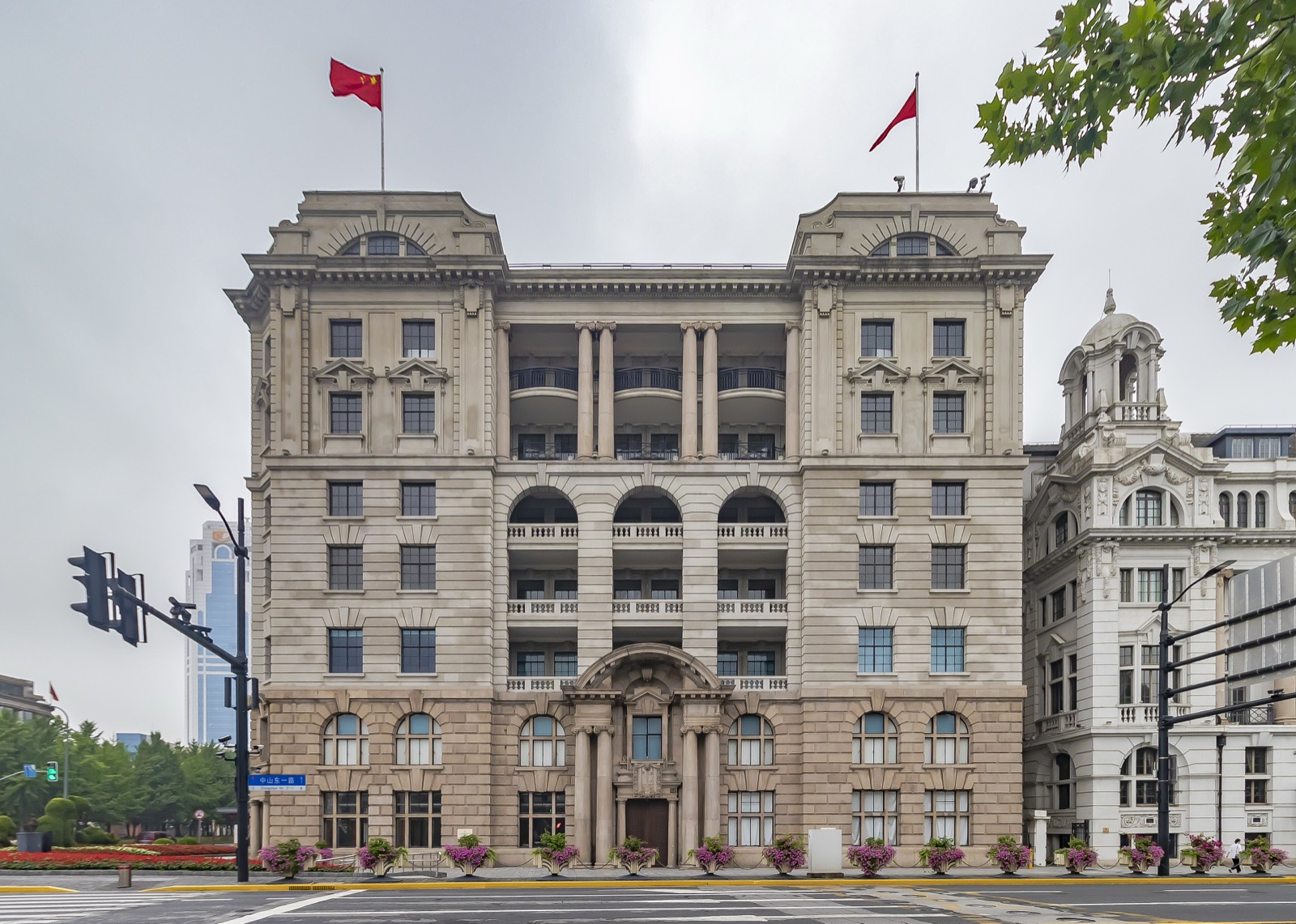
The first building on the Bund took in an art museum this spring. Two of its eight floors, admission free. The other six remain offices.
1.On 31 March 2026, the second and third floors at 1 Zhongshan East First Road in Shanghai opened as an art museum. The building is the Asia Building. It stands first in the row of historic structures that line the Bund waterfront. The tenant is the Shanghai Jiushi Art Museum, which moved its main venue to this address.
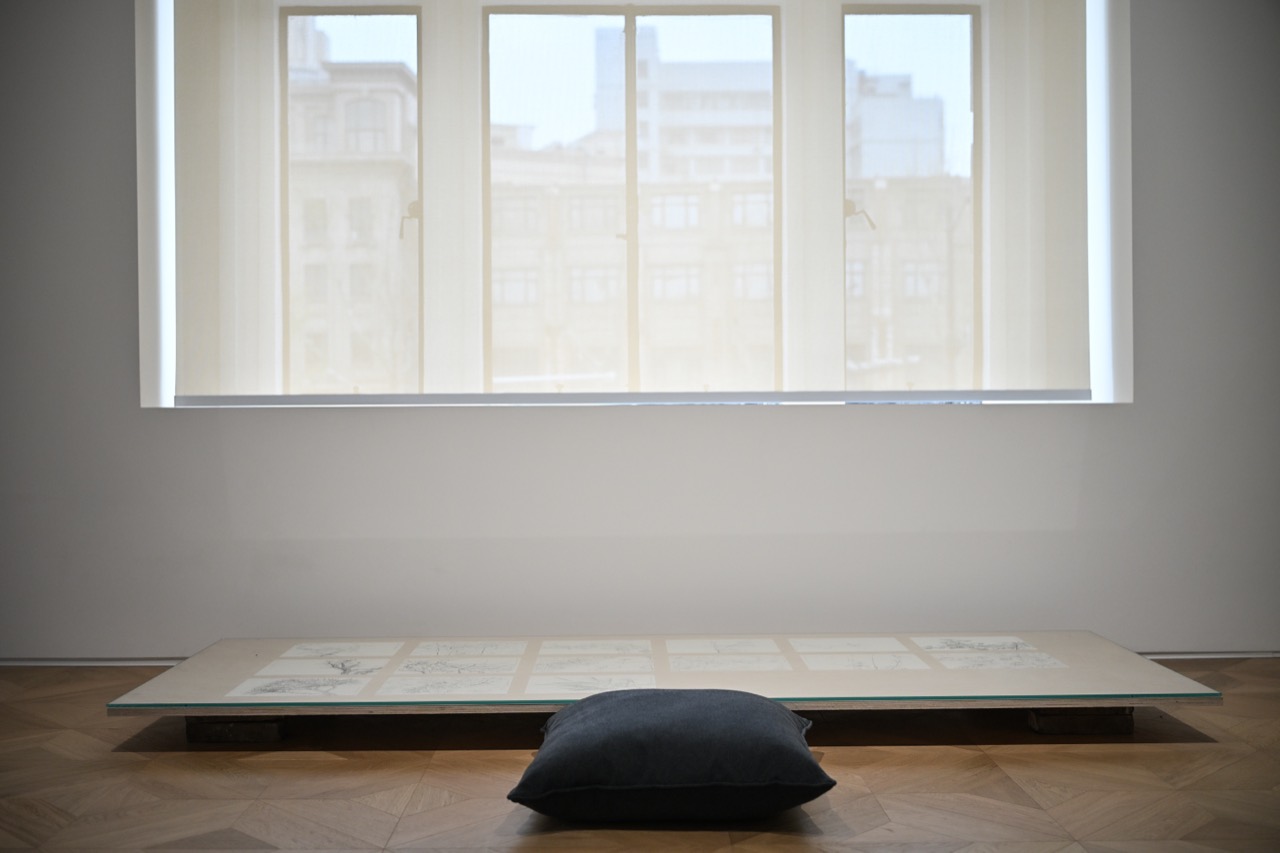
2.Since 21 July, fifty pieces of Ming and Qing monochrome glazed porcelain from the Shanghai Museum have hung on those two floors. They are sorted into five colours: red, blue, yellow, white and green. The museum says the show runs to 14 February 2027. It is the first time the two institutions have staged an exhibition together. Nobody pays to get in.
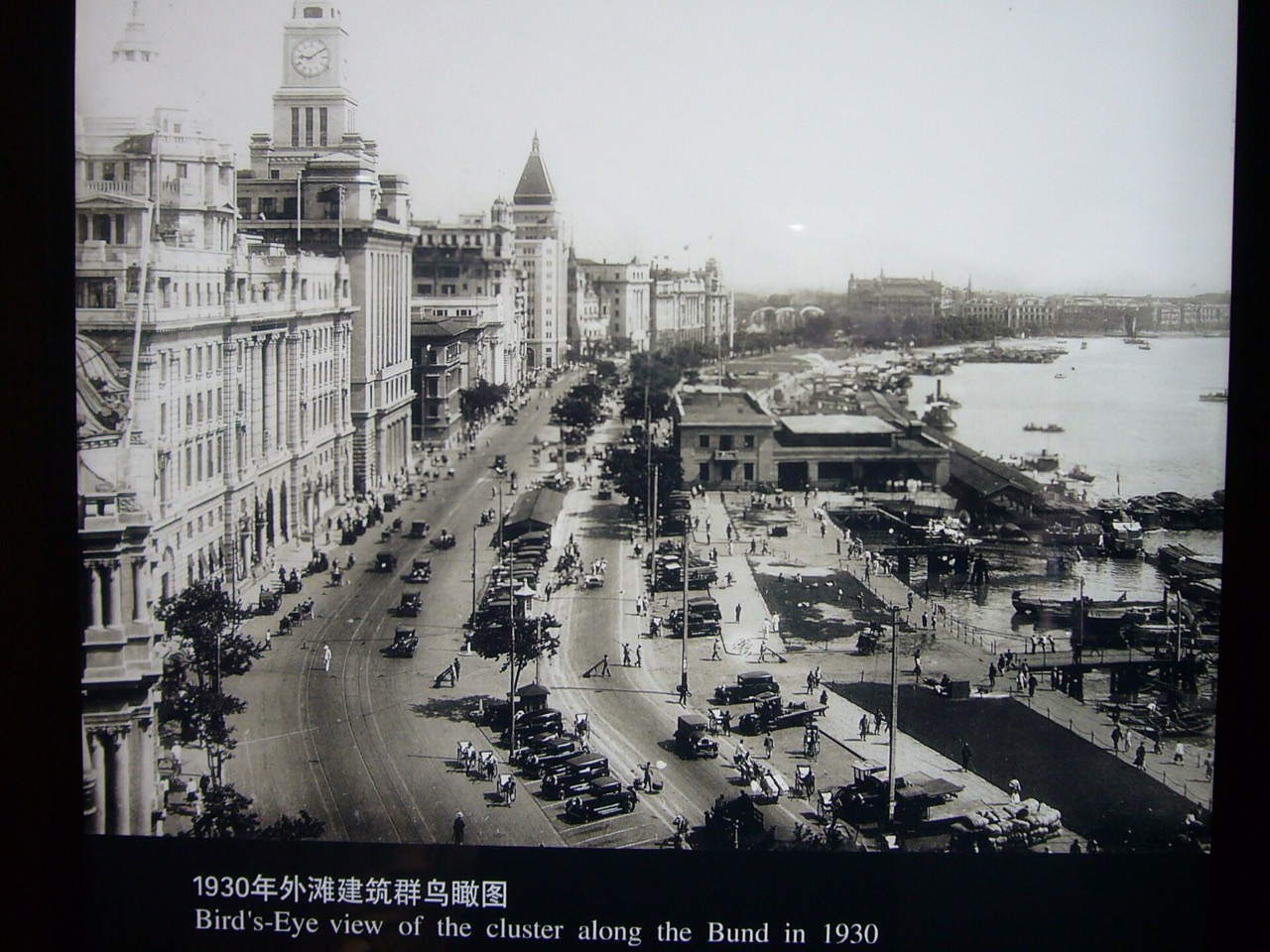
3.Start with the building. Completed in 1916 and first called the McBain Building, it was drawn by the British practice that Chinese sources name 马海洋行. A site of 1,739 sq m carries 11,984 sq m of floor area. It rose seven storeys at completion, and a floor added in 1939 made eight. Back then, the tallest thing on the Bund.
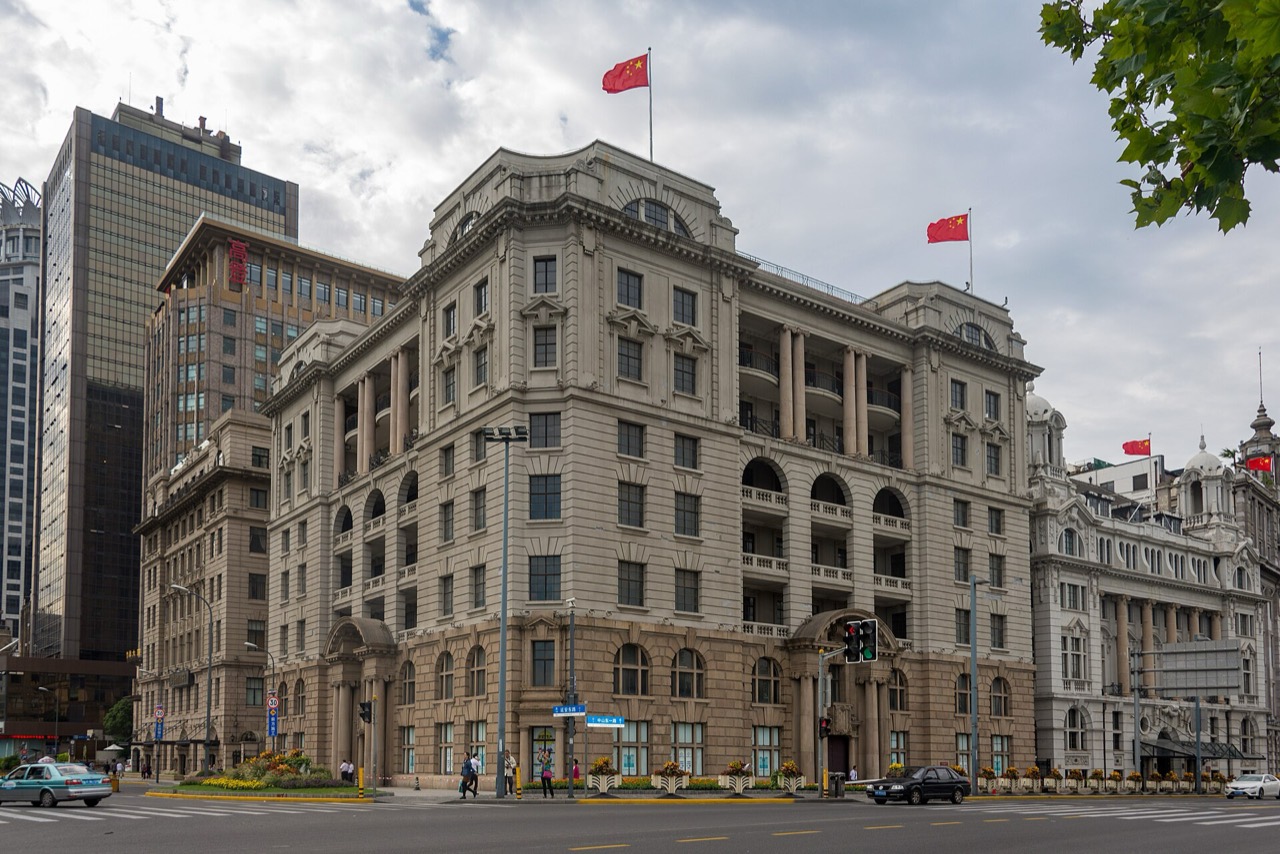
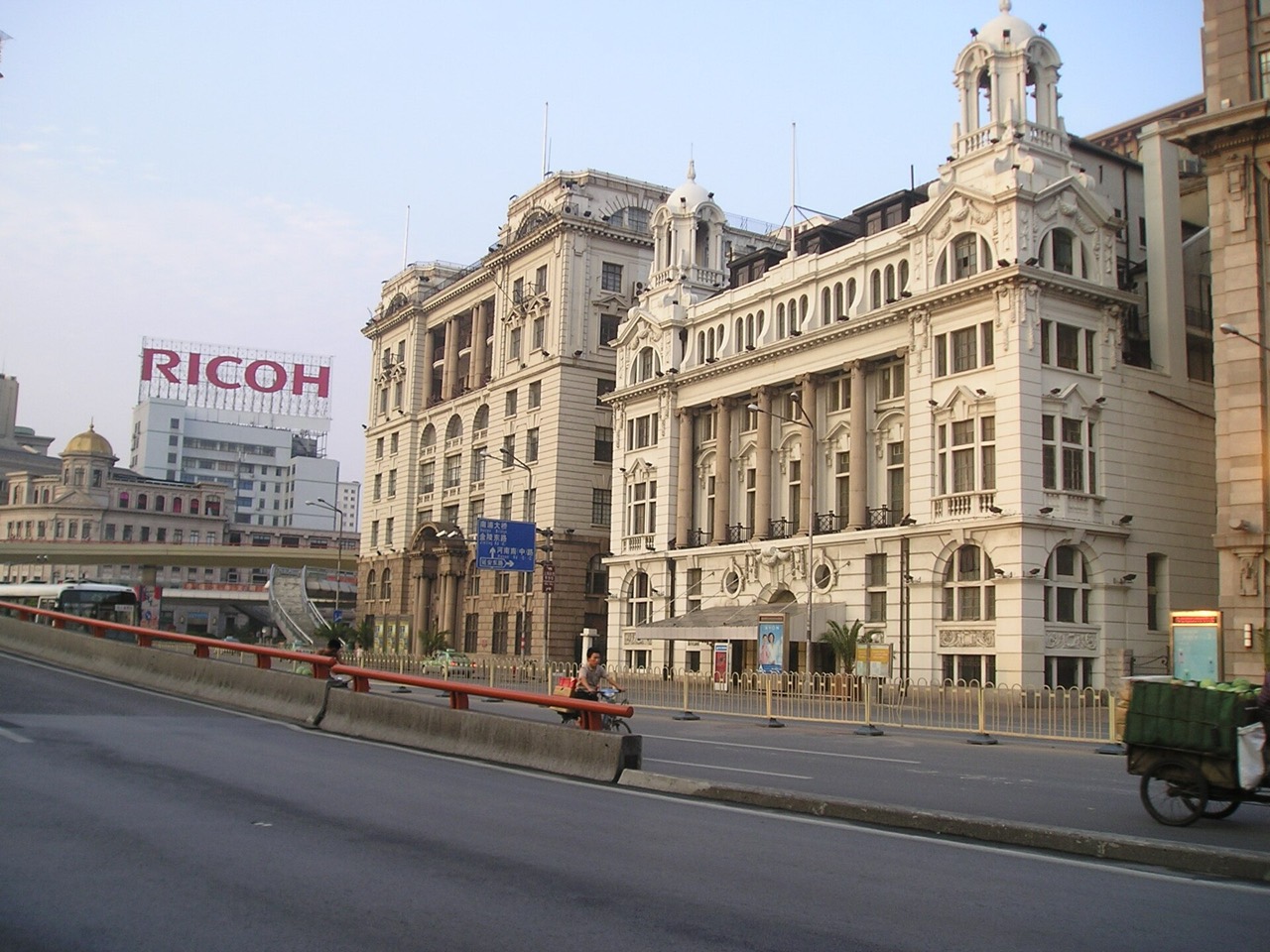
4.The elevation breaks into three bands horizontally and three vertically. The top and bottom bands carry Baroque ornament, and the middle band was stripped of it. Four Ionic columns stand at the east entrance under a broken curved pediment, while the corner is chamfered into an octagon that climbs through the roof to become an octagonal tower. This building has two fronts. The east face toward the river, and the south face toward Yan'an East Road.
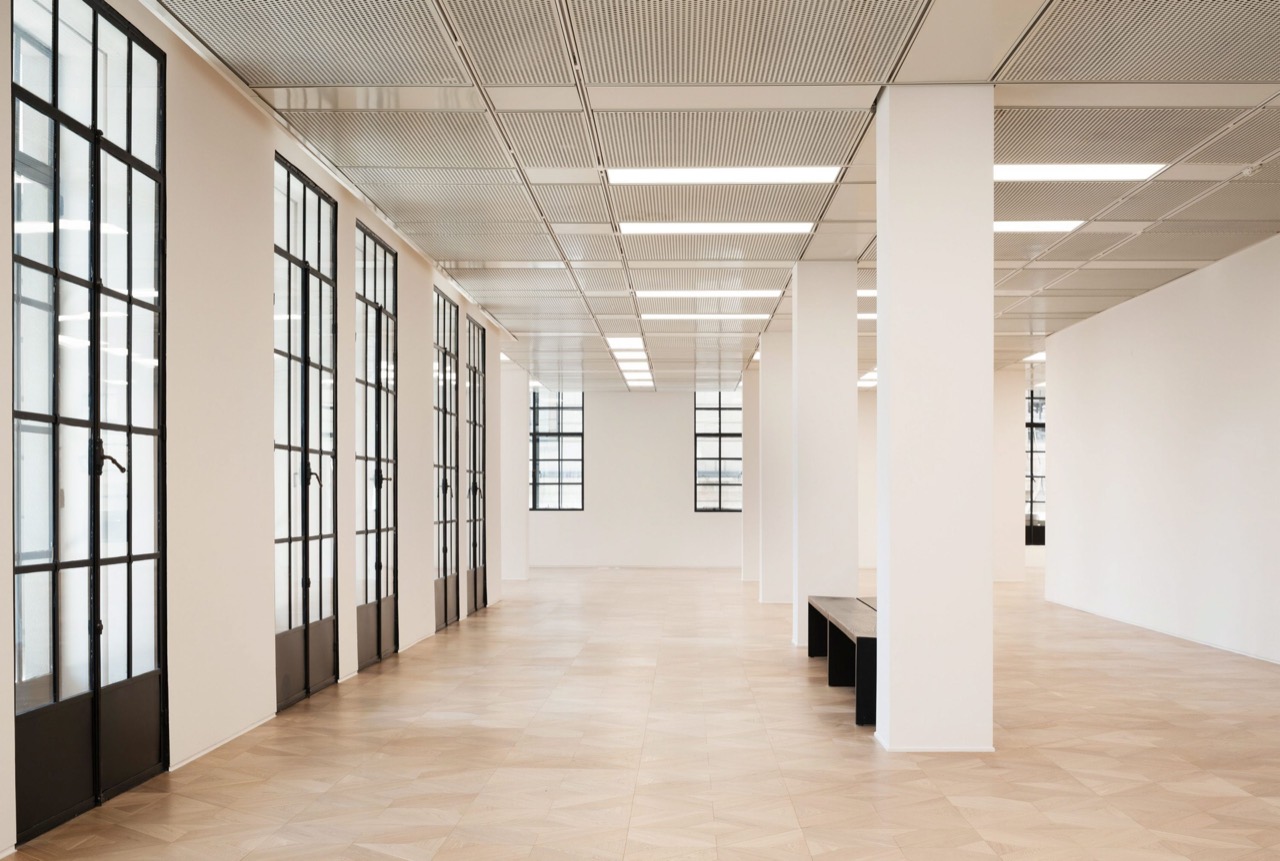
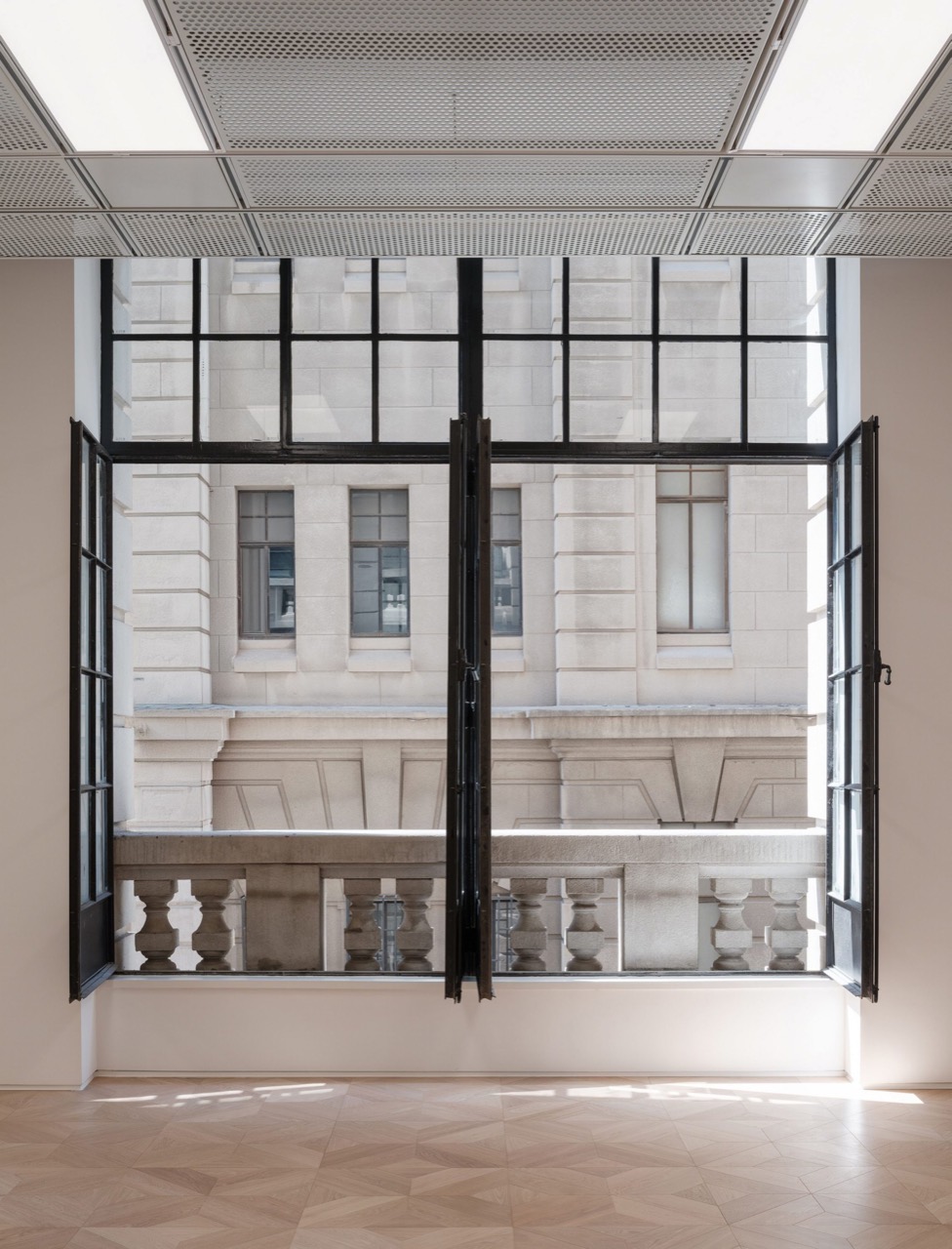
5.The plan is a hollow square. A courtyard sits at the centre, rooms line the outside, a corridor runs within, and the windows are two metres tall. gmp Architekten, who handled the conversion, left that structure alone and reopened windows that had been sealed. Window frames divided differently in different eras were repaired as found, and glass doors carry the grain of the facade into the interior. Heritage advice came from Shanghai Zhangming Architectural Design, lighting from YLD Studio.
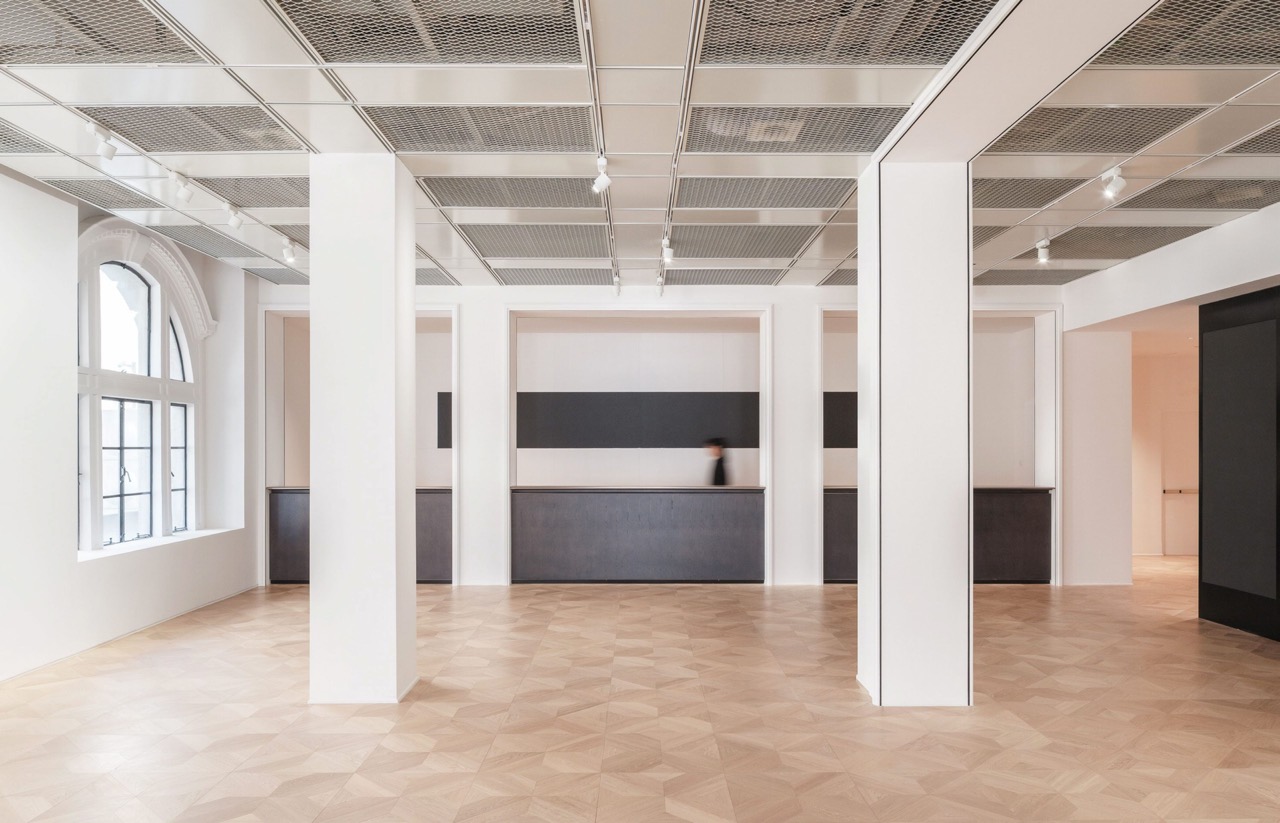
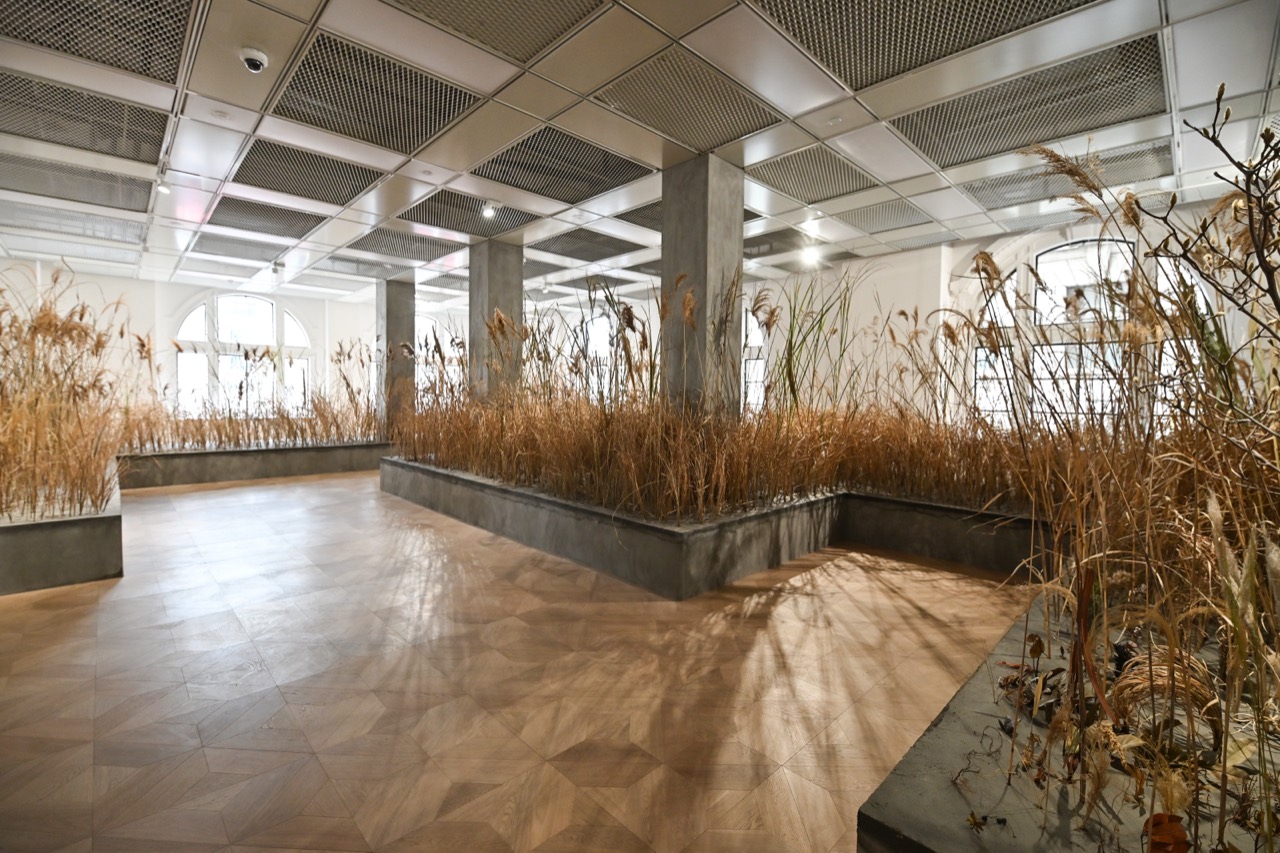
6.Blocking windows with white walls is the standard for exhibition rooms, and this one went the other way. At ten in the morning the east windows let the Huangpu River in first, and boats pass behind the porcelain. The floor was relaid in the parquet pattern used by Bund buildings of the same period, and most of the ceiling is original. Services and back-of-house scattered across the third floor were gathered into a single entrance zone.
7.Admission, zero. So what pays for these two floors? Divide 11,984 sq m by eight and a floor comes to roughly 1,500 sq m, which puts the museum's two floors at about 3,000 sq m. Floor-by-floor areas are not published figures. They are the gross area divided by the number of storeys.
8.Put that area on the office market and what does it fetch? Grade A space around the Bund is quoted between RMB 4.6 and RMB 10.8 per sq m per day. Take the middle at 7 and a year on 3,000 sq m comes to roughly RMB 7.66 million, about KRW 1.45 billion. Every year the museum declines to sell that much floor. These are asking rates, not the contract rent on this building.
9.The party giving up the rent and the party opening the museum happen to be the same company. Shanghai Jiushi Group, a state-owned enterprise held by the city, owns the building and runs the museum. Restoration finished in October 2019 and the building reopened as the Jiushi International Art Centre. The museum's main venue used to sit at 27 The Bund with some 1,400 sq m of gallery space, so it has roughly doubled.
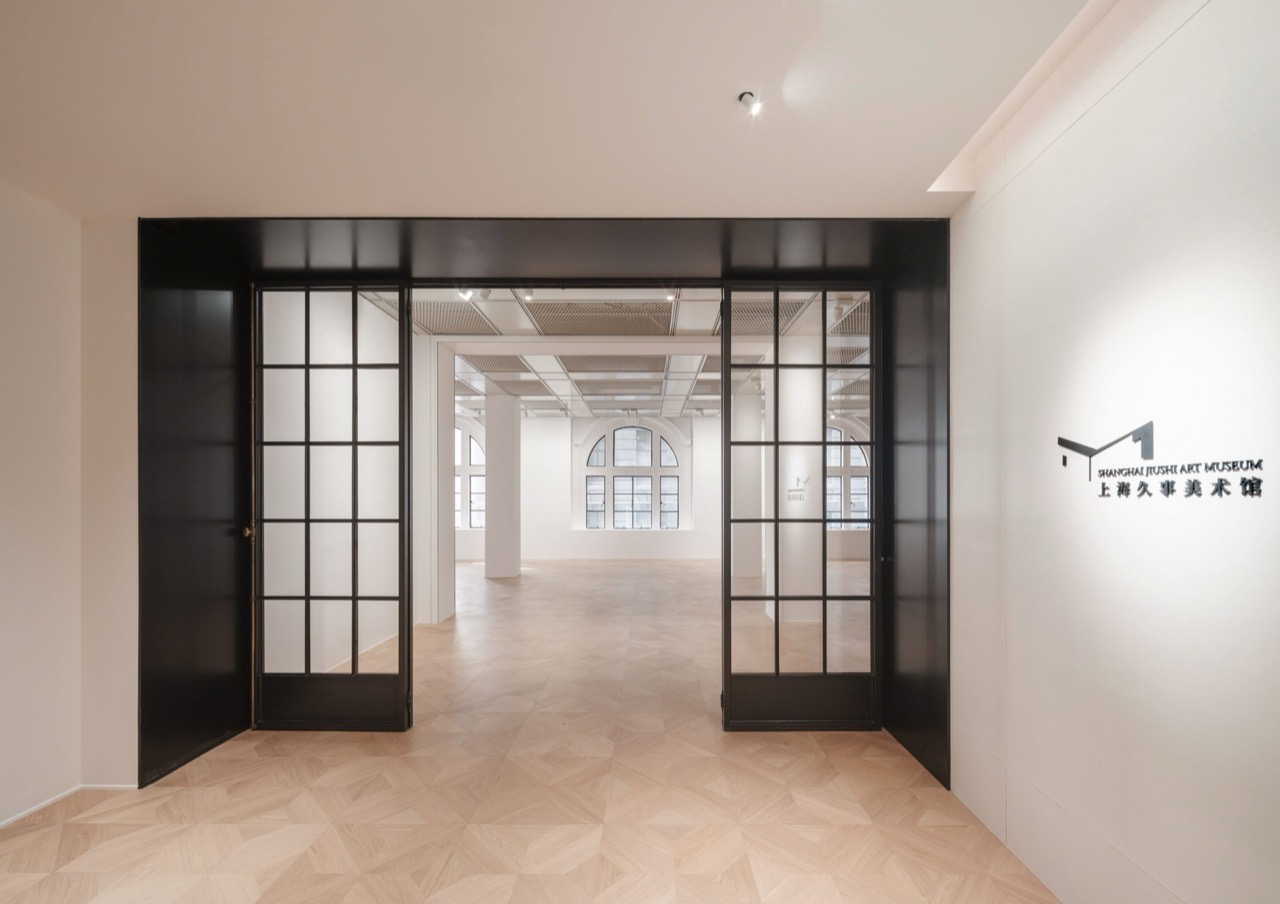
10.What free admission buys is footfall. Tourists walk the Bund promenade all day without stepping inside any of it, and opening the ground-floor lobby with two free floors above it bends that stream through the door. On the third floor sit a terrace, a reading area and a shop.
11.So this is not a museum business but a building business. Recovery does not come through tickets. It comes through the other six floors at the same address and the value of the street. Who occupies those floors today, and at what rent, could not be confirmed from public sources.
12.On the Bund, changing the outside is finished business. The Asia Building was listed by the city in September 1989 and, in November 1996, became part of the Bund ensemble protected at national level, while facade restoration along the water wrapped up in the 1990s. What is left is the back and the inside. Huangpu District calls that rear condition the second facade and has surveyed 141 buildings.
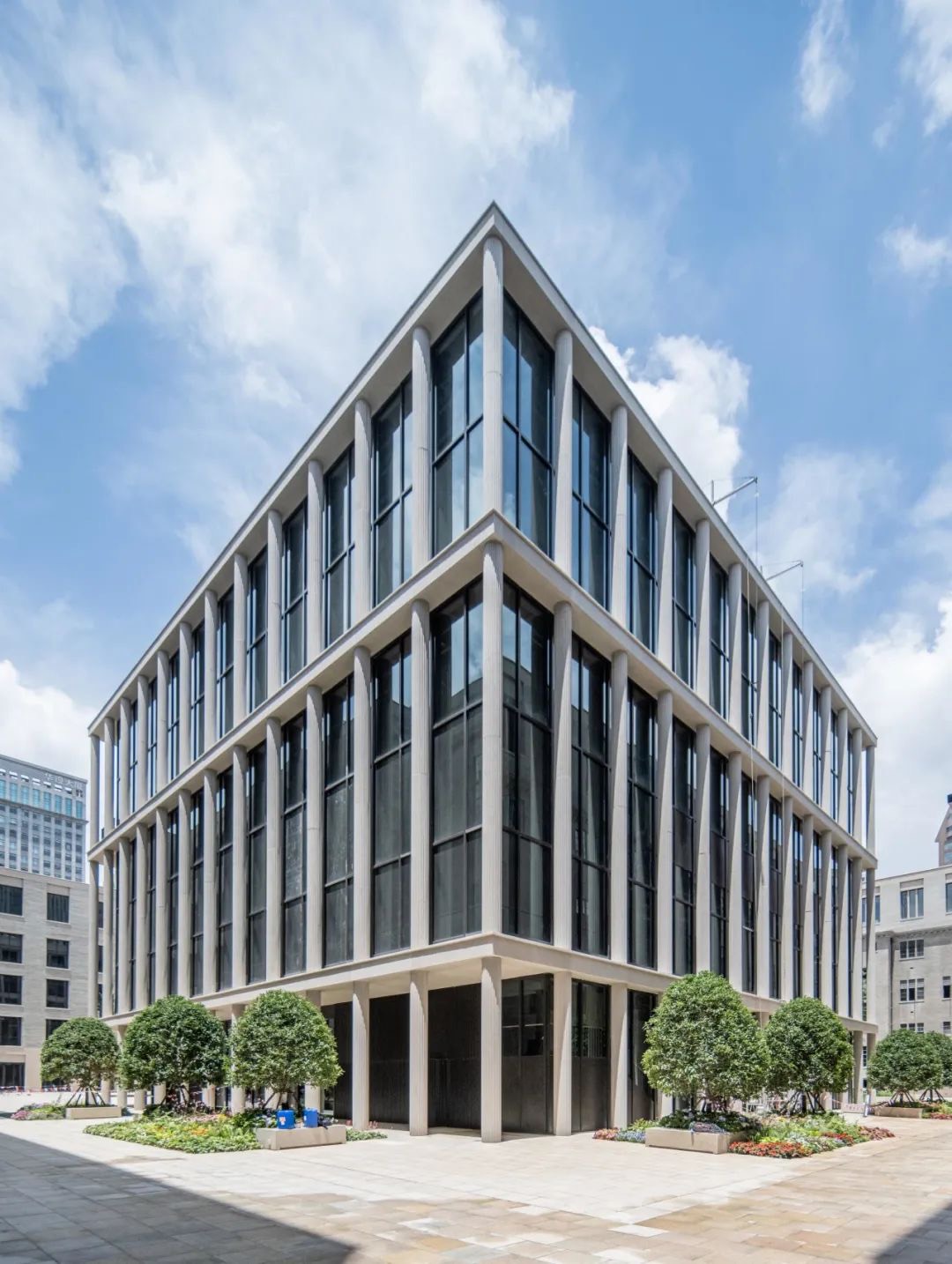
13.The previous generation took a different route. Numbers 3 (2004) and 18 (2006) filled entire buildings with luxury retail and restaurants, which pulls maximum rent but leaves nowhere to simply walk in. The former city hall has been floodlit since late 2023 while it courts regional headquarters, and one block on Jiujiang Road has turned into finance and technology offices. Number 1 picked the ground between them.
14.A free exhibition that recruits tenants only works when ownership and operation sit in one body. The maths holds because the party forfeiting rent and the party whose building appreciates are the same company. Doing this privately takes two parties, and a contract splitting that gain has to come first. Without it, the owner alone carries the loss on the emptied floors.
15.Two of the eight floors in a 1916 office building became a museum this spring, and since July they have carried fifty pieces of Shanghai Museum porcelain at no charge. Let as offices, those floors would fetch something like KRW 1.45 billion a year. Anyone attempting this in Korea hits the lease before the heritage code. Interior work on a registered heritage building needs only a notification as long as under a quarter of the exterior changes, so the drawings clear. What stops it comes next. Owners of period buildings usually live off the rent from that one asset, and few can hold two floors empty for years while waiting on the rest to reprice. The sheet to draw before the rendering is the one naming who covers the loss on the empty floors, and for how many years.