On September 10 the city of Seoul opens its first consolidated collection store, in Hoengseong, Gangwon State. Floor area 9,155㎡, total project cost 52.4 billion won. Of that, land accounted for 2.1 billion won and the remaining 50.3 billion went into the building itself. For a cultural facility downtown, that ratio would be flipped.
1.At 11 a.m. on September 10, 2026, the Seoul Cultural Heritage Center Hoengseong officially opens at 50 Duraeul Munhwa-gil, Ucheon-myeon, Hoengseong-gun, Gangwon State. It is the first facility to gather the holdings of Seoul's municipal museums and art museums in one place.
2.The site covers roughly 44,600㎡, the building 9,155㎡ across two above-ground floors. The total cost of 52.4 billion won breaks down into 50.3 billion for construction and 2.1 billion for land. Land was 4% of the budget.
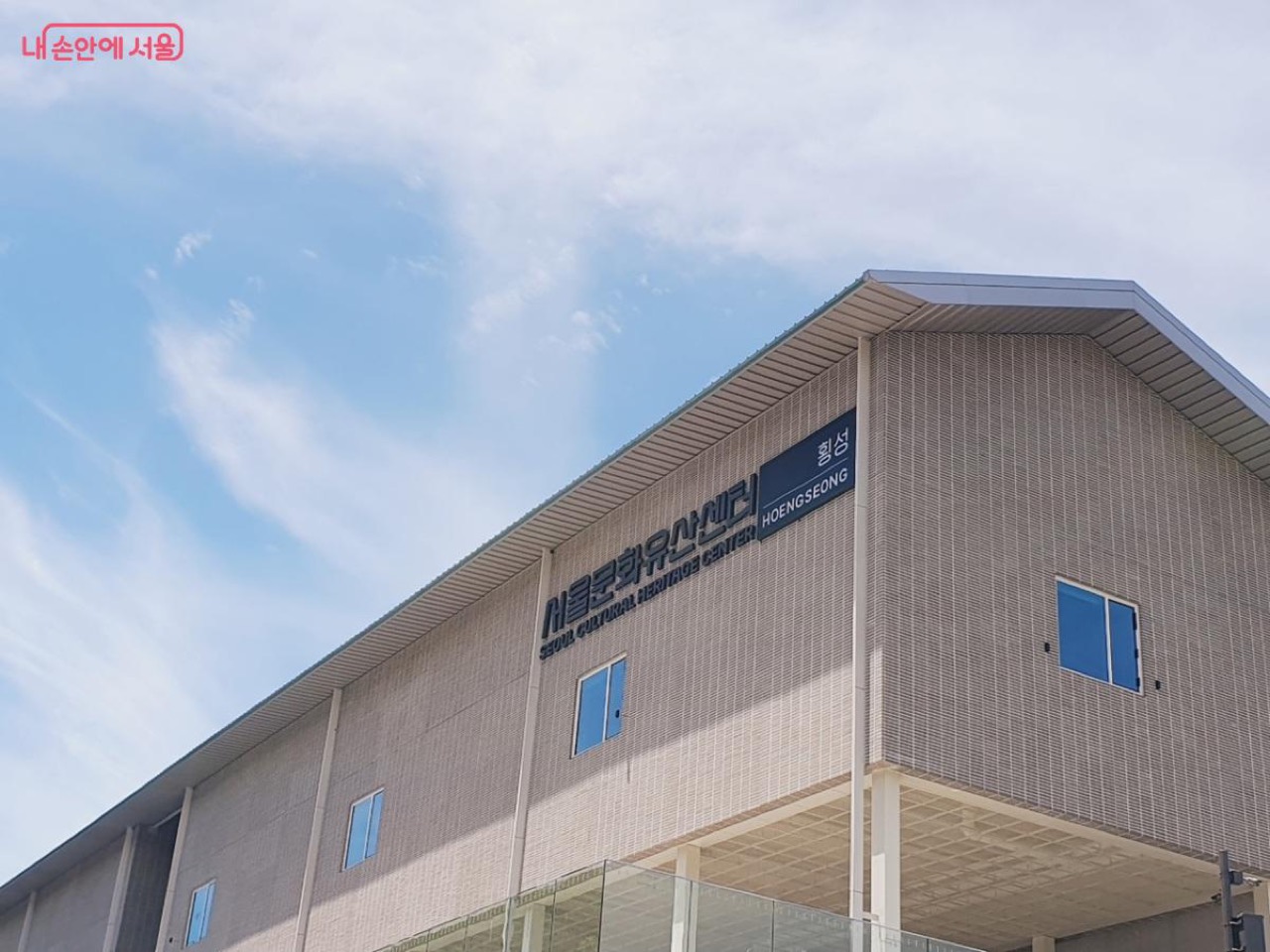
3.Choosing the site alone took years. An open call went out to provinces and cities in 2016, four counties competed, and an agreement with Hoengseong followed in 2018. Proximity to the expressway and the KTX line, plus adjoining land left over for expansion, were cited as the reasons. Ground was broken on October 17, 2022.
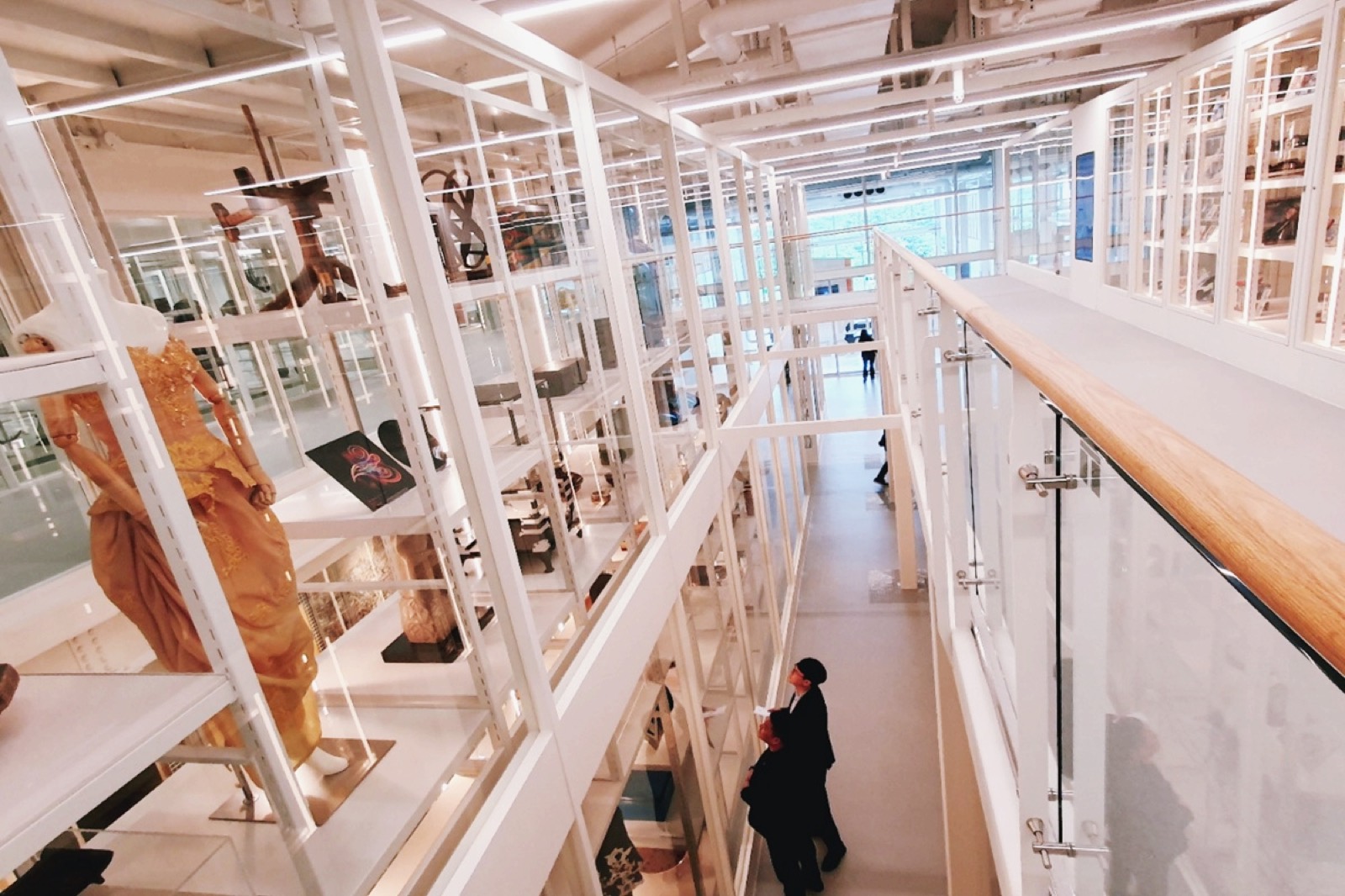
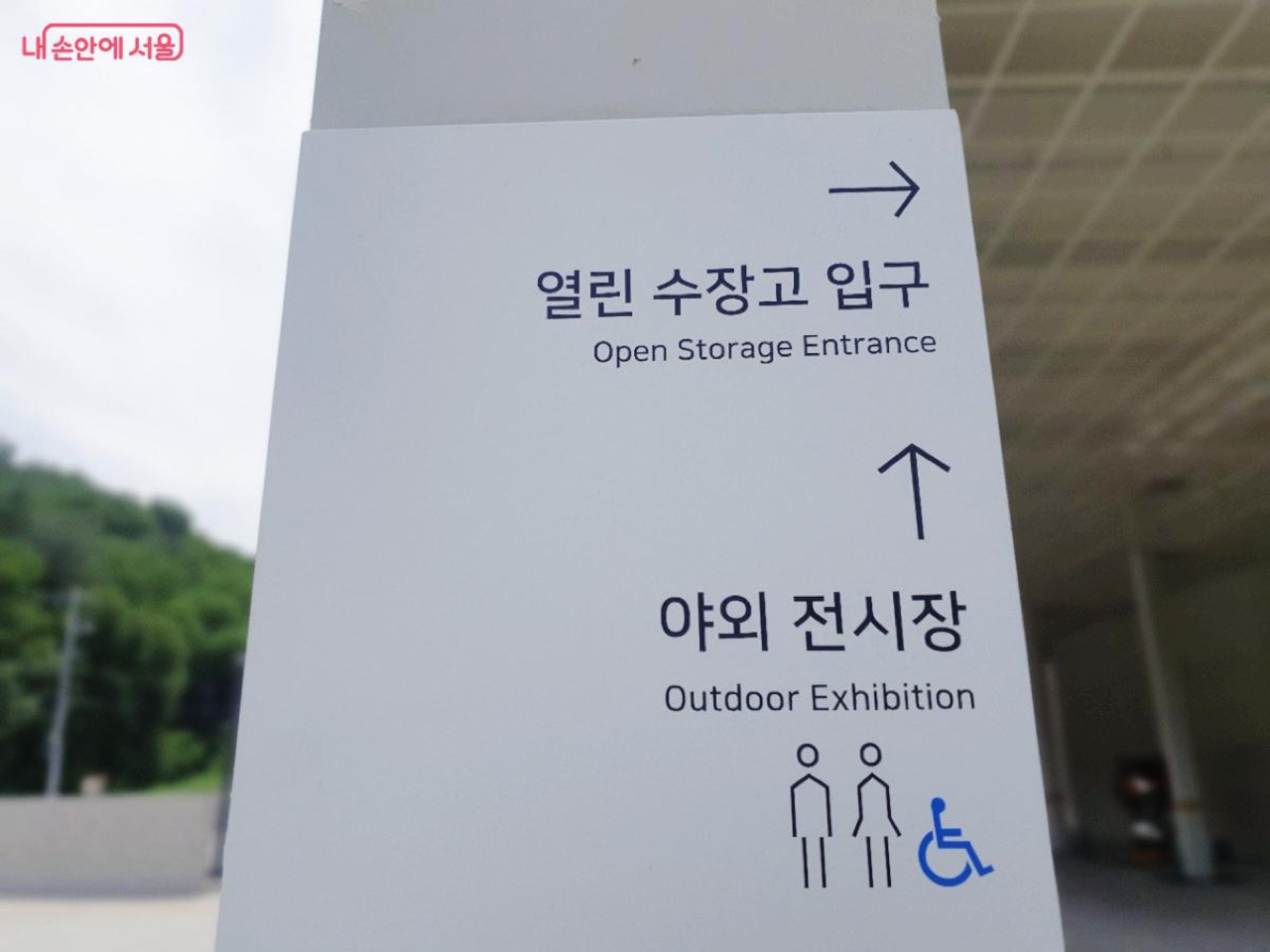
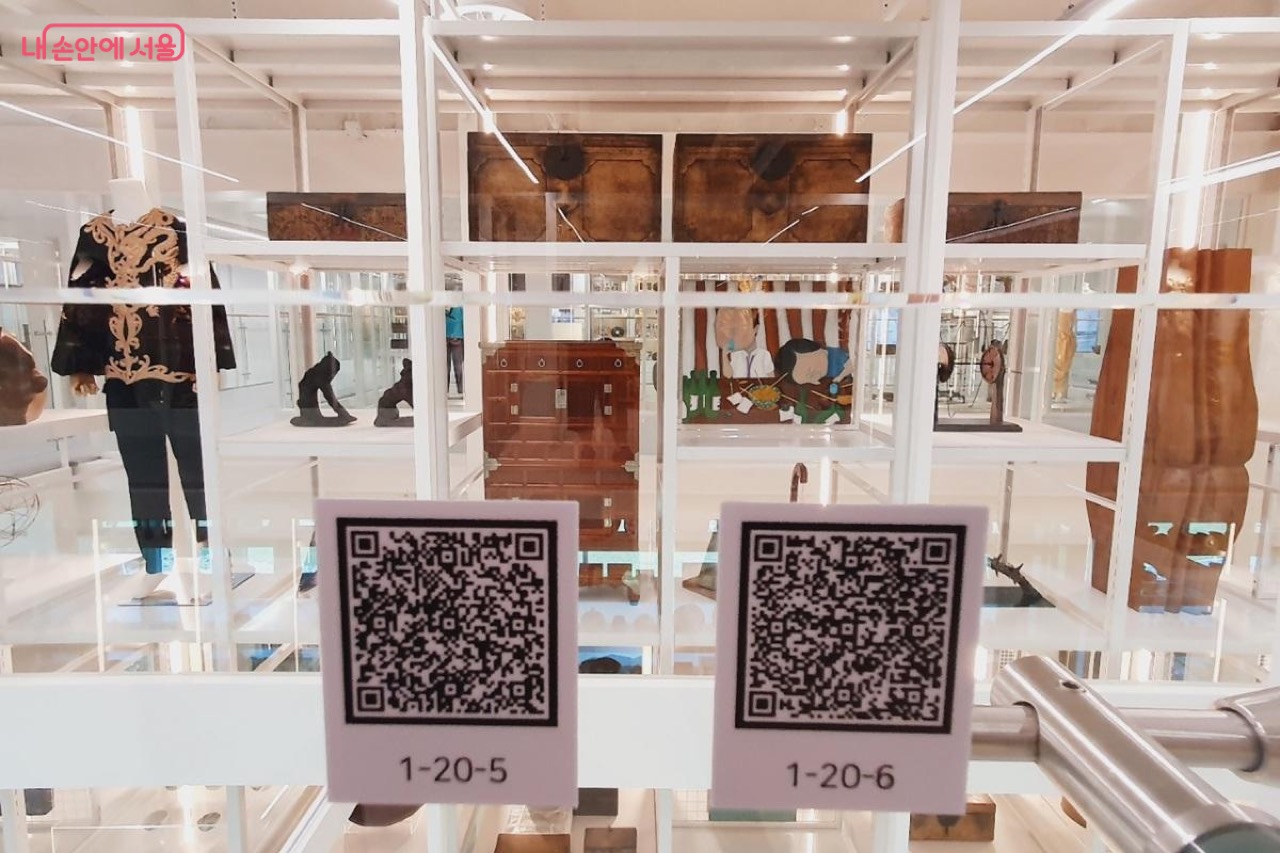
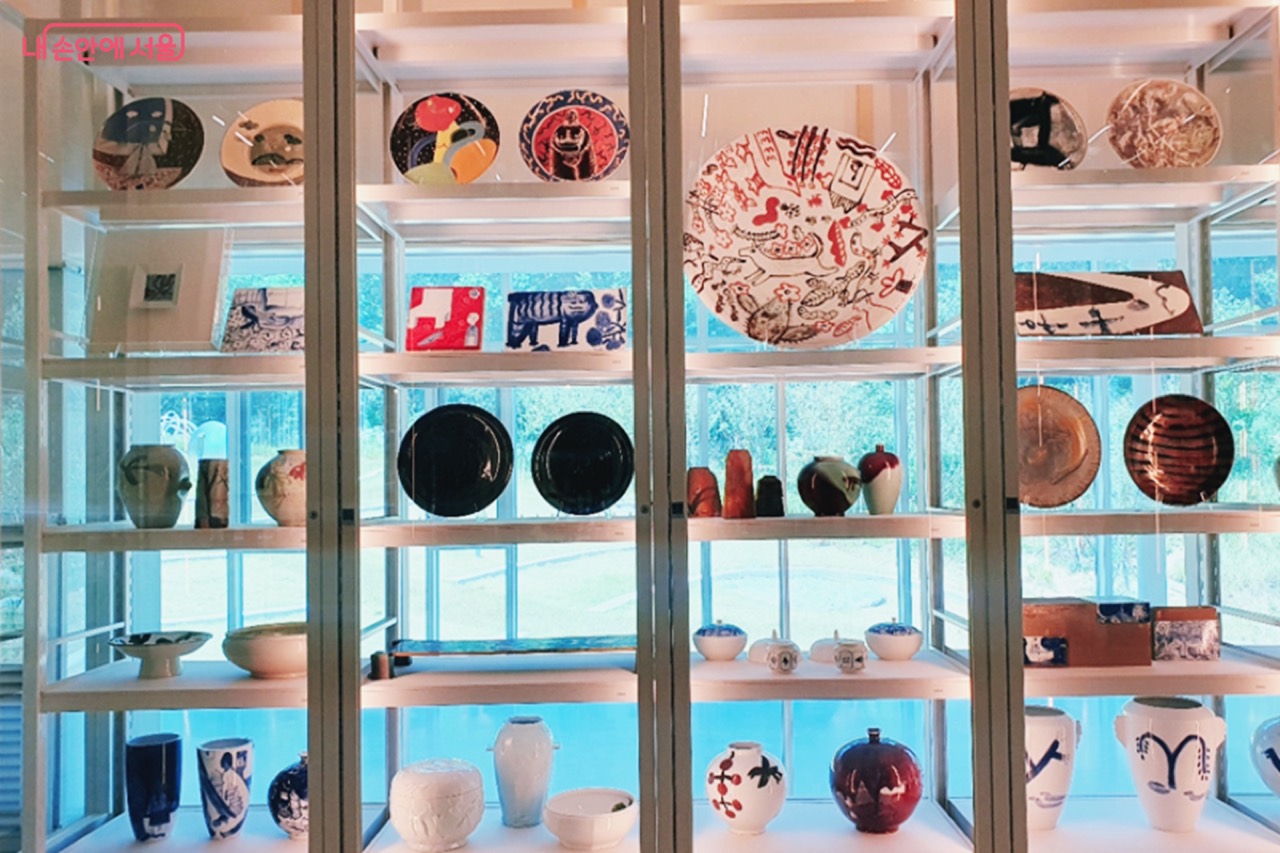
4.The part opened to the public is called the open storage. White steel racks are stacked two levels high with a walkway threaded between them, and because the path runs along both the lower and upper levels, the same shelf is seen at eye level and then from above. Seoul calls the arrangement an open multi-level viewing route. What lies behind the glass is not a display but the objects exactly as they are stored.
5.Inside, everything is sorted by material and size. Wood, large artworks, paper and textiles, metal and composites, ceramics and earthenware make six zones. Paper and cloth are sensitive to humidity, metal wants dry air, and wood sits somewhere in between. Air has to be split several ways within one building, so five material-specific stores plus one open store are joined by four conservation treatment rooms and a separate environmental analysis lab.
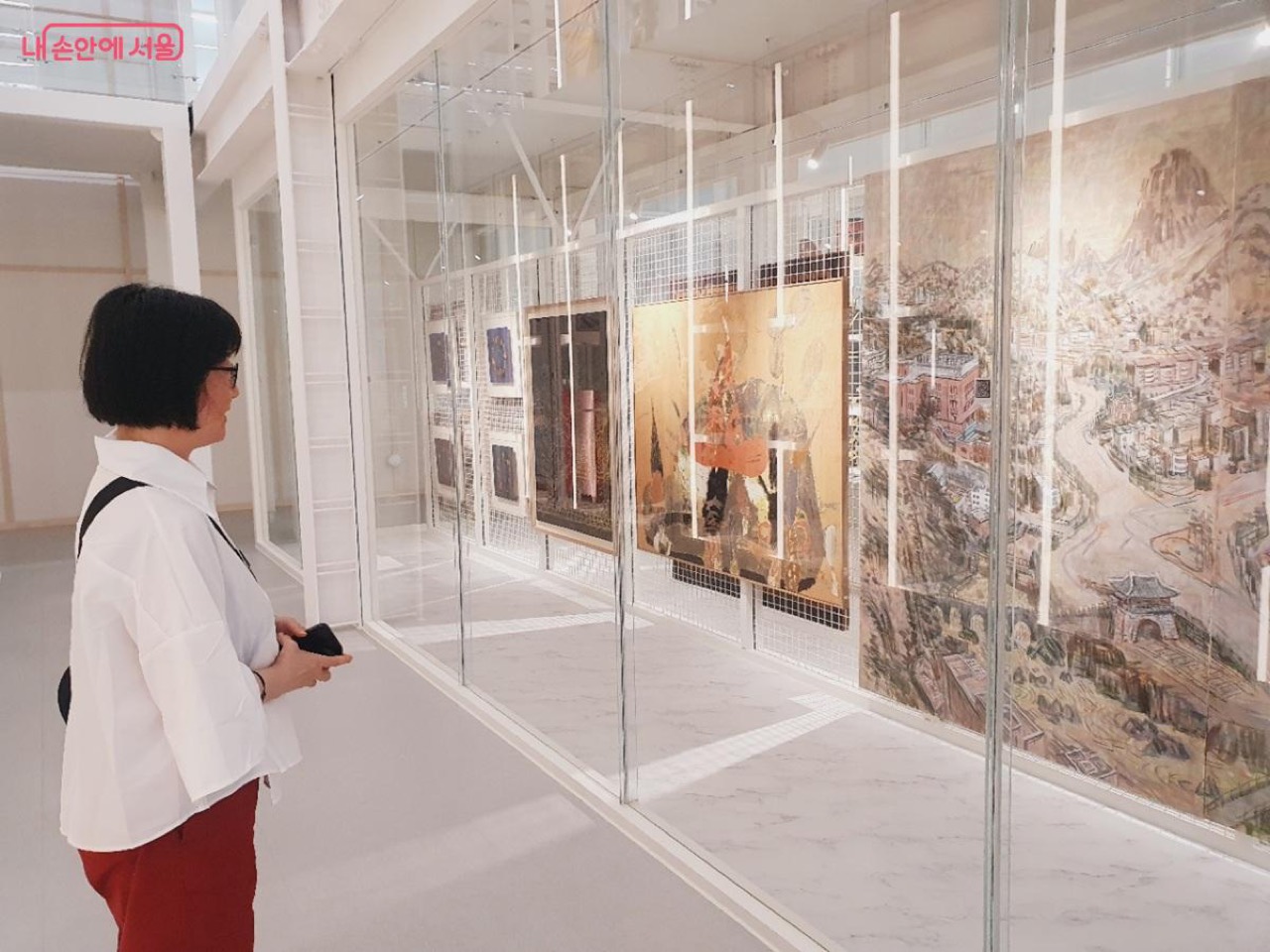
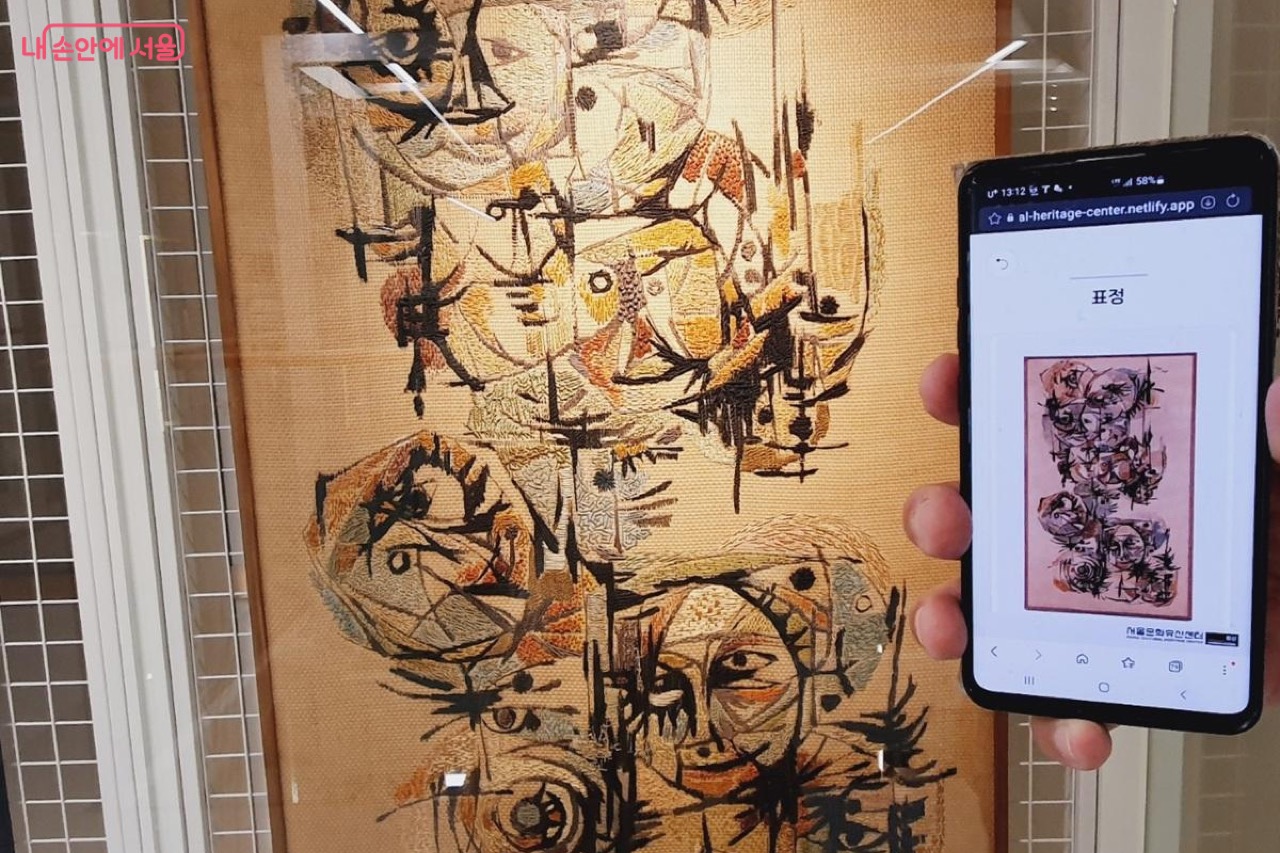
6.Labels were kept off the walls. Each shelf carries a location number such as 1-20-5 alongside a QR code, and scanning it brings up the details of whatever sits in that bay on your phone. Filling the walls with interpretive panels would eat into storage area. The labels were not removed, only moved.
7.Conditions back in Seoul pushed this building forward. As of 2022 the city's museums and art museums held 400,000 objects at an average of 90% storage capacity. With no room for anything new, the Seoul Museum of History transferred 75,930 items here, 29.7% of its registered holdings.
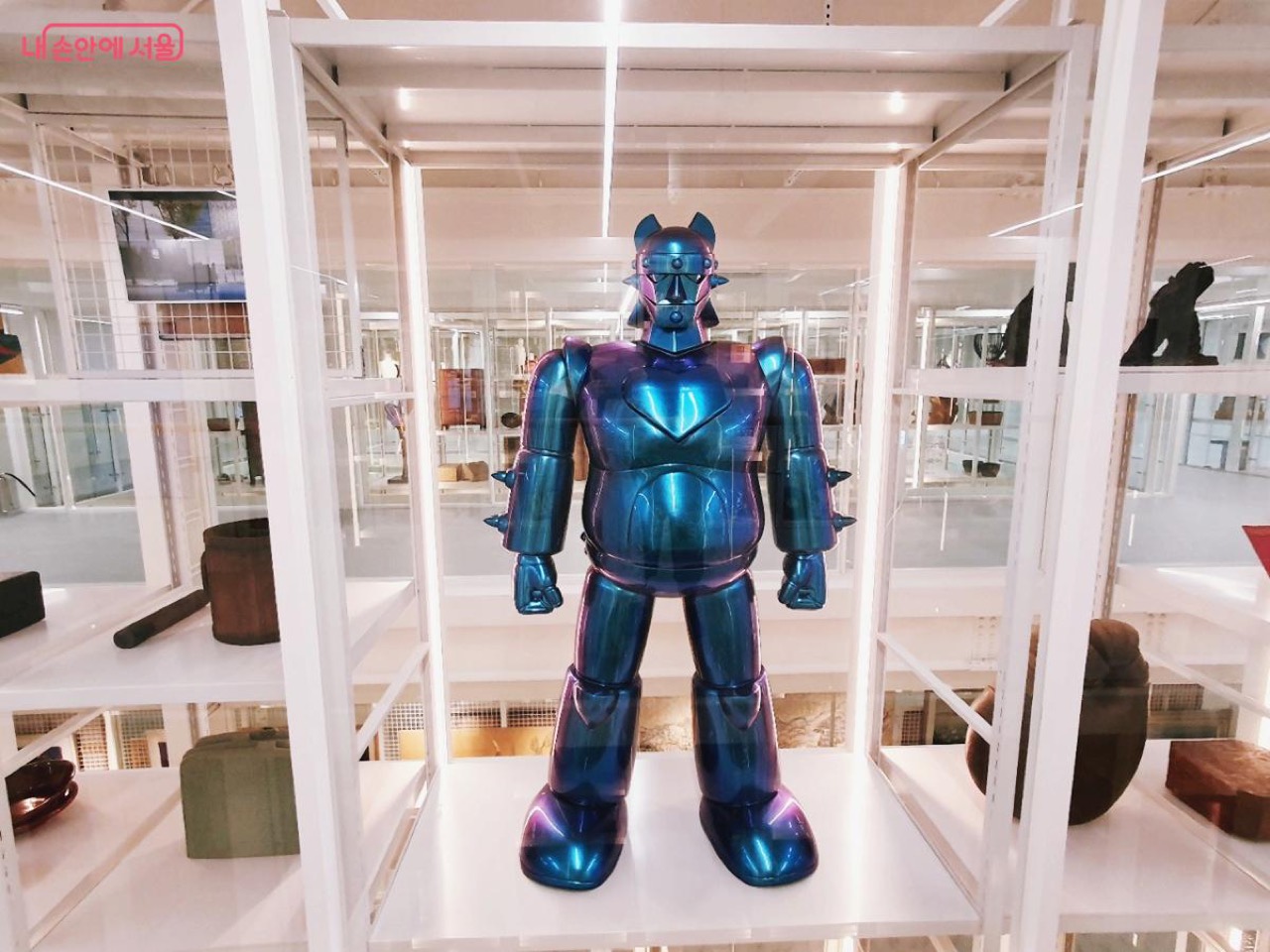
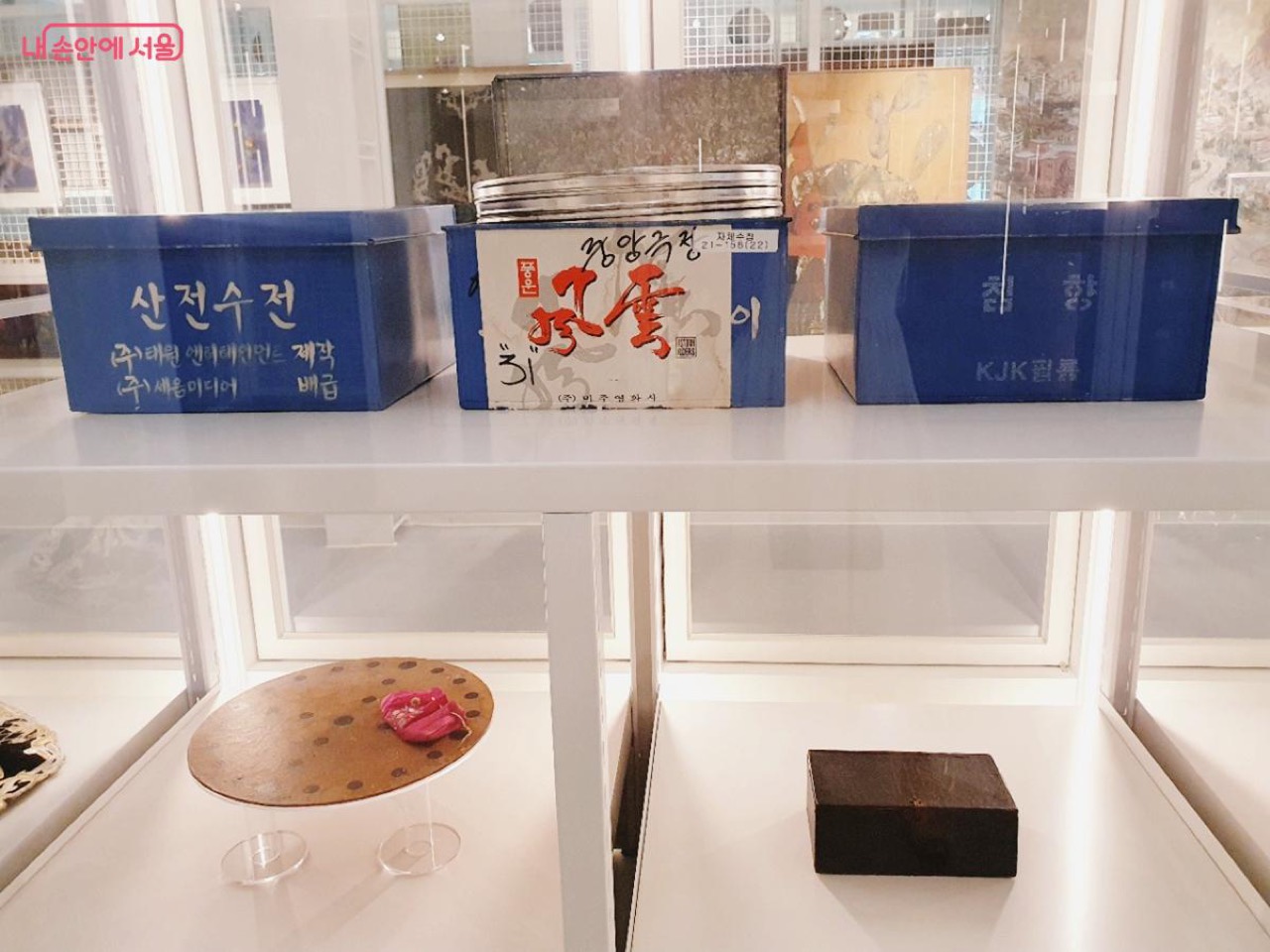
8.What visitors see here is not the artifacts themselves. It is how they sit, which bay holds what and how much of it, the sheer total. A museum clears everything else away so a single piece reads well; here that everything else is what is on view.
9.The urge to see the back of house is an old one. Factory tours, restaurants with open kitchens, the roaster behind glass at a specialty cafe. The sense that the making is more interesting than the made, except that in museums the making has always been in the basement.
10.The response came in. During the month-long trial run from June 23 to July 22, 7,408 people visited, which works out to 285 a day once Monday closures are removed. Not a small number for a free facility two hours by car from Seoul. Satisfaction and intent to return both cleared 80%.
11.Divide the 50.3 billion won of construction cost by floor area and you get 5.49 million won per ㎡, or 18.16 million won per pyeong. That runs expensive for public architecture, and the climate control plus floors carrying storage loads are what push it up. The only line this building saved on is land.
12.The highest officially assessed land value in Seoul this year is commercial land in Myeong-dong, Jung-gu, at 188.4 million won per ㎡. The same 2.1 billion won buys about 11㎡ there; in Hoengseong it bought 44,600㎡. A difference of 4,000 times in area.
13.The payback does not come from admissions. There is no entry fee, so this building earns nothing, and what repays the cost is the storage area freed up in central Seoul. Turn the space vacated by those 75,930 objects into galleries or classrooms and that area is the revenue line. New costs appeared as well. Using a single object back in Seoul means paying, every time, for four hours of round trip plus packing, insurance and a transport vehicle.
14.Glasgow Museums Resource Centre and Leeds Discovery Centre opened their stores by appointment, and Brooklyn Museum in New York put part of its collection on permanent view as visible storage. Korea has two earlier cases of its own. MMCA Cheongju, opened in 2018 inside a converted tobacco factory, and the National Folk Museum of Korea in Paju, opened in 2021. Seoul is the one following behind.
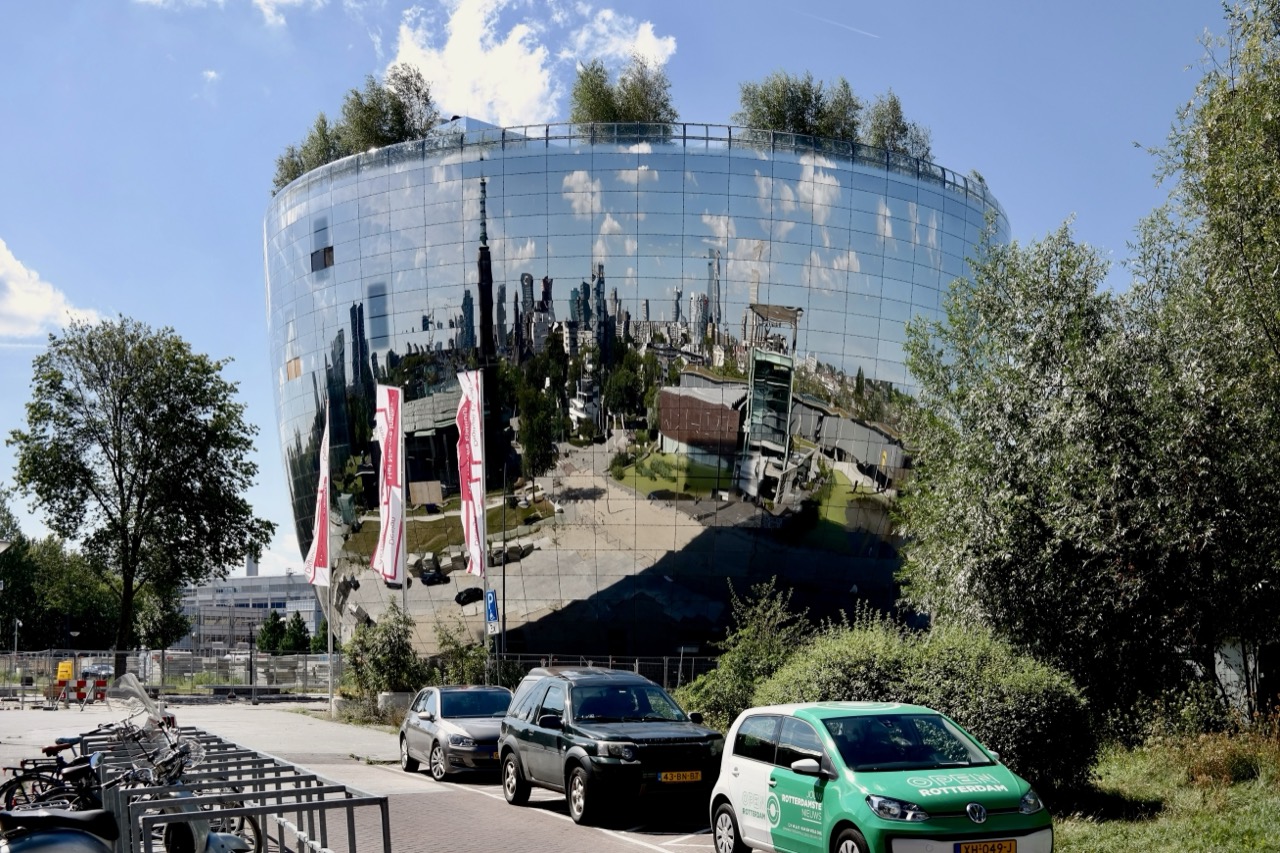
15.The most famous open storage of all sits in the middle of a city. Depot Boijmans Van Beuningen, opened in Rotterdam in 2021 and designed by MVRDV, stacks 155,000 objects in a park beside the museum and charges adults 20 euros. A warehouse sold as a tourist attraction. Hoengseong solved the same idea in exactly the opposite direction, so one side sells tickets and the other sells the land price it did not pay.
16.Seoul spent 52.4 billion won on this building opening September 10, and 2.1 billion of it went into the ground. The same arithmetic holds for leased space downtown. Pull the area used as storage out to the edge of the city and several hundred thousand won per pyeong per month returns as selling area. The catch comes next. Put anything you touch even once a day out there and the saving comes back as haulage and waiting. Which makes the test for what to move out not bulk but how many times a year you reach for it, and the 75,930 items Seoul sent away were things handled once every few years.