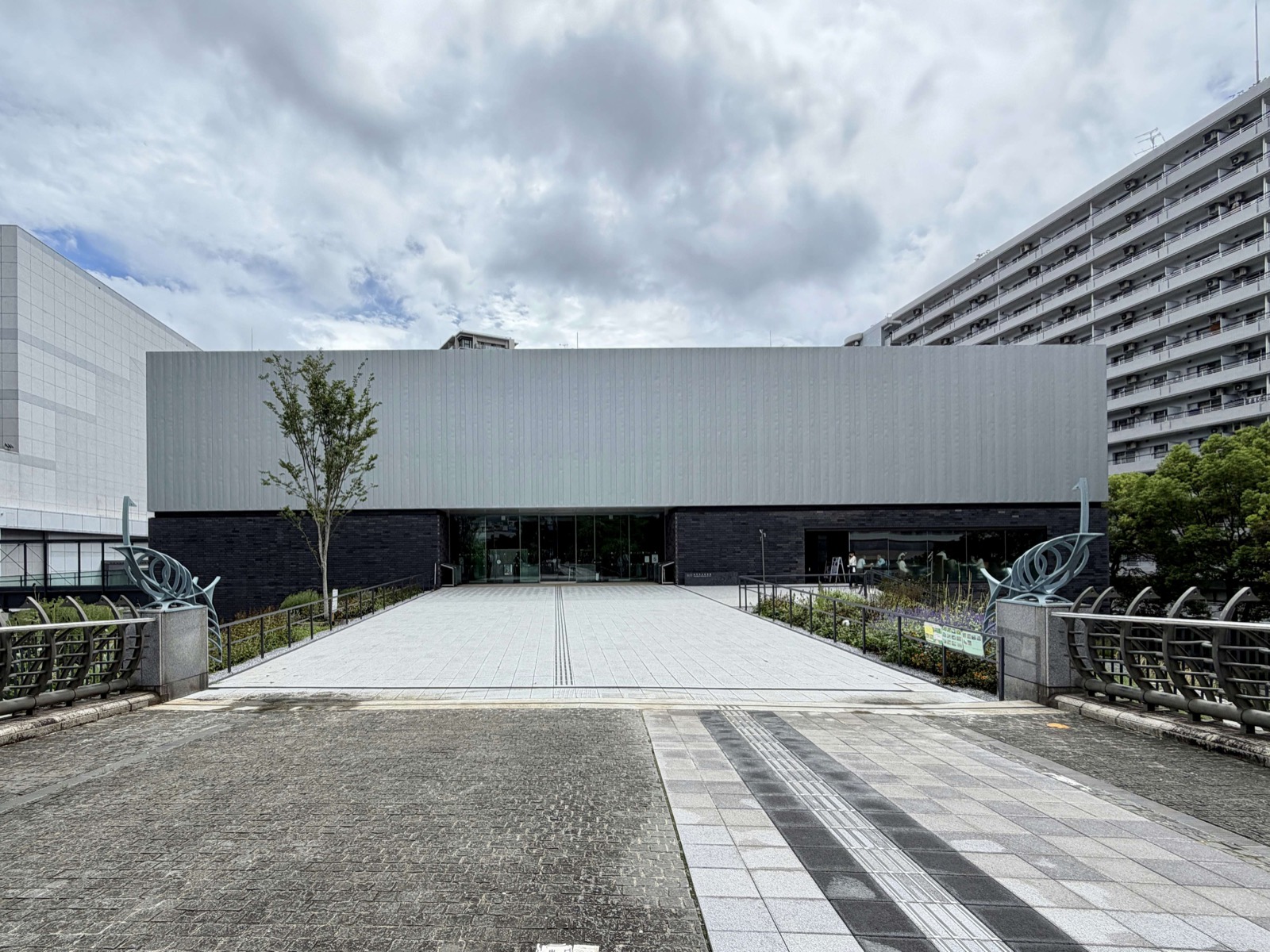
Kawaguchi, the city just north of Tokyo in Saitama Prefecture, opened a municipal art museum on the 12th. It was not built as a standalone project. The city bolted the museum onto the renovation of a 36-year-old cultural center by the station and tendered both as one job, with one architect and one contractor.
1.Two minutes on foot from the west exit of JR Kawaguchi Station. On September 12 the Kawaguchi Museum of Art opened its doors. The opening show, "Hajimari no Hikari" (Light of Beginnings), belongs to photographer Mika Ninagawa, who grew up in this city, and runs until November 29. Adult admission on the day is 2,000 yen, about 19,000 won.
2.The design is by Koyama Atelier (香山建築研究所). The same office also handled the renovation of the building next door, the Kawaguchi General Cultural Center Lilia. The city bundled the two jobs under ECI, a method that brings the contractor in at the design stage, and it was the first time Kawaguchi had used it. The director is Akira Tatehata.
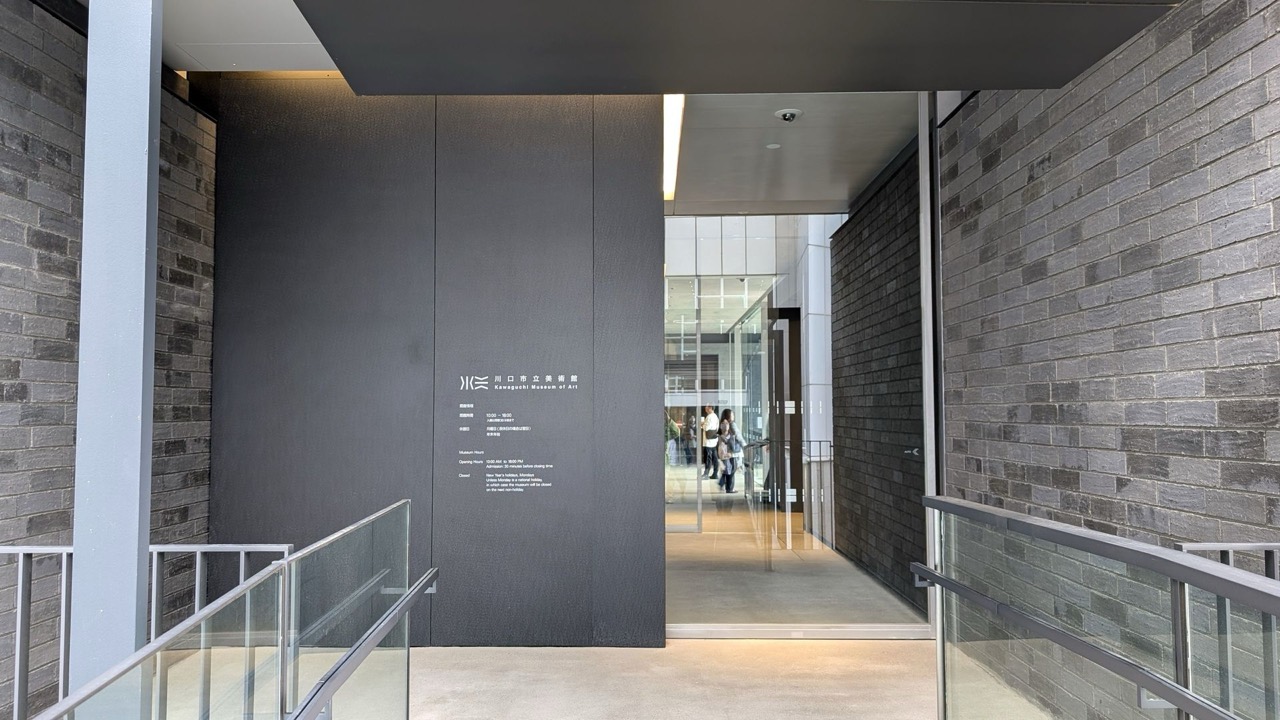
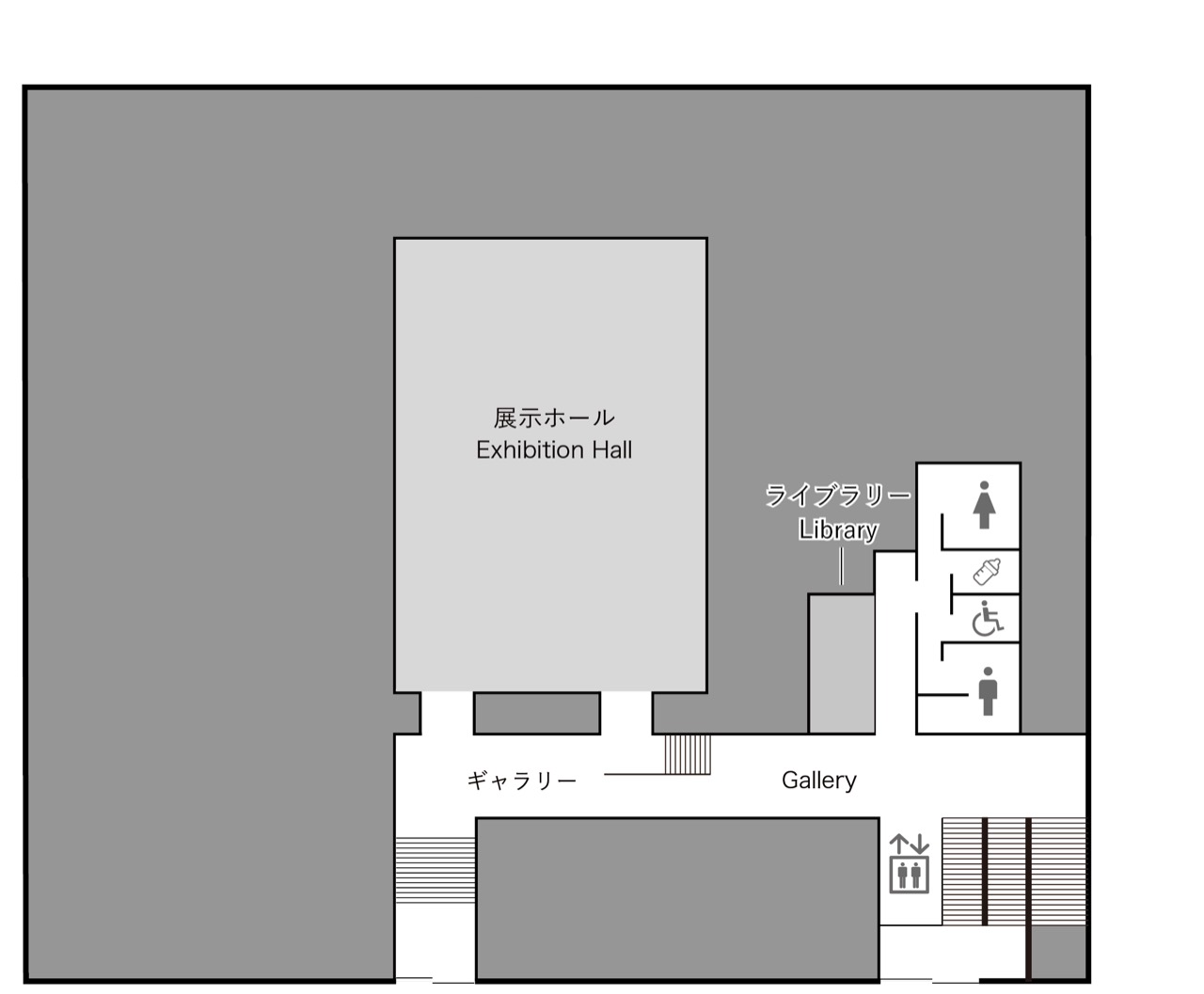
3.The museum sits on the plot just west of Lilia, on top of what used to be a car park. There are only three levels: the first floor, the second floor and a mezzanine (M2) between them. The entrance is on the second floor. Step in from the plaza and a central atrium opens up, ringed by two galleries, a restaurant, a shop and a multipurpose room. The mezzanine holds an exhibition hall and a library.
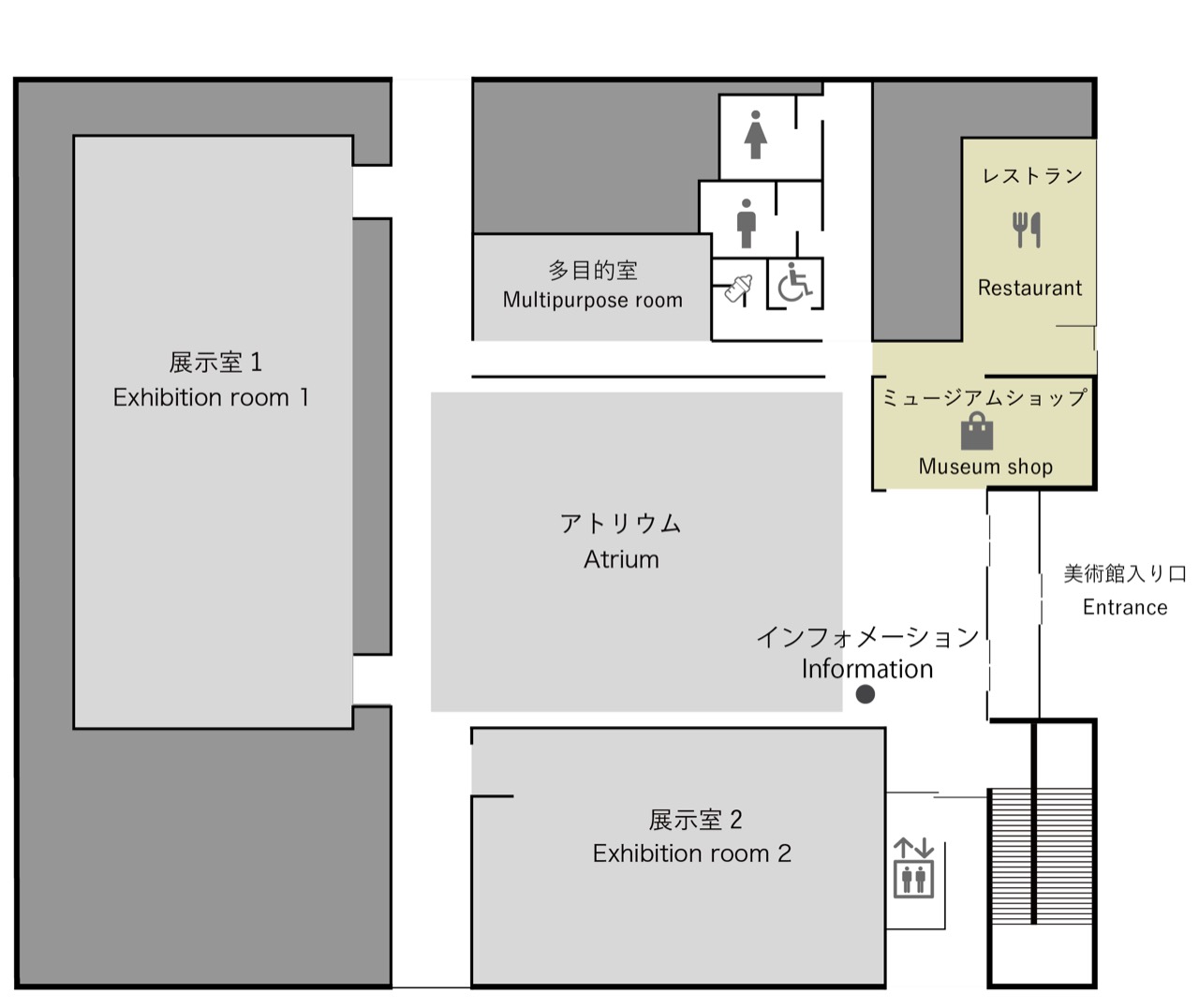
4.The galleries are not large. Gallery 1 is 371㎡, Gallery 2 is 155㎡ and the mezzanine hall is 298㎡. Together that makes 824㎡, about 250 pyeong. It is on the small side even for a regional museum, so a special exhibition that takes all three rooms leaves no wall for the permanent collection.
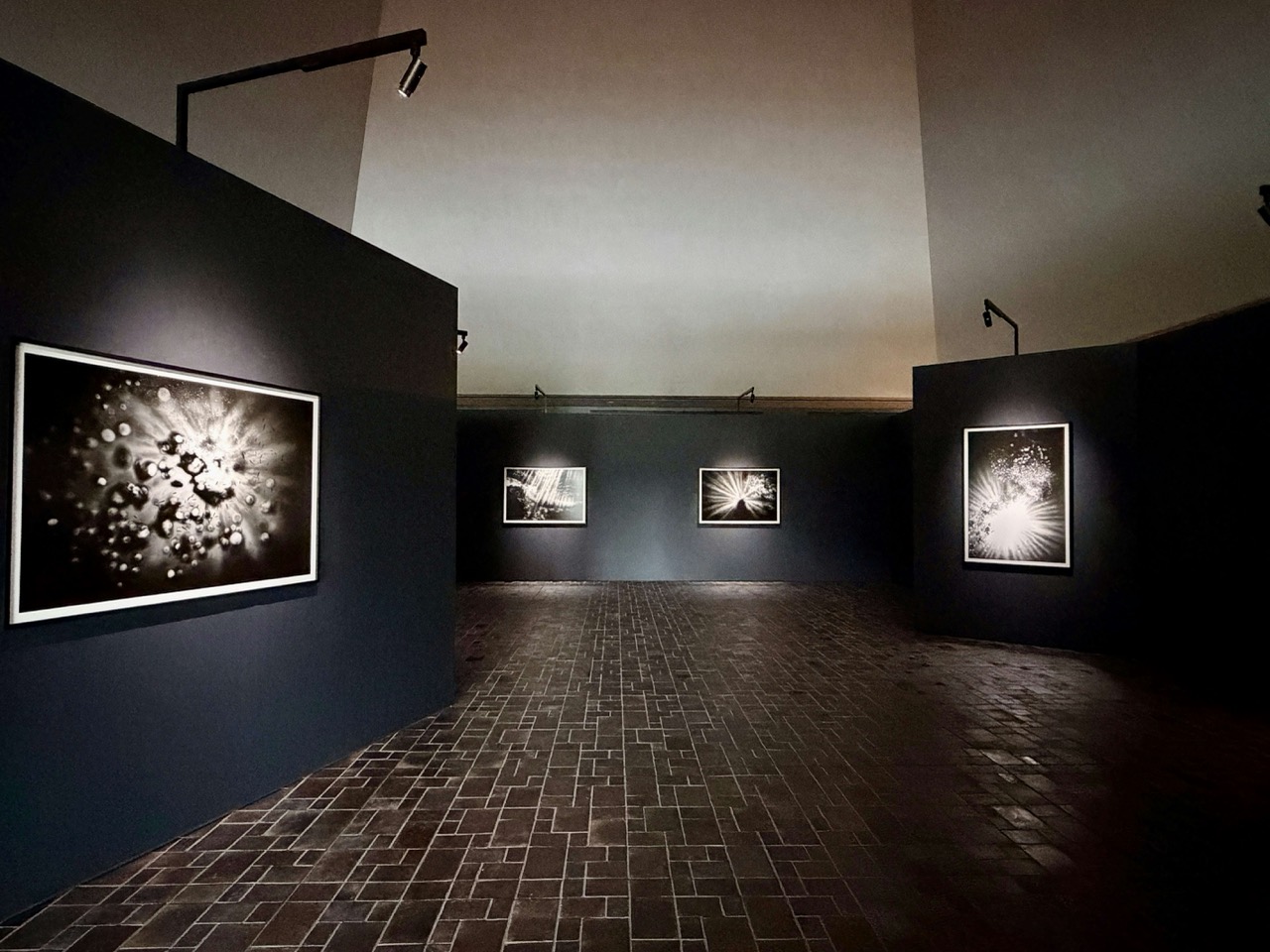
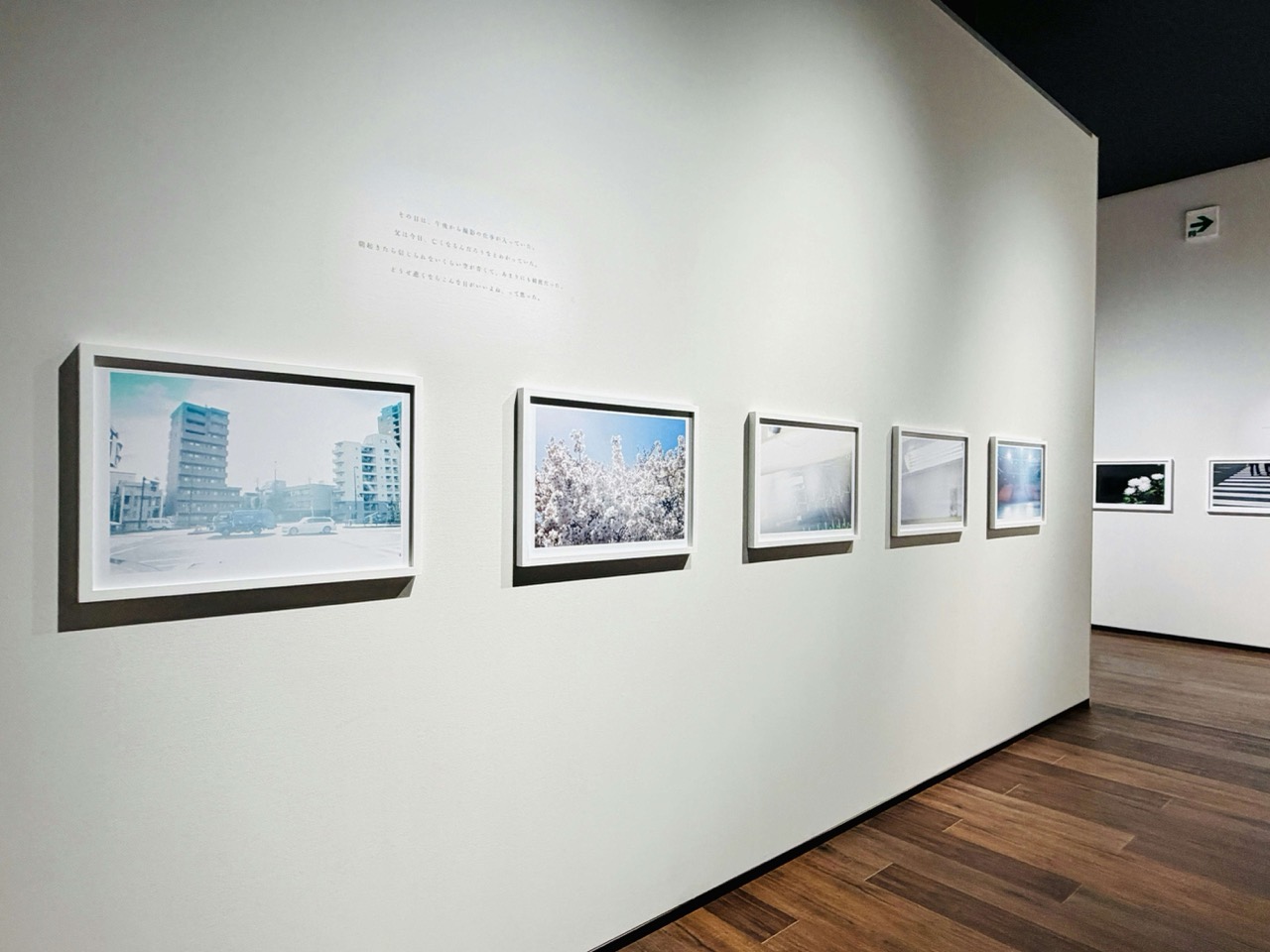
5.Press photos show the gallery floors laid with wide, dark timber boards and the ceilings pressed down in black. Only the white walls catch the light, and everything above sinks into shadow. The atrium ceiling is cut deep like an upturned funnel, and light drops from the bottom of that well. Part of the interior uses cast iron, the city's traditional industry. Kawaguchi made its name pouring molten iron into moulds.
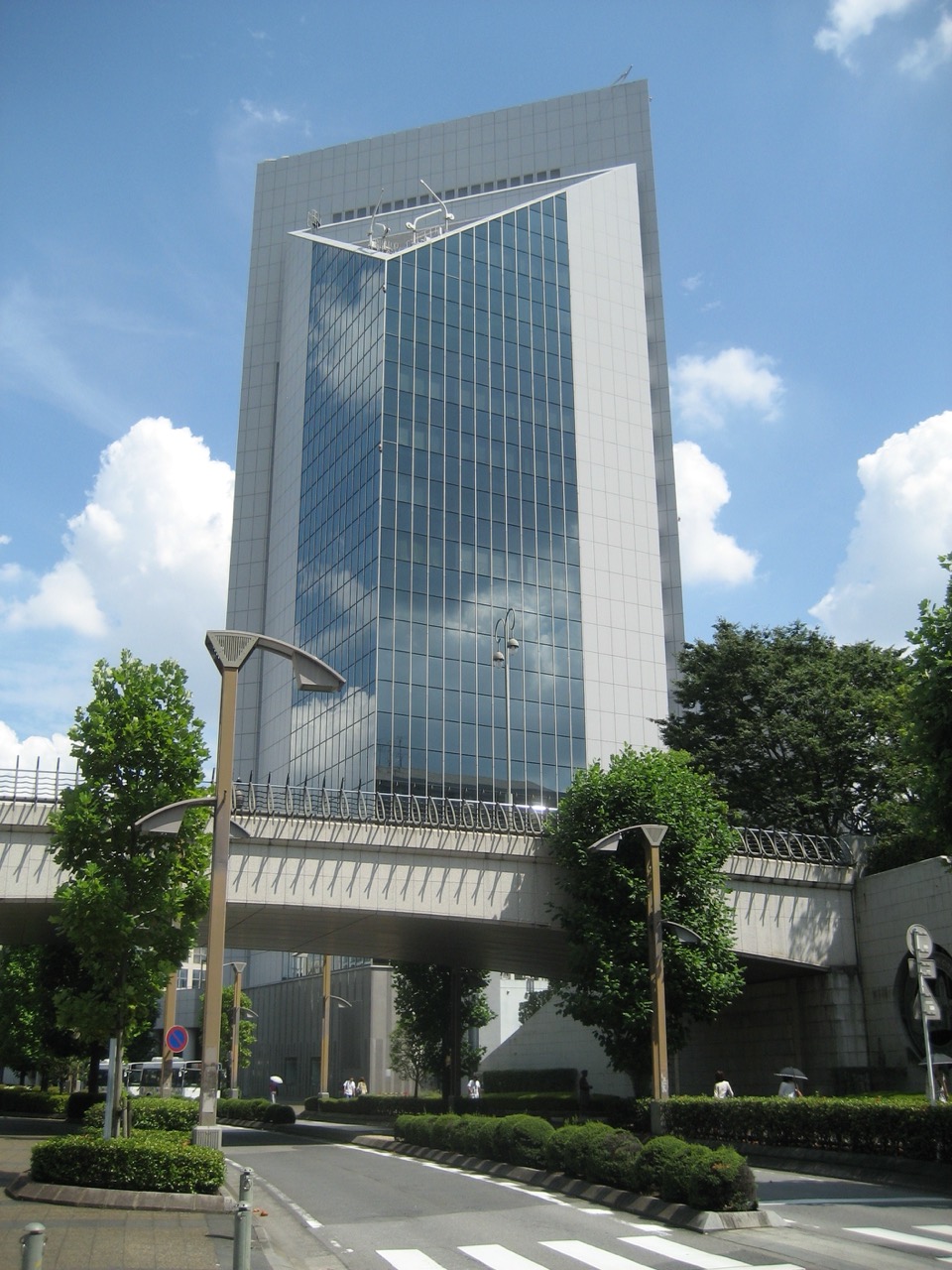
6.Lilia is the station-front cultural center that opened in July 1990. A 2,002-seat main hall, a 600-seat music hall and a 14-storey tower make up one complex of about 36,000㎡. Over 36 years the plumbing and air conditioning wore out, and above all the suspended ceilings in the large halls failed current seismic standards. Without the work, the halls would have had to close.
7.The city council record shows exactly what kind of package this was. An opposition member told the plenary session that "the Lilia renovation cannot be avoided, but we cannot support building the museum." Yet the budget came as a single item. There was no way to pass the renovation alone and vote down the museum.
8.Why did the city want a museum at all? A city of about 600,000 people had no municipal art museum, while works entrusted by local collectors and artists kept piling up. As of January this year the collection stood at about 220 works, including modern painters such as Kiyokata Kaburaki and Taikan Yokoyama. Handing the opening show to a photographer who grew up here follows the same logic. The building only works if the neighbours queue up.
9.The total budget approved by the council in March 2023 was 21.56 billion yen, about 200 billion won. Within it, the Lilia renovation takes about 15.9 billion yen and the new museum about 5.2 billion yen. The museum's share is less than a quarter of the whole. Early on, the city had set a target of 21 billion yen or less.
10.Bundling buys more than a vote. With one architect, the circulation and building services of both buildings can be matched on one set of drawings. With one contractor, the site office, temporary works and cranes are shared. Public figures do not reveal how much was saved. Still, renovation costs only surface once you open things up, and ECI, which seats the contractor at the design table, works to cut the risk of cost overruns.
11.The harder part comes after completion. The city told the council the museum will cost about 300 million yen a year to run. Covering that with 2,000-yen tickets alone would mean selling 150,000 a year, the equivalent of one in four residents coming once every year. Is that realistic?
12.Public museums rarely cover their running costs from tickets. This one attached the restaurant and shop to the entrance floor. The restaurant slot went to Azzurri Arte, an Italian place cooking with local produce. The layout is meant to draw people up to the second-floor plaza even if they skip the exhibition, and the museum's own slogan is "a museum like a park."

13.Around 1990, at the tail end of the bubble, Japan's regional cities raced to build large cultural halls in front of their stations. Those buildings are now passing 30 all at once, and their suspended ceilings and services are due for replacement. The usual choice is to fix them or close them. Kawaguchi chose to fix and add one more thing while it was at it.
14.The museum was not always meant to sit next door. In the city's early studies the candidate site was the former Sakaecho Community Hall (栄町公民館). Built there, the museum would have had no reason to be bundled with the renovation, and no case for handing both to one contractor under ECI. Only after the museum moved beside Lilia could the two jobs fit into one budget.
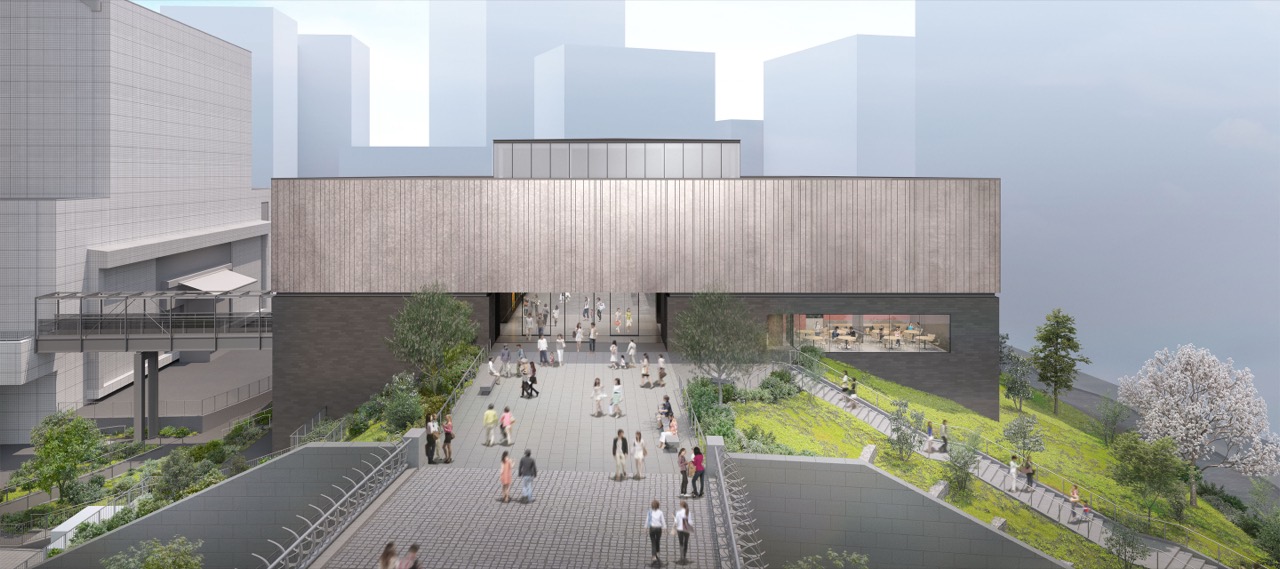
15.The sequence follows the same thinking. Lilia finished its works and reopened first in July, while the museum held a preview opening in April before its full opening in September. Cross the plaza from the station and a 2,002-seat hall stands on one side, the museum entrance on the other. Concertgoers see the exhibition posters on the same plaza.
16.A museum rode along on the job of fixing a 36-year-old station-front hall, and its share came to about 5.2 billion yen of a 21.56 billion yen total. Korea, too, has culture and arts centers built around 1990 that are reaching the age for major renovation. But a public art museum there must first pass a separate feasibility pre-assessment by the Ministry of Culture, Sports and Tourism. Even if you try to carry a new facility through the council on a renovation budget, what trips you up first is not the construction cost but the schedule of that assessment.