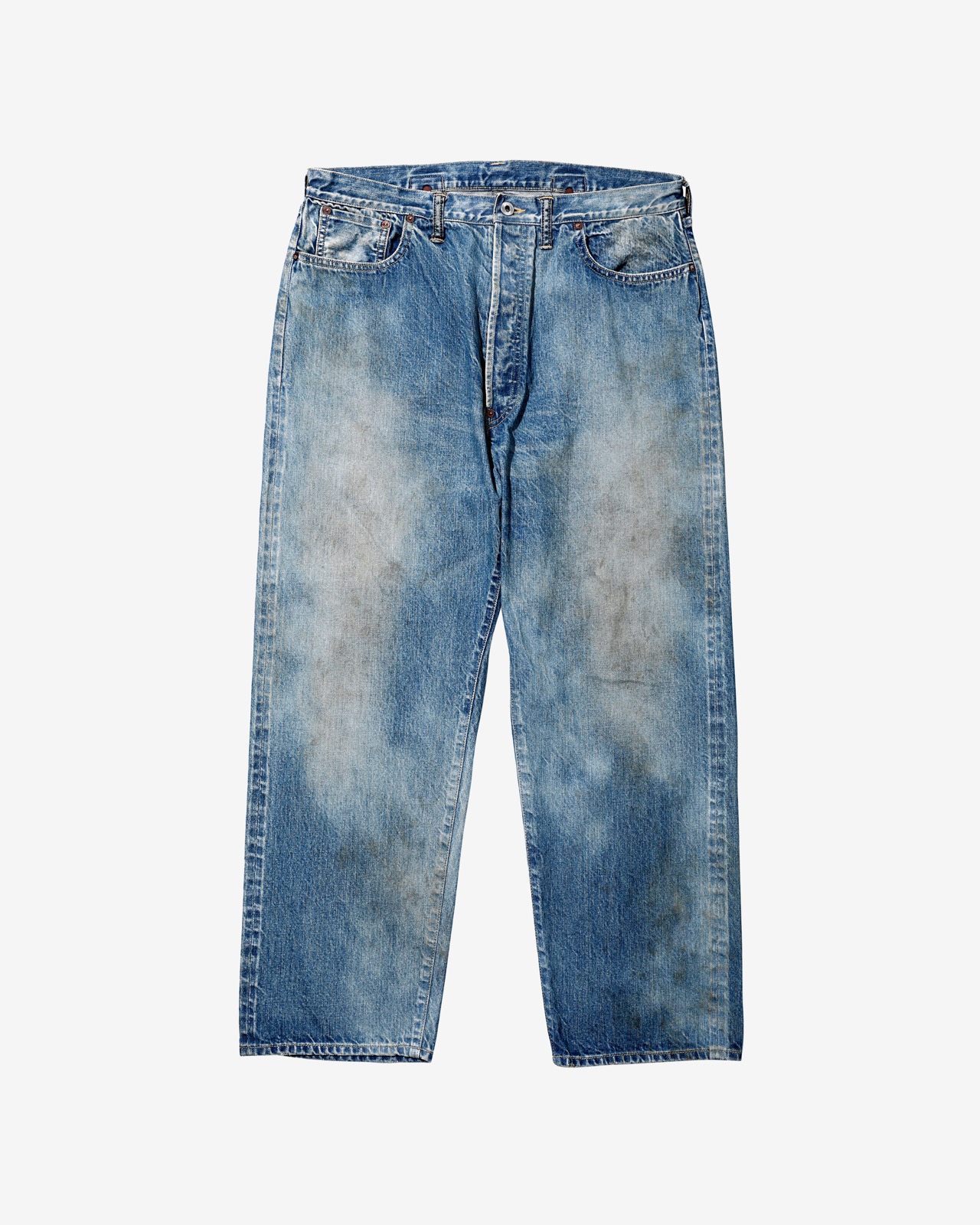
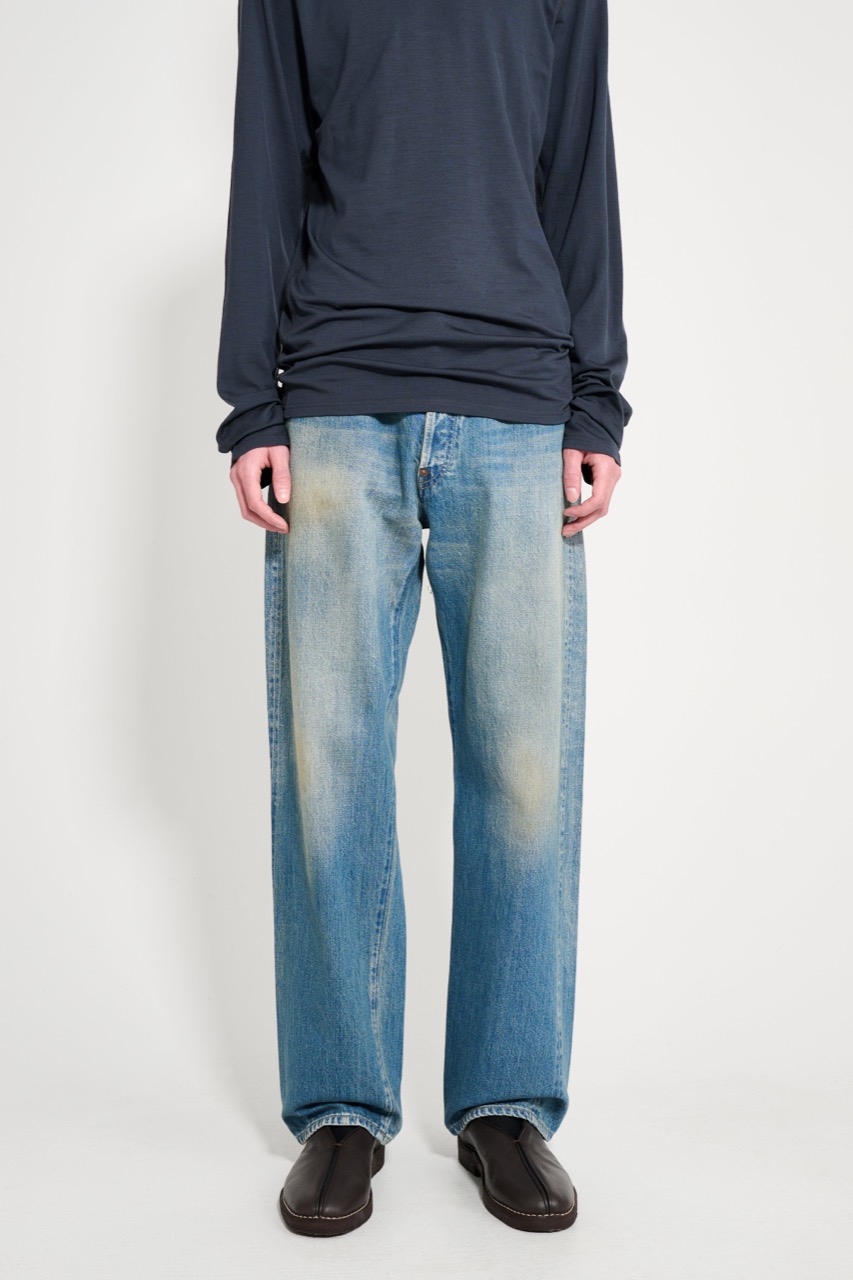
New clothes that look sixty years oldA.PRESSE's signature denim. The thread thickness and weave of a specific model from the late 1950s to early 1960s were researched and reproduced, with fading and hand finishing treated as they were in that era. It does not sell old clothes, it designs the texture of years into a new garment from the start. ⓒ A.PRESSE
Daily Brand
A.PRESSE: The Editor Who Refuses to Design
2026.07.25
This brand's jeans are new clothes fresh out of a factory. And they look like worn jeans some American laborer wore for years somewhere between the late 1950s and the early 1960s, faded at the knee and frayed at the hem. Not by accident. The thread thickness and weave of a specific model from that era, and even the order in which the color washes out, were researched and reproduced. The person who made them does not call himself a designer. He calls himself an editor. The brand is A.PRESSE. A small Tokyo menswear label started in 2021 and barely known to the public, and over the past two years select shops in Los Angeles and London have competed to carry it as it spreads quietly across the world. What this brand sells is not clothes, it is a stance of not designing.
1.A.PRESSE sells newly made vintage. It takes the original forms of clothes that already existed in history, American workwear, military clothing and classic tailoring, researches the era's materials, weave, stitching and fading with obsessive care, and brings them back as new clothes. It does not sell old clothes. It designs the texture of years that old clothes carry into a new garment from the start. The result is a garment that feels strangely familiar and comfortable, just bought and already ten years worn.
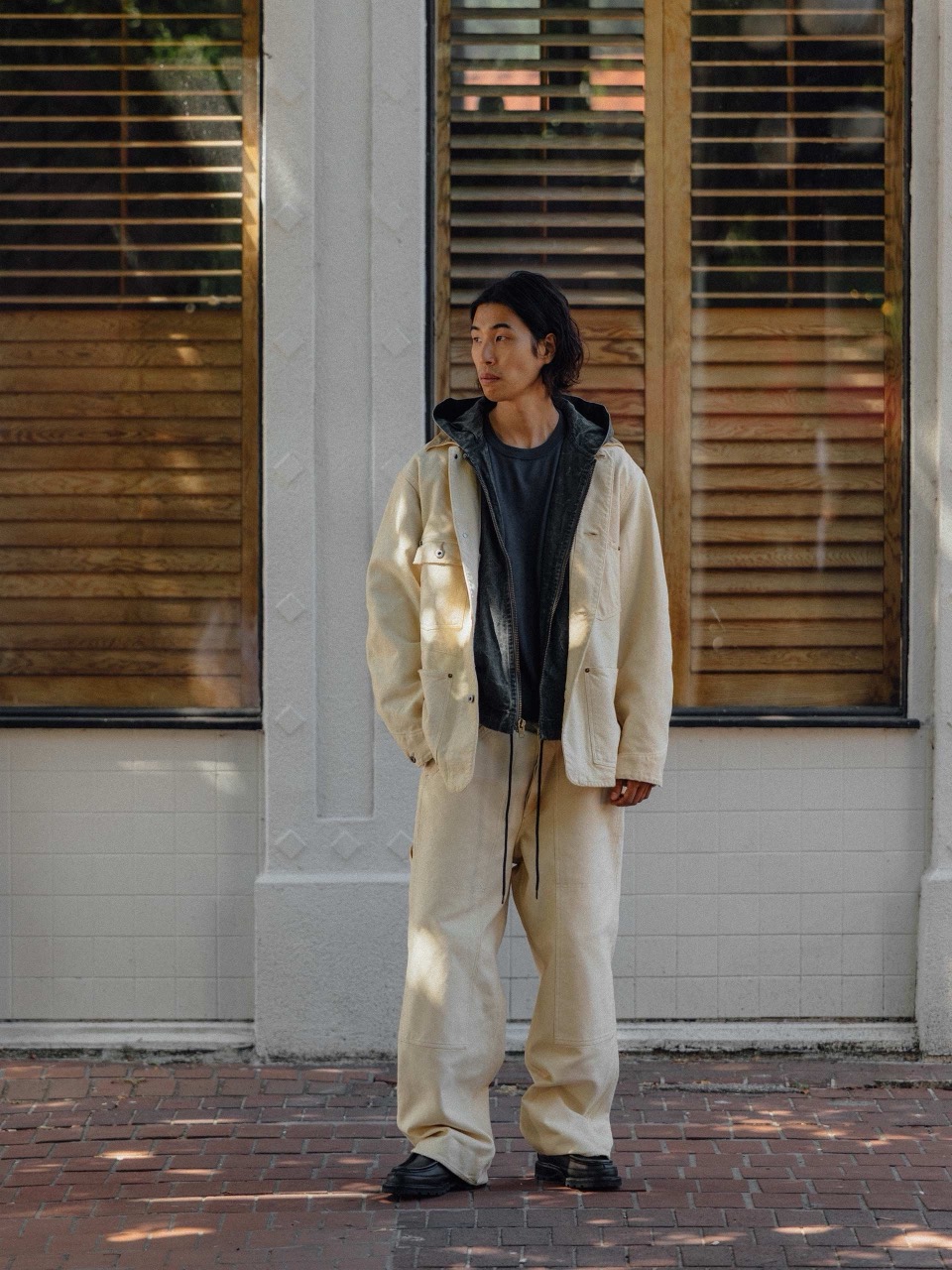
2.So this brand has nothing lavish that could be called design. No prominent logo, no loud color, no seasonal theme that changes with fashion. The founder calls this stance design without designing. It erases the maker's self-expression from the garment and leaves only fabric and silhouette, proportion and finish. That extreme restraint and anonymity makes the brand, paradoxically, the most distinct thing in the room.
3.It began in autumn and winter 2021, in Tokyo. The man who made it is Kazuma Shigematsu, born 1988. His record is the key to understanding this brand. He is not a designer who drew clothes. He was a person of distribution and production, importing, making and selling clothes. That starting point makes A.PRESSE fundamentally different from any designer brand.
4.After a spell in clothing import he founded a company called Anthings in 2017. What that company did was not build its own brand but produce and distribute other people's brands. His company took on production, sales and distribution for labels such as DAIWA PIER39, the apparel line from the fishing brand Daiwa, HERILL and WEEKEND, and shipped them to select shops in Japan and abroad. Other people designed those brands. Shigematsu was a man who learned the whole structure by which clothes get sold, from backstage.
5.After several years carrying other people's brands into world markets, in 2021 he released a brand that was entirely his own for the first time. That is A.PRESSE. Because it came from someone who already held the language of distribution and the reality of manufacturing, the finish of the clothes and the distribution strategy were solid from the first season in a way a newcomer's rarely are. Not a brand a designer started on feeling but a brand a distribution and production specialist designed backwards, and that difference in order divided everything after it.
6.The brand's philosophy is compressed into one name, CLOTHING EDITORIAL DEPARTMENT. Shigematsu defines himself as an editor rather than a designer. Not someone creating new form from nothing, but someone who selects, refines and arranges the most essential among the original forms of clothing that already exist in the world. As a magazine editor reports facts and weaves them into an article, this brand reports the history of clothing and weaves it into clothes.
7.So the working method resembles an editorial department too. Shigematsu does not draw alone, he forms a team with two designers and argues endlessly while making clothes. Much as several editors refine one article. The opposite of a brand where one genius designer pushes a personal worldview through. There is no worldview of mine here to push through in the first place. What there is, is the question of what makes the best garment and a collective editing toward it.
8.This philosophy sharpens through a list of what the brand does not do. It does not stamp a large logo. It does not put forward a lavish concept each season. It does not chase a fashionable silhouette. It does not add a loud detail as the maker's signature. In the founder's phrase, manufacturing without a world view. Where most brands strain to sell a worldview, this brand competes by erasing one.
9.The signature is denim, without question. A.PRESSE's jeans restore the textbook of vintage denim as it was. Selvedge indigo denim reproducing the thread thickness and weave used by an emblematic 501 model from the late 1950s to the early 1960s, and 14 ounce black denim rope dyed with sulphur. On top of that, the way clothes of that era faded with time, the knee and thigh wearing first and the hem fraying naturally, is reproduced by hand in the same order. A line like Prisoner Denim shows how far this obsession runs.
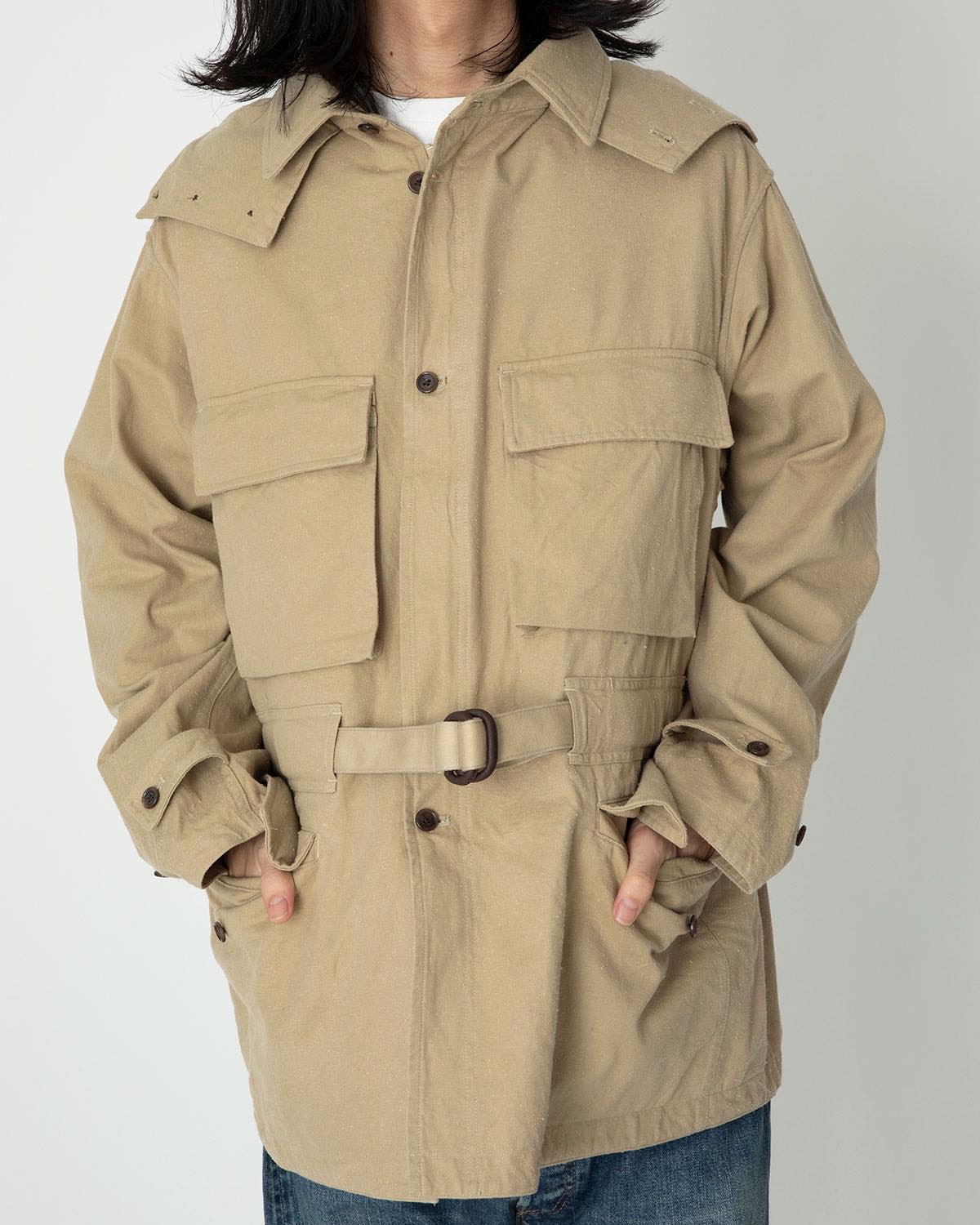
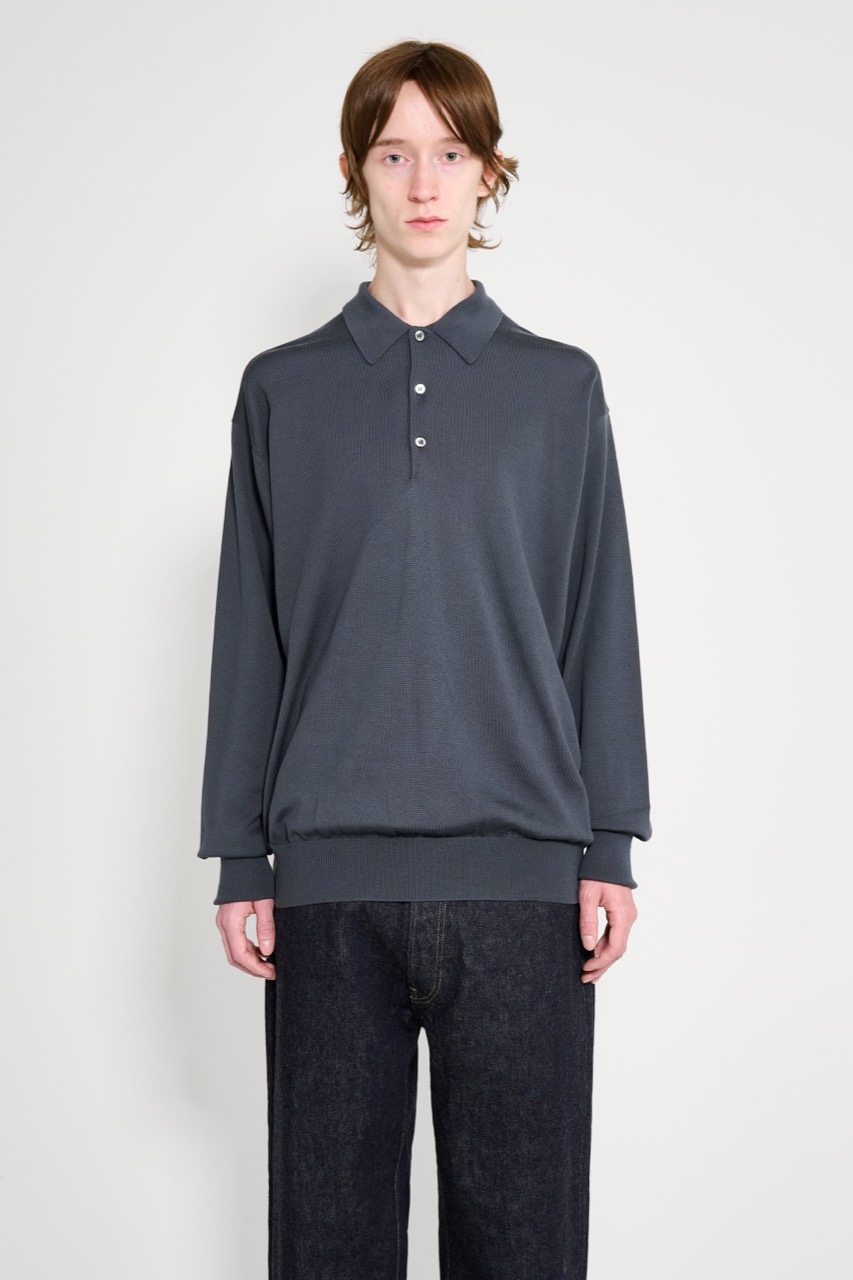
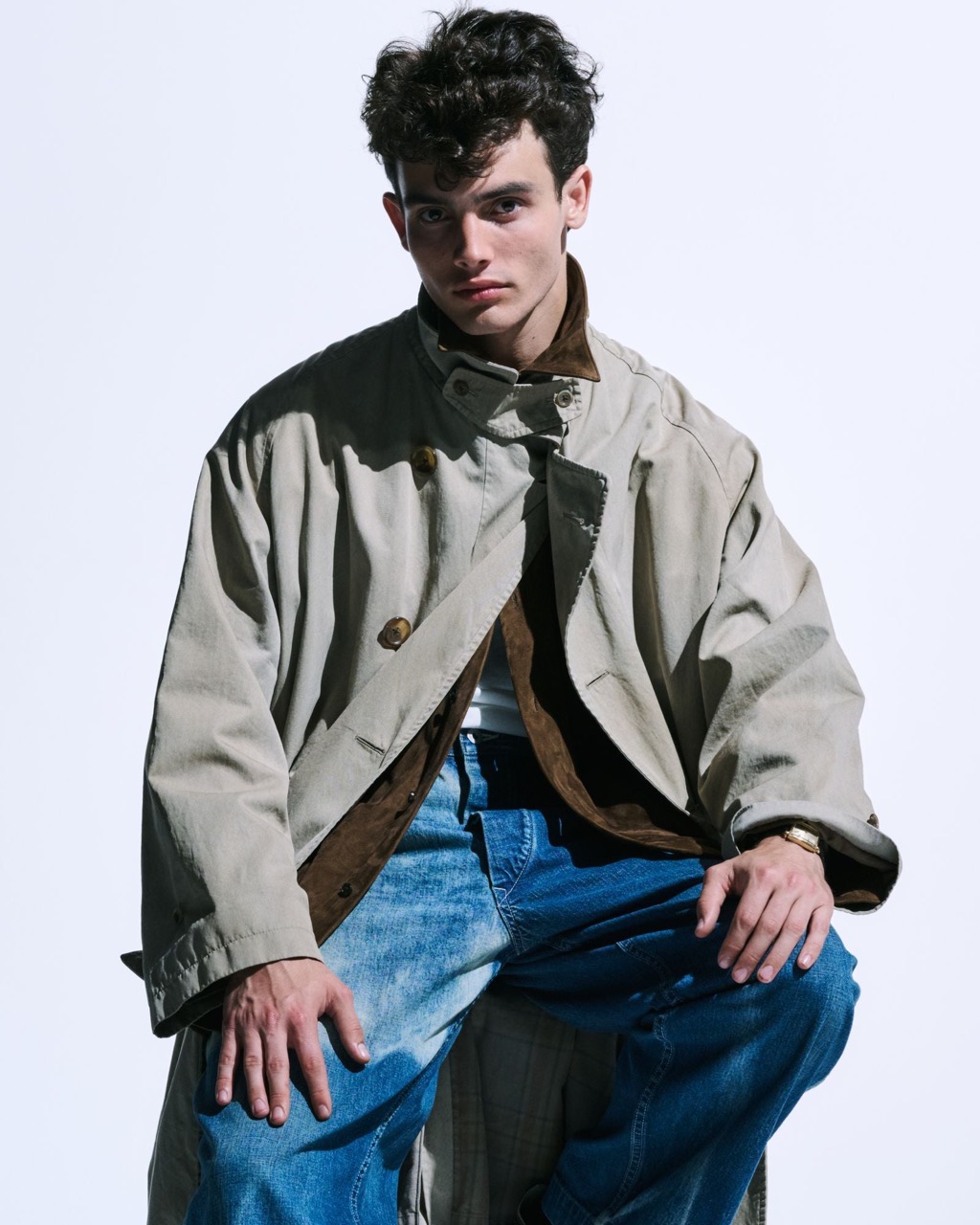
10.Beside the denim sit generous wide trousers, outerwear out of the military, knitwear blended with cashmere, and classic tailoring. Not one of them is a newly invented form. All of them are clothes that already existed somewhere in the twentieth century. Set the proportions of those originals again to today's bodies and senses, weave them again in the finest fabric, and the reversal happens where the old looks newest. What became the icon is not one particular garment but this stance of reproduction itself.
11.The decisive reason this brand won devotion is that they are clothes that need no explanation. Most brands need you to read the story attached to the garment before you know its worth. A.PRESSE is different. Wear it and touch it and you know. The naturalness of the fade, the honesty of the seams, the way it settles onto the body with each wash. There is no need for a logo to prove it, so only those who know recognize it. That quiet recognition creates a powerful sense of belonging instead.
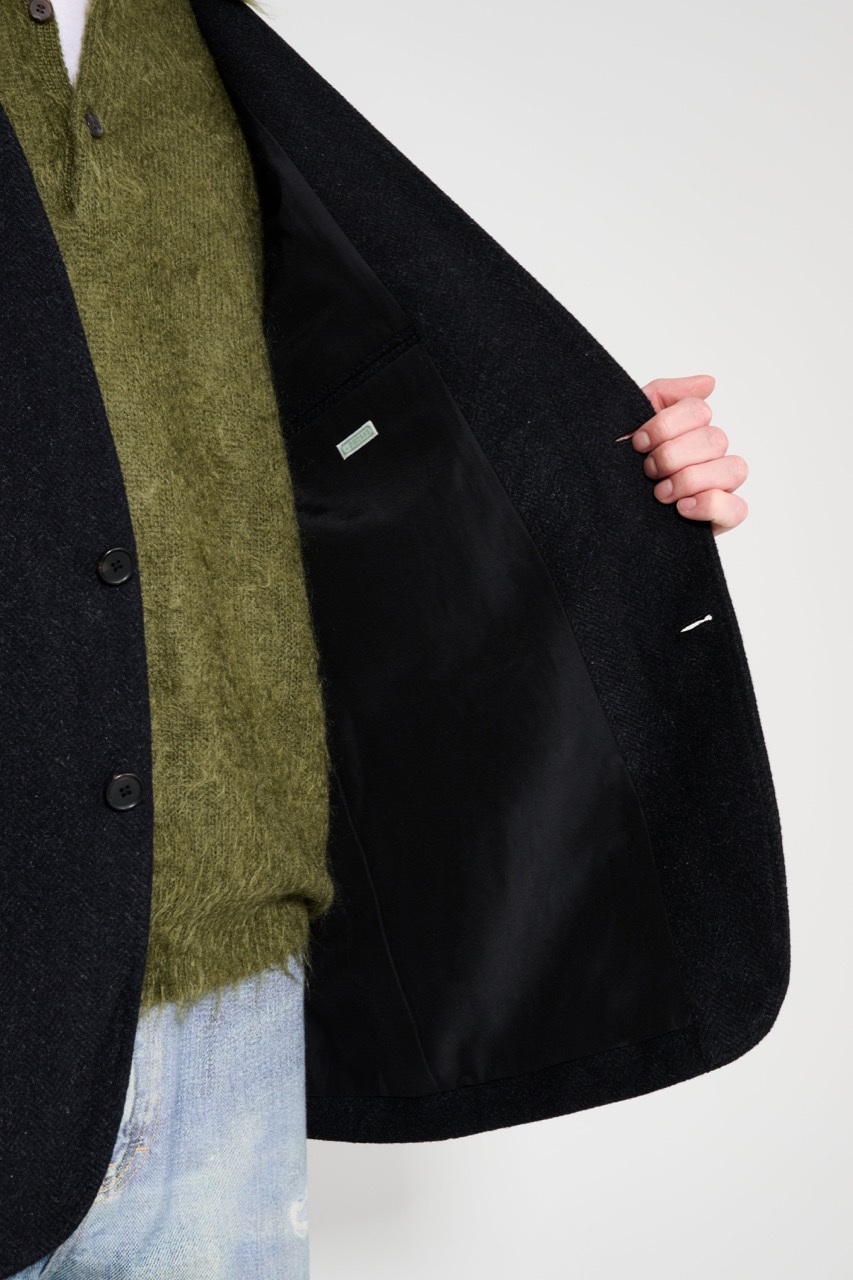
All of it already existed in the twentieth centuryMilitary jackets, workwear, classic tailoring. A.PRESSE does not invent new forms. It resets the proportions of clothes that already existed to today and weaves them again in the finest fabric. The reversal where the old looks newest happens here. ⓒ A.PRESSE
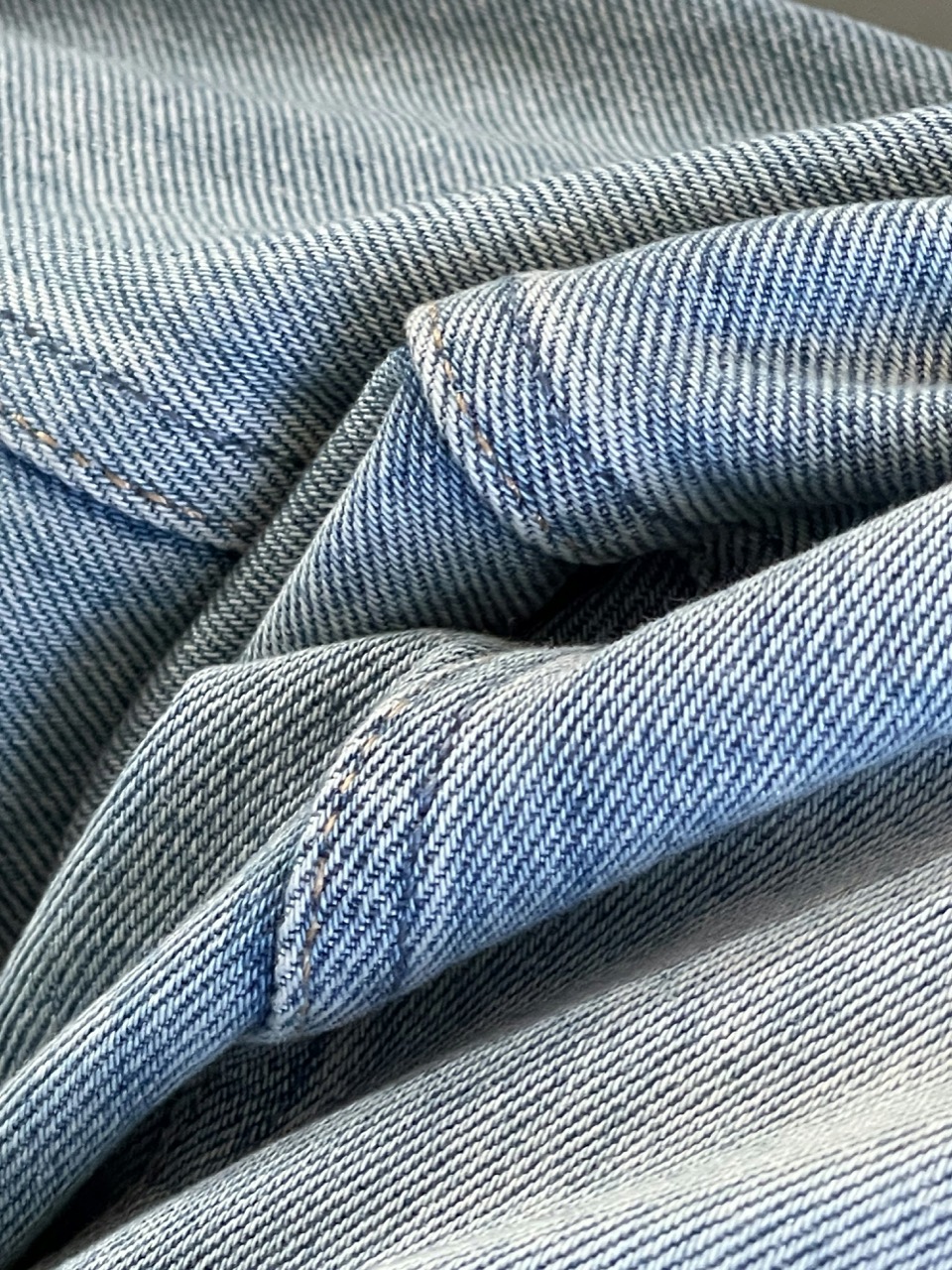
12.Touch it and the real contest is fabric and finish. Instead of inventing the form of a garment, A.PRESSE pours money and time into the material that fills it. Premium fabric spun, woven and dyed with techniques particular to Japan, and hand-finishing no machine can produce. Even a single wash that puts the grain of years into new jeans carries layer on layer of process reproducing the physics of how the color left the cloth back then. The garment looks utterly ordinary, and making that ordinariness takes the most extraordinary work.
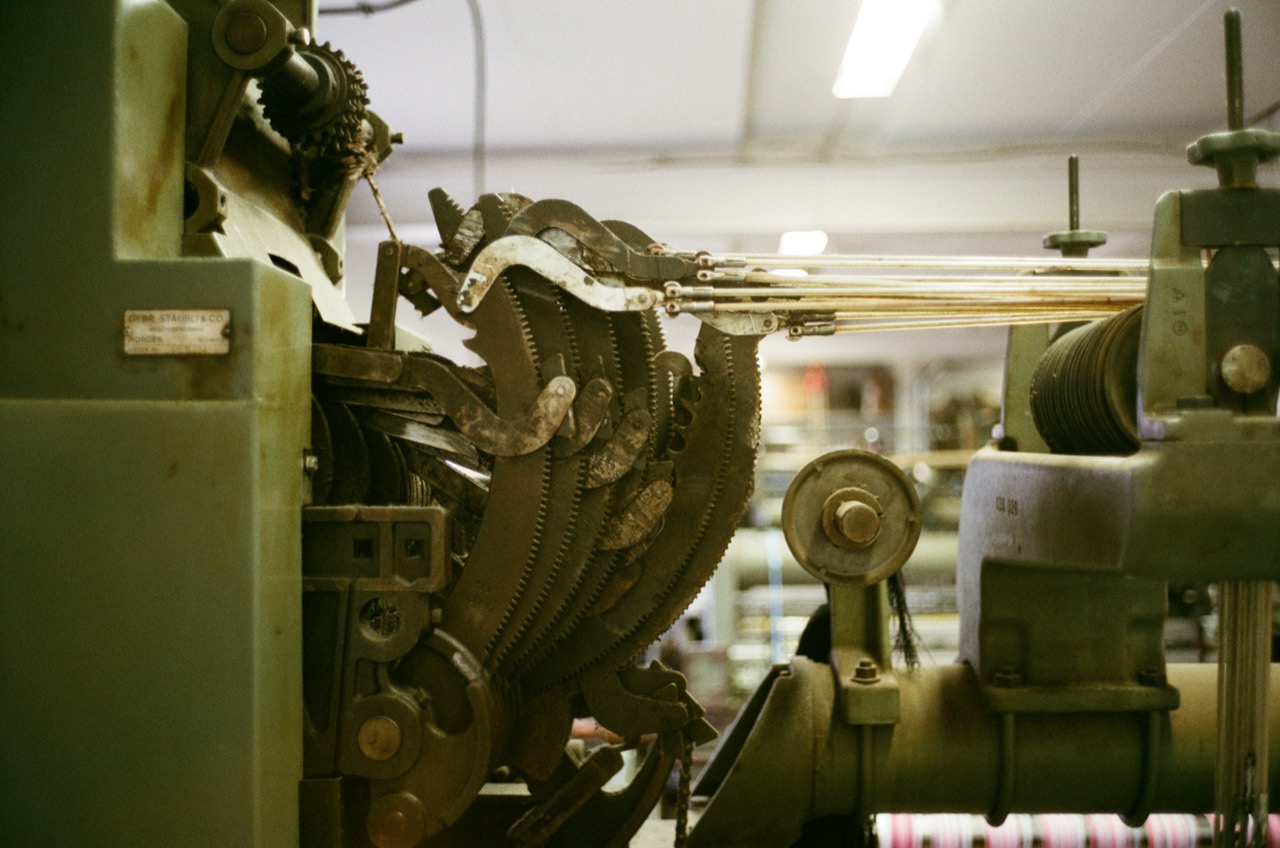
13.The skeleton of manufacture is made in Japan. A.PRESSE makes clothes on Japan's domestic spinning, weaving and sewing infrastructure. Rather than moving to low-wage mass production, it keeps skilled hands that can reproduce an original accurately at home. That choice raises cost and at the same time holds up the brand's finish and its story. A structure that backs the intangible value of vintage texture with tangible manufacturing capability.
14.Now the money. A.PRESSE is thoroughly high priced. The cheapest work chino runs about 46,000 yen, roughly 440,000 won, the signature denim and core items generally sit at 64,000 to 154,000 yen, roughly 610,000 to 1,470,000 won, and top pieces like a leather rider jacket reach 528,000 yen, about 5 million won. It takes these prices for clothes with no logo. That is possible because what it sells is not a brand mark but the substance of fabric, reproduction and finish.
15.The distribution structure is this brand's hidden strength. The axis is the flagship store in Jingumae, Tokyo, and the real force is in wholesale. Onto the distribution network the founder learned while carrying other people's brands to select shops around the world, he this time put his own brand. As a result, discerning select shops worldwide began buying A.PRESSE unusually fast for a new label. A speed only possible because the founder held distribution before product.
16.Shigematsu's company Anthings does not run A.PRESSE alone. It is a small brand house holding the production and distribution of several labels including DAIWA PIER39, HERILL and WEEKEND. The whole company does not shake with the fortunes of one brand, and several brands share the scale of fabric sourcing, production and distribution. A.PRESSE may look like a brand of feeling, and behind it stands coldly designed business infrastructure. Romance on the surface, a distribution business in the bones.
Hundreds of thousands of won for clothes with no logoThe cheapest chino is about 440,000 won, signature denim and core items 610,000 to 1,470,000 won, and the top leather jacket about 5 million won. The basis for these prices on clothes with no logo is not a brand mark but the substance of fabric, reproduction and finish. ⓒ A.PRESSE
17.Crisis and turning point. This brand is still young and has never been through a collapse. The threshold it is crossing is a different kind. The test of expansion, moving from a new brand made by an unknown distribution man to a brand the world knows. Being loved by a narrow band of devotees and growing scale without blurring that devotion are entirely different problems. The larger it gets, the thinner the scarcity of only those who know knowing, and the moment a brand that competed on anonymity becomes famous, it collides with its own premise.
18.The most realistic threat is that reproduction as a method is vulnerable to copying. A.PRESSE is not the only brand reproducing vintage. Japan alone is thick with strong names in the workwear and Amekaji line, and the originals themselves are clothes of the past open to everyone. So what is A.PRESSE's moat. Not one particular pair of jeans, but the brand philosophy of the editor, the distribution infrastructure and the density of reproduction, a triangle that cannot easily be copied. Form can be copied, stance and a distribution network are hard to copy.
19.Another test is dependence on one founder. Even under an editorial department system, the final sense that judges what makes the best garment is Shigematsu's. His eye and his feel for distribution are the brand's core engine, so the next task for this brand will be moving that sense from one person to a system. A gate every young brand has to pass and this one has not yet reached.
A brand made by a distribution manStarting in 2017 with the distribution and production company Anthings, carrying other people's brands to the world, he released his own brand A.PRESSE for the first time in 2021. The core inversion, editing instead of creating, and manufacturing the texture of time rather than staging scarcity.
20.Why this brand now. First, because A.PRESSE is a live case spreading across the world right now. It debuted in the American market with the autumn and winter 2024 collection through a well-known Los Angeles select shop, and in early 2025 it went formally onto a global online select platform and made its name properly in the West. Leading fashion media began covering the brand at feature level only recently. It is crossing the threshold from the secret of Japanese devotees to the attention of the world at this very moment.
21.Second, because this is an era where quiet luxury and vintage sensibility peaked at the same time. Huge logos and conspicuous consumption have cooled, and people open their wallets for clothes that do not show but are recognized by those who know. At the same time, the thirst for objects steeped in years and story runs deeper than for mass-produced new things. A.PRESSE stands at the exact crossing of those two currents. Logoless luxury and newly made vintage at once. A brand that prepared the clothes the era wanted just before the era wanted them.
22.Third, it is worth looking at now as a case where the grammar of founding got reversed. Usually a brand starts with a designer of taste and attaches distribution afterwards. A.PRESSE had someone who mastered distribution and production first and laid the brand on last. Reality came first, how clothes get made and sold, rather than creation. In an era where creative is common, this brand shows what a founder who holds infrastructure first can build.
23.In short, A.PRESSE's force lies in the paradox of making by not making. It does not invent new form, does not put forward a worldview, does not stamp a logo. All that not doing piles up into the most distinct identity available. In a place crowded with brands asserting themselves loudly, this is a brand that stamped itself in by erasing itself. A rare balance where restraint becomes the signature.
24.Underneath sits a skeleton of competing on substance. Instead of raising price with logo and story, A.PRESSE spends on touchable substance, fabric, reproduction and finish. So this brand's premium comes from manufacturing rather than marketing. Clothes that justify their price with the label covered, that is the basis on which this brand takes hundreds of thousands of won with no logo.
25.State the weakness honestly too. This model has structurally low mass explosive power. Clothes that minimize both logo and story only reach discerning consumers who recognize the value. Insisting on hand finishing and domestic production makes scale hard and price high. This can never structurally become a mass brand everyone knows. And this brand never aimed for that. Having given up being known widely, it chose to be loved deeply.
26.In the end A.PRESSE proves one thing. A brand can stand not on what it newly makes but on what it selects and how it refines. What this company sells is jeans and jackets, and what people buy is the stance of remaking the best clothes in history with the best hands available today, plus a quiet sense of belonging known only to those who know. Through editing rather than creation, through substance rather than worldview, this brand is standing up another grammar of making clothes in physical form.
Erasing itself to stamp itself inNo large logo, no loud color, no seasonal concept. All that not doing piles up into the most distinct identity available. In a place crowded with brands asserting themselves loudly, it shows the rare balance where restraint becomes the signature. ⓒ A.PRESSE
Summary
A.PRESSE is a Tokyo menswear brand founded in 2021 by Kazuma Shigematsu, born 1988. It reproduces the originals of American workwear, military clothing and classic tailoring as newly made vintage. The founder defines himself as an editor rather than a designer.
The philosophy is CLOTHING EDITORIAL DEPARTMENT, design without designing and manufacturing without a world view. It erases logo, seasonal concept and fashion and leaves only fabric, silhouette and finish. The signature denim reproduces the thread, weave and fading of a 1950s and 60s 501 and insists on hand finishing and domestic Japanese production.
A thoroughly high price position. A chino about 440,000 won, signature denim and core items 610,000 to 1,470,000 won, the top leather jacket about 5 million won, at approximate release prices and exchange rates. The basis for these prices on clothes with no logo is substance, fabric, reproduction and finish. The hidden strength is distribution, where the founder put his own brand onto the wholesale infrastructure he learned carrying other people's brands to the world.
It is spreading across the world right now. A US debut in 2024 through an LA select shop, entry to a global online platform and a feature in leading media in 2025. A case where the grammar of founding got reversed, someone who mastered distribution and production first laid the brand on last. Having given up being known widely, it chose to be loved deeply.
★ What to steal ★
Three things a person building a brand or a product can take from this brand, whatever the trade
1. Reposition yourself as an editor rather than a creator
Instead of creating something new from nothing, this brand claimed the role of editor, selecting and refining originals that are already proven and selling them. That shift of view is powerful. It puts down the burden of having to invent something the world has never seen and focuses instead on proposing again, in today's senses, the most essential among what people already loved. If you build brands or products, you do not have to be an inventor. Editing which of the good things already in the market to select and how to refine them is enough to stand up a genuinely original brand. Trading the burden of creation for the eye of an editor is the first piece of wisdom.
2. Do not stage scarcity, manufacture the real value and supply it at scale
Real vintage exists in exactly one copy, so no stock can be made of it. This brand reproduced that intangible value of the texture of years in new clothes and supplied a one-of-a-kind feeling steadily and at scale. That is the opposite of luxury staging scarcity through limited quantity. It broke down what sensation people actually want, here the texture of time, and reproduced it in a manufacturable form. If you build brands, first define what intangible value customers crave and struggle to obtain, then ask whether you can reproduce and supply it as an actual product or experience rather than staging it. Reproduced real value lasts longer than fake scarcity.
3. Hold distribution before product, and stamp yourself in by subtracting
This brand's founder did not start as a designer of taste. He mastered the reality of distribution and production first by carrying other people's brands into world markets, and laid his own brand on last. That is why the distribution speed was unusual despite being new. If you dream of a brand, holding the infrastructure of how that product gets made and sold can be as decisive an asset as a fine product. At the same time this brand became more distinct by boldly subtracting logo, worldview and fashion. When the temptation to add something to stand out is strongest, remember that the restraint of taking away can be the stronger signature. Add infrastructure, subtract expression. Those two directions of discipline are what make a quiet brand solid.
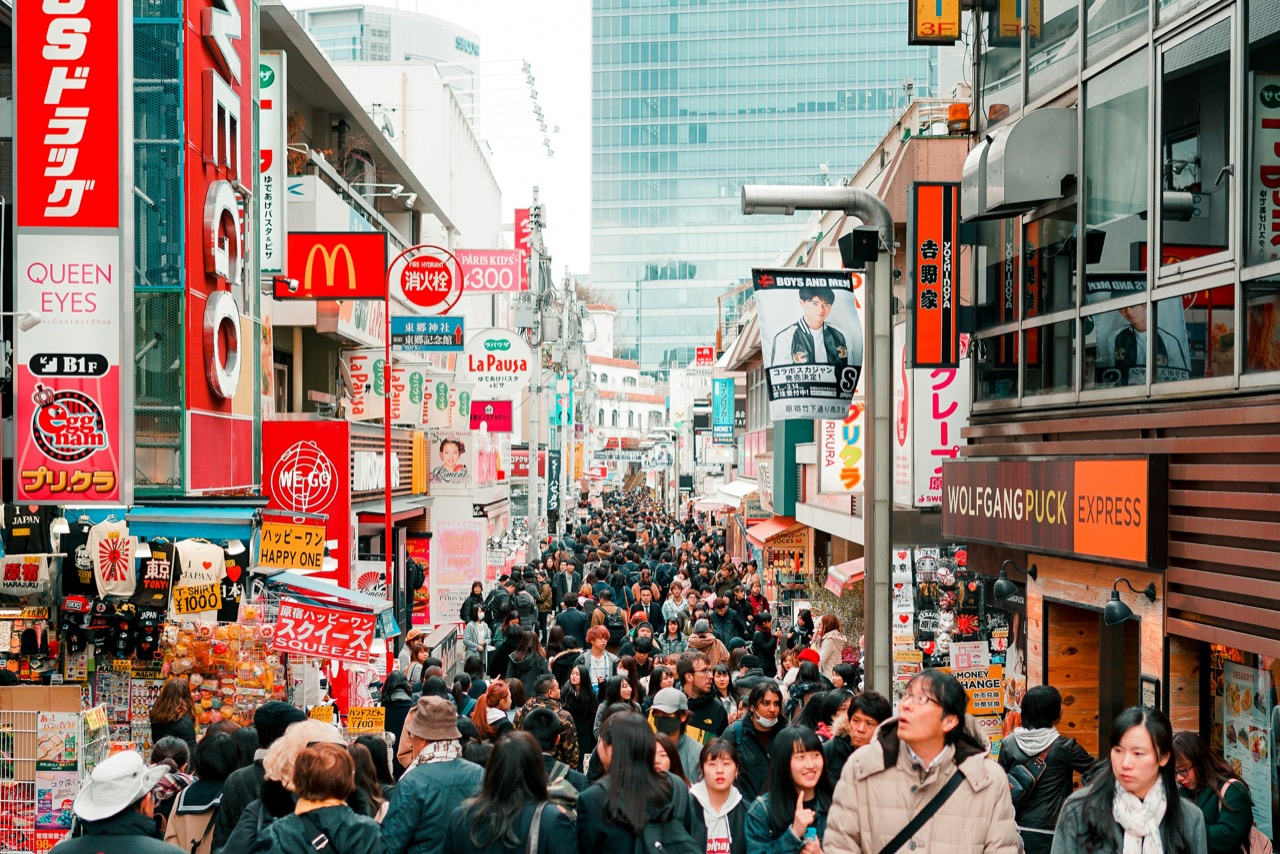
From secret to the world, the threshold right nowWith the small flagship in Jingumae, Tokyo as its axis, this brand is spreading worldwide through a US debut at an LA select shop in 2024 and entry to a global online platform in 2025. It is crossing the threshold from the secret of Japanese devotees to the attention of the world at this very moment. ⓒ UnsplashExtraordinary work to make the ordinaryThe surface is an utterly ordinary pair of jeans, and making that ordinariness takes the most extraordinary work. Even a single wash that puts the grain of years into new jeans carries layer on layer of process reproducing the physics of how color left the cloth back then. ⓒ A.PRESSEThe originals it refers to, twentieth century clothesWhat A.PRESSE takes as its standard for reproduction is American workwear and denim from the 1950s and 60s. Taking already public clothes of the past as originals leaves it vulnerable to copying, and the philosophy of the editor, the distribution infrastructure and the density of reproduction become a defensive line that cannot easily be copied. ⓒ UnsplashAn old form in today's proportionClassic tailoring is not newly invented either. The original of a twentieth century jacket gets its proportions reset to today's bodies and senses and is woven again in the finest fabric. What became the icon is not one particular garment but this stance of reproduction itself. ⓒ A.PRESSEIntangible value in tangible handsThe intangible value of vintage texture is backed by tangible manufacturing capability, Japan's domestic spinning, weaving and sewing infrastructure and skilled hand finishing. A choice that raises cost, and the skeleton holding up this brand's finish and its story. ⓒ UnsplashLoved deeply rather than known widelyClothes that minimize both logo and story only reach discerning consumers. Mass explosive power is low, and this brand never aimed for that. Having given up being known widely, it chose to be loved deeply. ⓒ A.PRESSE