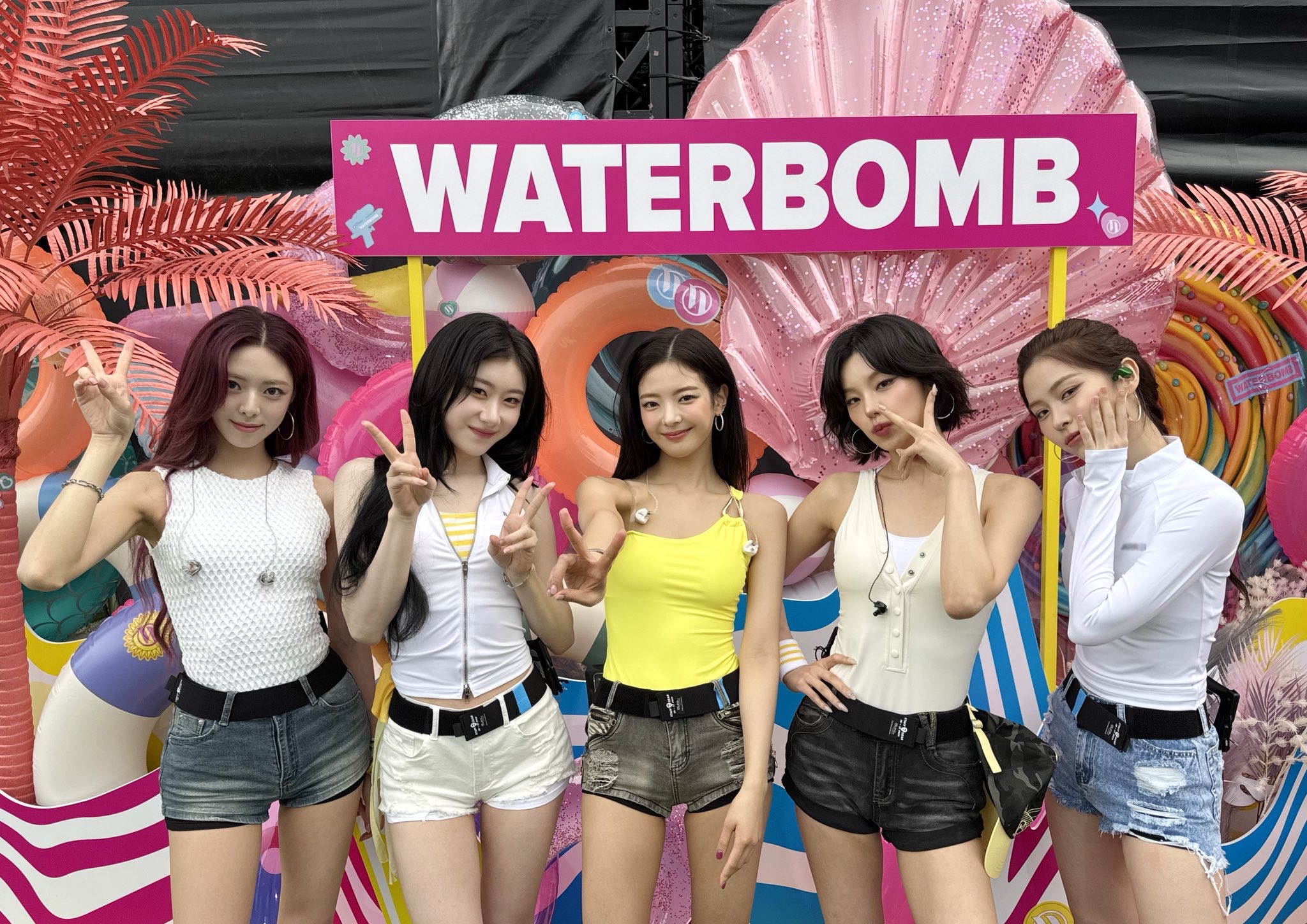
From Friday this week, for three days, people will shoot water at each other outdoors at KINTEX in Goyang. Face-value tickets are 165,000 won. This event used to run in Jamsil, held there for ten years until construction pushed it out. Normally that kills an event. This one went the other way.
1.WATERBOMB Seoul 2026 runs three days, Friday July 24 to Sunday July 26. The venue is the outdoor Global Stage at KINTEX in Goyang, with performances starting at 1pm.
2.Face-value tickets are 165,000 won, with up to 30% off for early birds. The selling method is unusual. Each release has a fixed quantity, and once it sells out the next release opens automatically at a higher price. Buying earlier means buying cheaper.
3.The lineup splits by day. Friday brings Taemin, Diplo and Changmo, Saturday Jay Park, Karina and BIBI, Sunday Park Jin-young, Zico, RIIZE and Sunmi. Three single-day events stuck together across three days.
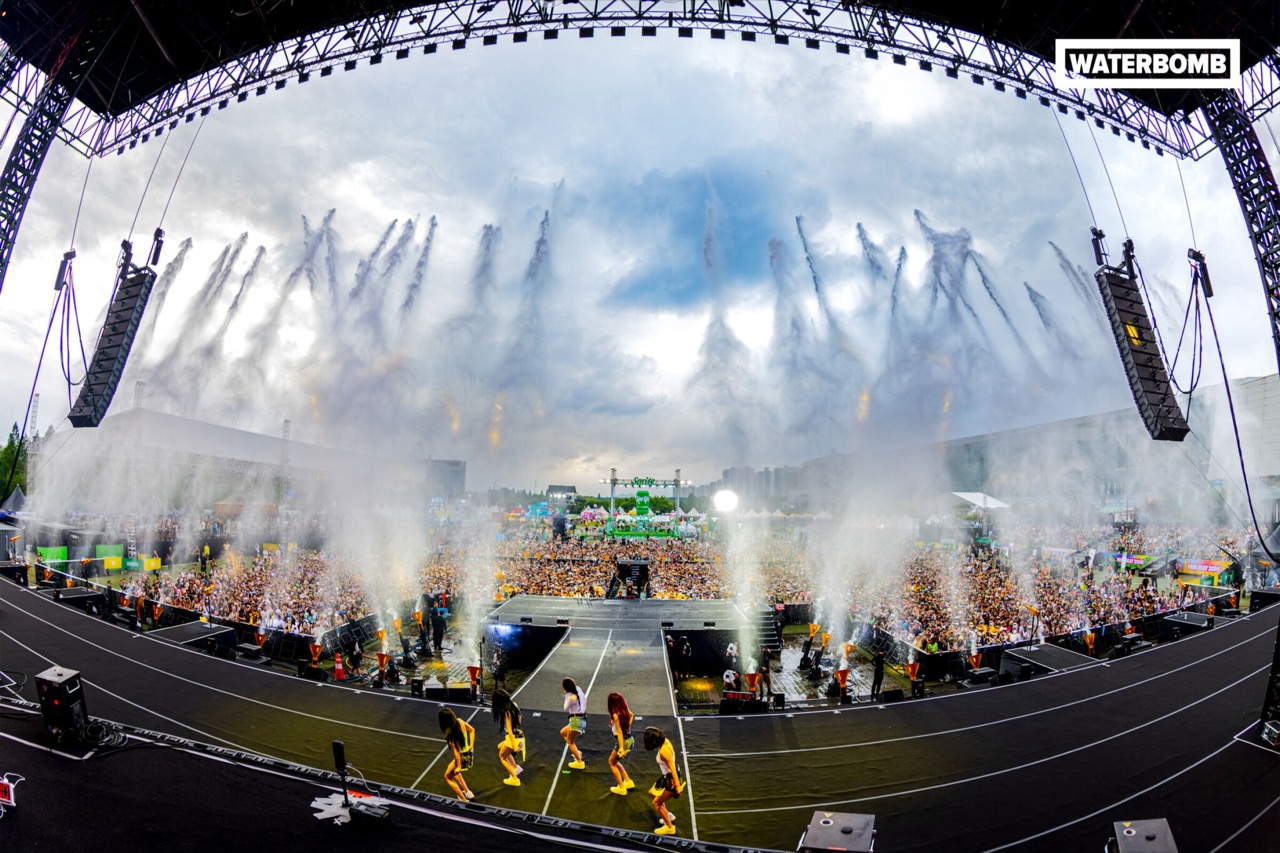
4.Entry is 19 and over. ID is checked at the gate and minors cannot get in. An unusual condition for a summer outdoor music event.
5.The rules on what you can bring are strict too. Every liquid from outside the venue is banned, so you cannot even fill your water gun before you arrive, and not one bottle of drinking water comes in with you. Water comes only from the taps inside.
6.The first thing to look at in this structure is not the lineup, it is the site condition. A show that sprays water in bulk cannot happen anywhere.
7.Three things are needed. Bulk water supply, drainage, and a floor that can get wet. Grass pitches are vulnerable to water, indoor venues cannot drain, and a downtown plaza's sewer capacity will not hold, so this genre has very few site options to begin with.
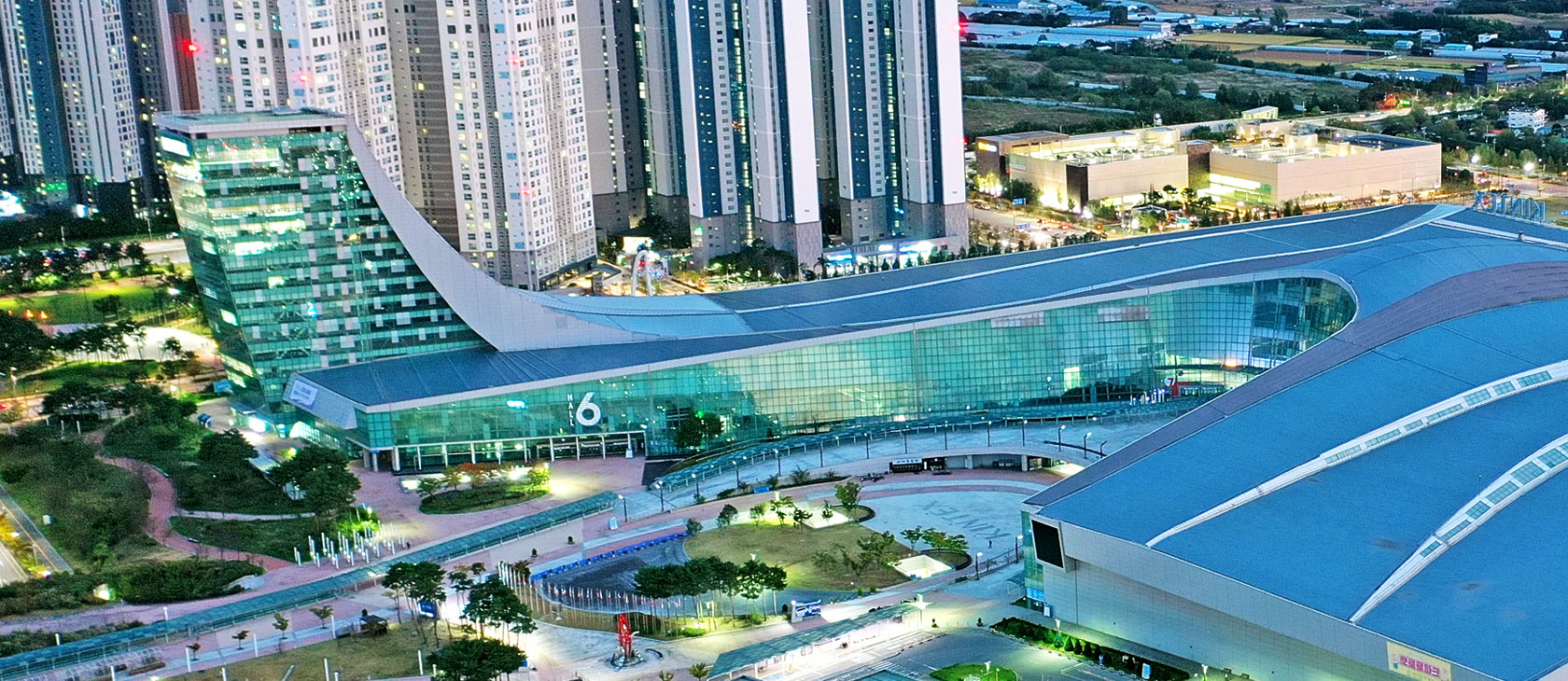
8.That is why the outdoor Global Stage at KINTEX came up. A large paved outdoor site with exhibition-hall water supply and power already laid in, and few homes nearby, which keeps the noise complaint burden low. This was not finding a replacement site. It was going to one of the few places that meet the conditions.
9.The second thing to look at is that the audience brings the equipment. At most shows the audience arrives empty-handed, and here they buy water guns and carry them in. Part of the show's equipment is procured from the audience's own pocket.
10.People use what they paid for and carried in. Someone who added the price of a water gun to a 150,000 won ticket does not stand still and watch. There is no need to coax participation. They arrive already prepared to take part.
11.The third is that weather risk got inverted. At an ordinary outdoor show a heatwave is bad news, exhausting the audience and producing emergencies. Here the hotter it gets the better the product, so the worst possible date, the end of July, was chosen on purpose.
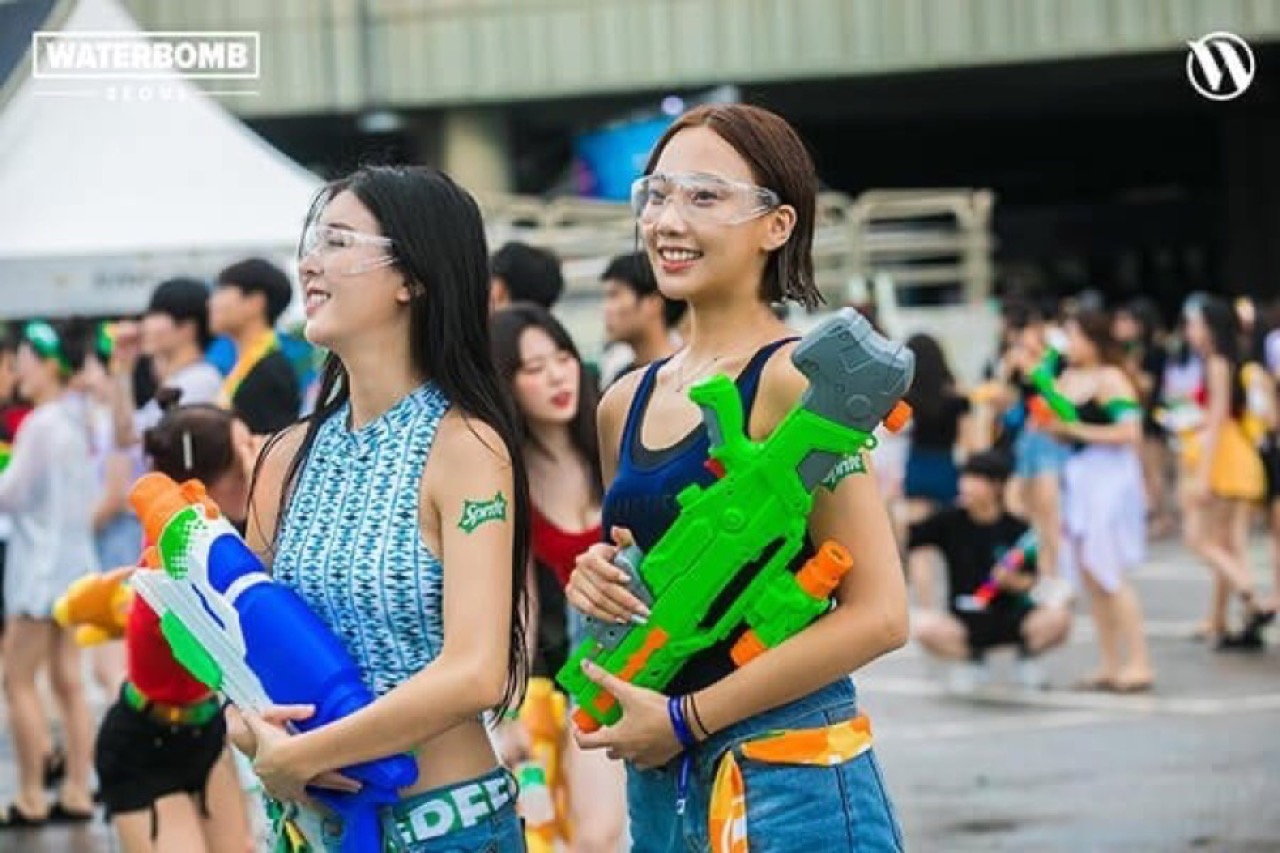
12.Why does someone pay 150,000 won to be hit with water. Not for the cool. If cool is what you want, a shower at home does it.
13.The answer is permission to be wet. People living in cities spend the whole day in a state where their appearance must not fall apart. Hair, makeup, shoes, shirt. Guarding all that takes considerable attention, and this event waives the entire rule the moment you walk in.
14.Water attractions at theme parks divide wet zones from dry ones, so guests keep watching that line. Here there is no line. Everyone gets soaked without exception, and since it is not only you, there is nothing to be embarrassed about.
15.The second is that the relationship flips. At an ordinary show the audience's cheering runs one way, toward the stage. Here the audience shoots water at the people on stage and the artists shoot back. It is two-way and even aggressive, and the fact that this rudeness is permitted is itself the product.
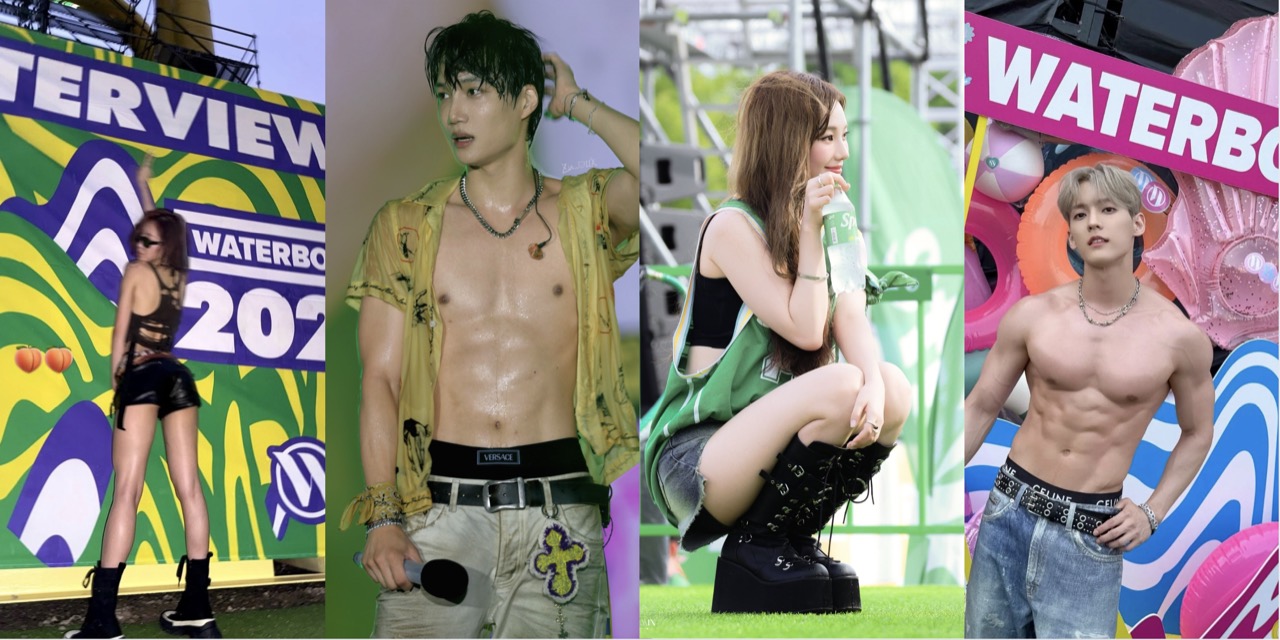
16.The third is the form it gets recorded in. Wet bodies, water in the air, backlight. It photographs and films overwhelmingly well. What you paid for is an experience and material for content at once, so a day's fun comes with a month of posts. That is where the arithmetic that makes 150,000 won look reasonable comes from.
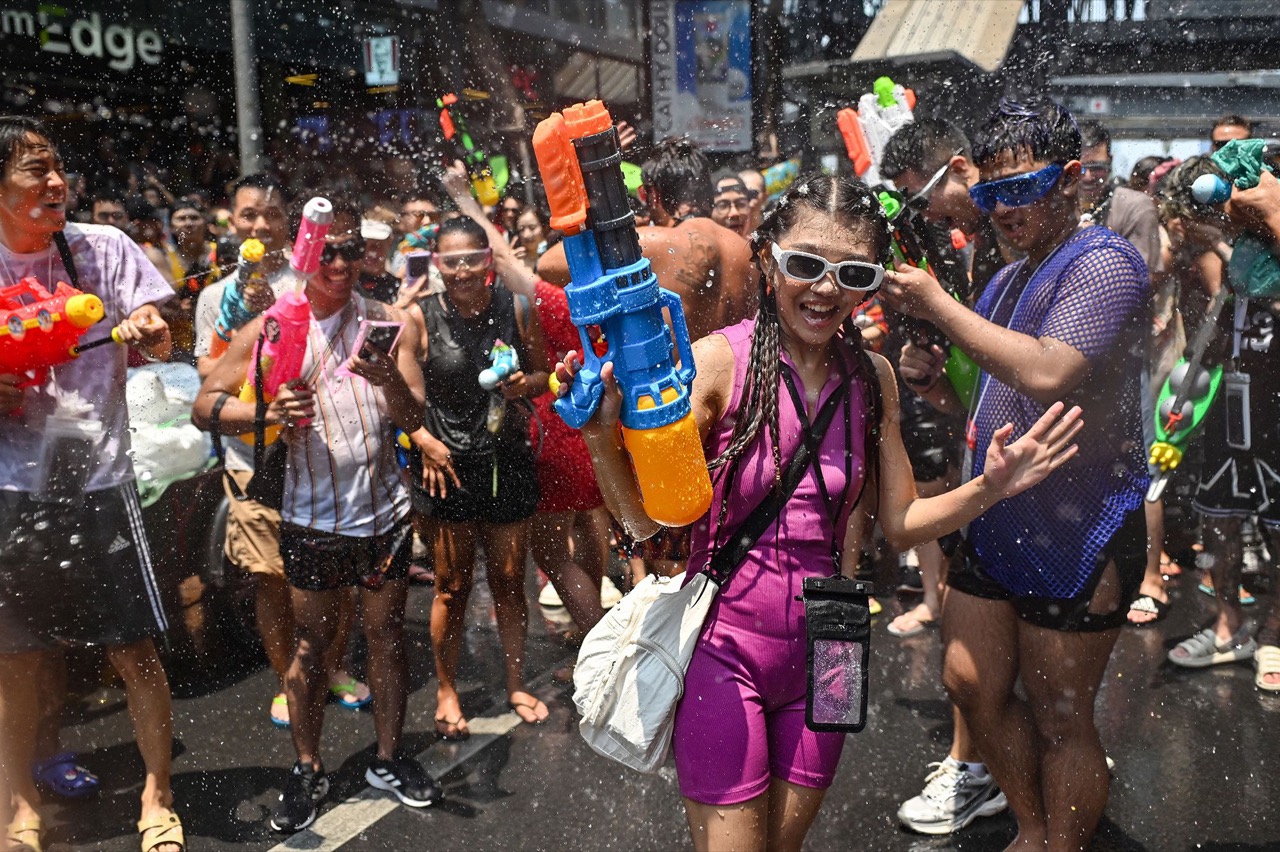
17.The idea is not new, and the original form is Songkran. At the Thai new year festival, throwing water over strangers is permitted and even taken as a good wish. A structure that legalizes on certain dates an act that would start a fight on any other.
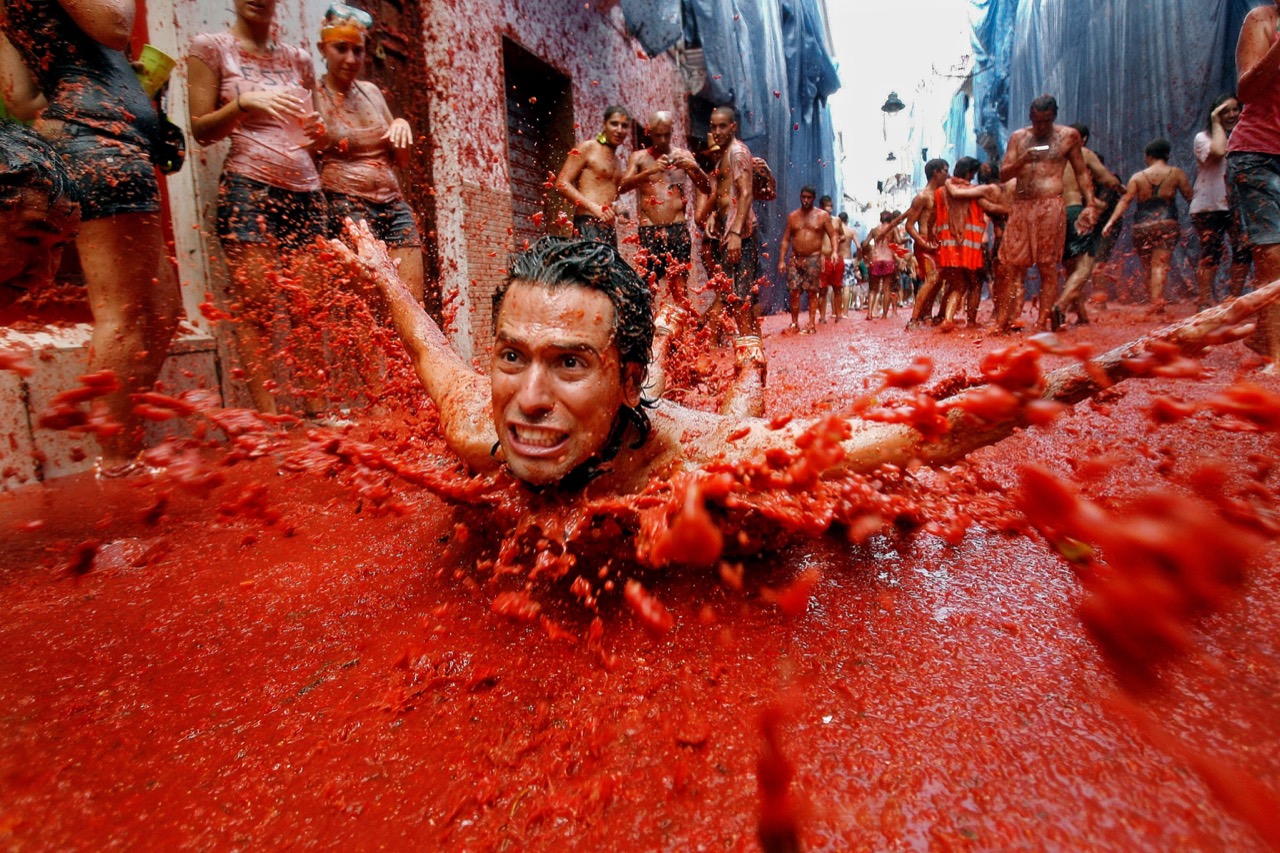
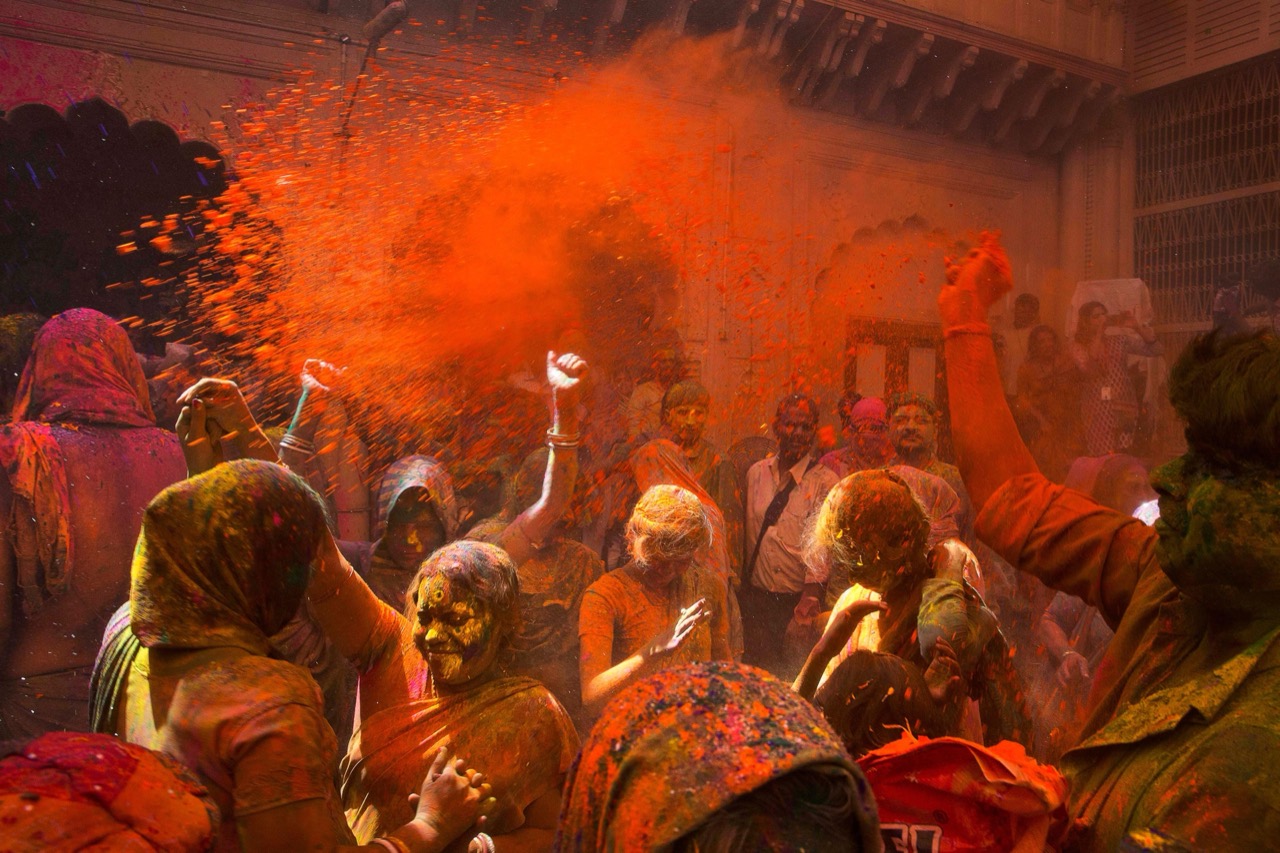
18.Spain's La Tomatina uses the same grammar. They throw tomatoes. India's Holi throws colored powder. One thing in common, getting dirty becomes a condition of the festival. Ruining your clothes is not an accident, it is the entry fee.
19.The difference is that a price got attached. Traditional festivals happen for free in the street, and this event put that structure behind a fence and attached a ticket. Packaging a cultural form that lay around for nothing into a paid product is what this business is. That is not a criticism, it is a note on how clever it is.
20.An event that sprays water freely makes you buy the water you drink.
21.The stated reason is safety. Strange liquids loaded into water guns have to be stopped, and that reason is legitimate on its own, though the result is that beverage and food revenue inside becomes a complete monopoly. Hydration for people standing six hours in a heatwave gets narrowed to a single channel.
22.The water that hits you is free and unlimited, from the taps inside, and the water you drink is paid. The same tap water is priced differently by use. The ticket is only an entry fee and the real spend per head is completed inside, and while raising the entry price stops people coming outright, resistance to spending once already inside is far weaker. Give away one function that costs close to nothing, openly and without limit, and the paid items stop looking like extortion.
23.The second turn is more fundamental. Losing the site it had used for ten years is what grew this brand. The Jamsil Sports Complex, its fixed home from 2015 to 2023, closed for construction running to 2033. Staying on that symbolic stage would have left it as the event they hold in Jamsil, and being pushed out forced it to prove something. This event was a format, not a place.
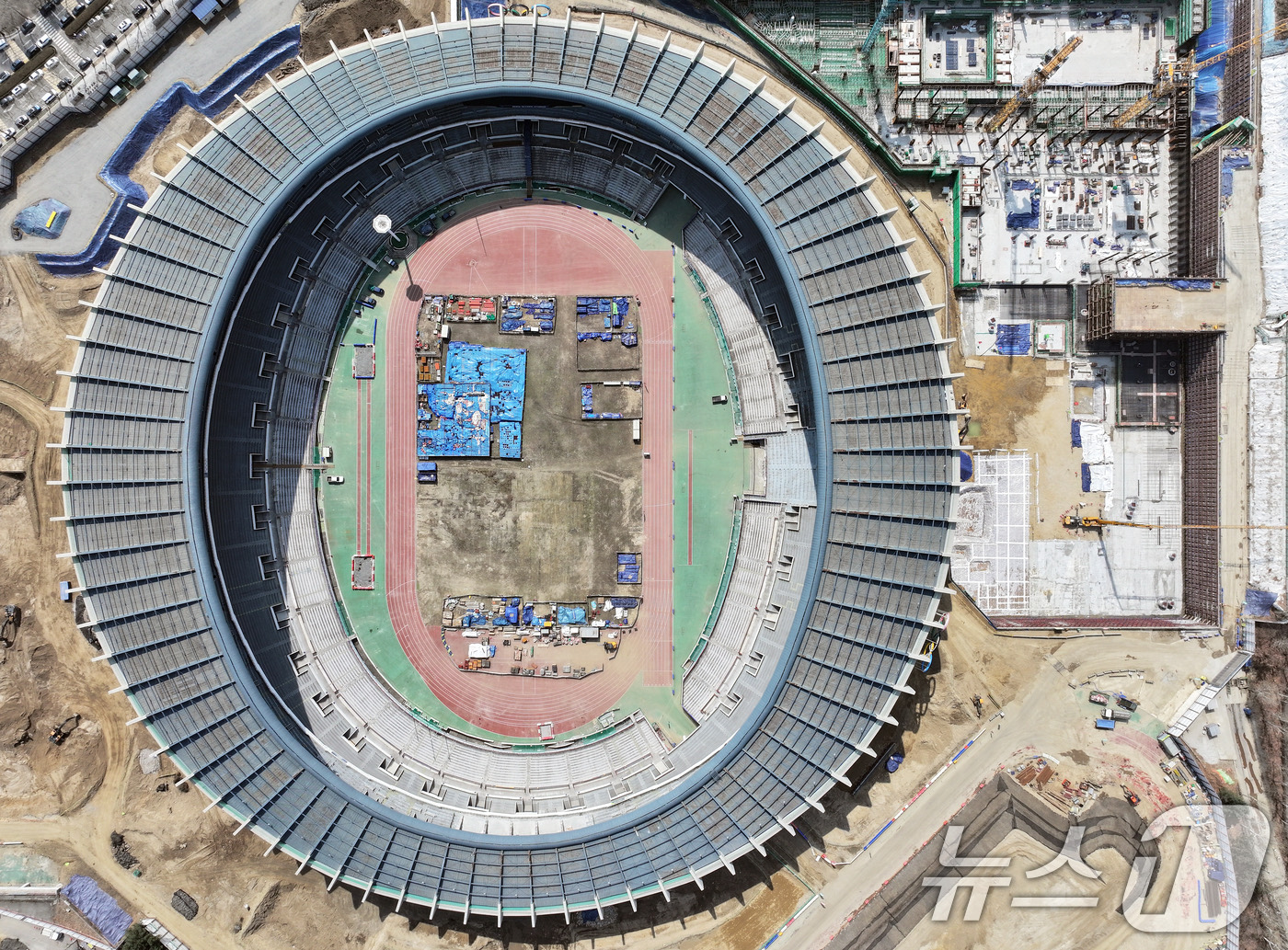
24.That proof turned into expansion. The domestic tour started in one city, Busan, in 2018, grew to six cities in 2019 and nine in 2023. Abroad it has passed through Bangkok, Tokyo and Ho Chi Minh City, more than 50,000 people came over two days in Macau, and a Kaohsiung date in Taiwan on September 12 and 13, 2026 is confirmed.
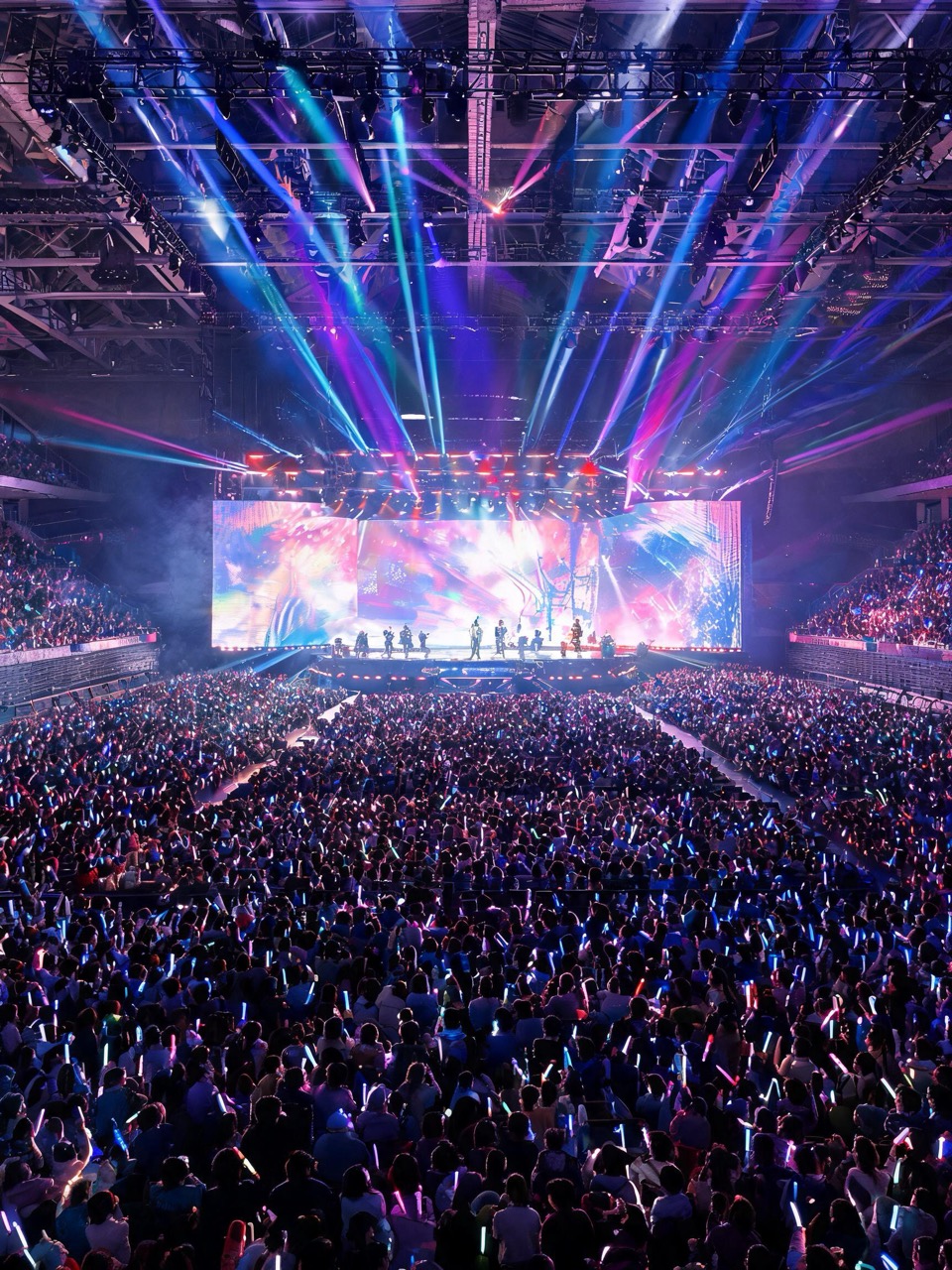
25.An event tied to a place cannot be exported, so losing the site is what freed it from sites. Attendance per date is not published, so revenue can only be guessed at, and putting Seoul's face value on Macau's 50,000 over two days gives something in the range of 8 billion won. Prices differ by city, so it is a rough figure that cannot be carried across as it is. On top of it sits all the drink and food sold inside.
26.The third is the uncomfortable one, water consumption. Large water festivals have long been criticized for using hundreds of tonnes on a one-off event. The organizers run a program that donates and recycles about 1,500 used water guns, a third going back out as water guns, a third to recycling firms, and the rest becoming plastic sheet that stands as photo-zone sculpture. The guns get collected while the total volume of water itself has no answer attached. The visible waste was handled, and the invisible resource is still homework.
27.WATERBOMB Seoul 2026 runs July 24 to 26 at the outdoor Global Stage at KINTEX in Goyang, and the 165,000 won face-value ticket climbs in price as each release sells out. What this event sells is not coolness, it is a few hours in which you do not have to protect your appearance, and applying that waiver to everyone without exception is what erased the embarrassment. Move it to Korea and the lineup is not what blocks you, the site is. Very few places in the capital region have bulk water supply, drainage and a floor that can get wet at once, and without those conditions this format does not stand up at all. The question that tells you whether your own business is tied to its place comes from the same spot. If you lose this building tomorrow, does it still work somewhere else. If it works, you have a format. If not, you have real estate.