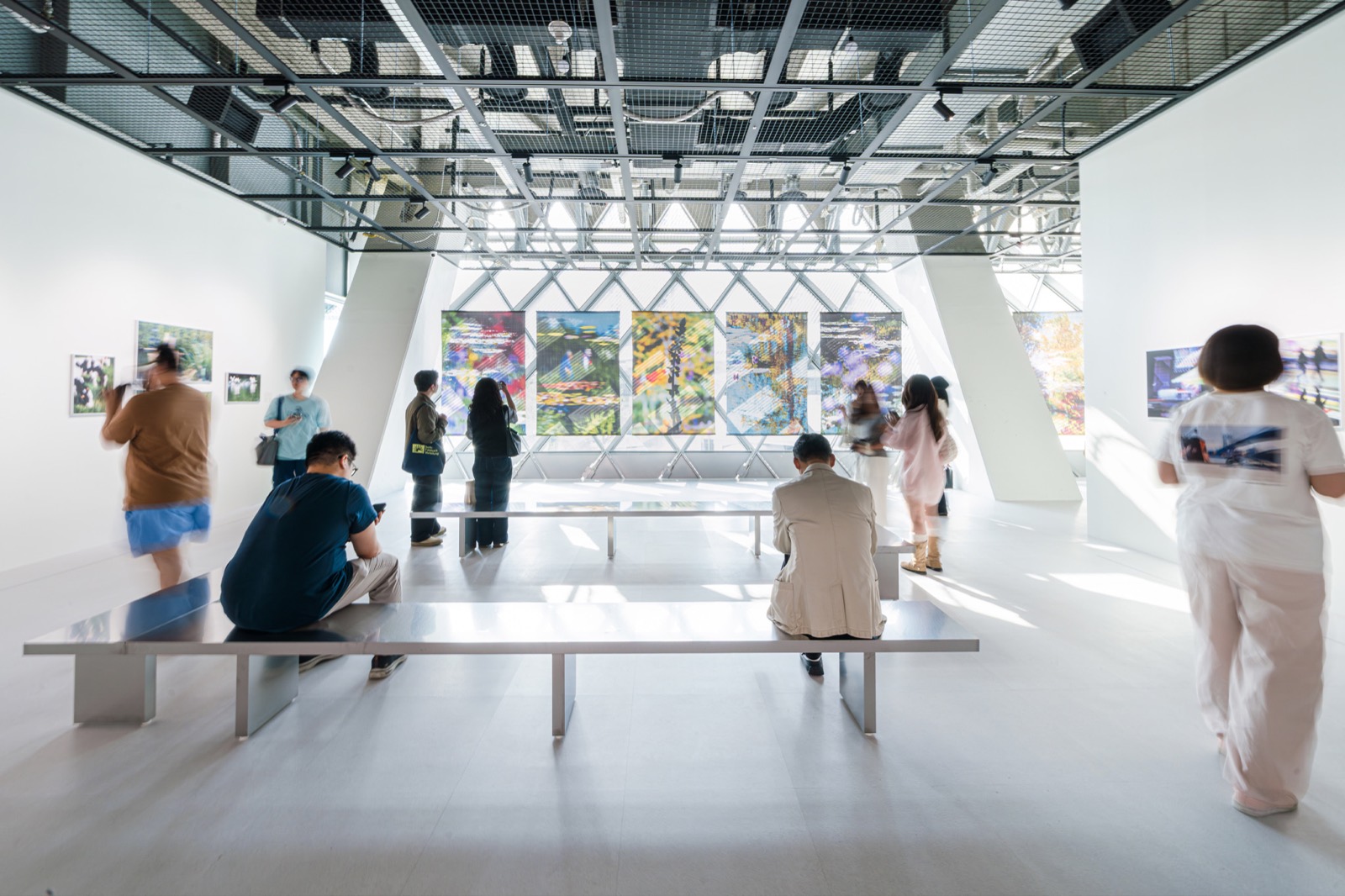
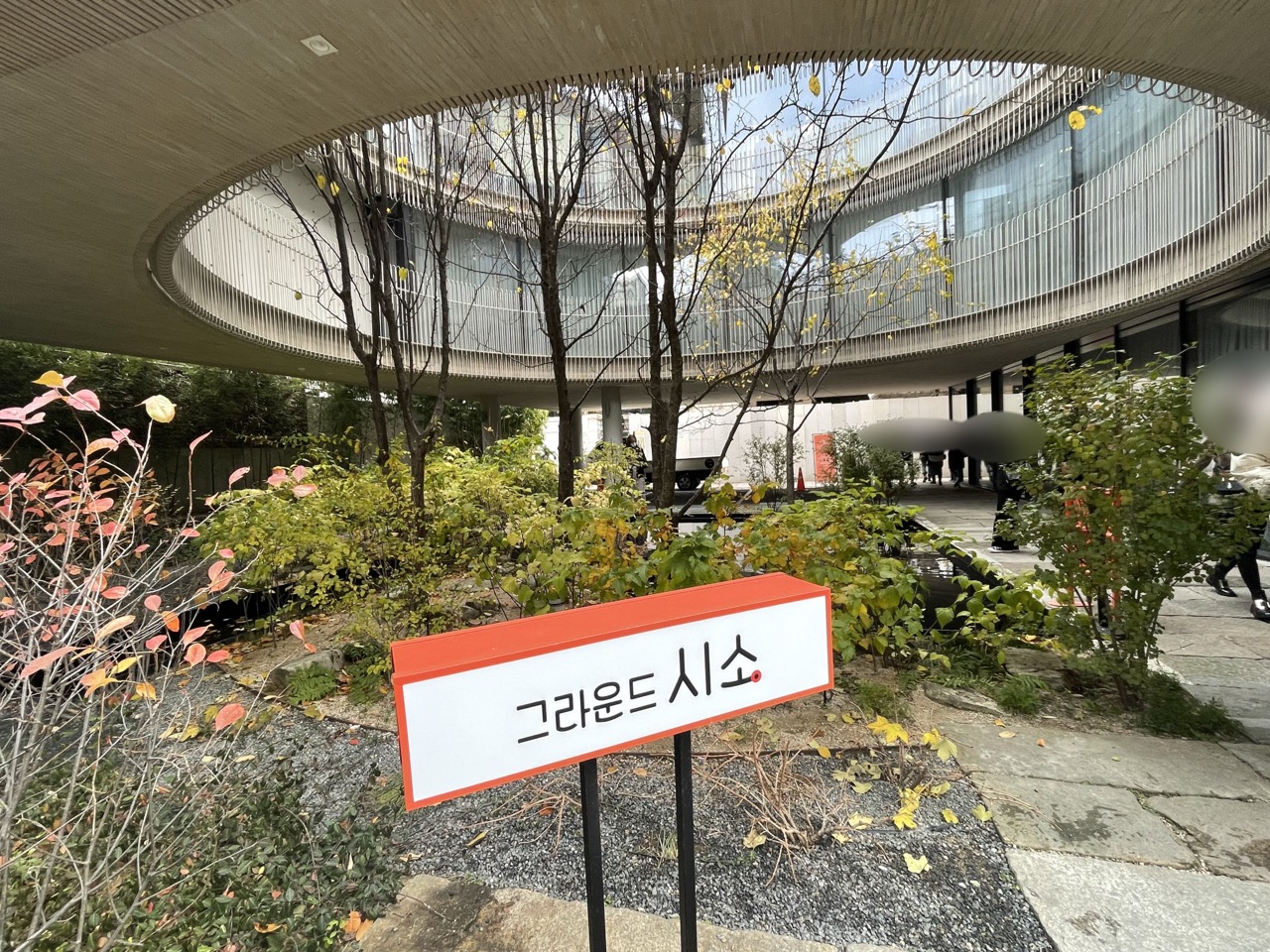
GROUND SEESAW opened its fifth branch. The site is unexpected. Not a museum district, not a fashionable back street, but the second floor of a department store inside a redevelopment apartment complex beside Guui station. This exhibition company, which a million people a year buy tickets to walk through and photograph, raised KRW 11 billion last year at a valuation of KRW 100 billion. A company like that walked in as the cultural sign of a newly built mixed-use complex. It opened on July 17 with two original artwork exhibitions hung side by side.
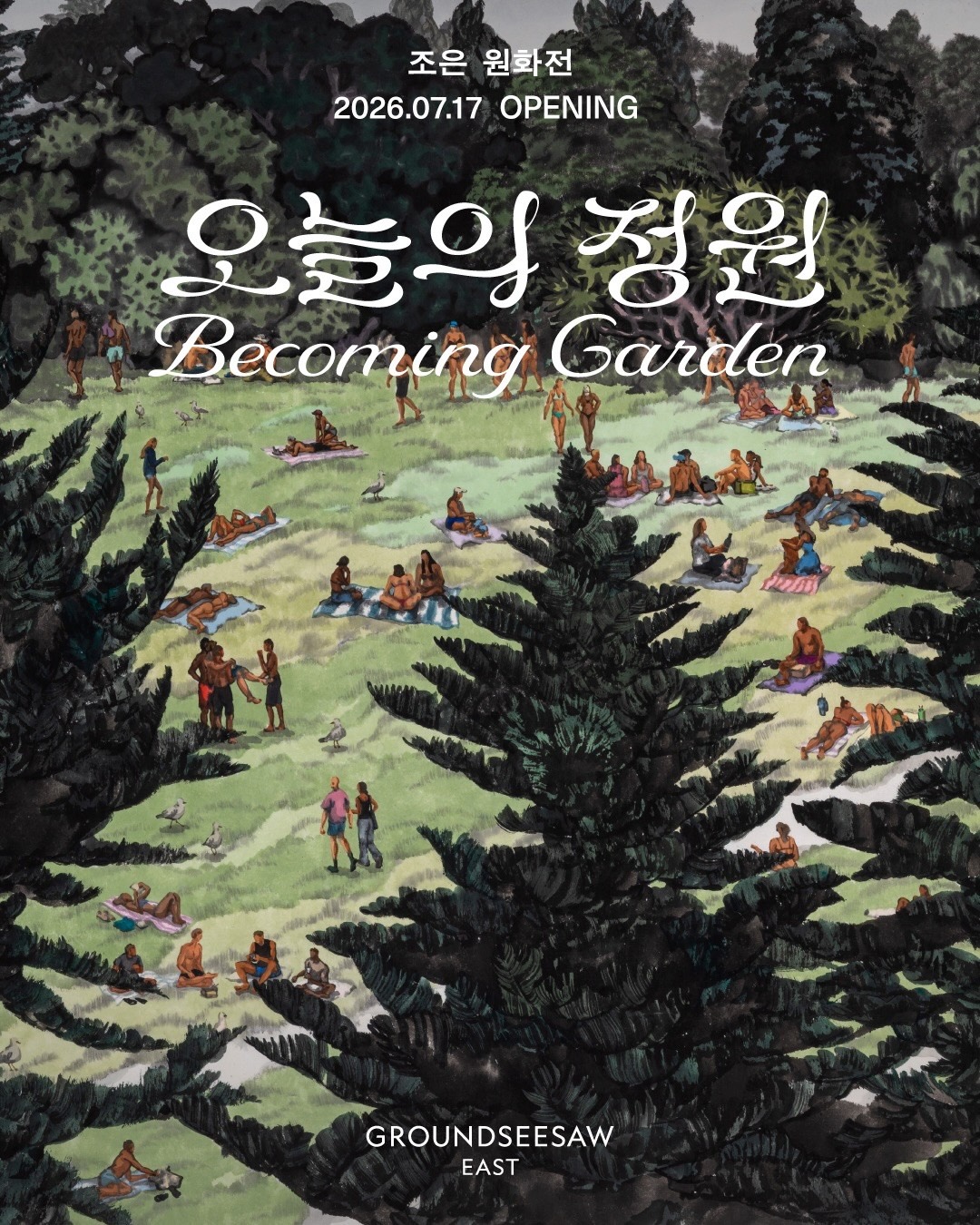
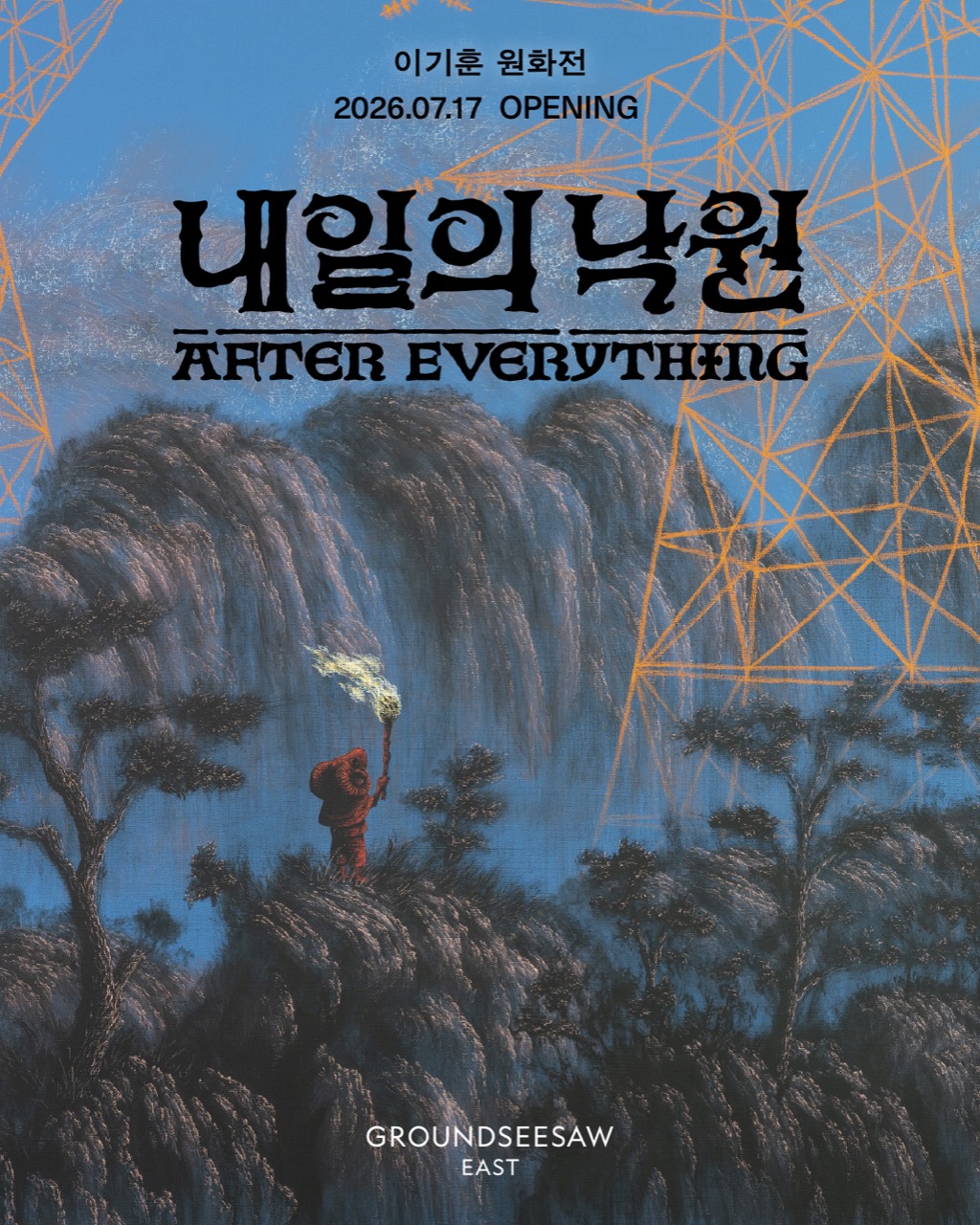
1.GROUND SEESAW East. It opened on the second floor of NC Department Store inside Eastpole in Jayang-dong, Gwangjin-gu. The opening program is two original artwork exhibitions by picture book artists. Jo Eun's 'The Garden of Today' and Lee Kihoon's 'The Paradise of Tomorrow', both running from July 17 to November 29. Open from 10 in the morning to 7 in the evening, last entry at 6.
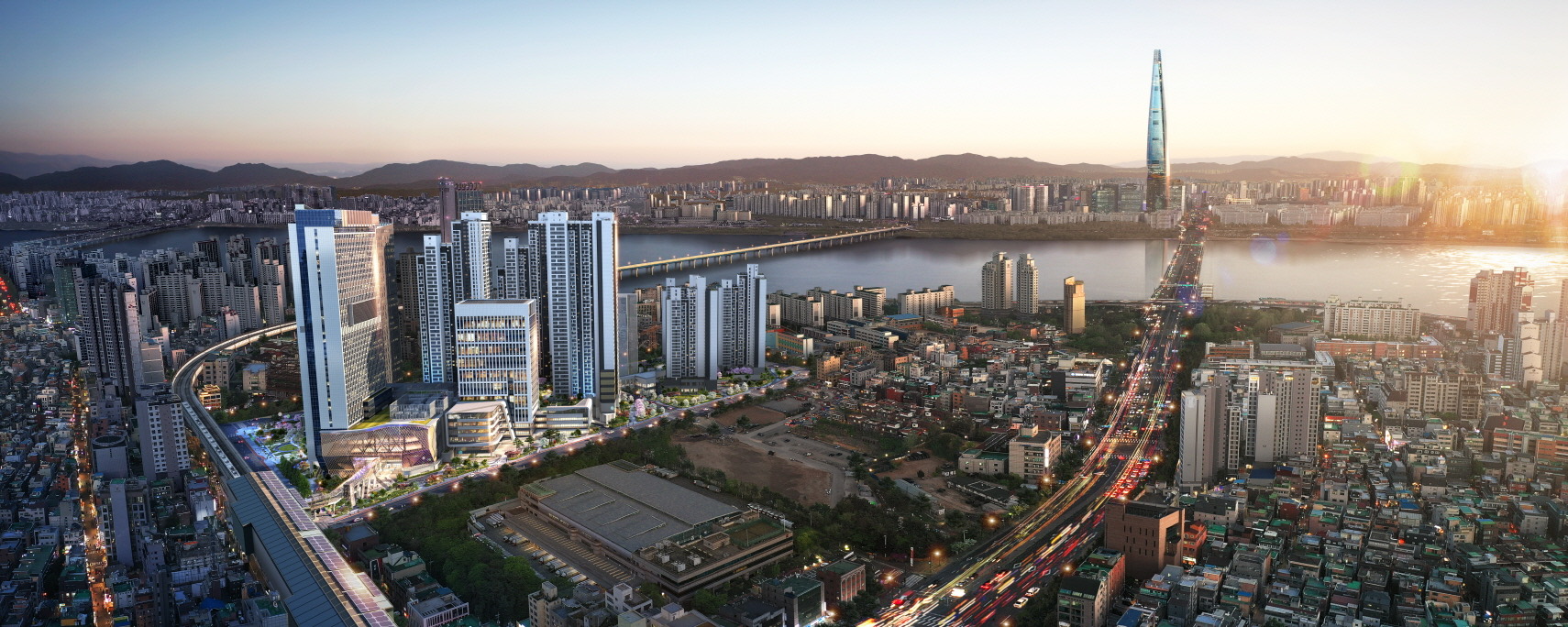
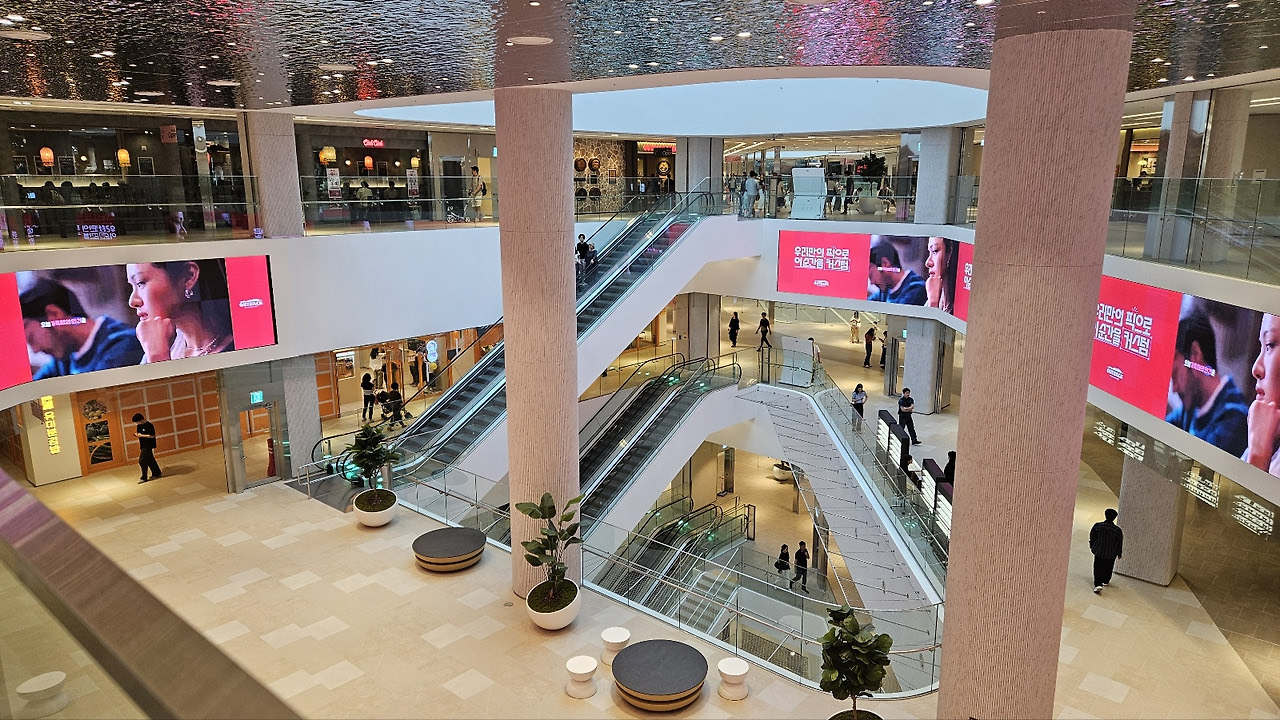
2.The name Eastpole is half this story. It is an urban redevelopment complex built over the cleared Jayang District 1, where an office building joins 1,063 apartments at Lotte Castle Eastpole. Coupang's headquarters took the office, and NC Department Store took the retail block. The design is by Haeahn Architecture, with the Han River to the south and Guui station within walking distance. The exhibition space sits in the cultural anchor position of that retail block.
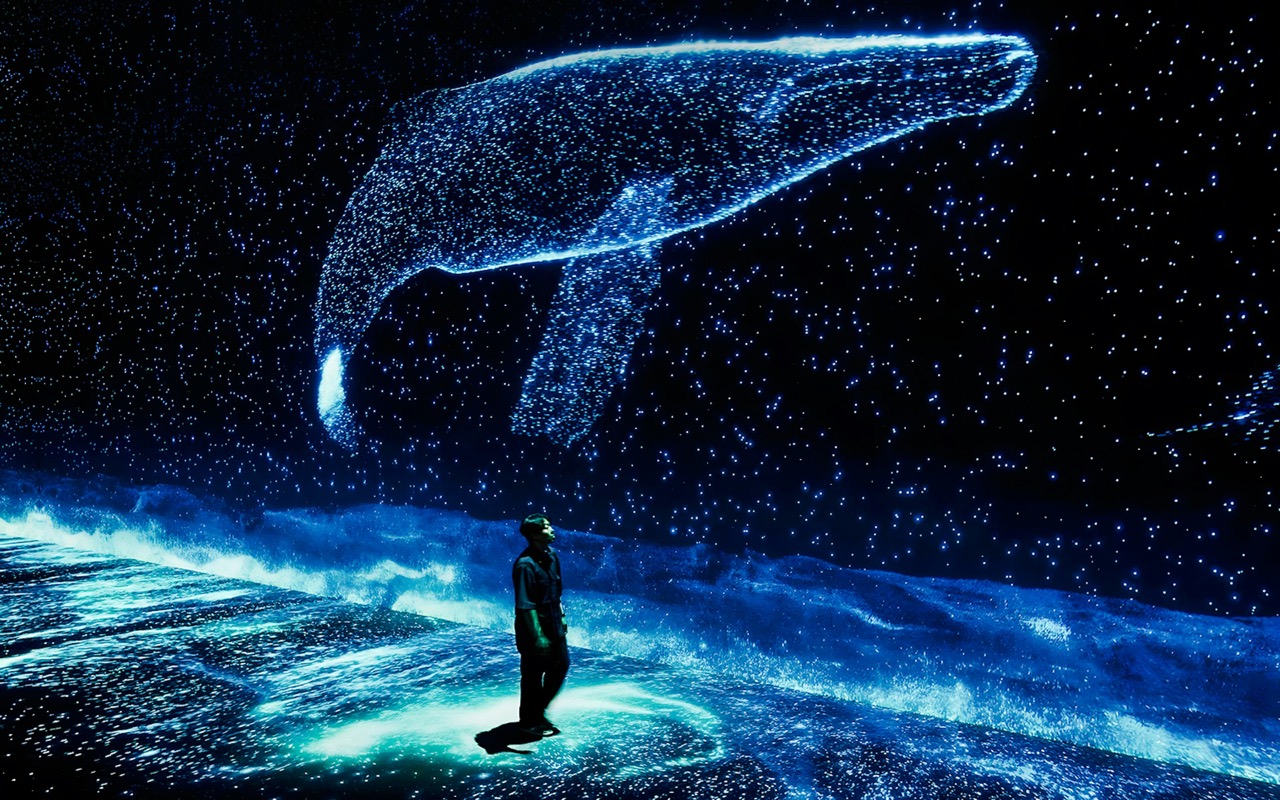
3.Take apart the format of an original artwork show and the identity of this company appears. A picture book original is one sheet of paper. Large at most at poster size, and even twenty of them framed take twenty minutes to see. GROUND SEESAW stretches those twenty sheets into several rooms. Visitors do not look at the pictures, they walk inside them.
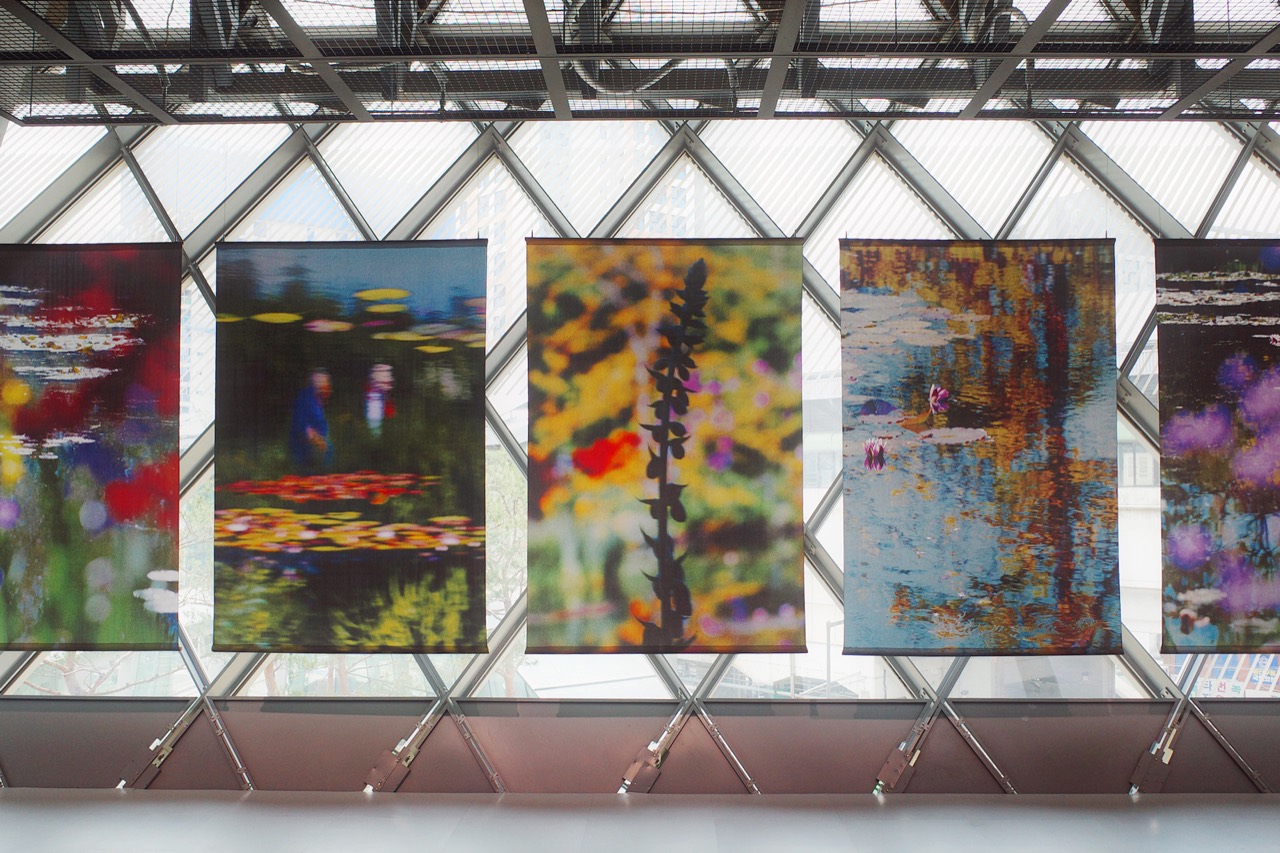
4.The grain of the two shows differs. Jo Eun's 'The Garden of Today' is a series asking what the memories and feelings accumulated from living in a city would look like as a garden, and Lee Kihoon's 'The Paradise of Tomorrow' draws hope after disaster from the story of Noah's ark. The garden of today and the paradise of tomorrow. Read the two titles of the opening program together and they become one sentence.
5.The company that builds these rooms is Media&Art. Founded in 2014 and now a subsidiary of Aniplus, it has no painters of its own and owns no IP. It borrows other people's pictures, characters and photographs and builds them into space. From the first Van Gogh media art show in Korea to Alice, Yumi's Cells and the Yosigo photography exhibition, more than 30 times. It has never held a brush, and it has built more exhibitions than anyone.
6.Circulation is the revenue design. You enter on a pre-booked ticket, pass through the rooms, take photographs at the set photo points, and pour out into the goods shop at the end. Viewing is the content and the way out is the counter. Original artwork shows call in parents holding a child's hand in particular. A genre where one ticket brings two or three people.
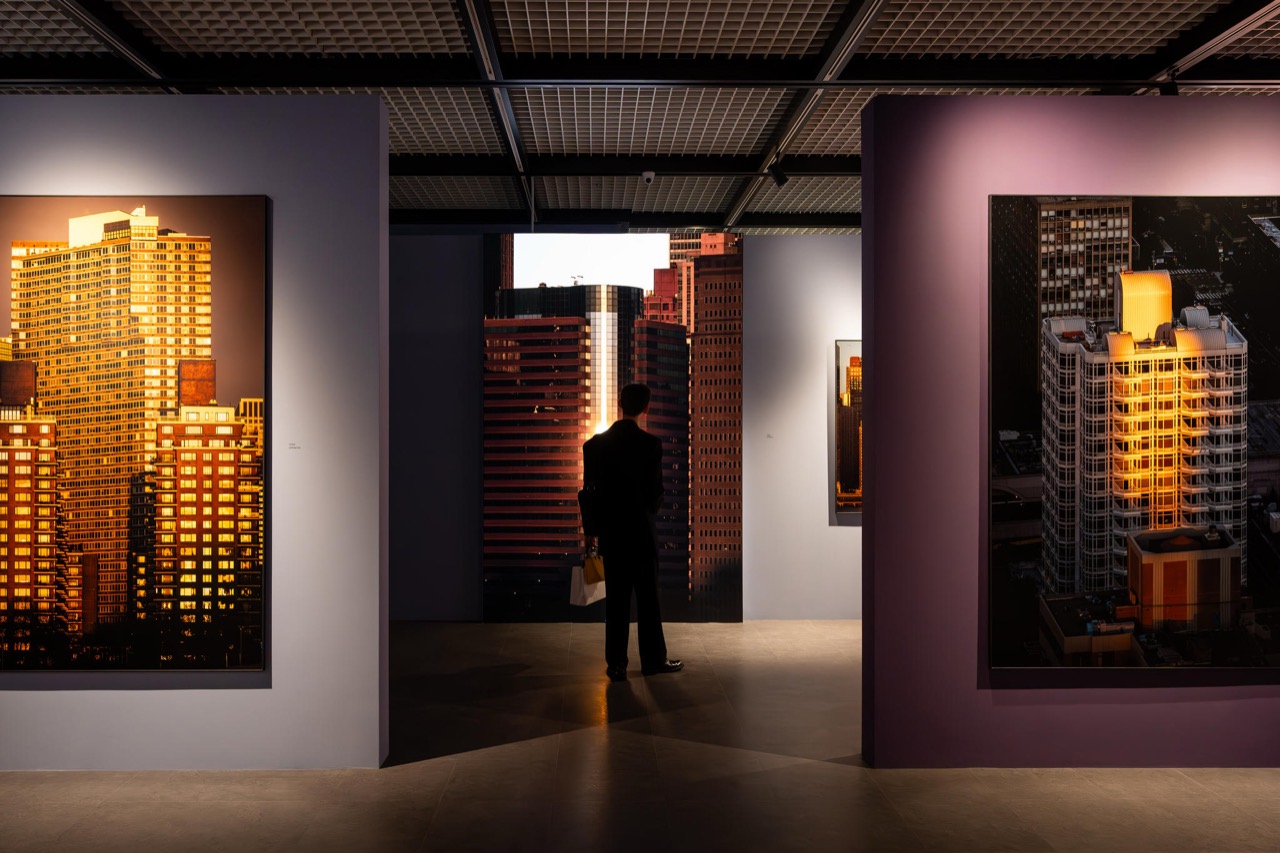
7.This is an era when people buy tickets in order to take photographs. Cumulative attendance at GROUND SEESAW has passed five million, and a million people a year come steadily. The reason it worked without being fashionable was approachability. It lowered the threshold of the museum and raised the walls that photograph well instead. Not somewhere you go to understand, somewhere you go to shoot.
그림 한 점 없이 번 숫자 · 그라운드시소(미디어앤아트)
8.The department store's reason for wanting this exhibition space sits on the other side. What newly built retail in a mixed-use complex fears most is vacancy and a dead upper floor. An exhibition space pulls guests who come on purpose, holds them for a long time, and brings whole families. A tenant that generates a floor's traffic on its own. What the department store buys is not rent, it is those footsteps.
9.Move to the money. An original artwork show ticket runs around KRW 15,000 for an adult at this company's exhibitions (opening prices were not confirmed publicly, so this follows the customary price). Multiply that by a million people a year and ticket revenue alone sits in the tens of billions of won. On top come goods, postcards, prints and plush toys. It is not rare for spend per head at the goods shop behind an exhibition to pass the ticket price.
10.So last summer's numbers followed. In July 2024, Media&Art raised a KRW 11 billion Series A. HB Investment and Timefolio Asset Management led it, and the stake they took was 11.11%. Work backwards and the company is valued at about KRW 100 billion. An exhibition company owning not a single artwork was priced at a startup's valuation.
누가 무엇을 얻나 · 재개발 단지와 전시장
11.From the property side it is clearer. Retail in a redevelopment is half about the anchor tenant. An exhibition space earns its keep through traffic even when it cannot pay full rent. Whether through a reduction or a revenue-linked rent, the complex buys sale prices and brand value with one cultural facility, and the exhibition company gets the footfall of a new building at close to a discount. Two different wallets opening in one space.
12.The history of immersive exhibitions is short and steep. Van Gogh media art opened the door, ARTE MUSEUM grew the scale, and Yosigo and picture book originals brought in the public. At first the place for these shows was the cafe next to the museum. Now it is the museum inside the department store.
13.The turn. And yet this company owns not one picture. The force that gathered five million people was borrowed, in the end, from other people's IP and other artists. Yosigo, Wes Anderson, picture book artists. When a borrowed name rises the company rises with it, while licensing fees and exclusivity windows hold it by the throat. The ceiling for a company that earns only through staging, owning nothing, sits right there.
14.An exhibition people buy tickets to photograph became the cultural sign of a redevelopment complex, and that company holds a million visitors a year and a KRW 100 billion valuation without owning a single picture. One KRW 15,000 ticket is sold again several times over as goods and traffic. Copying this in a small space means clearing two things first. Going in as an anchor to cut the rent means proving in numbers that you generate the footsteps on that floor, and without IP of your own the licensing fee eats the margin before you do. Those two proofs come before the quality of the exhibition.