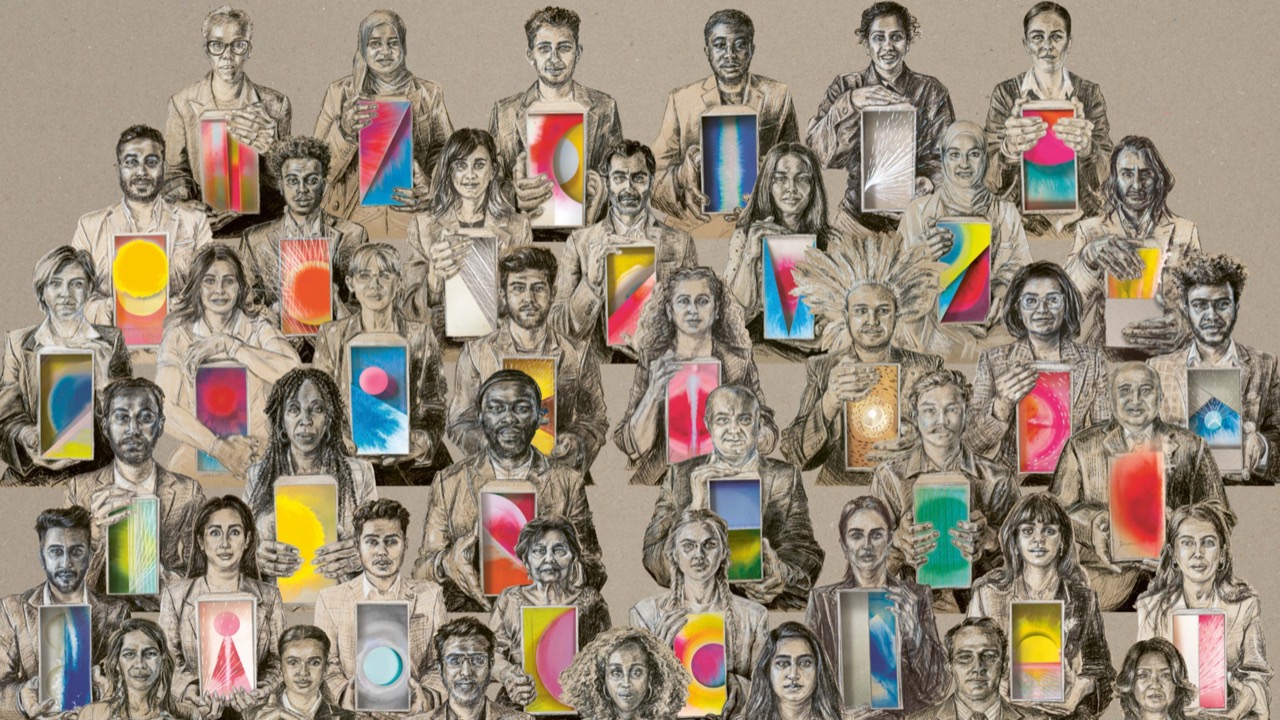
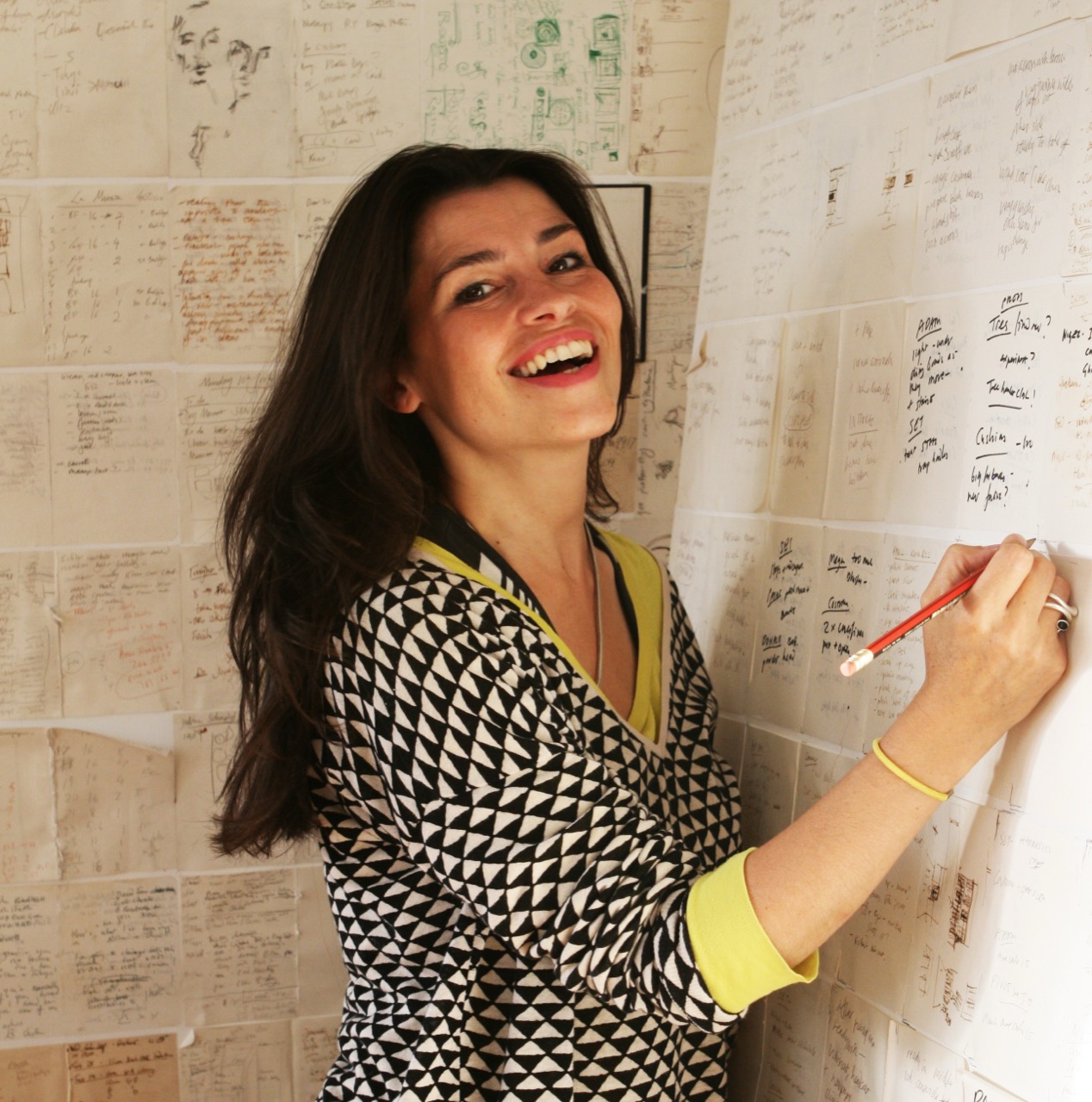
The first Korean solo show by stage designer Es Devlin opens on 20 August at Futura Seoul. This is the person who built world tour stages for Beyoncé, U2 and Adele and designed the opening and closing ceremonies of two Olympic Games. The title is '3rd Poem: Es Devlin, Come Home Again'. The run goes to 17 January next year, five months.
1.Someone who built stages is coming into a museum. Bukchon-ro, Jongno-gu, Seoul, across the whole of Futura Seoul. Es Devlin is a British artist who has spent thirty years treating concert halls, opera houses and Olympic stadiums as her stage. This exhibition rebuilds those signature works around the architecture, the light and the visitor routes of Futura Seoul. It opens on 20 August and closes on 17 January next year.
2.Beyoncé, Lady Gaga, Kanye West, The Weeknd, Kendrick Lamar, Adele, U2. A good share of the stadium pop tours of the last twenty years passed through her hands. She also designed the closing ceremony of the 2012 London Olympics and the opening ceremony of the 2016 Rio Olympics. Stage designer alone does not hold it all, which is why installation artist and public sculptor usually get attached as well.
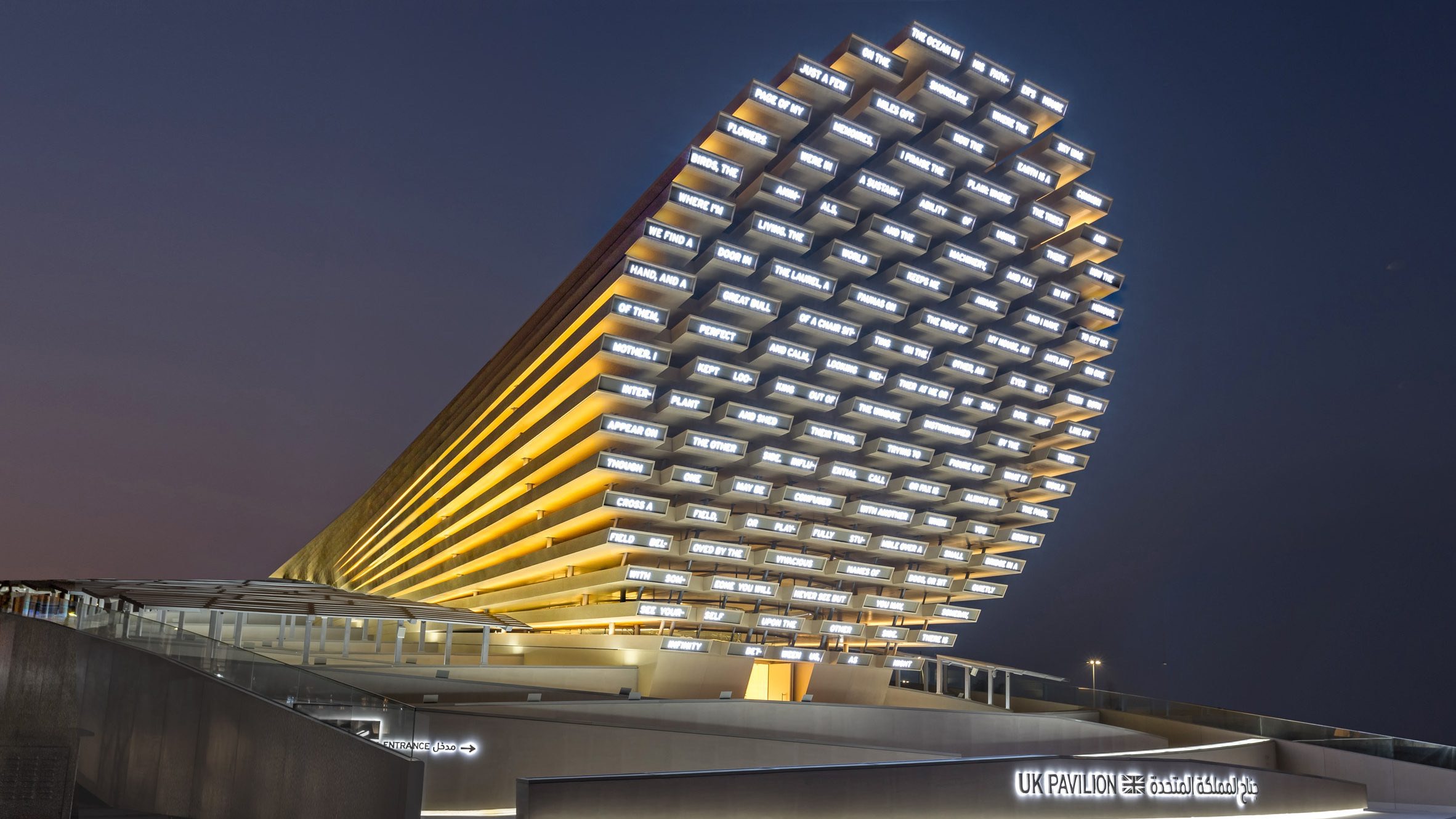
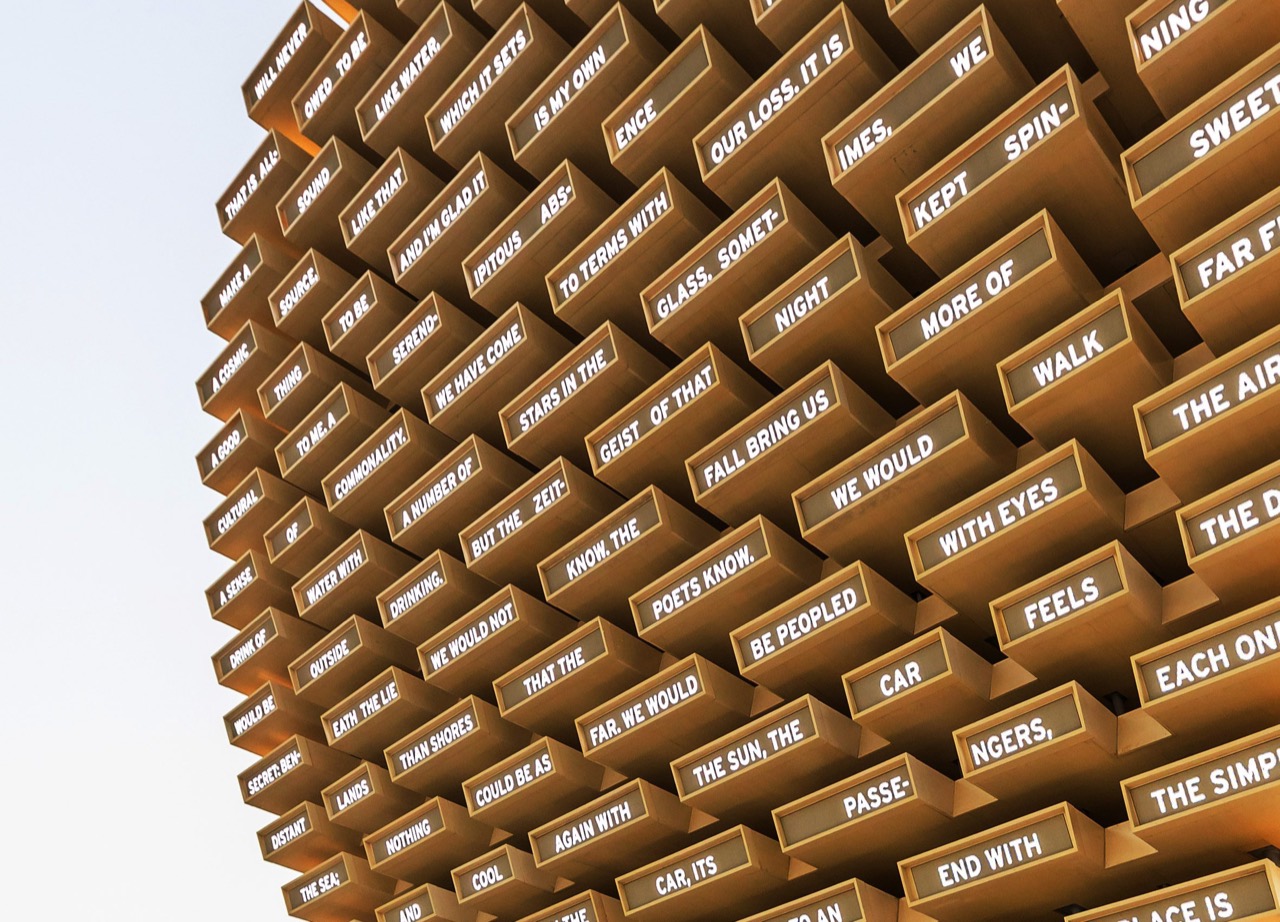
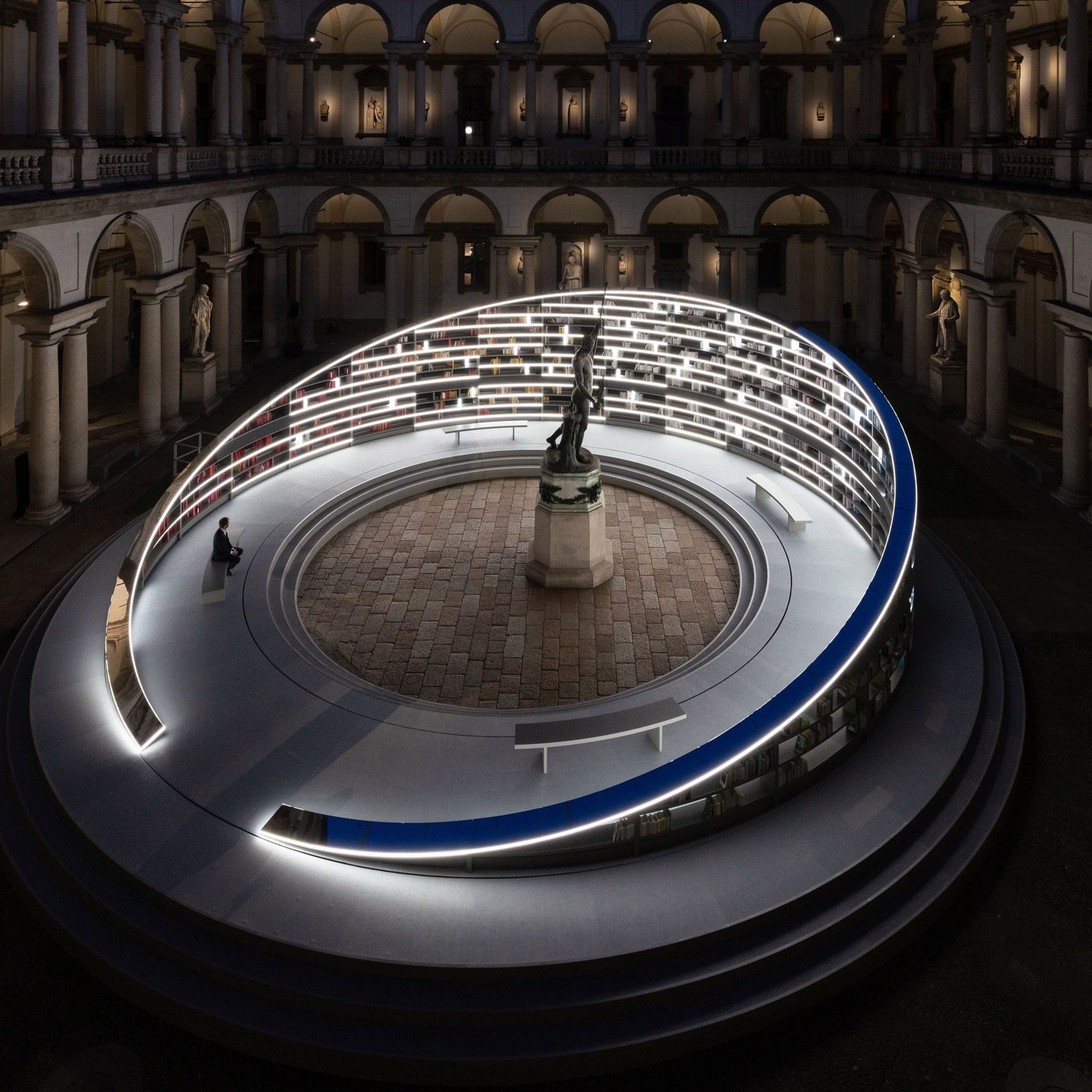
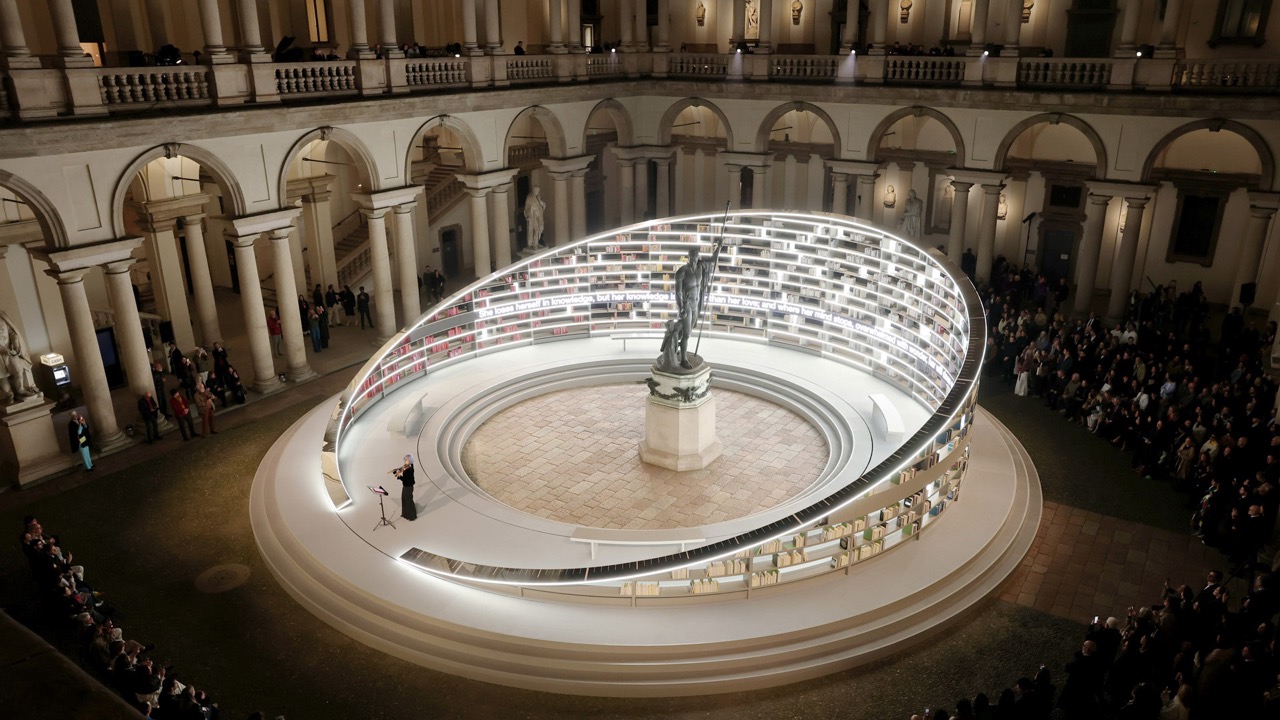
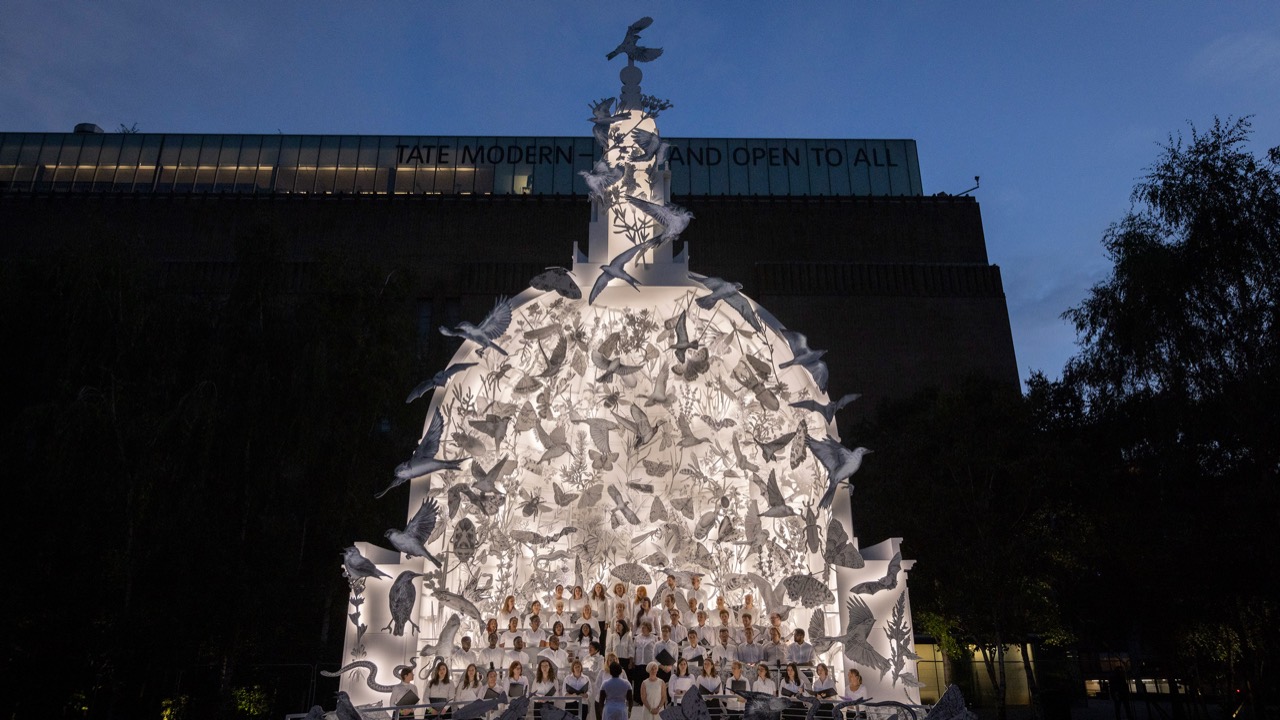
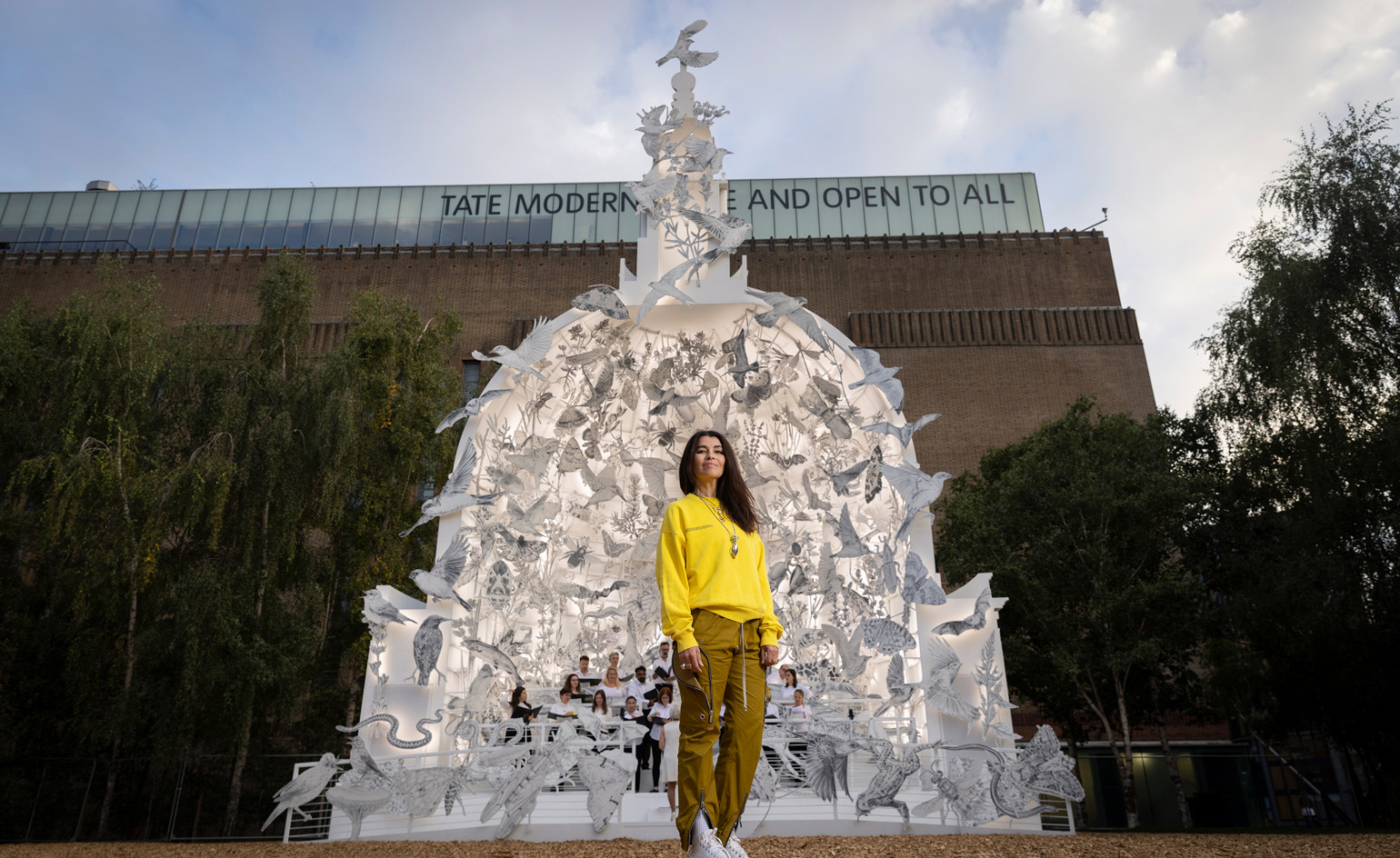
3.Which works are coming. Three form the spine. Poem Pavilion, the UK Pavilion at Expo Dubai, where collective poems written by artificial intelligence ran across a 20-metre LED facade. Come Home Again, put up in front of Tate Modern, with 243 endangered London species drawn inside a cut-out of the dome of St Paul's Cathedral. Library of Light, installed in Milan, an 18-metre rotating cylindrical bookcase holding 3,200 books. All of them are structures people walk inside.
4.Walk inside and it goes like this. Devlin's work is not a picture on a wall but a room you stand in. Light falls from above, you hear the same sound alongside strangers, and you come out standing somewhere other than where you started. Closer to passing through than to viewing. That this immersion is designed rather than accidental is what this artist is worth.
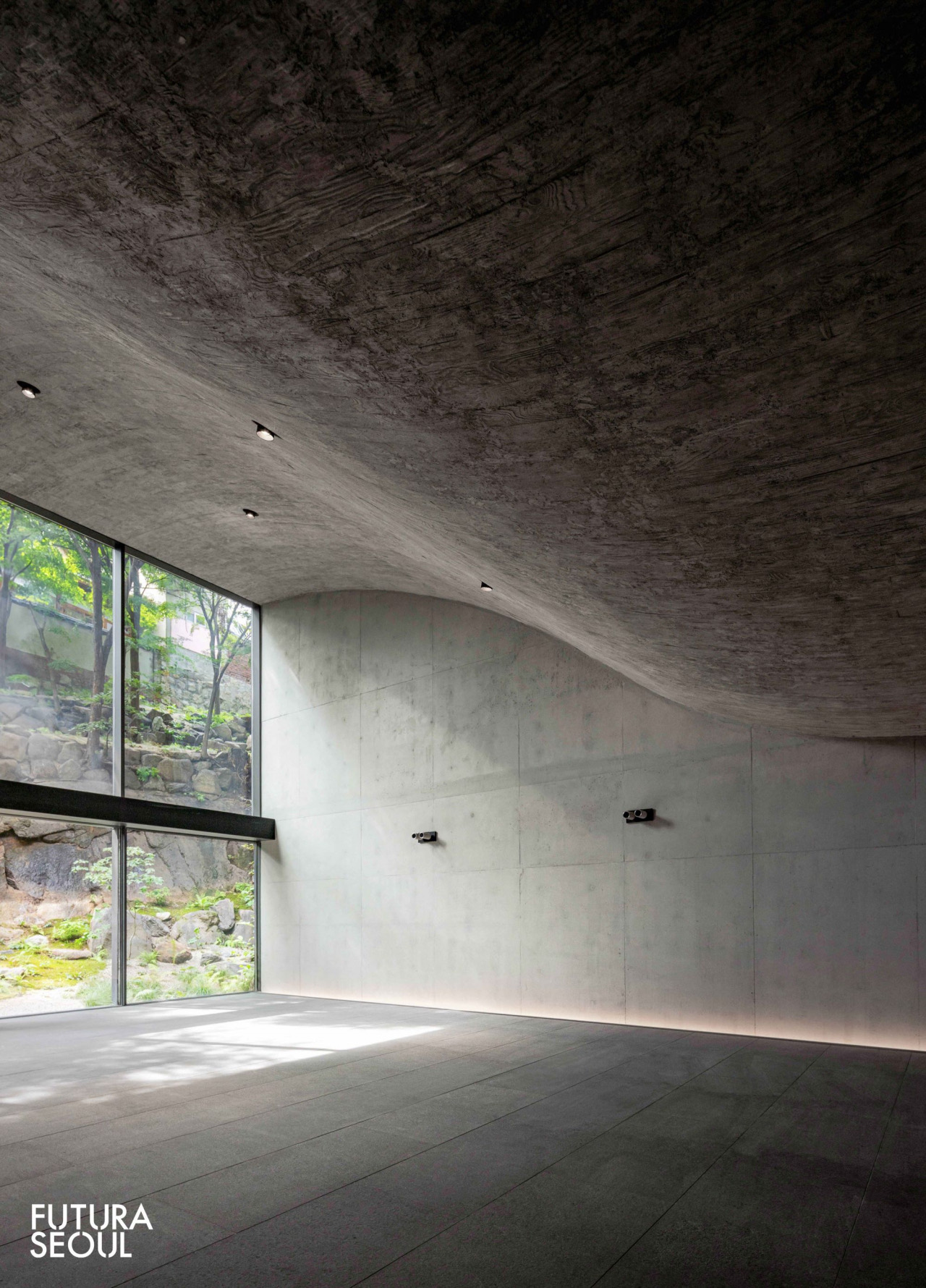
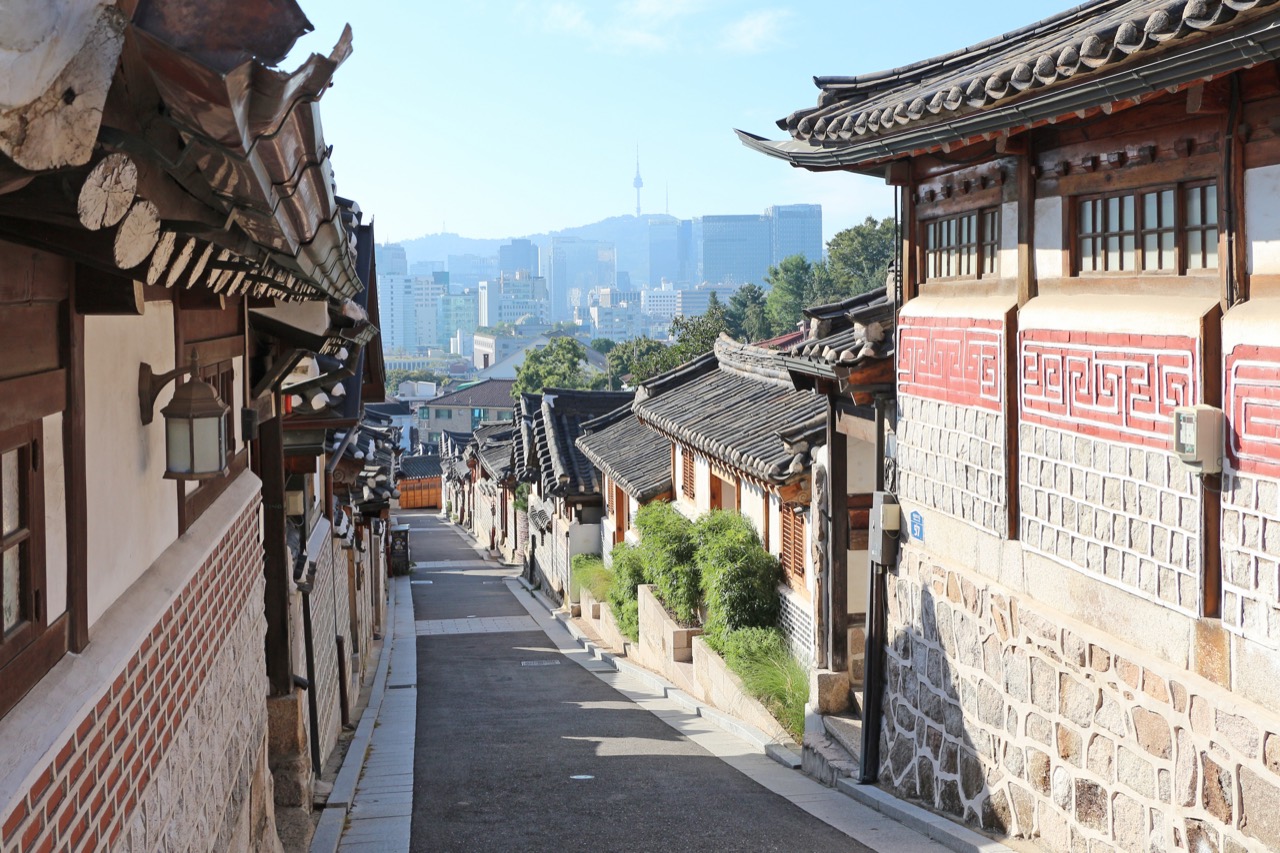
5.Futura Seoul is a cultural complex that opened in Gahoe-dong, Bukchon, in September 2024. The architect is WGNB. The building follows the grain of the hanok lanes and won the 43rd Seoul Architecture Award. It has a gallery with a 10.8-metre ceiling and was built on the premise of immersive exhibitions that use sight, sound and smell together. This show is the third in a curatorial series called 100 Poems. Refik Anadol and Anthony McCall came through before it.
6.The stage was always the supporting role. Lighting picked out the star and the set made the mood behind. What Devlin did was pull that background forward. With the star gone, the audience steps onto the stage itself. The moment the background becomes the lead, people see for the first time how precisely built a thing it always was.
7.This does not mean spectacle gets cheap. The opposite. A ticket to a Beyoncé stadium tour runs into the hundreds of thousands of won and is hard to get even then. If the language that built that stage can be walked through in a gallery for tens of thousands, this is a way of selling spectacle in parts. The concert is two hours, the exhibition five months. The same hands open the same kind of experience over far longer, at a far lower threshold.
8.A stadium tour stage is used once and broken up. Set construction costs for tours at the scale of Beyoncé and U2 are not published but are understood to run into the millions of dollars (estimate). When the tour ends most of the structure comes apart. However large the build cost, its life is one tour, so what carries the return is ticket sales and sponsorship.
9.An exhibition counts differently. A structure goes up once, stands for five months and takes tickets every day. Tickets to large immersive shows in Korea usually run in the KRW 20,000 to 30,000 range (estimate). The longer the run and the larger the audience, the longer the same build cost works. If a stage is a one-off cost, an exhibition is closer to an asset depreciating slowly.
한 번 쓰고 부수느냐, 다섯 달 세워 파느냐 · 무대와 전시의 셈법
10.Futura Seoul's own arithmetic for taking this show comes from the same place. It opened with large-scale media art by Refik Anadol and ran it on paid admission. The series name 100 Poems is itself branding. Someone who came once comes back for the next poem. A structure aimed at the turnover of a cinema rather than a museum.
11.Immersive exhibitions grew this field. Shows you photograph, shows you walk into, have changed the revenue model of museums over the past few years. Visitors do not collect works; they consume an experience and photograph it. The photograph they post calls in the next visitor. Devlin's large installations fit that circuit exactly.
한 그릇에 시를 갈아 끼운다 · 100 Poems 연작
12.The lineage makes the game clearer. She is not the first to cross from the stage into the museum. Robert Wilson moved from theatre direction into installation, and Daniel Buren took public space as his stage. The border between stage and art was always soft. Devlin simply handles the largest scale along that border.
13.She leaves almost no material behind. The stage disappears when the tour ends, and the installation comes apart when the run ends. There is no work to hold in your hand, and she commands one of the highest fees in the world regardless. What she sells is not an object but the design of a scene. What remains is photographs, memory and the next commission.
14.A stage that used to be built once and broken up now stands in a museum for five months and takes tickets every day. The hands that built Beyoncé and the Olympics have come into Bukchon and turned a two-hour concert into a five-month exhibition. The run goes from 20 August to 17 January next year, and ticket details are not yet published (enquiries 02-3676-1000). Move the same idea into a small space and what catches is turnover, not size. How many times and for how long has an experience been designed to be sold again after being built once. That is where a stage and an exhibition part ways.