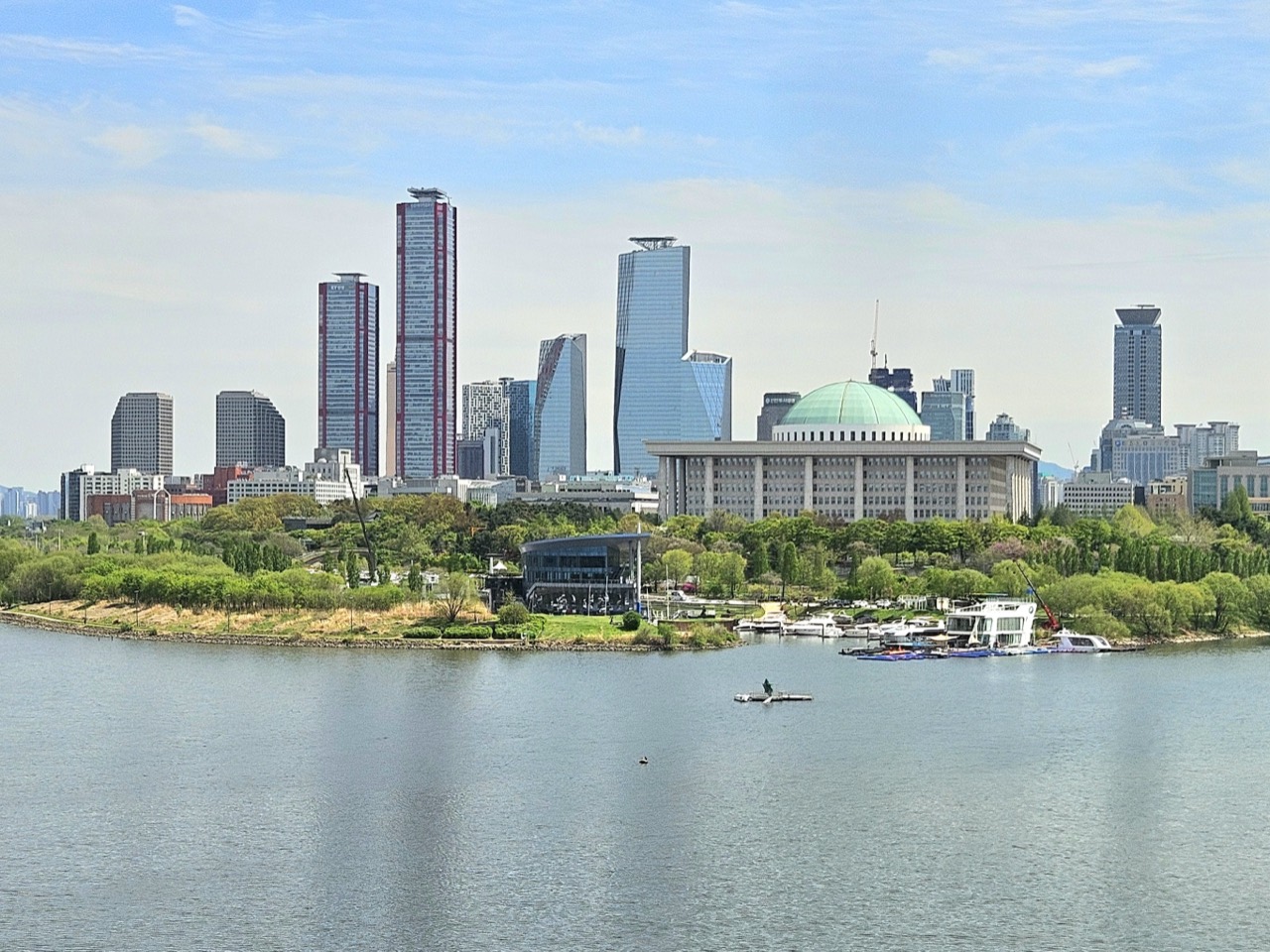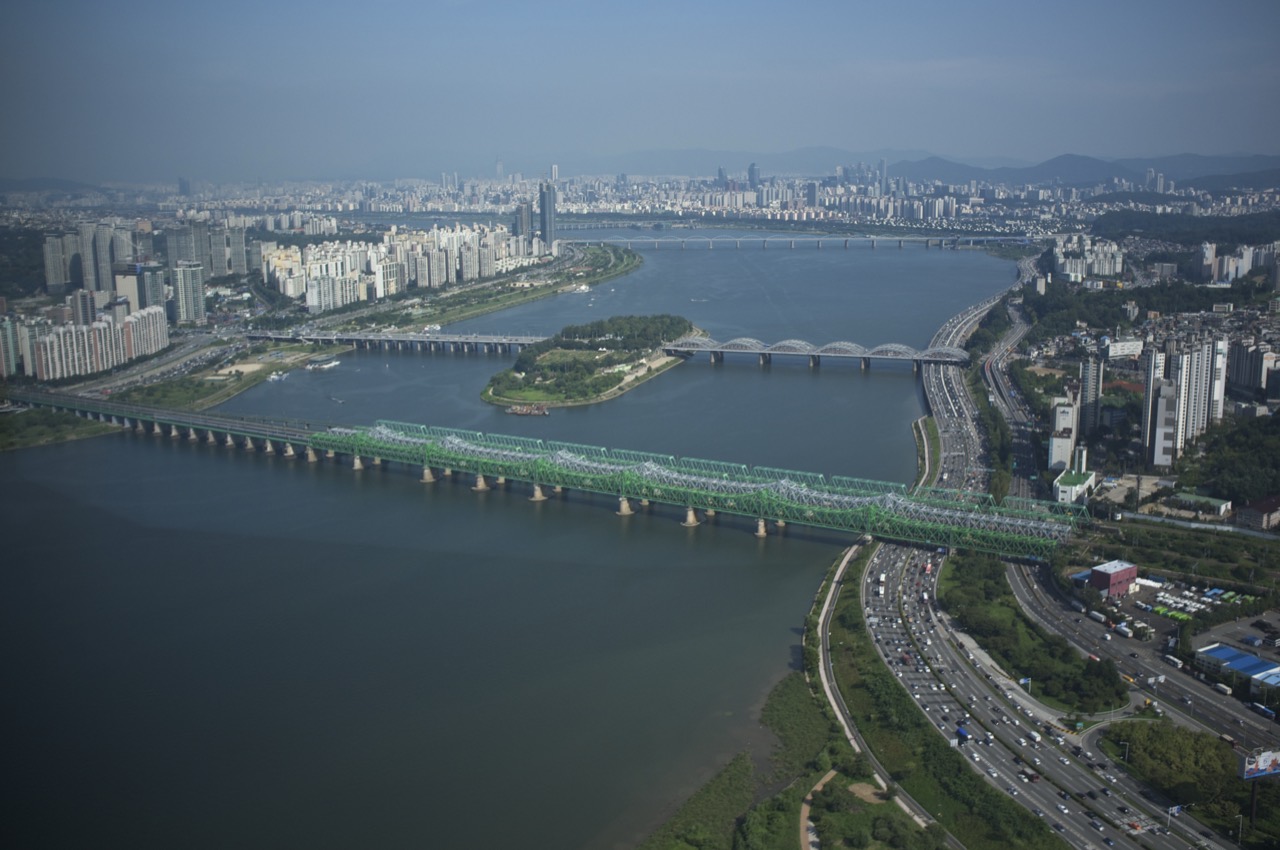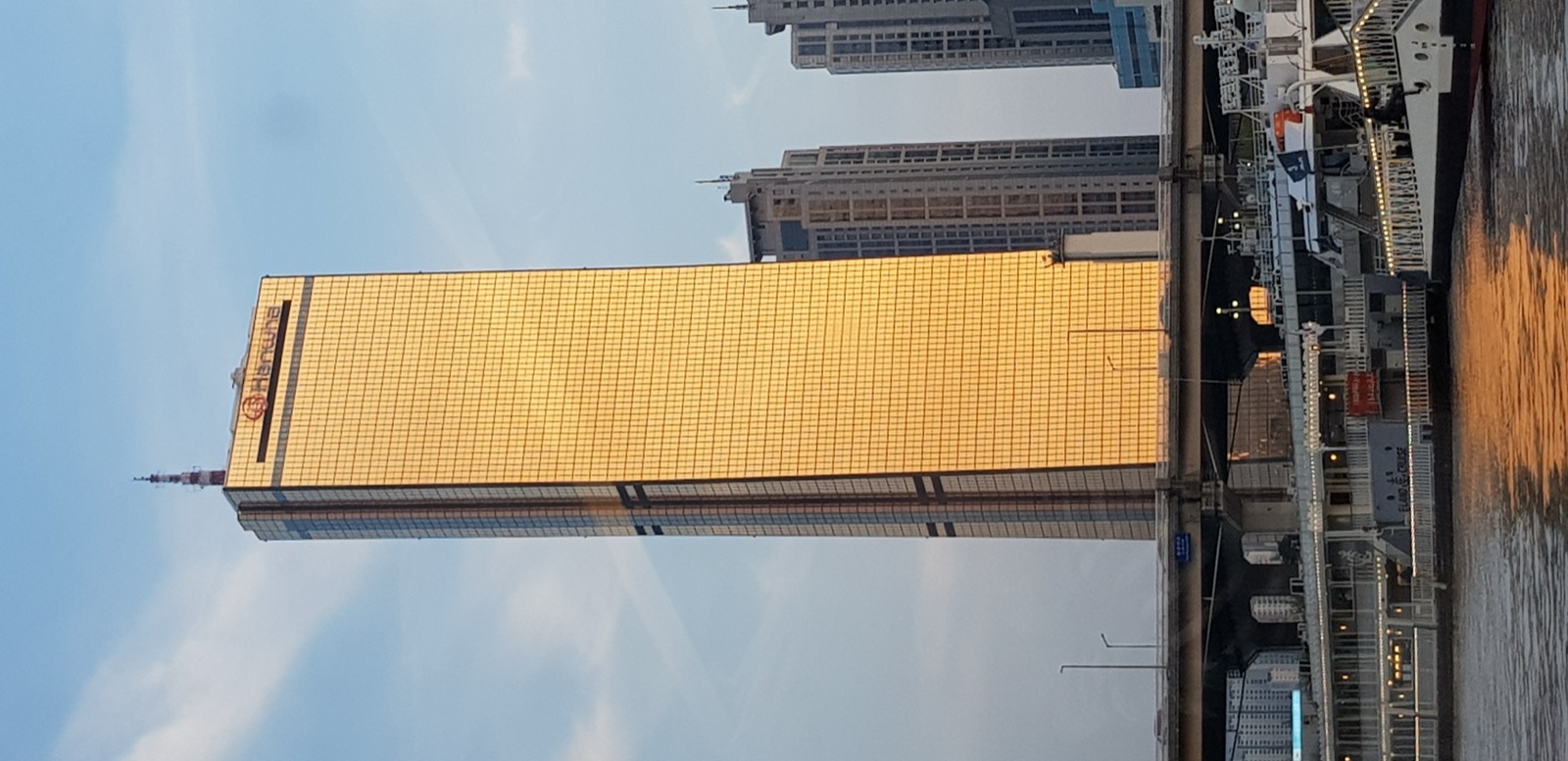
Centre Pompidou Hanwha, the Seoul branch of France's Centre Pompidou, opened on June 4, 2026. The site is the annex of the 63 Building in Yeouido, where an aquarium stood for 39 years. The license agreement between the two institutions runs four years. The opening show is The Cubists: Inventing Modern Vision, and adult admission is KRW 28,000.
1.The fish moved out. An aquarium filled the lower floors of the 63 Building annex for 39 years. It opened in 1985 as 63 Sea World, was renamed Aqua Planet 63 in 2016, and closed on June 30, 2024. What moved into that empty space is a museum from Paris. Paintings now fill the place where dark tanks stood.
2.Four floors above ground, with total floor area past 10,000㎡. Two galleries with 7m ceilings sit inside on two levels, each running around 1,500㎡. Large enough to swallow a whole gallery from a decent mid-sized museum. The operator says it will mount two or three special exhibitions a year after opening.
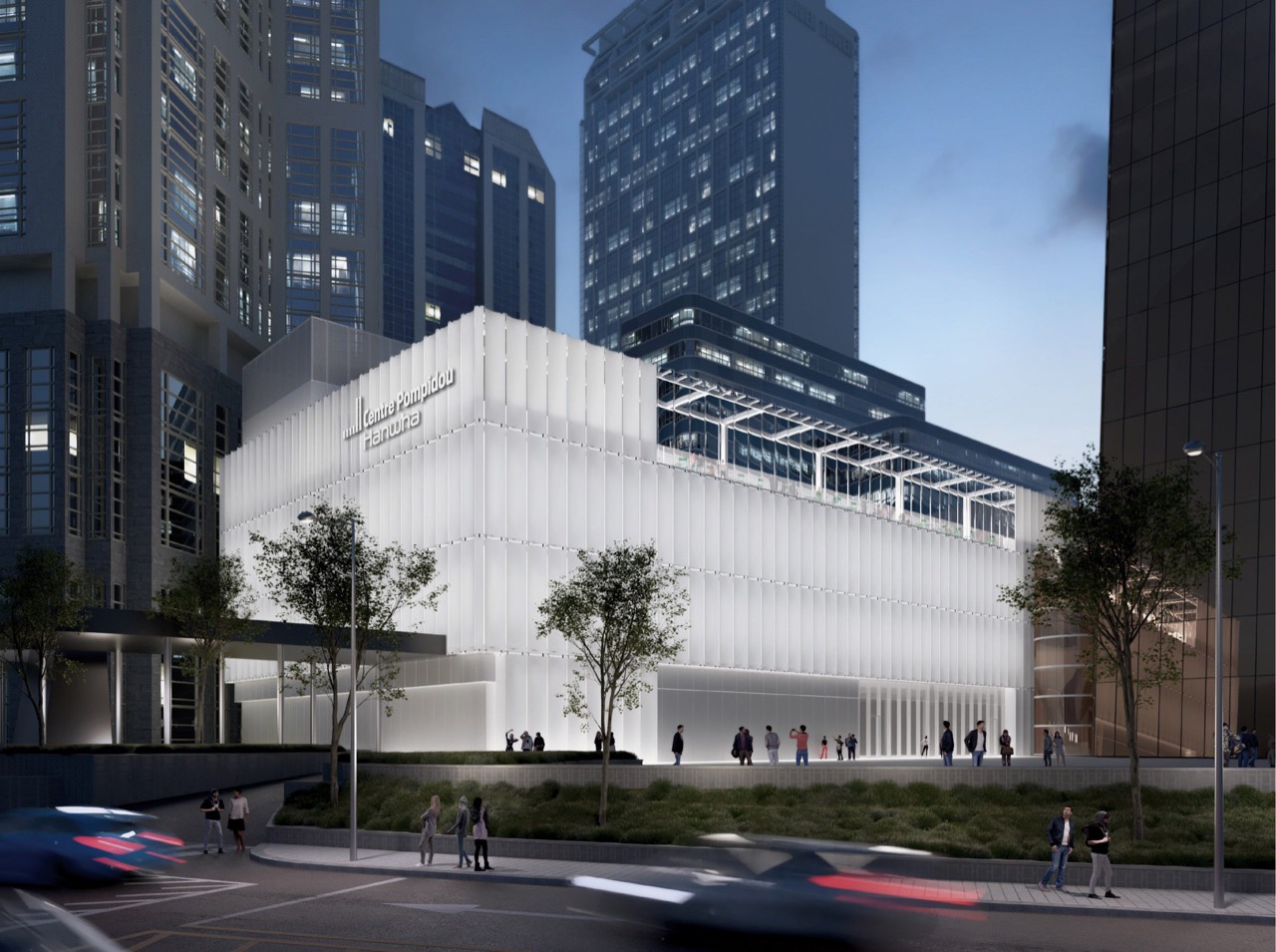
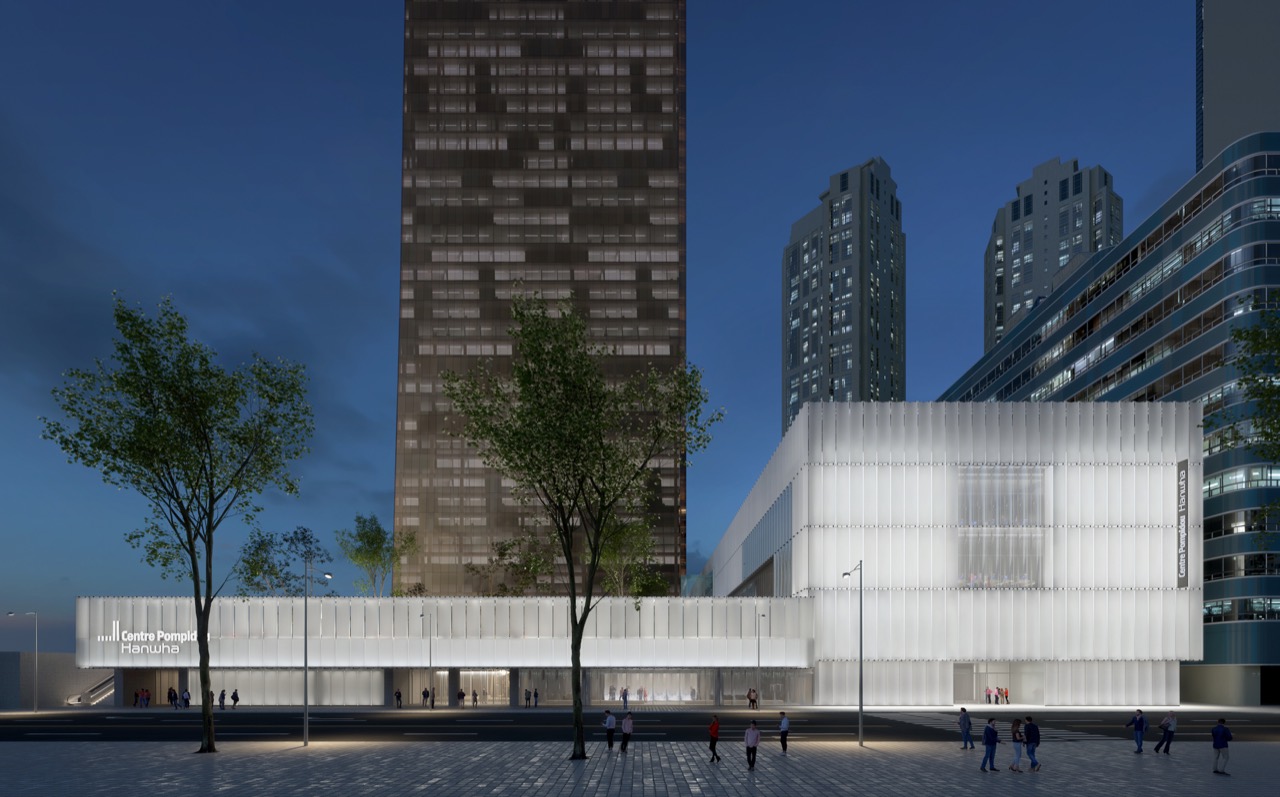
3.Jean-Michel Wilmotte took the design. A French architect whose work runs through the Louvre renovation, the Elysee Palace and Incheon International Airport. The name he gave the 63 Building annex is a box of light. A building that blocked its windows to hold water was turned into one that lets light in.
4.That skin works differently by day and by night. In daylight, outside light passes the glass and reaches deep into the building, and at night the light inside leaks out into the city instead. The grain on the glass surface was taken from the curve of hanok roof tiles, the design office explains. The exact opposite of a space that sealed its windows and filled with water.
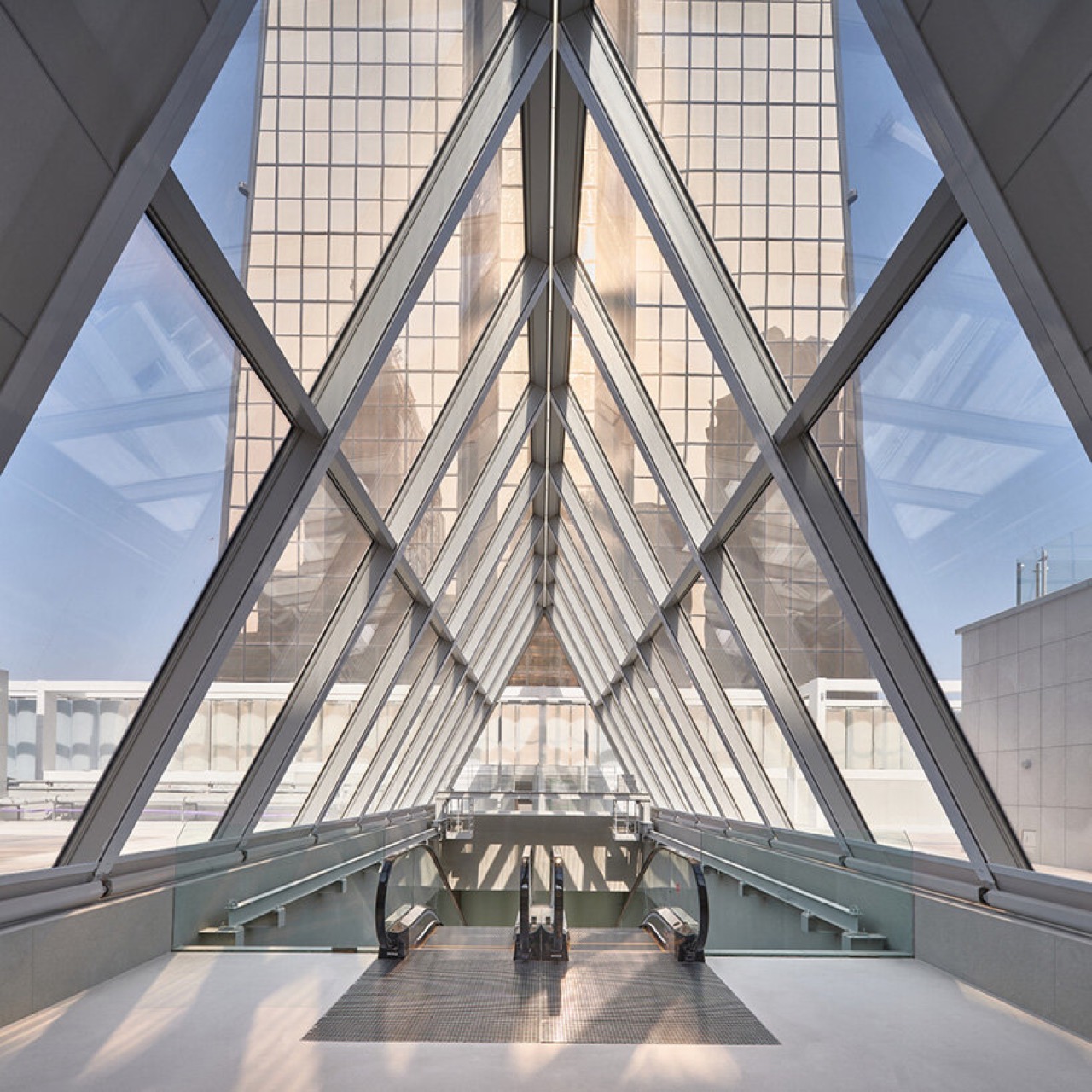
5.Turning an aquarium into a museum does not end with a new skin. High-ceilinged space built to hold water suits large paintings and installation work rather well. The problem sits below that. Returning a structure framed to bear damp and load into climate-controlled exhibition conditions is the work laid under the glass. The real cost of this conversion is not the glass you see but the services you do not.
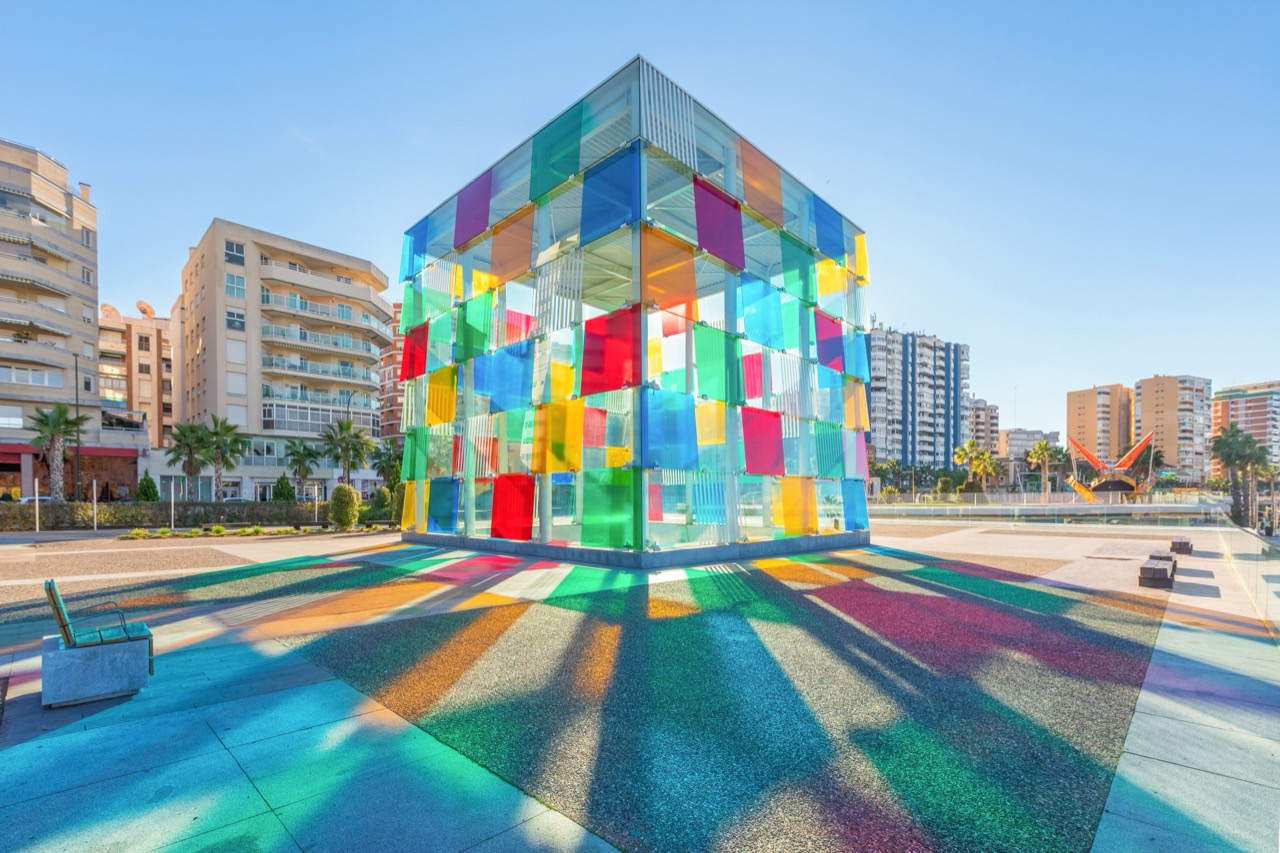
6.Now look at where the money moves. Pompidou sells a museum brand. It has opened branches in Malaga in Spain, Shanghai in China, Brussels in Belgium and Jersey City in the United States, and Seoul is next. It lends its collection and its name and takes payment in return.
이름을 빌려주는 미술관 · 퐁피두 해외 분관
7.The numbers give the scale. Malaga pays Pompidou 2.7 million euros a year from the city, about 4 billion won. From 2030 that rises to 3.1 million. Brussels, Shanghai and Jersey City together have brought Paris 16 million euros. What Hanwha paid is not public, but it is unlikely to sit far off this benchmark.
브랜드 임대료 · 퐁피두가 분관에서 받는 돈
8.Why Paris is selling the brand now is where this turns over. The Paris building closes for five years from 2025 for a full renovation. The Cour des Comptes, the French national audit office, has warned that the work faces cost overrun and funding shortfall. For the five years the main building is shut the collection needs somewhere to go, and the renovation needs money. Overseas branches solve both at once.
9.Hanwha's arithmetic runs differently. The 63 Building annex, with a 39-year-old aquarium gone, was a large vacancy. A landmark of the Yeouido financial district carrying empty space at its base. Fill that space with a global museum brand and the whole building rises in standing and people come back. Asset value is on the table before ticket revenue.
10.Admission makes that arithmetic clearer. At KRW 28,000 for an adult, the opening show sits among the most expensive in Korea. Youth and seniors pay 19,600, children 16,800. However many of those tickets sell, admission alone will not cover the running cost and license fee of a 10,000㎡ museum. The ticket is not the purpose of this business but its threshold.
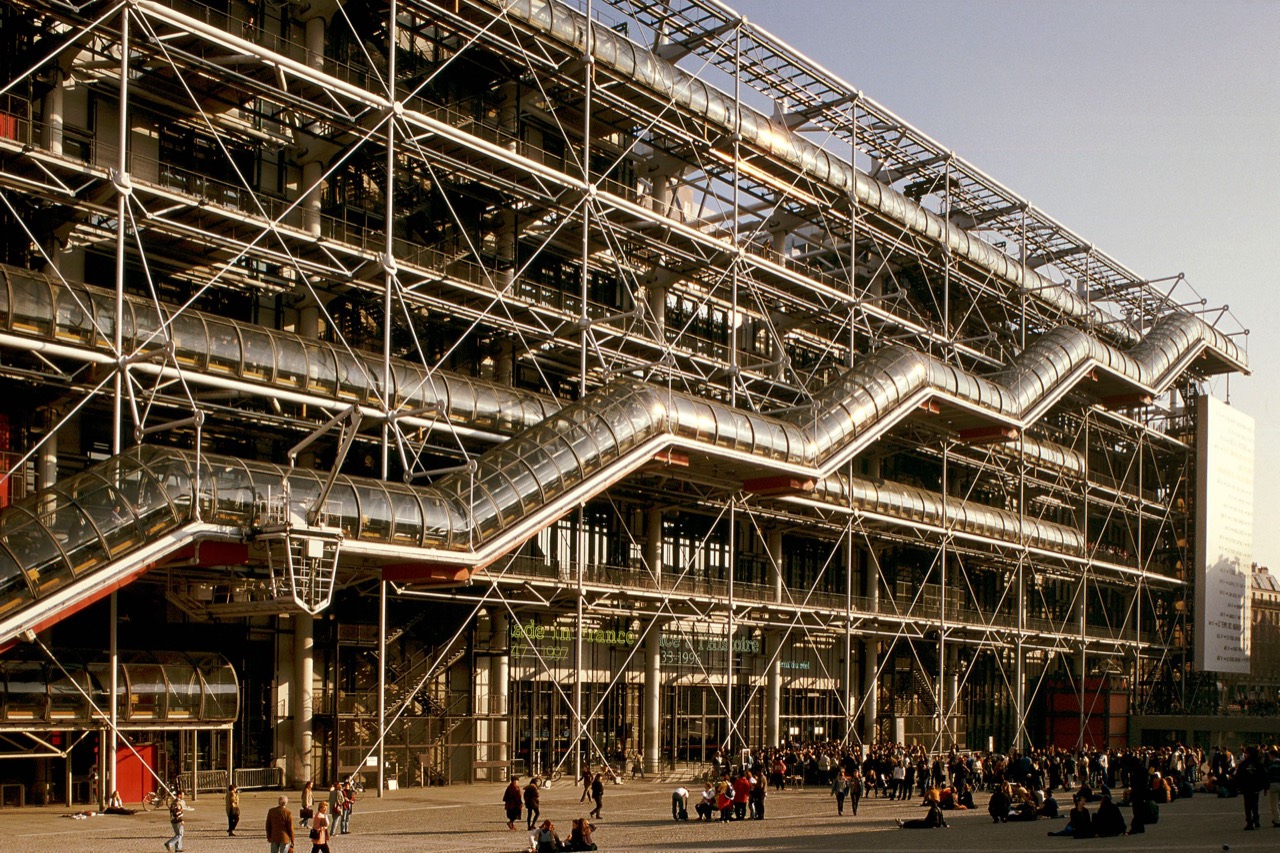
11.So why Yeouido of all places. Museums usually stand along a tourist route or beside housing. Yeouido is a financial district packed with securities firms and banks. Putting a museum in a neighborhood that empties after work hours aims at this building and this trade area, not at tourists. It is an attempt to turn the 63 Building back from somewhere people pass into somewhere people go.
12.The grammar itself is not new. After Bilbao, an aging Spanish port city, came back to life on one Guggenheim, cultural facilities became anchors for real estate. The museum draws people, the people warm the trade area, the trade area lifts the value of the building. Hanwha wants to run that formula inside its own landmark.
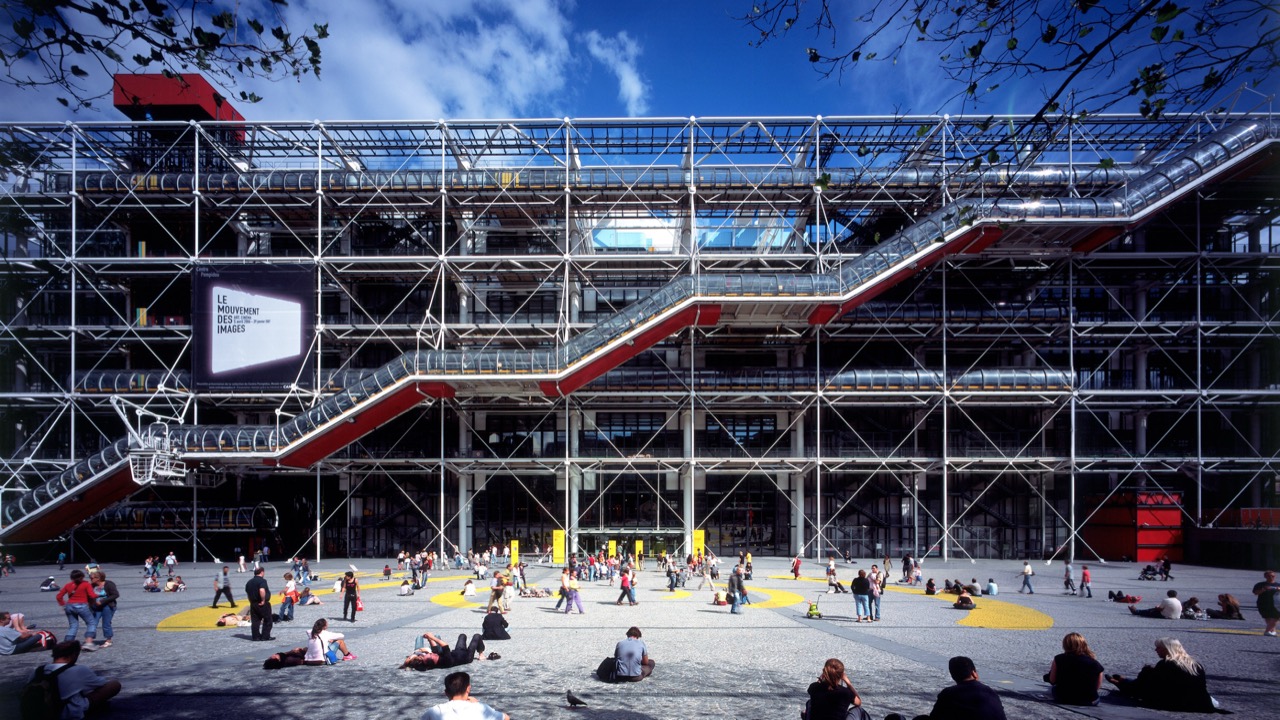
13.Trace it back and Pompidou is the original of that formula. The main building that opened in Paris in 1977 is known for pulling every pipe and escalator outside. Renzo Piano and Richard Rogers designed it, and the exposed innards became the city's landmark instead. An early case of a museum changing a city with one building.
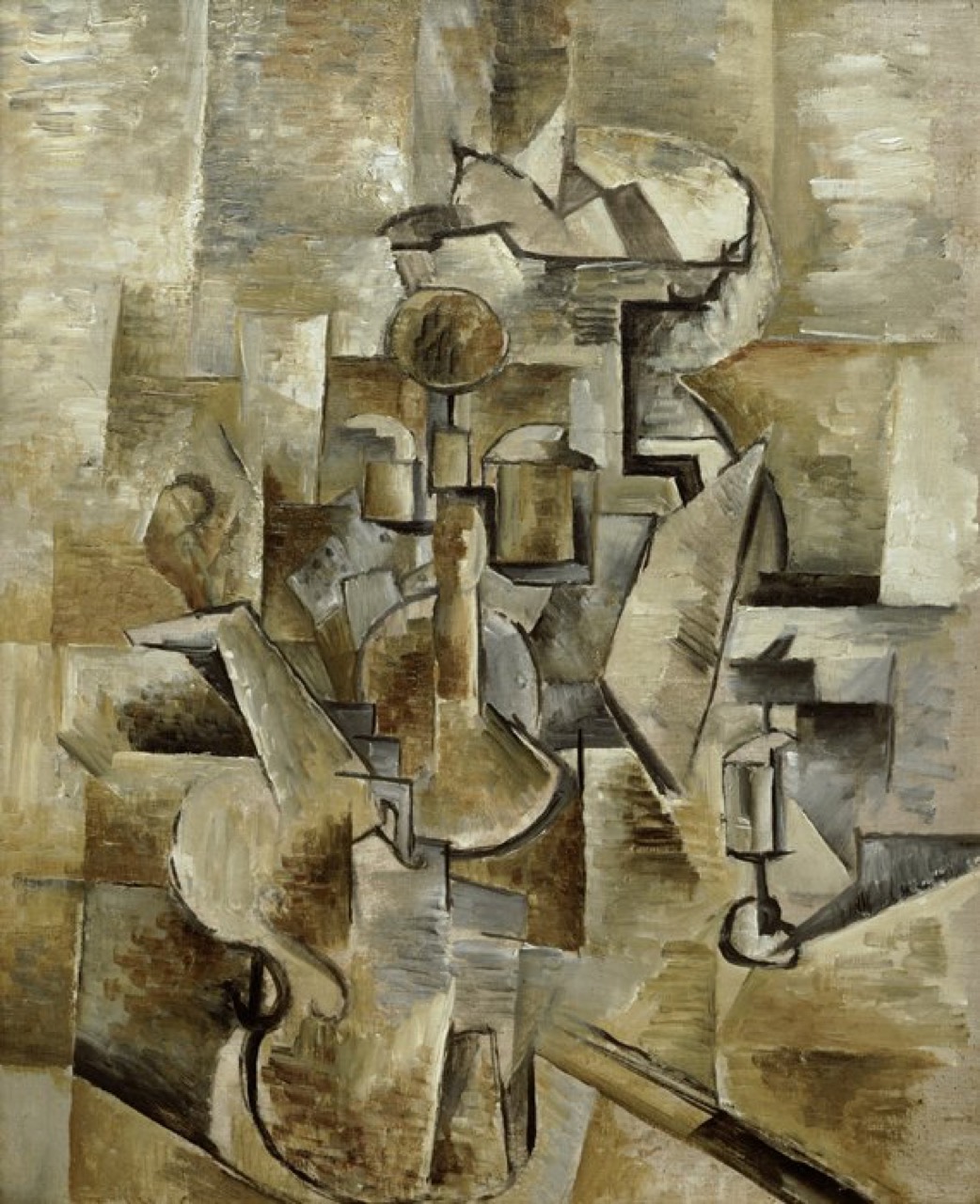
14.That original now lends its name and takes payment. A museum that sold a break with convention by putting its pipes outside earns, fifty years on, by lending its collection and brand to the world. For the five years the main building stays shut, Pompidou's paintings circle Malaga, Shanghai and Seoul. Hanwha bought one stop on that circuit and put it in Yeouido.
15.Into a 63 Building annex where fish lived for 39 years, paintings from a shuttered Paris building have moved in on a four-year lease. Going by Malaga, brand rental like this runs into the billions of won a year. Move the same idea into a small building and it breaks at the back end, not at the content. Filling a vacancy with a borrowed brand makes for easy buzz on the day, but without an asset structure that can carry the brand's running cost from outside ticket revenue, the vacancy returns the day the lease ends.