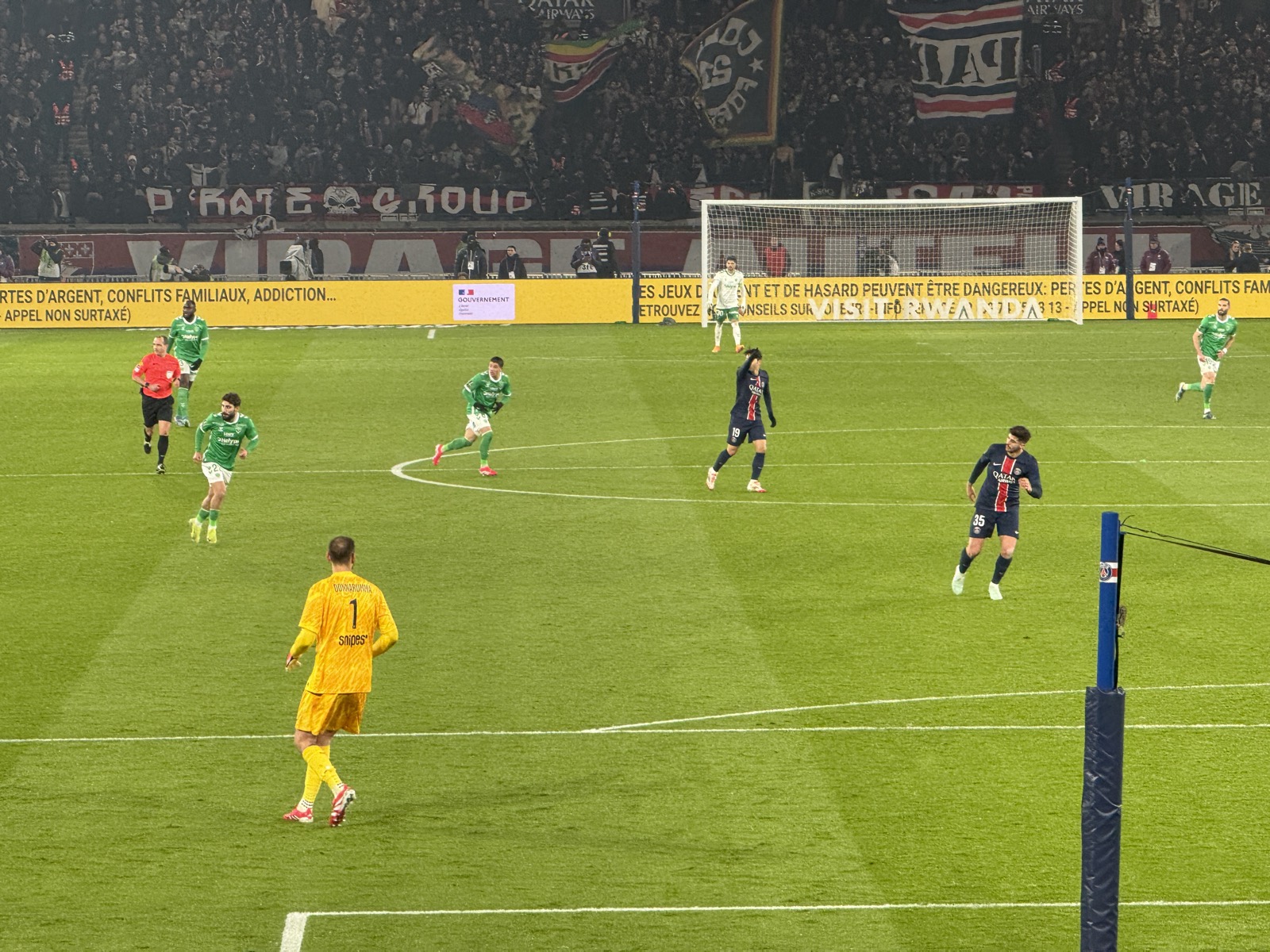
The Spanish football club Atletico de Madrid runs a four-day fan hub called Casa Atleti Seoul in Seongsu from August 6 to 9. It has been less than two weeks since it brought Lee Kang-in over from Paris Saint-Germain. A club museum, a shirt store, a game zone and a fried chicken and beer corner all packed into one building. And nobody sells a ticket at the door.
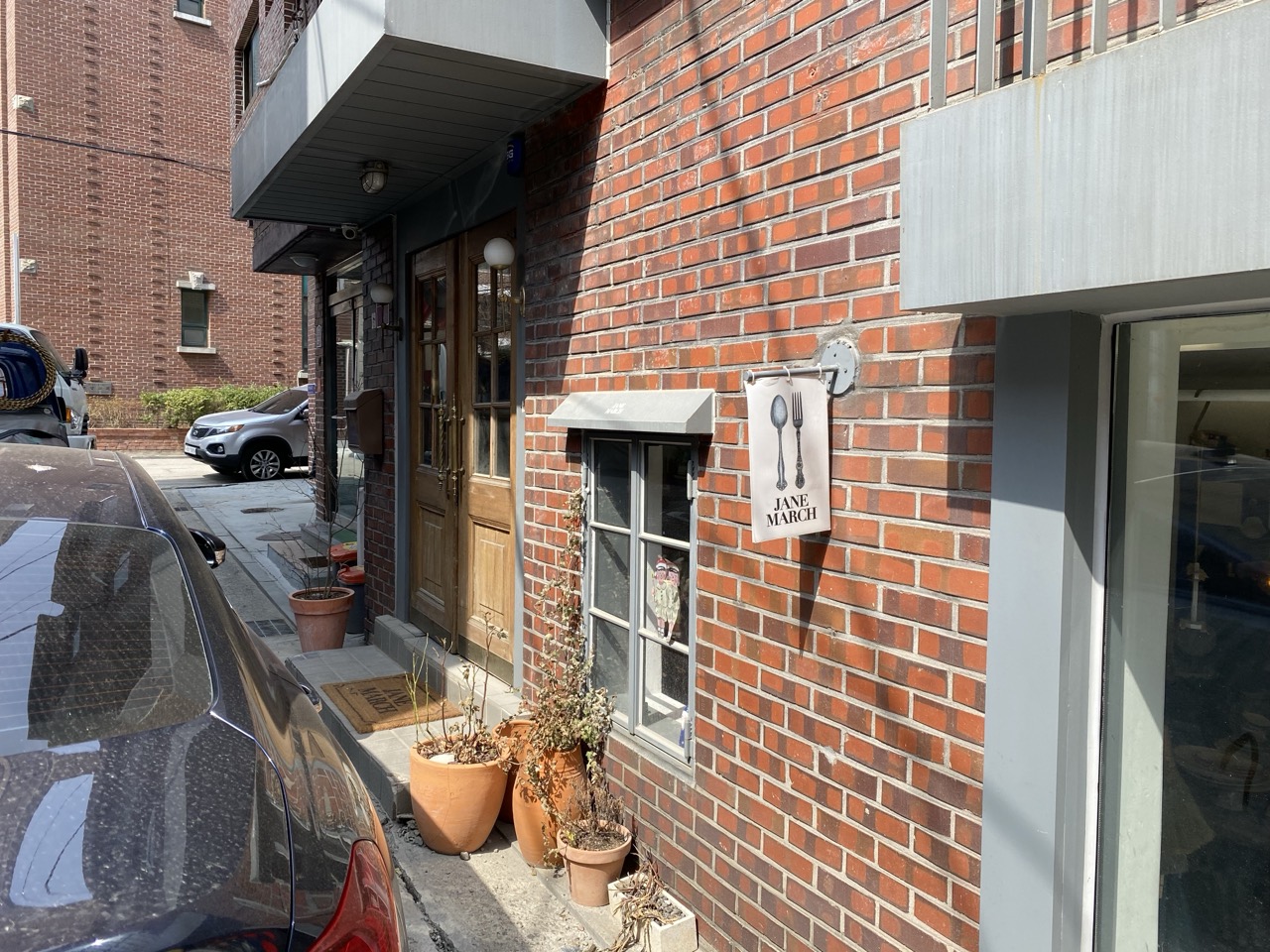
1.Start with the name. Casa is Spanish for house. It means putting up a temporary Atletico house in Seongsu for four days. Doors open August 6 and close on the 9th, around Seongsu station. In the middle of the European summer break, they did not come to sell shirts. They moved a whole club over.
2.The timing is no accident. Atletico announced the Lee Kang-in signing on July 25. Barely ten days later they put up a fan hub in Seoul. The club turned the signing of one Korean player straight into a door into the Korean market. A sign hung before the ink on the contract had dried.
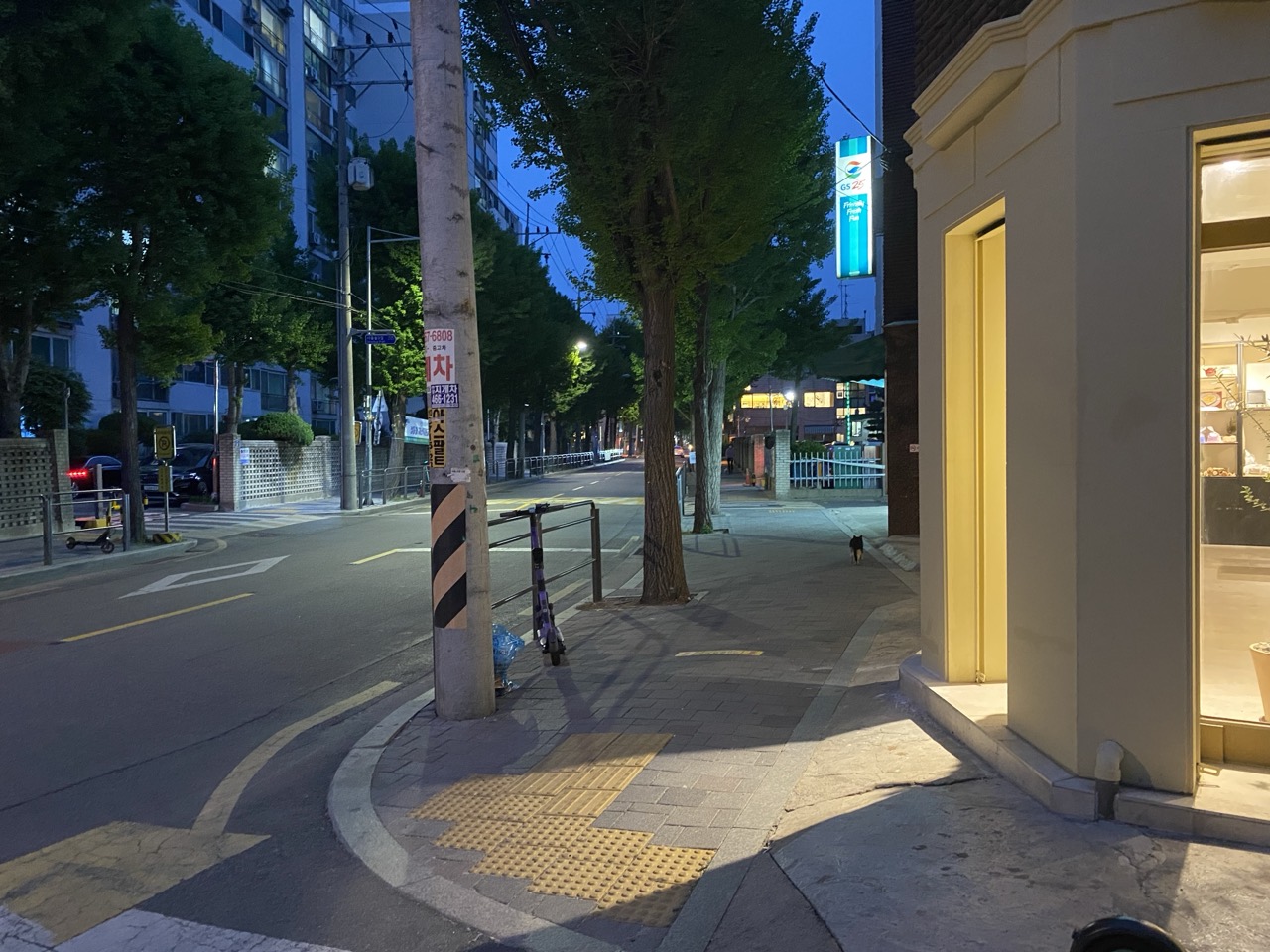
3.Open it up and it looks less like a football ground than a department store. Club memorabilia hangs in a museum, meet and greets are booked with players and club legends, an EA SPORTS FC 26 game zone is laid out. Shirts are redesigned and sold with the Korean brand Over The Pitch, and the artist Choi Sung-wook draws live on site. A live DJ plays, and off to one side sits a chimaek corner serving fried chicken and beer. Football is the background music to all of it.
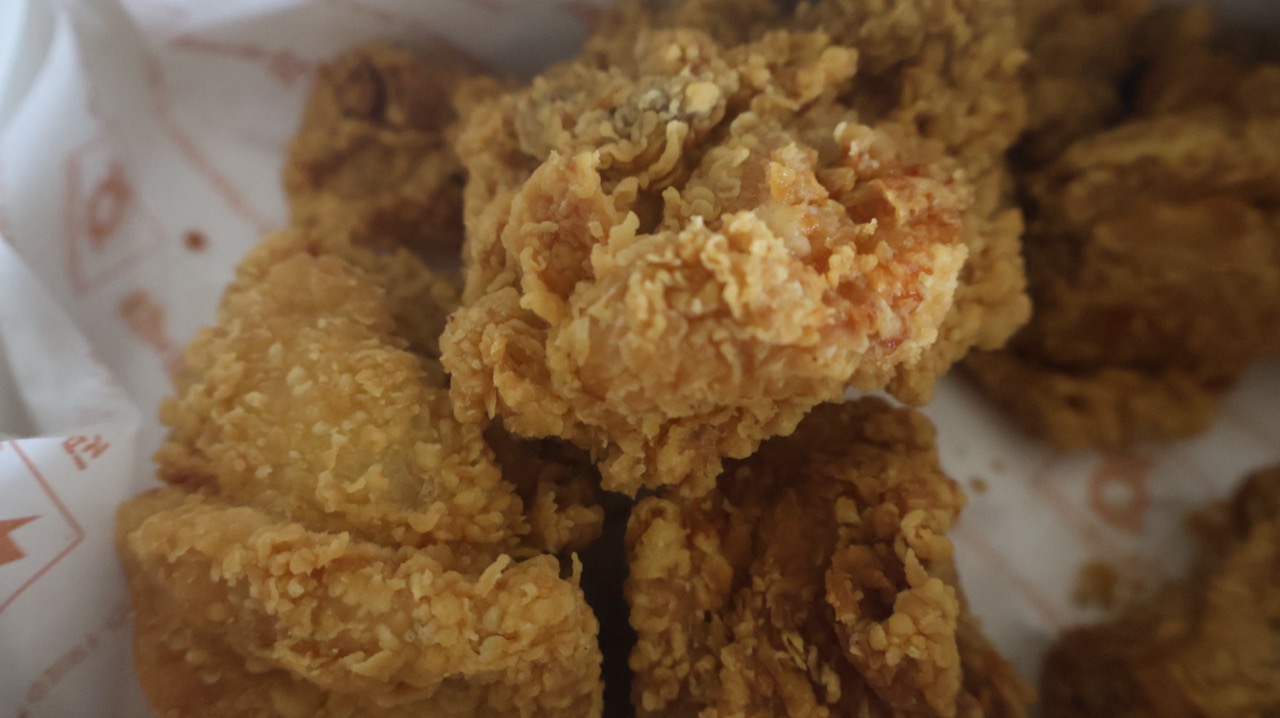
4.Red and white. Atletico's vertical stripes tie walls, merchandise and shirts into a single color. A fan stepping into this house is held entirely inside the color of the team they support. Outside is a Seongsu brick alley, and one door across it becomes the color of a Madrid club. That difference in temperature makes dwell time, and dwell time opens wallets. The design of the fan activation trade sits here.
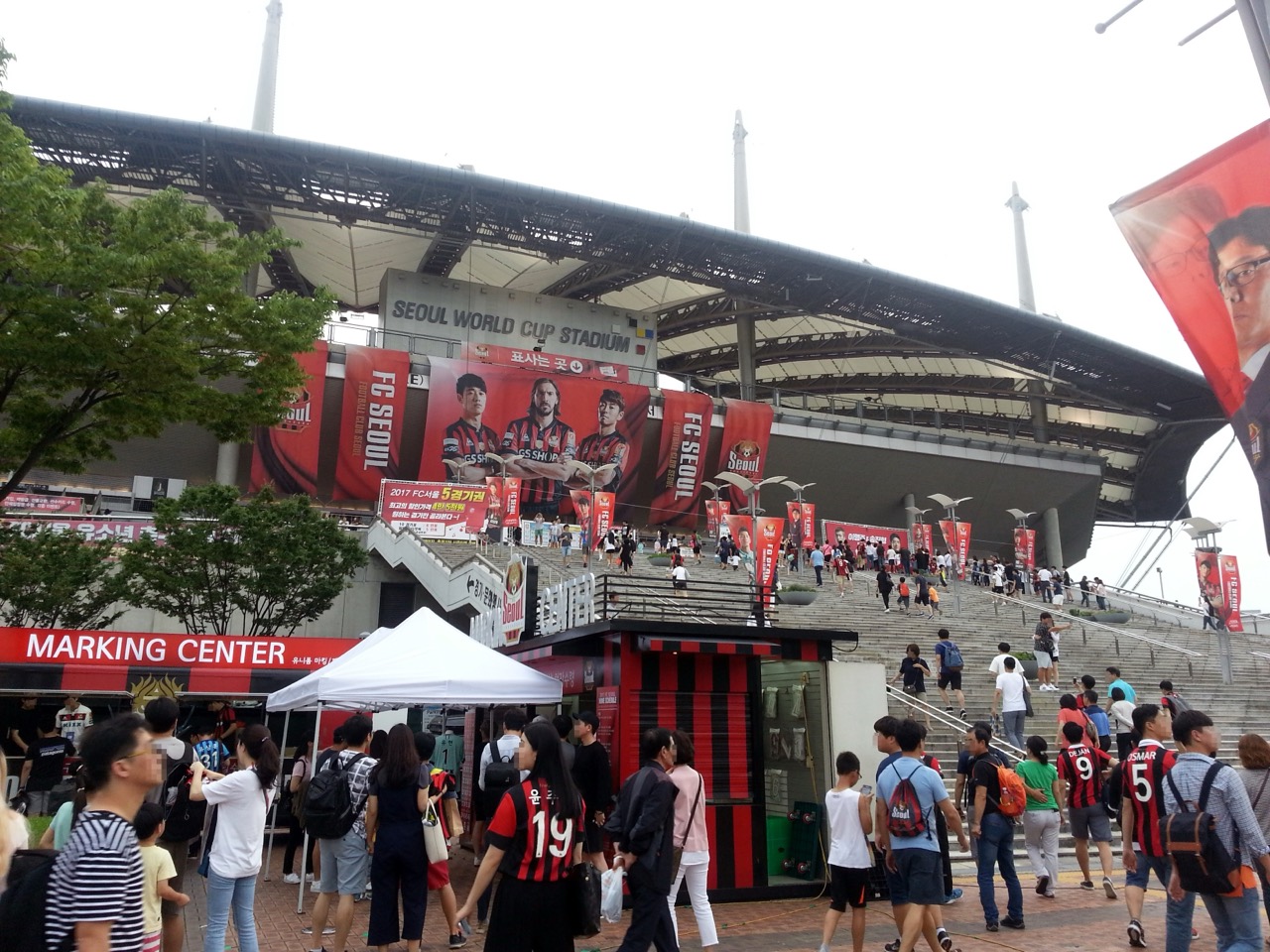
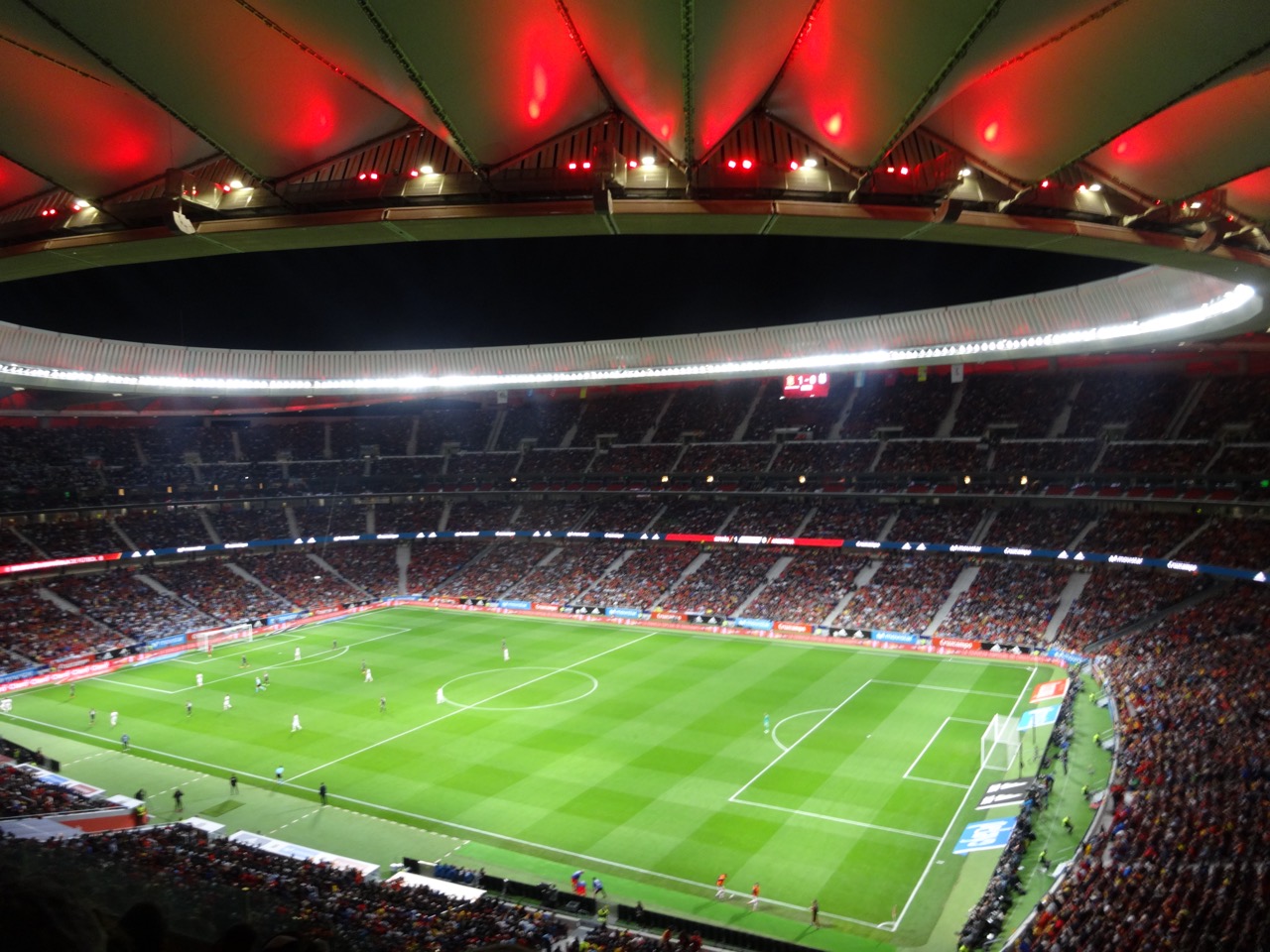
5.The real stage of these four days is not Seongsu but Sangam. On August 9, Atletico face Manchester City at Seoul World Cup Stadium. A pre-season match hosted by Coupang Play, a return fixture after three years. The club's visit was built around this one match, and the Seongsu fan hub is the device for staying next to fans across the four days around it.
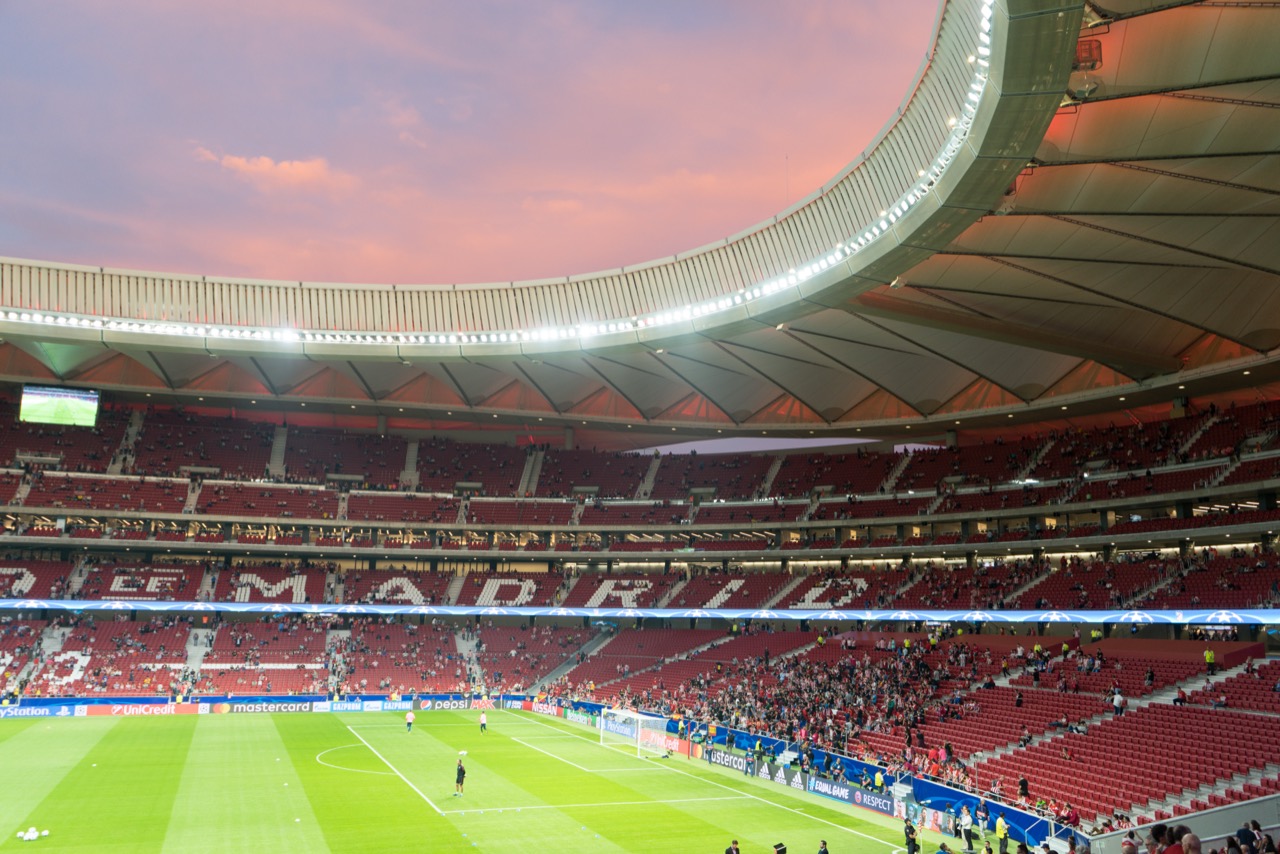
6.So why does this work. For most Asian fans, a big European club exists only on a screen. Matches kick off before dawn and the ground is ten hours away by plane. Far more fans will never set foot in Madrid. To those fans, the club walks over itself and builds a house for four days. It moves a place they cannot reach here for a moment. The feeling of belonging feeds on that distance.
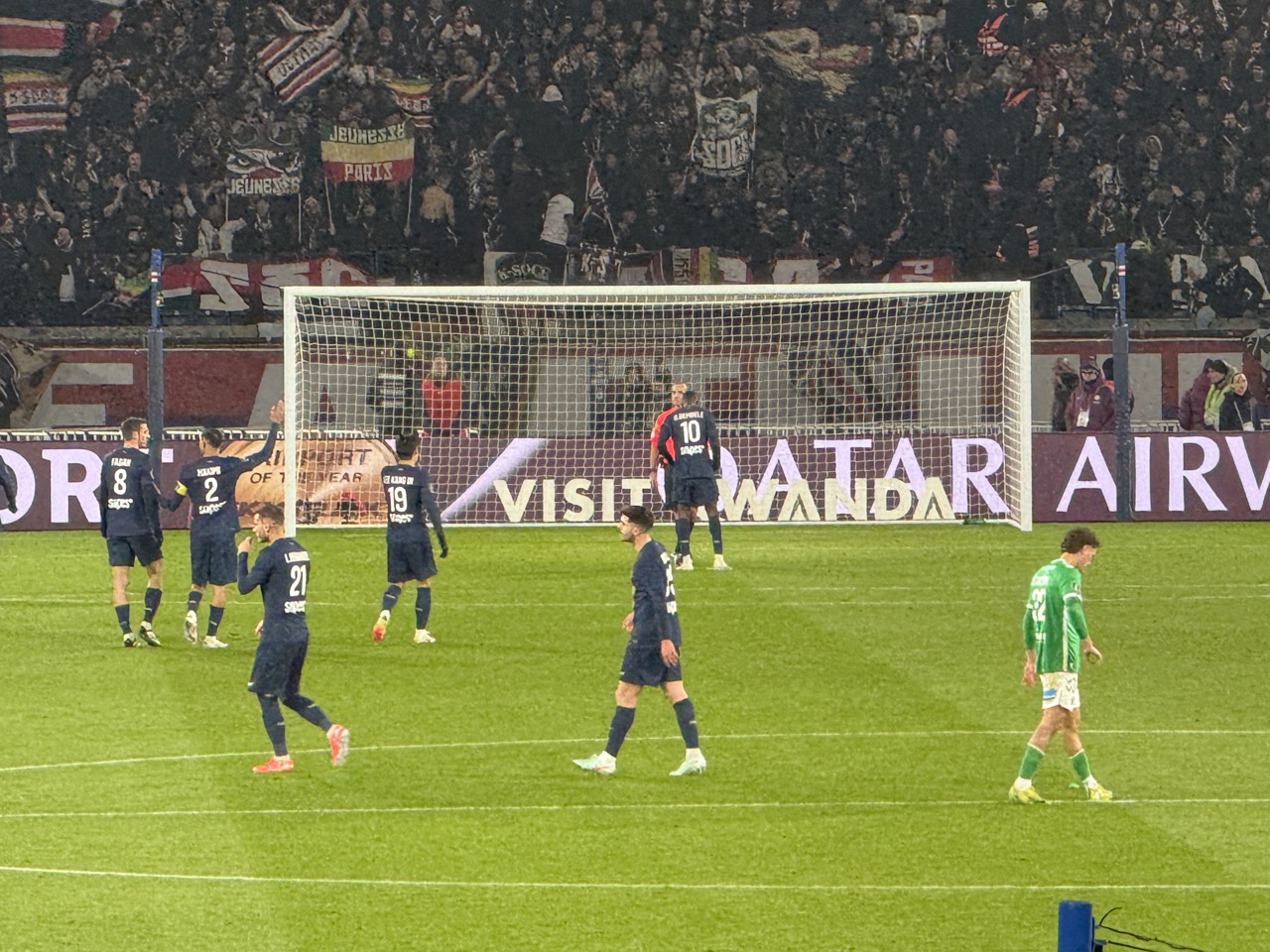
7.The name Lee Kang-in puts a lever under that belonging. Atletico, someone else's club, becomes a candidate for my team the moment our player runs out in it. Once you can put a player from your own country on the back of a shirt, the threshold into a fandom drops sharply. What the club put up in Seongsu is not a store but the place where that switch happens.
8.Now look at where the money moves. Charging nothing at the door is the point. Throw the doors open, get as many people inside as possible, then sell to them in there. Fan activation is not a model that earns on admission. It recovers through merchandise, membership and a list of visitors. A free door is not a cost but bait.
입장료 0원 · 그럼 어디서 회수하나
9.The best seller is the shirt. An authentic home shirt from a big European club usually runs around 150,000 won, with a player name and number on the back adding about 30,000 more, an estimate. Reports already came out that sales of his Atletico shirt jumped right after the Lee Kang-in signing was announced. The Seongsu shirt store is the till where that demand lands in physical form. The moment there is a name to put on the back, a shirt turns from a match-watching tool into something to keep.
10.If a shirt is one-off, membership repeats. The club uses this venue to push sign-ups to Red & White, its paid international membership. Members get priority booking, player appearances and members-only events. Unlike a shirt sold once, membership is a subscription with a fee turning every year. The club says it launched its first official Asian fan club in Korea with 45 members. The hidden aim of a four-day pop-up is planting that seed.
11.Tickets for the Manchester City match come out of the same wallet. Seats for this fixture started in the 30,000 won range historically, with premium seats passing 300,000. The four-day fan hub, one match ticket, shirts and membership all overlap within the same visit. The club laid out every line a single fan could spend on across those four days.
한 팬이 나흘 안에 지출하는 항목 · 방한 기간 겹침
12.The line behind this method is long. Manchester United, Barcelona and Real Madrid have run pre-season tours through Asia every summer for more than 20 years, selling shirts and fans. A football club is a sports organization and at the same time a media and retail company. Matches make content, content gathers fans, fans get sold goods. Atletico is closer to a latecomer in this market.
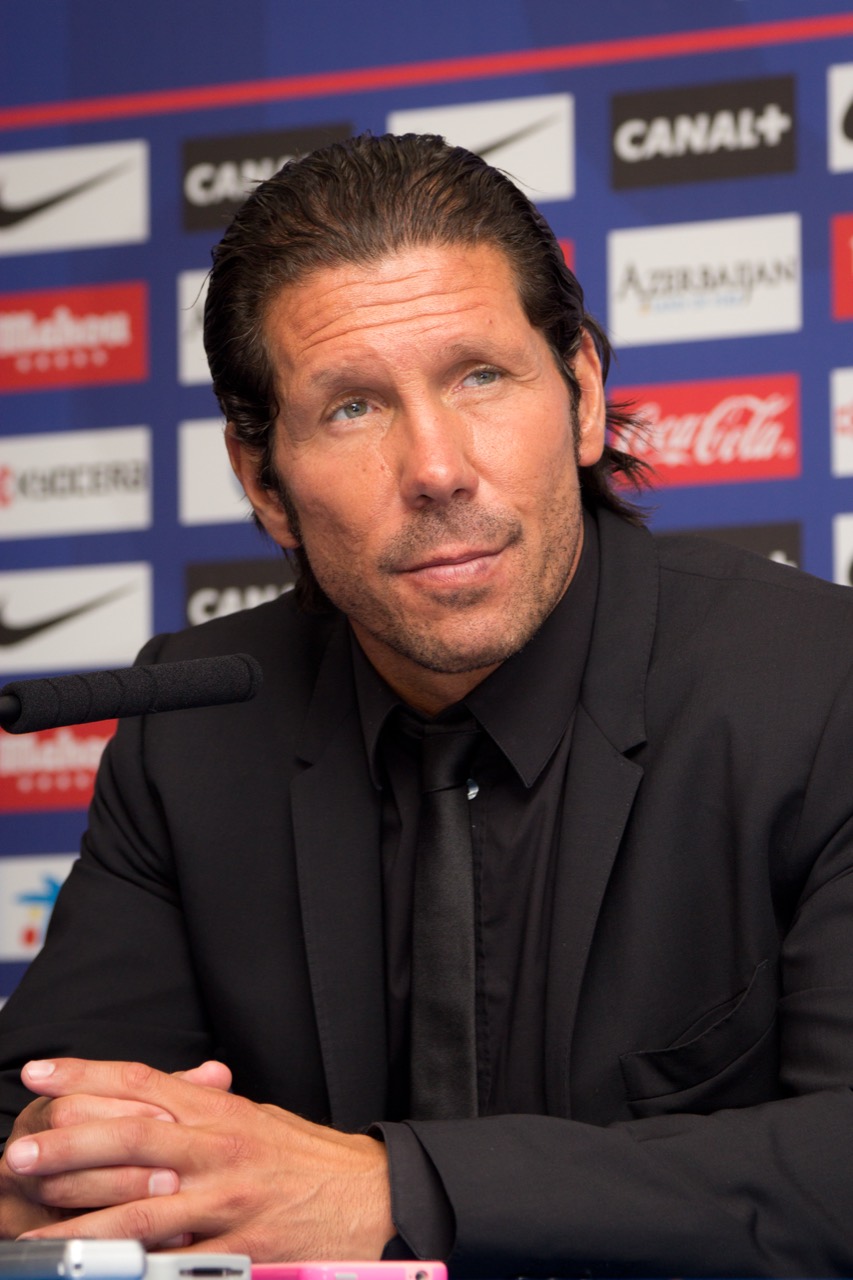
13.The latecomer found a shortcut. What others built over 20 years as an Asian fan base, Atletico is trying to pull across at once through one local star. And what the club really takes from these four days is not shirt revenue but the list of people who walked through the door. The fan who came in free today is tomorrow's member and shirt buyer. The pop-up is not a store but a list collector.
14.Ten days after buying one player, a club built a four-day house in Seongsu. Zero admission, with recovery instead through shirts, a membership with an annual fee turning, and a visitor list. What catches a brand putting up a temporary space is not floor area or interior work but the order of its purposes. Whether this door is a till ringing up sales or a funnel filling a list. Choose the first and it ends with four days of revenue. Choose the second and fans remain after the four days. A house that opens its door free has usually chosen the second.