
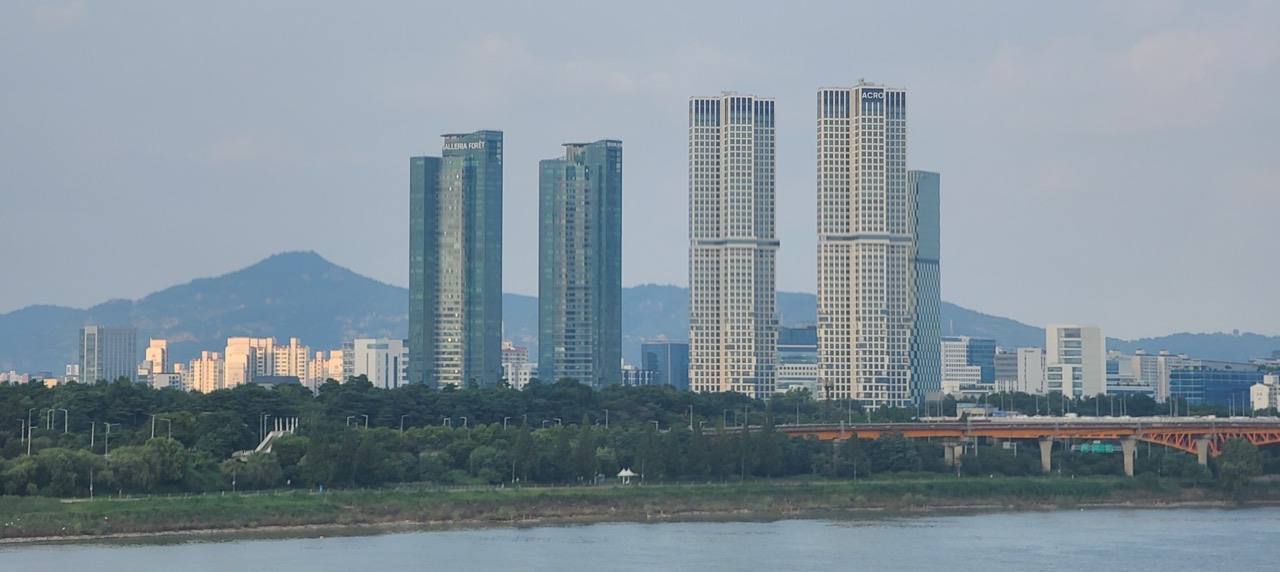
TOMORROW X TOGETHER opens LAYERS OF US, a 25-day exhibition marking the group's seventh anniversary, from August 13 to September 6 in Seongdong-gu, Seoul. The venue sits two floors below ground in Galleria Foret. That is the basement of the residential tower that priced units at 45.35 million won per pyeong in 2008, beating Gangnam. Five years ago the same company built a permanent museum of 4,700 square meters inside its own headquarters, then closed it after 20 months.
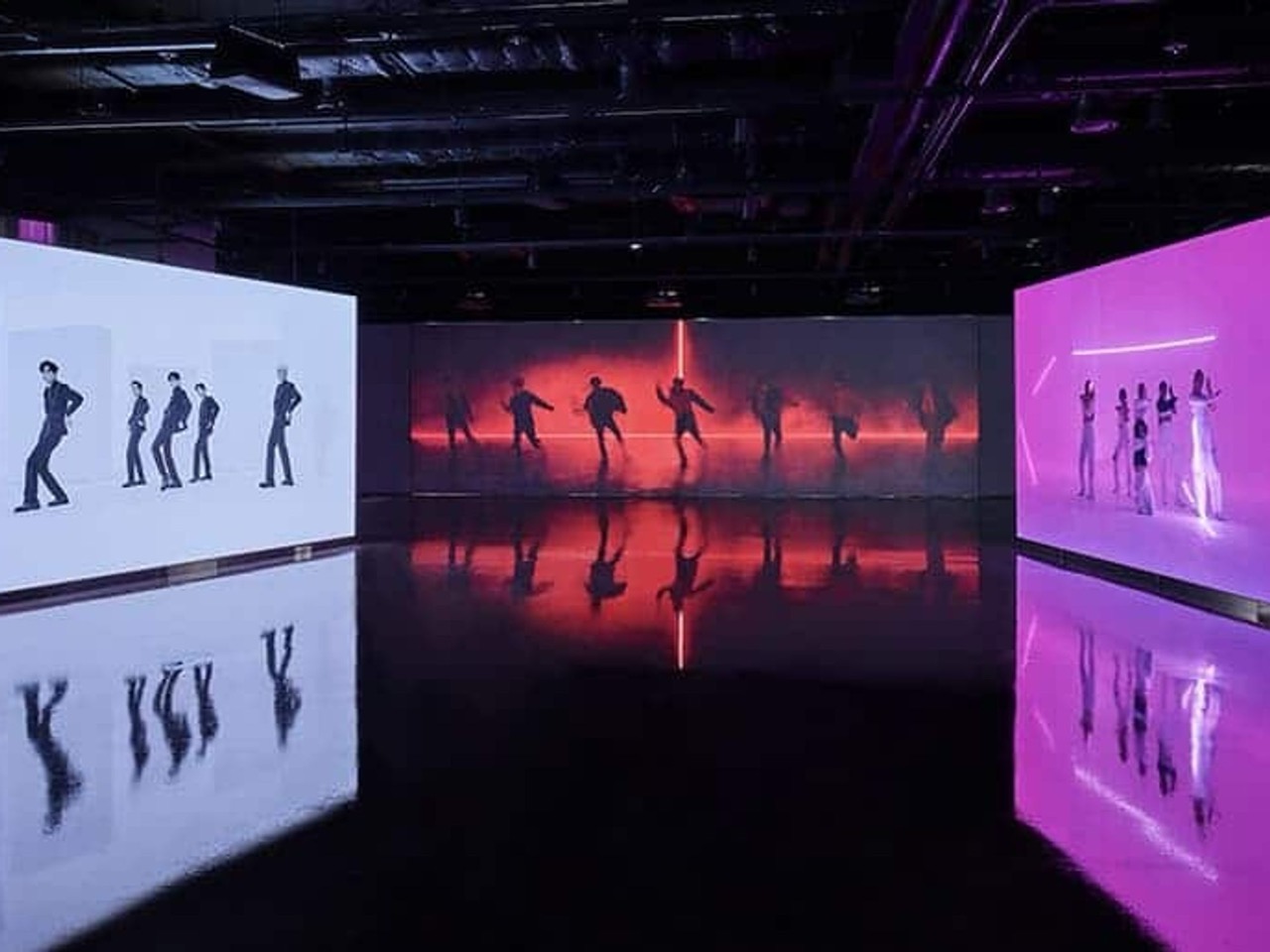
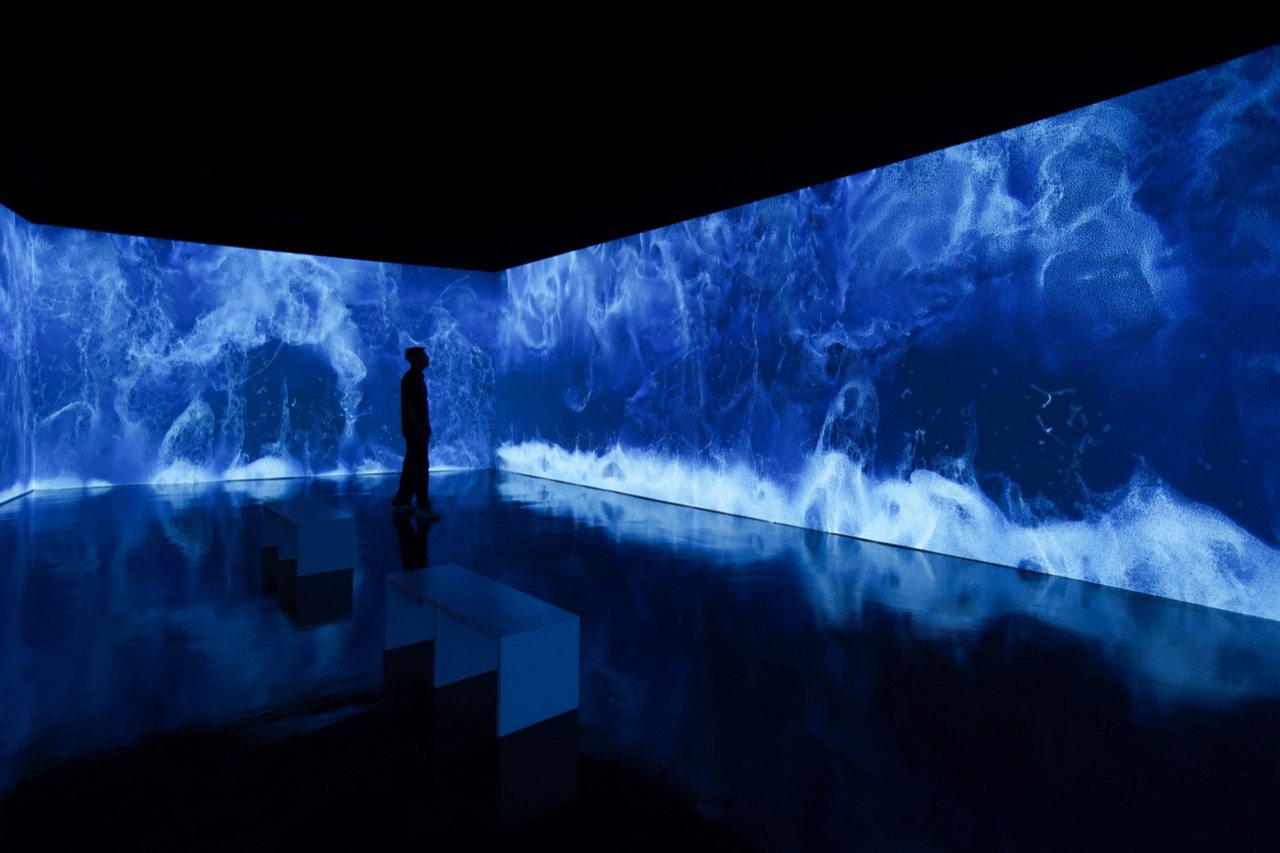
1.The exhibition is cut into seven rooms. Visitors enter through WHO AM I, pass DREAMSCAPE, ZERO WORLD and INNER MAZE, then finish at LAYERS OF US, MOMENTS OF ALWAYSNESS and LAYERED ROOM. Seven years of records, from the debut album The Dream Chapter: STAR to last year's fourth studio album The Star Chapter: TOGETHER, are divided across those seven boxes. The run is exactly 25 days, August 13 to September 6.
2.Four days before opening, the ticket price is still unannounced. Information goes out only through the Weverse channel, and what is known amounts to a random photo ticket handed out on site. Holding the price back until the last moment is hardly unusual in this business.
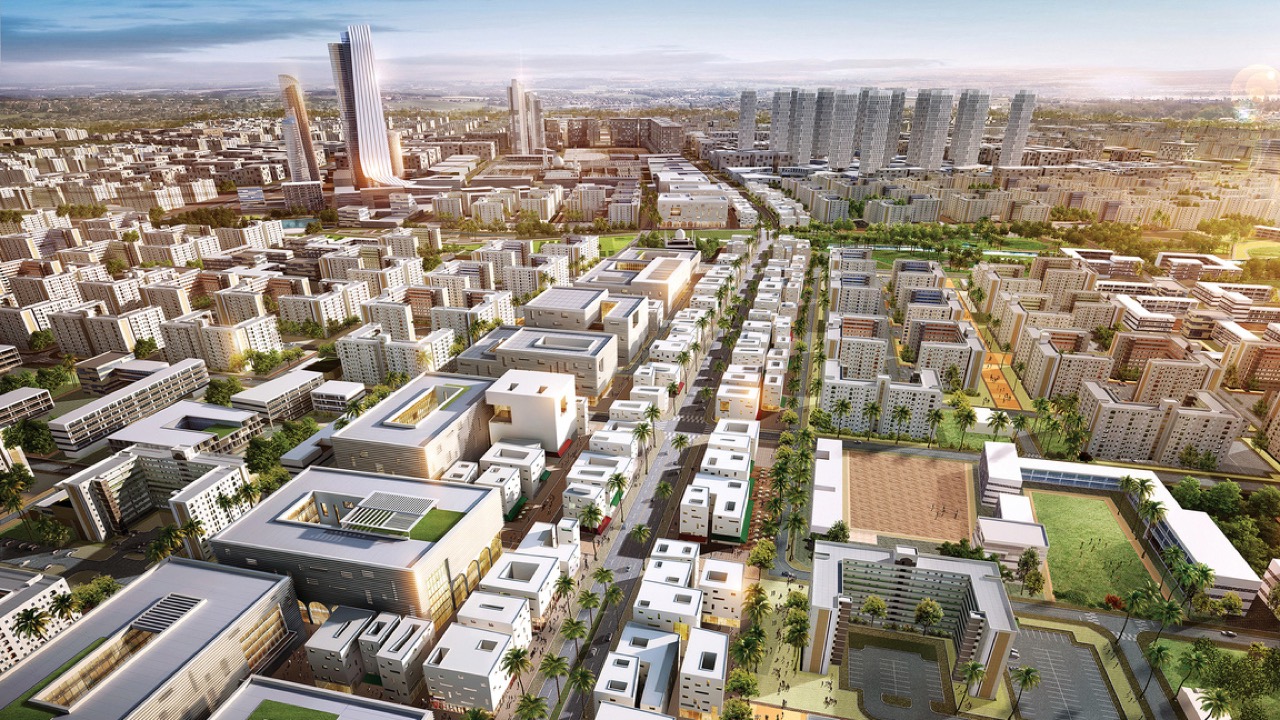
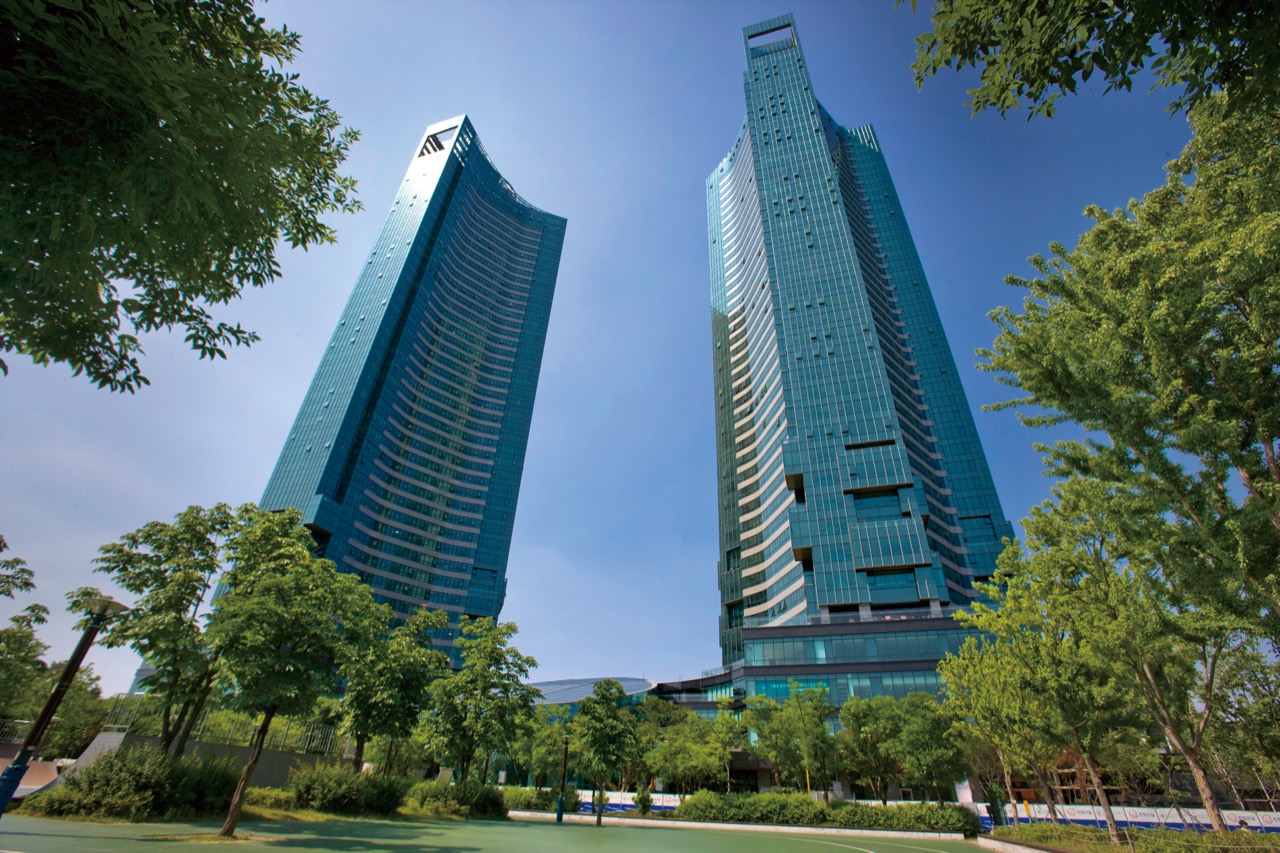
3.The address carries a second story. The Seouliteum occupies the G floor of Galleria Foret, two levels underground. When units were sold in 2008 at 45.35 million won per pyeong, Seongdong-gu had outpriced Gangnam-gu. Two hundred thirty units, 45 floors above ground, 170,841 square meters of floor area. Hanwha E&C built it, Haeahn Architecture drew it, and the interiors went to Pritzker laureate Jean Nouvel.
4.Half of what this building sold was the view. Seoul Forest fills the window and the Han River sits behind it. Two floors underground there is no window at all. In a tower that monetized sightlines up to the 45th floor, the layer where neither light nor view can be priced is left at the bottom. In 2017 an 800-seat hall and exhibition rooms moved into it.
5.For this format, no windows is an advantage. Daylight already cuts out on the stairs down, and the seconds your eyes need between rooms become part of the direction. Immersive exhibitions use darkness as material. Take a ground-floor retail unit instead and the budget starts with blacking out the glass. The cheapest stage for this content is the floor nobody pays for.
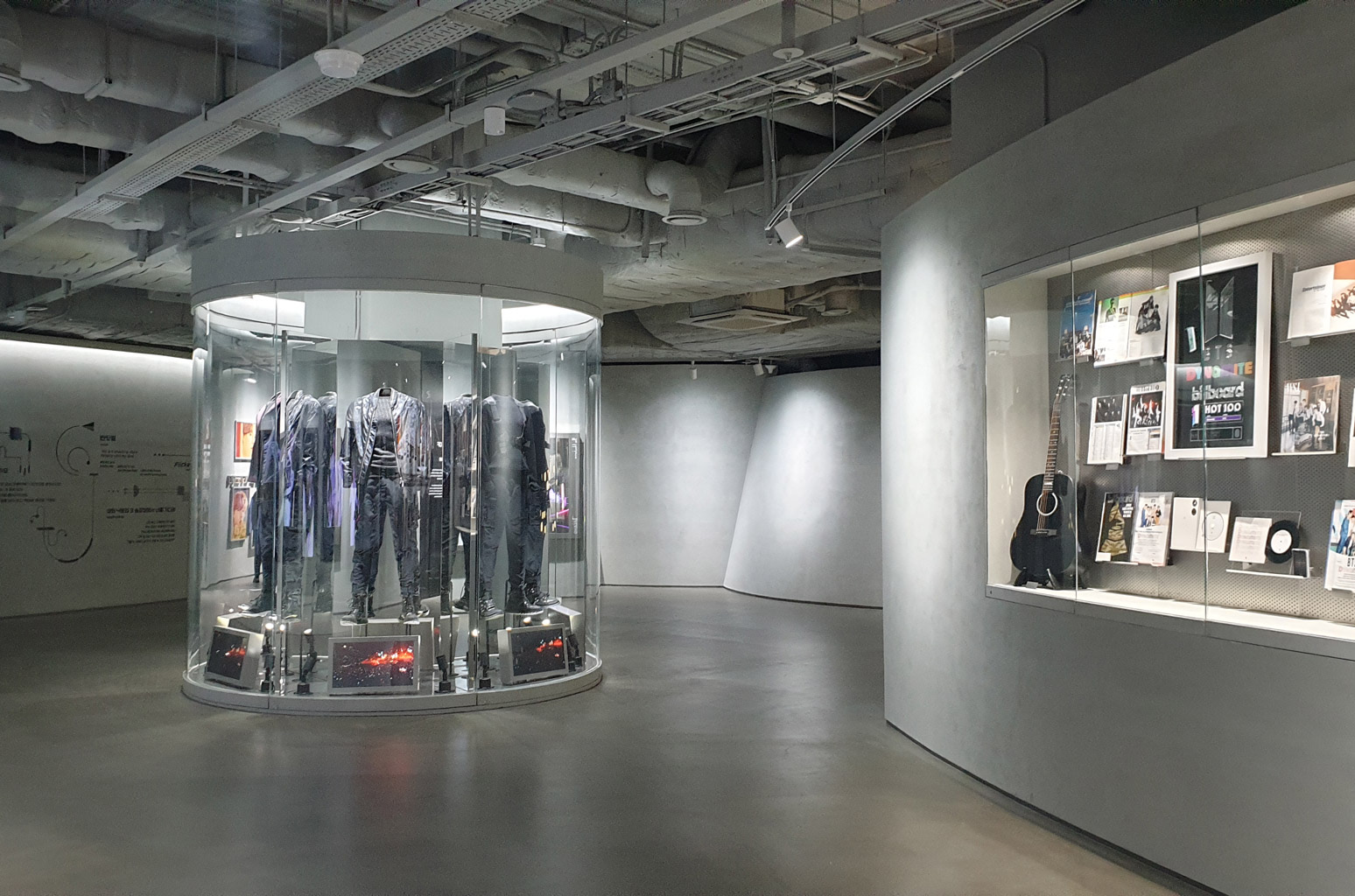
6.The group's label has already tried a permanent venue. On May 14, 2021 it opened HYBE INSIGHT across 4,700 square meters on the first and second basement levels of its Yongsan headquarters. Admission ran 22,000 won, or 25,000 won with a photo ticket. You booked first or you did not get in. Reservation only, no exceptions.
7.It closed 20 months later, on January 15, 2023. The notice promised a better exhibition at a new location, yet three and a half years on, no new location has opened. The website still reads long-term closure.
8.What breaks a permanent venue is inventory turnover. Filling 4,700 square meters means swapping the displays constantly, while what a fan buys is one group in one specific era. Put several acts under one roof and what happens? Each visitor sees their own room and leaves. Maintenance on the whole floor runs every month, and return visits swell and drain with album cycles. Permanent creates fixed cost, limited-run creates a queue.
9.Run 30-minute slots at 60 people each and you get twelve sessions a day, 720 visitors, roughly 18,000 across 25 days. Price admission at the same 22,000 won as the earlier case and ticket revenue lands near 400 million won. That barely covers renting a hall this size for 25 days and building the rooms inside it. Session count, capacity and price are all unpublished, so these are estimates.
10.The money attaches at the exit. The final room of a fandom exhibition is always a merchandise store, and at just 50,000 won per head that comes to 900 million won, more than double the tickets. In a Korea Consumer Agency survey, 52.7 percent of K-pop album buyers said they bought albums to collect merchandise such as photocards. This is not a business that sells tickets. It is a business that forms a line in front of a shop.
11.The company's full accounts point the same way. HYBE posted 2.65 trillion won in revenue for 2025. Records and streaming fell 10.2 percent to 772.9 billion won, concerts rose 69 percent to 763.9 billion won, and MD and licensing rose 35.8 percent to 570.5 billion won. Money people spend by moving their bodies is filling the gap albums leave behind.
앨범은 줄고, 몸을 옮겨 쓰는 돈이 는다
12.A tour keeps moving between cities, so its days in Seoul are few, and a fan meeting is over in one. A 25-day exhibition fills the empty calendar between them. Fans who missed the ticket lottery, fans who could not travel up from the provinces, students who balk at a 150,000 won concert seat, all caught in one net.
13.What a fandom buys is time, not photographs. A route that begins in the debut-album room and walks out through the newest one compresses seven years into twenty minutes and makes you cross it on foot. The longer you have followed them, the longer that corridor feels, and the longer you have followed them, the more you spend in the shop. The random photo ticket runs on the same logic. One card whose face you cannot choose sells the second admission.
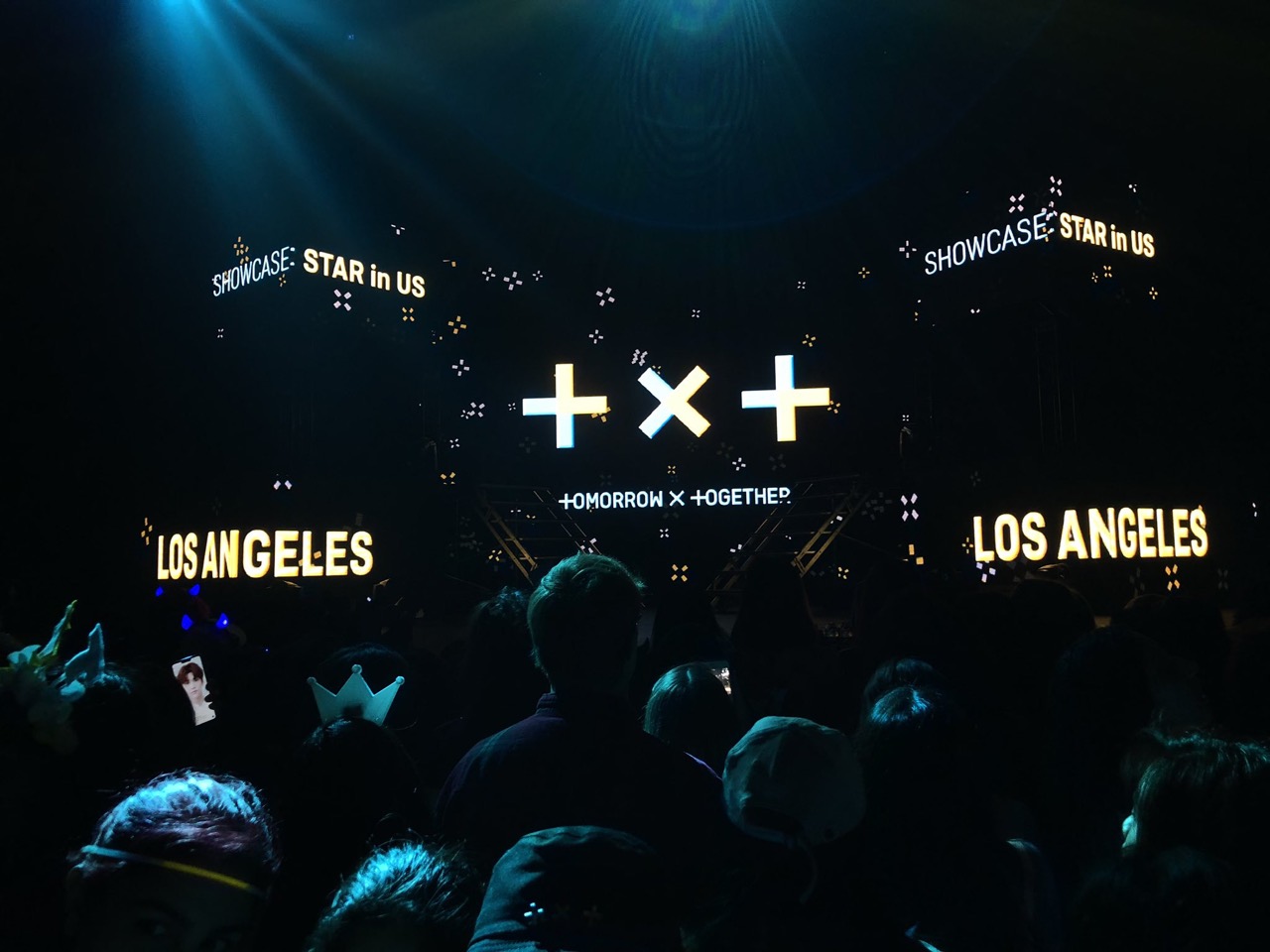
14.The group's fourth studio album moved 1,760,867 copies in its first week, 1.43 million of them on release day alone. Price an album at 20,000 won and that single week is worth 35 billion won, which makes the 1.3 billion won estimated above less than four percent of it. Judged on revenue, the exhibition is not worth doing. It gets done because for the 1.76 million people who bought that album, it is the only remaining counter where anyone within reach of Seoul can be sold to again.
사옥에 지은 상설관과 남의 건물 25일
15.Lease rather than build and the cost ends the day the run ends. In exchange, nothing remains 25 days later. The same arithmetic holds outside entertainment. Only businesses that need leave nothing behind can rent; businesses that must leave something still build.

16.Seven years of albums, split into seven rooms, sold over 25 days. Tickets and merchandise together land somewhere near 1.3 billion won, under four percent of what this group's albums take in a single week. What catches you first at home is the build cost. Constructing and demolishing seven rooms for a 25-day run has to be recovered across those 25 days; stretch the run and scarcity drains away, shorten it and the money never comes back. Finding the point between the two is the whole of this trade.