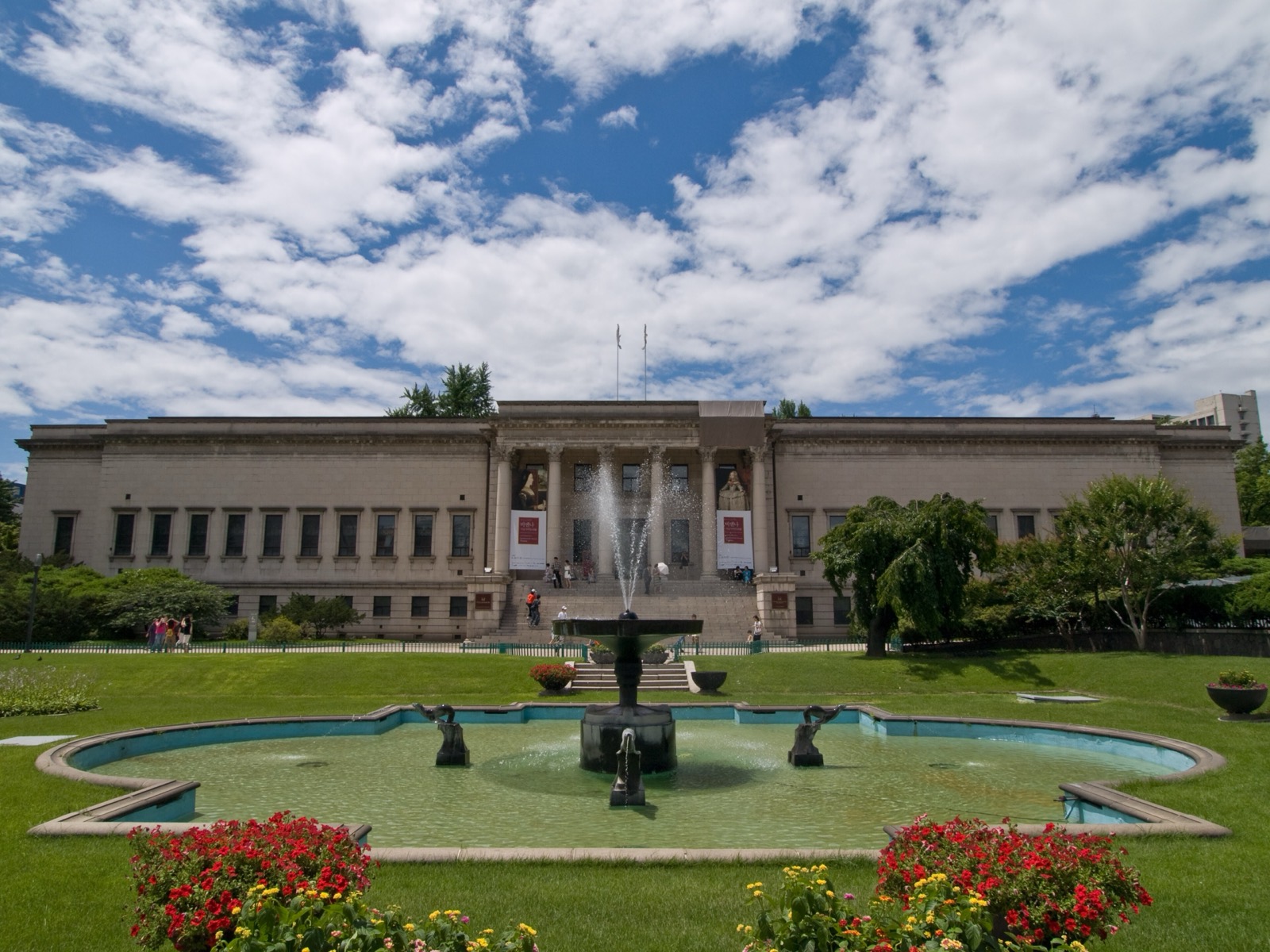
A Lee Daiwon retrospective opened on August 6 at MMCA Deoksugung. Some 120 oil paintings plus 100 archival items, running through November 8. Admission is 2,000 won. The painter studied law, founded a company, and picked up the brush only in his late thirties. Along the way he ran the first commercial art gallery Korea ever had. An employee of that shop would later found Gallery Hyundai. Today his paintings have gone to auction 466 times in five years, selling 7.9 billion won worth.
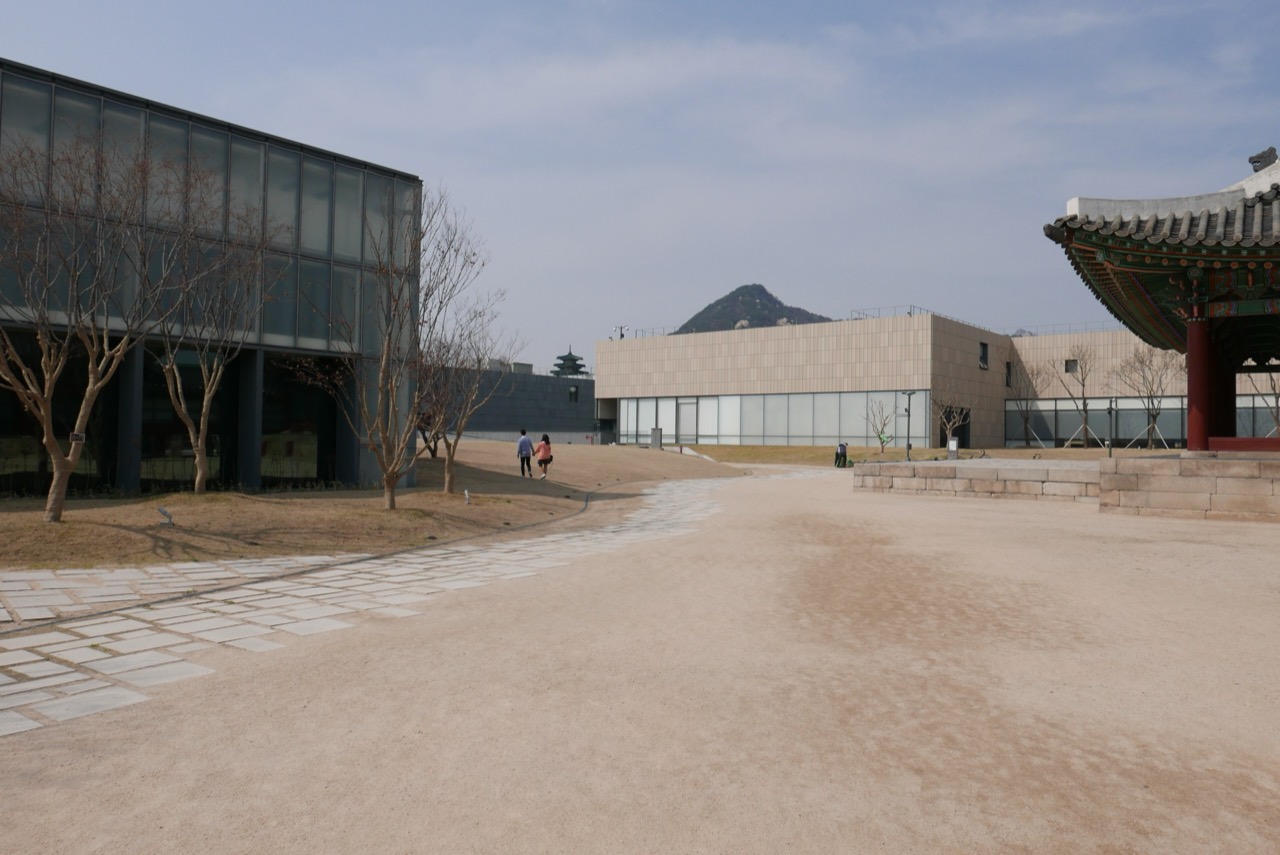
1.The show is titled Lee Daiwon: Nothing Makes You Sad. It fills all four galleries at Deoksugung. On view are roughly 120 oils, 100 archival documents, and the antiques he collected himself. The first large-scale retrospective covering all seventy years of his practice.
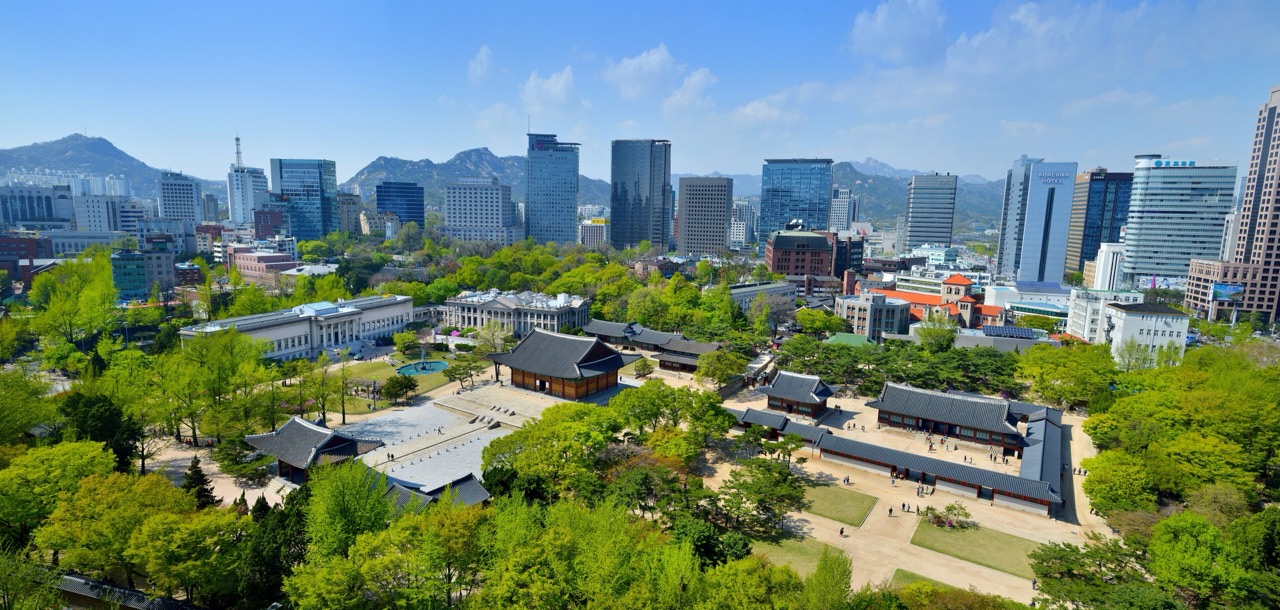
2.Three months, August 6 to November 8. Admission runs 2,000 won, with a separate 1,000-won palace entry fee. Closed Mondays; open until nine on Wednesdays and Saturdays. Both tickets together come to 3,000 won.
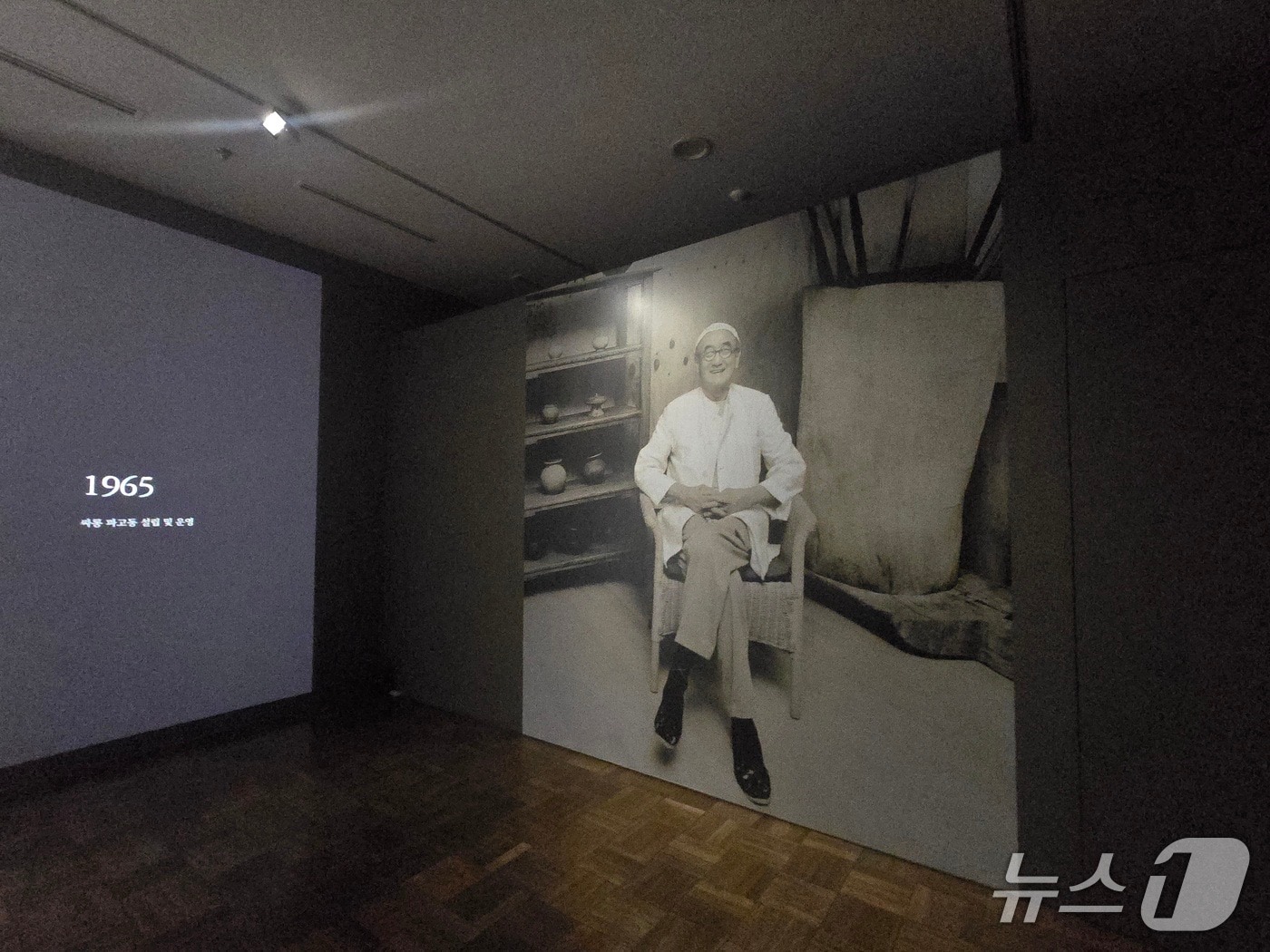
3.The section titles are unusual. Learn without being confined. Continue without being swept along. Build up and you are free. Nothing makes a person sad. All four are sentences rather than nouns, and strung together they read as one man's life. Blunt, for a museum staking out an argument.
4.The argument goes like this. Lee's luminous surfaces were not a gift of temperament but the yield of long looking and long study. A rebuttal runs beneath the whole show: the nickname the happy painter praised him and boxed him in at the same time.
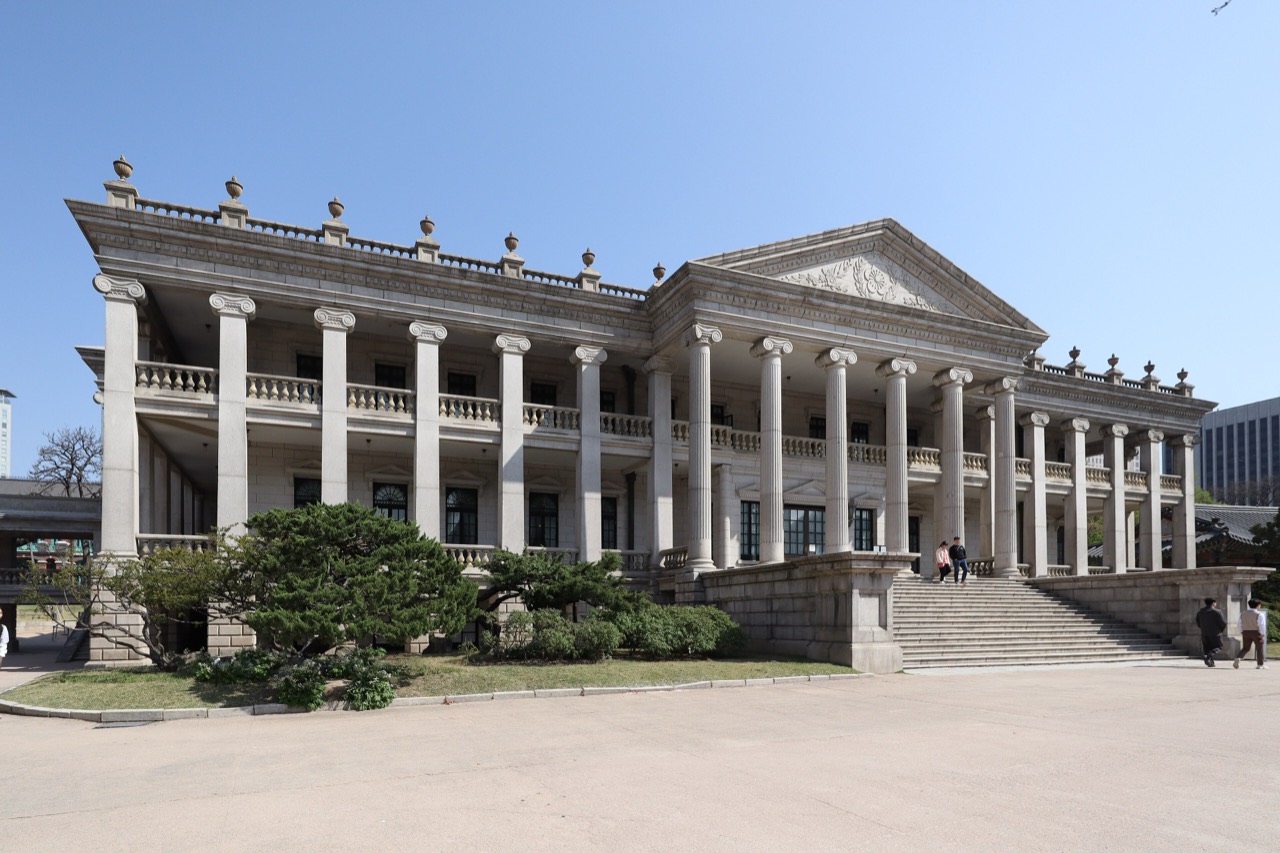
5.Lee Daiwon (1921-2005) never trained formally in art. He graduated from Keijo Imperial University's law faculty in 1945 and then founded and ran a company called Kukdong Enterprise. Between the ages of seventeen and nineteen he was selected three years running for the Joseon Art Exhibition, so it was not for want of talent that he waited. His first solo show came in 1957, at thirty-six.
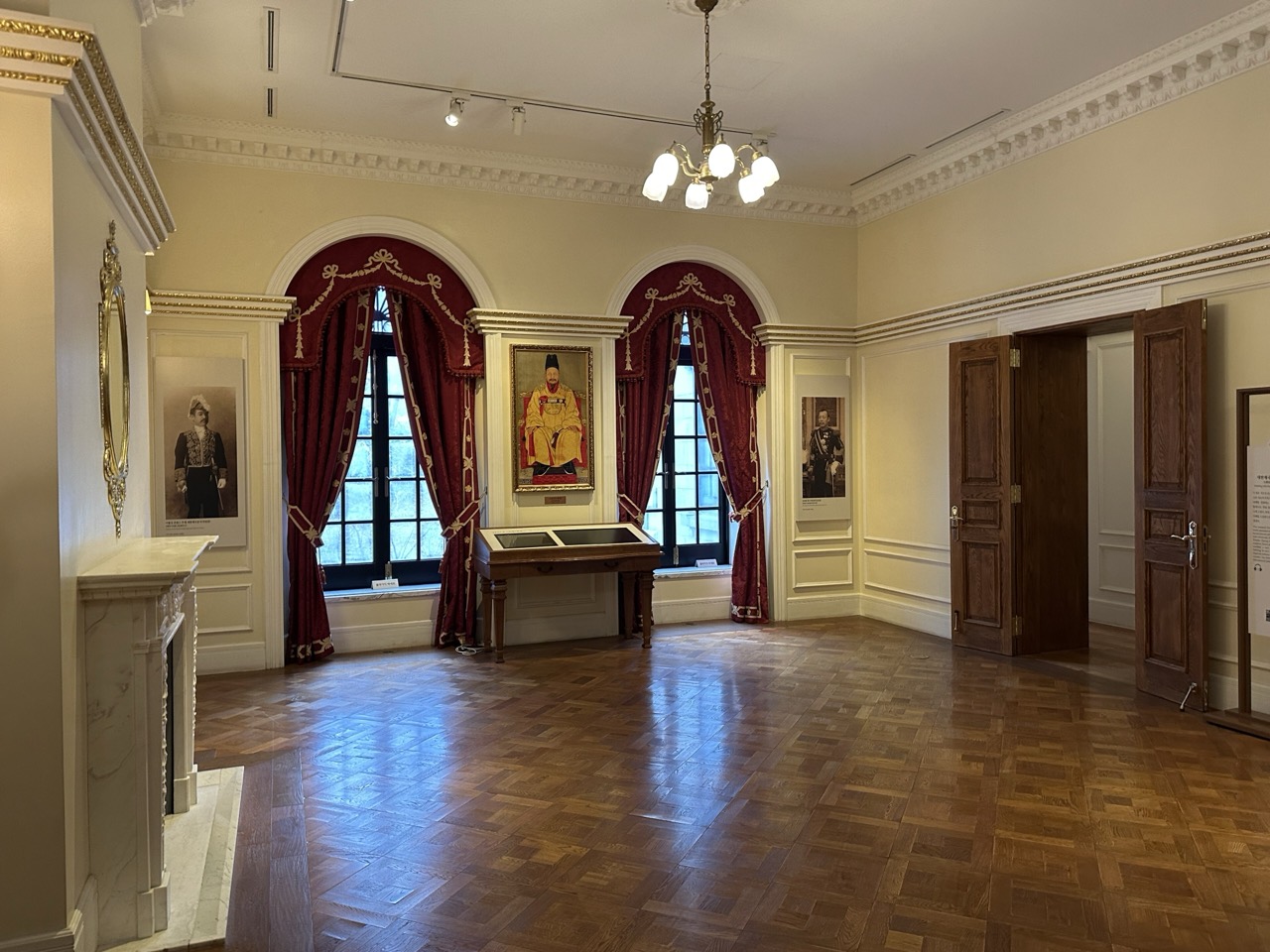
6.The paintings only give themselves away up close. What reads as a mass of leaves resolves, inches away, into dots of red beside green beside yellow. Step back and it is a tree again. These are paintings that make you walk two steps in and two steps out, and the four galleries are wide enough to allow it.
7.That is Lee Daiwon the painter. Where this exhibition gets genuinely interesting is in the years when he was not one. In August 1959, he took over the running of Bando Gallery.
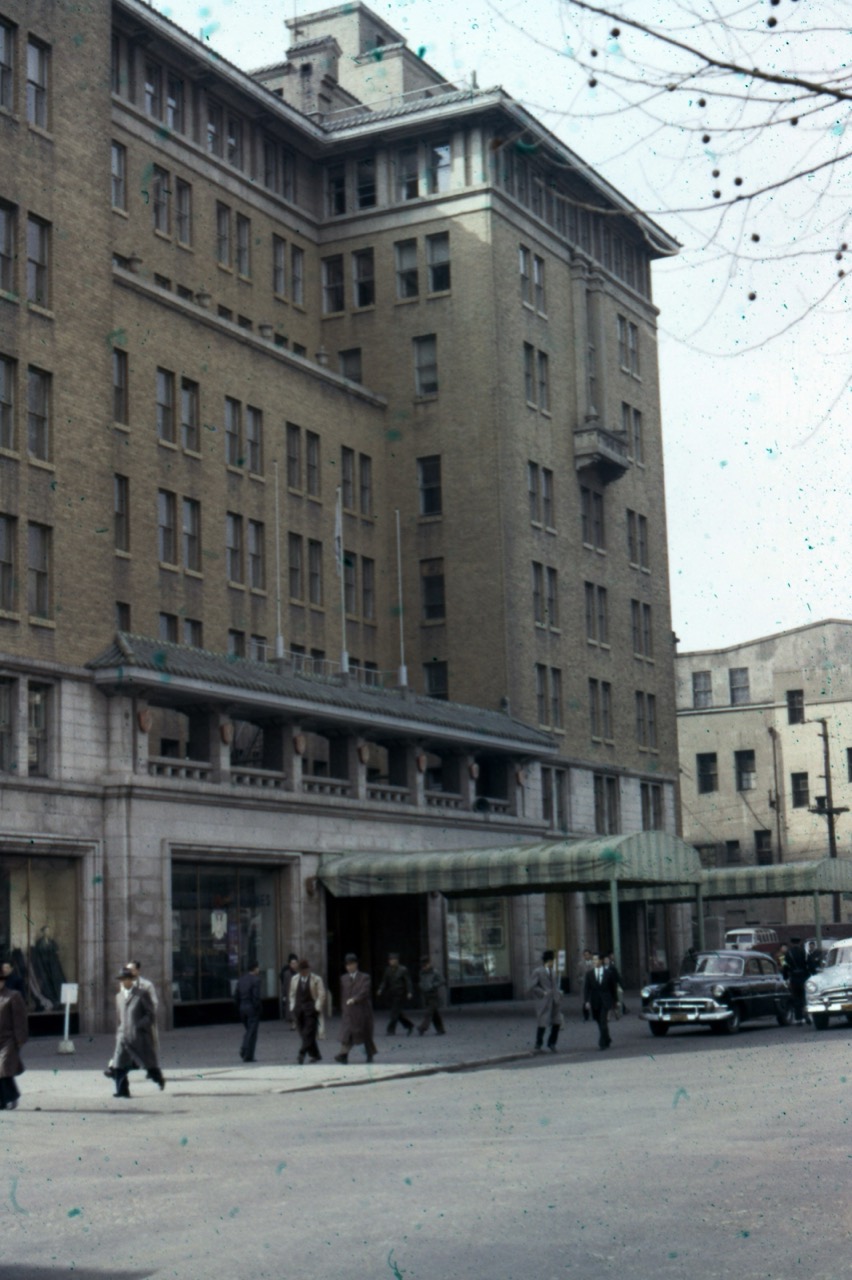
8.Bando Gallery opened in 1956 in the ground-floor lobby of the Bando Hotel in Sogong-dong. It was started by the Seoul Art Society, a circle of wives of American servicemen and diplomats, with backing from Francesca Donner, wife of President Rhee Syng-man. The customers were foreigners; the goods were Korean paintings. When it began to falter, The Asia Foundation funded it from 1958, and the following year Lee took over.
9.As for what kind of shop it was: for Park Soo-keun it was the only outlet there was. Into the early 1960s his small works went for 20 dollars, larger ones for 50. Korea's per-capita national income at the time was 70 dollars. A painter whose work now trades in the tens of billions of won was handing over canvases for half a year's national income.
1960년의 그림값
10.One employee of that shop struck out on her own in 1970 and opened Hyundai Gallery. Park Myung-ja. It is Gallery Hyundai today, one of the largest players in the Korean gallery market. The country's entire distribution structure branched off from a single counter in a hotel lobby.
11.So the real subject of this exhibition is not one painter. It is the story of a man who built a market and then became a commodity within it, and that is rare in any trade. What changes when someone who has stood on the selling side crosses over to the side being sold? The show never asks it directly, but read the chronology in order and the question stands up on its own.
12.On the money: the museum does not appear to be trying to earn any. Two thousand won a ticket, free for anyone under twenty-four, free for everyone after six on Wednesdays and Saturdays, free on the last Wednesday of every month. A national museum recovers its costs through budget, not tickets, and the ticket price works purely as a device for lowering the threshold.
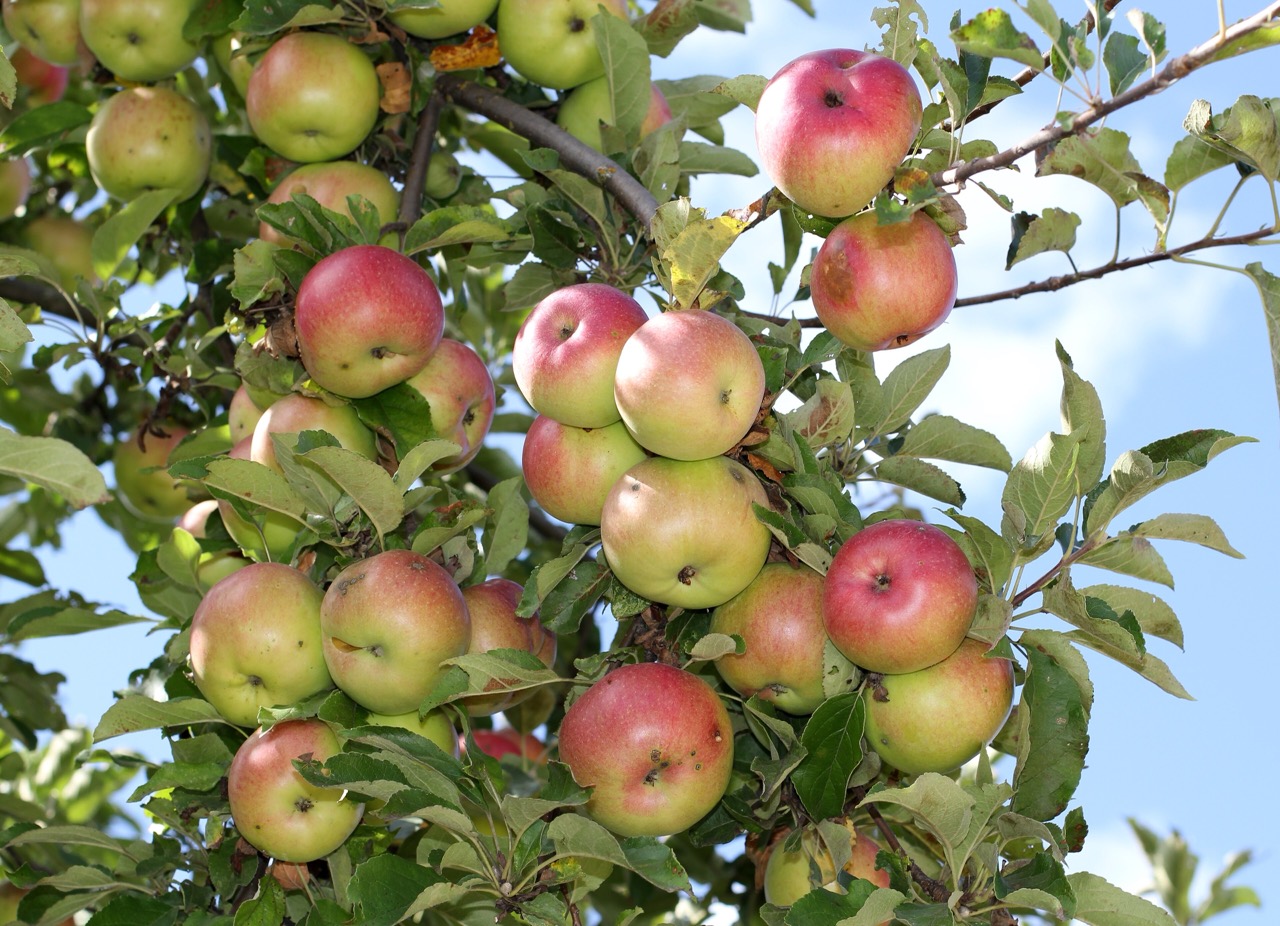
13.The prices that move are outside. Lee's works drew 466 winning bids over the past five years, totaling 7.9 billion won. That averages 17 million won per lot. Total auction sales in Korea fell 25 percent, from 153.5 billion won in 2023 to 115 billion in 2024, with 56.4 billion in the first half of 2025. Even as the market shrank, his name stayed near the top by number of transactions.
시장은 줄고, 이름은 남고
14.Knowing what he painted his whole life changes how the show reads. His father bought an orchard in Paju to mark his son's admission to Keijo Imperial University: fifty acres of it. In 1973 Lee built a studio on that land and went back almost every week until he died. The Orchard series was not someone else's landscape. It was his own ground.
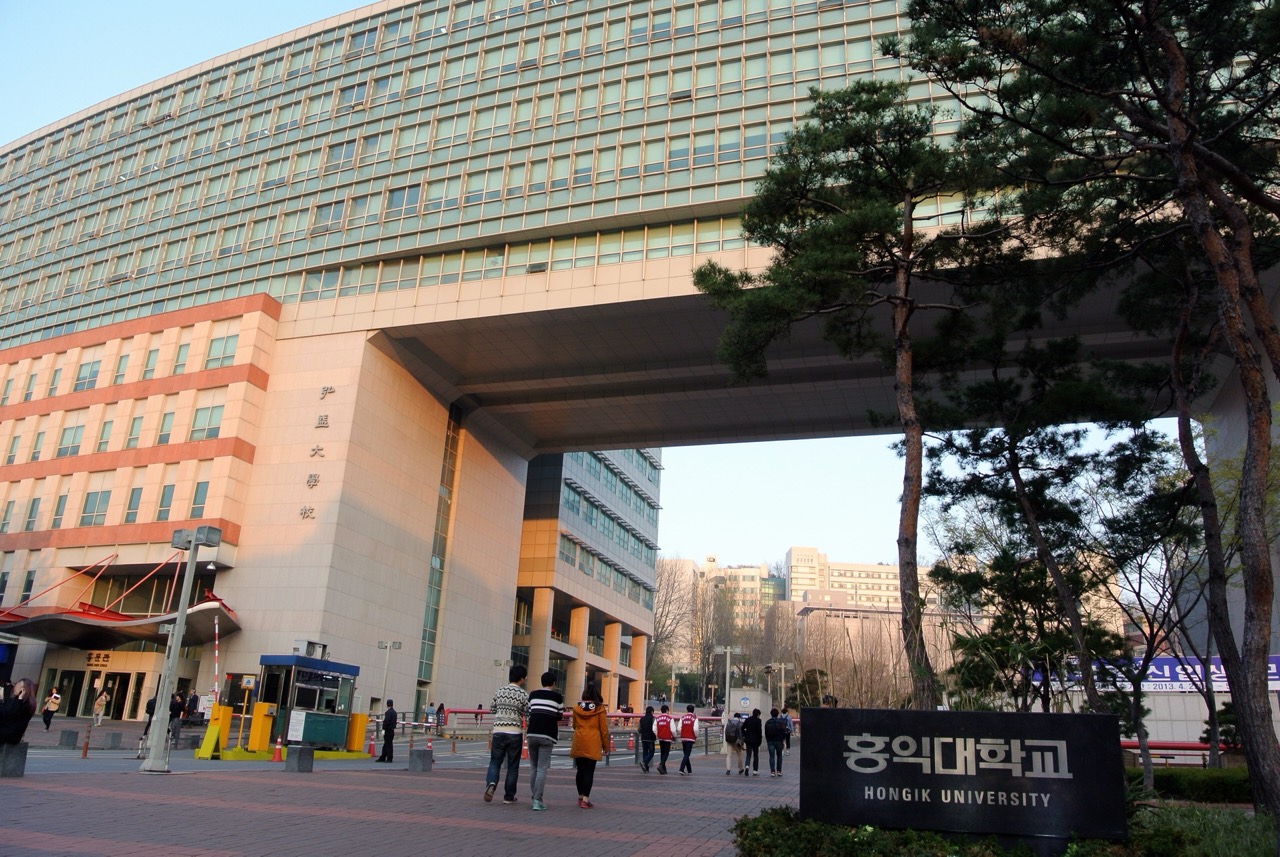
15.The rest of the record points the same way. He spoke five languages and carried the work of Park Soo-keun, Chang Ucchin, Kim Whanki, and Yoo Youngkuk abroad. He began lecturing at Hongik University in 1965 and became a professor in 1967. Founding dean of the art college in 1972, university president in 1980, head of the National Academy of Arts in 1989. A man who had done the selling, the teaching, and the institution-building held on to one thing to the end: the studio.
16.A man trained in law founded a company, held his first solo show at thirty-six, and in his late thirties took charge of a shop selling other people's paintings. A painter who sold for 20 dollars in that shop now trades in the tens of billions of won. The gallery founded by one of its employees became a pillar of the market, while the paintings of the man who ran the place went to auction 466 times in five years. A 3,000-won ticket buys you a look at that loop. People who have worked both the selling side and the making side are scarce in any trade, and in this case it took half a century for the experience to come back as price.