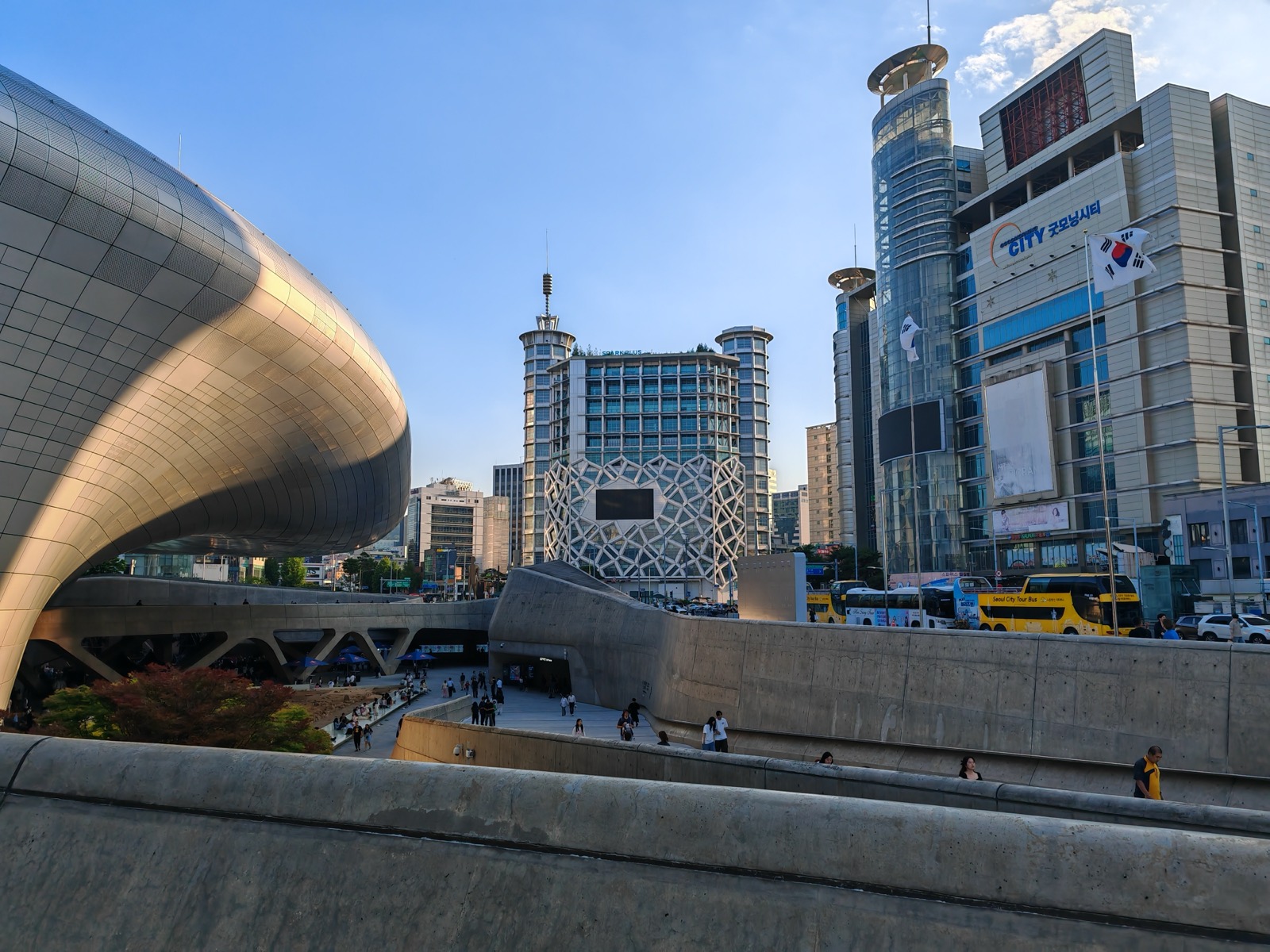
Design Miami Seoul 2026 opens with a preview on August 31 and runs September 1 to 6 at Dongdaemun Design Plaza. Frieze Seoul opens on September 2. Opening a day earlier is no accident. Tickets run KRW 28,000 for general admission, KRW 60,000 for the seminar pass and KRW 80,000 for the premium pass. What is on sale here is not paintings but things you can sit on, and from this year the fair's annual calendar starts in Seoul, moves through Paris and closes in Miami Beach in December.
1.The fair is called Design Miami Seoul 2026. Preview on August 31, public days September 1 to 6, venue the DDP Design Lab ground floor showroom. The curatorial theme is Resonance: Design in Dialogue. The Seoul Design Foundation set it up together with Design Miami, and doors stay open until eight in the evening. Six on the final day.
2.The scale is nothing like last year. Illuminated: A Spotlight on Korean Design, held at the Igansumun Exhibition Hall from September 1 to 14, 2025, was a single curated show. Twelve international galleries, four Korean galleries, 71 designers, more than 170 works. This year the gallery program gains an In Situ section, partner brand exhibitions, seminars and a collectors program. And from this edition Seoul is the first port of call on the fair's annual calendar. Paris follows October 20 to 25, Miami Beach December 1 to 6.
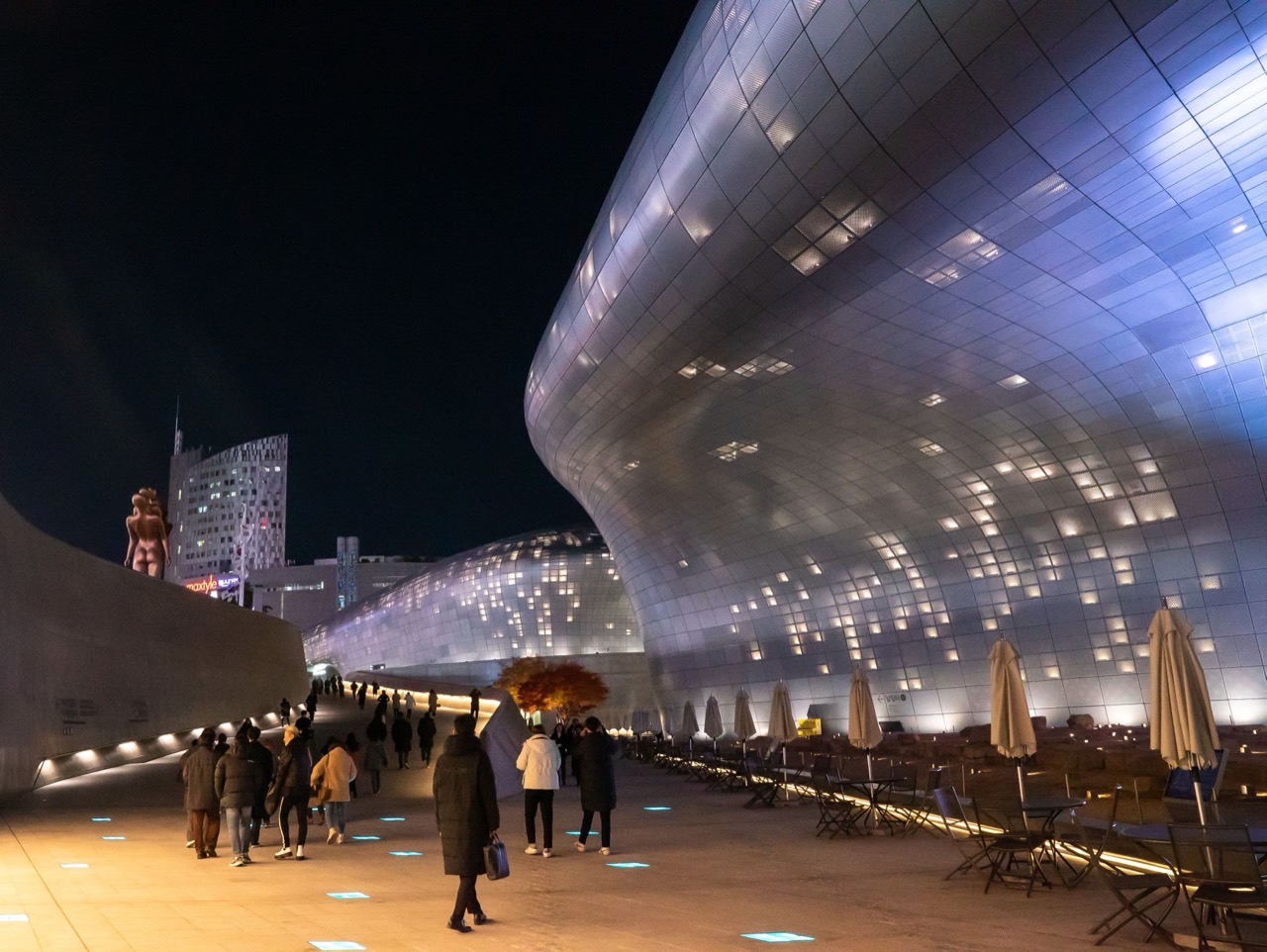
3.Collectible design may be an unfamiliar term. It is the market where limited edition or one off furniture, lighting and objects are built to museum standard and sold the way art is sold. This year's gallery program brings Charles Burnand from London, Vagujhelyi from New York and Studio MOTO from Ghent. Charles Burnand took Best in Show at Miami Beach last December. How much are we talking about? At that same edition, a midcentury wooden bar ledge carrying a ceramic painting by Carlo Zauli was offered at USD 66,000.
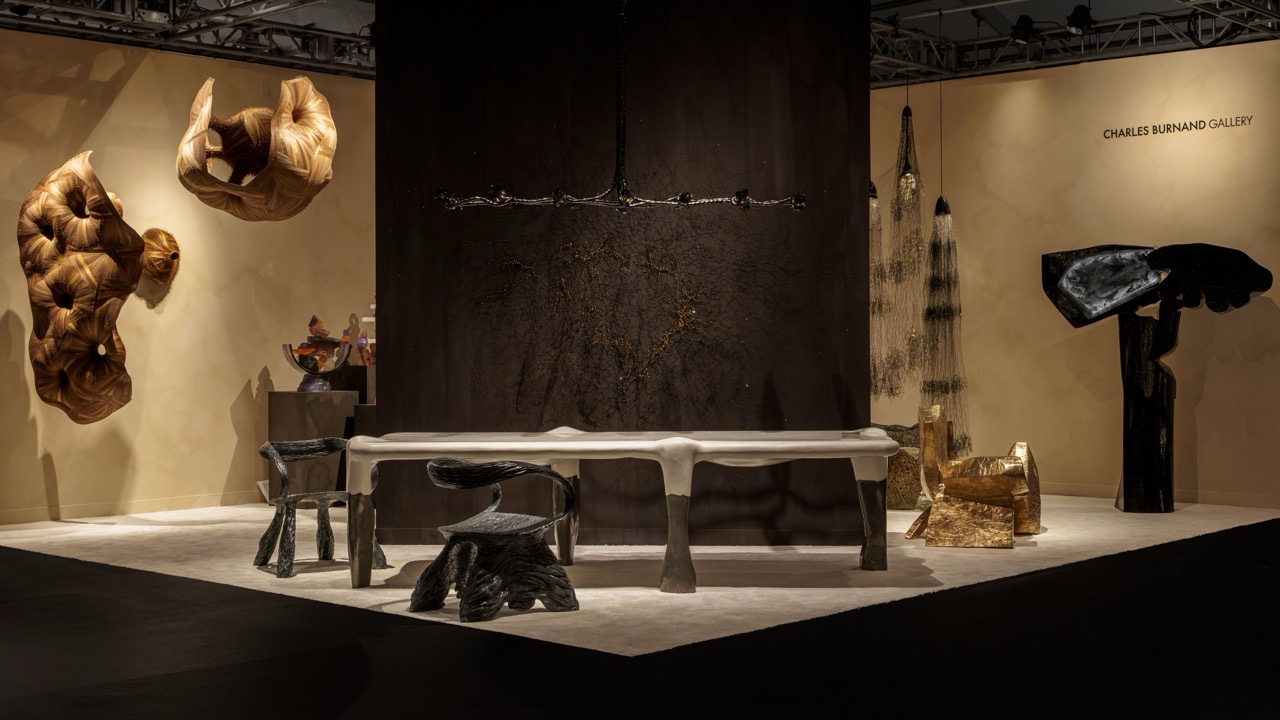
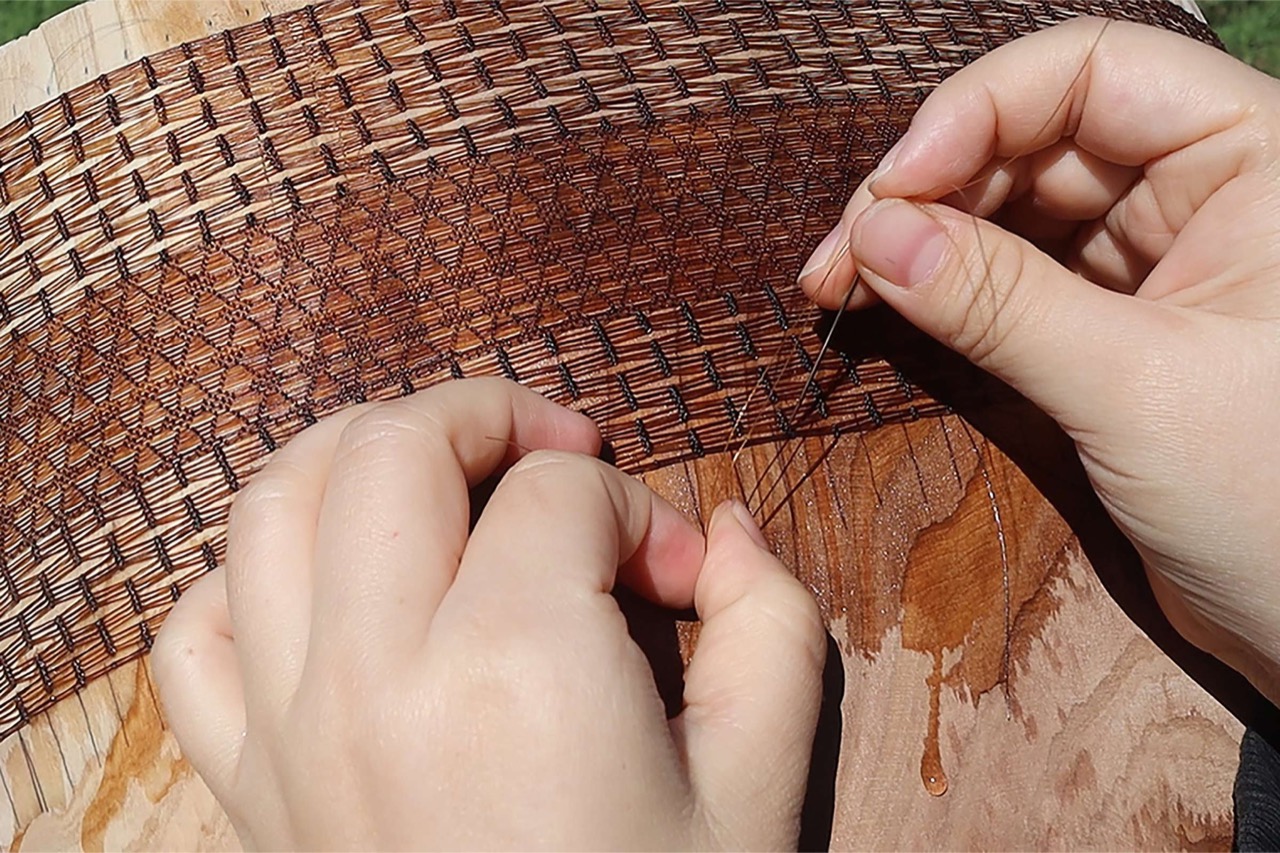
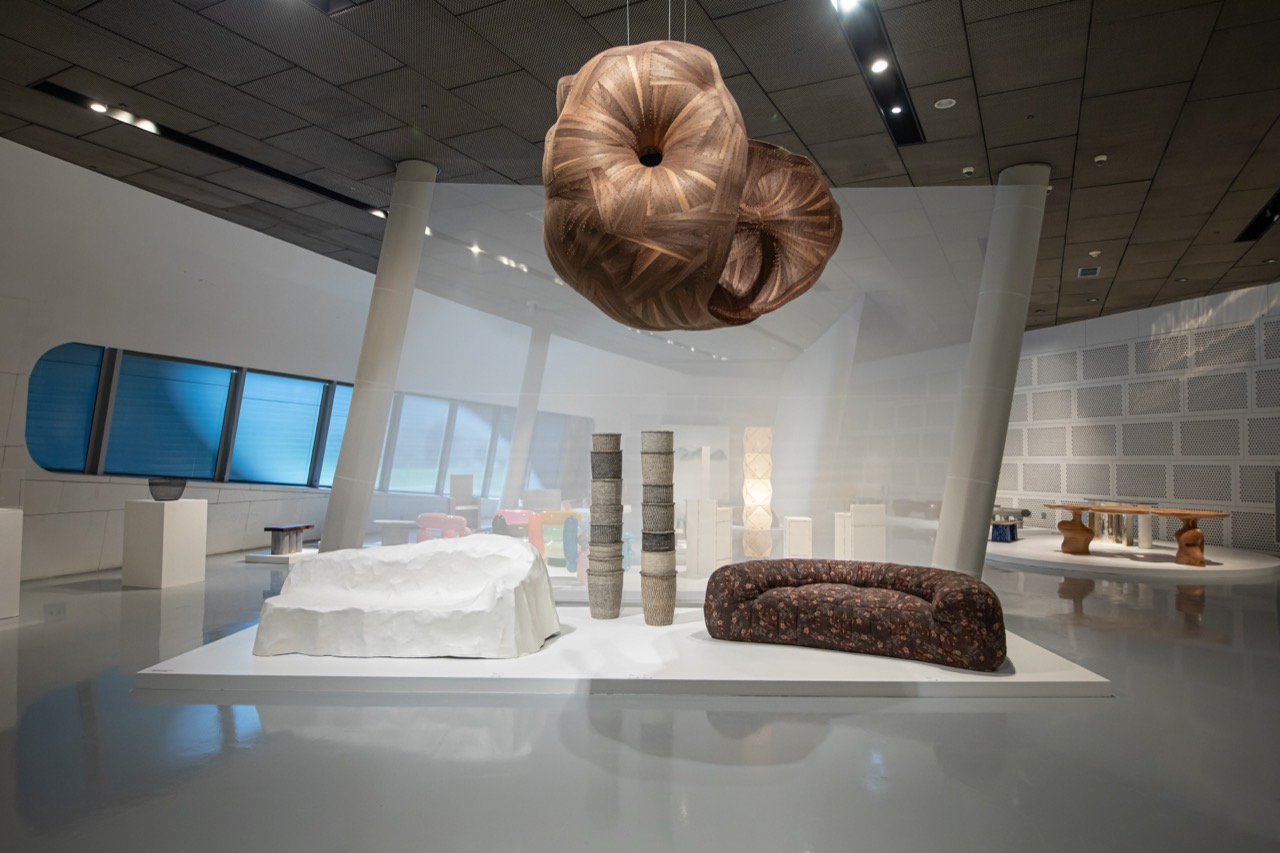
4.What holds people in these rooms is material rather than form. A Time of Sincerity by Dahye Jeong is a vessel woven strand by strand from horsehair, and Kyeok Kim crochets copper wire before laying traditional lacquer over it. Jongjin Park soaks a thousand paper towels in porcelain slip and stacks them, while Wonmin Park bonds volcanic rock onto industrial steel. Every surface keeps the trace of a hand, which gives a seller something to say when the price comes up.
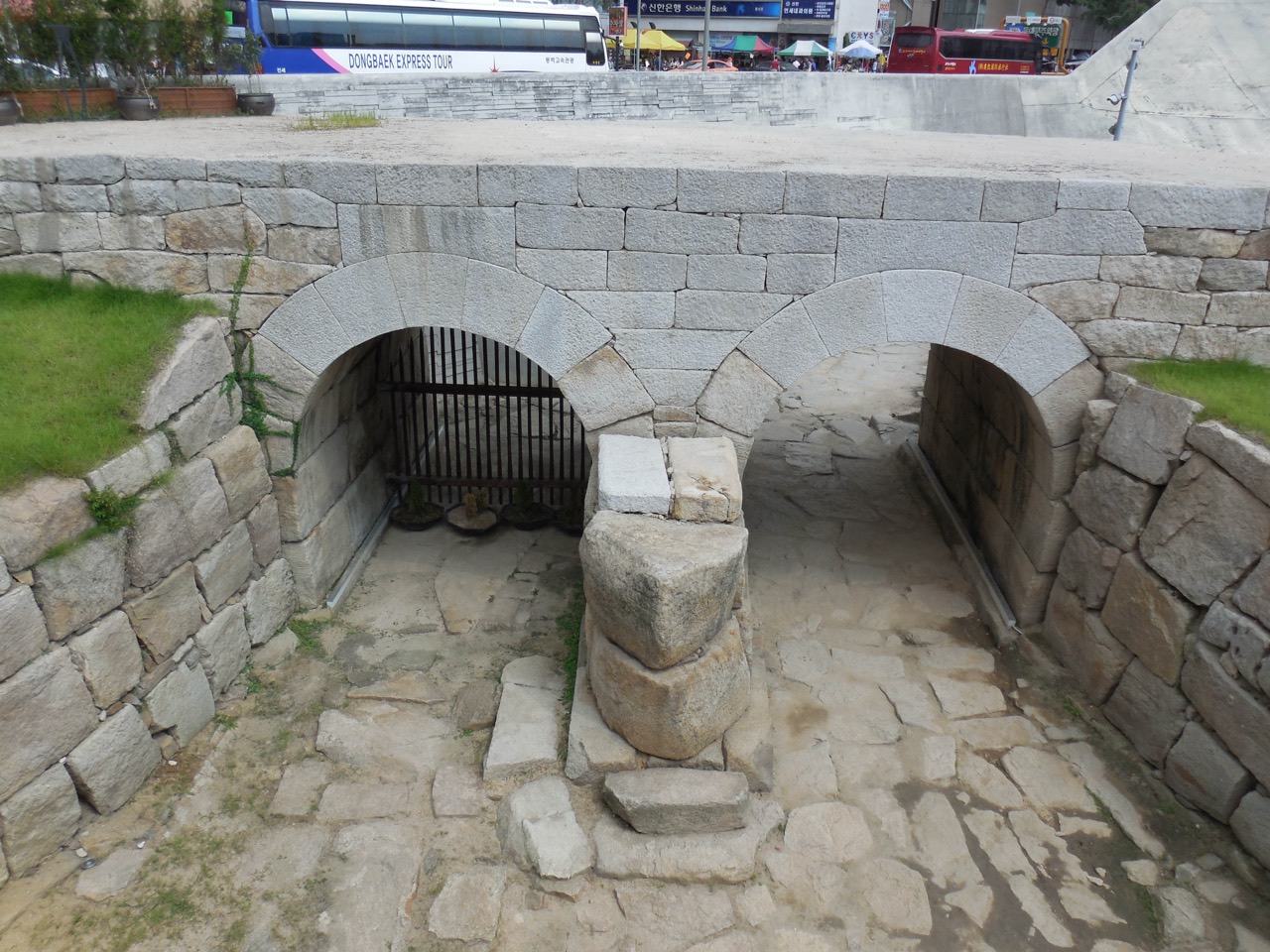
5.The change of venue is worth noticing as well. The Igansumun Exhibition Hall used last year sits half underground around a restored Joseon fortress water gate, so the ceiling hangs low and the walls are stone. This year the Design Lab ground floor showroom opens straight off the street. The fair moved from inside a ruin out toward the road, and if the goal is visitor numbers that is the right call.
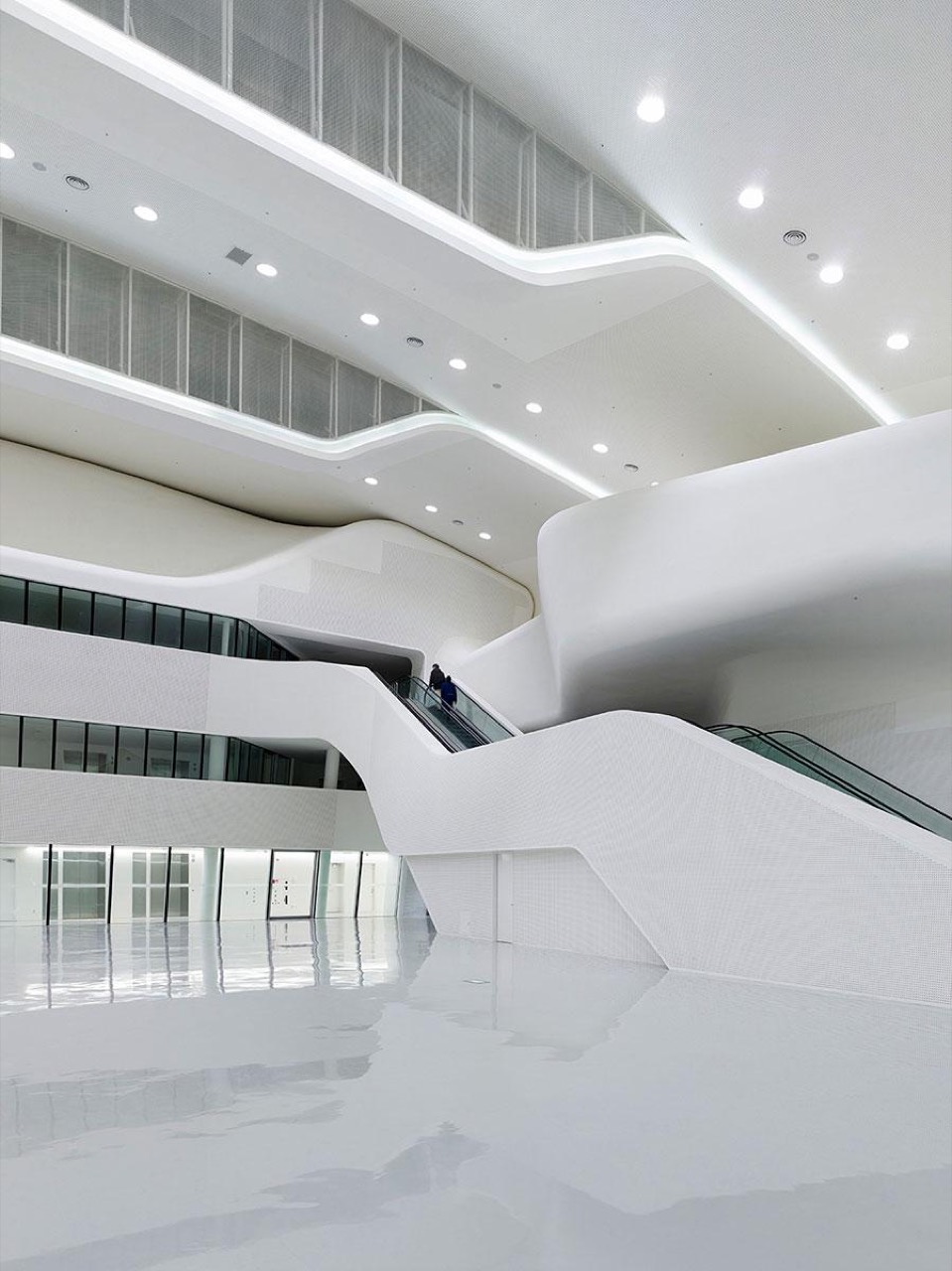
6.The organizers make a point of one coincidence. Zaha Hadid received the first Designer of the Year award at Design Miami in 2005, and 21 years later the fair sits inside a building she drew. The side that gave the prize walking into the building the winner made.
7.Market conditions explain the timing. Korean art market turnover reached KRW 638.2 billion in 2025, up 3.8 percent from KRW 615.1 billion a year earlier, yet still 20.9 percent below the 2022 peak of KRW 806.6 billion. The number of works traded fell 3.1 percent to 42,499. Money went up while the count came down, so the price per work rose. Not more buyers, then. The same buyers choosing more expensive things.
8.For that wallet, furniture asks less than a painting does. No wall has to be kept empty, and the object can be used while its value is waited out. Explaining to the family why it came home is easier too. Collectors who begin with art and move on to furniture and objects are a sequence Miami confirmed over twenty years, and in Seoul that sequence has only started.
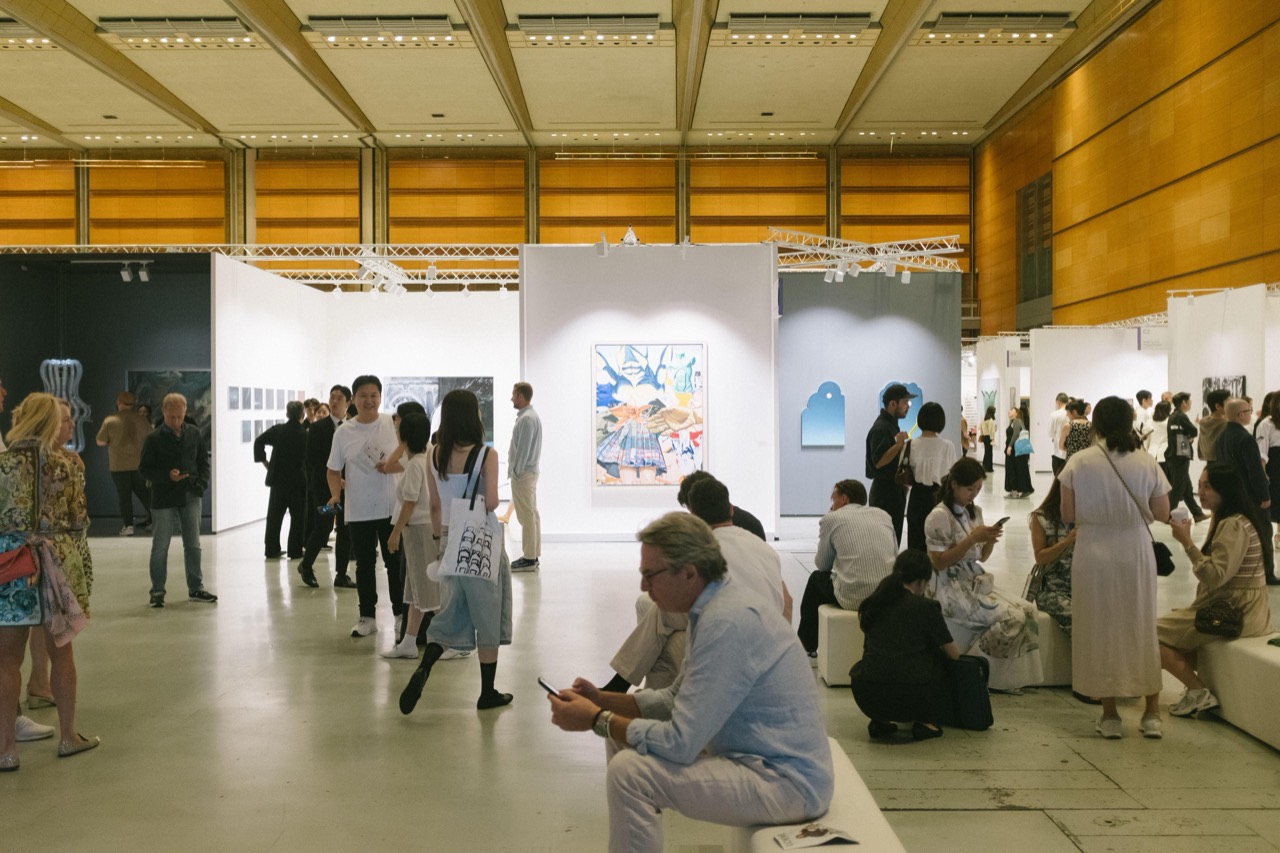
9.So this fair is not chasing a new audience. Frieze Seoul built the first week of September, and collectors, curators and journalists already buy flights for it. The four days when 125 galleries from 30 countries fill COEX are the center of that week. That is why the opening moved up by a day. Rather than call an audience in, stand beside the one already gathered.
9월 첫 주, 서울에 겹친 일정
10.The ticket table shows what is actually for sale. General admission is KRW 28,000, the seminar pass KRW 60,000 and the premium pass KRW 80,000, with early bird prices of KRW 20,000, 40,000 and 60,000 and half price for students. The seminar pass costs more than double general admission. The September 3 seminar, co hosted with Living Sense, is billed as a debate on where the collectible design market is heading. Viewing is the side dish. The priced product is who else sits in that room.
표 세 종류
11.The cost of the space is a different order of number. When DDP lets one bay of the Design Lab ground floor showroom on a standing basis, the rate is KRW 1,155 per square meter per day. At 73.96 square meters that comes to KRW 85,423 a day and KRW 2.56 million over thirty days, or about KRW 34,650 per square meter per month. No private landlord in Seoul quotes that, and what goes onto this floor is decided by review rather than by rent. This rate card is the weapon a public venue draws when it wants an international fair.
12.So where does the city recover its money? Not at the ticket window but outside the fence. DDP drew 17 million visitors last year and 126 million since it opened in 2014. In Seoul Design Foundation surveys, 48.4 percent of Seoul residents and 51.4 percent of foreign visitors spent money in the surrounding district after their visit, and a January poll of 676 people nationwide put that share at 69.8 percent. Most spent between KRW 30,000 and 50,000, the foundation reports. Card spending by foreign visitors in Gwanghui dong went from KRW 14.9 billion in 2022 to KRW 97.6 billion in 2024, a 6.5 fold rise.
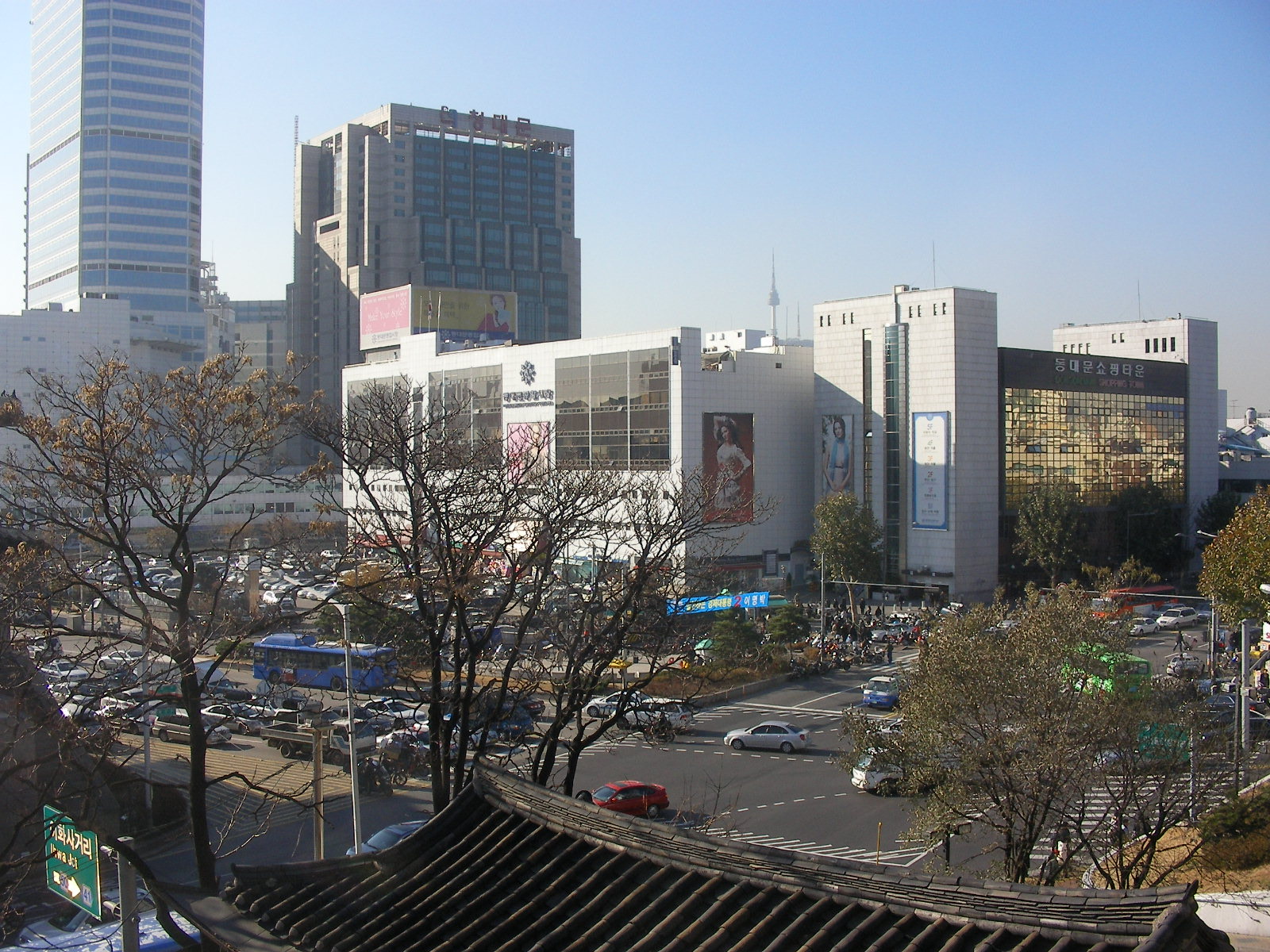
13.This fair also began on the property side. Craig Robins, who founded Design Miami in 2005, is the developer who bought up and revived the Miami Design District. He added a fair while turning an aging furniture wholesale district into a street of luxury stores and galleries, and the habit of sitting beside the Art Basel calendar was set right then. The buyer in 2023 was the ecommerce company Basic.Space.
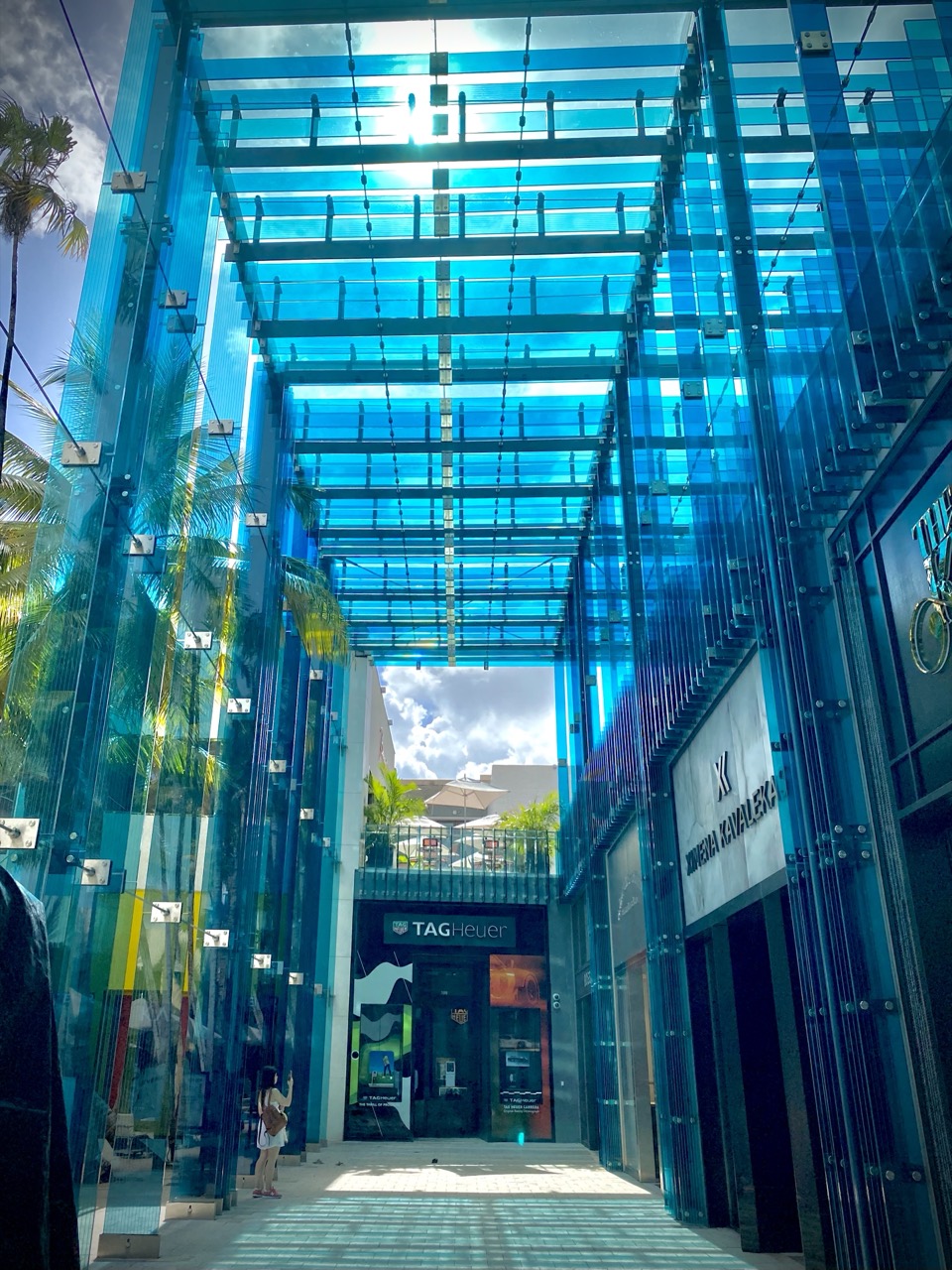
14.Seoul runs that order backwards. In Miami a developer created a fair and lifted the value of his own land. In Seoul a building that already stood went out and bought a fair. CNN reported the cost at USD 451 million when it opened, and for years the place was called an expensive loss maker. If an international fair is the way to fill it, the books will not balance at the box office. What the city paid to bring the fair here has not been disclosed.
15.A collectible design fair 21 years old has moved the first chapter of its annual calendar to Seoul, and it opens the door a day before Frieze. A ticket is KRW 28,000 and the goods are furniture you can sit on. Distribution is what catches first here. Galleries and auction houses for paintings are thick on the ground, while the places handling furniture and objects can be counted on one hand, and a collector who cannot resell will not buy a second time. However large one week gets, without shops to carry the other 51 weeks this market opens only in September.