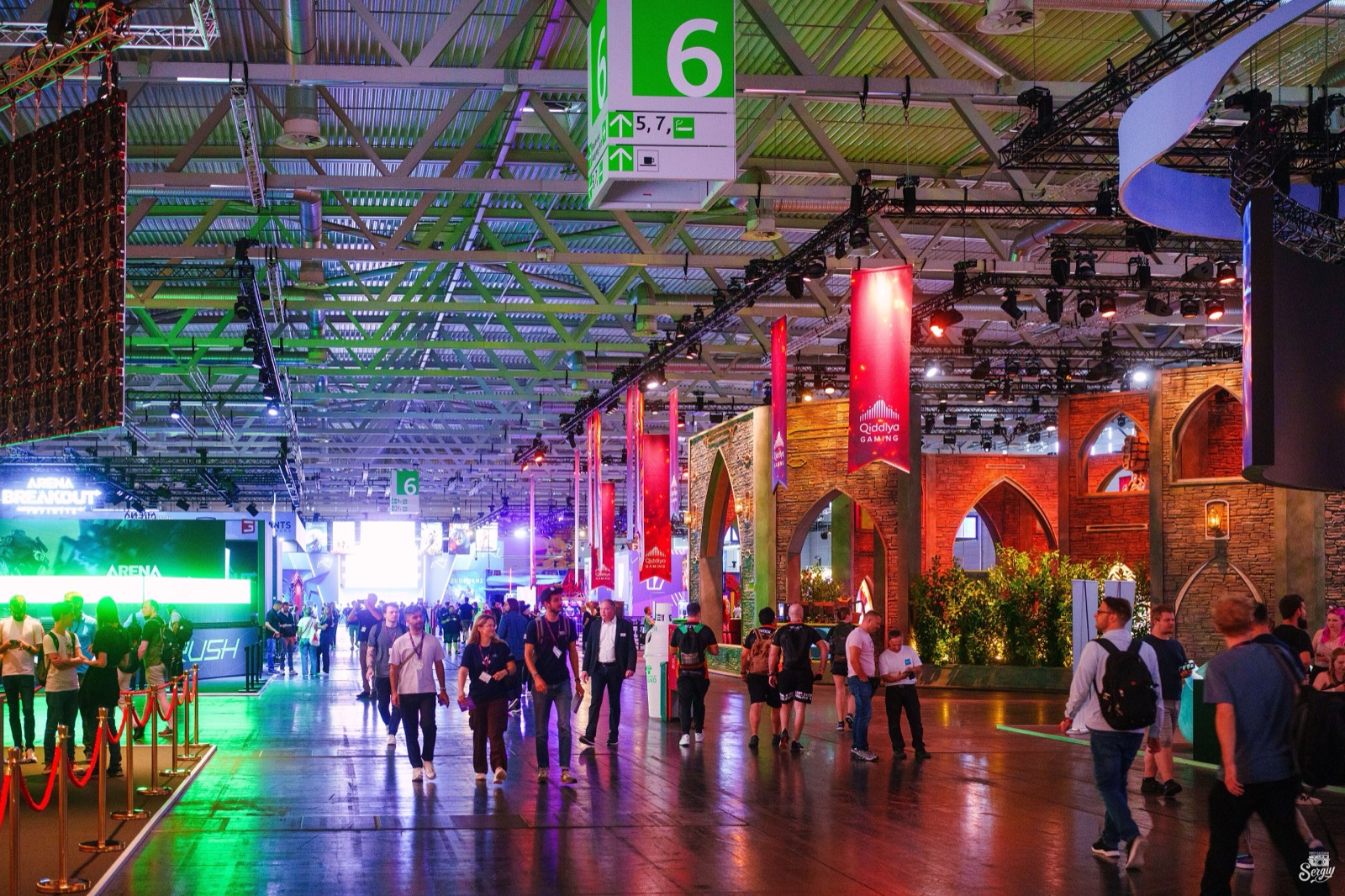
A games trade fair opened in Cologne, Germany on 26 August. All 233,000 square metres of exhibition space sold out for the first time in the show's history. Games are sold as downloads, with no shop and no shelf, yet 350,000 people will buy a ticket and walk in over five days to touch them. An industry that no longer needs stores is building the largest store in the world.
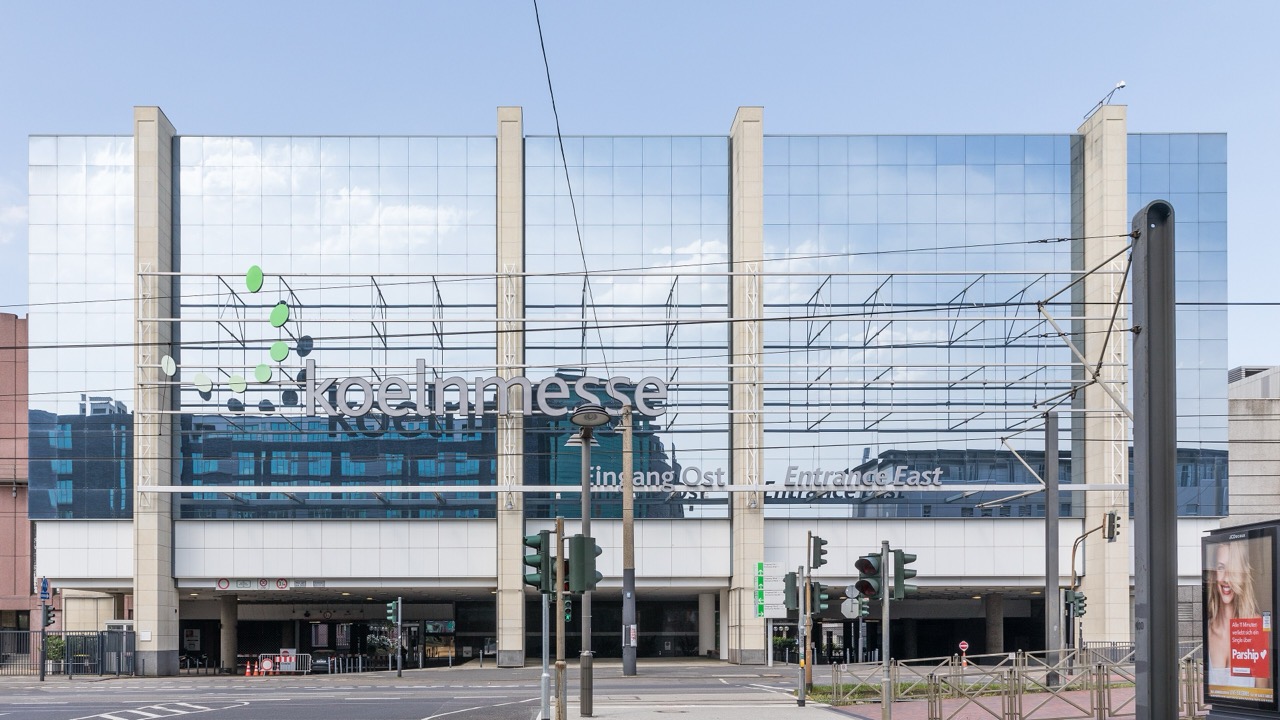
1.The show runs five days, from 26 to 30 August. The first day is for trade and press only, with the public let in from the 27th. The venue is Koelnmesse in Cologne, and this year all 233,000 square metres of its exhibition space sold out for the first time.
2.More than 1,600 companies took booths, and 70% of them came from outside Germany. Last year the count was 1,568. The numbers barely moved; what changed is that the floor ran out. When no space is left, the seller sets the price.
3.A weekday ticket costs 31.50 euros, Saturday 41. There is no box office at the venue, only advance sales online. Last year drew 357,000 visitors, and organisers say this year should land near the same mark.
4.Outside show weeks the building is an empty box. The halls hold no fixed shops and no fixed seats, only the floor, the roof trusses and the power and data feeds. Filling them is the tenant's job. Which is why running an exhibition centre is a rental business.
5.Price is set by floor area. A row booth in the entertainment area runs from 152.50 to 182.50 euros per square metre, and what separates the two is not the location but the date you book. Book in winter and it is cheap, book in summer and it is not. What that price buys is the floor. Walls, power and carpet are bought separately.
언제 신청했느냐가 ㎡당 값을 가른다
6.On that floor a building goes up to be torn down after five days. For a large booth with a second storey, wrapped signage and queue lines split by posts, the rent is only part of the bill. Design, construction, freight, staff and demolition sit on top. German trade press puts the cost of taking part anywhere from nothing to 500,000 euros.
![Architecture built to last five days · The Star Citizen booth at Gamescom 2017. A screen cube hangs overhead and queue lanes run along the front. ©QSO4YOU.com [DE], CC BY-SA 2.0, Wikimedia Commons](/img/culture-032/02-1280.jpg)
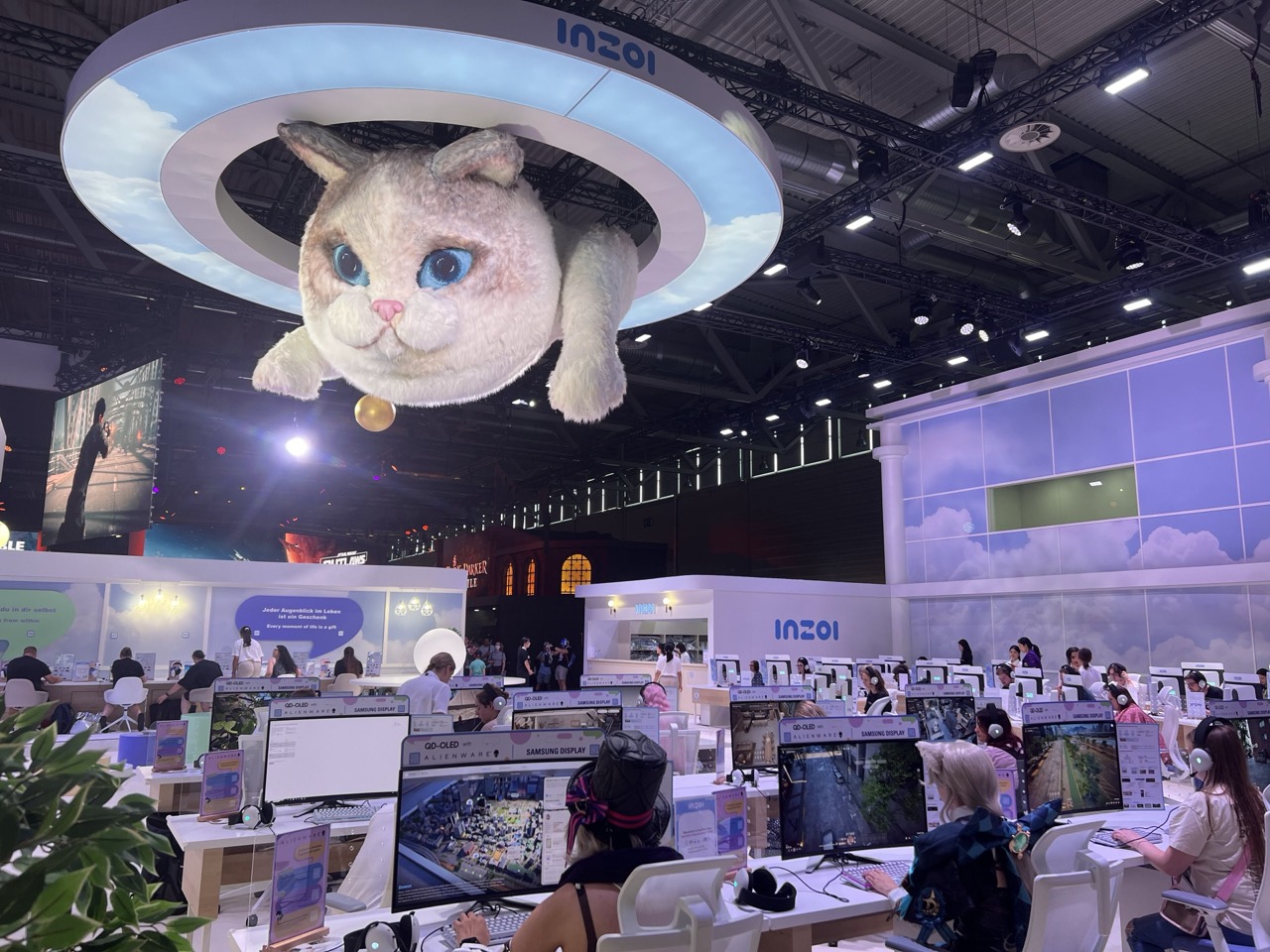
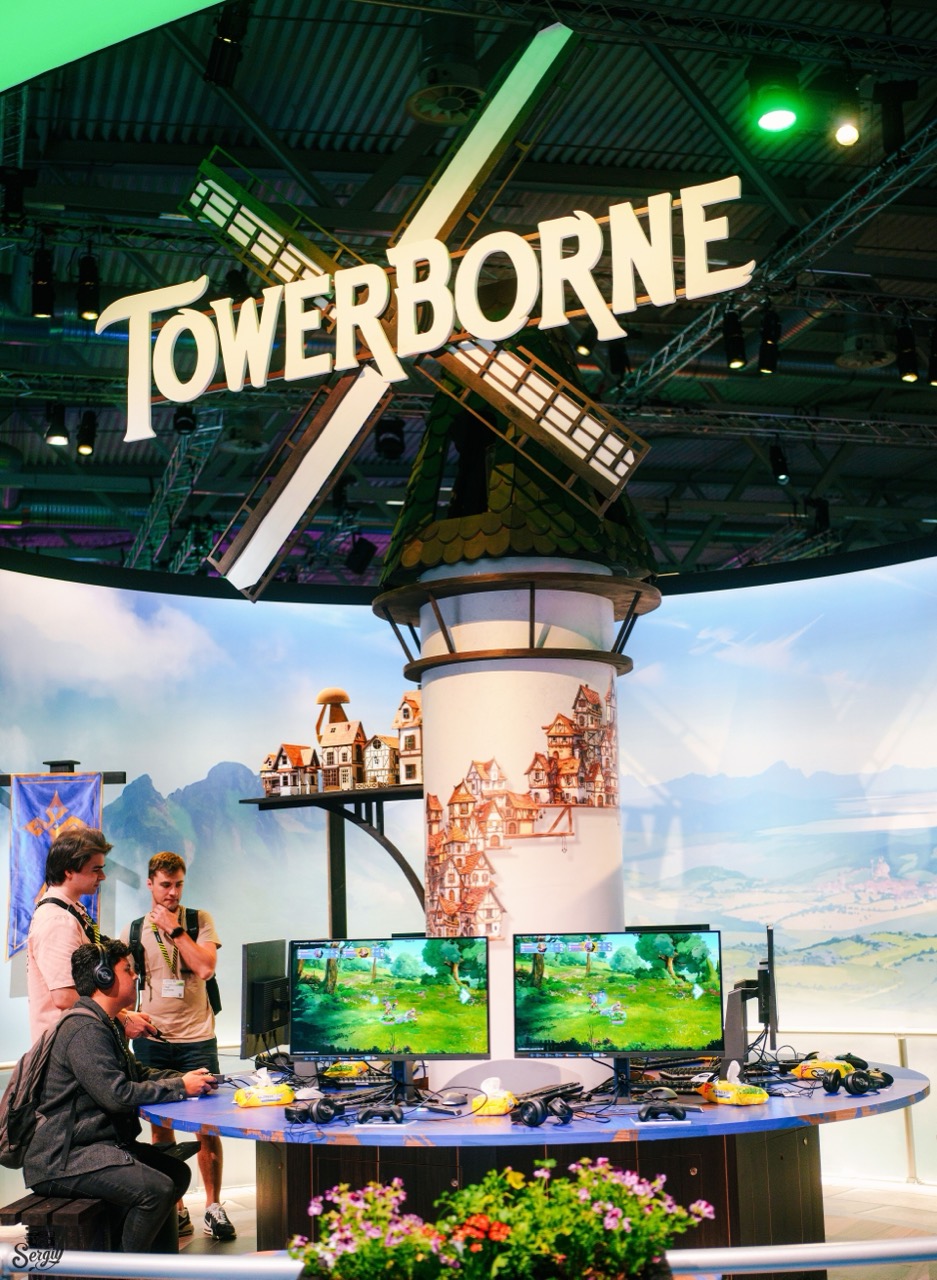
7.Walk inside and what registers is not the screens but the number of seats. One round counter carries four monitors, with headsets and controllers to match. Overhead hangs a sculpture that identifies the booth from a distance. One person holds one seat for ten to fifteen minutes. What a booth counts is not the day's revenue but how many hands touched the thing.
8.Games need no shop to sell. More than 10,000 of them reach Steam every year, and downloading one takes minutes. So why does everyone travel to Cologne to buy floor space? The bottleneck in this industry is not distribution but discovery. A game nobody hears about may as well not exist.
9.A queue, then, is not advertising but a signal. You can see on the spot which booth has a line and which does not, and that footage travels. Last year the opening broadcast was watched 72 million times, far more than the 350,000 on site, and the raw material for that broadcast is the floor itself.
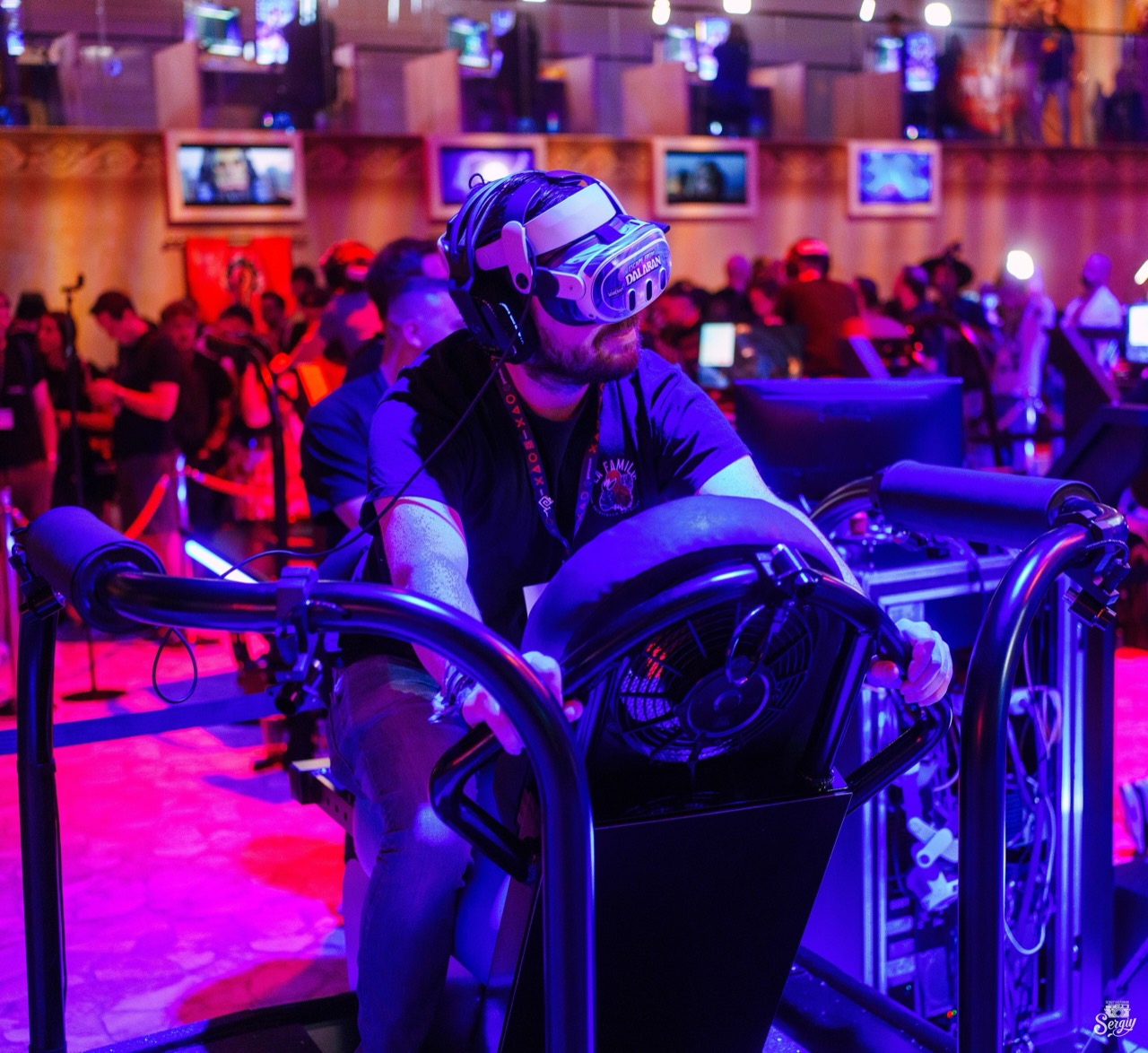
10.Indie studios passed 420 this year, up 16% on last. For those companies the cost of a booth under the same roof as the majors comes in below what advertising would cost. A line can form in front of a stand the size of a parking space. The phrase the organisers chose this year is small teams, big successes.
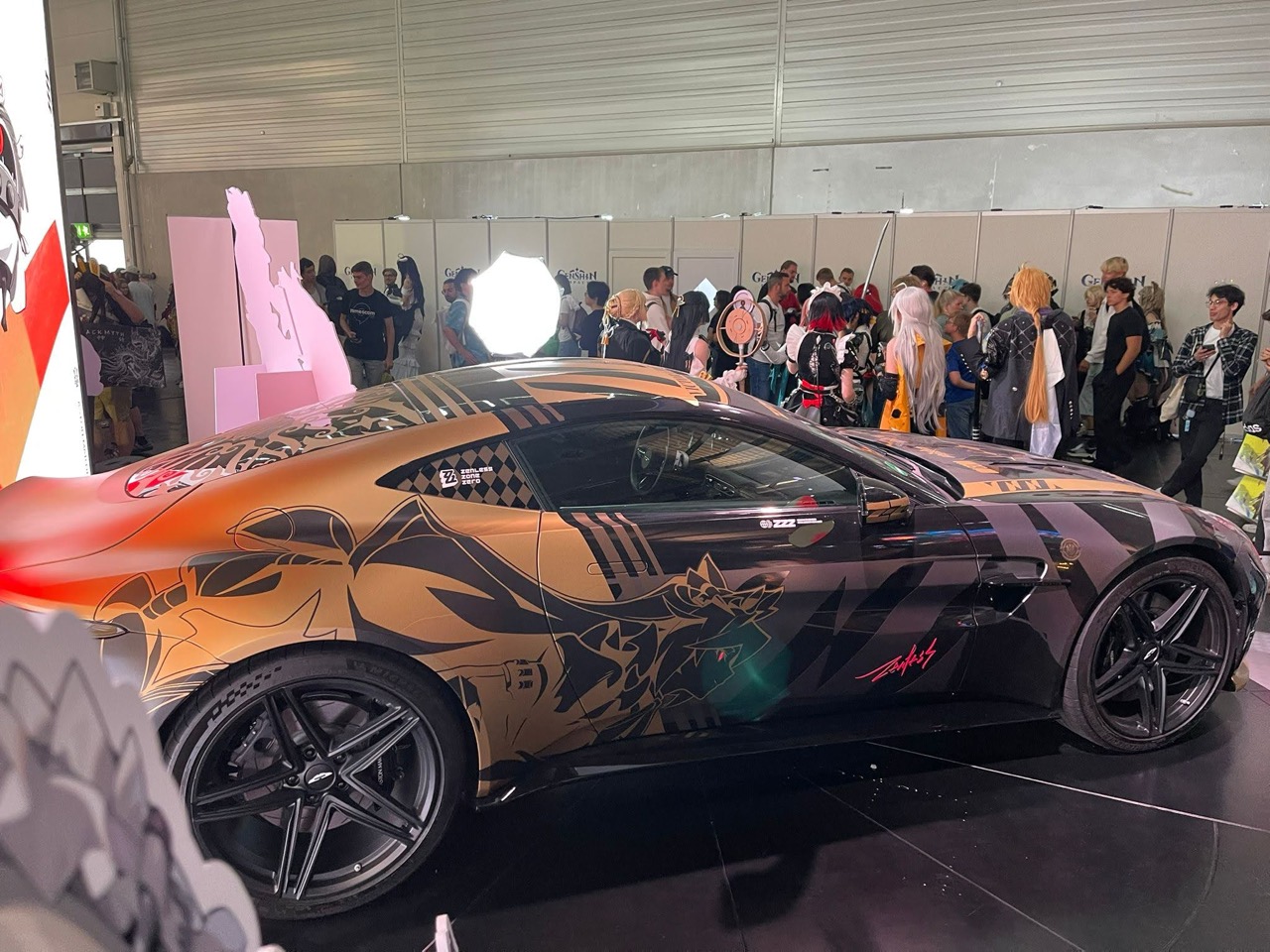
11.Put general admission at 310,000 once trade visitors are stripped out, and an average paid price of 33 euros after discounts, and ticket income comes to 10.2 million euros. Day-by-day sales have never been published, so this is an estimate.
12.The booths bring in more. Treat half the exhibition space as billable floor and apply 167.50 euros per square metre, and rental income reaches 19.5 million euros, close to twice the gate. Visitors look like the customers here, but the people paying are the companies that built the booths.
부스 임대가 입장권의 두 배
13.Divide 167.50 euros per square metre by five days and you get 33.5 euros a day. Add service charges to what a prime office in central Seoul asks per square metre per month and you land near the same figure. The trade-off is that the floor sells only a few days a year, which makes an exhibition centre an asset that swaps utilisation for unit price.
14.The city of Cologne puts 350,000 euros in. It pays for the free concerts of the city festival, about one euro per visitor, and hotels and restaurants collect the return. What a city calculates when it holds on to an event is not a share of the gate but this spillover.
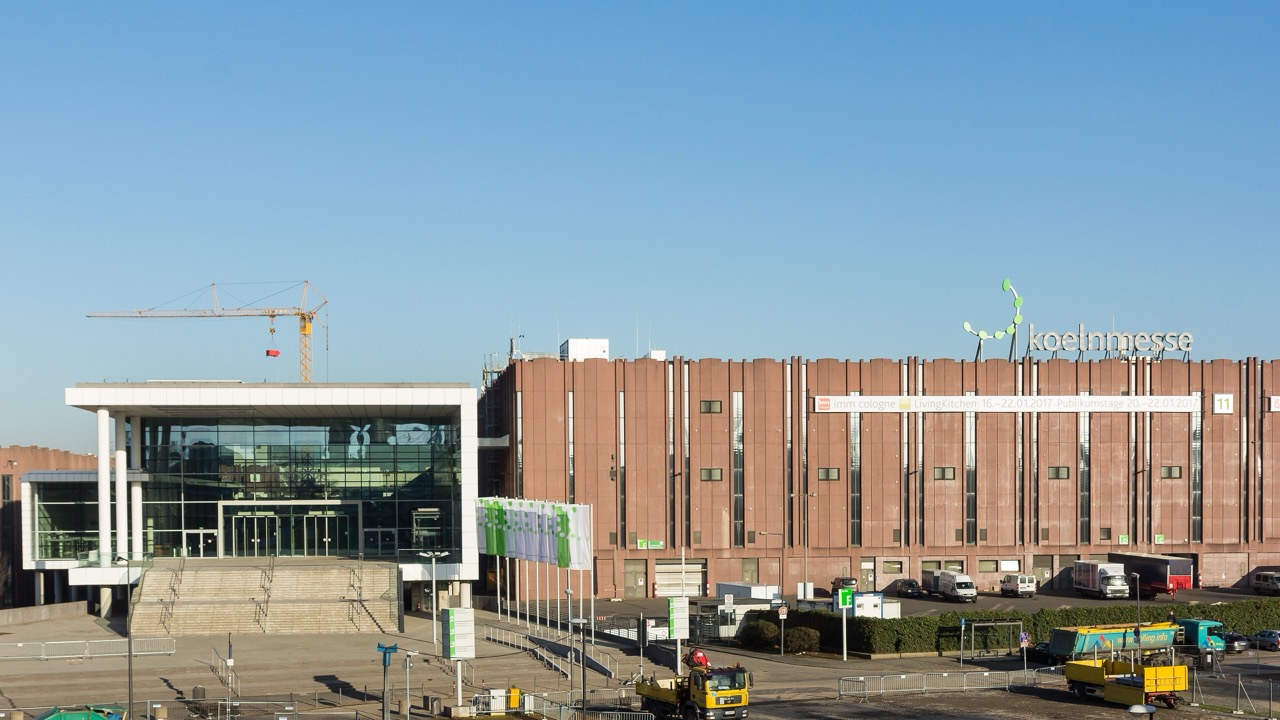
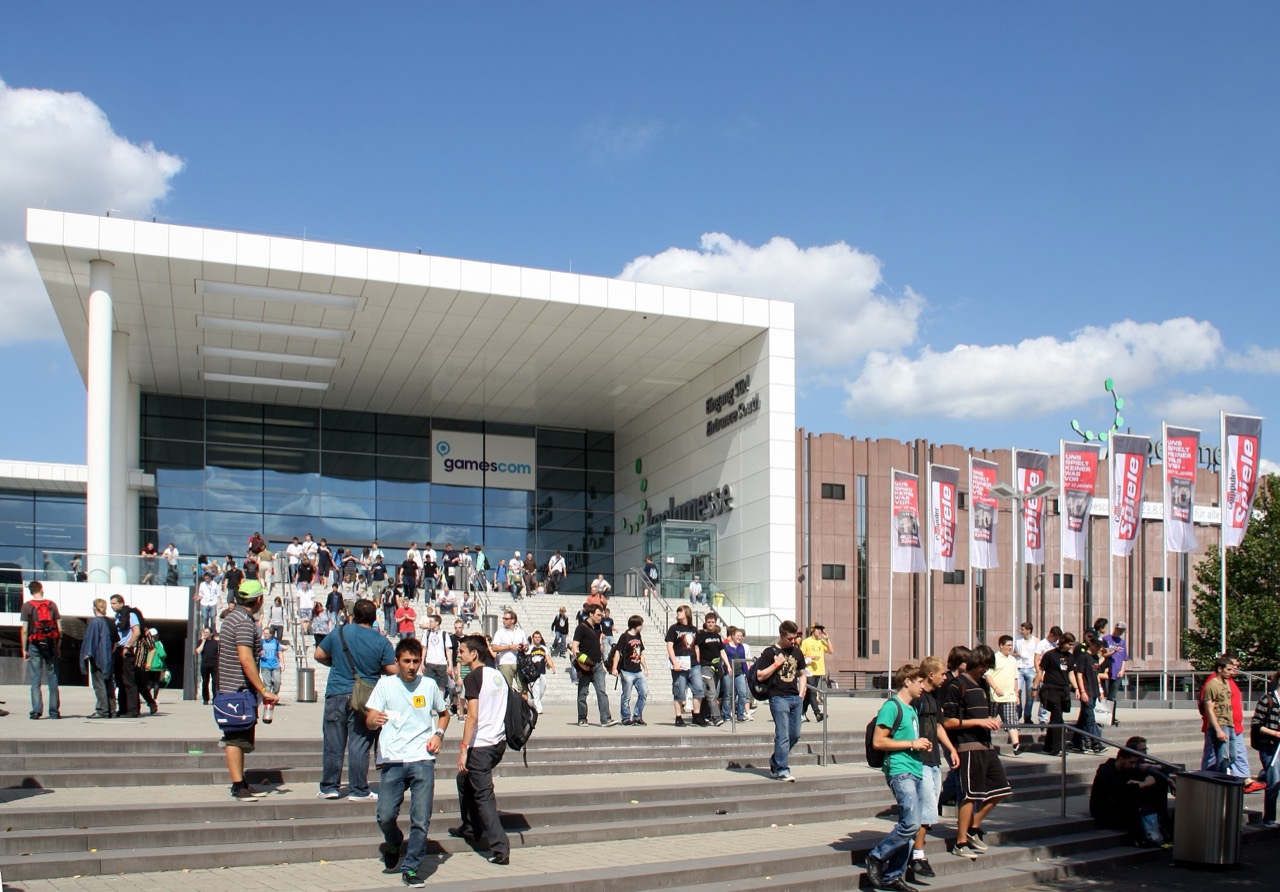
15.The show did not start in Cologne. From 2002 it ran in Leipzig as Games Convention and was the largest in Europe. When transport and hotel capacity could no longer absorb the crowds, the industry body moved it to Cologne, and because Leipzig would not sell the rights to the name, a new one was coined. That name is gamescom. The first edition in 2009 drew 245,000.
16.Over the same years the American show went the other way. E3 (Electronic Entertainment Expo) moved online, lost money doing it, and in late 2023 its organiser announced a permanent shutdown. Tokyo Game Show runs next month over five days for the first time, marking its thirtieth year. The one that moved to a screen died, and the one that bought more floor survived.
17.In Cologne, 233,000 square metres sold out for the first time over five days, and the floor works out at 33.5 euros per square metre per day. Rent is only a fraction of what an exhibitor spends. Design, build, freight and demolition run several times higher, and if exhibitors cannot find a reason to carry that total, the floor sells but the booths look thin. Build at that scale elsewhere and the hard part is this side of the ledger, not venue availability. Selling every square metre and making an event worth walking through are not the same job.