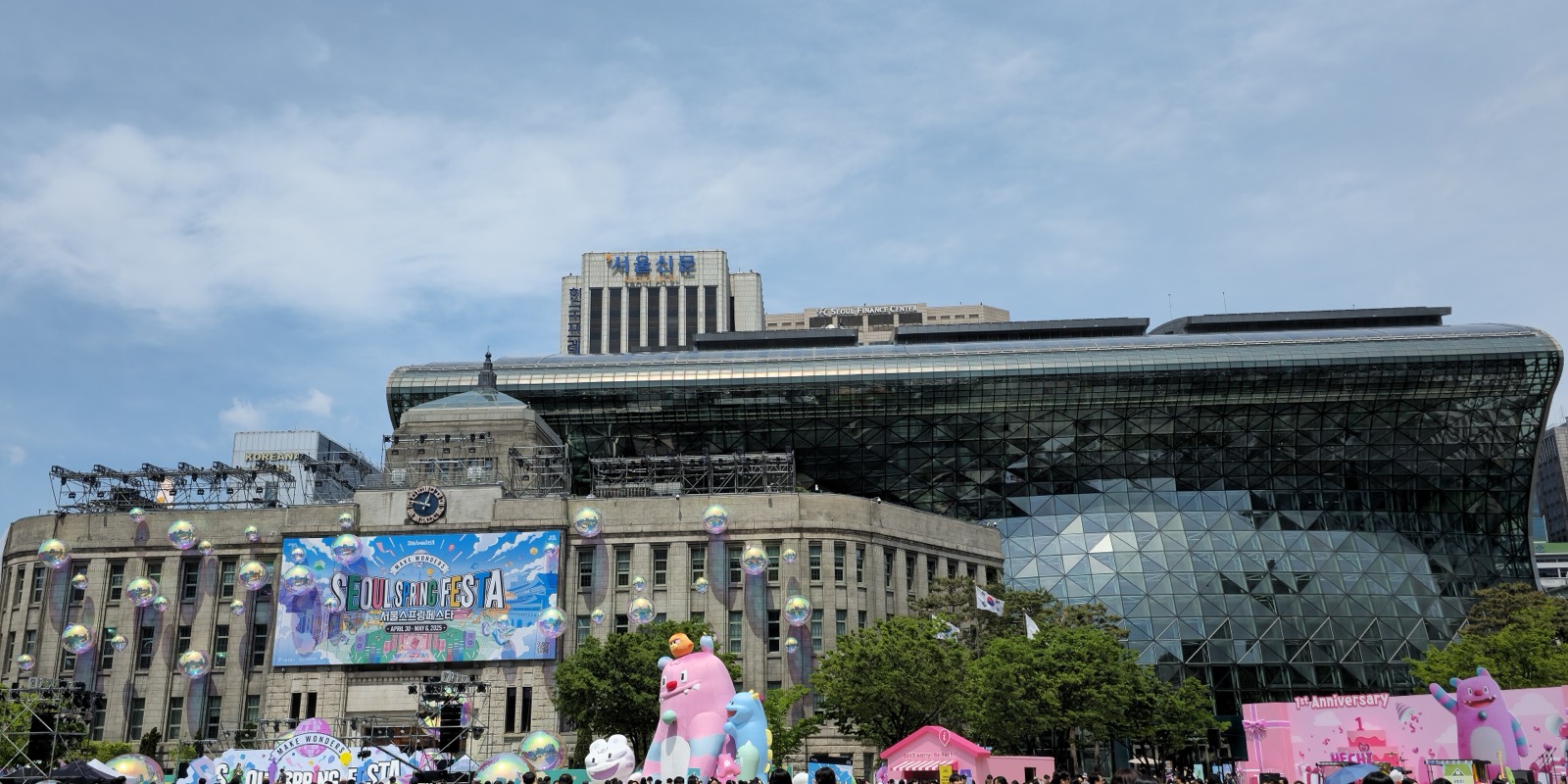
On August 24 a 335-meter corridor opened 13 meters below Seoul Plaza. For forty years the space had no use. The city spent 8.18 billion won installing ventilation and fire safety systems, and its first tenant is a BIGBANG 20th anniversary exhibition. A ticket costs 20,200 won. The same company staged a show at a department store last year, and admission there was free.
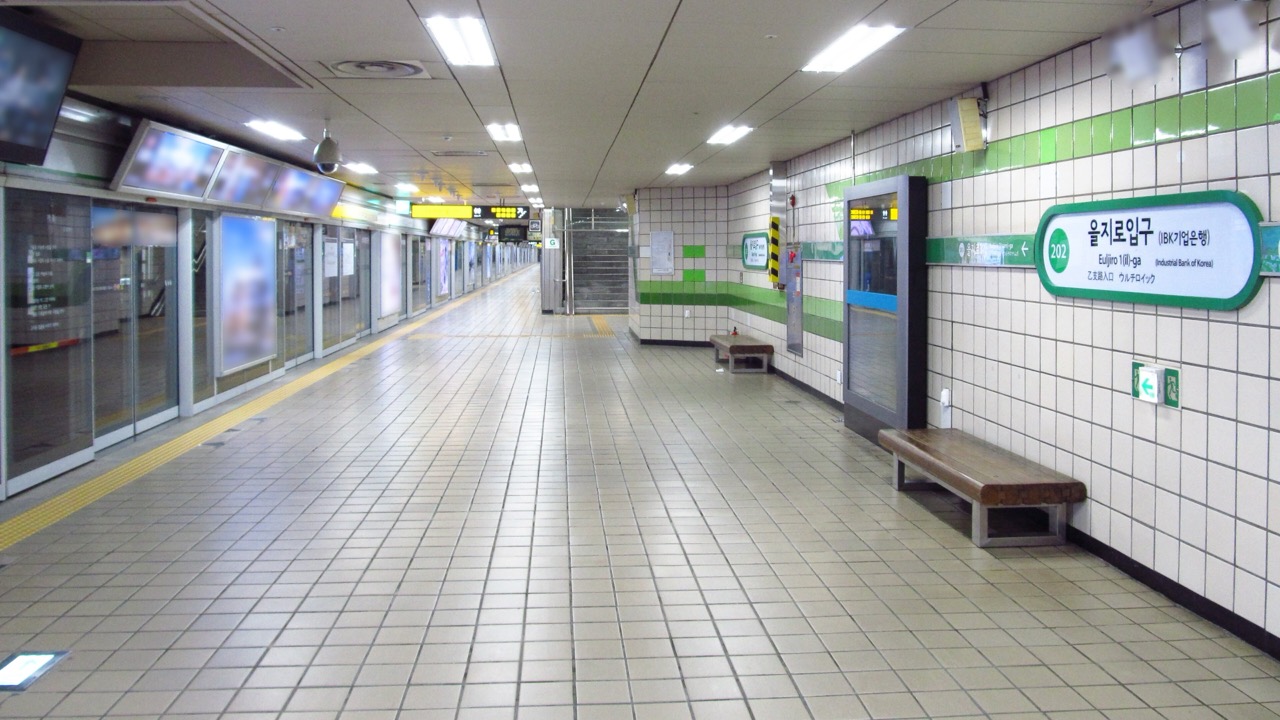
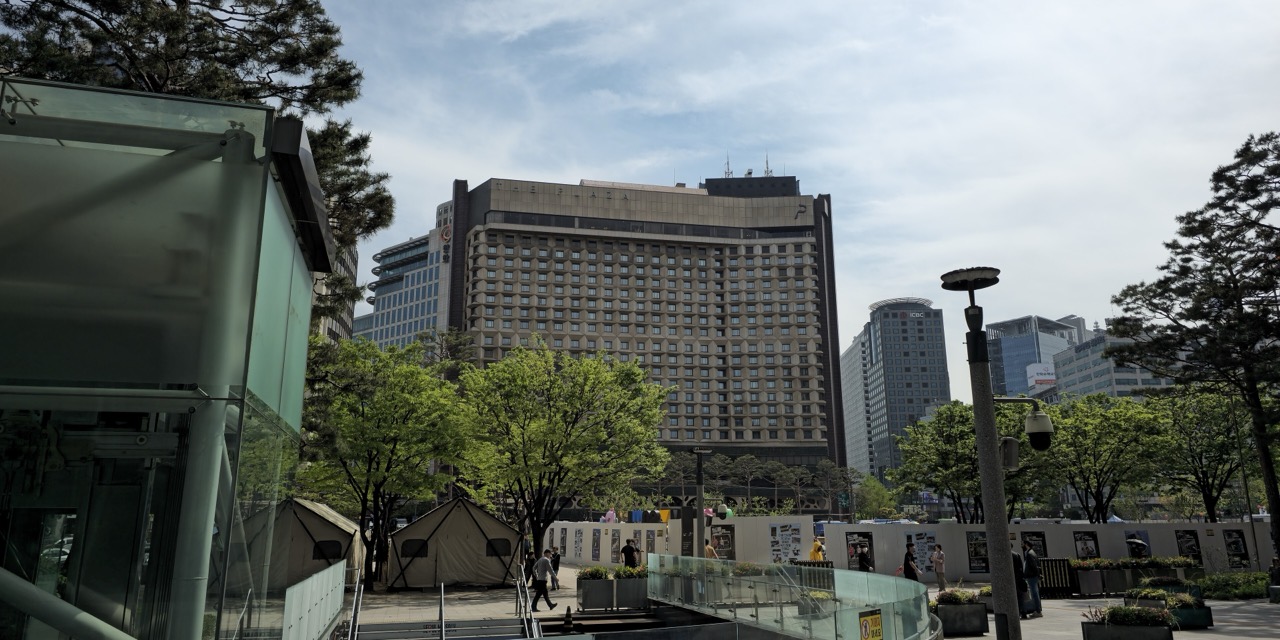
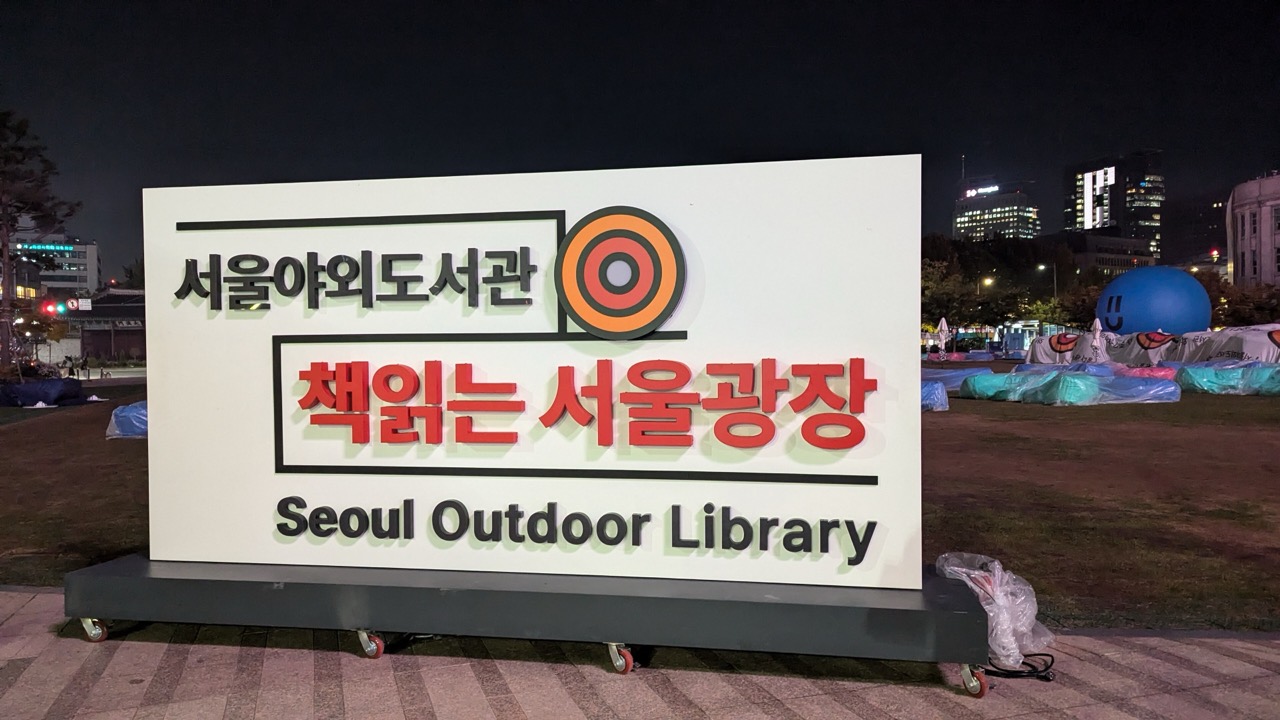
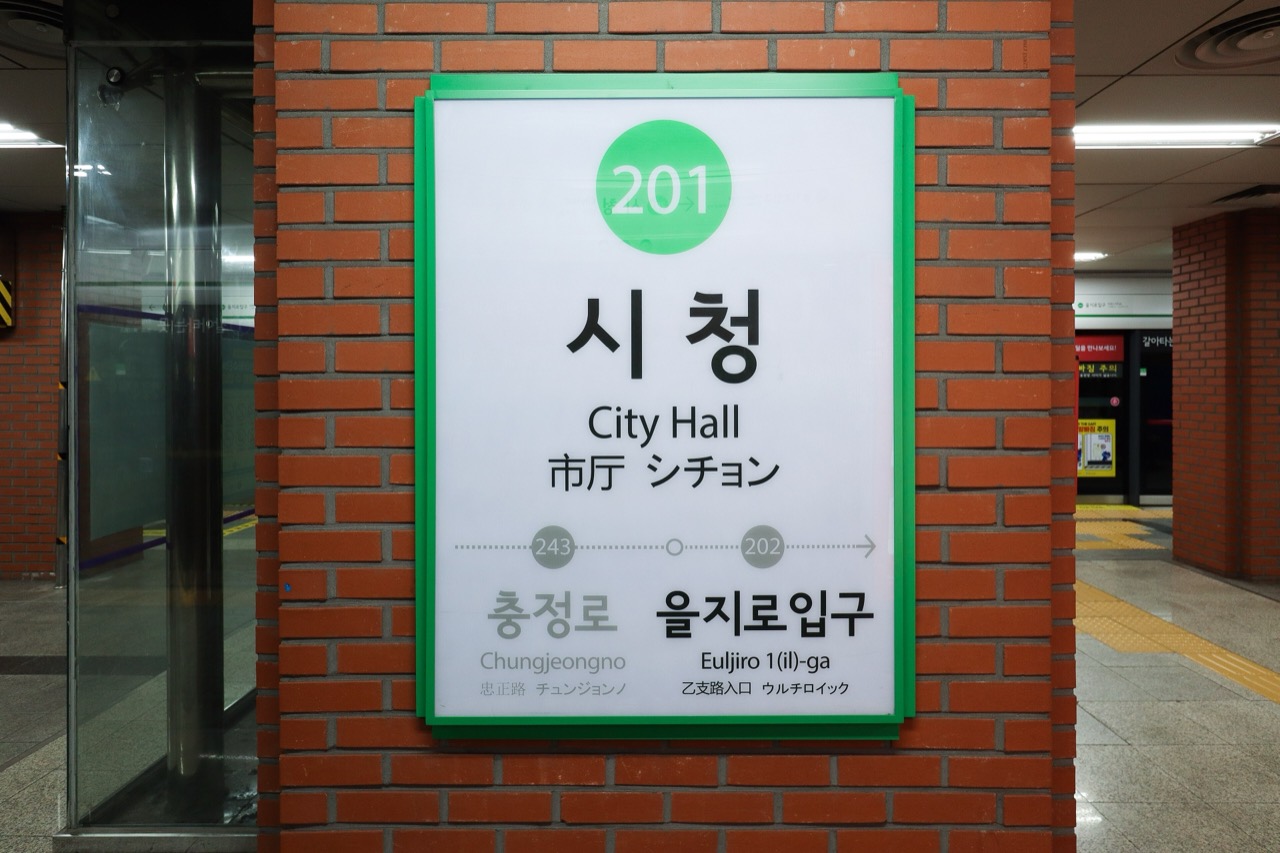
1.Opening day was August 24. The space sits on the second basement level between City Hall Station and Euljiro 1-ga Station, cutting across the ground 13 meters under Seoul Plaza. The city calls it the K-Culture Station. The name the operator put on the signage is dududo SEOUL.
2.It measures 9.5 meters wide, 4.5 meters high and 335 meters long. That works out to 3,261㎡, or 986 pyeong of hallway. An underground shopping arcade, the first ever built in the country, runs above it. Subway Line 2 tracks run below. A floor wedged between those two layers.
광장 아래로 세 겹이 겹쳐 있다
3.The first program is COSMOS, a media exhibition marking BIGBANG's 20th debut anniversary, running until September 27. Doors open from 10 a.m. to 10 p.m., one session on the hour, 100 people per session, 60 minutes inside. Tickets sell only through Naver reservation, with no box office on site. The price is 20,200 won.

4.Nobody planned this space. The city believes it was left over in the early 1980s while connecting two stations built at different depths. No completion record survives, and neither does any note of what it was for. It opened briefly in September 2023 under a temporary program called Citizen Explorers, closed again for lack of safety systems, then took three more years to get ventilation and fire protection.
5.Measure the section and the list of possible uses gets short. At 9.5 meters, the width cannot hold shops on both sides and still leave a corridor down the middle, and a 335-meter linear plan means dragging water supply, drainage and exhaust to every single unit. Neither retail nor food and beverage pencils out at these dimensions. One answer was left. Content you walk through.
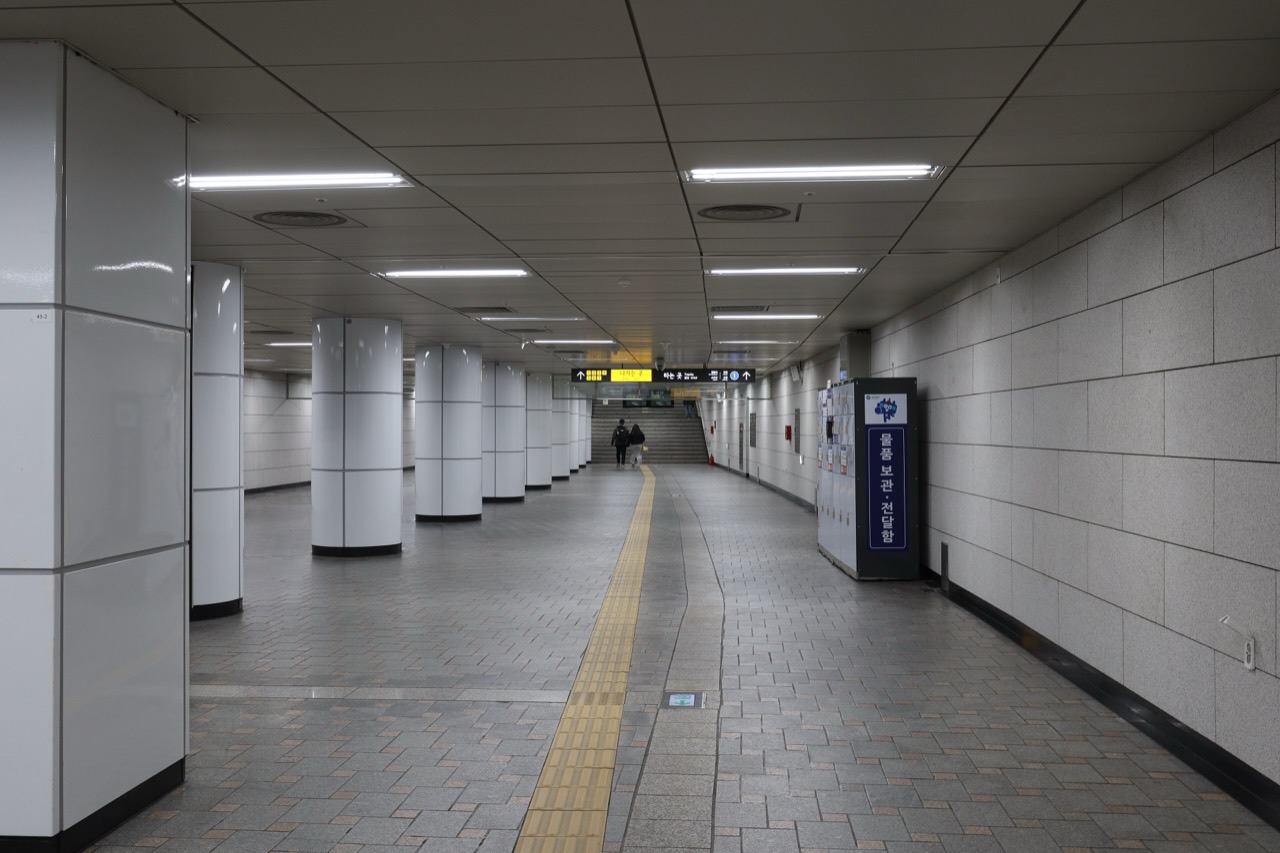
6.So they never built new walls. The city says it used the surviving concrete faces and the long tunnel form as the stage for light, video and music. Ceiling ducts and lighting tracks stay visible, and mirrors along one wall push the 335 meters further into the distance. The finish they skipped became the material of the staging.
7.The bill came to 8.18 billion won, 7.8 billion of it construction. Divided across 986 pyeong that is 8.3 million won per pyeong. It bought ventilation, fire protection, egress and electrical work, and almost no finishes.
8.A fully booked day brings in 24.24 million won. The run lasts 35 days, from August 24 to September 27, so the best imaginable case of continuous sellouts is 42,000 visitors and 848 million won. Weekday afternoon sessions will not fill. Read that figure as a ceiling.
한 회기를 다 팔아도 공사비의 10분의 1
9.What sets the payback speed is not visitor count. It is how fast the next show moves in. That is why the city committed to permanent operation and to rotating content through K-pop collaborations, fashion shows and brand events. Every idle month leaves that 8.3 million won per pyeong sitting dead.
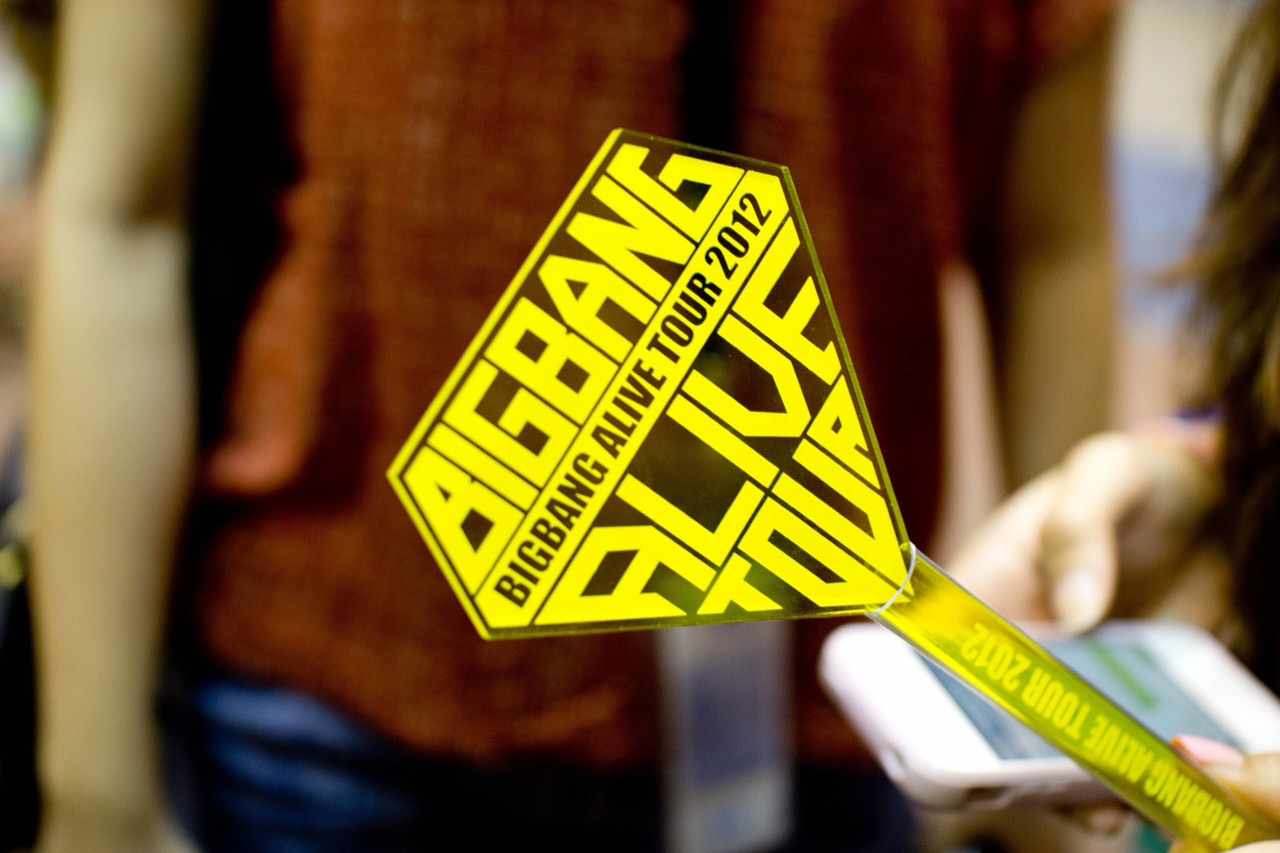
10.Merchandise rides alongside the ticket. The venue sells a 20th anniversary light stick and a hologram T-shirt limited to 2,020 pieces. Merchandise spend at K-pop exhibitions typically lands between 30,000 and 50,000 won per head, with roughly half of visitors buying. Apply that to 42,000 people and you get 600 to 800 million won. Not a disclosed figure, but an estimate built on industry benchmarks.
11.Converted to floor area, the number is strong. Divide a sold-out day of 24.24 million won across 986 pyeong and you get 24,600 won per pyeong per day, or 740,000 won a month. Monthly rents in Seoul's main pop-up districts run between 300,000 and 500,000 won per pyeong. This is revenue rather than rent, though, and production and labor costs have not come out of it yet.
12.City Hall Station handled an average of 100,349 passengers a day in 2025. Those people are not the customers. Every ticket is booked in advance and walk-ins are turned away. A decision not to count passers-by as demand.
13.The reason is density. A hundred people across 335 meters gives each visitor 3.35 meters, and once that spacing collapses the 60-minute staging collapses with it. Foot traffic is not raw material for this product. It is interference. So why put it under a subway station. The answer is rent rather than access. Renting 986 pyeong of linear space above ground in the city center breaks the math on that line item alone, and here it is dead area held by the public sector, so the number sits near zero.
14.Creative Mut, the operator, is the studio behind G-DRAGON MEDIA EXHIBITION : Übermensch. That show ran at The Hyundai Seoul in March 2025 and admission was free. It then toured 11 cities including Tokyo, Taipei, Hong Kong and Bangkok, drawing 230,000 visitors in total.
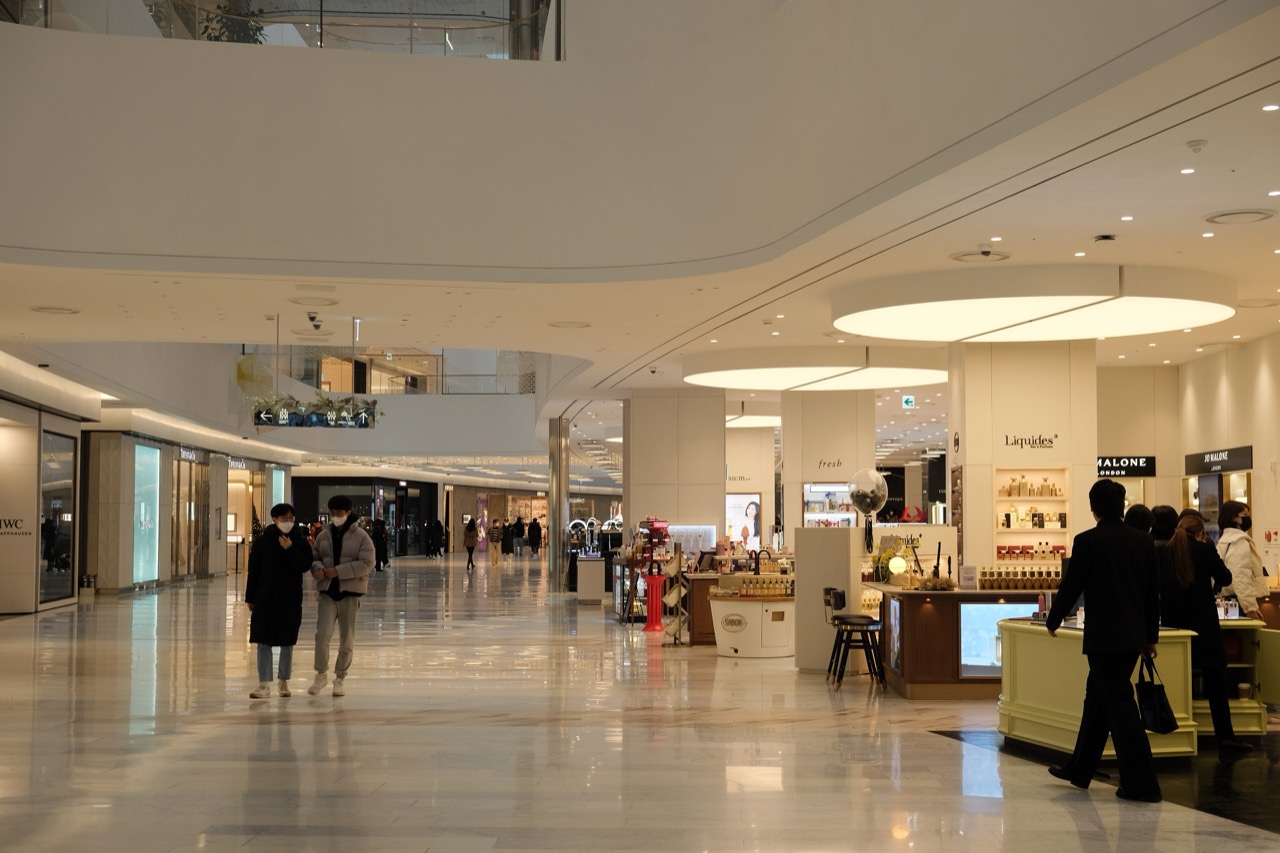
15.The department store had its reasons for opening the doors free. There the exhibition was bait rather than the product, and the stores in the same building did the recovering. A tunnel underground has no stores to recover through. The same company put a price on the same format not because the content changed but because the room next door disappeared. A touring show gained a fixed stage, and in exchange the bait became the product.
16.A 335-meter stretch shut for forty years opened for 8.18 billion won, and up to 1,200 people a day now buy 60 minutes at 20,200 won. Selling out an entire run yields 850 million won, so payback comes from the speed of content turnover rather than from tickets. Anyone eyeing a similar underground space starts by calculating rent. What kills these projects is the egress stair. Deep linear spaces live or die on travel distance in the permit review, and the cost of fixing that runs higher than the cost of finishes. Dead floor area looks cheap because that bill has not arrived yet.