On August 31 a New York gallery reopens in Seoul's Hannam-dong. It left Cheongdam-dong and doubled its exhibition space in the move. Over the same stretch Korea's art market fell from 806.6 billion won in 2022 to 615.1 billion won in 2024. Two days after the opening, Frieze Seoul begins at COEX. The date came first and the construction schedule followed.
1.Opening day is August 31. The address is the Hannam Building at 739-28 Hannam-dong, Yongsan-gu, two floors. The inaugural show is 1 day in space, the first solo exhibition in Korea by British artist Ed Atkins, running through October 31.
2.The gallery is Gladstone. Barbara Gladstone left a professorship at forty-six and opened a room in Manhattan in 1980. Today it runs two spaces in Chelsea plus the Upper East Side, Brussels, Rome and Seoul, and represents more than 70 artists. The founder died in Paris in June 2024. Seoul was the last Asian outpost she opened.
3.The Seoul branch started in Cheongdam-dong in 2022, using a ground floor and a basement level, and opened with Philippe Parreno's Mineral Mutations. Four years on, the move doubles the exhibition area. Design by Mass Studies, led by Minsuk Cho.
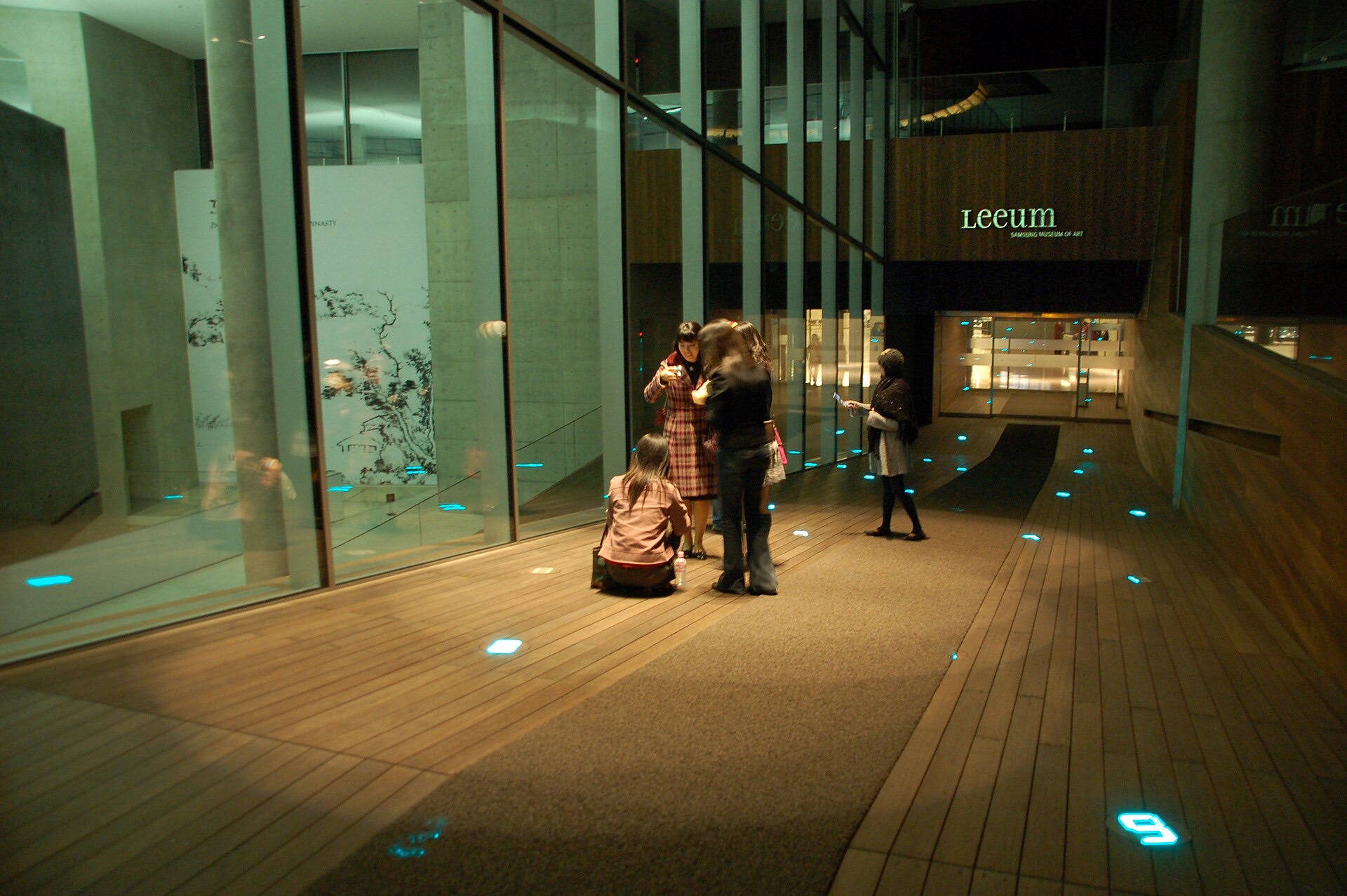
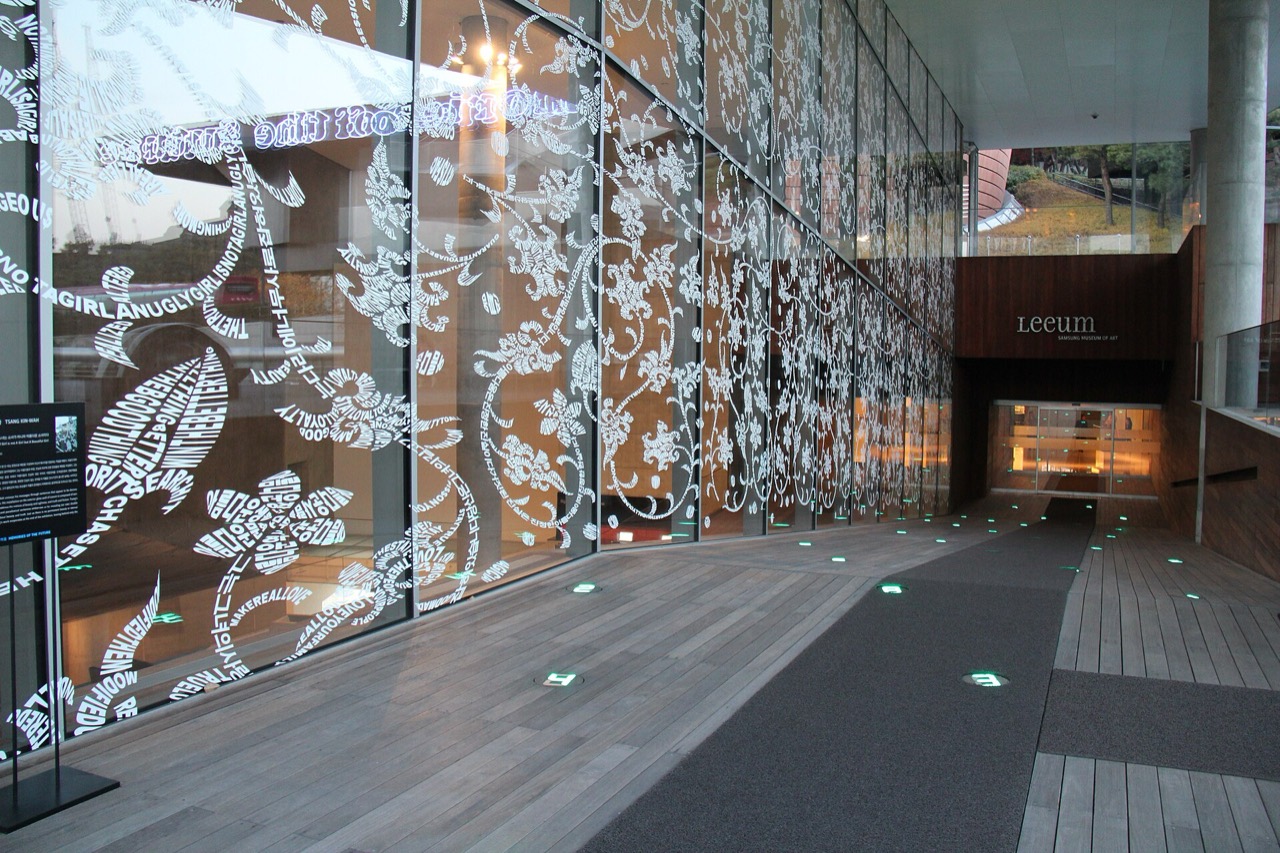
4.Hannam-dong was chosen for its neighbors. Leeum is a short walk away, and Thaddaeus Ropac, Esther Schipper and Lehmann Maupin got there first. In June, twelve galleries in the district aligned their Saturday hours under the name Hannam Saturdays. A visitor who comes for one gallery walks past the other eleven. Cheongdam never allowed that.
5.At the center of the show sits a new video, Passive Mech. A cardboard stage set went up in the yard of a house on Sjælland in Denmark, and as wind and rain took it apart the camera caught one frame a minute for a month. What remains is 43,200 images and a stack of audio clips.
6.A room built for this kind of work starts by sealing the windows. One line of daylight turns a black frame grey, and sound leaking from the next room smears the low end. The conditions narrow fast. High ceilings, full darkness, walls that hold sound. A standard gallery plan divided by single sheets of white wall cannot deliver that. Two floors at double the area is the answer.
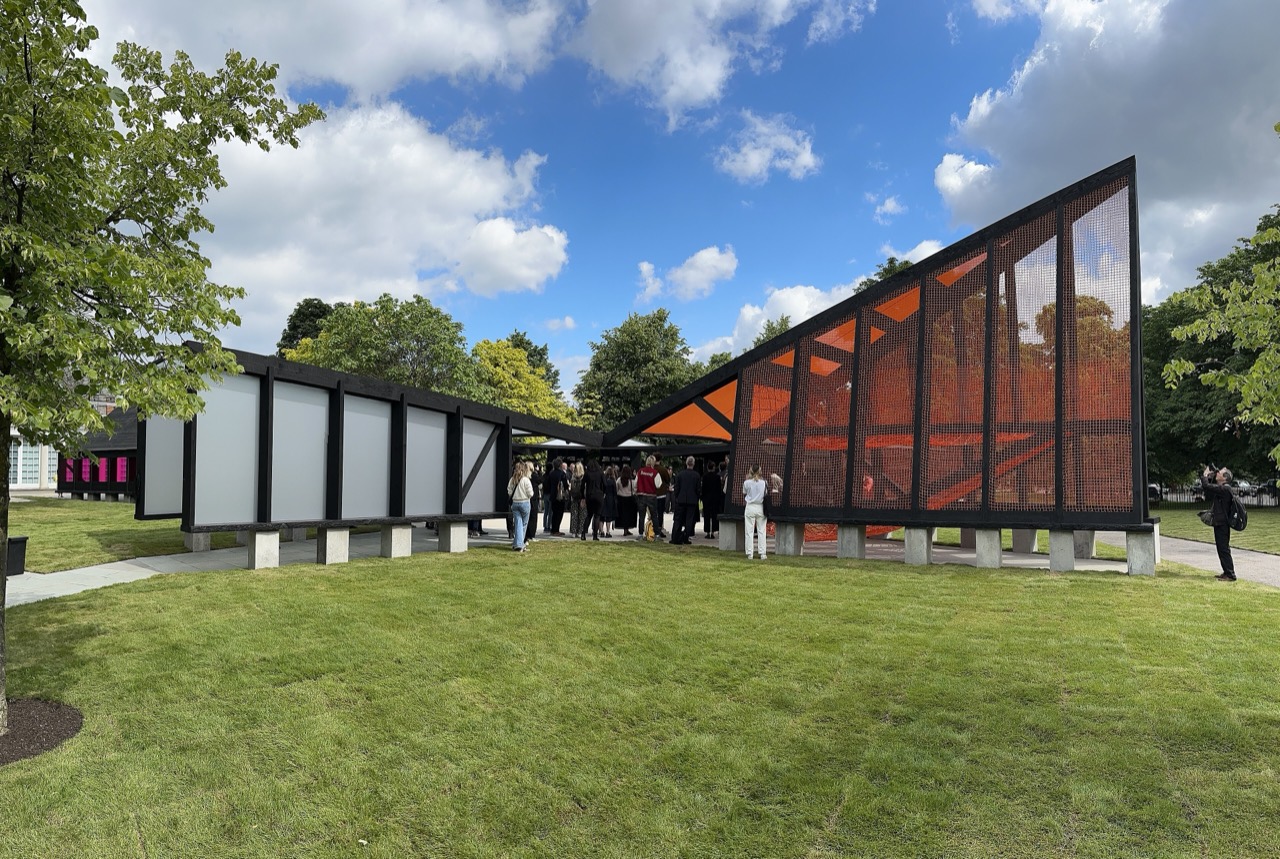
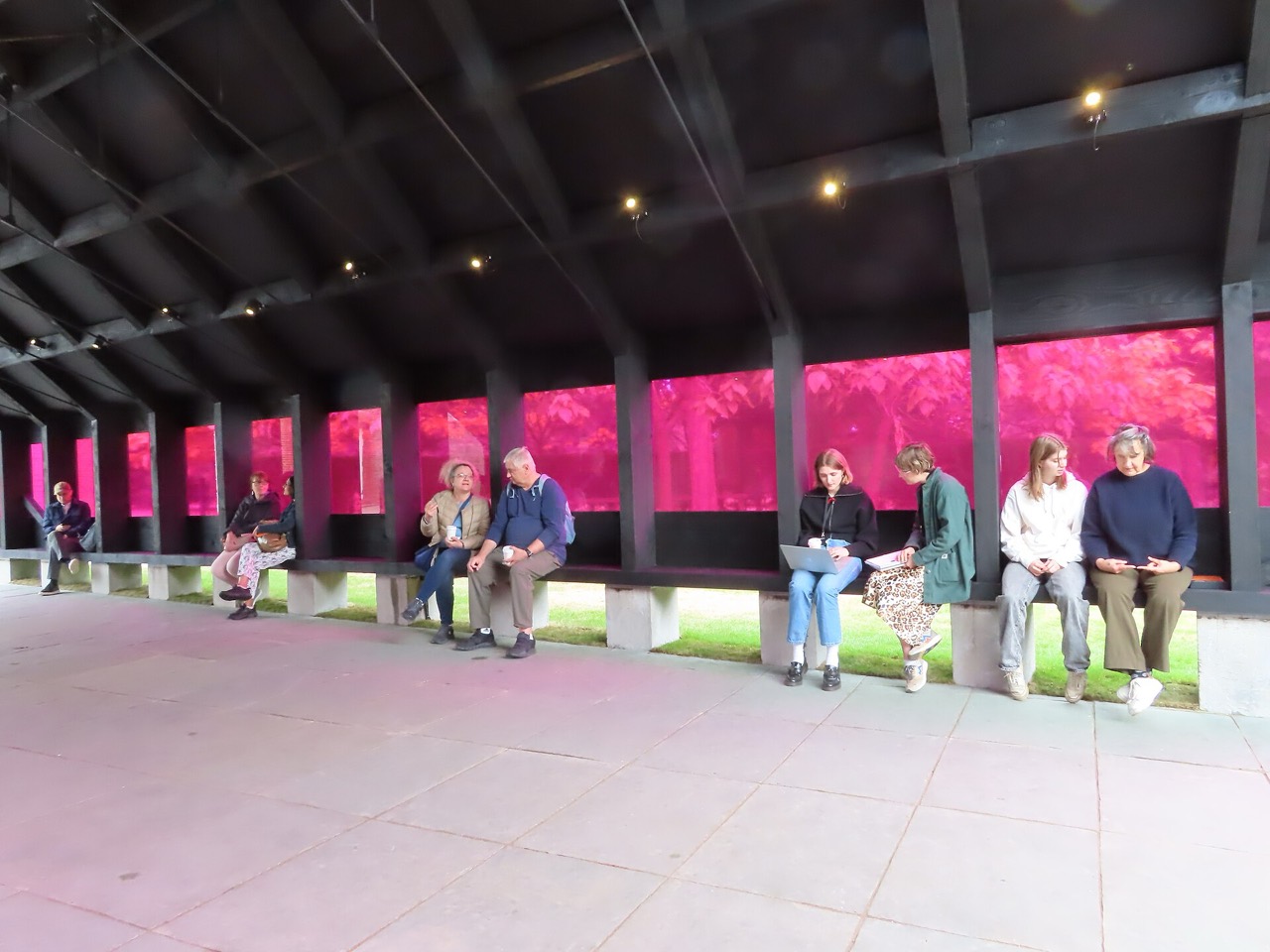
7.Mass Studies built the 2024 Serpentine Pavilion in London. Like that pavilion, which hollowed out its middle and ringed the void with five different volumes, this office treats empty space as material. How the two gallery floors are divided has not been made public.
8.The market had been shrinking. In the survey by the Ministry of Culture, Sports and Tourism and the Korea Arts Management Service, transaction value fell 23.7% over two years from its 2022 peak. The survey points to the economic slowdown and to high interest rates.
9.Last year it turned back up to 638.2 billion won, a gain of 3.8%. Yet the number of works sold fell, and the average price per work climbed to 15.02 million won. Price, not volume, carried the year.
거래액은 돌아섰고 팔린 작품 수는 줄었다
10.How a gallery earns is simple. It sells work consigned by an artist and splits the proceeds. The customary primary market split is half and half. Out of that come rent, salaries, shipping and insurance, art fair booths, catalogue production. The money leaving on every show is fixed. The money coming in is not.
11.Why open on August 31 of all days. Frieze Seoul starts September 2 at COEX. The gallery opens two days ahead and fills the day between with a talk. On the evening of September 1 at Hyundai Card Understage, Ed Atkins sits down with media artist Ayoung Kim and curator Choi Jang-hyun.
9월 첫 주에 일정이 몰려 있다
12.Frieze Seoul drew 70,000 visitors from 48 countries last year. The tickets are not cheap. A preview runs 250,000 won, and the Insider pass covering all four days runs 750,000 won. Anyone paying that is not browsing. What a gallery wants is not the 70,000 at COEX but the few hundred mixed in among them.
13.The roster of exhibitors shifted too. In 2024, 48% of participating galleries were based in Asia-Pacific. This year the figure passed 70%. Seoul has settled into the role of the place to meet Asian collectors, which is also the reason to carry the cost of a permanent space here. A Pace representative in Korea says more clients now ask for discounts to offset swings in the won.
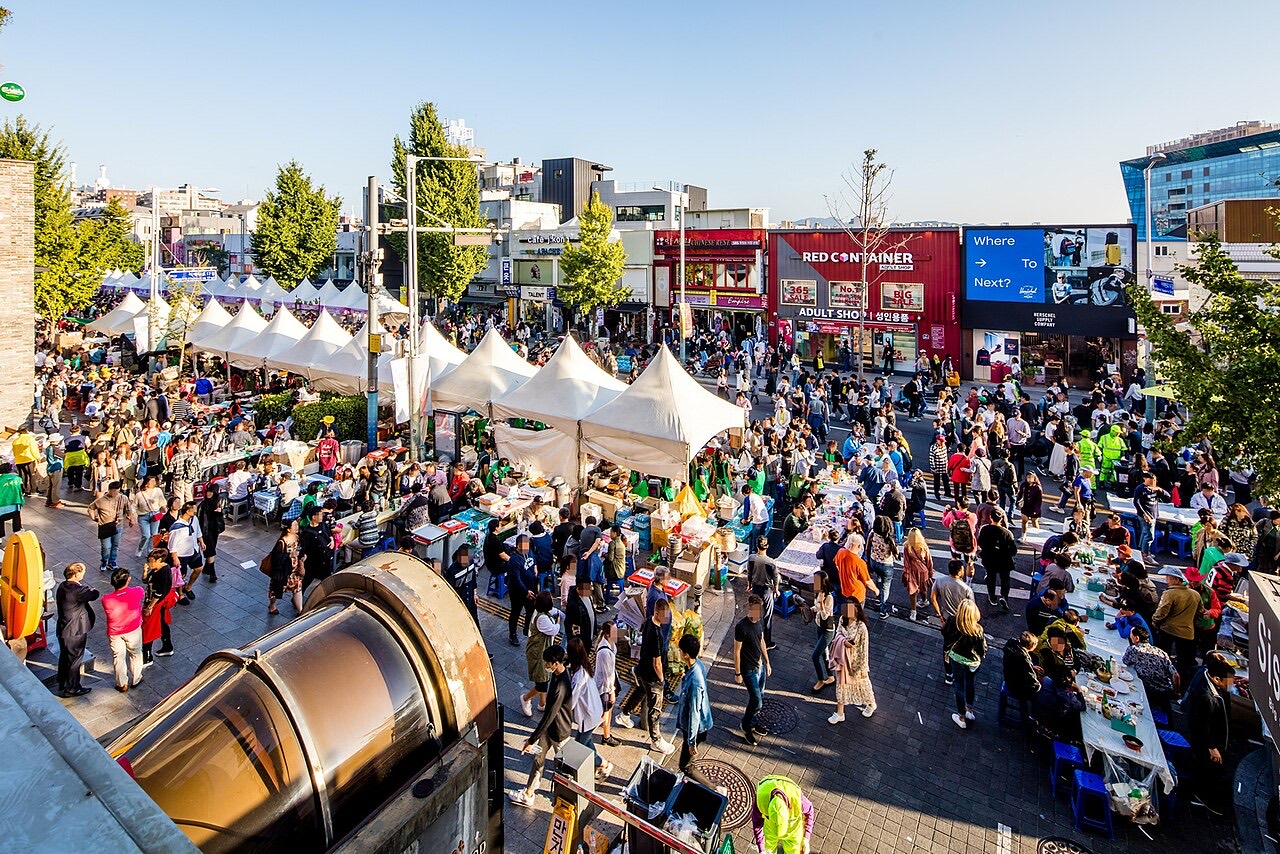
14.Rent was probably not why Cheongdam was dropped. Both districts sit near the top of Seoul's price range. What separated them was whether the required area could be taken whole in one building. The Cheongdam main road is mostly retail cut to luxury boutique dimensions, which makes it hard to stitch together the ceiling heights and column free spans a gallery needs. Hannam still holds older mixed use buildings, so a deal for two full floors is possible.
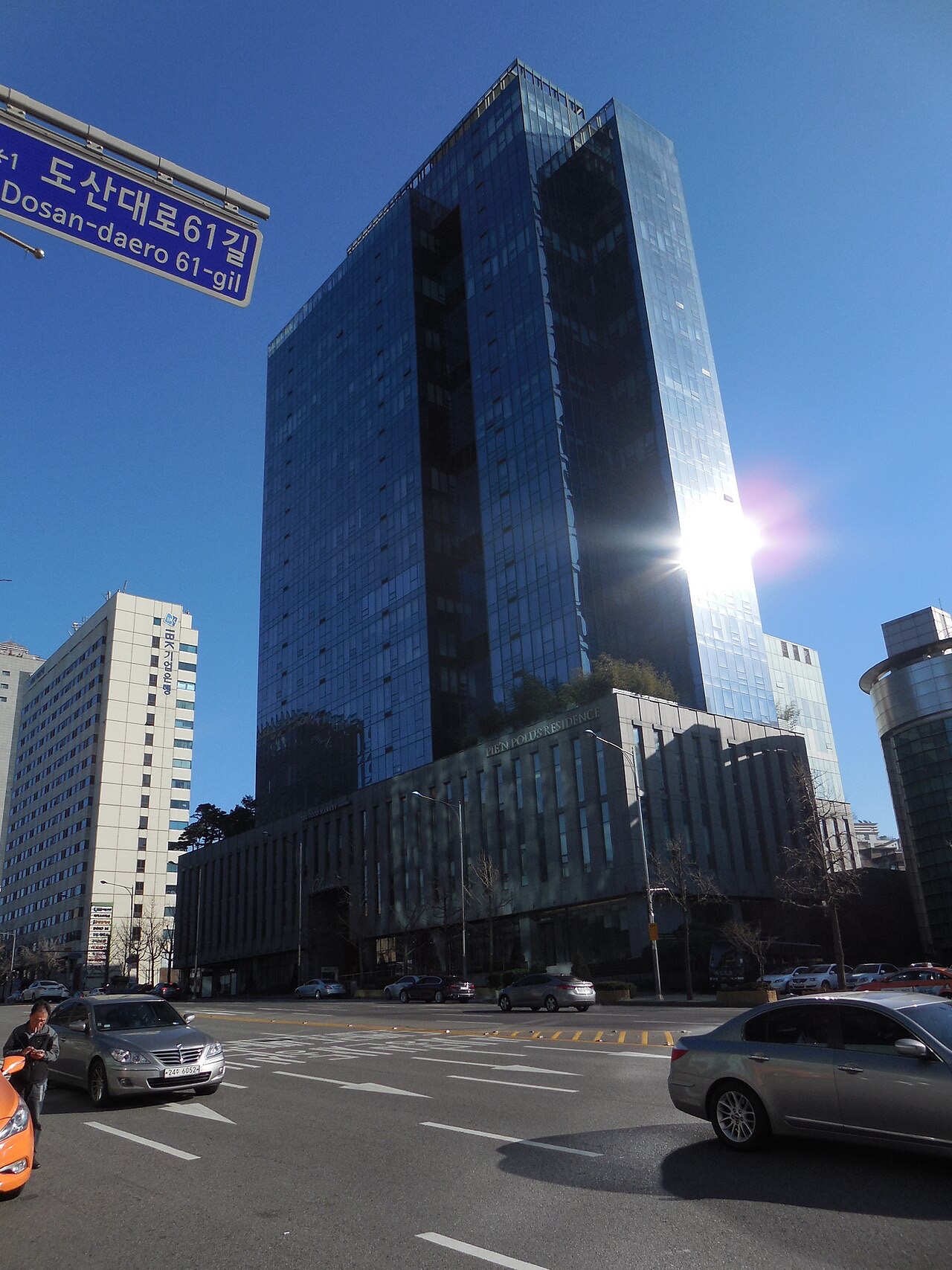
15.Why open with a video artist. Video is the hardest medium to sell in the primary market. It usually goes out in editions of about five to museums and foundations, and rarely lands with private collectors. That reveals what the new space is for. These two floors are not a room for selling but a room to show the next artist you want to sign. When galleries compete for an artist, the deciding factor is not the commission rate but the room on offer.
16.In a market that lost close to 24% in two years, a New York gallery doubled its Seoul exhibition space and opened the door two days before an art fair. The plan is to ride the four days that drew 70,000 people last year. Finding a room like this in Seoul means high ceilings and a column free floor plate, taken as two full floors from a single landlord. Buildings that meet the description are countable on one hand in central Seoul. You stop choosing a site and start fitting the site you can get.