A new Korean musical is running in Daehangno. It opened on 18 August and plays for twelve weeks, through 8 November. The theater it sits in only opened this February, and the company running that theater is, originally, a company that sells tickets. It stepped down from collecting booking fees into seats and production budgets, and the market it stepped into is shrinking.
1.The show is called Dive. It goes up in LINK THE SPACE Hall 1 on 18 August and comes down on 8 November. MBZ Company produces, with book by Kim Sol-ji, music by Min Chan-hong and direction by Lee Ki-ppeum.
2.The source is Dive, the debut novel by Danyo. It took both the Moon Yun-seong SF Literary Award and the Park Ji-ri Literary Award in 2023, with an SF Award excellence prize for long-form fiction added last year. The setting is Seoul in 2057. After sea levels rise and most of the city goes under, a water-diver named Seon-yul living on Nogosan pulls up a machine-man called Su-ho whose memory has stopped, and the story starts there.
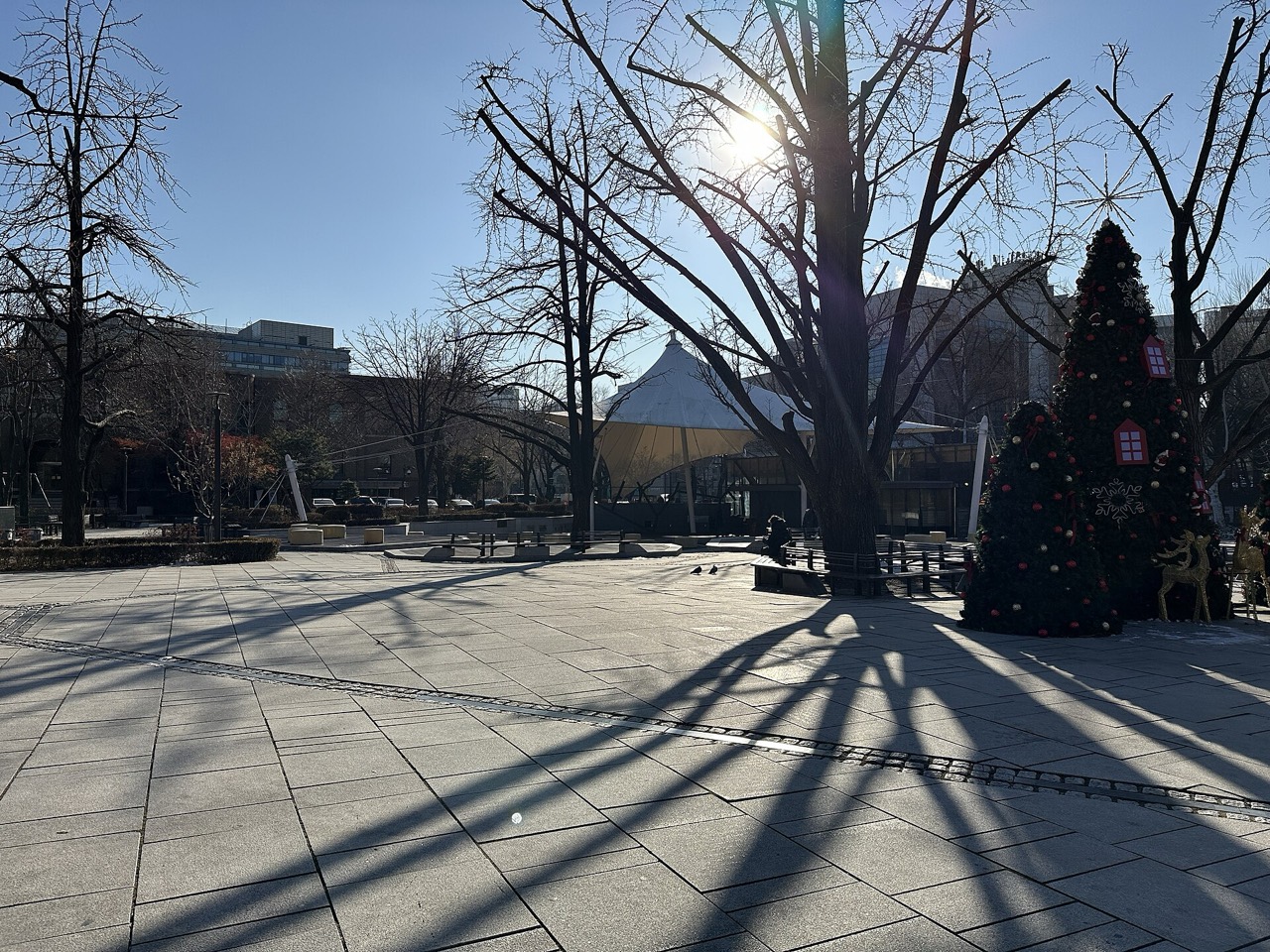
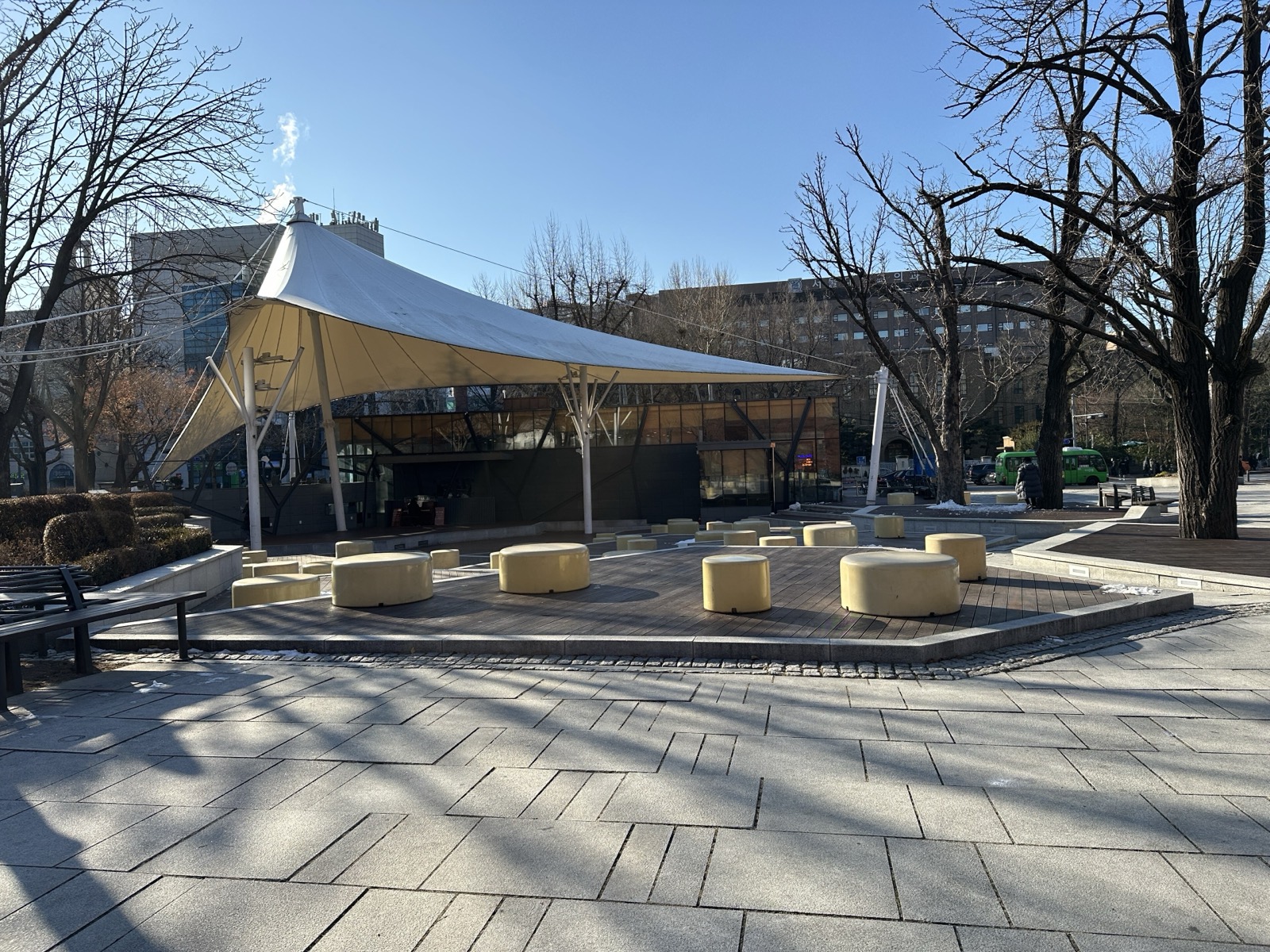
3.Look at the theater before the stage. LINK THE SPACE opened on 27 February in Dongsung-dong, Jongno-gu. A building running from two floors below ground to six above.
4.Inside it, NHN Link leases and runs two houses. Hall 1 seats 280, Hall 2 seats 151. NHN Link operates TicketLink, so the side that sells the tickets has taken hold of the room where the tickets get sold.
5.It runs five theaters directly, and eight if you count the ones carrying only its name. After opening LINK ART CENTER in Daehangno in the winter of 2022, it added two houses inside Ewha Womans University's ECC and TicketLink 1975 Theater in Neung-dong, Gwangjin-gu. LINK THE SPACE came last.

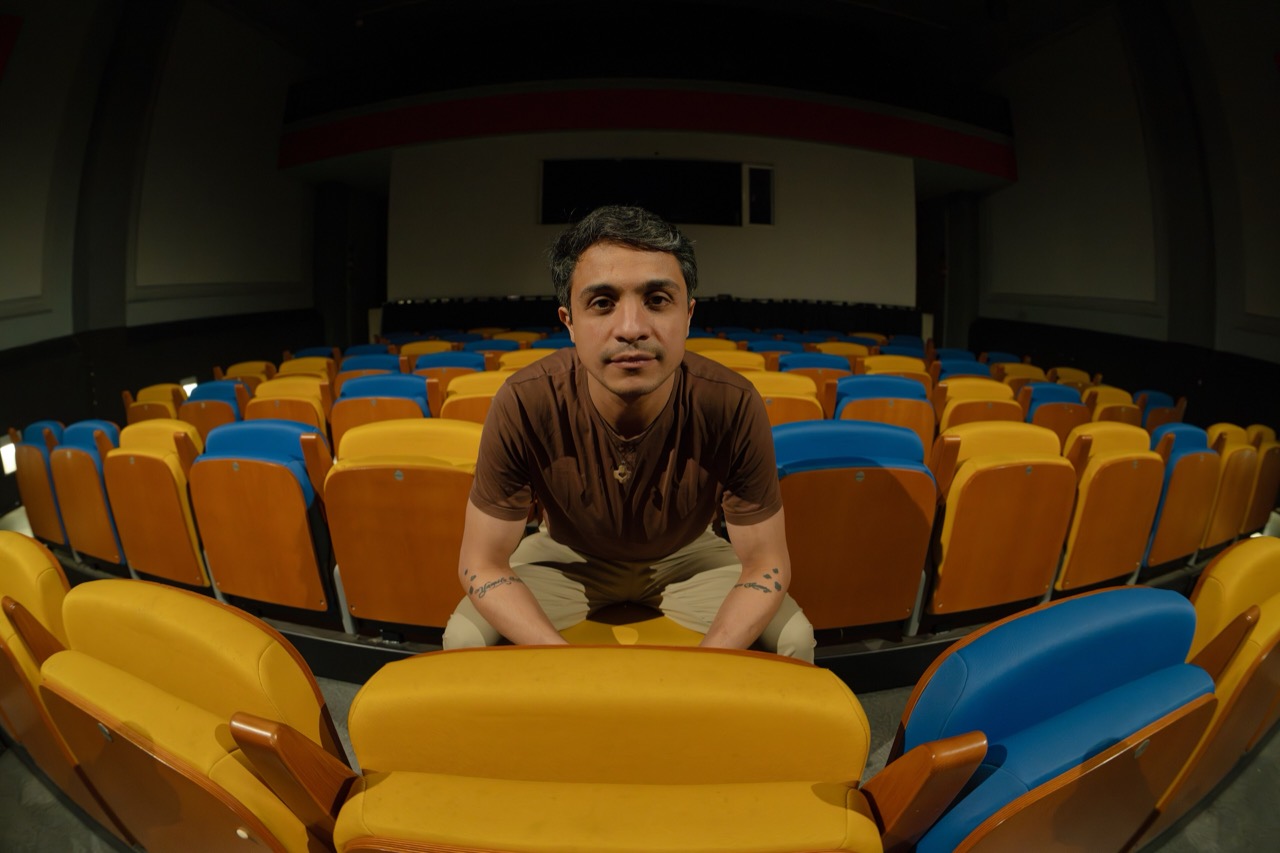
6.A 280-seat house shapes the stage that goes in it. Count it in rows and you get about twenty, with the back row sitting within 20m of the stage. Close enough to read an actor's face, and close enough that how much amplification to use is a decision the director has to make again every time. Push it like a large house and the sound congeals; leave it like a studio house and the back rows cannot hear.
7.Why would a ticketing company take on a theater. Brokering tickets leaves a fee per ticket, but the cut does not grow when the pie does. Even with a sold-out house, what the middleman takes stays pinned to so much per ticket. Hold the theater instead and rental income comes in, and setting the calendar yourself puts you on the side that decides which show goes up, when, and for how many weeks.
8.The sequence matters more. Hall 2 is kept as the room where new work gets staged for the first time, and Hall 1, the operator says, is where work that has proven its response gets moved. Measure it on the small stage, move it to the big one, then sell it through your own platform. The material for judging which show moves to the next room is already piling up in the booking records.
9.Ticket sales across the performance market in the first half of this year came to 809.4 billion won, up 8.9% on a year earlier. Open it up and the directions split. Popular music and plays rose; only musicals went backward. The number of productions actually grew while sales fell. Which is to say the take per show thinned out.
시장은 늘었는데 뮤지컬만 뒤로 갔다
10.Houses under 300 seats slid to an average of 35.7 bookings per performance. A year earlier it was 38.8. Seat that many in a 280-seat house and you get an occupancy of 12.8%.
11.Over the same span, sales for plays in houses above 1,000 seats jumped eightfold. While money piled into the big stages, the small ones lost three people per performance. These size-band figures come from a breakdown of the play sector, though, so they cannot be dropped straight onto a mid-size musical house.
12.Fill every seat and the figure lands somewhere near 1.9 billion won. The average sales a single musical posted in the first half were in the 120 million won range. This is a run that starts out holding a slot worth more than ten times the average.
표를 팔던 회사가 쥔 것과 짊어진 것
13.The load is heavy to match. Revenue and operating profit both rose last year while net profit alone fell 30%. Short-term borrowings stood at 95.3 billion won at year-end, with a debt ratio of 318%. What it cost to add theaters comes back first as interest.
14.How the theaters are leased sits in the books too. LINK ART CENTER, the first of them, was taken on a ten-year lease, and a right-of-use asset of 9.84 billion won sits there alongside a 2.978 billion won deposit. Buying the building was not the route chosen. Less cash up front, but a monthly outflow that follows for a decade.

15.There is a record of it moving into production as well. In 2022 more than 30 billion won went out to six production companies, and one of those stakes was in Maybe Happy Ending Broadway LLC. That is the Broadway edition of the Korean original musical Maybe Happy Ending. Last year it took six Tony Awards, best musical and best direction among them.


16.Broadway is a result that arrives once a decade. What fills the years in between are shows holding a 280-seat stage for twelve weeks, and into a market that has sunk to 35.7 people per performance one company has just laid down those 280 seats. Taking everything from booking to production into one hand was the answer to filling them, and a debt ratio of 318% is that answer's price tag. Whoever holds distribution moving down into supply happens in every industry. In performance, though, the inventory disappears within a day. Unlike goods you can shelve and sell tomorrow, last night's empty seat cannot be recovered, which is why a tight calendar wins and a single dark week brings the interest around first.