Buying stationery now takes a ticket. From September 2 to 6, five days, 39 Korean and Japanese stationery brands gather in one building on Yeonmujang 11-gil in Seongdong-gu, Seoul. Admission is 2,900 won. The Japanese company co-hosting it runs 151 stores at home and not one in Korea.
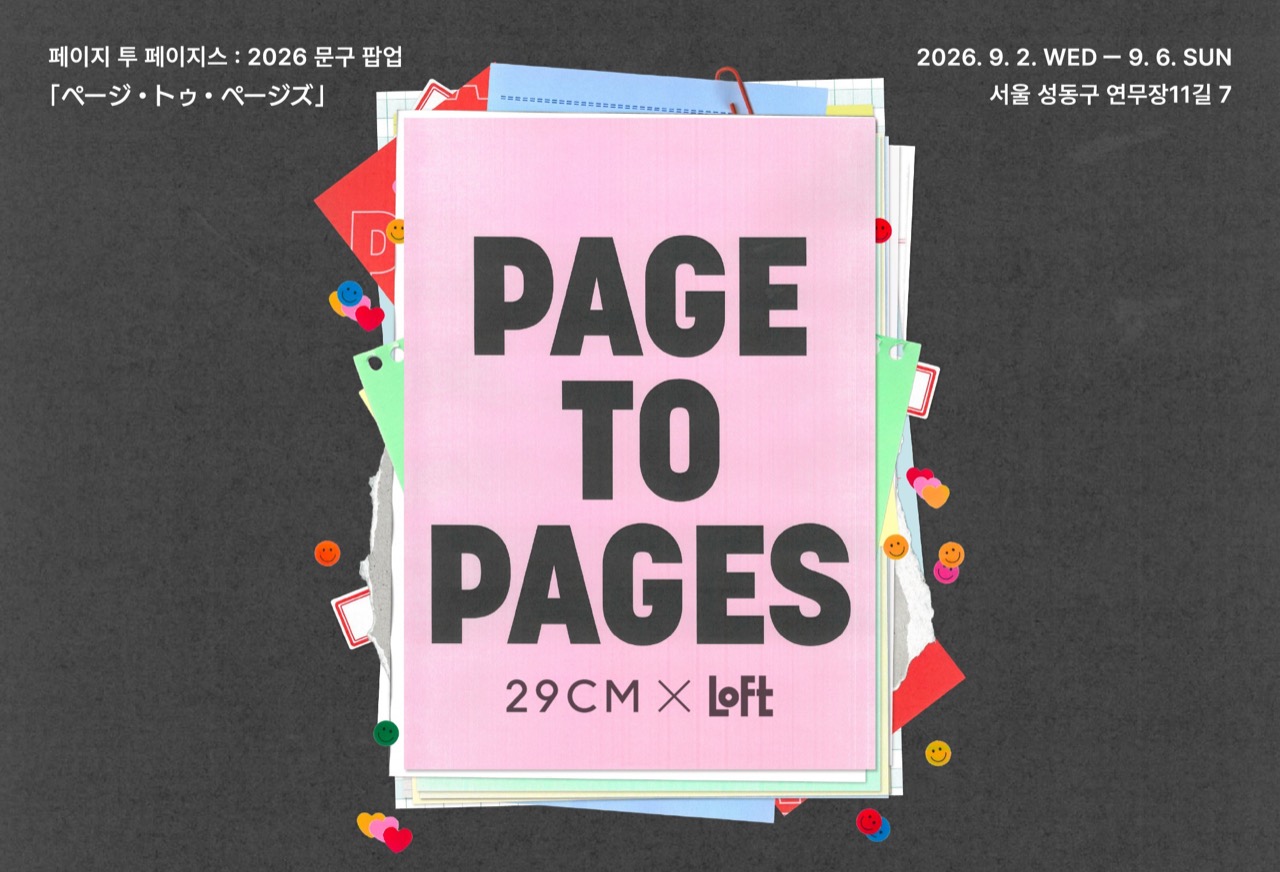
1.The name is Page to Pages. It is the first stationery pop-up 29CM has staged with Loft, the Japanese variety chain. Doors open at 3 p.m. on Wednesday, September 2 and close at 7 p.m. on Sunday, September 6.
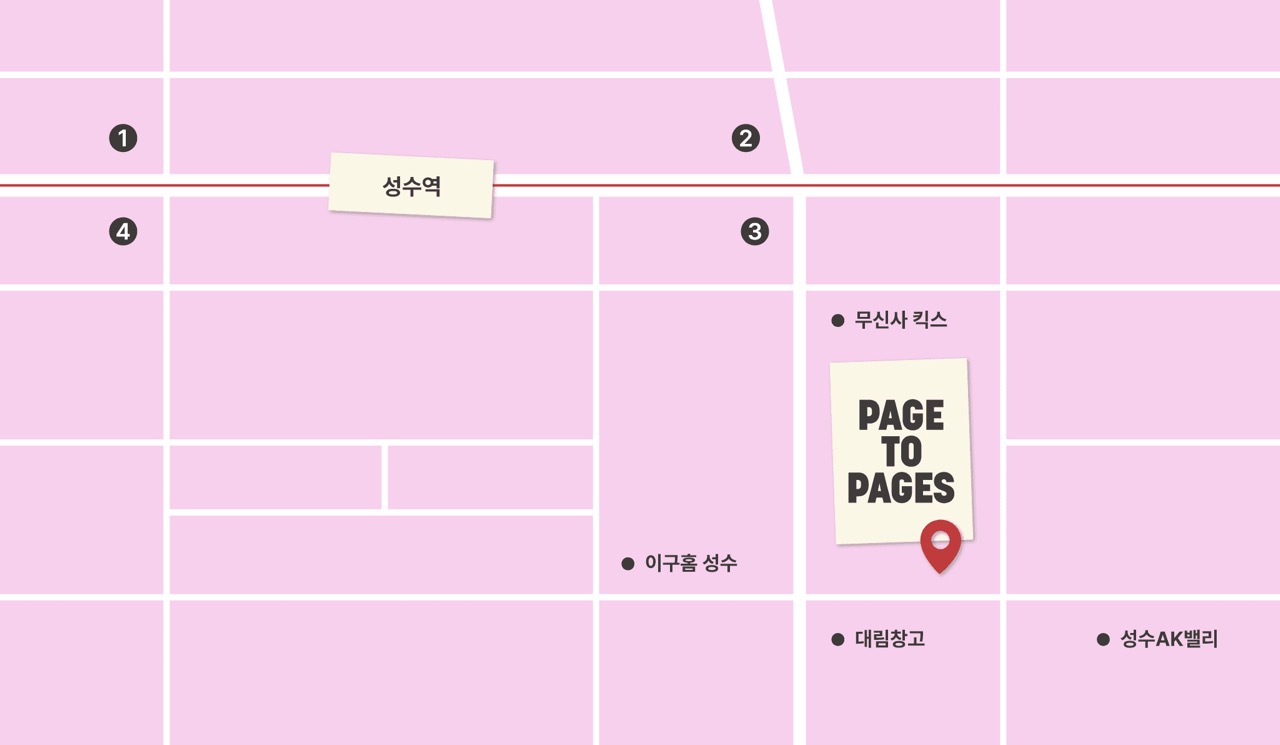
2.The address is 7 Yeonmujang 11-gil, two floors, a three-minute walk from Exit 3 of Seongsu Station on Line 2. Tickets sell only through the 29CM app, two per person. They are split into morning and afternoon slots so visitors arrive in waves.
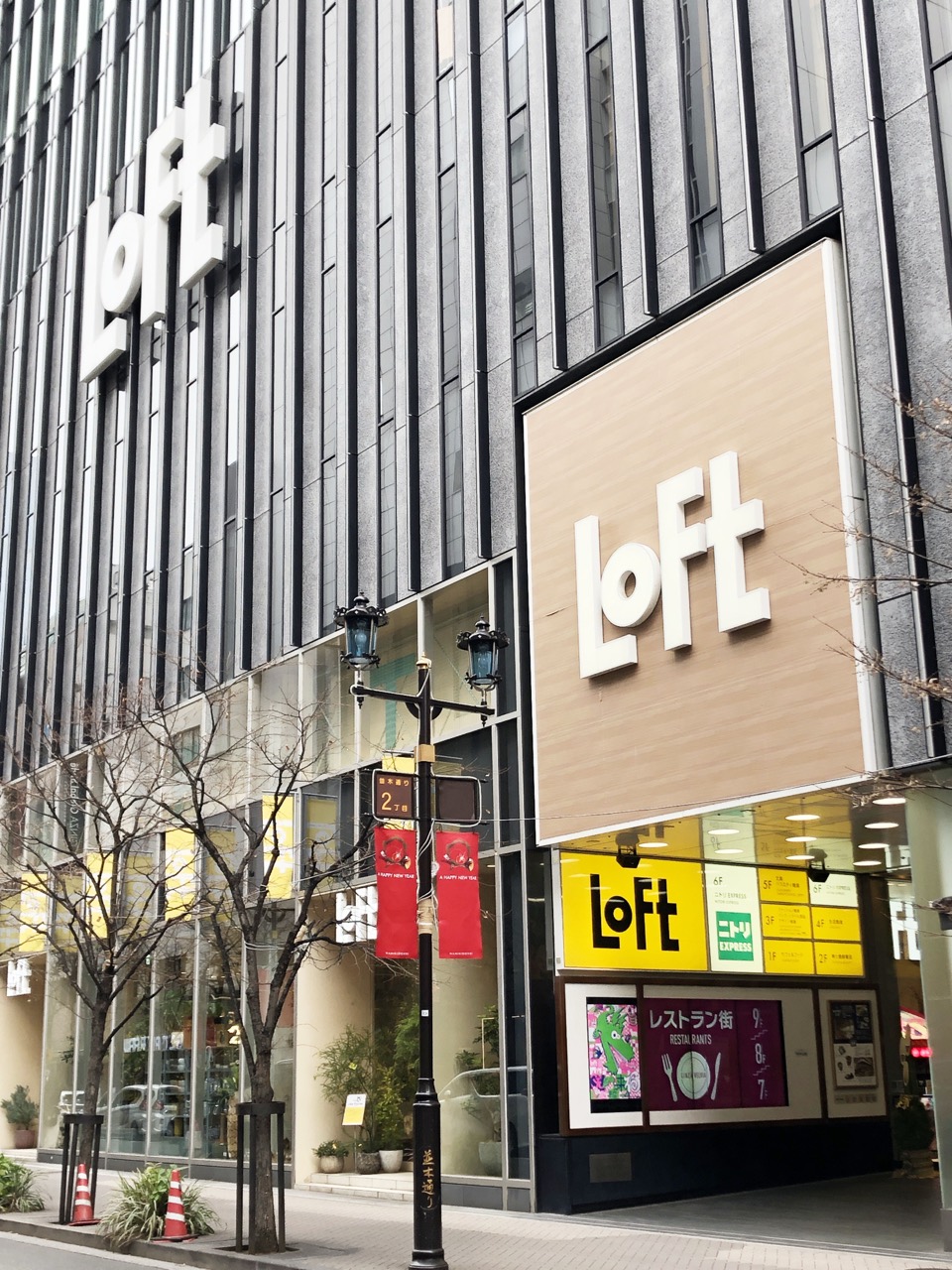
3.Loft opened in Shibuya in 1987 as a variety store. It now runs 151 directly operated shops inside Japan and only eight outside, in China and Thailand. None in Korea. Until now, a Korean who wanted to buy stationery at Loft had to board a plane.
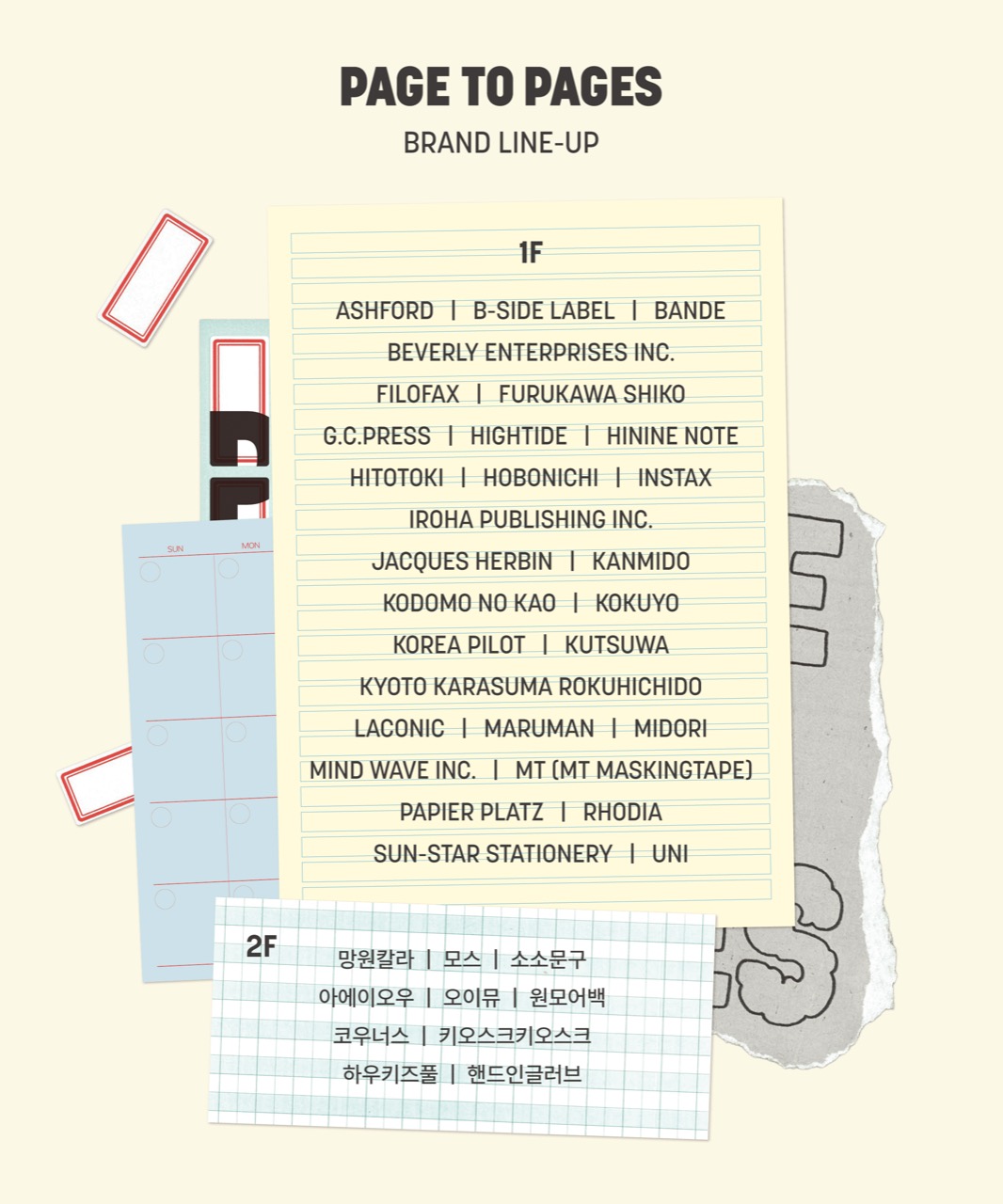
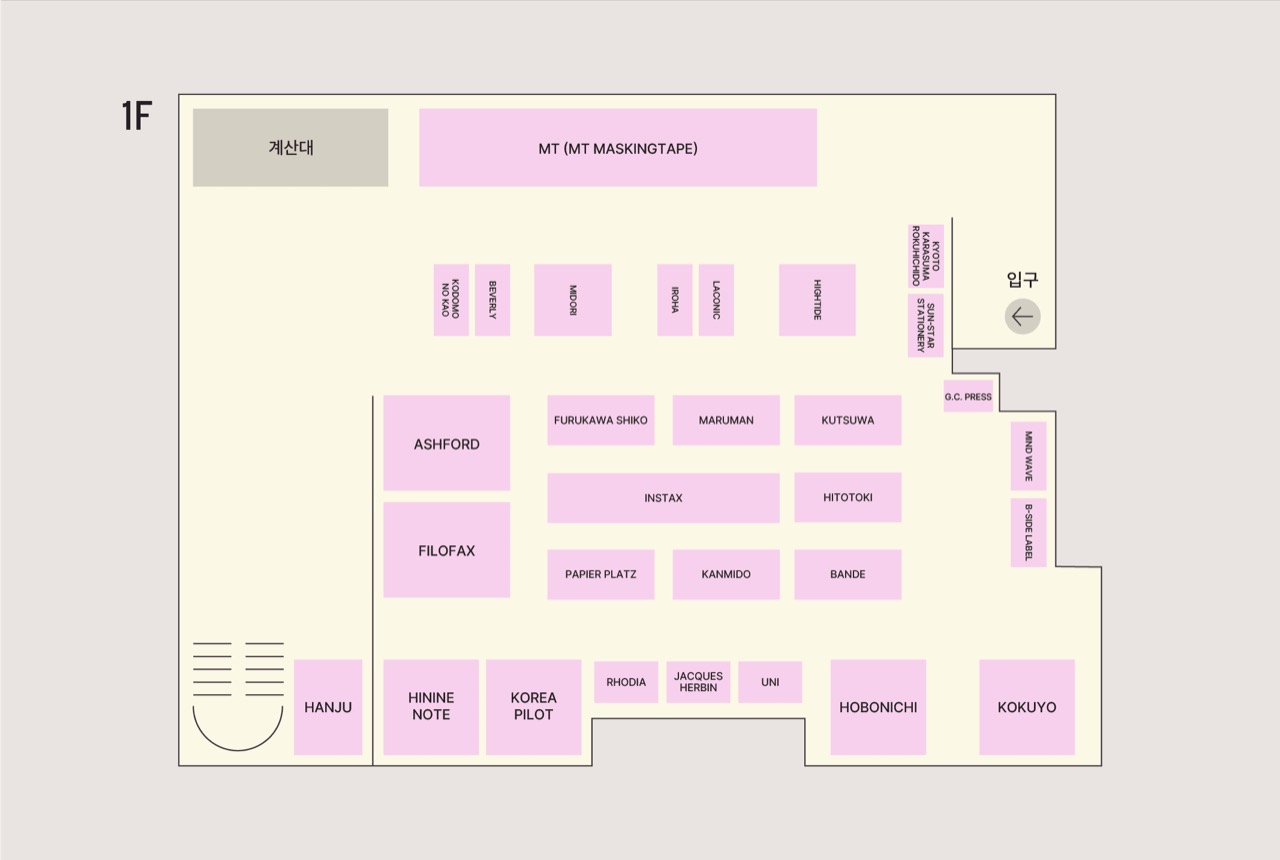
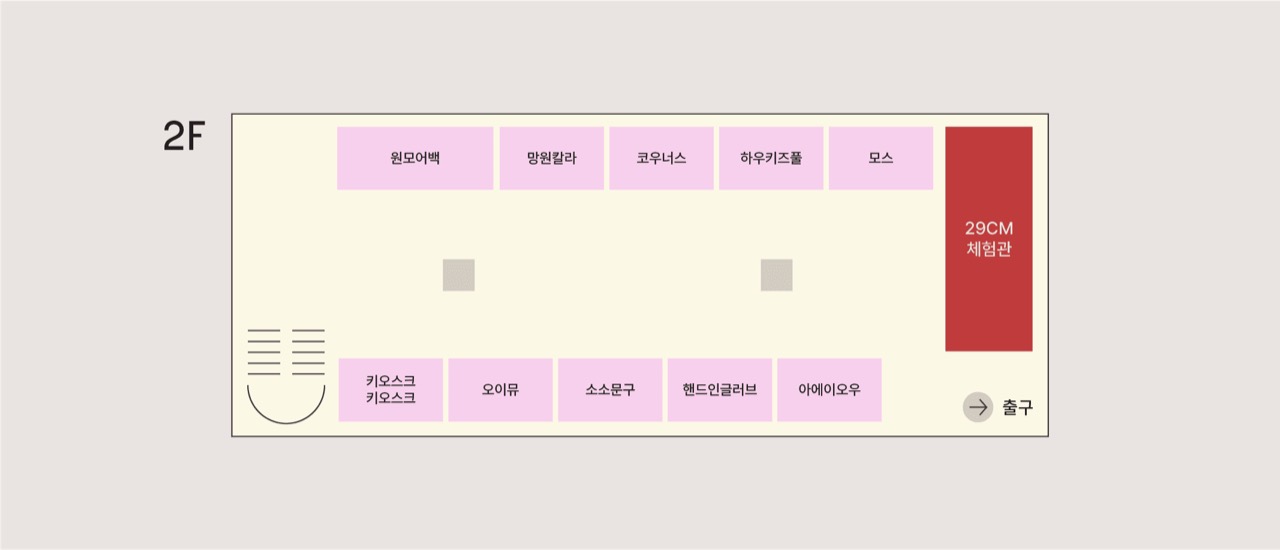
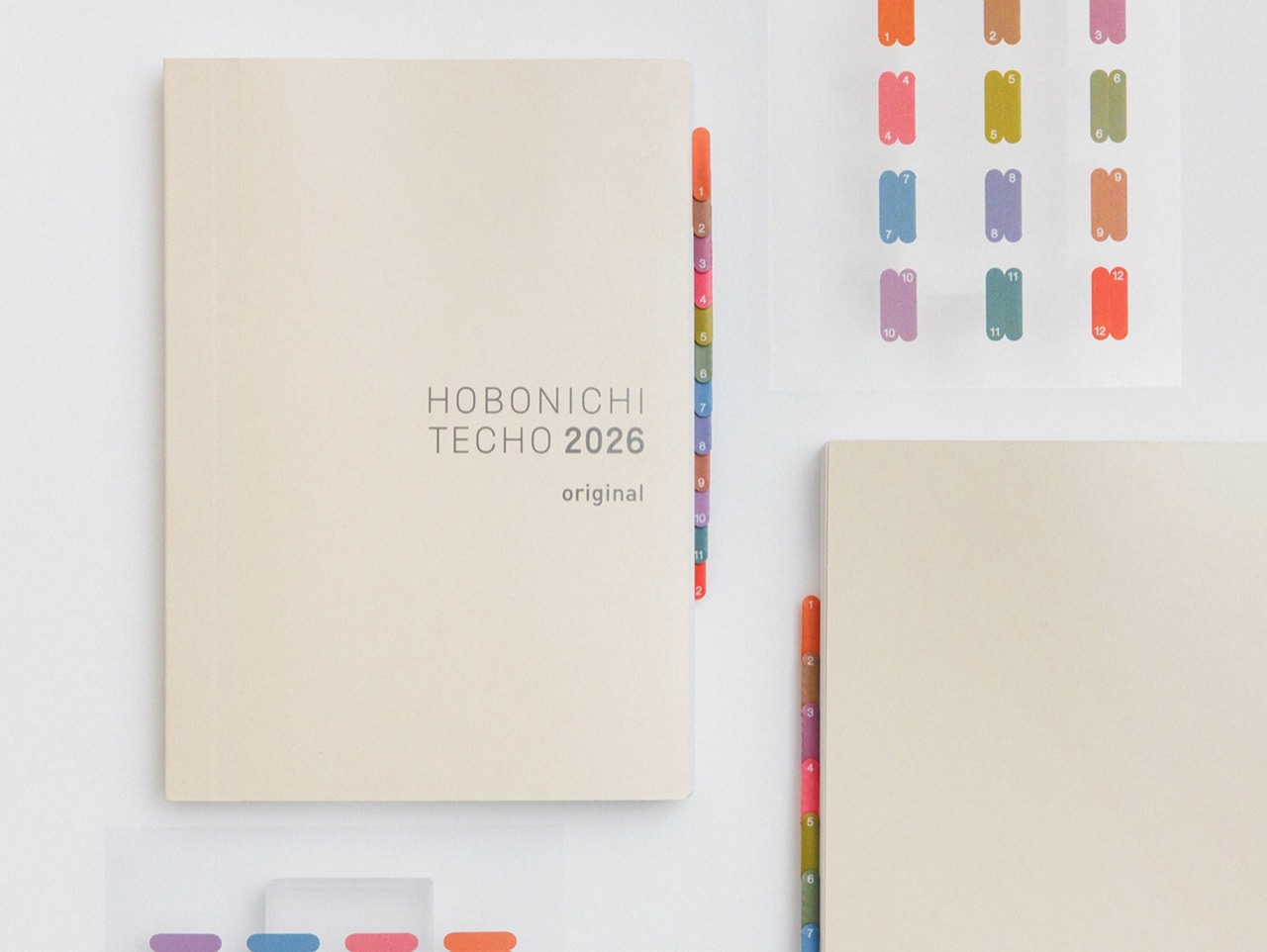
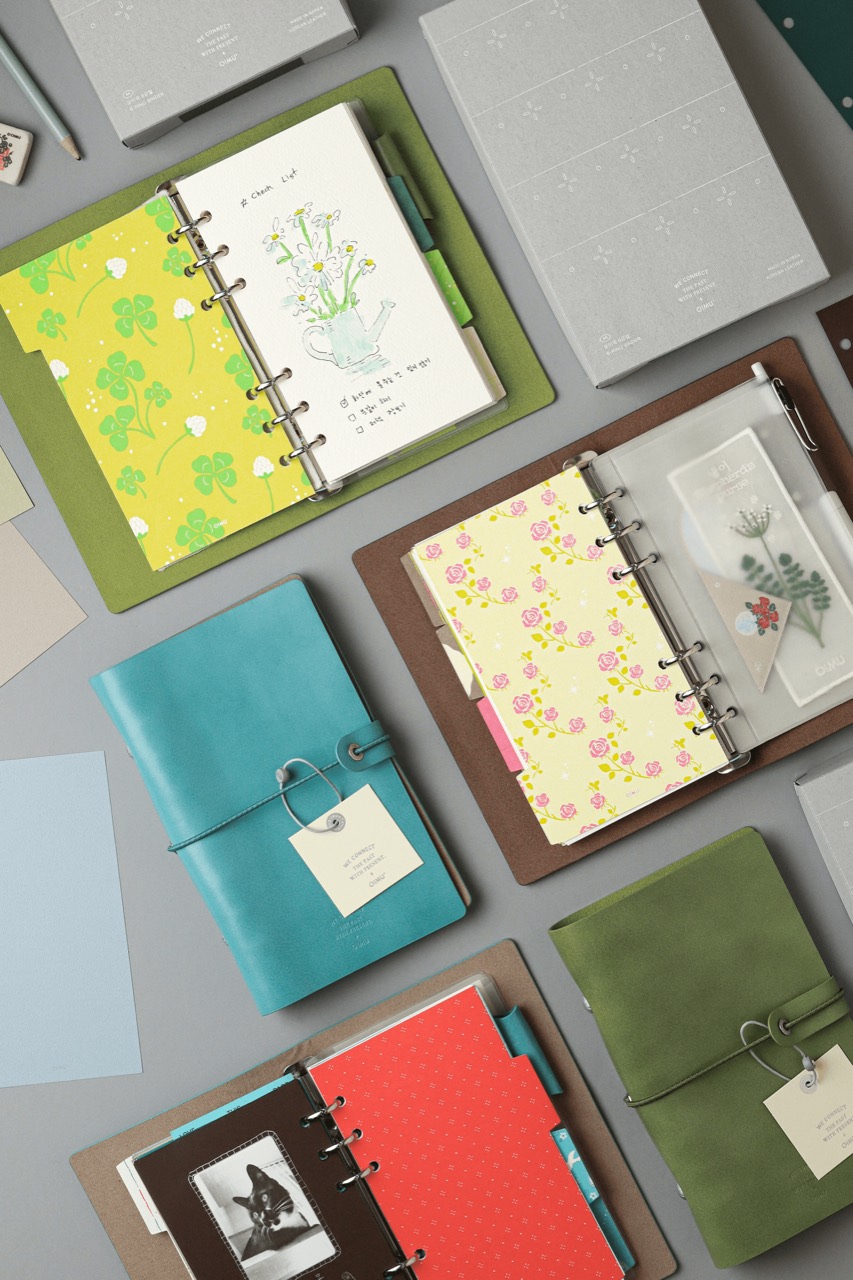
4.Thirty-nine brands signed on, 29 from Japan and a dozen or so from Korea. Names that barely reached Korean shelves line the first floor: Hobonichi, Kokuyo, MIDORI, RHODIA, FILOFAX, ASHFORD, mt. The second floor holds OIMU, Sosomoongu, Corners and mohs.
5.The second floor is where this pop-up earns its keep. Hinine Note binds a custom notebook on the spot for 45,000 won, and anyone spending over 50,000 won gets a name pressed into the cover. The bookmark laminating station and the message wall sit on the same floor. A layout built for staying, not for buying and leaving.
6.This is not a cheap block. Around Seongsu Station, pop-up rentals start in the three million won a day range for roughly 165 square meters, and a 330 square meter space passes ten million won a day. A rental is not a lease, so the commercial tenancy law's cap on increases does not apply. The landlord sets the number alone.
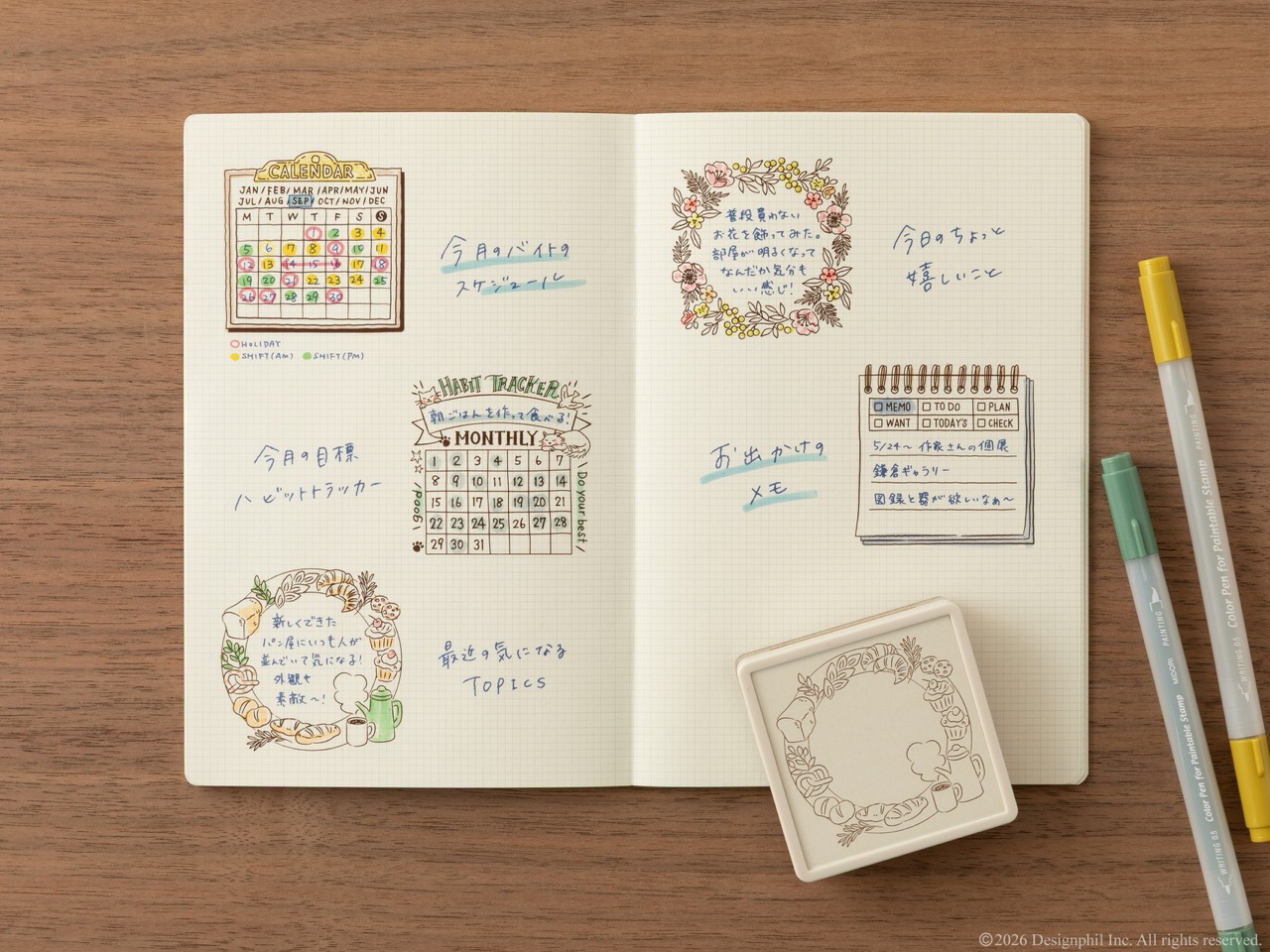
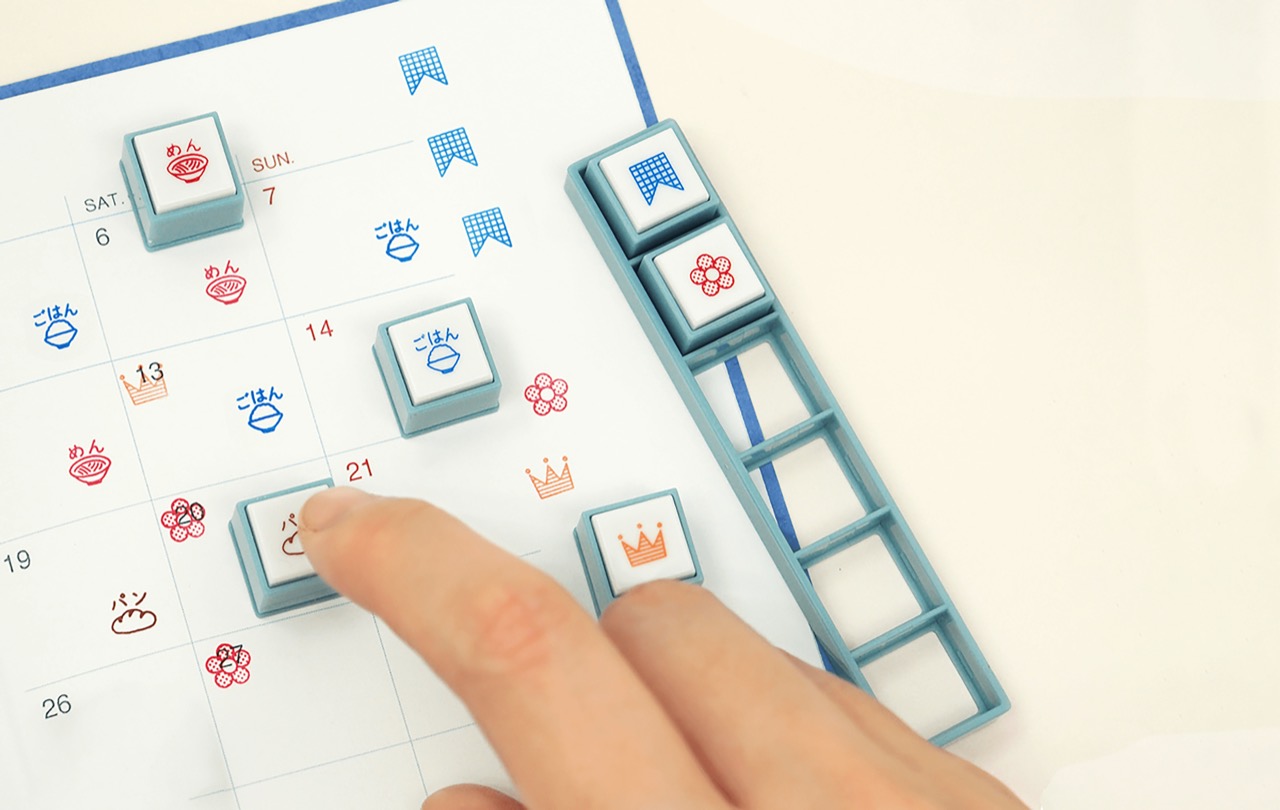
7.A stationery shop is a place where the hand moves before the eye. You press a cover with a thumbnail to gauge the paper, touch a fountain pen nib to a sheet to see whether the stroke bleeds. Masking tape has to be unrolled half a turn before you know where the pattern repeats. None of those three work on a screen. That is why an online shop rented a real store for five days.
8.What does 2,900 won actually buy. Sell every ticket for all five days and the total still fails to cover a single line of the rental bill. This is not revenue. It is a device for rationing bodies.
매장이 151곳인 나라와 한 곳도 없는 나라
9.The real recovery happens at the register. Stationery carries low unit prices, so ten rolls of masking tape at 3,000 won each still comes to 30,000. Hence the 50,000 won threshold on the engraving service, a line drawn to push the average basket above it.
10.The second pillar is participation fees and consignment commissions from those 39 brands. The fees are not disclosed, but a booth at a Korean curated fair typically runs in the millions of won, so 39 of them would offset the rental on their own. That is an estimate.
11.The largest line is membership. Selling tickets only through the 29CM app turns every visitor into an app user, and the arrival slot, the brands bought and the amount paid stay attached to the account. That record keeps working after the pop-up closes. 29CM booked 1.3 trillion won in transaction volume last year. Stationery is the cheapest way it acquires a person.
표값으로는 자리값을 못 낸다
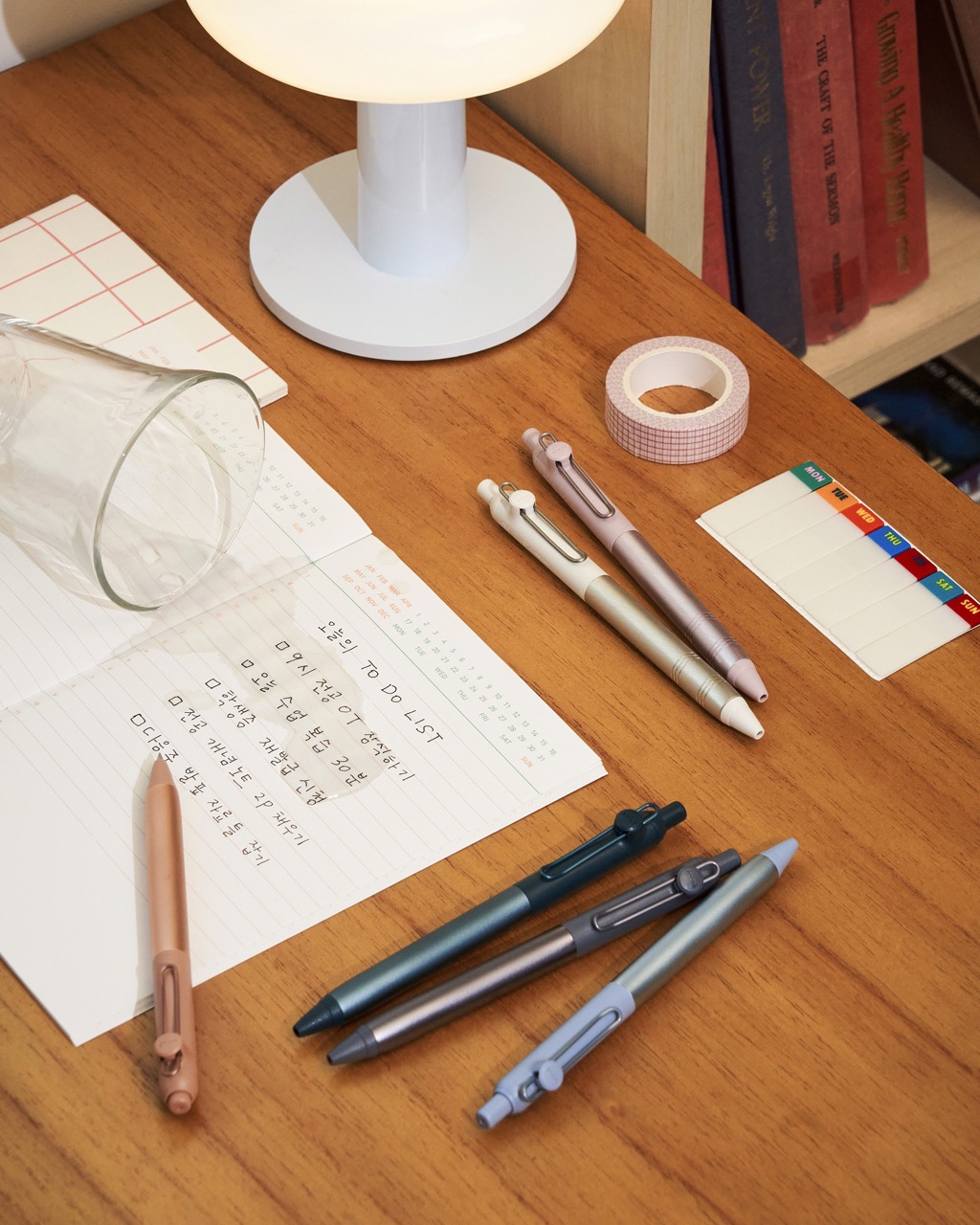
12.Stationery does not sell because of stationery. The habit comes first, decorating a diary, copying passages by hand, logging a day, and stationery is what that habit needs. Yes24 counted a 61.9 percent rise in diary-decorating supplies in a single year. Habits burn through consumables, and consumables get bought again.
13.Travel comes next. Last year 9,459,600 Koreans went to Japan, first among all nationalities. Loft is a fixed stop on that itinerary, and once home, you cannot buy the goods until the next trip. A five-day shop fills exactly that gap.
14.This is not 29CM's first run at stationery. Its Inventario stationery fair at COEX last April drew 69 brands and 25,000 visitors across five days. First-day stationery volume ran four times the previous year, the company says.
15.The company that once took five days in a COEX hall has come down to two floors of a retail building. It traded size for location, and in between opened Iguhome Seongsu, a permanent curated shop that it says passed 400,000 cumulative visitors in four months. A fair runs once a year. A store opens every day. The pop-up is no longer an event but a funnel pushing people toward the permanent shop.
16.In five days the shop disappears. What stays is the register log and the app account it hangs on, and binding 39 brands under one account is what this pop-up really sold. Anyone attempting the same thing hits the calendar before the goods. Selling five days means renting three more for build and strike, so the tenancy runs eight days while revenue stands on five. Fail to carry those three days on basket size and it ends as marketing spend. Carry them and it becomes the case for a permanent store.