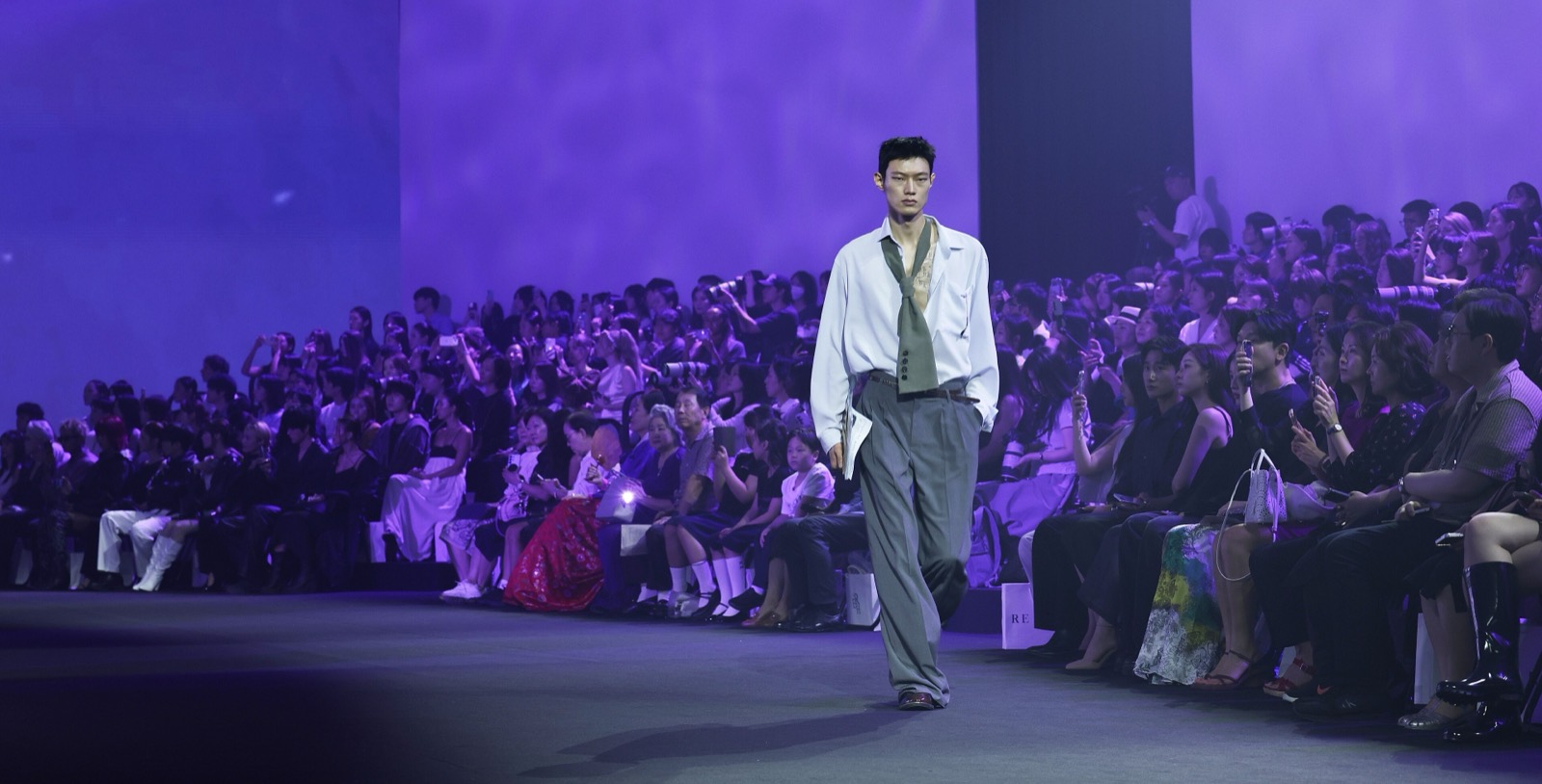
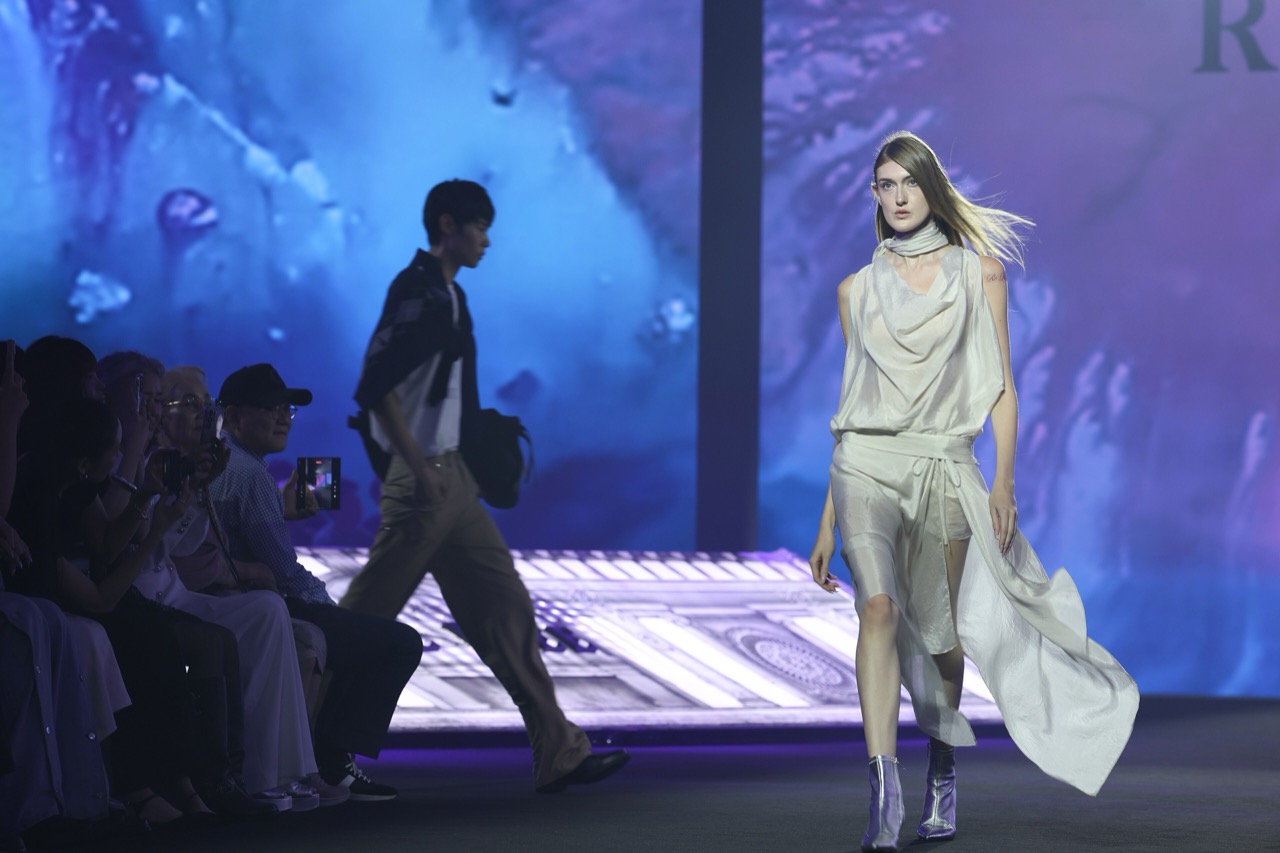
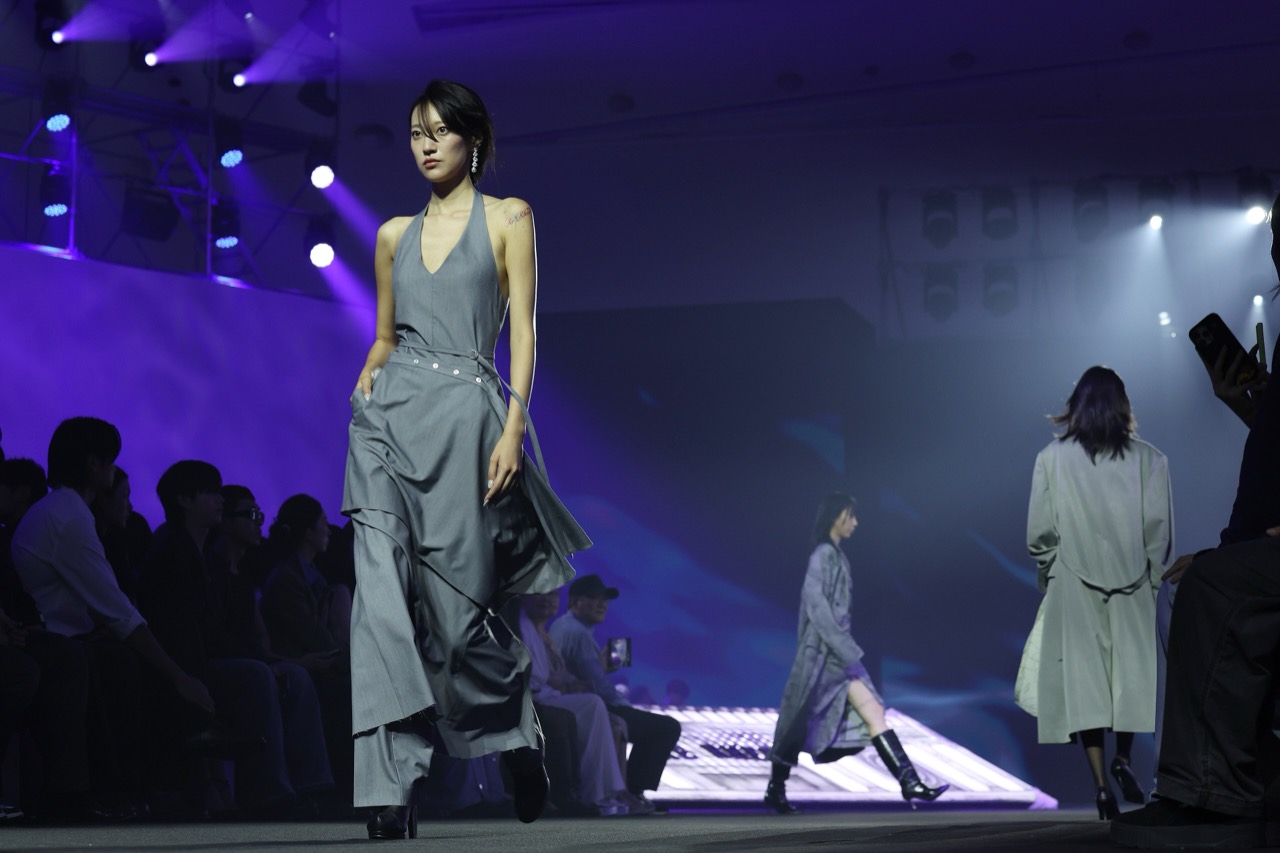
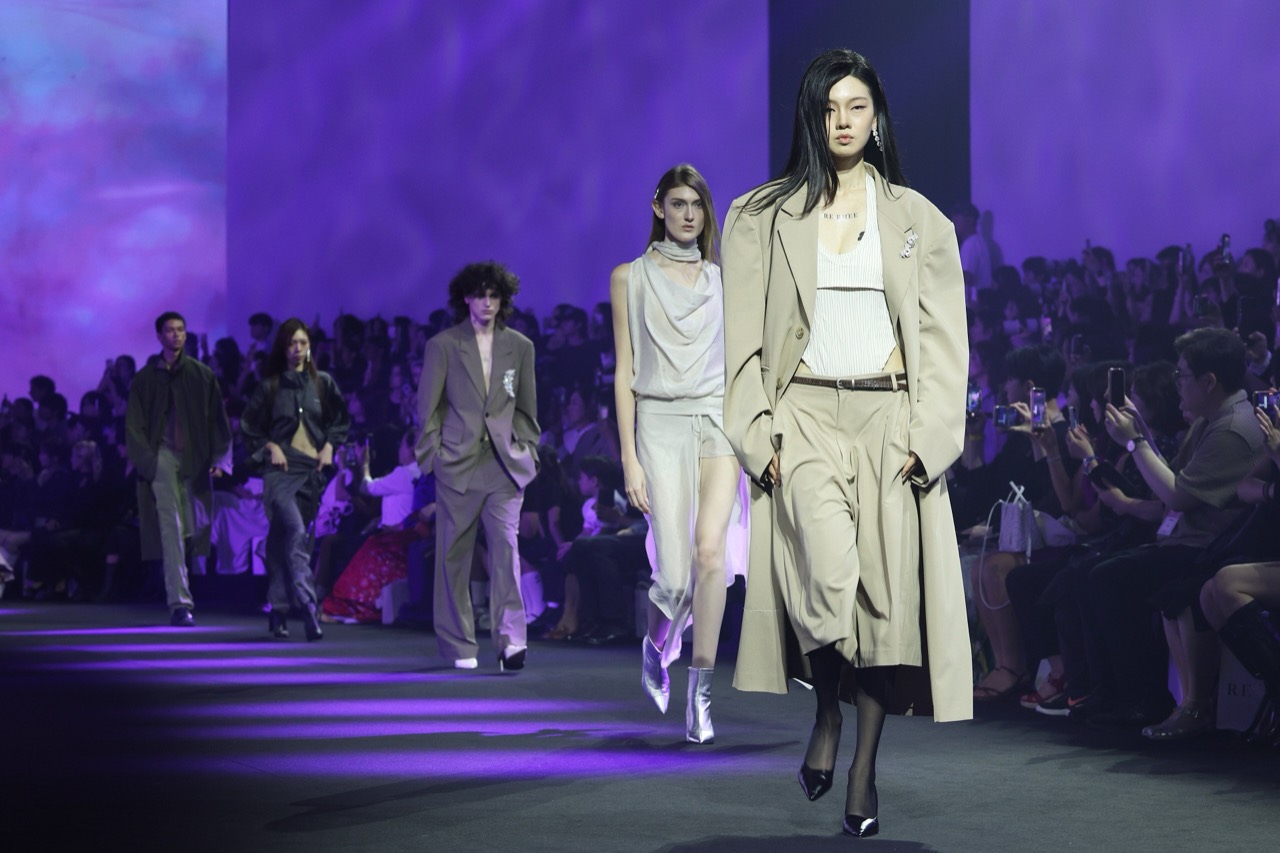
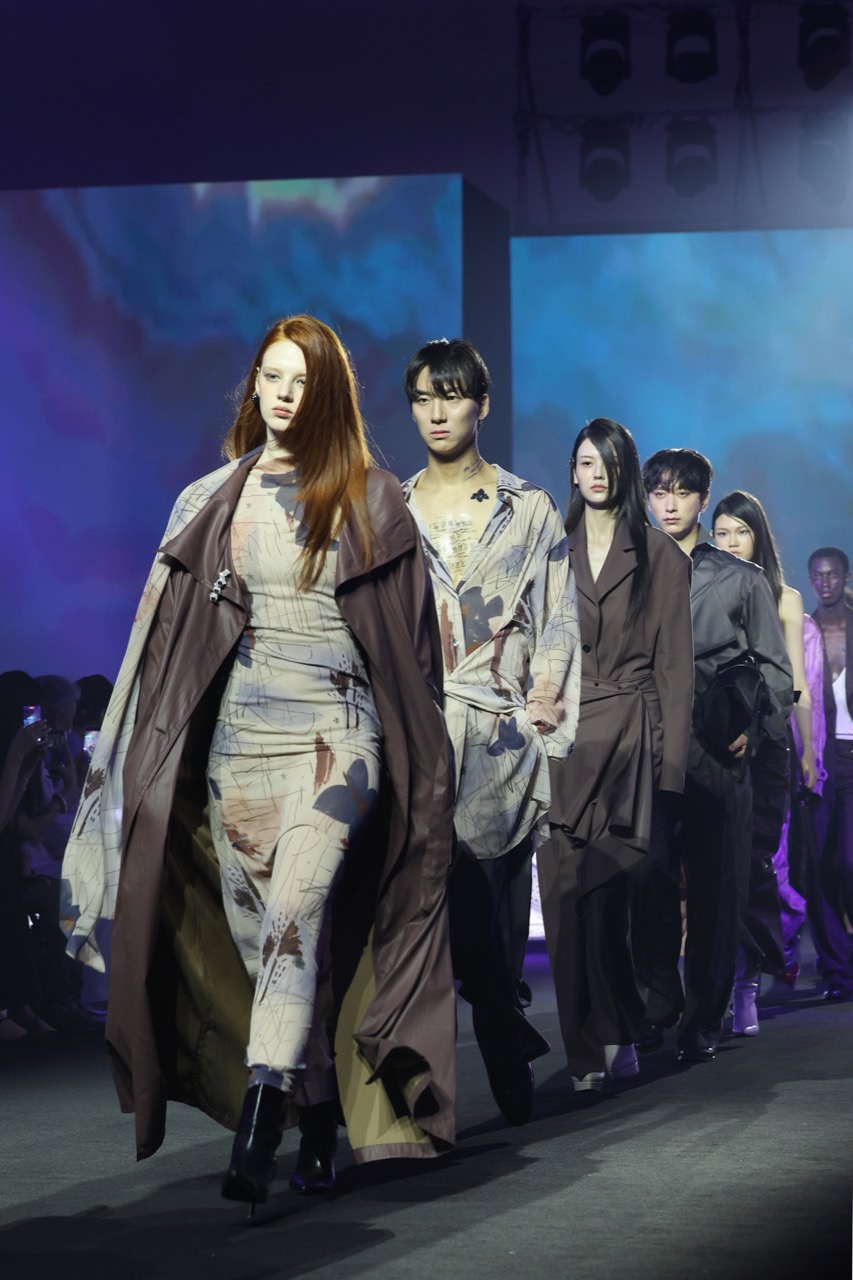
Yesterday the first model stepped onto the runway at Dongdaemun Design Plaza (DDP). Through the 6th, 31 brands will show their collections. Last February the same event stripped away every outside venue and locked itself inside this one building. Six months on, it has stretched the stage all the way to Lotte World Tower in Jamsil. Tickets are still free, and the money changes hands in the next room.
1.Seoul Fashion Week 2027 S/S. It opens Tuesday, September 1 and closes Sunday, September 6. The Seoul Metropolitan Government both hosts and runs it, now in its 26th year, and 31 brands are taking part this round.
2.The previous round, held February 3 to 8, had a different character. Twenty-four brands, one venue: DDP. The outside shows that used to borrow historic Korean sites were all cut. What the organizers put forward was not a festival but a business platform.
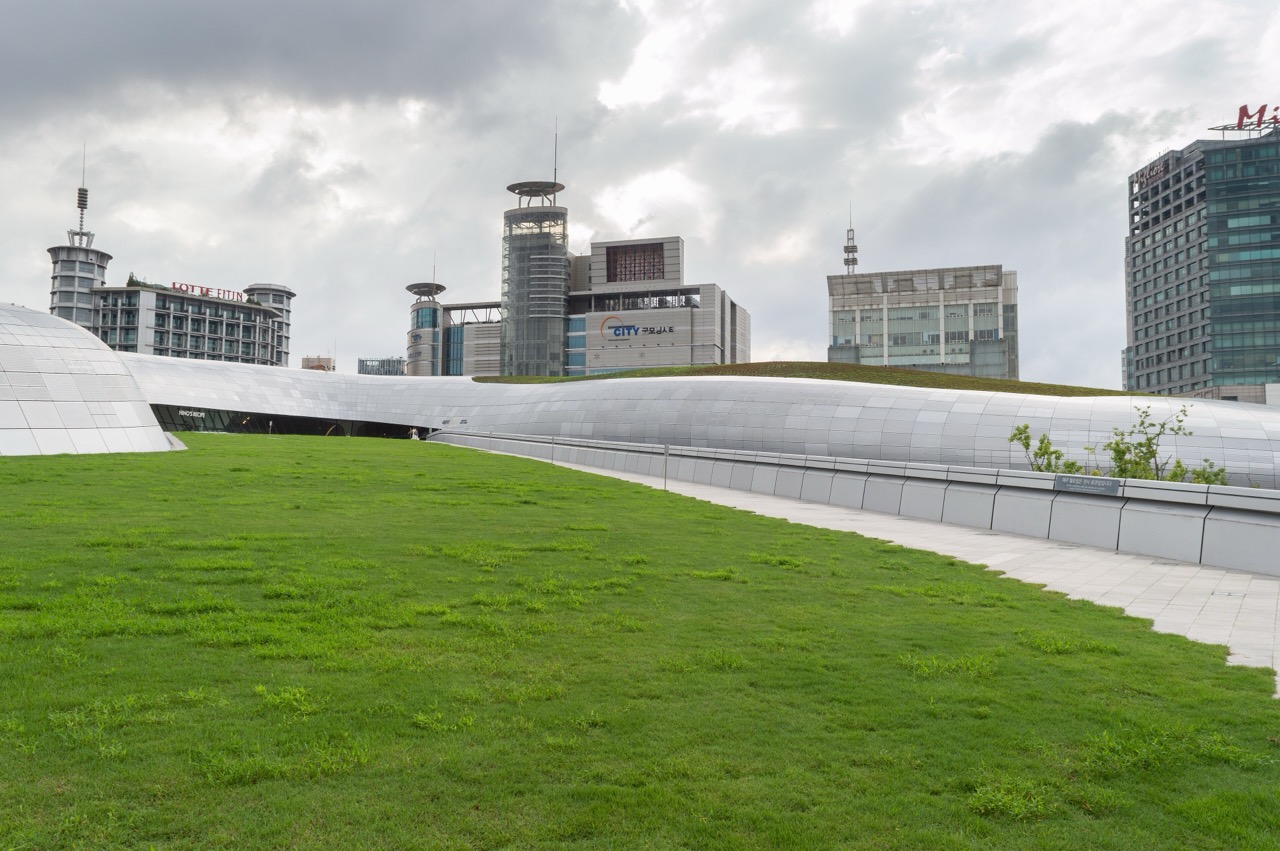
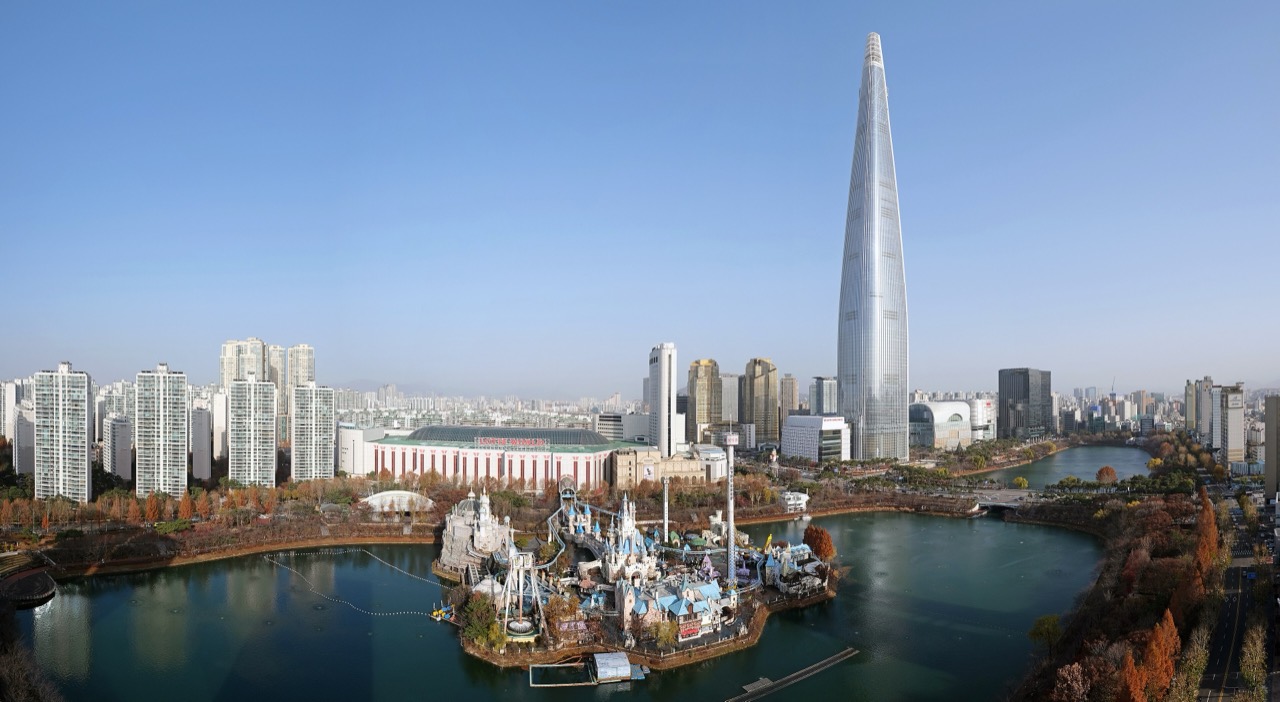
3.This time that decision was reversed. Seventeen brands stage runways at DDP and eight build spatial presentations, while six more show separately from the 3rd to the 5th on the World Park lawn at Lotte World Tower in Jamsil. KIMHEKIM, GREEDILOUS, DUNST, GENERAL IDEA, EBM and MAHAGRID make up the Jamsil half.
4.While the shows cycle through, something else is happening deeper inside the same building. For three days, the 2nd through the 4th, 97 Korean brands hang their racks in DDP Art Hall 2 and the Igansumun Exhibition Hall and sit down one on one with overseas buyers. A room with no lighting and no music. This is the event's actual business.
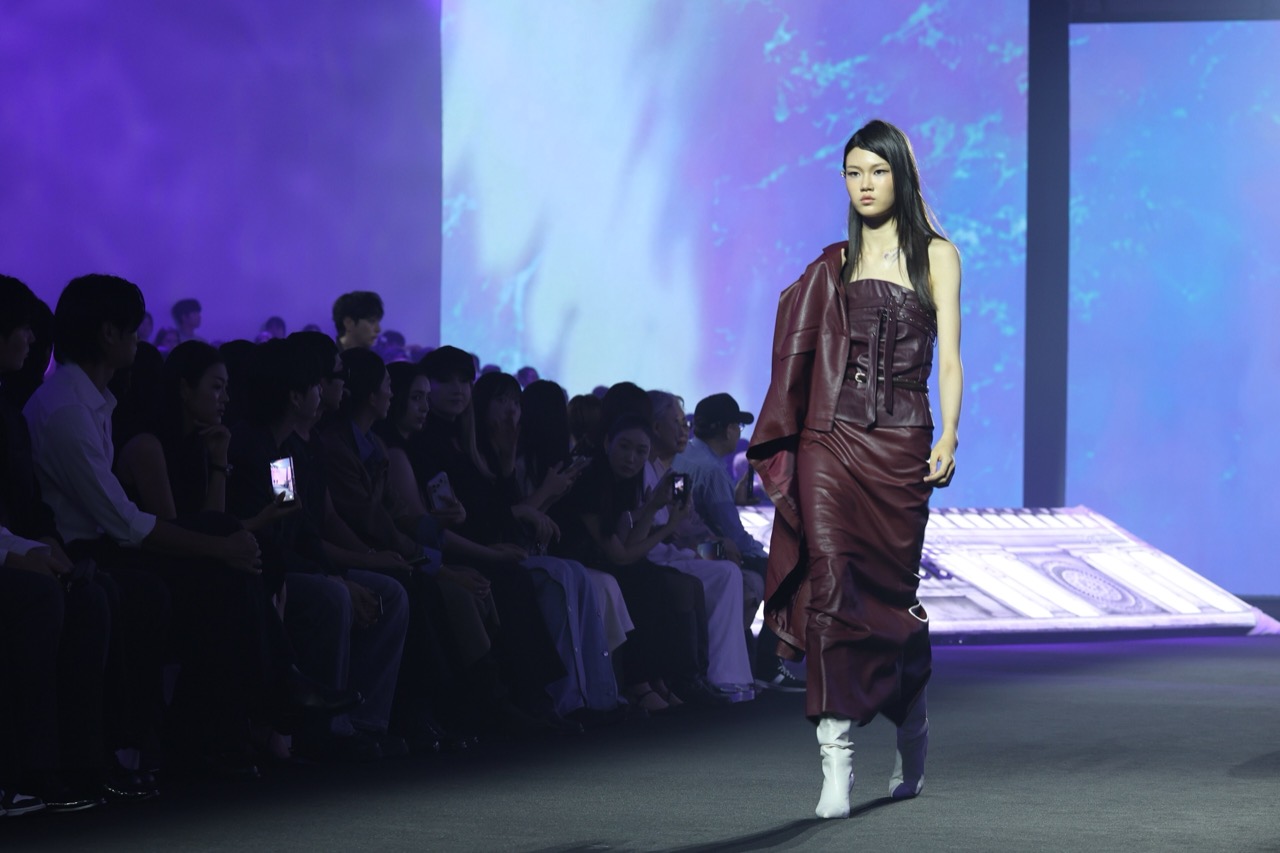
5.Runway seating puts two rows face to face across a walkway. The knees of the front row stop just short of the line the model walks, and the light drops from above, leaving only the folds of the garment and the sway of the hem. Sound is buried under the music. Once those ten-odd minutes end the audience leaves, and the buyers move next door and stay seated for three days.
한 도시에 무대를 두 개 놓았다
6.The weakness built into the runway is an old one. What goes up in September is next spring's clothing, so nobody in the room can buy it there, and by the time it reaches stores the noise has died down. The people who watch the show and the people who buy the clothes are two separate groups.
7.February's prescription accepted that weakness and cut the audience instead. Strip out the festival programming and the budget flows to the negotiating table. The trouble is that the city is then left with nothing: nothing for residents to see, nowhere for tourists to stop, no scene for photographs to travel from.
8.This round pulled the two apart. The negotiating stayed at DDP and only the festival moved into a department store. Park the spectacle beside the merchandise and looking turns into paying on the spot. The Jamsil shows come with QR tags that pull up product details for immediate purchase, and tickets were handed out by lottery on the official account from August 15 to 20. Two per person, priced at zero.
9.February's trade show drew 102 brands, which held 1,772 meetings with 99 buyers from 23 countries and logged 7.54 million dollars in order negotiations. One season earlier the figure was 7.45 million. Up by 90,000.
10.Three days at a table works out to roughly 74,000 dollars per brand, or about 100 million won. These are negotiated volumes, not signed contracts, but even halving the figure to be harsh about conversion leaves 50 million won a brand. What the designers paid to produce that number: essentially nothing.
11.Stage, lighting and sound, plus online broadcast, publicity and buyer invitations, all come from the organizers. Back when there was a title sponsor, the cosmetics brand HERA put in a billion won a year, and since that deal ended with the 2019 S/S round the slot has stayed empty. What one sponsor used to cover, a department store now supplies in floor space.
쇼는 공짜인데 돈은 어디서 도나
12.Why did the department store take this on? The answer sits in its own sales floor. On the second level of the Jamsil store it opened Kinetic Ground, a 1,500-pyeong hall gathering 19 Korean brands. The first branch, run at 550 pyeong in the Myeongdong flagship, lifted young fashion sales 130 percent in a year and foreign-customer sales 440 percent. Over the same stretch, the company says, 20 percent of the flagship's new customers came in through that floor.
13.The trick of the arrangement is that the brands on the runway and the brands on the racks are the same. DUNST, GENERAL IDEA and MAHAGRID are already names the store carries, and anyone who watches the show can walk a few steps and touch the clothes. Jamsil passed 3 trillion won in annual sales in 2024, and last year it cleared 5 trillion combined with the Myeongdong flagship.
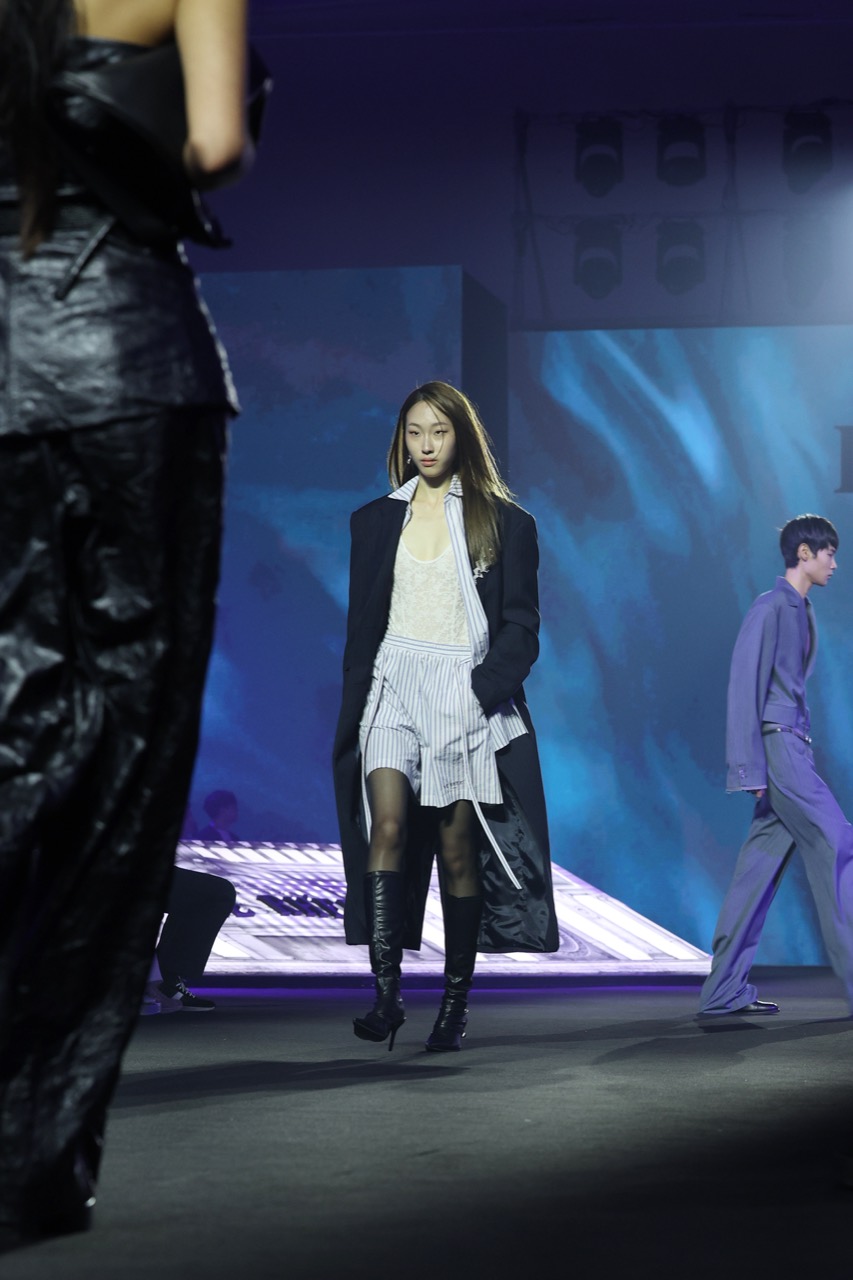
14.Paris and Milan are run by trade bodies, and the brands pay to enter. A single show runs upward of 100 million won, which shuts newcomers out, so those stages belong to names that are already large. Seoul is run by the city and the brands pay nothing. That condition is why 367 labels could put on 2,247 runway shows over 26 years, but a stage nobody pays for is also a stage nobody prices. When the six days end, no one calculates what it was worth.
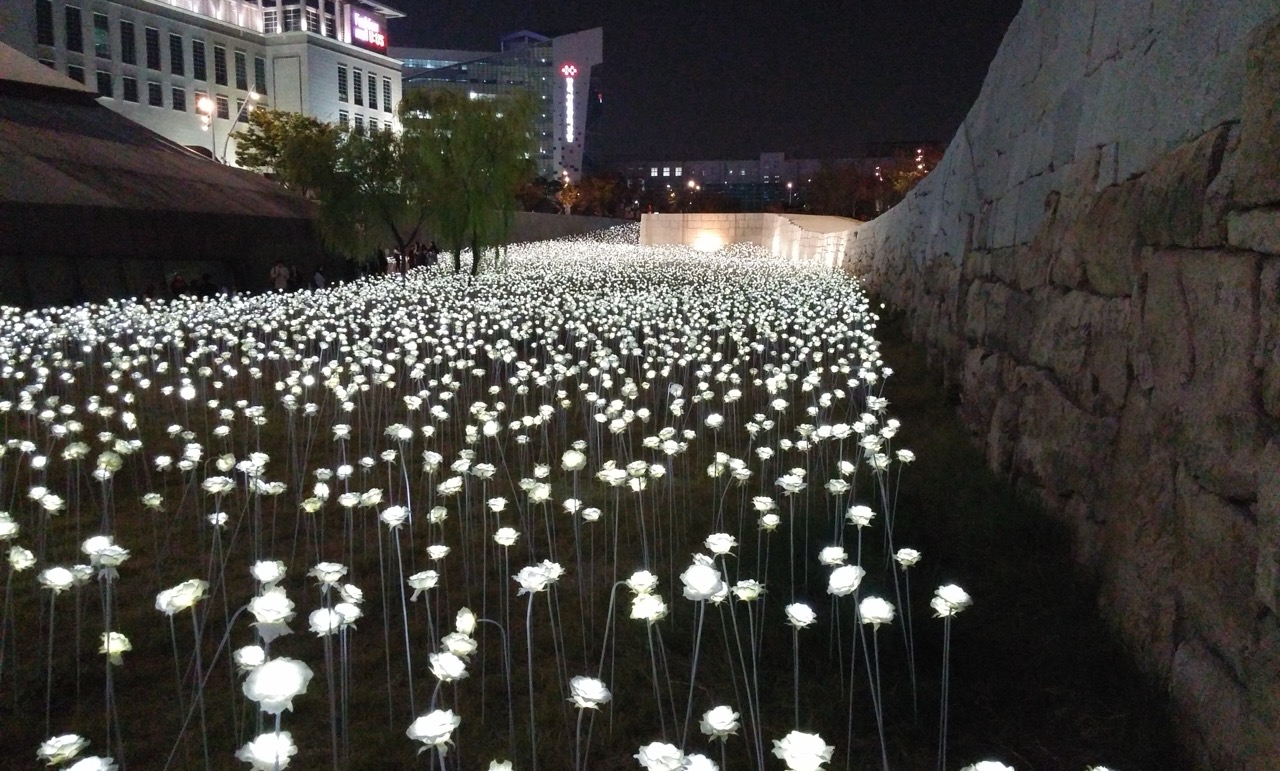
15.On the 6th, from 11am to 4pm on the Jamsil lawn, 3,000 stage garments worn by NCT go on sale. Proceeds go to charity. The festival cut half a year ago has come back into a department store's yard and set up a market stall. A city trying to copy this structure runs first into a matching problem, not a budget one. There has to be a retailer willing to lend the stage, and the brands that retailer sells have to be the brands you would put on it. If they do not overlap, the store asks for rent, and the moment it does, the free stage the city was providing disappears.