For four days starting next Thursday, a music app is renting an entire furniture gallery in Seoul's Seongsu district and running it as a concert venue. Fourteen acts will perform, from Diplo to Jannabi and Dynamic Duo, and admission costs nothing. What the company is really after with a ticketless concert is written all over the way it divides up the building.
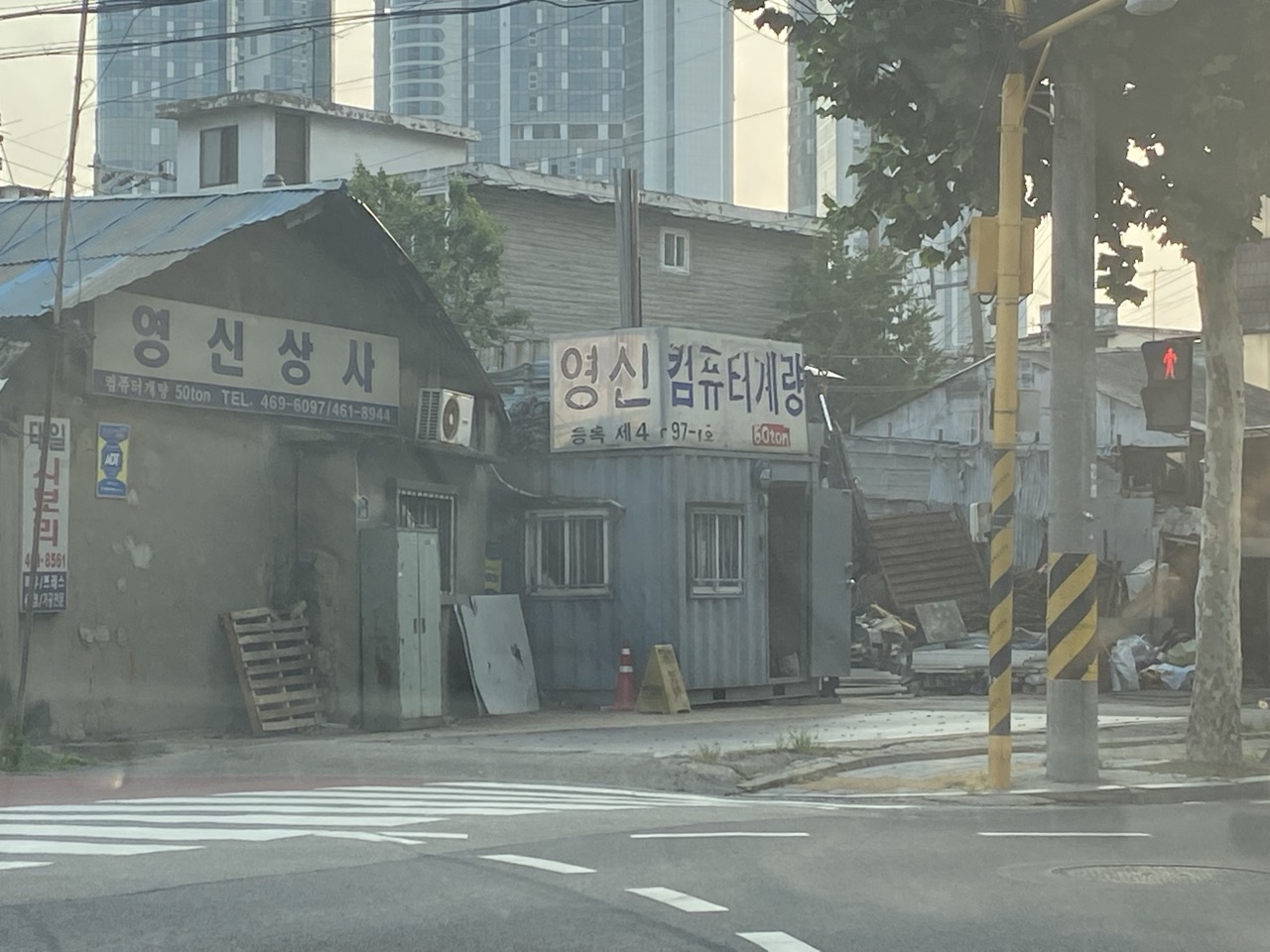
1.Spotify House Seoul opens on Thursday, September 10 and runs through Sunday the 13th, four days in all. The venue is AndersonC on Seongsuil-ro 6-gil in Seongdong-gu, a two-building complex within walking distance of Seongsu Station. Last year the same site was used for three days; this year it gets one more.
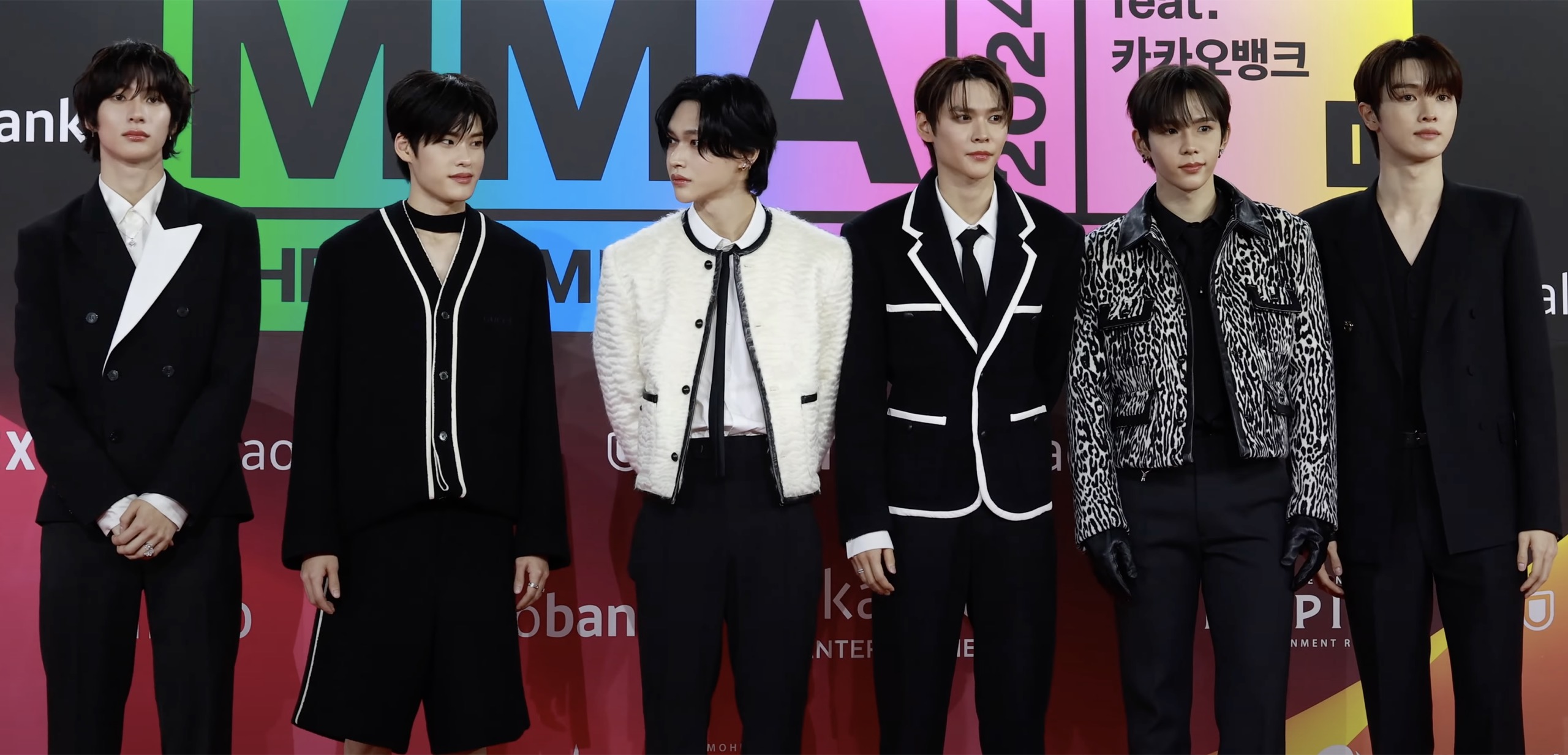
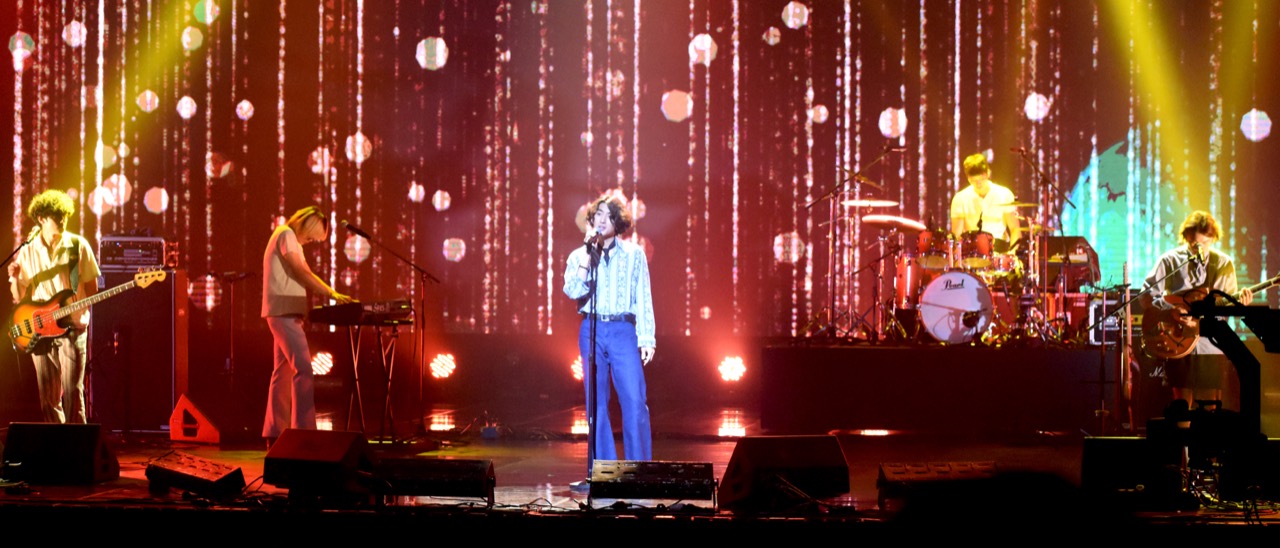
2.Live shows run three nights, September 10 to 12, one genre per night. The first night is electronic and K-pop with Diplo, RIIZE, RESCENE and Yves; the second is indie rock with Jannabi, HYUKOH, Silica Gel, Kadi and Can't Be Blue; the third is hip-hop with Dynamic Duo, The Quiett, HAON, NOWIMYOUNG and Raff Sandu. The final day drops the concerts and runs installations and hands-on programs instead.
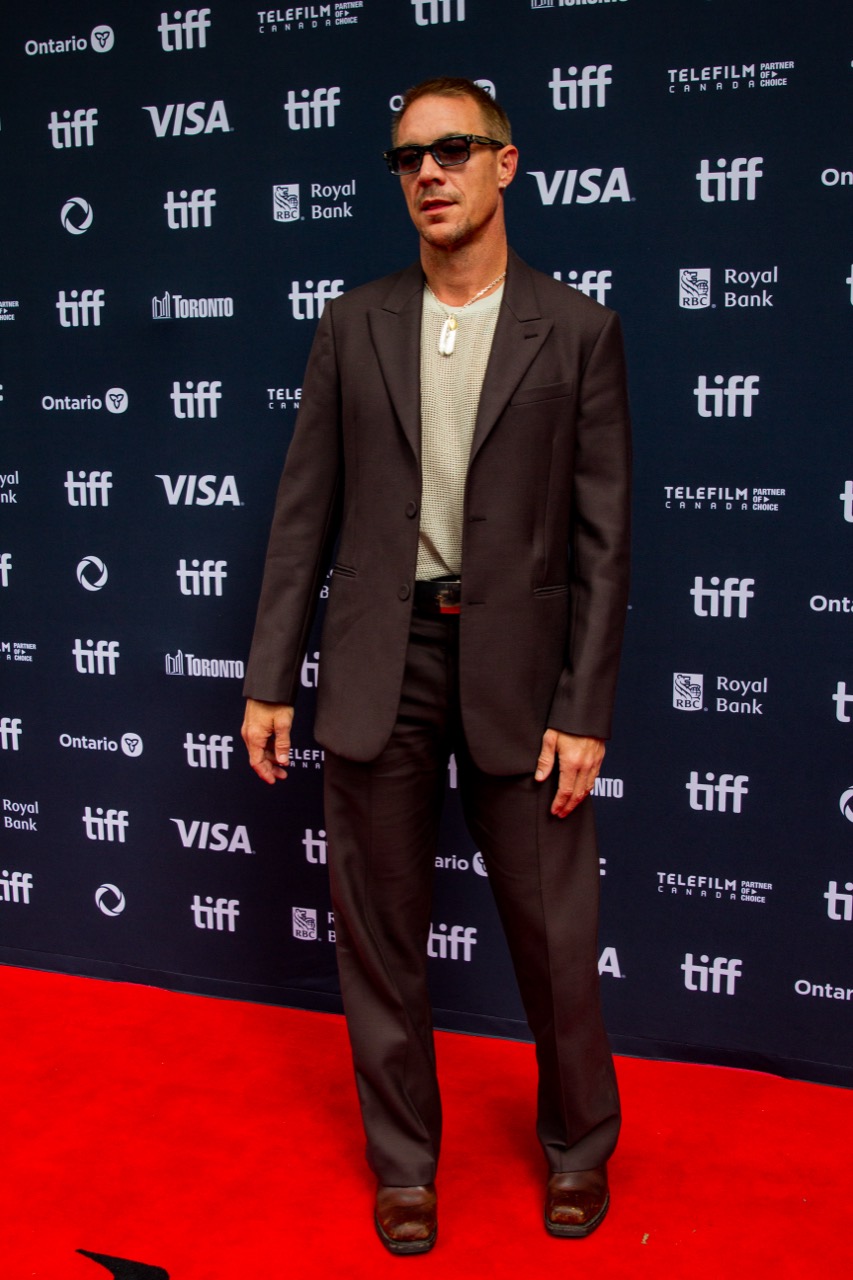
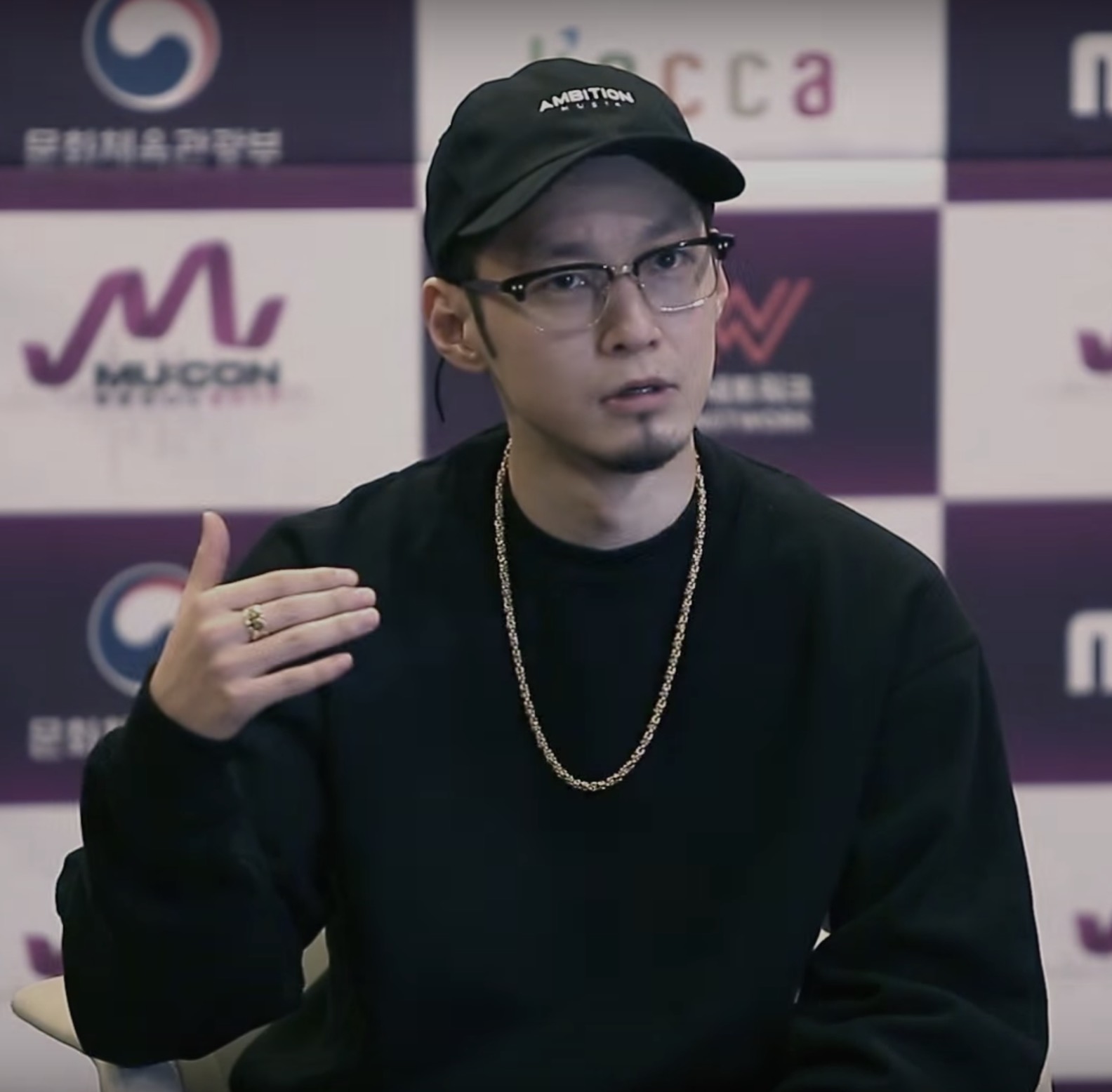
3.Day and night have different entry rules. The daytime experience floors are walk-in, and only the evening concerts require advance registration. Neither costs anything.
4.Start with the building. AndersonC is not a venue but a vintage furniture gallery and cafe that opened in April 2024. An old wing built in the 1960s and a newer wing face each other across a courtyard. The new wing has a cafe and restaurant on the ground floor and a furniture showroom above; the old wing keeps a small cafe downstairs and uses the upper floors for display and storage.
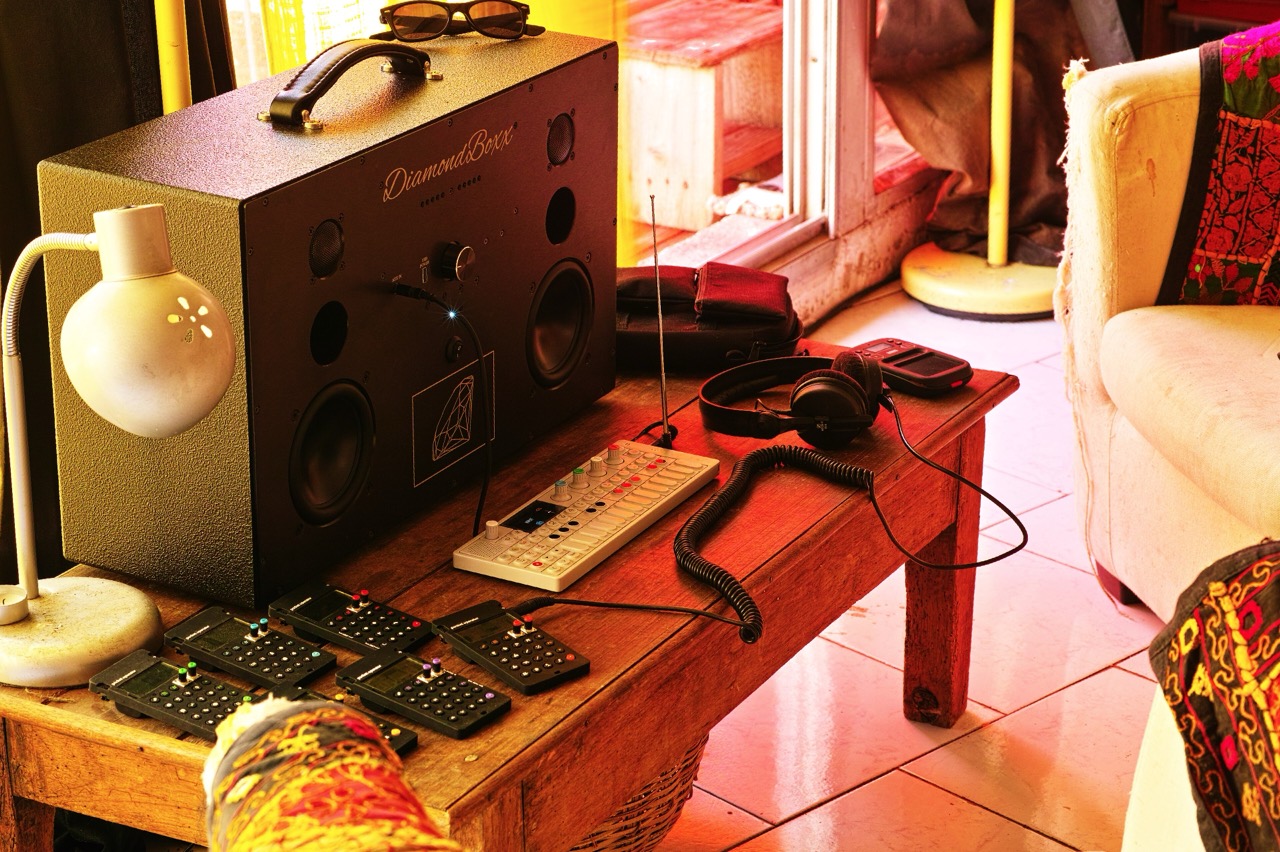
5.How Spotify carved up the building at last year's first edition shows the design. The ground floor was the daylist cafe, where the playlist changed four times a day and the drinks and desserts on sale changed with it. Upstairs held a room for lossless listening on Sennheiser headphones, a station for editing playlists, and the Spotify Closet selling merchandise.
6.It amounts to moving features off the app screen and into rooms. Once a button you used to tap becomes something you climb a flight of stairs to reach, the time one person spends there stretches from seconds to minutes. A reporter who visited last year described a mix of students, office workers and foreign tourists.
7.Why spend money on this at all makes sense only once you look at the business. Streaming apps sell the same goods. Whichever one you open, the same songs come out and the audio quality barely differs, so price and interface are all that is left to compete on.
8.Start with the Korean numbers. In June 2026 the app had 6.22 million users here, its highest since launch, and passed Melon for the first time that month. Only YouTube Music sits above it now.
국내 음악 앱 월간 이용자 수
9.The moment the numbers jumped is easy to spot. An ad-supported free tier arrived in Korea in October 2024, and the slope of the curve changed on either side of it. Move to paid and an individual plan runs 11,990 won a month.
10.Yet nothing in these four days is selling the app. What goes on stage is artists, and even the daytime programs lean toward letting people handle features rather than pushing sign-ups. The party this building is really addressing is not the audience but the labels and management companies standing behind them.
11.The annual royalty disclosure comes from the same place. The company says it paid out more than 11 billion dollars to the music industry in 2025, and that what Korean artists received rose 12 percent from the year before. Catalogs cannot create a difference, so what gets sold is the line "we will sell you abroad," and this stage is that line made visible.
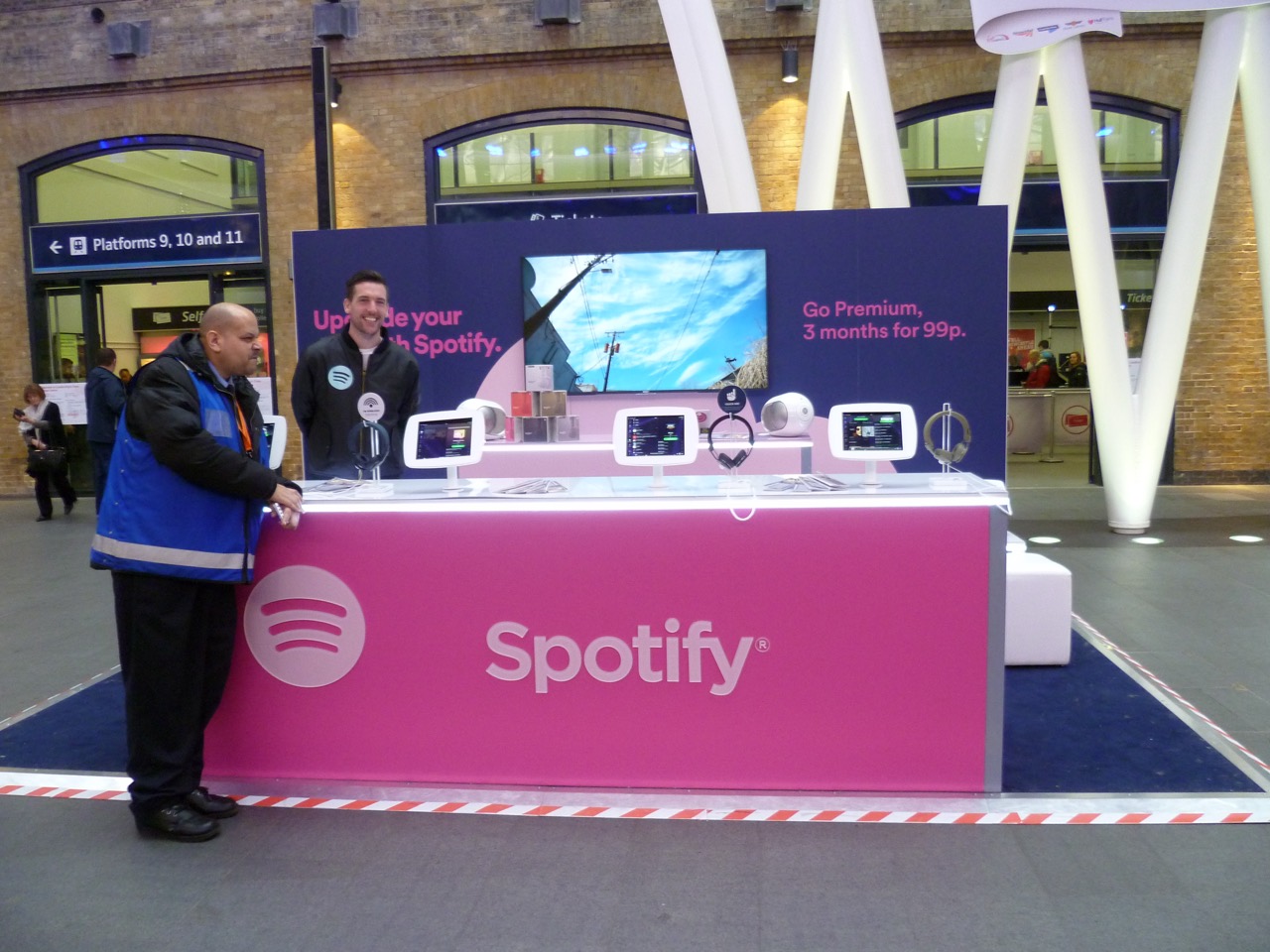
12.Now count the money. Pop-up rentals around here run in the low millions of won a day for a 160-square-meter shop and around 10 million won a day at 330 square meters, with prime sites asking up to 20 million. AndersonC is larger than that across two buildings, and installation and teardown add days on either end, so putting the space alone at roughly 100 million won is not a stretch. Rental terms are not public, so everything from here is an estimate.
13.With no tickets sold, revenue for the four days is zero. Converting that 100 million won into subscriptions shows what kind of spending this is. Divided by 11,990 won a month it comes to 8,340 months, or 695 people paying for a year. For a company with 6.22 million users here, 695 people is 0.011 percent.
나흘 공간값을 구독료로 바꾸면
14.Brands opening their own stages instead of putting a name on someone else's festival is an old move in Korea too. Hyundai Card launched Super Concert in 2007 and flew in international artists directly, and Red Bull keeps its own recording studio and develops artists. What is different here is that nothing is owned. No venue is built or bought, only rented for four days.
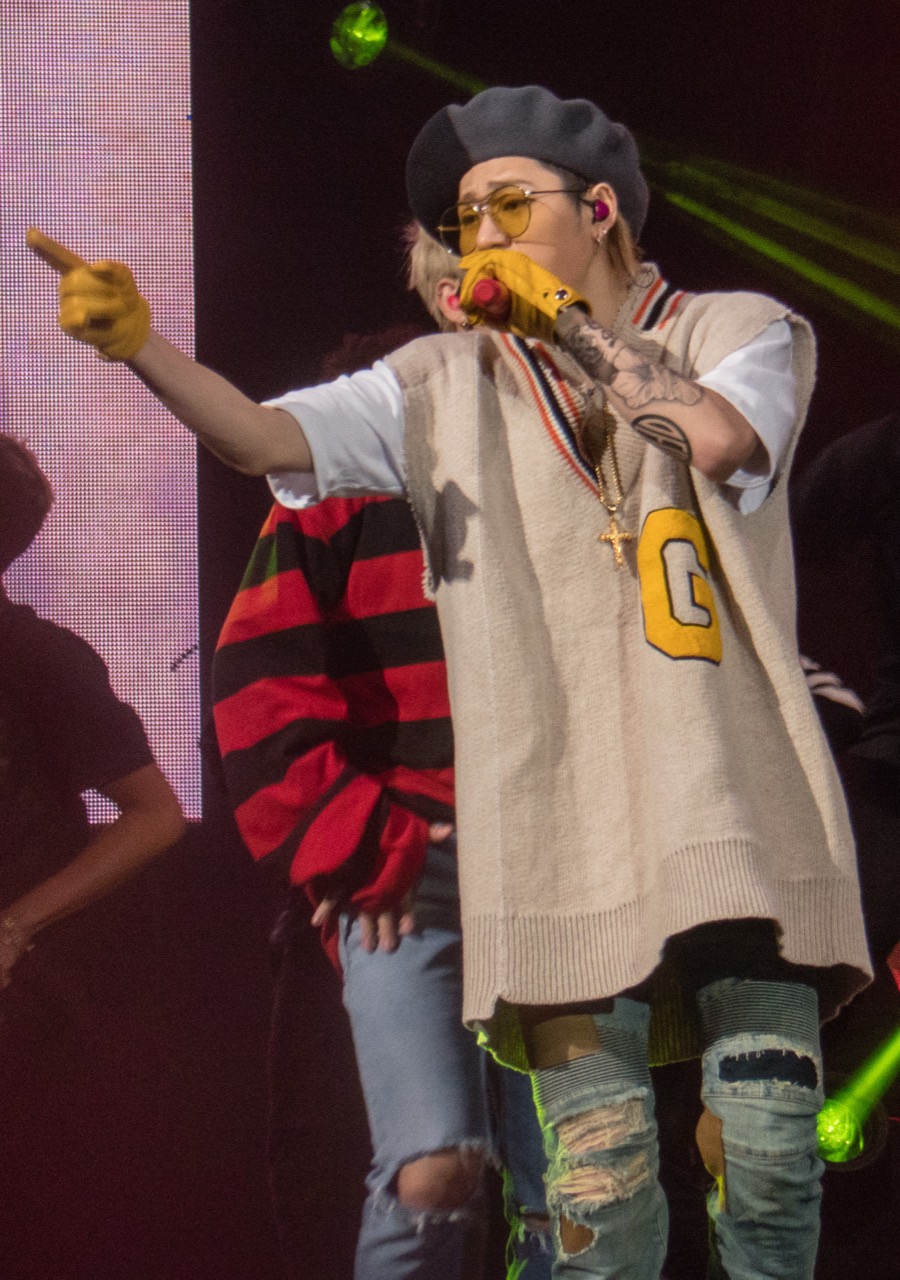
15.No tickets are sold, but registration is still required. What comes in instead of a ticket price is a name, a contact and an account. Last year's first edition filled three days with The Kid LAROI, Central Cee, Jay Park and Zion.T, and this year those three days became four. Events that shrink do not get a next year.
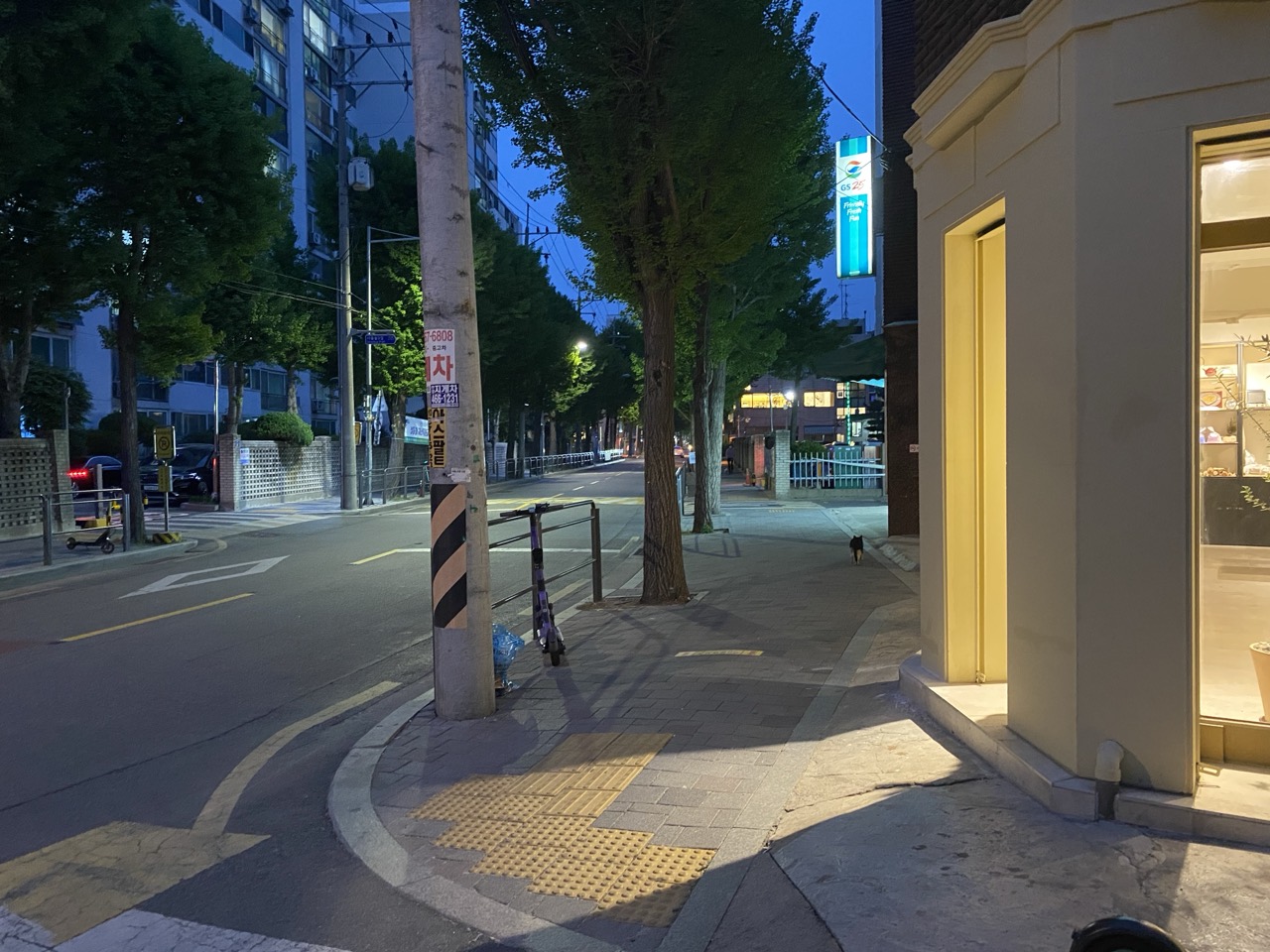
16.For four days from next Thursday, a two-building furniture gallery becomes a concert venue. Admission is free, fourteen acts perform, and the roughly 100 million won of space rent equals a year of subscriptions from 0.011 percent of the app's users here. Try this anywhere else and the building, not the budget, is the first thing in the way. Ceiling height, floor loads, and above all how late you are allowed to make noise cut the shortlist down to a handful of addresses, and whoever already knows those addresses is quoting double.