The show that opened last month runs until February 2027. That is 167 days. Five hundred works are on view, and most of them are made of thin fabric. The walls let light through, and visitors walk not past them but inside them.
1.MMCA Seoul opened "Do Ho Suh" on 27 August. It takes Galleries 3, 4 and 5 on the first basement level plus the MMCA Studio on the second floor, and closes on 9 February 2027. Drawings, sculpture, video and installation together come to around 500 works, a retrospective laying out three decades of practice in one place.
2.Admission is 8,000 won. Another show opening the same day in the same building costs 2,000, so this one is four times that. Booking on the museum website takes 10 percent off year round, and the early-bird tickets sold before opening went for 6,400 won. Entry is by timed reservation in one-hour slots, the museum says.
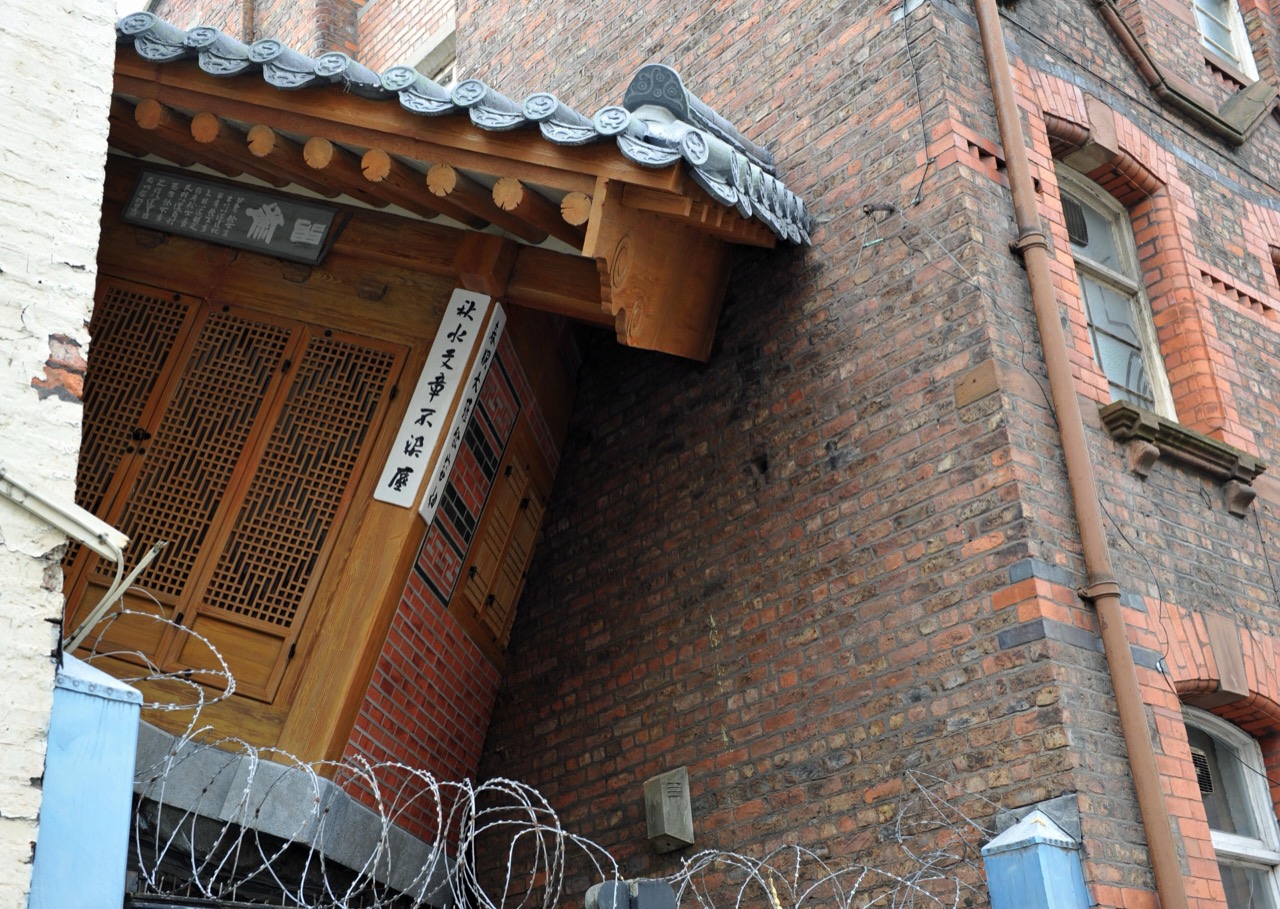
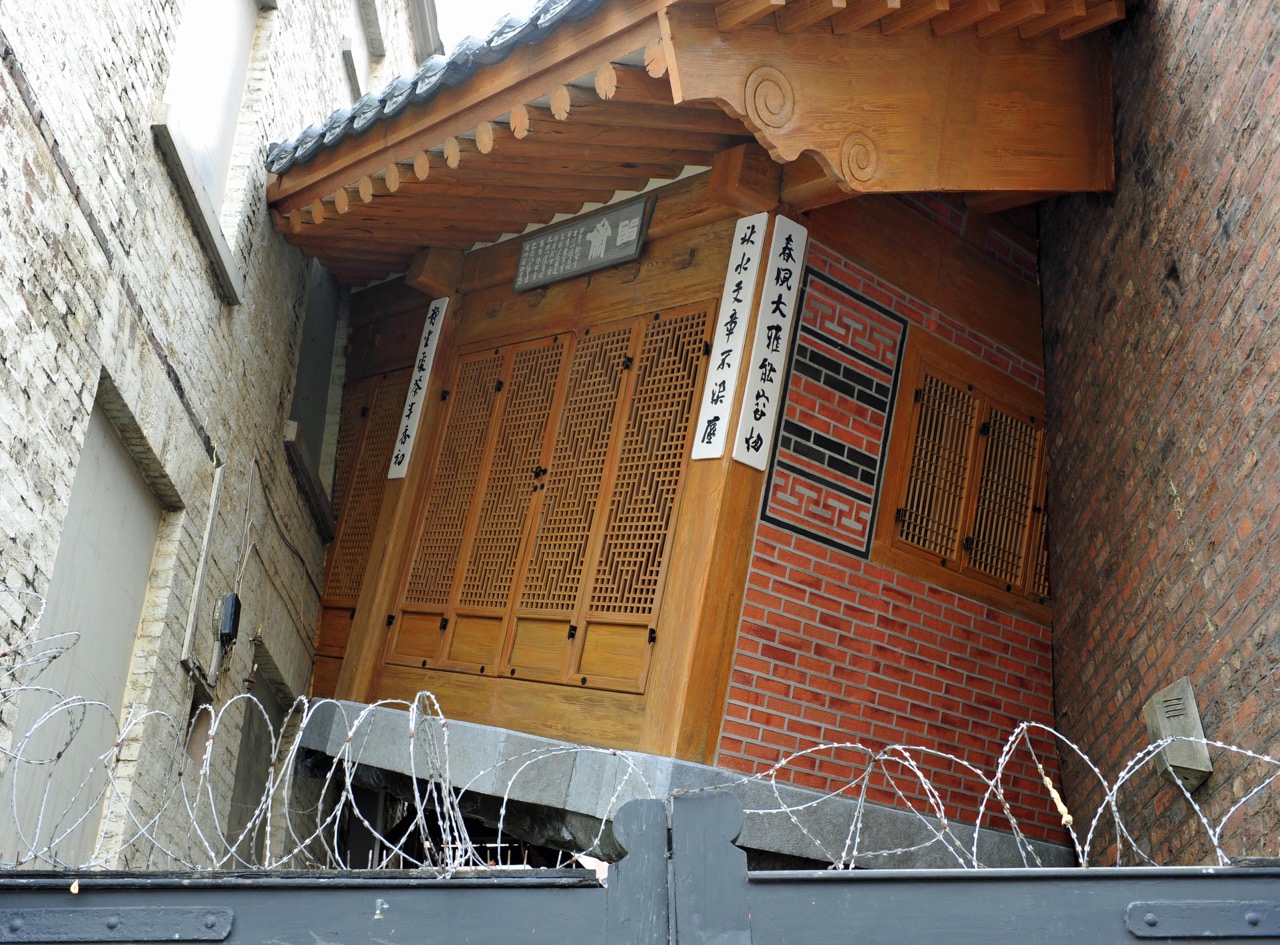
3.Start with the material. What holds up Suh's rooms is neither brick nor plasterboard but cloth. Seoul Home/L.A. Home (1999) reproduced a hanok in Seongbuk-dong in translucent jade fabric and raised it in Los Angeles, with door frames, hinges and handles all measured and copied 1:1.
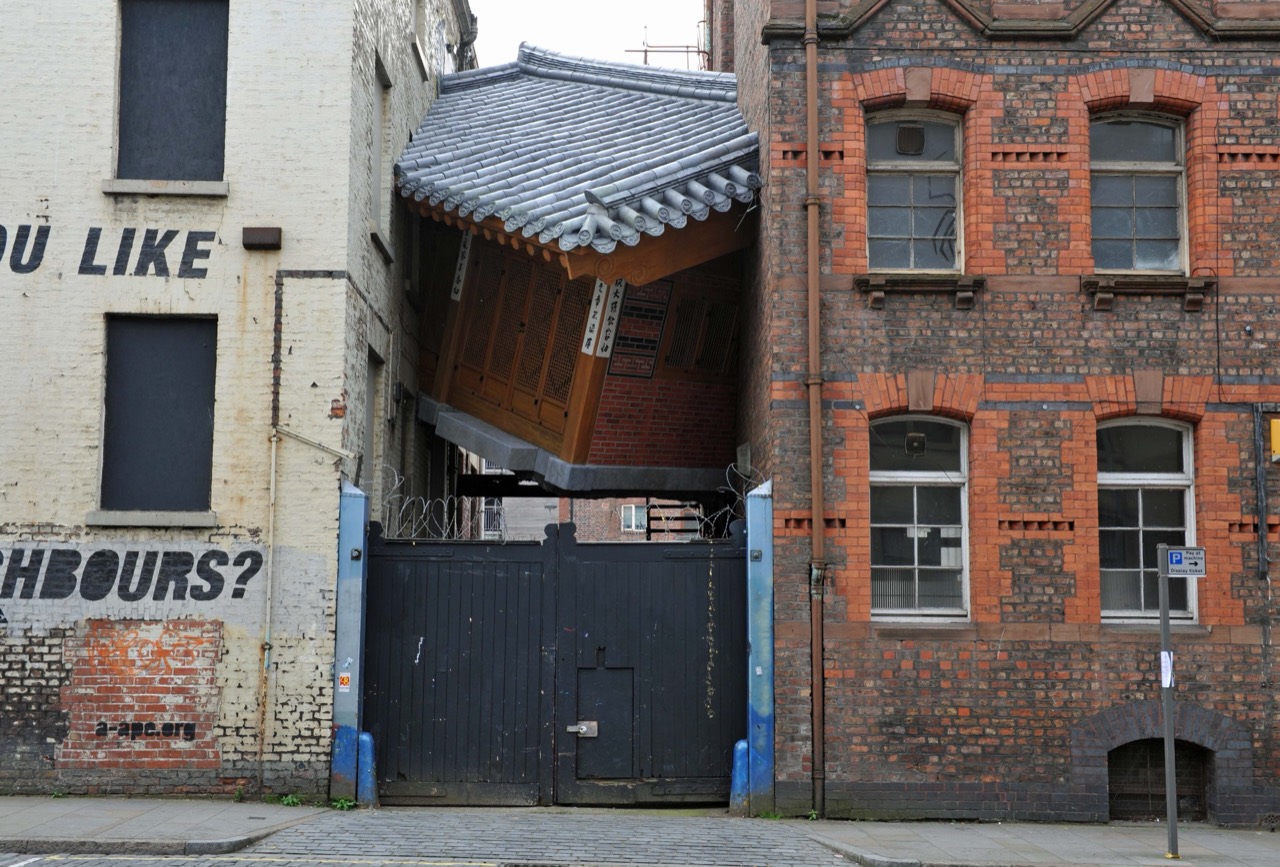
4.That jade gate stands at the entrance to the galleries. Fabric walls do not block light but pass it, so the silhouette of someone standing inside shows through from outside, and the next room beyond overlaps with it. Visitors do not walk past the wall; they walk inside it. Nest/s (2024) stitches the rooms, corridors and doors of the many houses the artist has lived in into one long passage.
5.Perfect Home gathers door handles, sockets and light switches from London, Horsham and New York into a single room. The Rubbing/Loving series takes paper rubbings of surfaces in places the artist has left or that are about to disappear, and one of the galleries is filled with some 200 drawings. The large installations catch the eye, but by count there is more paper.
6.In this country a house is usually either an asset or a source of nostalgia, and this work is neither. Then what is it treated as? Dimensions. Not how many pyeong or how much, but how many millimetres wide the door is and how far above the floor the switch sits. Anyone who has drawn a plan knows where that habit comes from.
7.So visitors go inside. A painting ends once you have looked at it, but these rooms end only when you have passed through them. A photograph taken here shows not the front of the work but the inside of it, and once posted it becomes an advertisement pulling in the next visitor. The museum spends no marketing budget and uses the audience's cameras instead.
8.Migration is the root of the work. Most Koreans now in their thirties and forties have moved house several times, and the home they grew up in has been torn down or belongs to someone else. A great many people hold an address they cannot return to. Suh folds that address up and carries it with him.
9.The figure of 8,000 won is new this year. The museum raised admission for special exhibitions from 5,000 to 8,000 and created a separate bracket for international masters shows, while the combined ticket covering several exhibitions went from 7,000 to 10,000. The Damien Hirst retrospective in March was the first in that bracket, and this is the second.
같은 건물, 세 가지 가격
10.Now the takings. Of the 167 days, subtracting 24 Mondays when the museum is shut leaves 143 open days. MMCA Seoul drew 1.8 million visitors in 2023, and the four MMCA sites together counted 3.37 million last year. From here the figures are estimates, since none are published: at 1,500 paying visitors a day the show would draw 210,000 people, and at 7,200 won net after the online discount that comes to about 1.5 billion won.
11.Beside the ticket price sits a sponsor. Genesis is the principal supporter of this exhibition, and the artist's solo show that opened at Tate Modern last May was likewise titled The Genesis Exhibition. The carmaker that put its name on London put its name on Seoul as well. Neither sum has been disclosed.
12.London ran 172 days, Seoul runs 167. Large fabric structures are expensive to ship, install and insure, so a short run never pays them back, which means the length is fixed first and everything else follows. When a museum gives close to half a year to one artist, the slots left for other shows that year shrink by the same amount. It is a decision about the work and about the calendar at once.
천으로 뜬 집이 지나온 도시
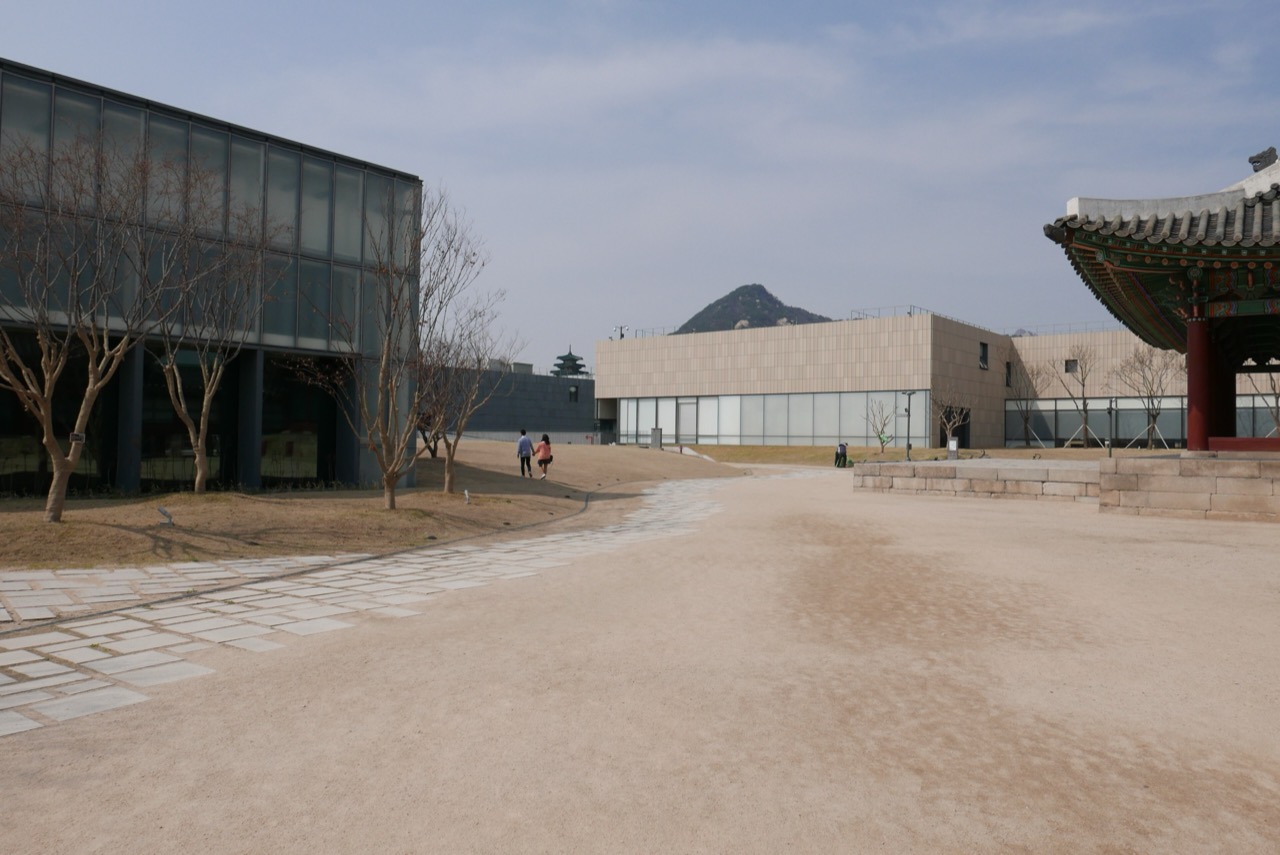
13.The market numbers are smaller than you would guess. The auction record is the 814,000 dollars paid for Some/One in London in 2009, and the average price over the past year sits around 50,000. A room made of cloth is easy for a museum to buy and hang but hard for a private collector to take home, so this artist's money moves through exhibition runs rather than salerooms.
14.The one-hour slots exist because of circulation. In a show where people walk inside the work, a crowd turns viewing into a traffic jam, and a corridor made of fabric cannot be widened. The museum is open until 6pm on Monday, Tuesday, Thursday, Friday and Sunday, and until 9pm on Wednesday and Saturday. On the long days that is eleven slots.
15.Five hundred rooms made of cloth fill three galleries of a concrete museum for 167 days, and the ticket sells at 8,000 won, four times what another show in the same building costs. Anyone attempting something similar here runs first into ceiling height and rigging rather than the price of the art. A fabric structure people walk through has to hang from above. In a building with nothing to hang it from you end up standing columns on the floor, and the moment a column goes up the room becomes an ordinary room with walls again.