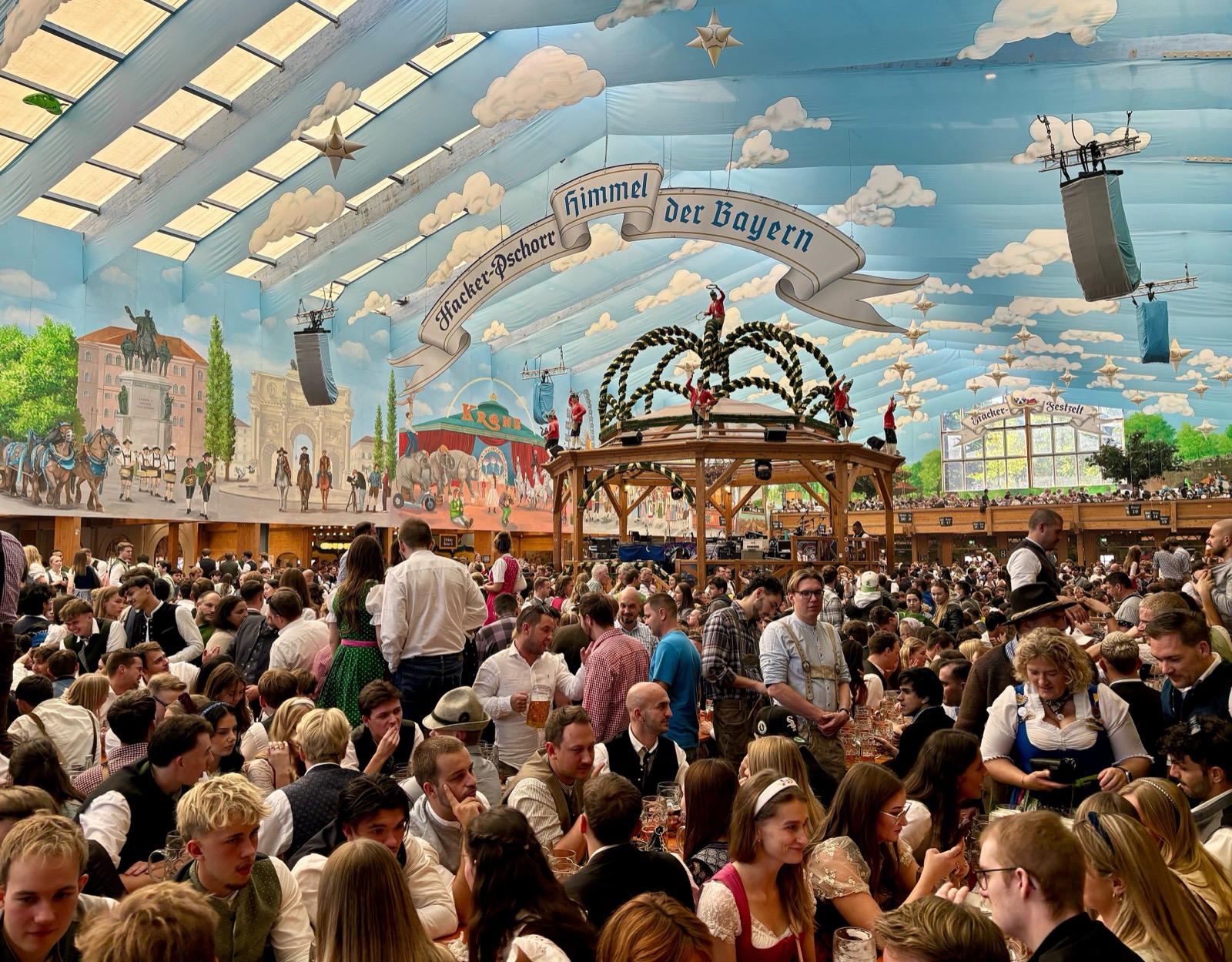
The original opens in Munich on 19 September. The Seoul edition opens a week earlier and closes on the original's third day. One tent, 4,500 seats. What separates it from the original is not scale but the fact that you pay at the door.
1.Oktoberfest Seoul 2026 runs for ten days, 12 to 21 September, at Oil Tank Culture Park at 87 Jeungsan-ro, Mapo-gu, Seoul. The organiser is Deutsch Oktoberfest Korea. The city of Munich approved its use of the name "Oktoberfest Seoul," and no event in Korea had received that approval before. The German ambassador to Seoul and officials from Munich will attend the opening, the organiser says.
2.A standard big-tent seat costs KRW 20,000 Monday to Thursday and KRW 25,000 Friday through Sunday, with 500 millilitres of beer per person included in the price. A premium table for four runs KRW 200,000, and the Premium Plus table, which adds food, KRW 300,000. The outdoor beer garden charges nothing and stays open from noon to 10 p.m.
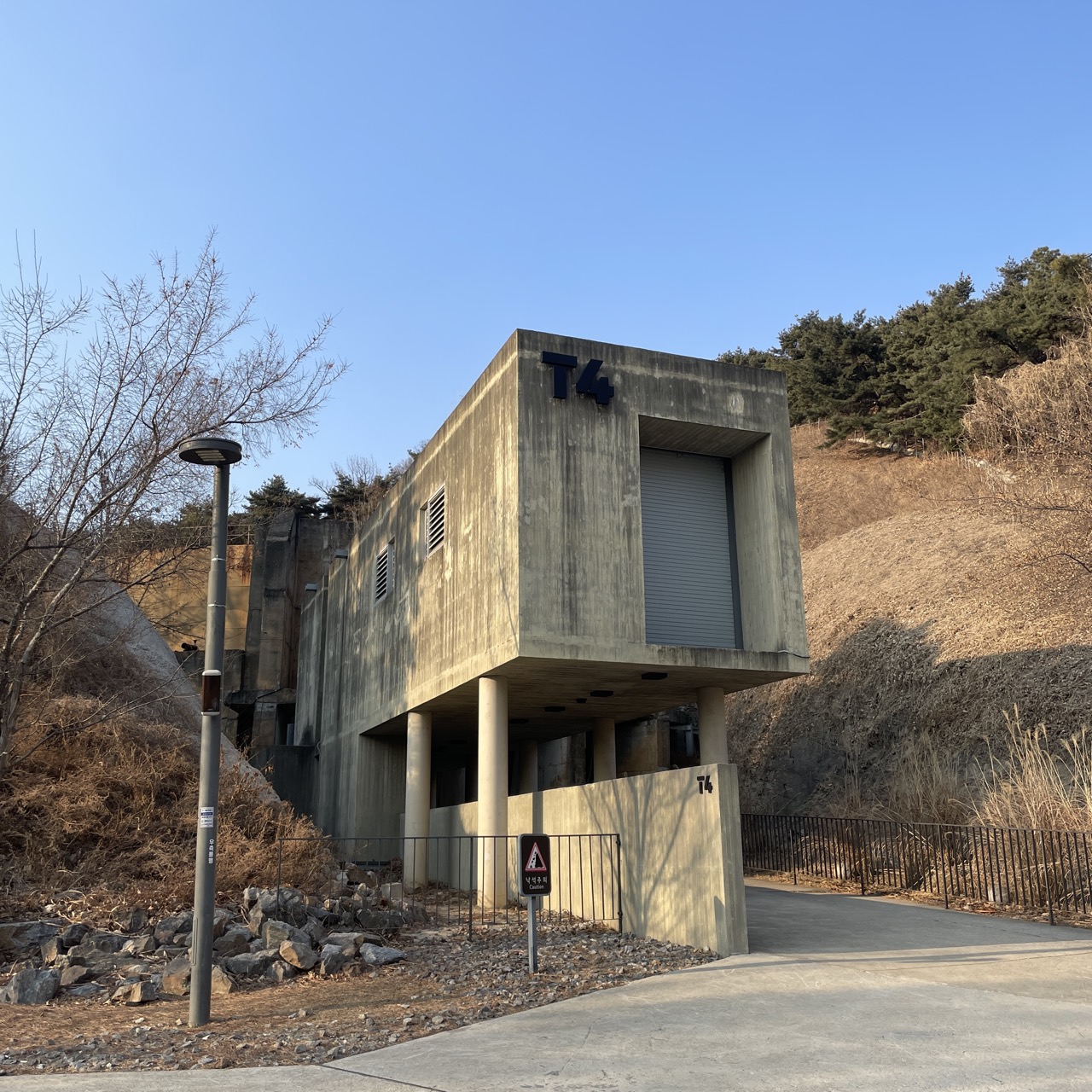
3.What stood on this ground before the tent was oil. Completed in 1978, the Mapo oil depot held 1.31 million barrels of crude in five tanks measuring 15 to 38 metres across and 15 metres high, a top-security site closed to the public for 41 years. When the World Cup stadium went up next door for 2002, safety concerns shut it in 2000, and after a public design competition in 2013 it reopened as a park in September 2017.
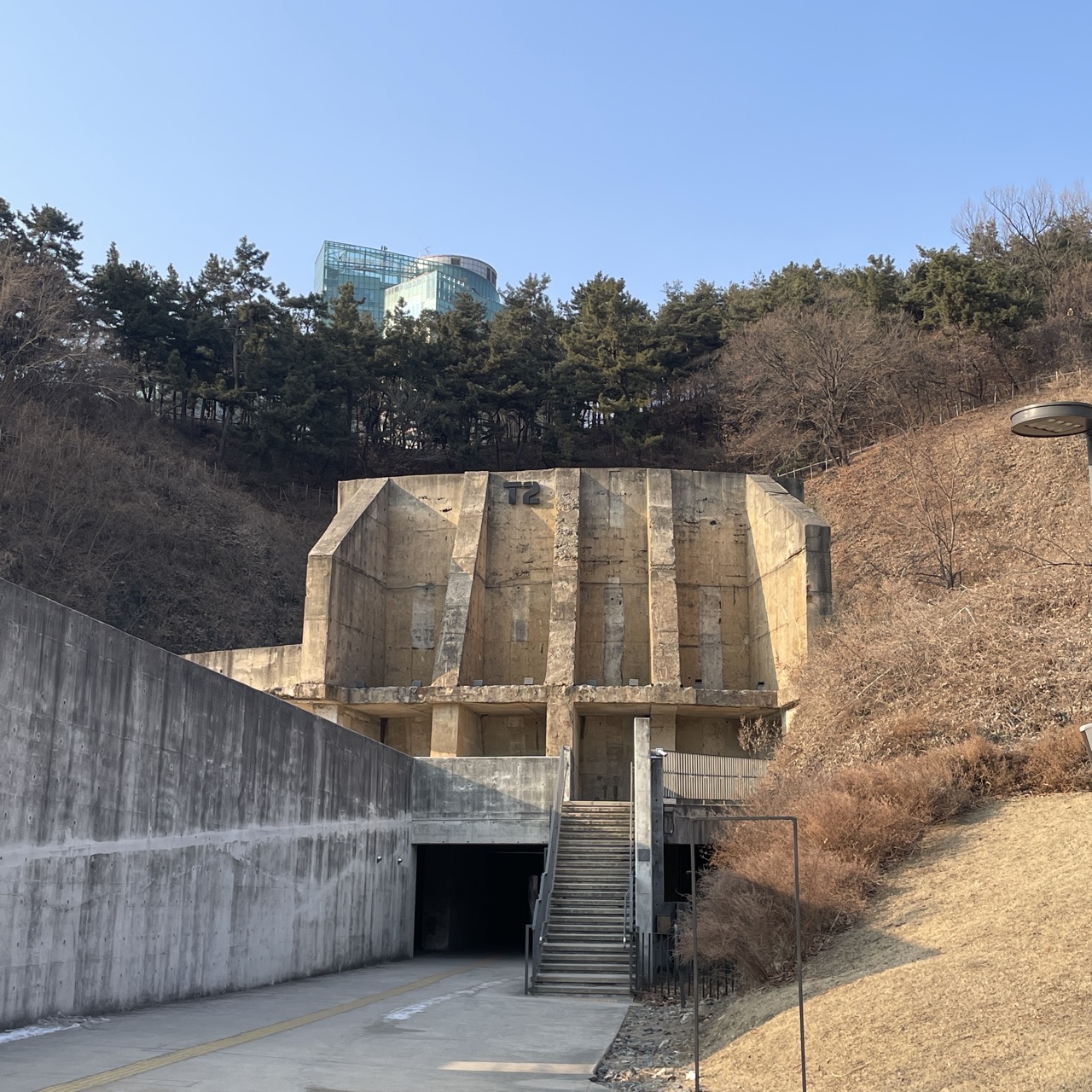
4.The site now covers 101,510 square metres, with six tanks ringing a central yard. That yard is T0, the Culture Plaza, and it measures 33,000 square metres. Concrete retaining walls and cut rock faces close it off like a shallow dish, so sound does not carry out and sightlines fall inward from every side. How many places in Seoul can take a tent and run a band until 10 p.m.
5.The organiser says the big tent going up in that yard seats more than 4,500. On the Theresienwiese there are 14 large tents, each taking 5,000 to 10,000 people. The Paulaner tent alone holds 8,450 indoors, and the Hofbräu tent reaches 9,990 counting balcony and garden on top of 4,500 in the main hall. The whole Seoul festival is the size of one Munich tent's main hall.
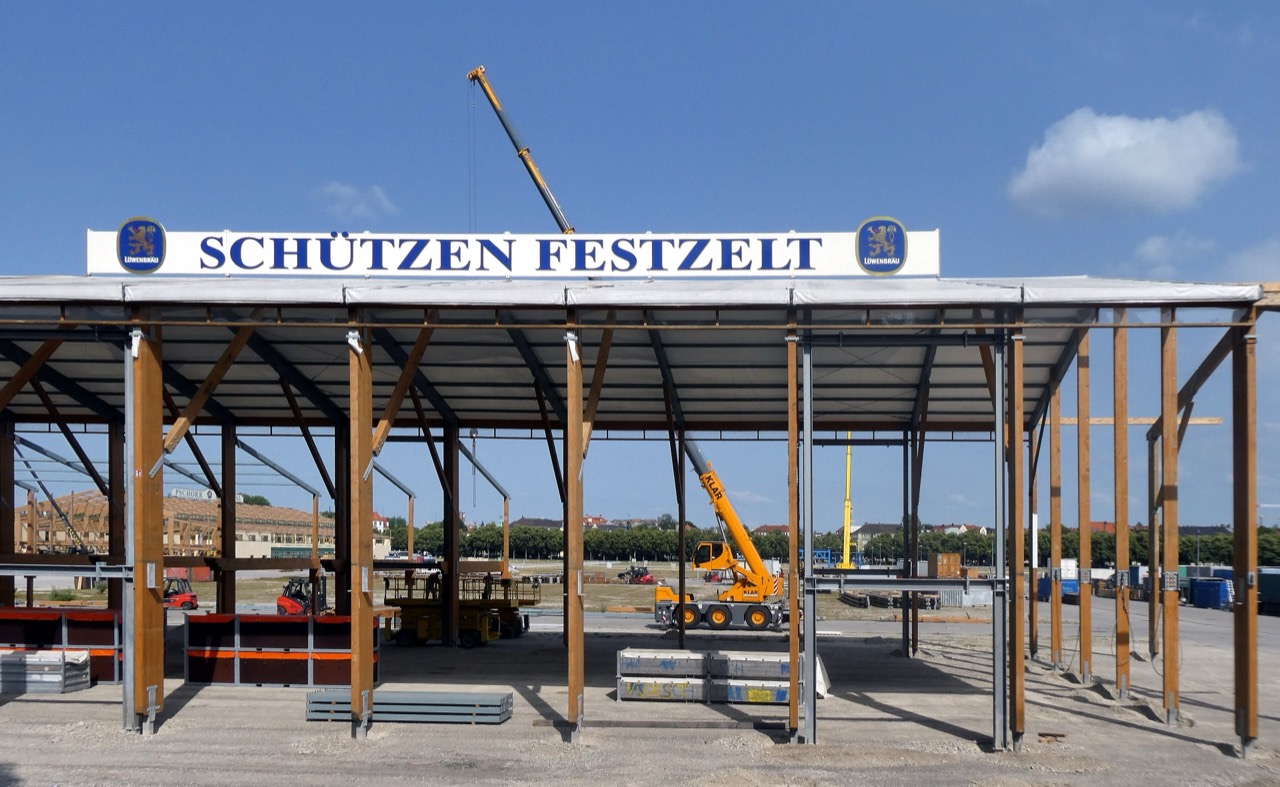
6.The most expensive thing this event sells is not beer but a name. "Oktoberfest" is a mark the city of Munich holds and administers, and the city picks who abroad may use it. The moment approval attaches, the same tent, the same sausage and the same band stop being a German-style beer event and become an Oktoberfest. A cheaper way to buy standing than one more piece of stage machinery.
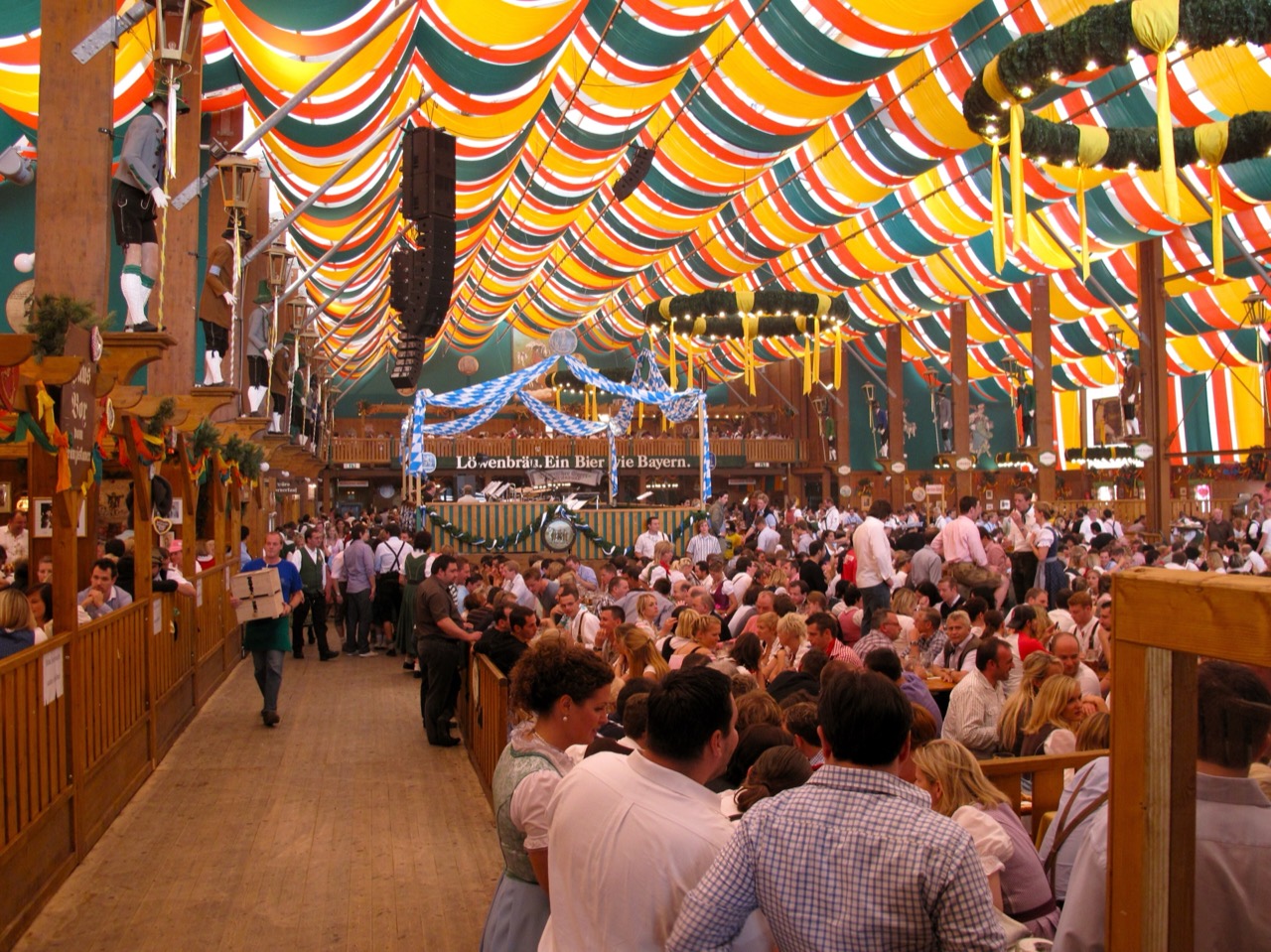
7.Beer festivals in Korea have mostly been free. A million people came to the Daegu Chimac Festival in July with no admission charge, and organisers expected beer sales up about 20 percent on the previous year. Pack in as many bodies as possible and recover the money through drink and food. The Seoul edition stands on the opposite side. It takes money at the entrance and caps the crowd at the seat count.
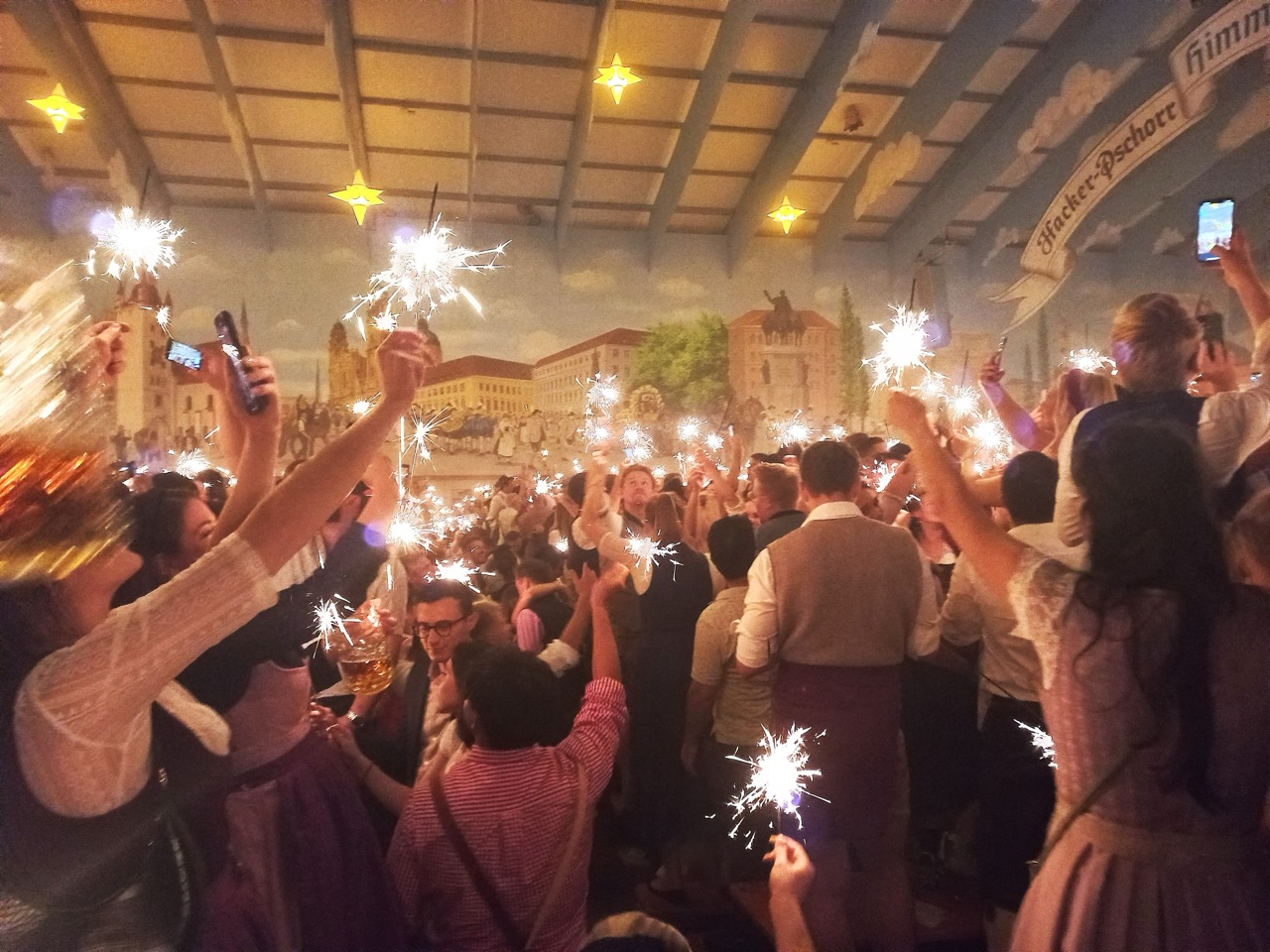
8.Charging for seats changes the whole operation. The big tent runs twice a day, the first session from noon to 4:30 p.m. and the second from 5:30 to 10 p.m. The hour between is for clearing and cleaning. Glassware will be 100 percent reusable, washed in a high-temperature sterilising system, with no disposable cups. Collection and washing eat labour and floor movement together, so that sentence is about the environment and about how much harder the operation gets.
9.The city's published rate for the Culture Plaza is KRW 10,659,000 a day. Converting 33,000 square metres to pyeong gives 9,983, so roughly KRW 1,068 per pyeong per day, and KRW 106.59 million for ten days. Cheap, for ground a festival occupies. What this event actually contracted for has not been disclosed. The figure above is the published standard rate.
10.The notice carries one more line. Events that sell tickets pay 10 percent of gross ticket sales on top. Seoul rents out the ground and collects rent, and also takes a cut of every ticket sold on it. In property terms this is a fixed rent with a turnover clause, and the landlord earns more the more tickets move.
서울시가 열흘 동안 받아 가는 돈
11.Filling 4,500 seats twice a day makes 9,000, and 90,000 over ten days. Friday-through-Sunday days number five and Monday-through-Thursday days five, exactly split, so standard-seat prices alone come to KRW 2.025 billion. That figure assumes every session sells out, so the real number will fall short, but it shows where this event's ticket ceiling sits.
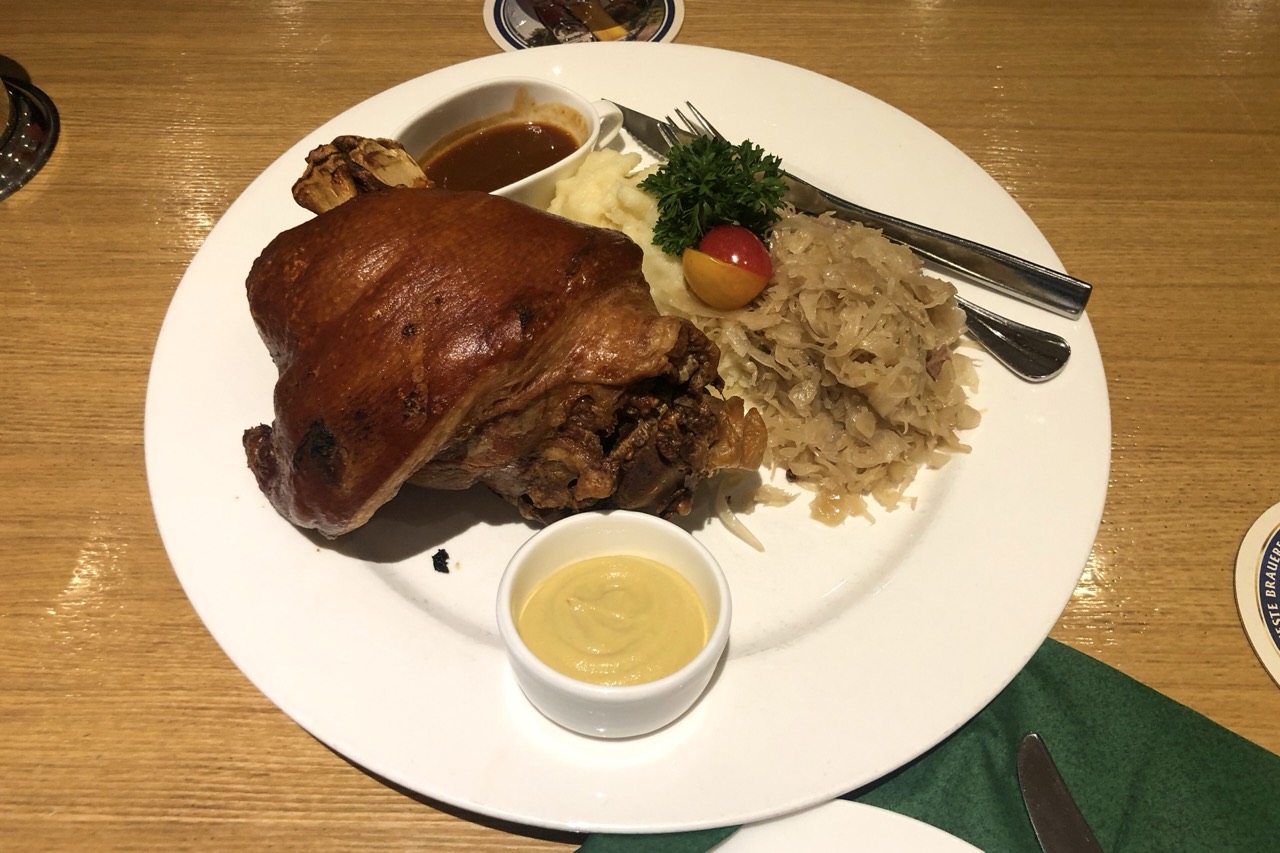
12.Drink prices have not been announced. In Munich a litre this year runs 14.80 to 15.90 euros, or about KRW 24,000 at 1,600 won to the euro. Half of that, 500 millilitres, works out around KRW 12,000. A Seoul weekday ticket is KRW 20,000 with that 500 millilitres inside it, so the remaining KRW 8,000 buys the seat and the band. This conversion is the writer's own, and on-site prices have not been published.
뮌헨과 서울, 같은 이름 다른 장사
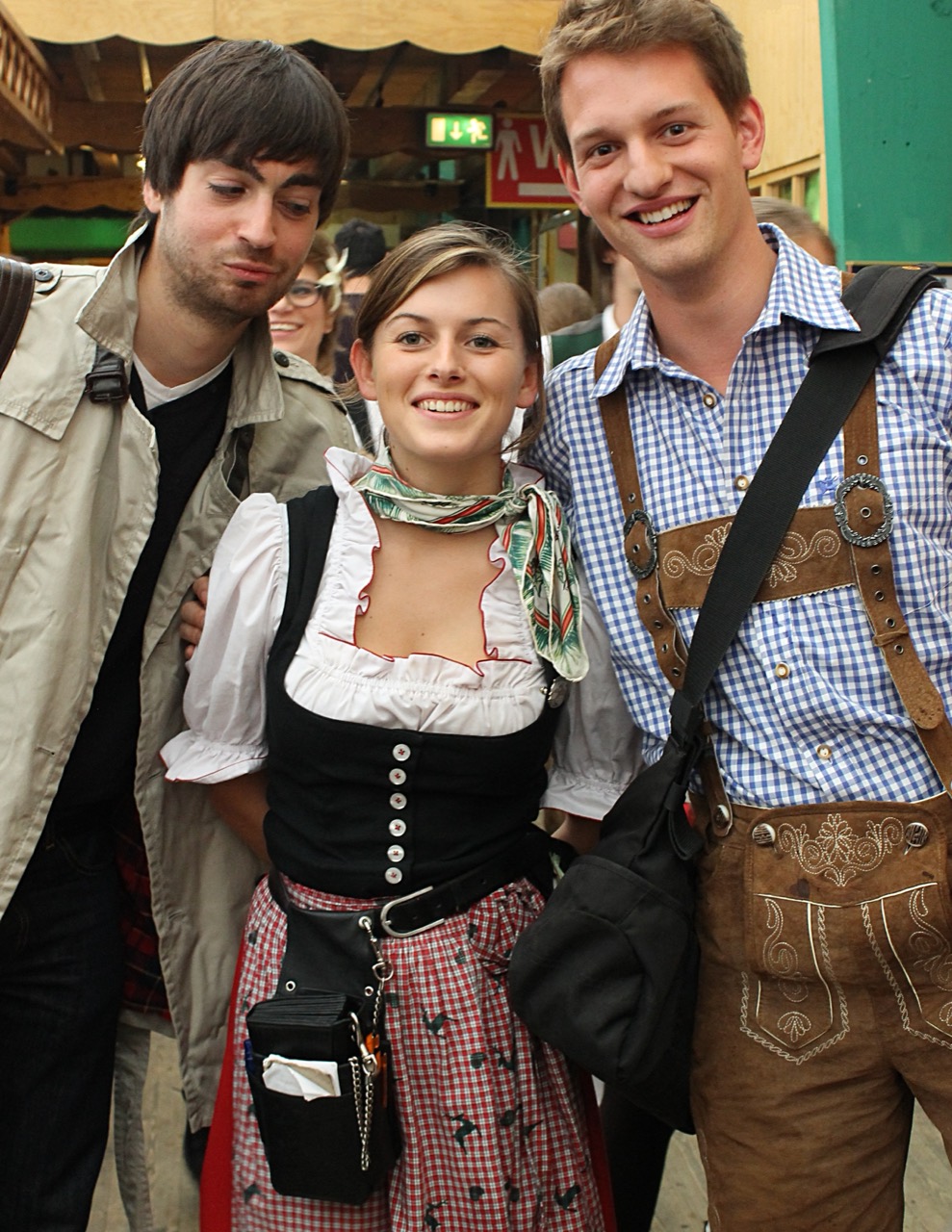
13.In October 1810 a horse race was held on a field west of Munich to celebrate the marriage of Crown Prince Ludwig of Bavaria and Therese. The field took the bride's name and became the Theresienwiese. The racing was pushed out long ago and the beer has lasted 216 years. In Korea, Lotte World ran an event under the same name for several years starting in 2005. There was no approval process then.
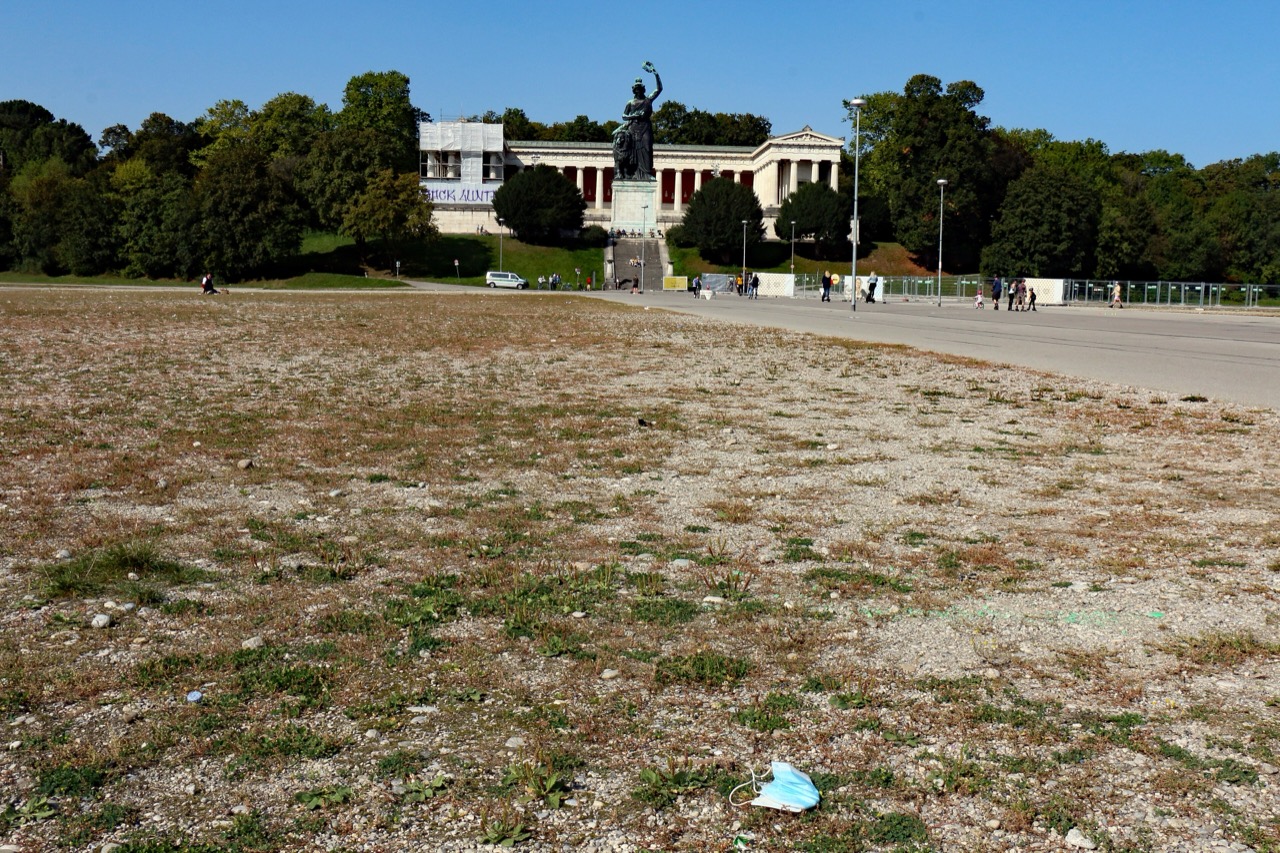
14.The original's arithmetic runs the other way round. Munich charges nothing to enter the grounds or the tents, and even a table reservation is free, but reserving means buying vouchers for beer and chicken in advance, averaging around 350 euros a table. Leave the door open, and make anyone who wants to sit pay for drinks first. Seoul chose to fold the drink into the ticket, which is the better way to stop no-shows when there are only 4,500 seats.
15.On ground that once held 1.31 million barrels of oil, a 4,500-seat tent stands for ten days, the ground costs KRW 106.59 million for those ten days, and the city takes another 10 percent of gross ticket sales. The first obstacle to putting a paid festival on vacant public land in Korea is alcohol. Selling drink and food triggers food-hygiene registration and sanitation requirements, and plenty of parks and public facilities either bar alcohol sales by ordinance or require separate clearance. Before the tent goes up, check whether the ground is allowed to sell a drink at all.