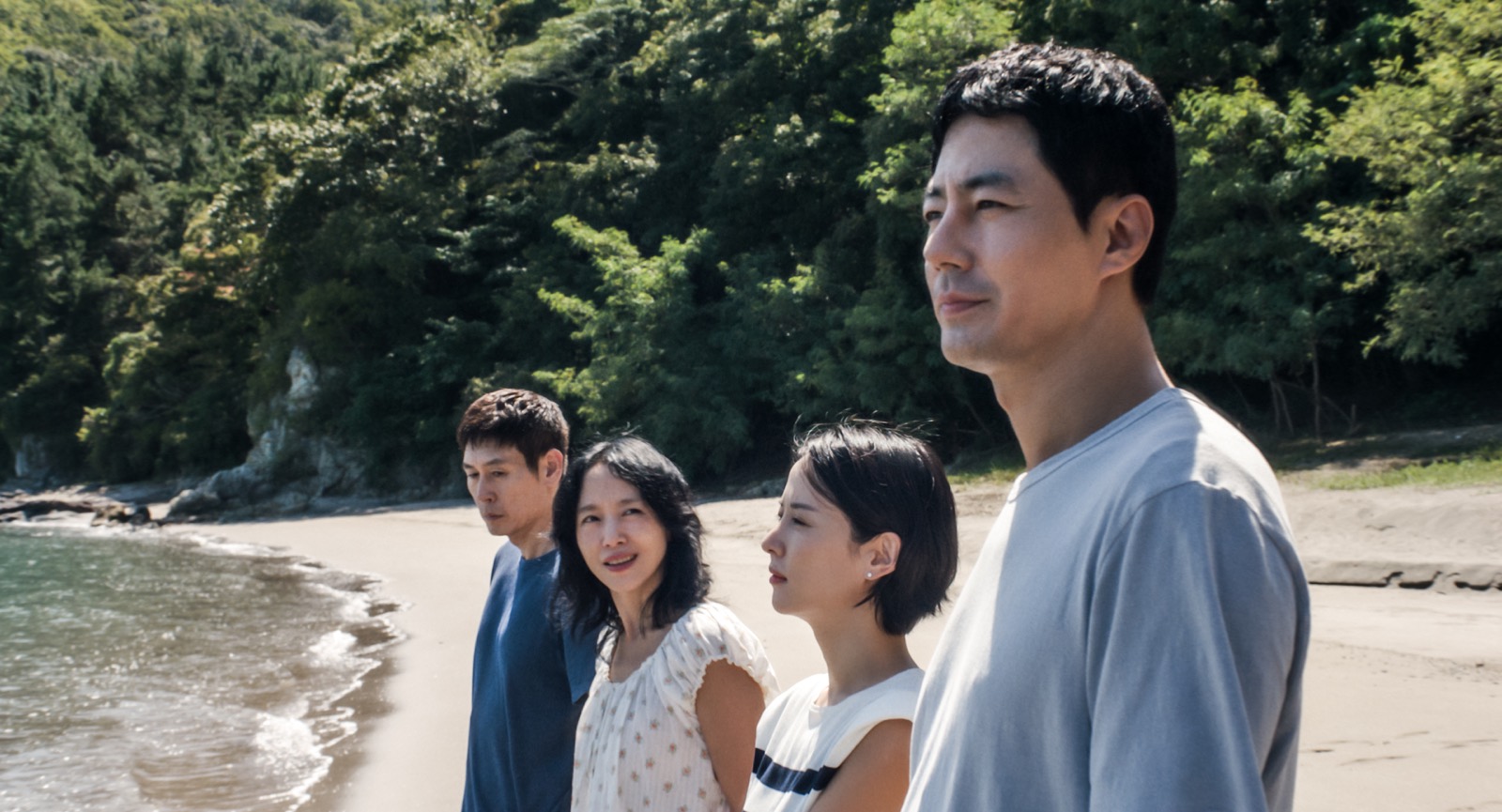
The script sat in a drawer for more than ten years, and even with KRW 1.5 billion of public money promised, no investor stepped up for the rest. Last Saturday the film won a Silver Lion in Venice. It opens in select Korean theaters on September 23 and moves to Netflix 44 days later.
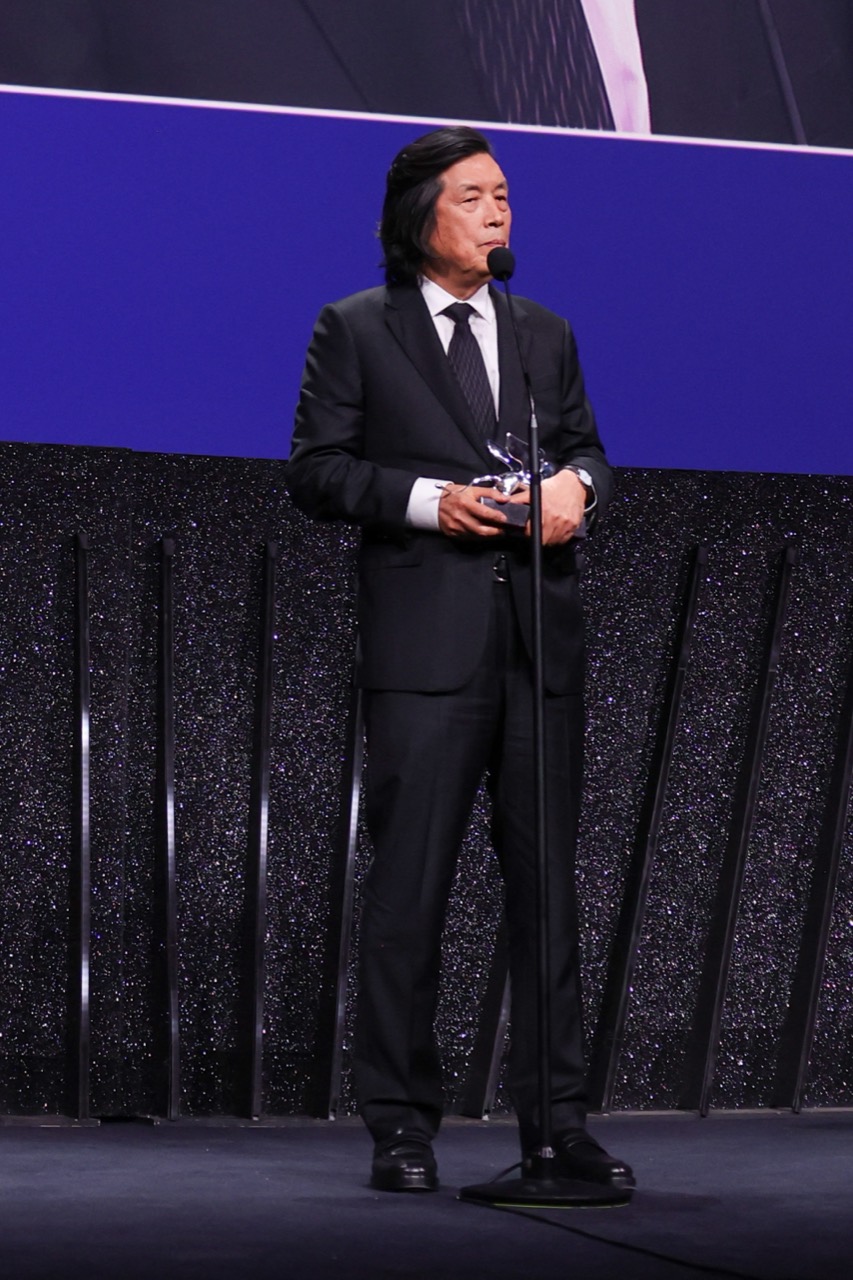
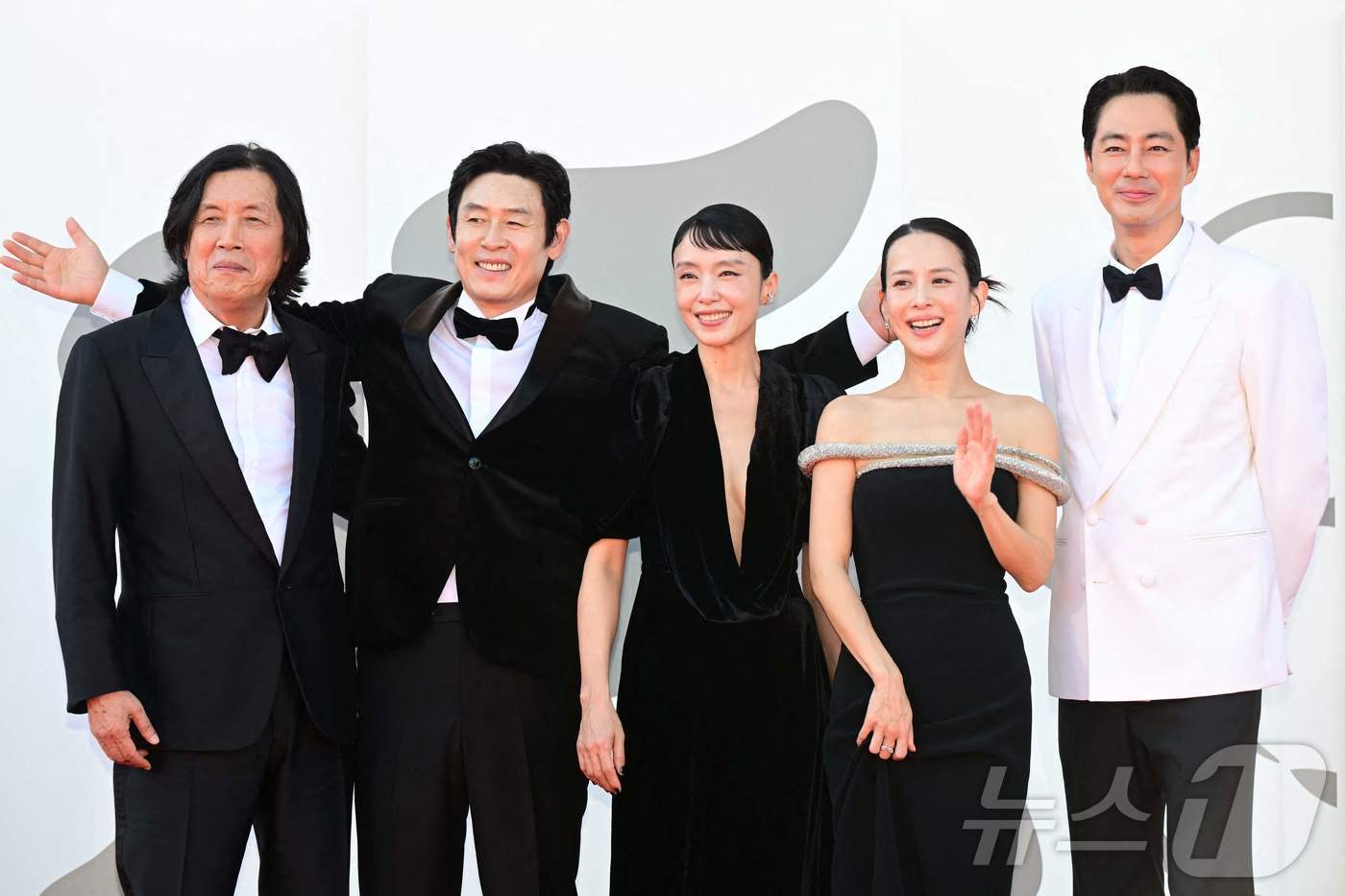
1.Last Saturday night, at the closing ceremony of the Venice International Film Festival, Lee Chang-dong's Possible Love took the Grand Jury Prize. The trophy is a Silver Lion, one step below the Golden Lion in the competition. Lee last held a Silver Lion in Venice in 2002, when Oasis won him Best Director, so the wait was 24 years. It is also his first new film in eight years, since Burning.
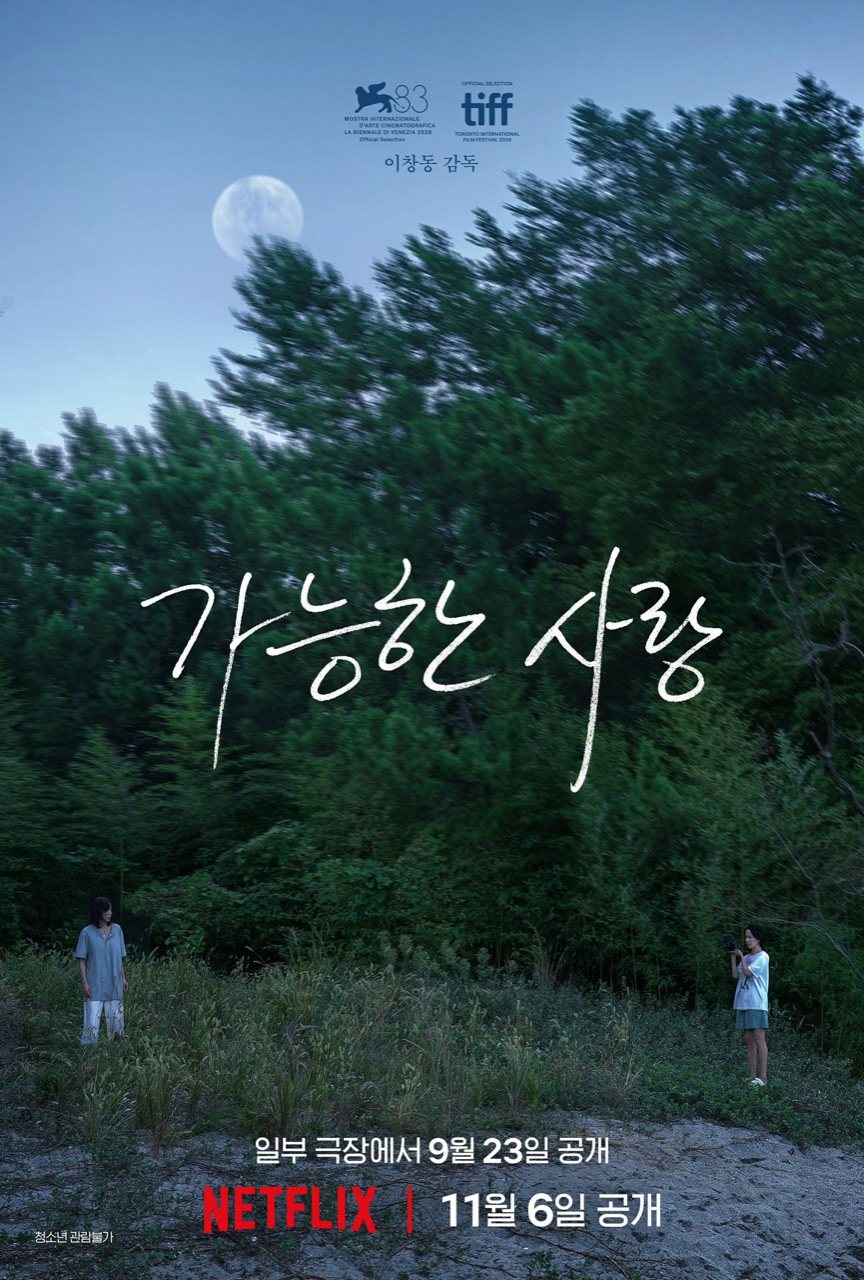
2.The release date is September 23, the day before the Chuseok holiday. At the bottom of the poster sit the words "in select theaters." Theaters get it first, then Netflix takes over on November 6. Running time 164 minutes, rated for adults only. The money behind it came from Netflix, not from a Korean investor.
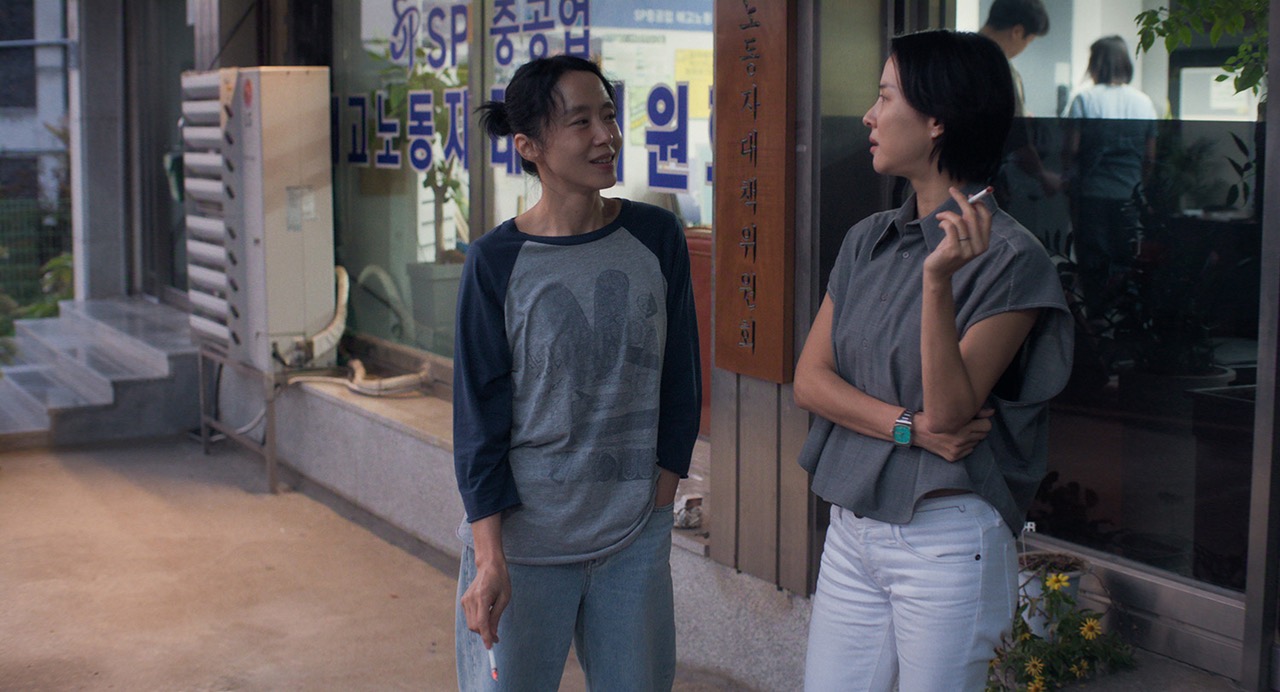
3.The story begins when two couples meet. Ho-seok (Sul Kyung-gu), laid off from a large corporation, and his wife Mi-ok (Jeon Do-yeon), and on the other side Ye-ji (Cho Yeo-jeong), a documentary director who wants to film them, and her businessman husband Sang-woo (Zo In-sung). Brought together by the documentary, the two households look into each other's lives and run into the desires each has kept hidden. Jeon won Best Actress at Cannes for Lee's Secret Sunshine, and Sul led Peppermint Candy and Oasis.
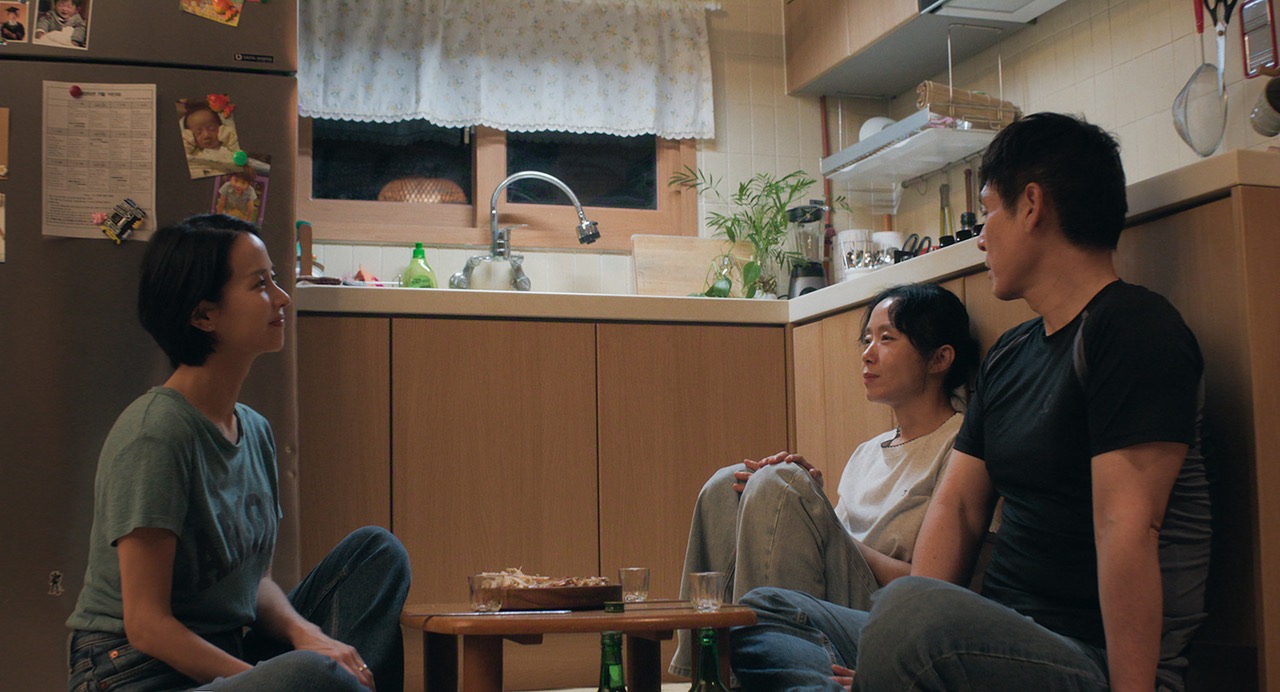
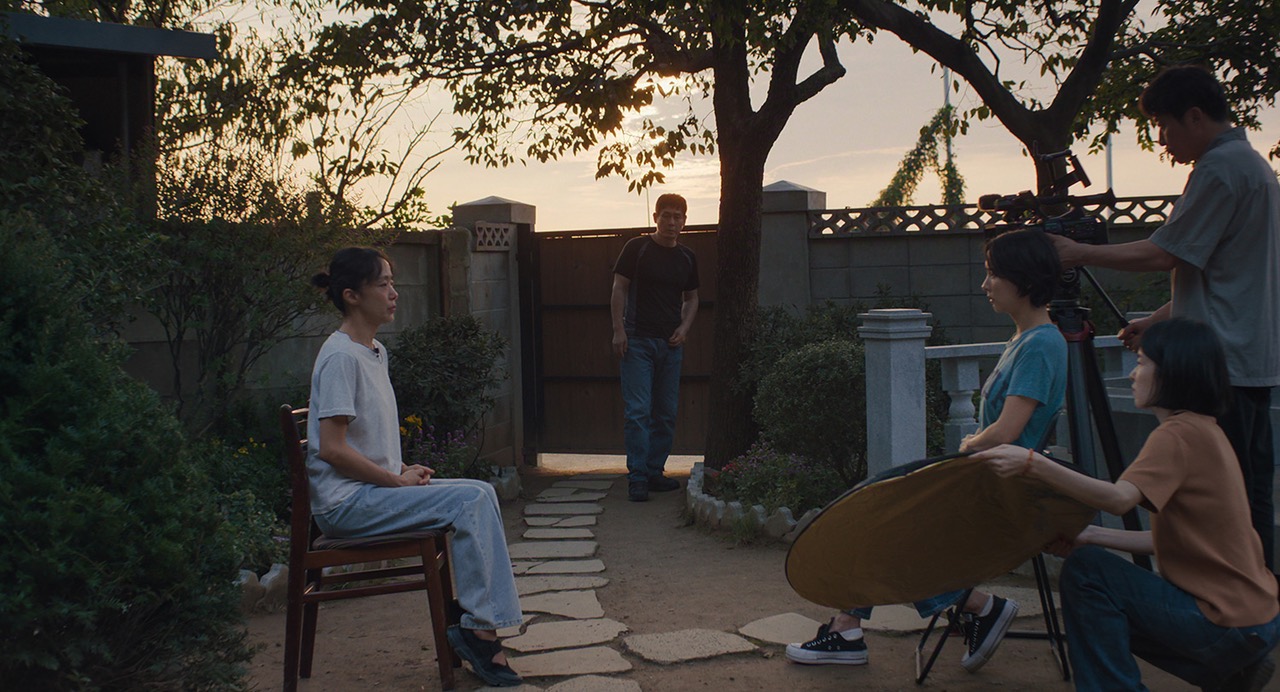
4.One released still puts the whole relationship in a single frame. A yard at dusk: Mi-ok sits on a wooden chair beside the stepping stones while a camera on a tripod and a round gold reflector aim at her. The light the reflector gathers falls only on the seated woman's face, and a man at the gate watches from a step away. The one filming and the one filmed share the same yard, but the light goes to one person. People with money using the lives of people without it as material for their work: that arrangement slowly bends out of shape over the course of the film.
5.The script spent more than ten years in a drawer. In 2025 it was picked for the Korean Film Council's (KOFIC) mid-budget production support program and promised KRW 1.5 billion, but no investor came forward for the rest of the budget. Early this year Netflix offered to cover the full cost, and Lee and the production company Pinehouse Film gave up the KOFIC support themselves. Netflix promised a theatrical release and directorial independence. Lee said there was no interference or demand at any point, and that it was the most comfortable shoot of his career.
6.The first Venice screening was on September 6, and the standing ovation ran six minutes. On Rotten Tomatoes the critics' score stood at 100% as of mid-September. What the foreign reviews kept returning to was how people fall apart after losing their work, and how they hold on. TIME critic Stephanie Zacharek described it as a story about figuring out how to get by in the world.
7.Layoffs happen in every country. With restructuring news never letting up, audiences do not watch Ho-seok's depression as someone else's problem. Then the film adds a camera on top. TIME singled out the scene where Ho-seok finally shows his feelings on camera, calling it a scene that asks about the ethics between the person filming and the person filmed. Audiences watch other people's misfortune turned into video on their phones every day. The film gets to that discomfort first.
8.On the casting side, the numbers look solid too. Jeon Do-yeon and Zo In-sung share a frame for the first time in 24 years, since the 2002 TV drama Shoot for the Stars, and Cho Yeo-jeong became known to audiences abroad through Parasite. All four leads have box office records. So why did Korean investors turn the film down?
9.The answer is in the books of his last film. Burning went to the Cannes competition and won the FIPRESCI prize, yet its Korean audience stopped at 528,626. It cost KRW 8 billion to make and needed 2.5 million viewers to break even. The prize came from Cannes, while the box office returned only about a fifth of the break-even audience.
10.So what does this film cost? The KOFIC notice lets you work backward. Support cannot exceed 30% of the net production budget, so a film promised KRW 1.5 billion has a net budget of at least KRW 5 billion. Marketing comes on top of that. To recover it all from ticket sales alone, the film would need several times Burning's audience.
11.Last year a Korean moviegoer paid about KRW 9,870 per ticket on average. Take out VAT and split with the theater, and the film's side keeps a little over KRW 4,900 (estimate). An audience the size of Burning's brings in about KRW 2.6 billion. The running time does not help theaters either. A 164-minute film gets one or two fewer showings a day on a single screen than an ordinary one.
표 한 장 9,870원이 갈리는 길
12.Netflix does not run this calculation. Netflix original deals, as the industry knows them, pay the production cost plus a set margin and take all the rights, and the terms for this film have not been disclosed. The money comes back through subscriptions, not tickets, and a title's value is measured by how well it keeps subscribers from leaving. Netflix has pledged USD 2.5 billion to Korean content over four years. While Korean films' box office revenue fell 39.4% in a single year, this money moved into the space investors left empty.
13.There is a reason to open in theaters first, too: the Oscars. To qualify for the Academy's International Feature award, a film must play in theaters in its home country for at least seven consecutive days, and this one has already been chosen as Korea's submission. Netflix is also opening it in theaters in the US, the UK and Japan on October 23. The older films moved along with it. Green Fish and Secret Sunshine went up first in places like the UK and France, and Peppermint Candy and Oasis followed in Italy and Spain. Poetry and Burning are next, in the US and Japan. One new film resets the price of six old films sitting in the drawer.
극장에 먼저 준 44일
14.The first Korean film Netflix put money into was Bong Joon Ho's Okja in 2017. When it planned to release the film in theaters and on Netflix on the same day, the three big multiplex chains refused to screen it, and Okja played only in single-screen theaters and small chains. This time Netflix is giving theaters 44 days first.
15.Pending in the National Assembly is an amendment to the film and video act that would bar films from going to OTT services until six months after their theatrical run ends. It is meant to protect theaters, but if it passes as a blanket rule with no exceptions, even a Netflix film that opened in theaters first would have to wait half a year after its run. A platform with a November release already set would take the path of skipping theaters. Just like Okja. In April, 581 film professionals including Bong Joon Ho called for its withdrawal, saying it would slow the recovery of investment.
16.Korean investors stopped at a break-even point of 2.5 million viewers, while Netflix counted the same film in terms of 44 days in theaters, Oscar eligibility and new outlets for six old films. For anyone in Korea trying to make a KRW 5 billion auteur film for theaters again, the first obstacle is an investment contract that measures the return on box office alone. Without a way to lock in overseas sales and streaming rights before release, the next script will also go to Netflix, or back into the drawer.