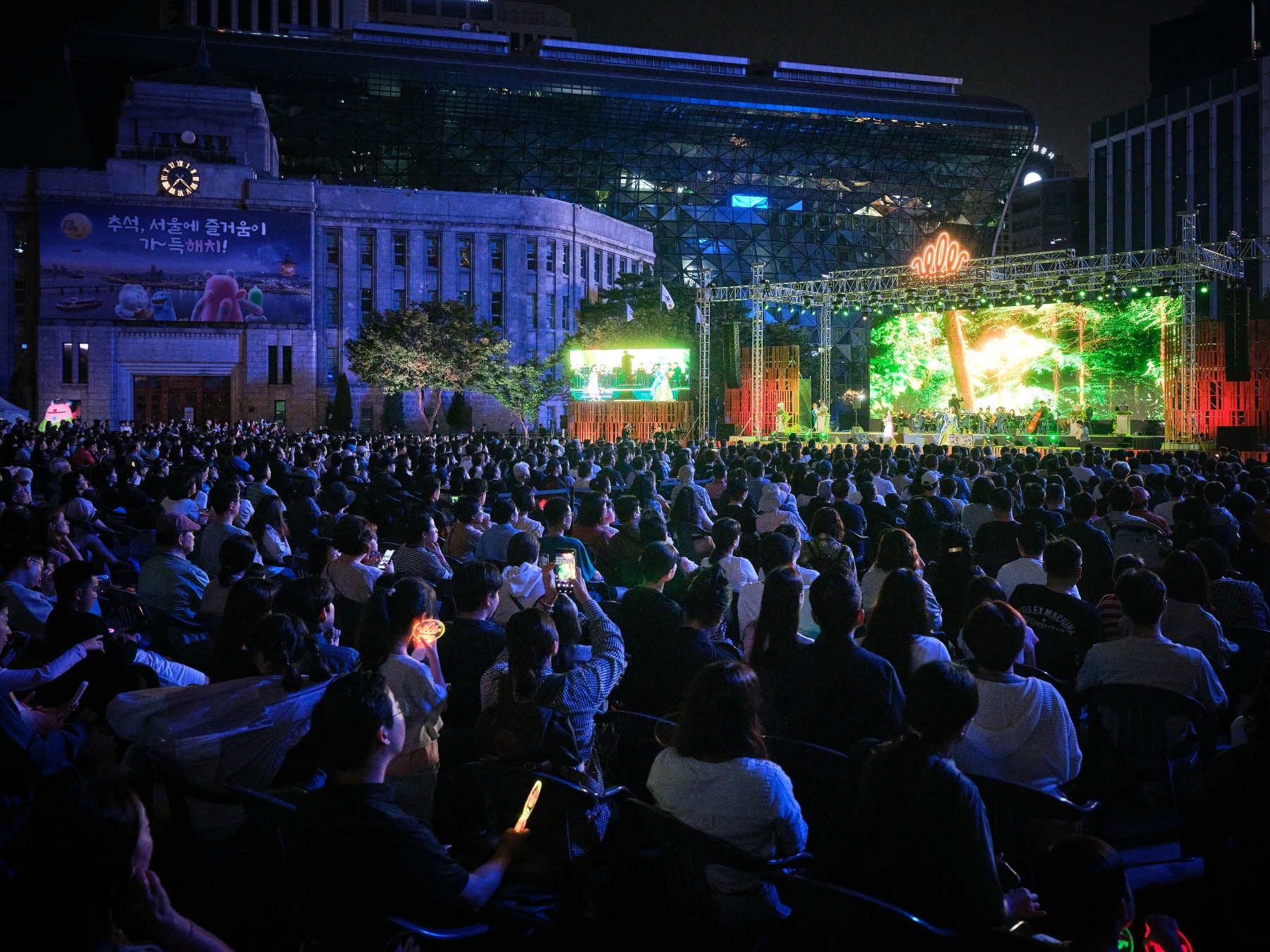
Seoul's autumn performing arts festival opens on the Han River tomorrow. For 73 days, 38 festivals and 478 productions will share one name. Most of them were already held in this season anyway, and the new money behind the name comes to about KRW 2 billion.
1.73 days, from September 18 to November 29. The 2026 Seoul Autumn Festa, run by the Seoul Foundation for Arts and Culture, puts 117 theaters across the city on a single calendar. 38 festivals, 478 productions, 558 programs, partners in 28 countries. Last year's first edition ran 40 days with 116 entries, so the season is nearly twice as long and the entries more than doubled to 245. The foundation's attendance target this year is 980,000.
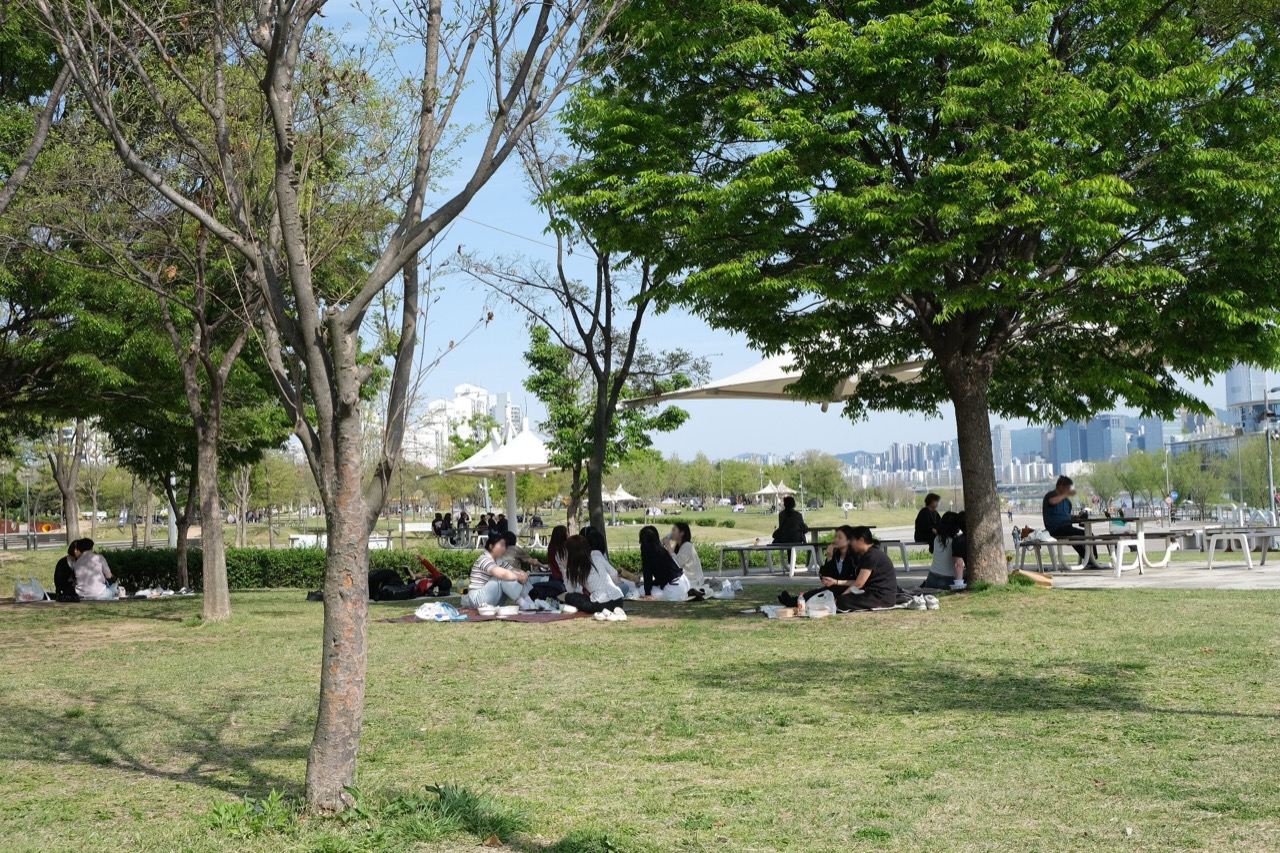
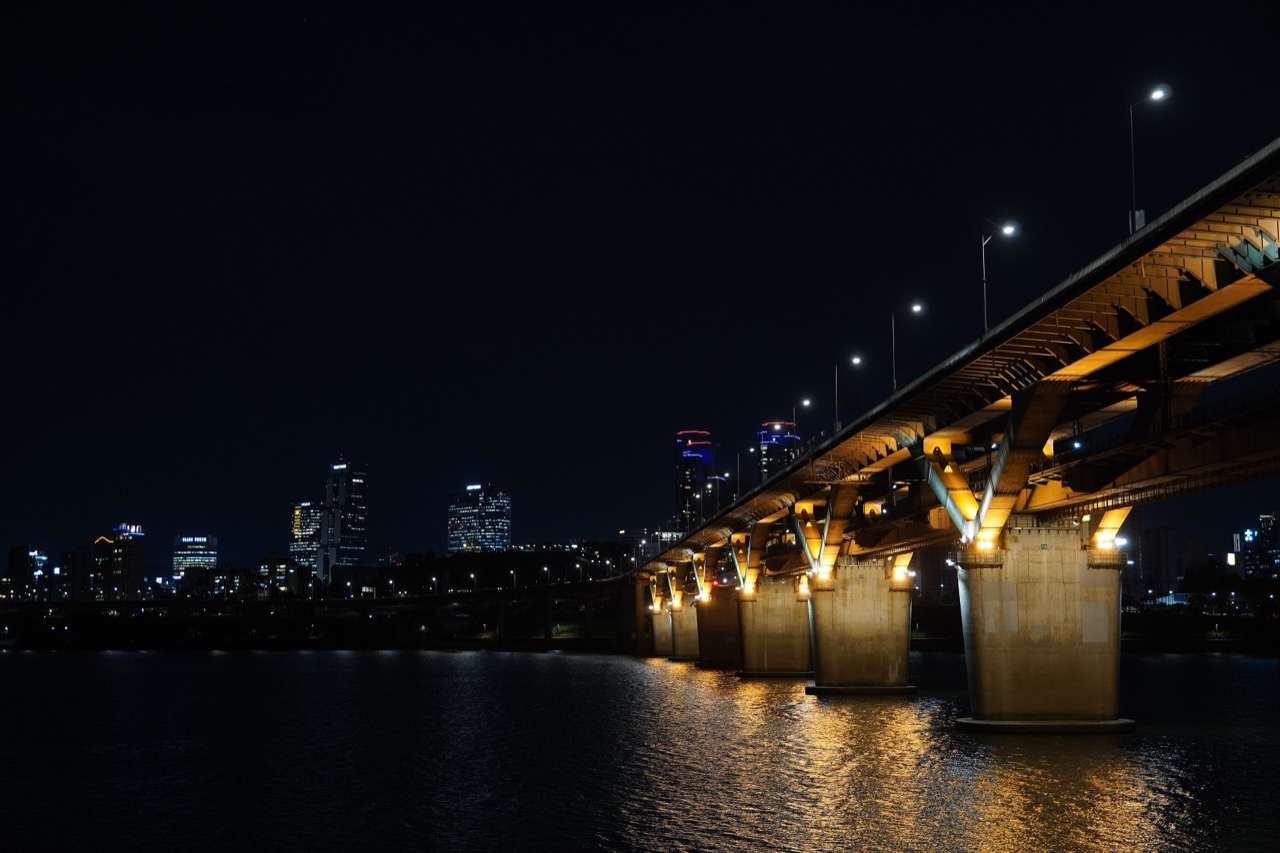
2.The opening event, Dancing on the Han River in Seoul, runs 90 minutes from 7:30 p.m. on the 18th at the waterfront stage of Ttukseom Hangang Park. Dancer Lee Ruda directs. It starts with a video by media artist Yoon Gary, followed by the Blacktoe Dance Company, the Seoul Metropolitan Dance Theatre, and Sangju Arirang by singer Oh Jung-hae and dancer Choi Ho-jong. Reserved seats were filled first-come by September 6; the picnic and standing zones take walk-ins. Over the next two days the same park hosts the Seoul Street Arts Festival, with around 30 outdoor performances and installations.
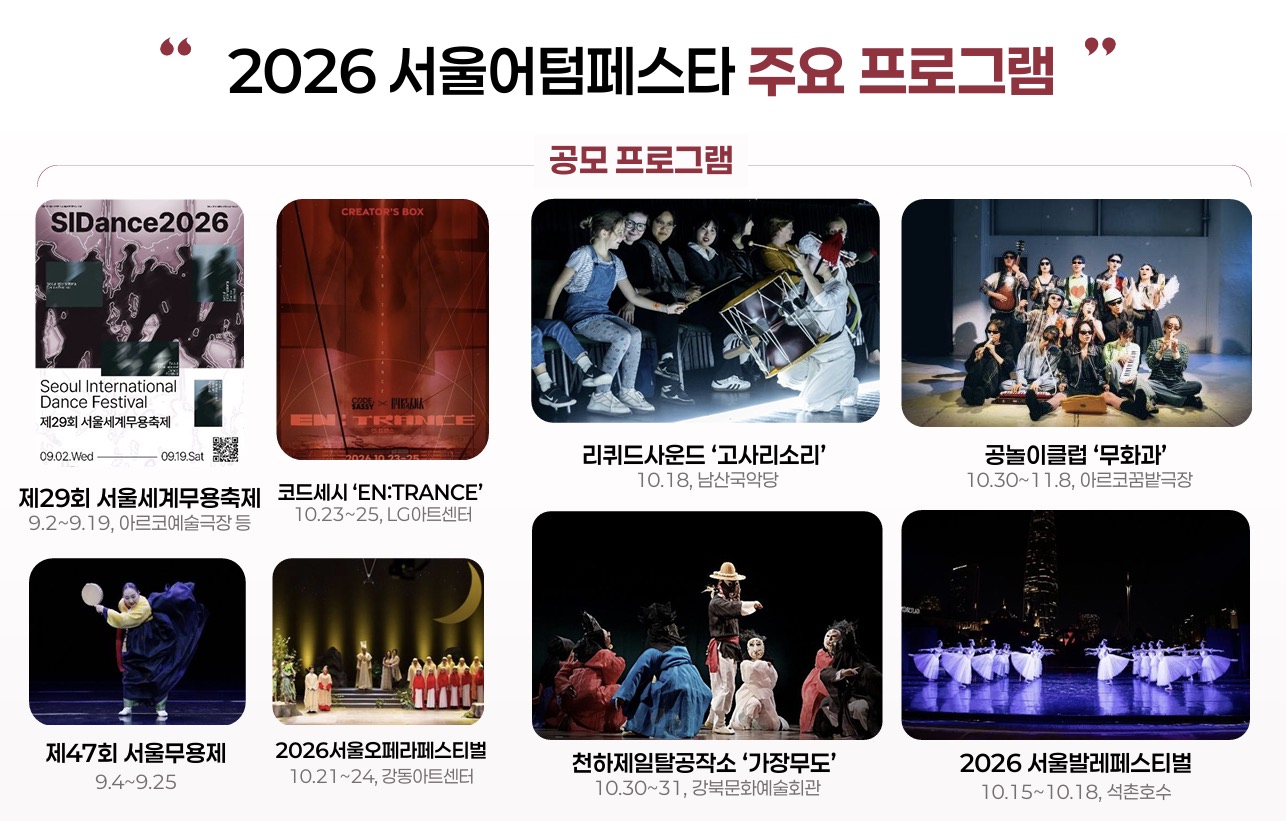
3.Open the program and the familiar names come first. The Seoul International Dance Festival (SIDance), now in its 29th edition, already began on September 2 and ends on the 19th. The 47th Seoul Dance Festival runs September 4 to 25. October brings the Seoul Ballet Festival at Seokchon Lake and the Seoul Opera Festival at Gangdong Art Center. Several of these festivals were running before Autumn Festa even opened, and each keeps its own name, its own budget and its own box office.
4.What the foundation added comes down to two things: a sign and directions. A recommendation service that picks shows by taste, multilingual guides and smart glasses for foreign visitors, and links to the Seoul Youth Culture Pass and the national Integrated Culture Voucher. Last year it bought ads in subway stations, on buses, in convenience stores and at venues, and counted 20 million impressions. Song Hyung-jong, president of the foundation, said he would promote the city's 180,000 Seoul-based artists in a systematic way.
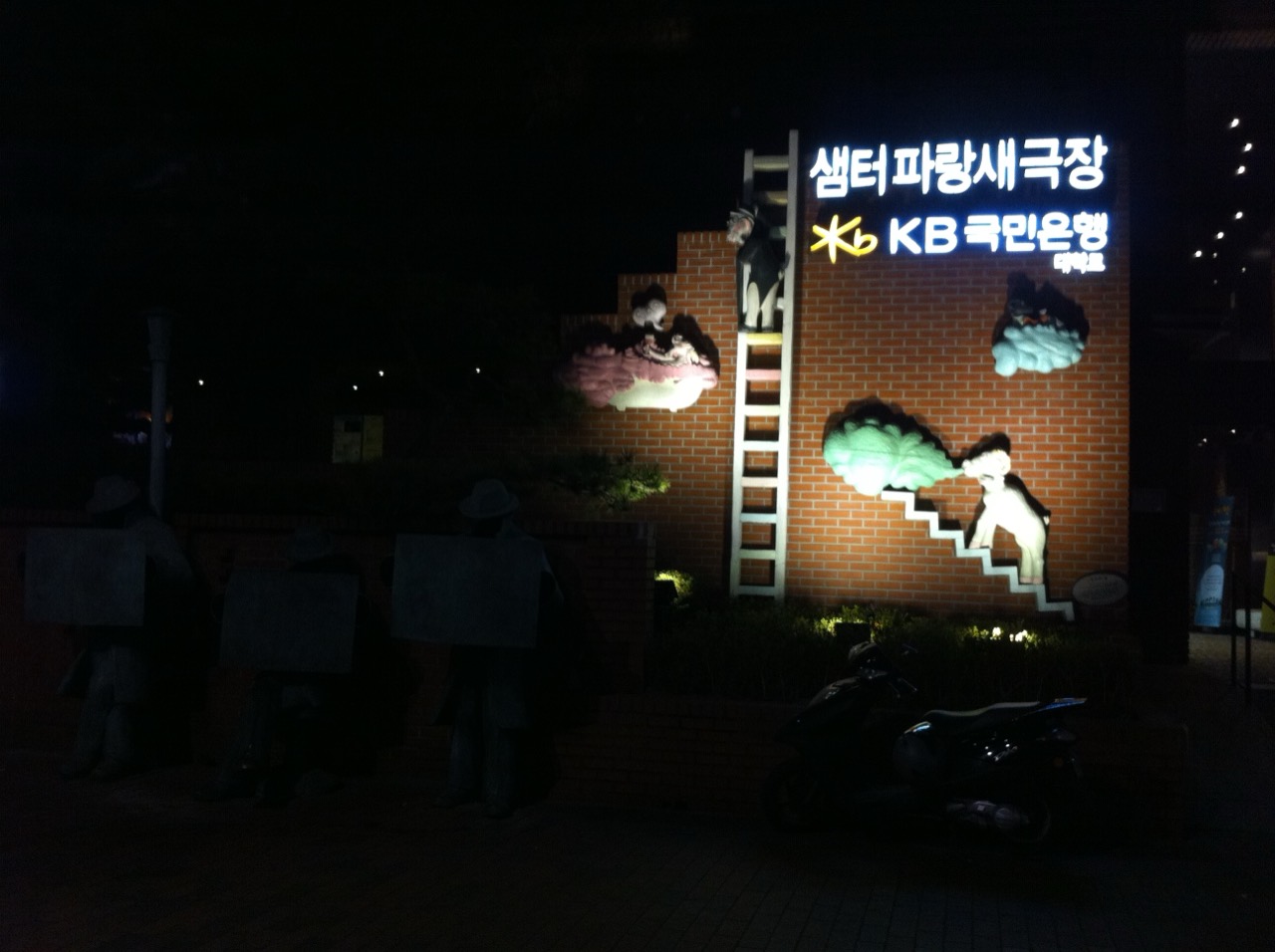
5.The places that need that sign are the small theaters in the alleys of Daehak-ro. A narrow staircase down to the basement, raked seating where your knees touch the seat in front, a darkness in which phone screens go out one by one just before the lights drop. A house of about 100 seats survives by packing every row, but it has no money for a single ad panel in a subway station. Independent theater and dance companies usually stage their work in rooms this size. For a company that cannot set aside a publicity budget, an ad panel the foundation hangs on its behalf is a grant in itself.
6.From the audience side, the reason is simpler still. Dance was listed on the dance festival's website, opera on the opera festival's, district festivals in ward newsletters. To find something to see on a free autumn evening, you had to check five or six sites. One name with one calendar means fewer wrong turns for someone heading out to a show for the first time.
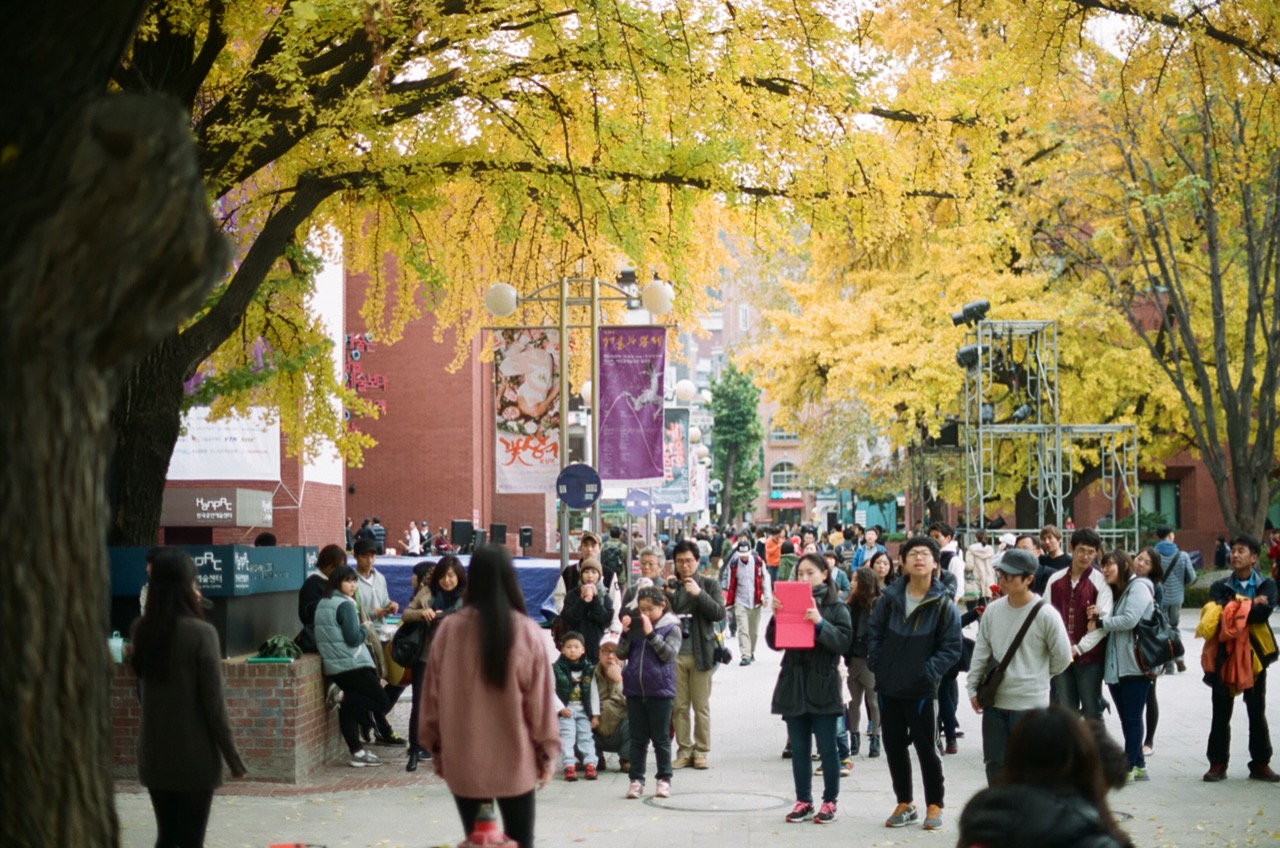
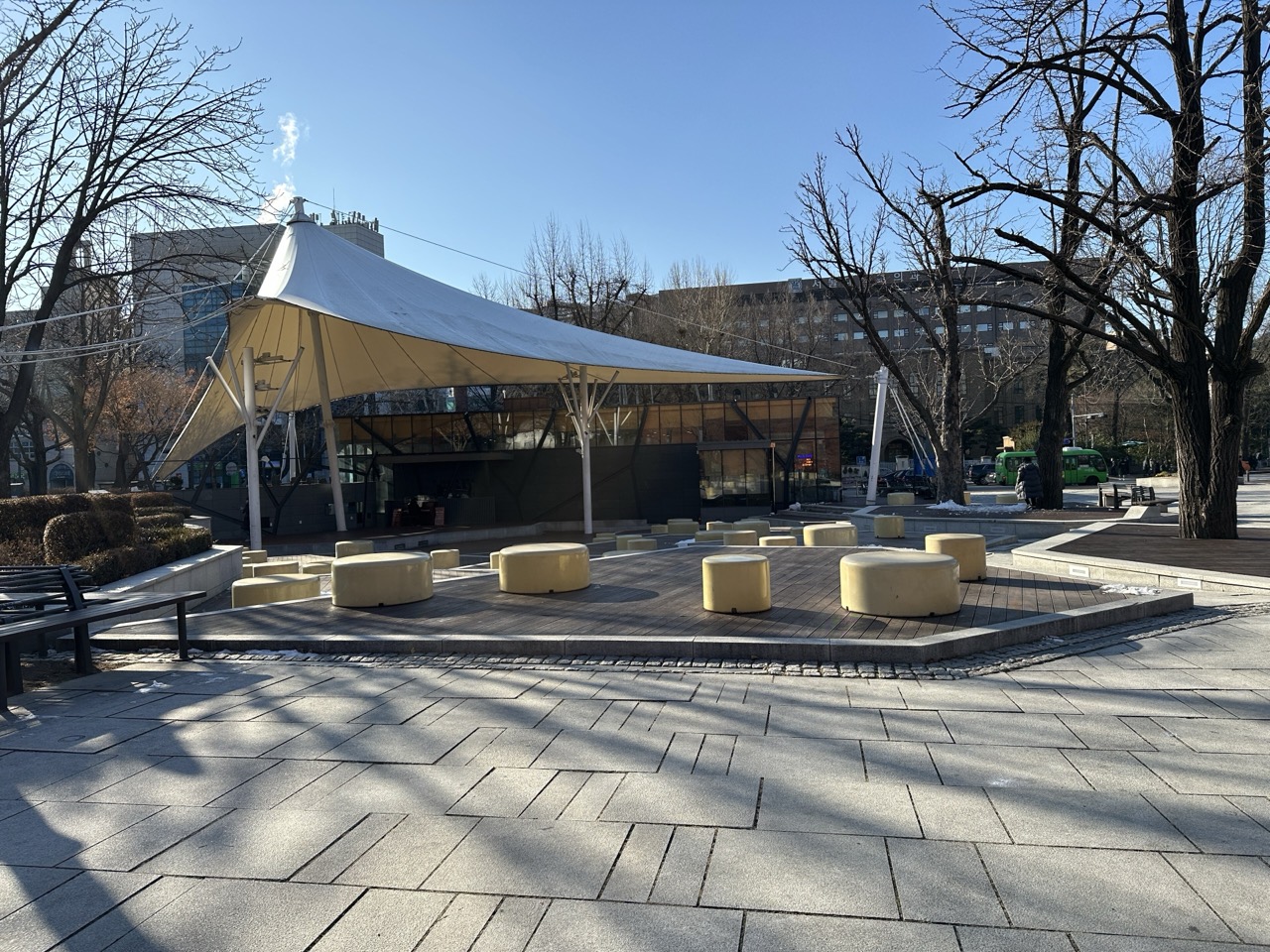
7.The city has its own math too. From the start, the foundation named the Festival d'Avignon in France and the Edinburgh festivals in the UK as its models. If foreign visitors are going to search for autumn in Seoul with one word, 38 separate festival names will not do it. Song said a dedicated space for international exchange would come in the festival's third year, and this year the partner countries went from 10 to 28.
8.The budget was KRW 1 billion in the first year and about KRW 2 billion this year. Attendance was 560,000 by last year's closing announcement; this year's target is 980,000. Divide the money by the audience and you get about KRW 1,786 per person last year and about KRW 2,041 this year (estimate). While the season, the entries and the attendance target nearly doubled, the cost per person rose by roughly 14%.
첫 회와 올해
9.Divide KRW 2 billion by 478 productions and you get about KRW 4.18 million per show. This budget does not make performances. It bundles and promotes them. Whether it is SIDance or the Seoul Dance Festival, the cost of putting a show on stage still comes from each festival's existing grants and ticket revenue. Autumn Festa places a name and a billboard on top.
10.The ticketing numbers are far smaller. Last year, bookings for Autumn Festa shows made with the Seoul Youth Culture Pass came to just over KRW 56 million. Spread across 560,000 attendees, that is a little over KRW 100 per person. The pass gives Seoul residents aged 21-23 up to KRW 200,000 a year, capped at KRW 70,000 per booking. Even with the Integrated Culture Voucher added, help with ticket prices reaches only certain ages and income brackets.
11.Attendance also depends on how you count. Last year's opening show at Seoul Plaza drew about 10,000 people in one night, and the street arts festival is an unticketed outdoor event. Last year's closing announcement put attendance at 560,000, while some material released this year gives 530,000. What number does a Daehak-ro company actually want? Not the crowd, but how many of its 100 seats sold. Autumn Festa has not published that figure separately.
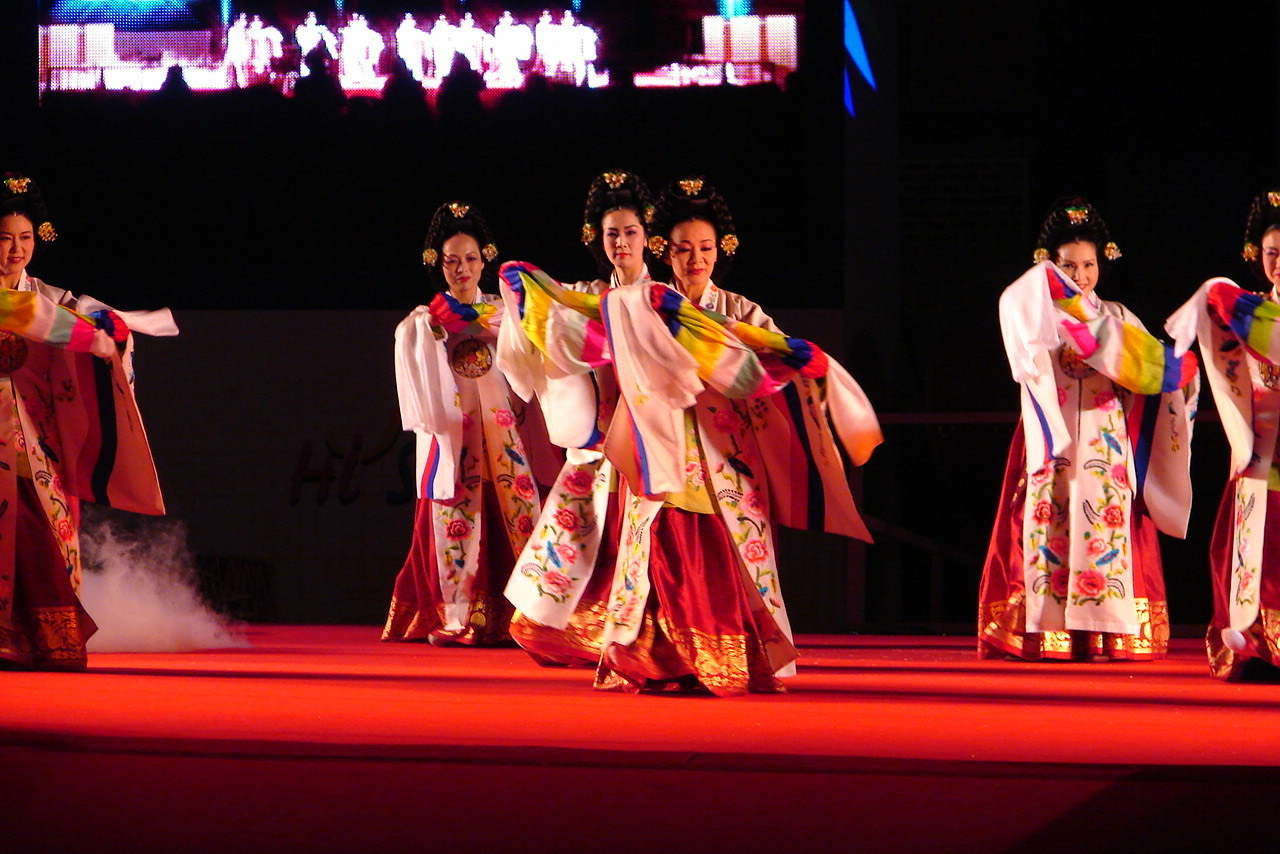
12.This is not the first time Seoul has swapped out a festival name. The Seoul Street Arts Festival began in 2003 as the Hi Seoul Festival and took its current name in 2016. Spring has the Seoul Spring Festa, winter the Seoul Winter Festa, and Autumn Festa was created to fill the autumn slot with performing arts. This time the city did not rename one event. It placed one more name over 38 festivals that already existed on their own.
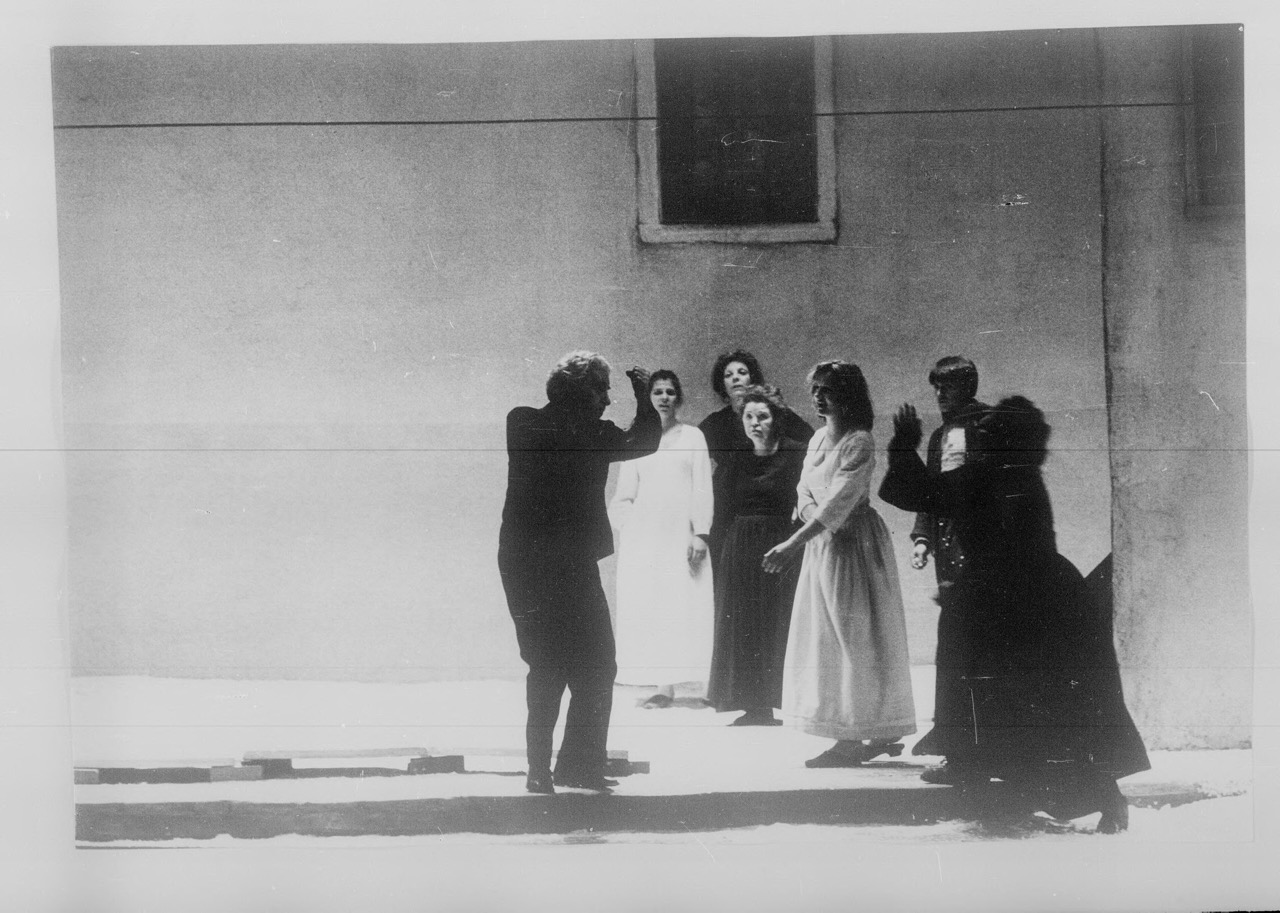
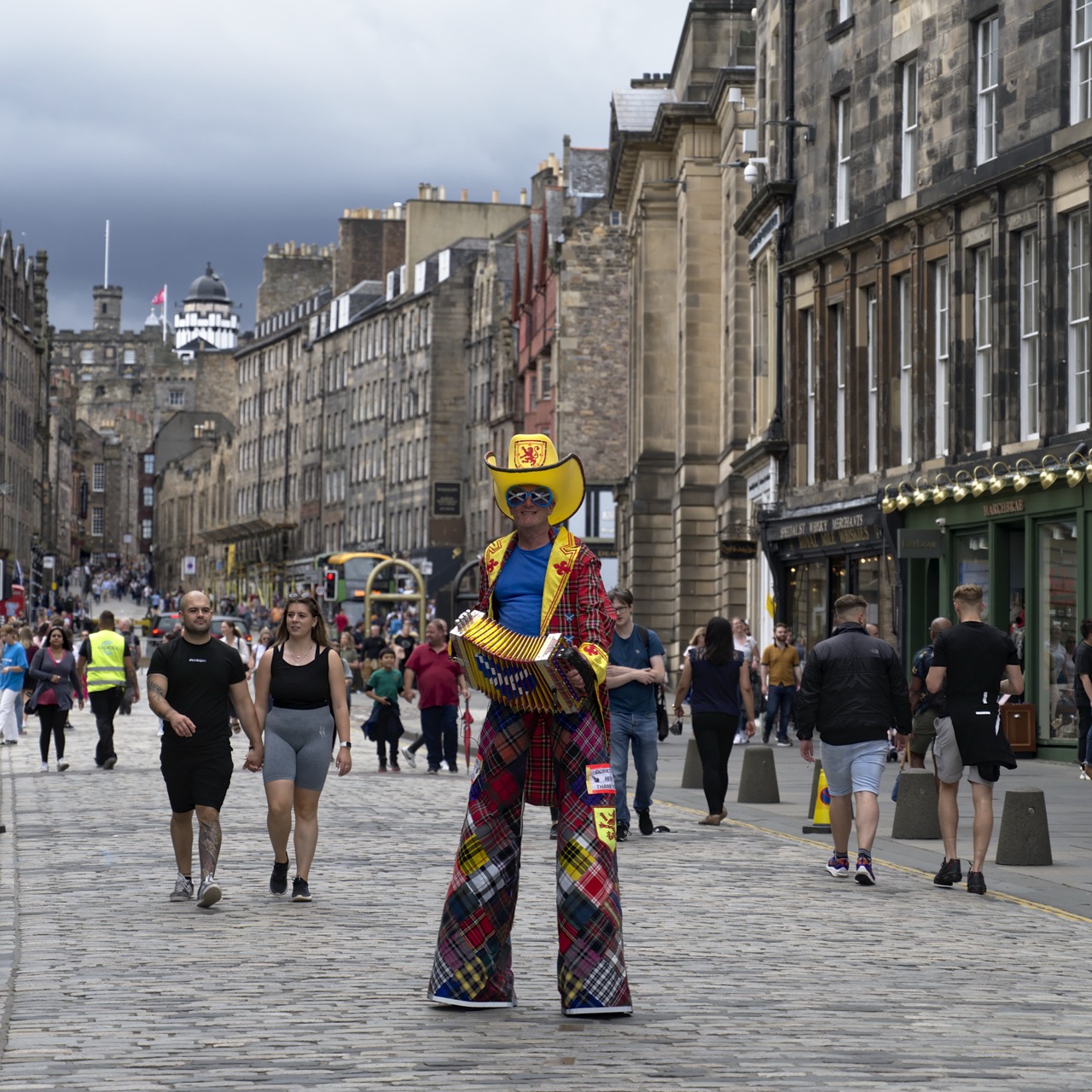
13.Paris has a festival with autumn in its very name. The Festival d'Automne à Paris was founded in 1972 by Michel Guy and co-produces work with theaters. As of a 2023 interview, attendance topped 200,000, partner venues numbered 70, and public subsidies made up 45% of revenue. Sponsorship lets it sell student tickets at 8 euros; without it, those seats would cost more than 20 euros.
14.The Edinburgh Festival Fringe works the other way: anyone who registers gets a stage. In 2025, 3,893 shows played 301 venues and issued 2.6 million tickets. Seoul follows neither path. It gathers existing festivals, takes entries through an open call, and advertises them all under one name. It is a way to grow attendance figures on little money, but when foreign theaters and festivals choose partners for exchange, they ask about sold seats, not crowds.
15.Over 73 days, the Seoul Foundation for Arts and Culture has bundled 38 festivals and 478 productions under one name, Seoul Autumn Festa, and is spending about KRW 2 billion to do it. That works out to about KRW 4.18 million per show, money for advertising and wayfinding rather than production. If independent groups tried the same thing under a neighborhood or shopping-district name, the box office would stop them first. Every festival books through a different platform, so no one can see who saw which show and came back for another. Without that data, there are no numbers to win over next year's sponsors.