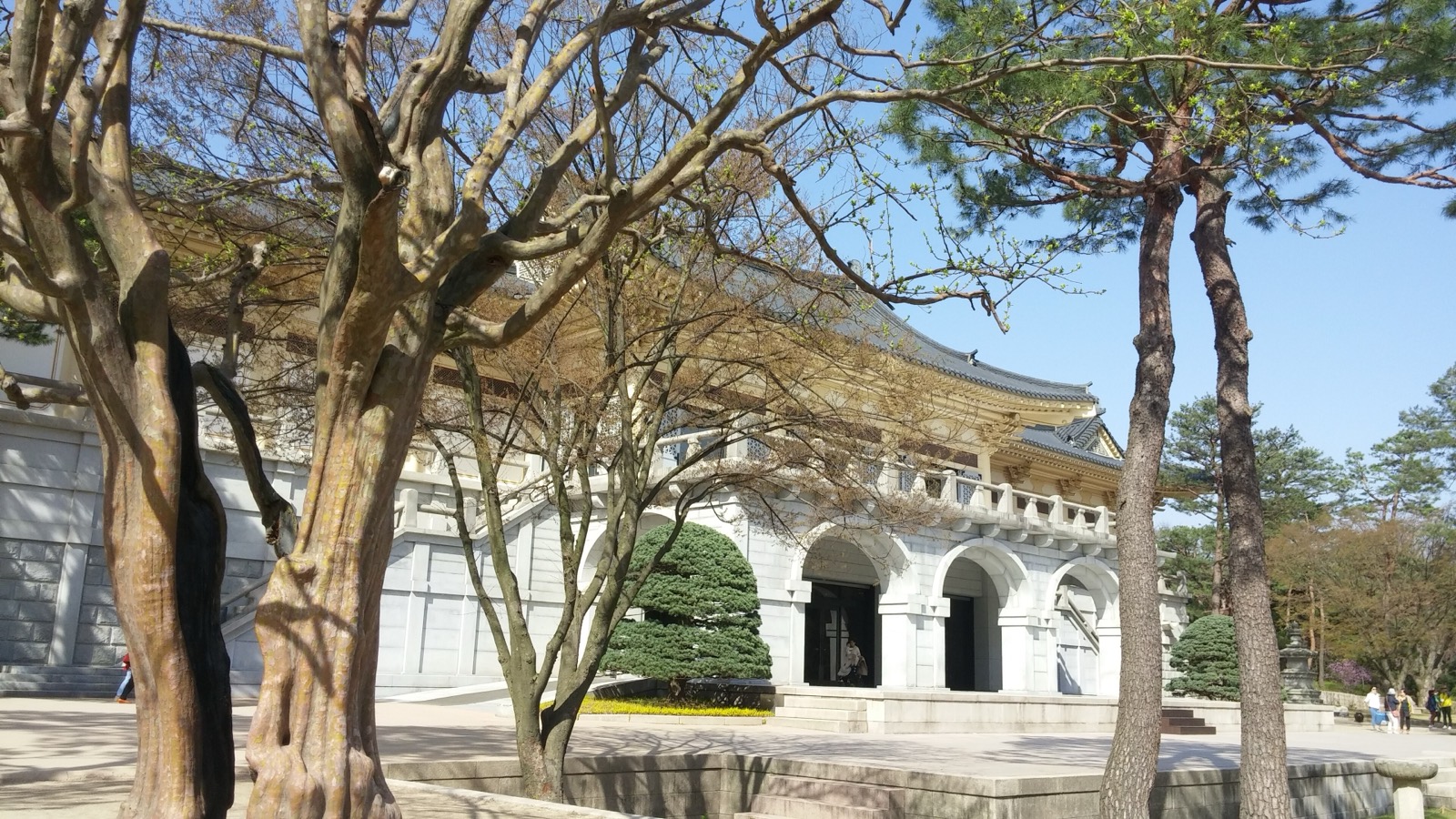
A show that spent 25 years picking emerging Korean artists has opened this year with 23 artists and collectives from 10 Asian countries. It also moved, from Hannam-dong in Seoul to a former classical art museum in Yongin, Gyeonggi Province. The list was drawn up with a Paris institution, and 26 of the 63 works are shown here for the first time.
1.It opened on September 1 and closes on December 27. The 2026 Artspectrum at the Hoam Museum of Art in Yongin, titled A Room Where Every Radio is Tuned to Different Stations, scatters 63 works across two galleries and the grounds outside. The participants are 23 artists and collectives from 10 Asian countries. Admission is 25,000 won, and the museum says seeing all of it takes four to five hours.
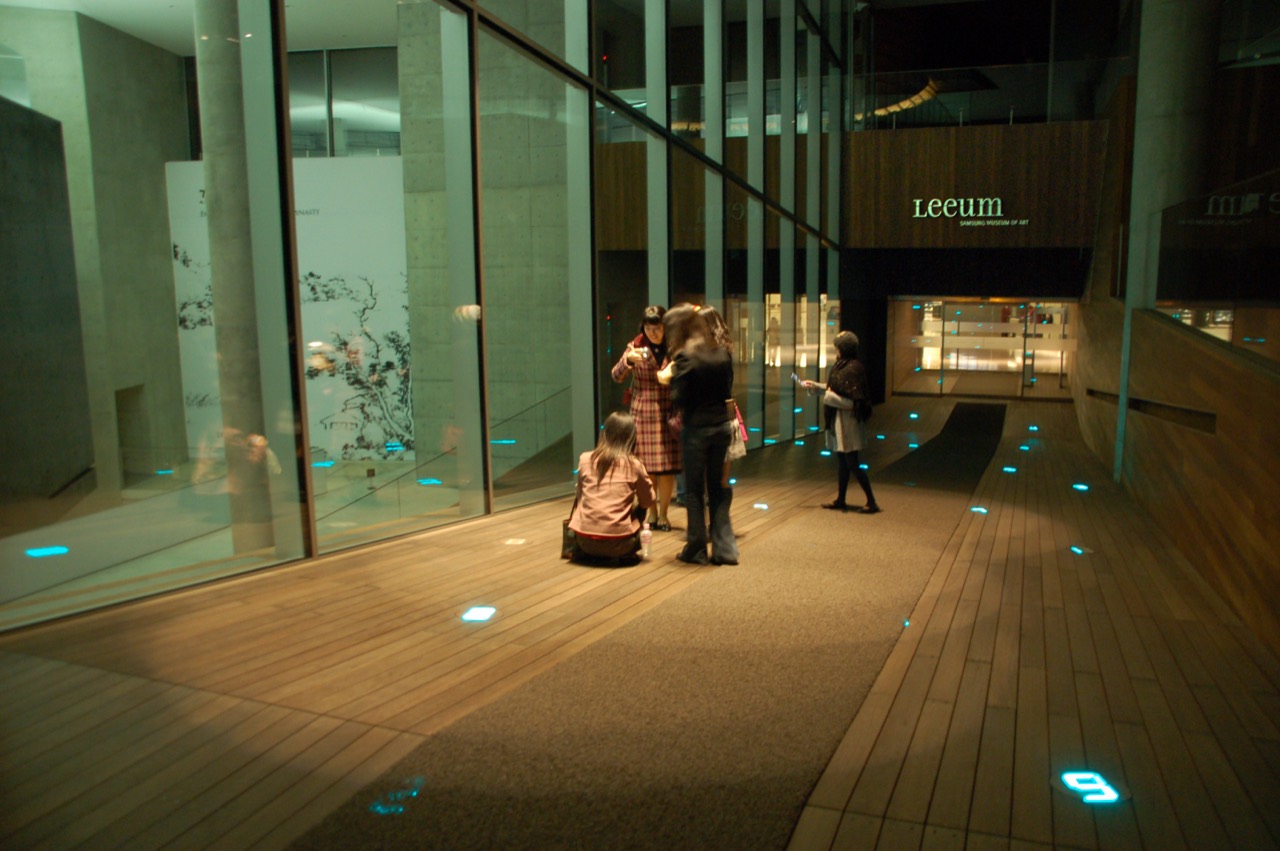
2.Artspectrum began as a search for newcomers. The Leeum Museum of Art started it in 2001 at the Hoam Gallery, picking Korean artists under 45 every other year, and in 2014 it added a prize, with Lee Wan as the first winner. The scope widened to Asia in 2024. This year the museum planned the show with Palais de Tokyo in Paris. Three people assembled the list: Hugo Vitrani, a curator there, along with Kwak Jun-young, head of contemporary art research at Leeum, and curator Jeon Hyo-kyung.
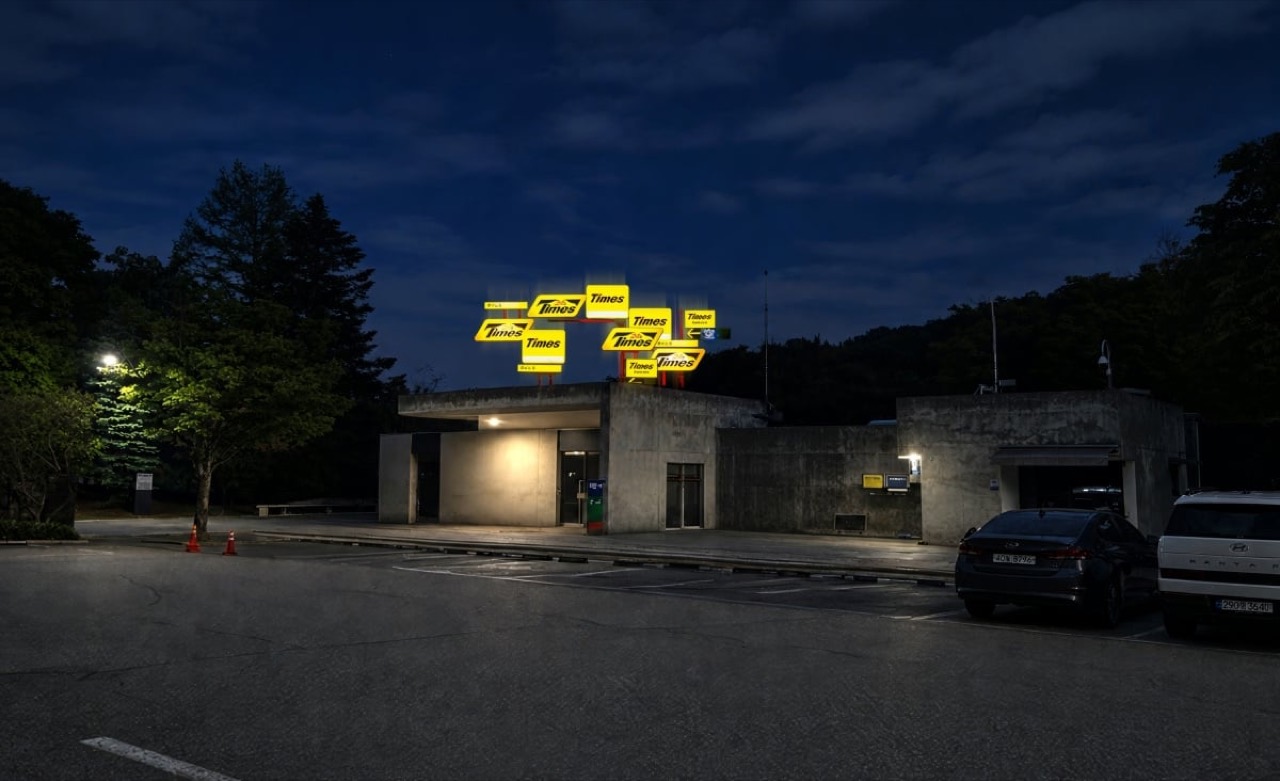
3.The work starts before the ticket desk. Side Core's Time Gate stands in the parking lot, built from the yellow signs used at pay-by-the-hour car parks in Japan. Turn off the engine, open the door, and you are already inside the exhibition.
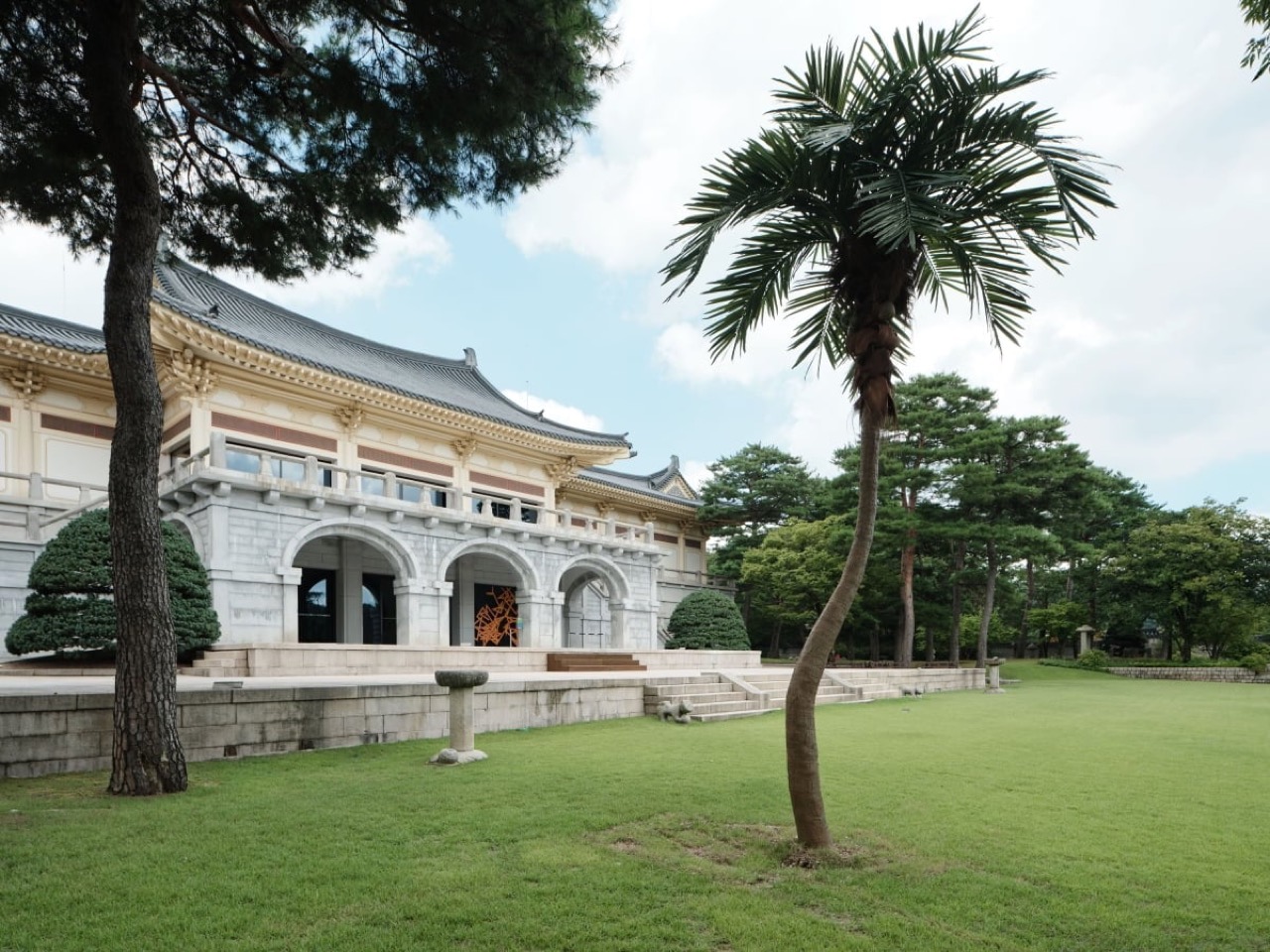
4.On the front lawn, Rachel Yoon's Parade Paradis II turns. An artificial palm tree. On the outer wall of the main building hangs Plaza, a manga image by Yokoyama Yuichi. A 1982 building of granite and roof tile has taken on a tropical tree and a comic strip at once.
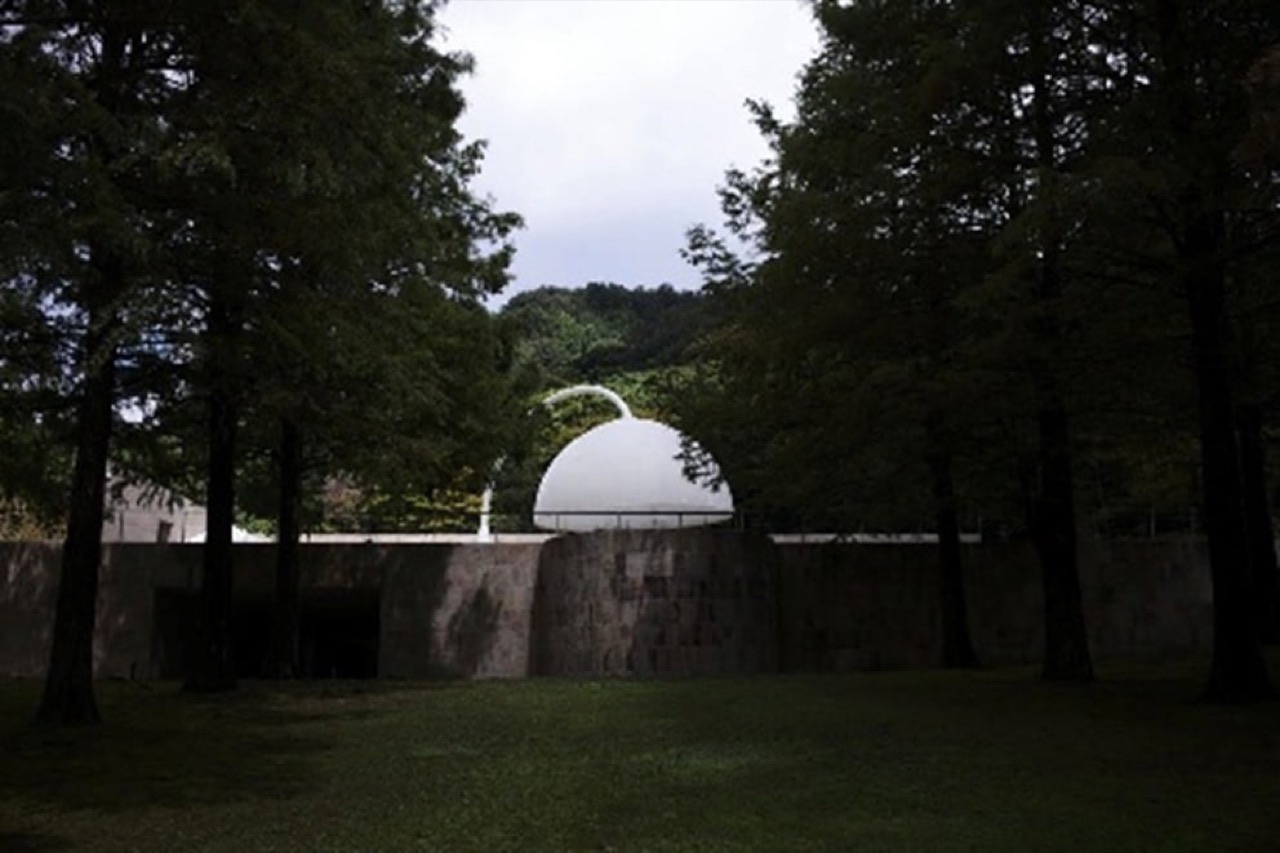
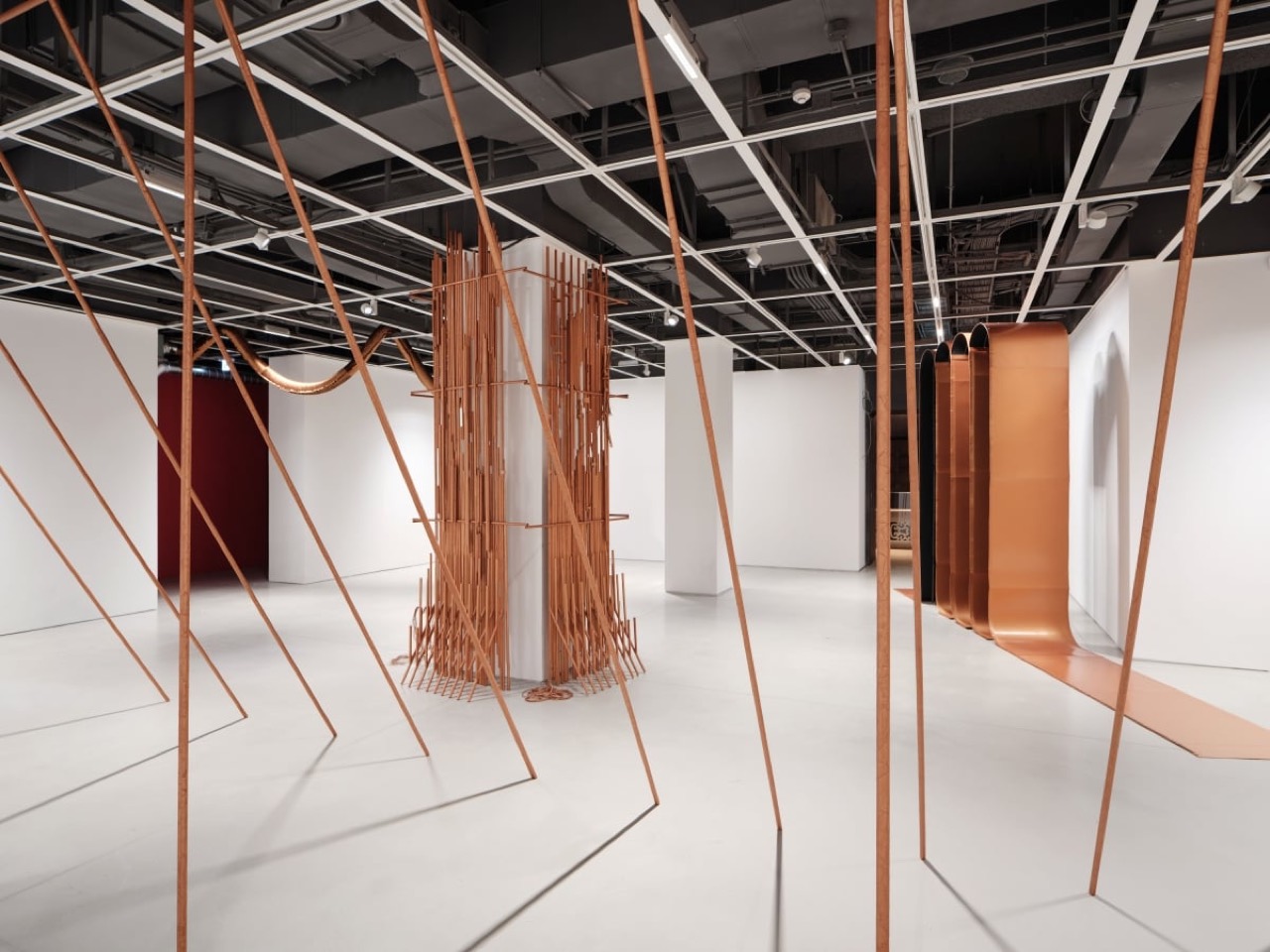
5.The information desk hands you nothing. No map, no suggested route, no audio guide. You open one door after another without knowing which room you are in, and since works are also scattered across the lawn, the car park and the garden above the cafe, stepping outside does not end it. Four to five hours is a function of that structure, not of the number of works.
6.Kwak said he wanted to turn the solemn mood of Hoam into something dynamic. He added that he wanted to get away from the familiar habit of forcing artists' work under a single curatorial theme. Vitrani explains that the show was designed so visitors would keep encountering work inside and outside the museum. Jeon left the audience one line. Look at it freely.
7.Withholding the map looks like taste, but it stretches the visit. Someone who finishes in an hour and someone who spends five do the same arithmetic on the ticket and reach different answers. The one who stays longer resents the 25,000 won less, and passes the cafe and the shop one more time. Putting the lobby mural inside the exhibition zone runs on the same logic.
8.The Asian framing also creates value. Sociomobile by Jasleen Kaur, who won the Turner Prize in Britain in 2024, is on view, along with paintings by Martin Wong, the Chinese American artist who worked in 1980s New York. Could a list of Korean newcomers alone have carried a 25,000 won ticket? The name of a European institution and a Turner Prize winner hold that price up.
아트스펙트럼 25년
9.The 25,000 won does not cover the exhibition alone. The Hee Won traditional garden, the old stone garden and the Mooksiam pavilion are bundled into the same ticket, so the museum is selling a day rather than a show. Young adults, students, teenagers and visitors over 65 pay half. Against the 8,000 won the MMCA set this year for its international blockbusters, it is more than triple.
10.Past records give a rough sense of how many tickets might sell. The Kim Whanki retrospective that reopened the museum in 2023 drew about 150,000 paying visitors, a record for the museum, which works out to roughly 1,500 a day once Mondays are taken out. Artspectrum is open on 101 days. At 600 visitors a day and an average of 20,000 won after discounts, ticket income comes to about 1.2 billion won by our estimate.
문 여는 101일 동안 들어올 표 수입 (추정)
11.The heavier cost is not the ticket but what attaches to it. The museum's address is Everland-ro 562beon-gil, with an amusement park beside the front gate. Driving there adds up to 15,000 won a day in parking, and public transport means transferring to a shuttle at Jeondae-ri or the Everland stop. The shuttle from Hannam-dong in Seoul runs twice a day, so a seat has to be booked separately after the ticket. For two people, 50,000 won in tickets and half a day.
12.Hoam has not been used this way for long. It opened in 1982 and hung classical art for close to four decades, then shifted its weight toward contemporary work after reopening in 2023. While the Leeum Museum of Art, run by the same foundation, handled contemporary art in Hannam-dong, Yongin kept the tiled roofs and the traditional garden. A manga image now hangs on that building's outer wall.
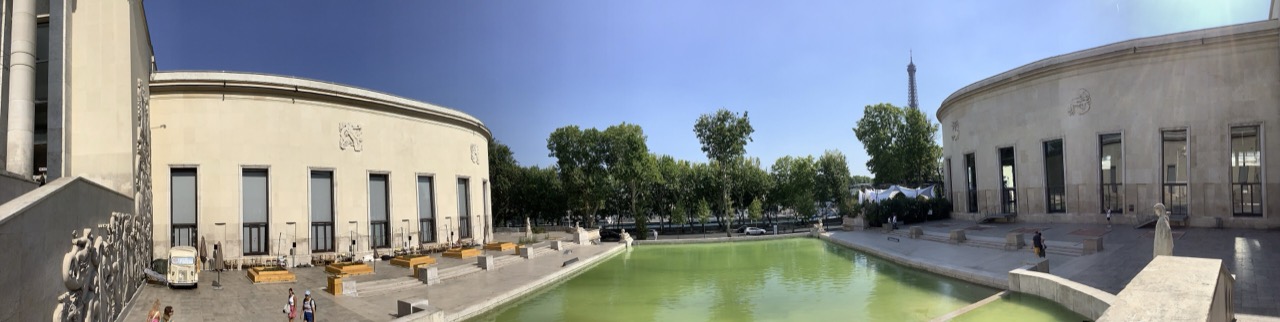
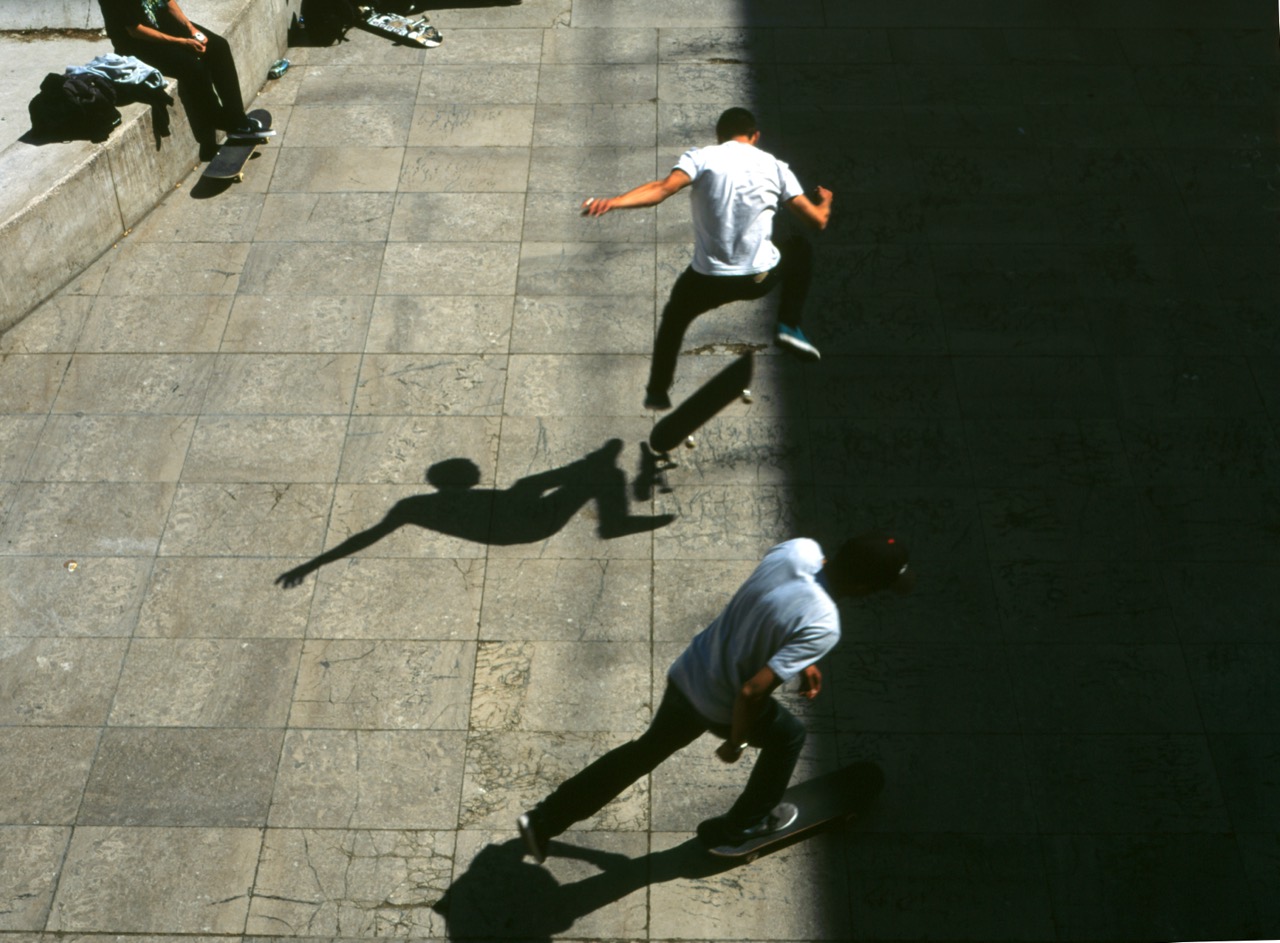
13.Palais de Tokyo, the co-organiser, is the opposite in character. It moved into a stone building from the 1937 Paris World's Fair and opened as a contemporary art space in 2002, leaving its interior as unfinished concrete. The steps and plaza out front have long been occupied by skateboarders. Twenty years of experience in unsettling solemn things sits on that side.
14.What actually changed here is not the list but the price tag. Finding newcomers and showing them used to be the side where a museum spent money. The moment an international co-production and 26 commissioned works are added, the event becomes a show that has to sell tickets, and selling tickets requires names people search for. A Turner Prize winner on the list is no accident.
15.A show that picked Korean newcomers for 25 years has widened to 10 Asian countries, runs for four months at a museum next to an amusement park, and charges 25,000 won. At 600 visitors a day, ticket income comes to about 1.2 billion won by our estimate. What stops an institution trying the same thing here is the weight of the names. A list of newcomers will not sell a ticket in the 20,000 won range, and calling in established artists dissolves the premise of a discovery show. Putting both into one exhibition means paying for a European co-organiser, and no museum publishes that figure.