Tickets opened yesterday for the 31st Busan International Film Festival, which will screen more films than in any year since 2019. Yet over thirty years the number of films has doubled while the audience has stayed at the level of the first edition, and half of the budget for this ten-day event comes from the Busan city government. Here is the arithmetic behind a 10,000-won ticket.
1.At 2 p.m. yesterday, booking opened for general screenings at the 31st Busan International Film Festival (BIFF). The festival runs ten days, from October 6 to 15, with over 310 films from 59 countries. It is the biggest edition since 2019. Its audience, though, has still not passed the first edition of thirty years ago.
2.Tickets are sold only on the festival's official website. A general screening costs 10,000 won; the opening ceremony, 30,000. Each screening code allows two tickets at most, and logging in from several devices with one account gets you blocked. The opening film is Kim Jong-kwan's new feature, which has its first public screening here. This year the opening moved from the usual Wednesday to Tuesday, one day earlier, because, the festival says, audiences arrive on opening day and stay through the weekend.
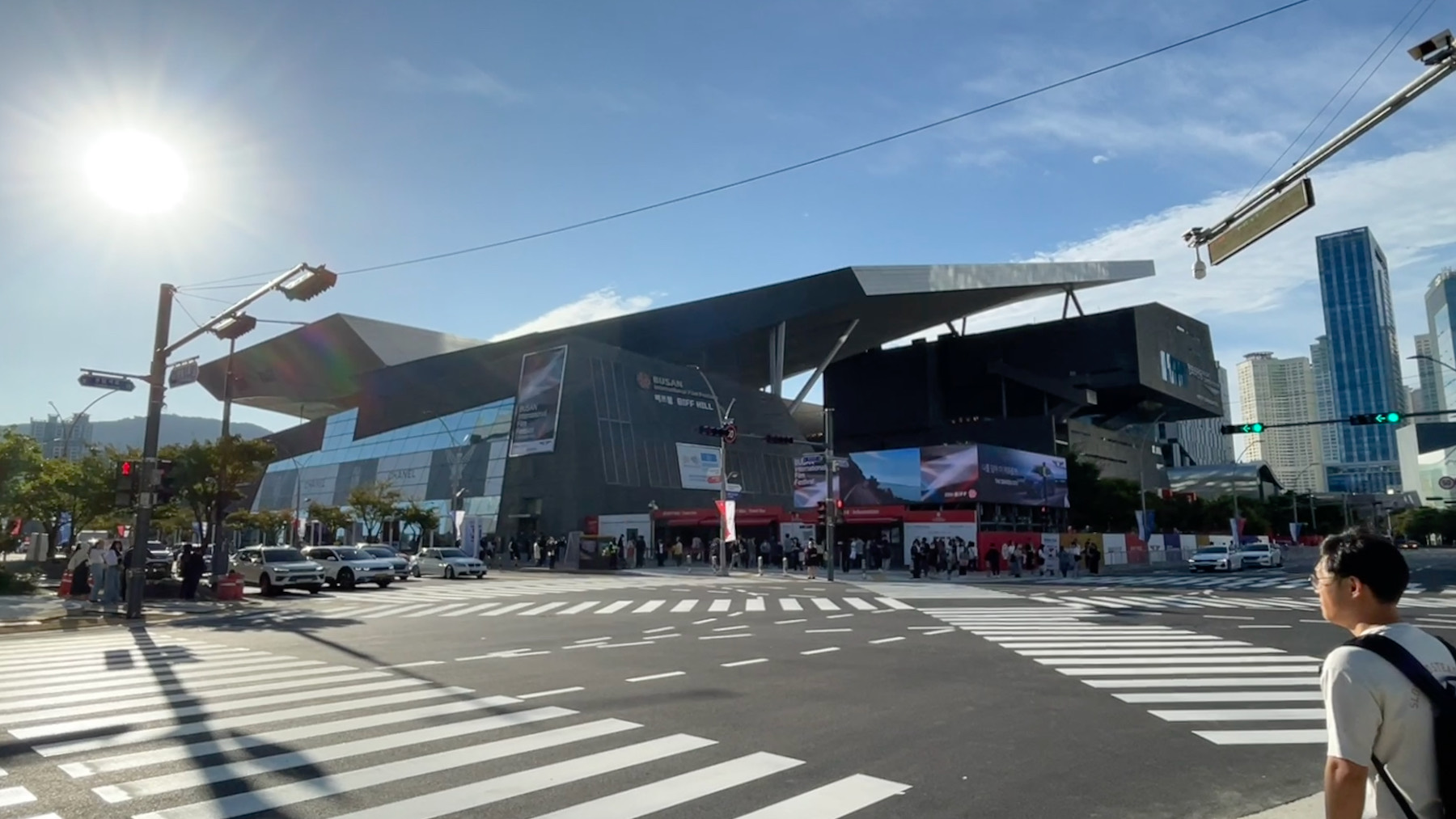
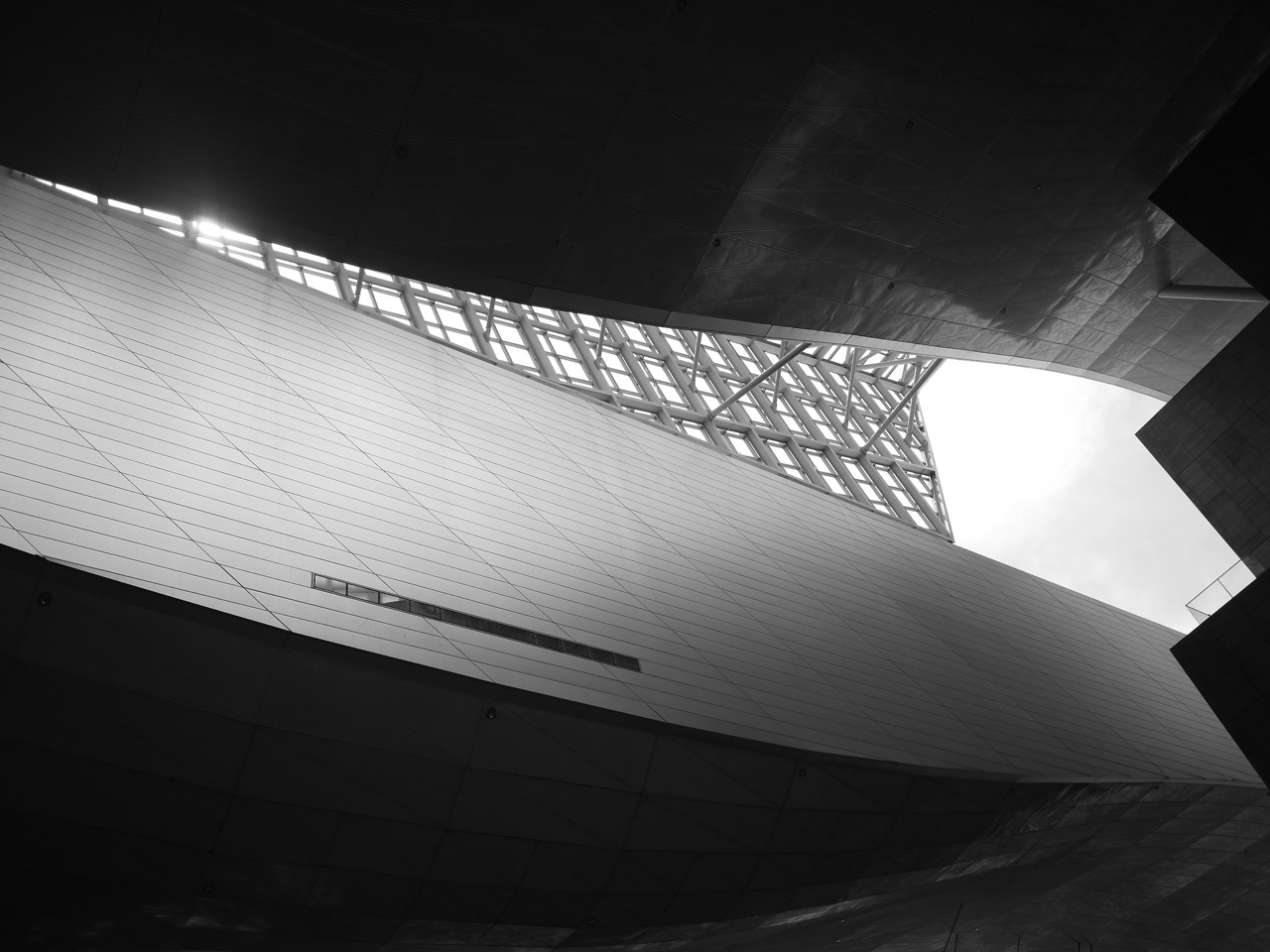
3.The main stage is the Busan Cinema Center in Centum City, Haeundae. The Austrian practice Coop Himmelb(l)au designed it, it opened in 2011, and it cost 167.8 billion won to build. One side of the roof reaches 85 meters into the air without a single column, a Guinness World Record for a cantilevered roof.
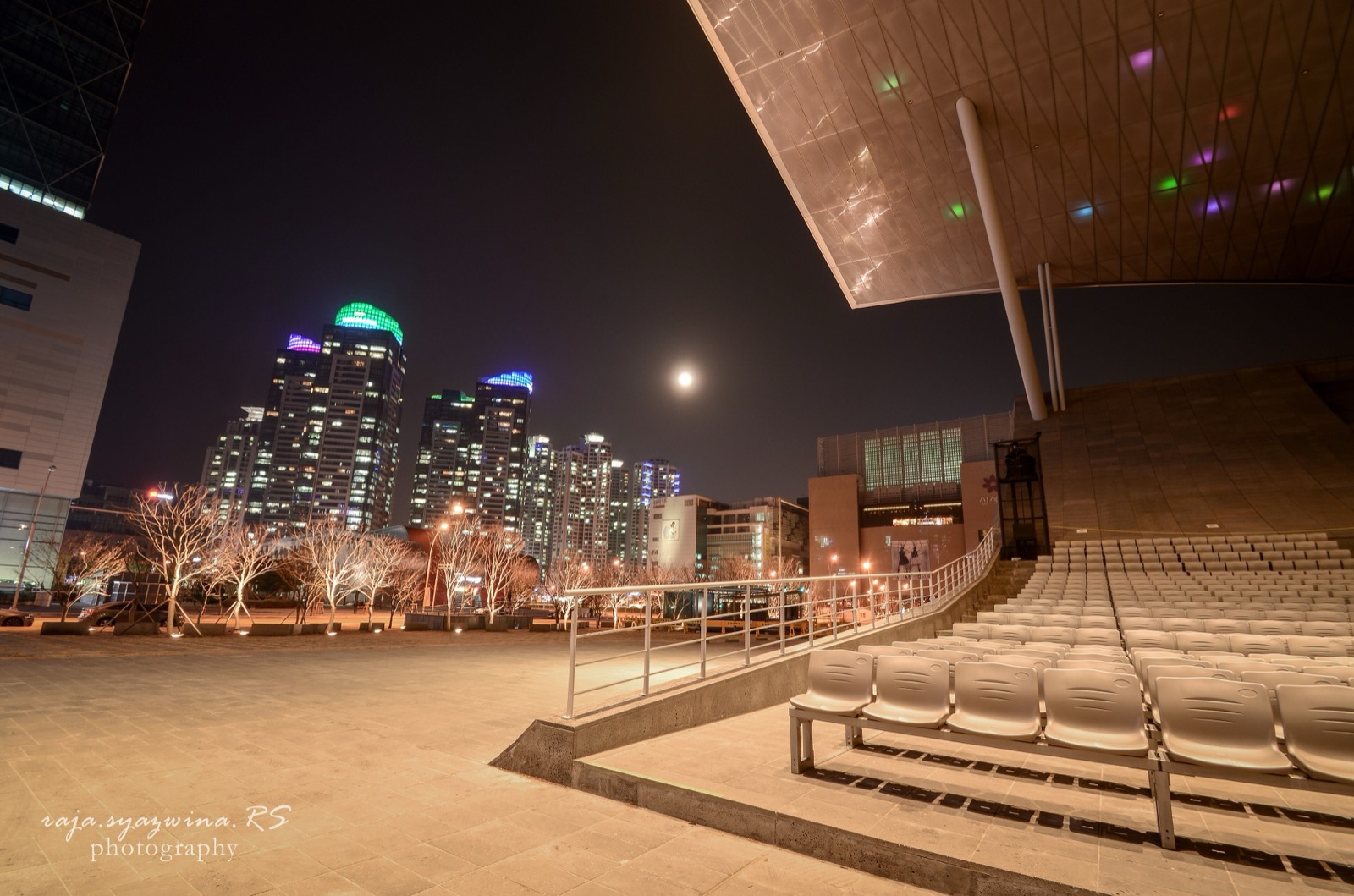
4.After sunset, 23,910 LEDs set into the underside of the roof switch on. Below is the outdoor theater, its 4,000 seats stepping down beneath the roof. It is an autumn evening, the river wind moves between the rows, and the ceiling overhead lights up before the screen does. The largest indoor hall, the Haneulyeon Theater, seats 841, so this outdoor theater is the only place that can seat 4,000 people at once. That is why the opening ceremony is held here every year.
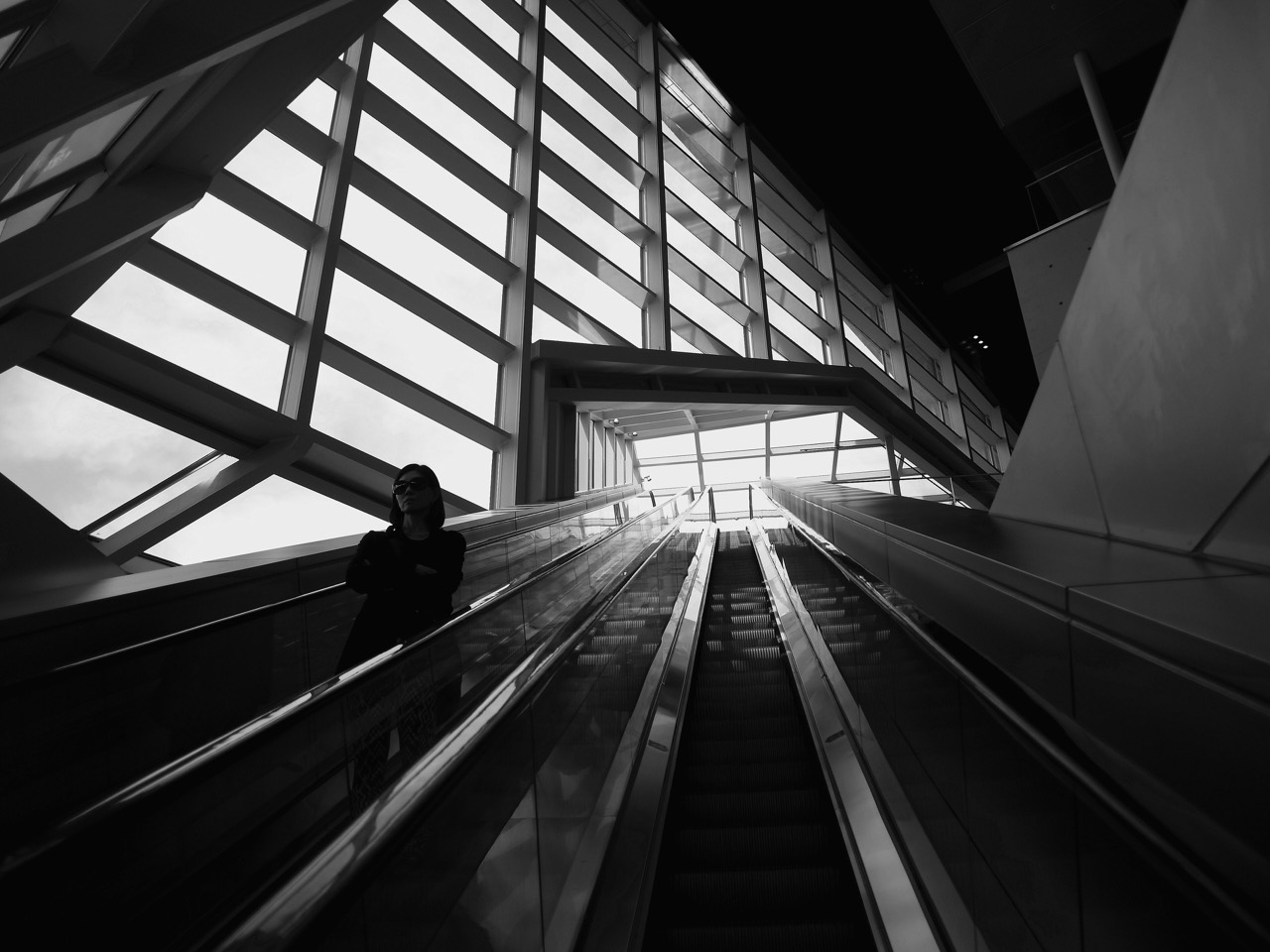
5.The festival does not run out of this one building. Last year it used 31 screens in seven venues, and this year screenings again spread across the Busan Cinema Center, the Centum City multiplexes, Haeundae, and Nampo-dong, where the first edition was held. There were 323 audience Q&As last year alone, which means a director or actor stood in front of an audience about 32 times a day.
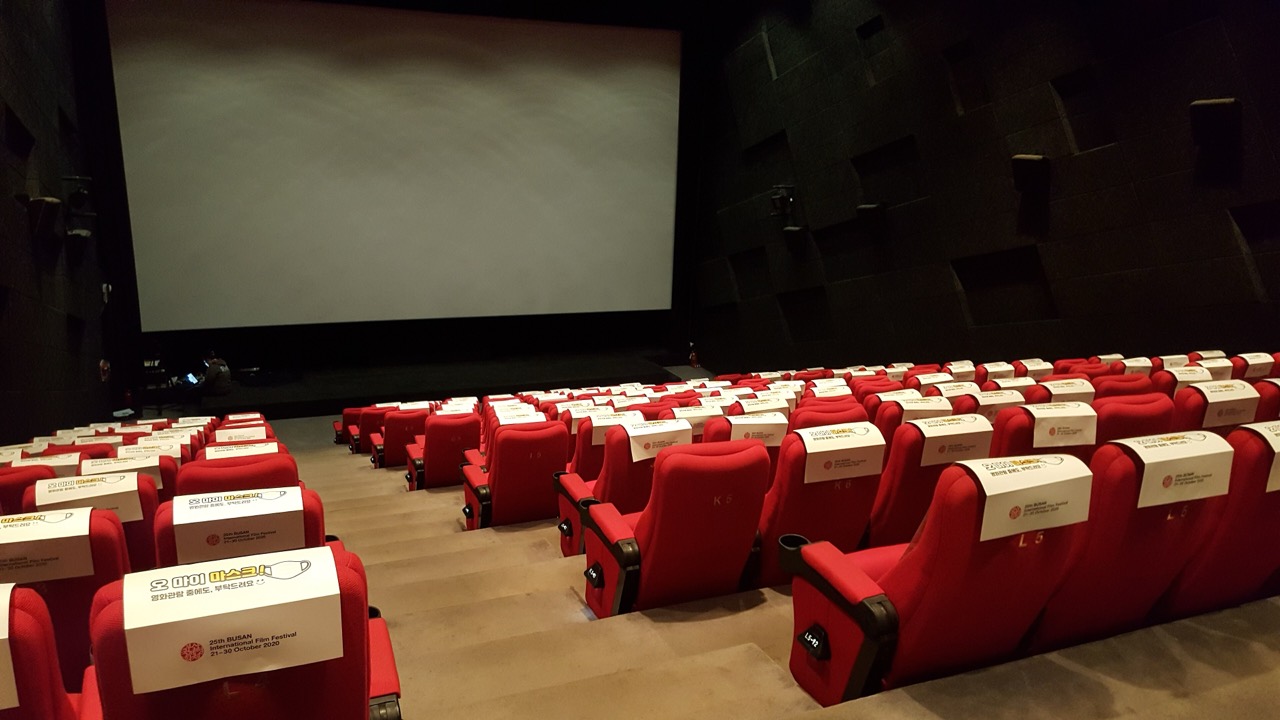
6.What brings people all the way to Busan is not the film so much as being first. Last year, 90 films had their world premiere here. Many will reach cinemas or streaming a few months later, but the room where the maker stands in front of the screen and takes questions happens only once. A regular weekend multiplex ticket costs around 15,000 won, so the festival ticket is cheaper and comes with a conversation with the director.
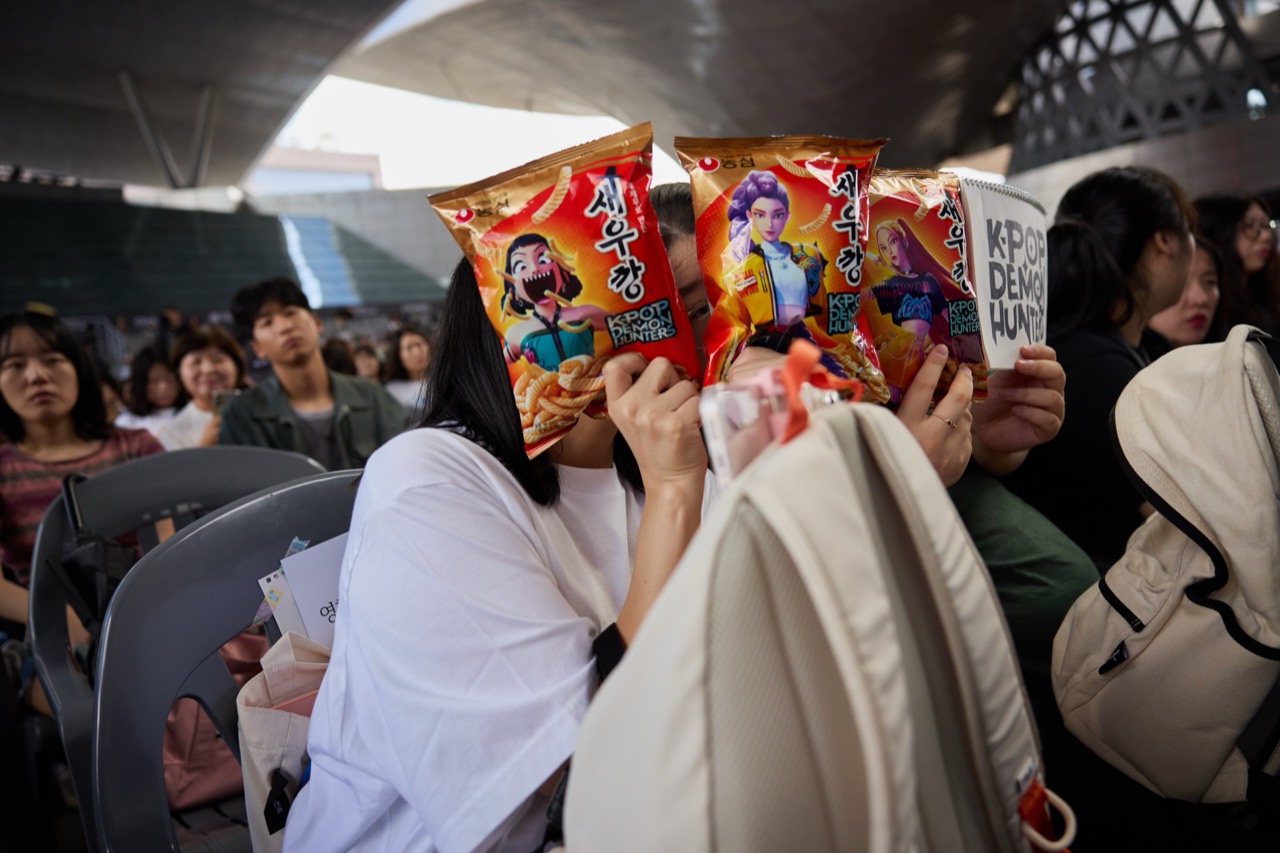
7.When Maggie Kang, director of KPop Demon Hunters, came to the festival for the first time last year, the crowd at the outdoor event space of the Busan Cinema Center held up snack bags printed with the film's characters. The film was already on Netflix, and the seats were still full. The screen may be at home, but being in the same space as the people who made it happens only in Busan.
8.Since last year there has also been a prize. For its 30th edition the festival created a competition section, and this year again 14 Asian films compete for the grand prize. The festival says the winner gains eligibility to be submitted to the US Academy Awards. At the same time, the Asian Contents & Film Market (ACFM) runs in the exhibition hall next door, where 1,222 companies from 54 countries wore badges last year. While the audience watches films, rights change hands in the next building.

9.Running these ten days cost 13.25 billion won last year for the main festival. Busan city paid half, 6.6 billion. National government funding was 547 million won, 4.1 percent of the total, down to about a third of the 2020 level.
본행사 예산 132억 5천만 원은 어디서 오나 (2025년)
10.How much do tickets cover? Multiply this year's 10,000-won price by last year's 162,405 festival admissions and you get a little over 1.6 billion won, around 12 percent of the main budget (estimate). With senior discounts and invited seats in the mix, actual ticket revenue is lower. The remaining four billion or so came from sponsorship, advertising, merchandise and carried-over funds, and last year's accounts still closed 8 million won in the red. The year before, a 294 million won surplus.
11.Set beside festivals elsewhere, the weight falls in a different place. Toronto gets 11 percent from government, and Berlin earns a third of its revenue from tickets and corporate sponsors. Cannes runs its film market as a separate business that makes money. Busan leans on the city for half, and that money goes back through the city council every year.
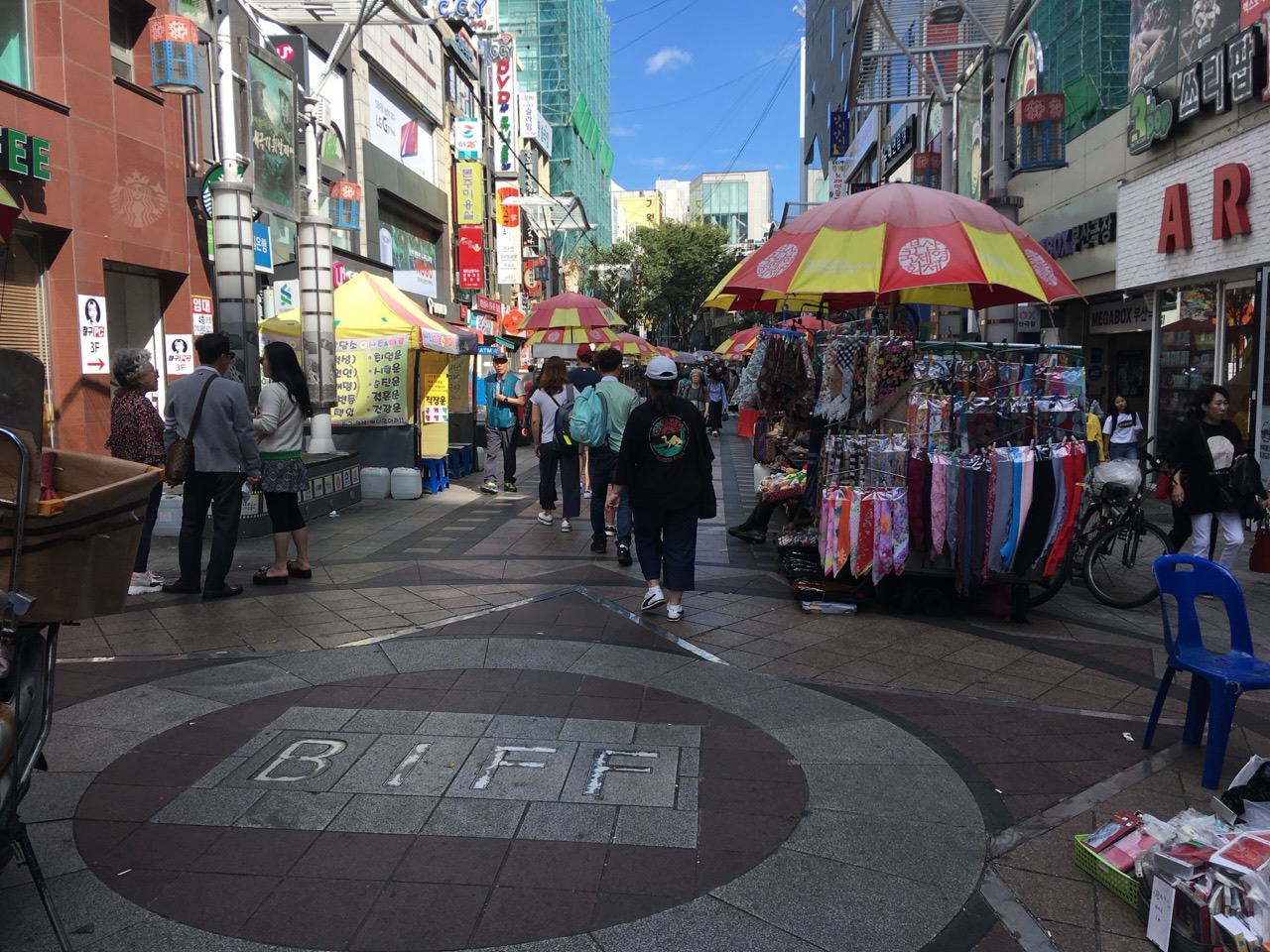
12.The city pays half not for the tickets but for the money that lands in the city. Last year 7,036 guests registered with badges, 2,739 of them from overseas across the festival and the market. They and the audience stay in hotels around Haeundae for ten days and buy their meals there. The festival's books can show a loss while the city's books show a profit.
13.The first edition opened on September 13, 1996, in the cinema district of Nampo-dong. 173 films from 31 countries, and 184,071 admissions. It was the first international film festival held in Korea, and that alley of cinemas became today's BIFF Square. This year, too, some community screenings return to that alley.
14.Thirty years later, last year's program had 328 films, close to double. Admissions to the official selection were 175,889, about 8,000 fewer than the first edition. The counting methods differ, so a direct comparison is shaky, but the direction is not wrong. In between, a dedicated venue costing 167.8 billion won went up, more than twelve years of the main festival budget. If more films and a new building did not raise the audience, the bottleneck is seats and days.
1996년 첫 회와 2025년 제30회
15.Ten days and the number of screenings that fit into each day set the ceiling on admissions. This year the festival raised daily screenings from four to five in the opening days and moved the opening one day earlier, both to push that ceiling up a little. October 9, Hangul Day, falls on a Friday, so opening week gets a three-day weekend. Why not raise ticket prices? An event half funded by public money can hardly charge more than a multiplex, so the busiest screenings are rationed not by price but by a two-ticket limit and a queue number.
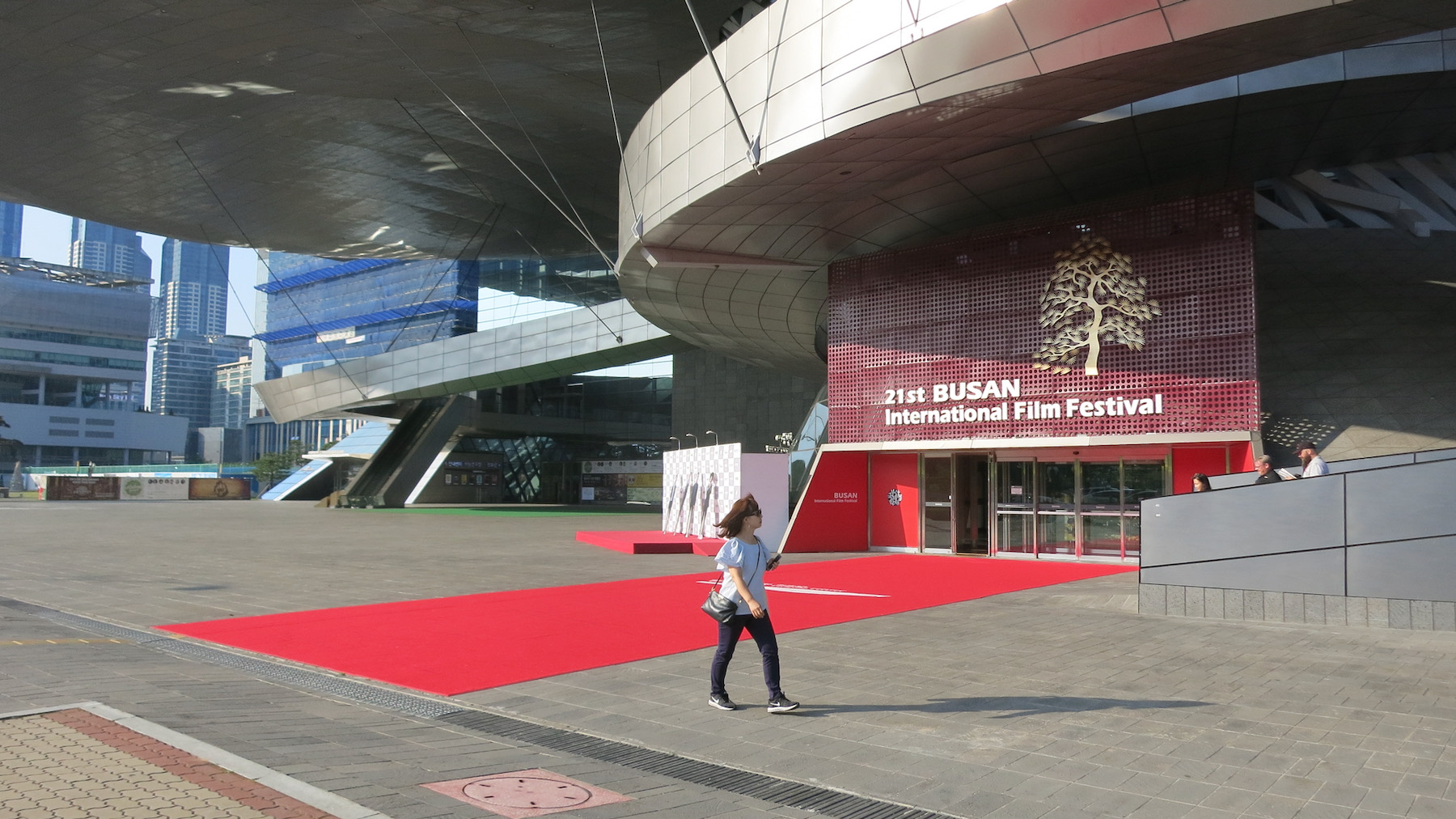
16.Ten days, over 310 films, 10,000 won a ticket. In thirty years the Busan International Film Festival has doubled its films, but its audience sits at the level of the first edition, and half of its 13.25 billion won main budget still comes from the city. Anyone starting a new film or music festival in a Korean region ends up with the same shape from the first year's budget. Opening the first year on a local government grant is easy, but that money has to clear the council again every year, and an event fixed in seats and days can only grow so much by adding audience. Without a separate line of income outside the ticket, like a market or sponsorship, set up from year one, the first line of the budget will still carry the city hall's name thirty years later.