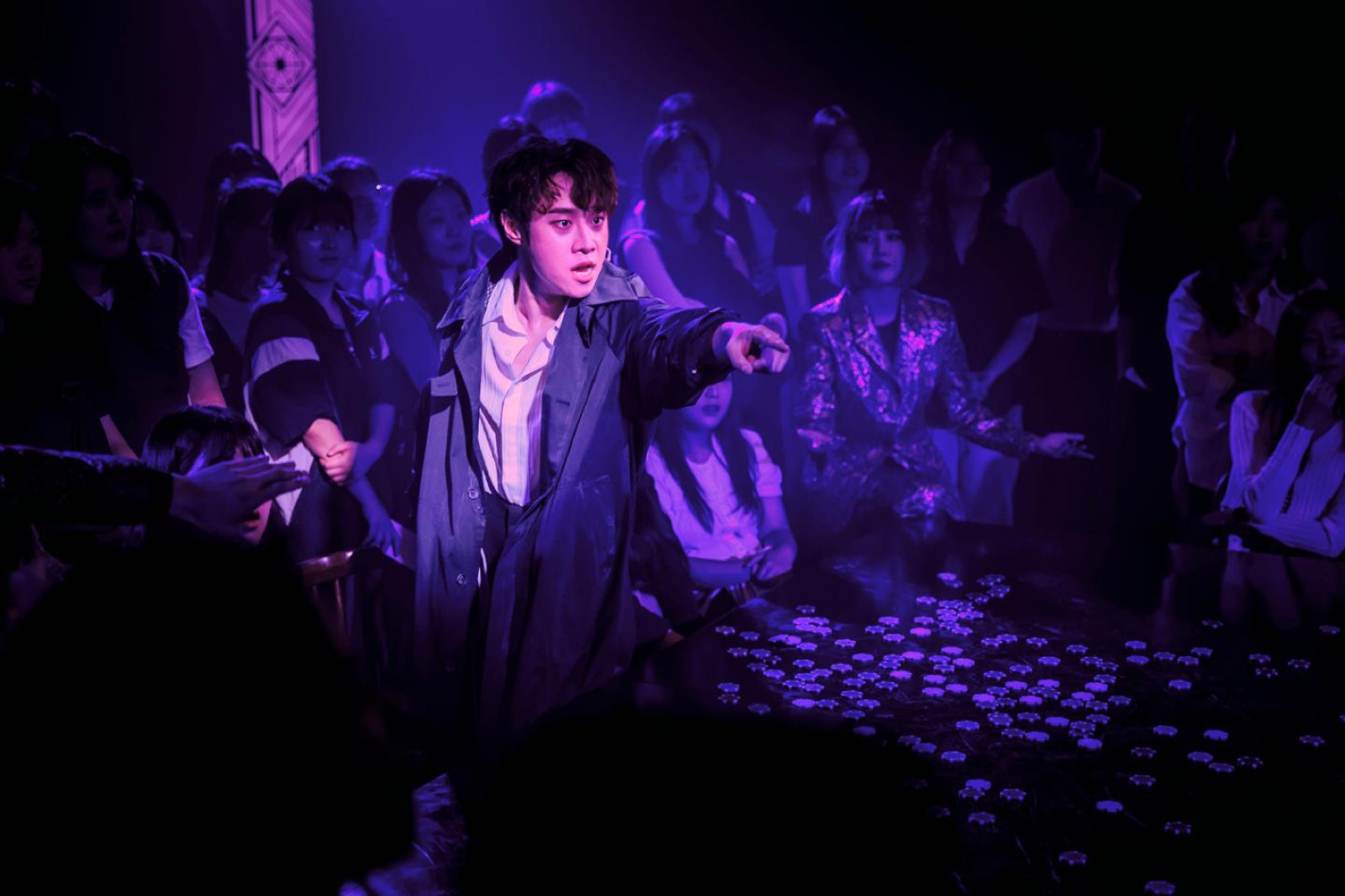
For three months, a single cinema auditorium has been a millionaire's mansion. In the immersive musical Roulette, running on the sixth floor of Lotte Cinema Dogok until October 11, the audience bets chips to change the ending and takes a beer into the seats. A seat that earned less than 10,000 won per film now sells for up to 77,000 won.
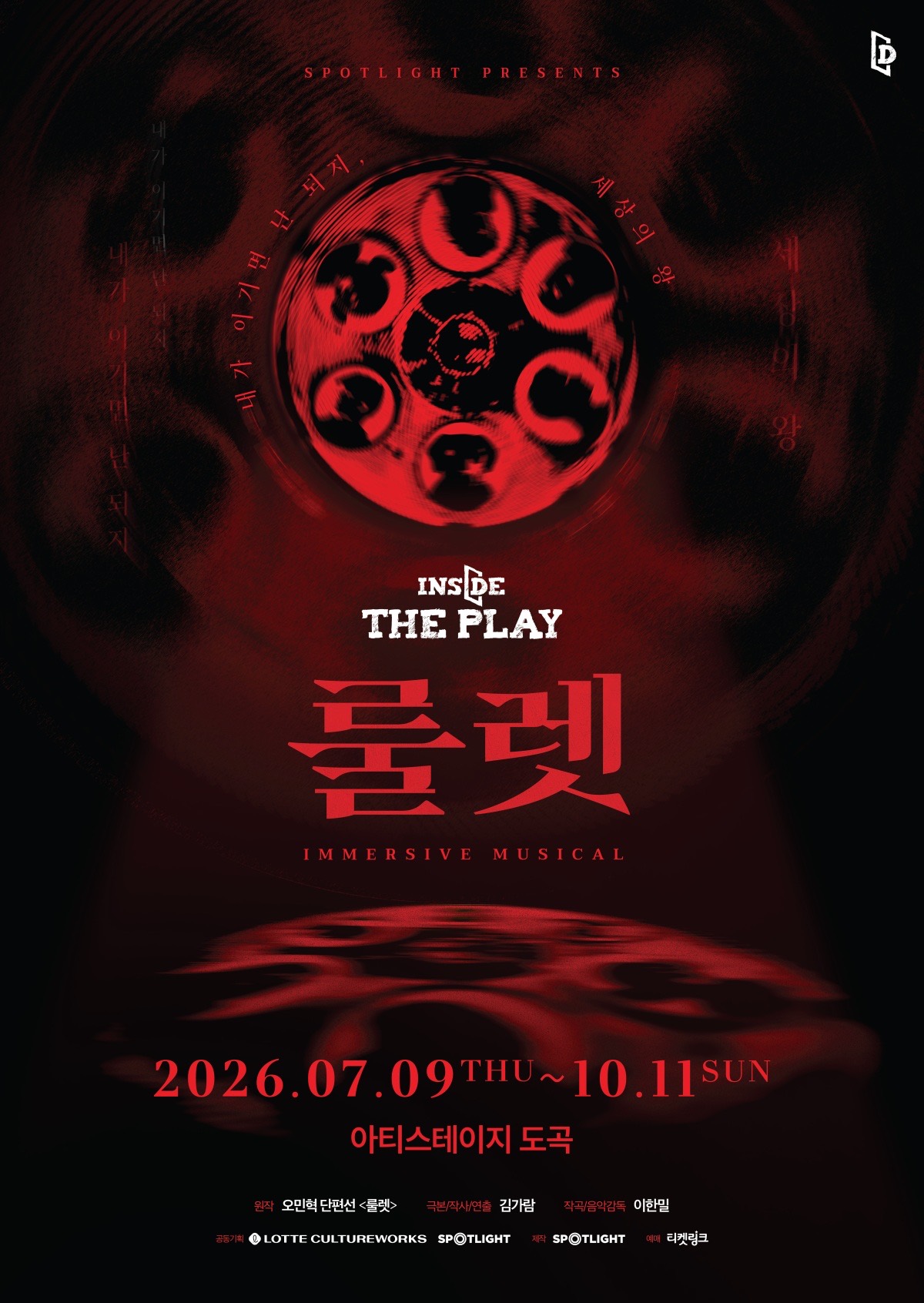
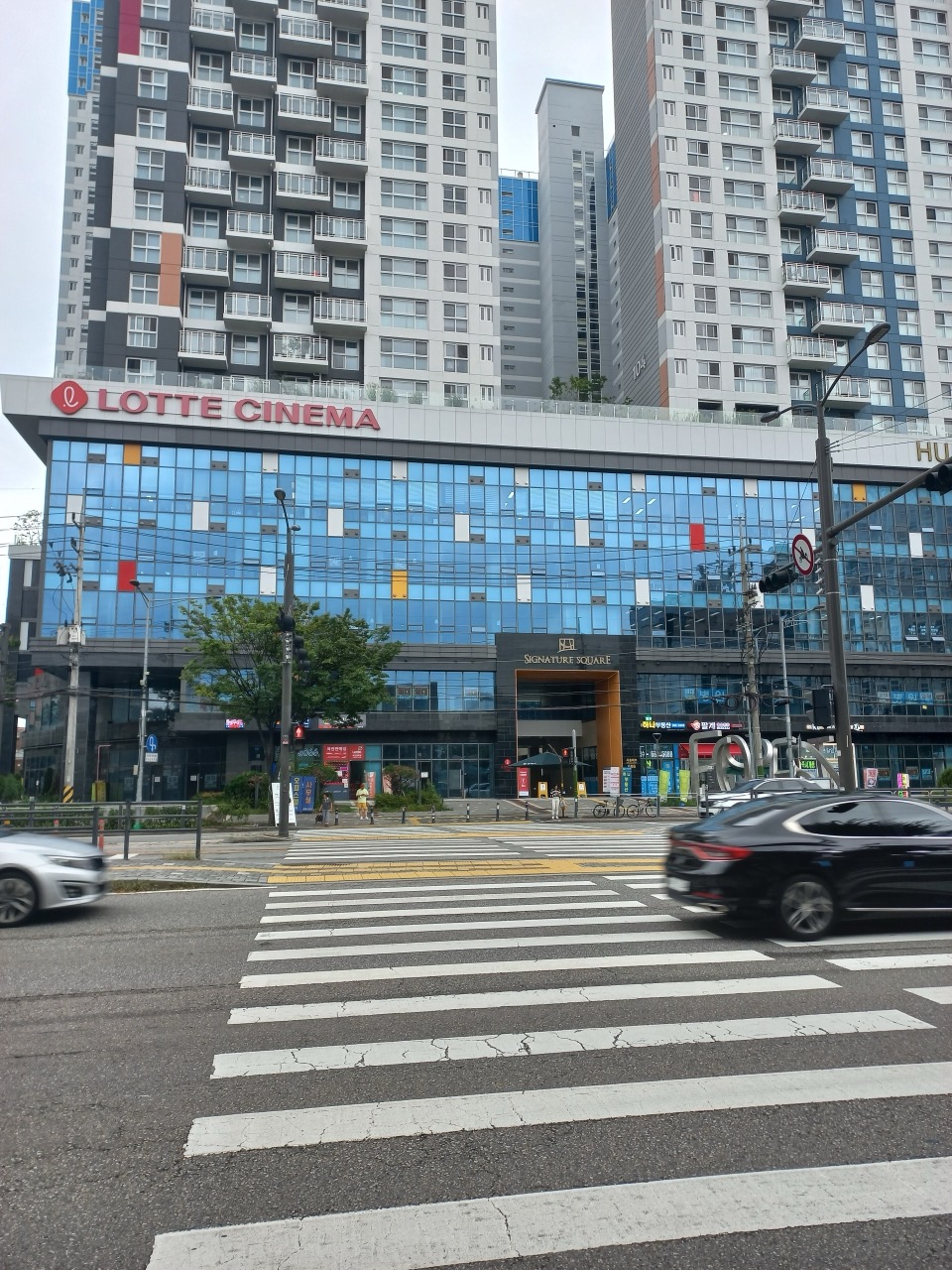
1.Since July 9, one auditorium on the sixth floor of Lotte Cinema Dogok in Gangnam, Seoul, has served as a theater. The room is called Artistage Dogok, and the show is the immersive musical Roulette. It is the third production of Inside the Play, an experiential performance brand that Lotte Cultureworks, the operator of Lotte Cinema, built with the production company Spotlight. The curtain comes down on October 11. About two weeks of shows remain.
2.The source is one story from Naver Webtoon's Oh Min-hyuk Short Stories. A millionaire named Pou appears before Doyle, who lives on the street, claims to be his twin brother, and proposes a wager: Pou's fortune against Doyle's life. The 2023 premiere and the 2024 revival at Yeonnamjang, a multipurpose venue in Yeonnam-dong, Mapo, averaged 95% seat occupancy. The show then went to Shanghai for more than 200 performances before coming home.
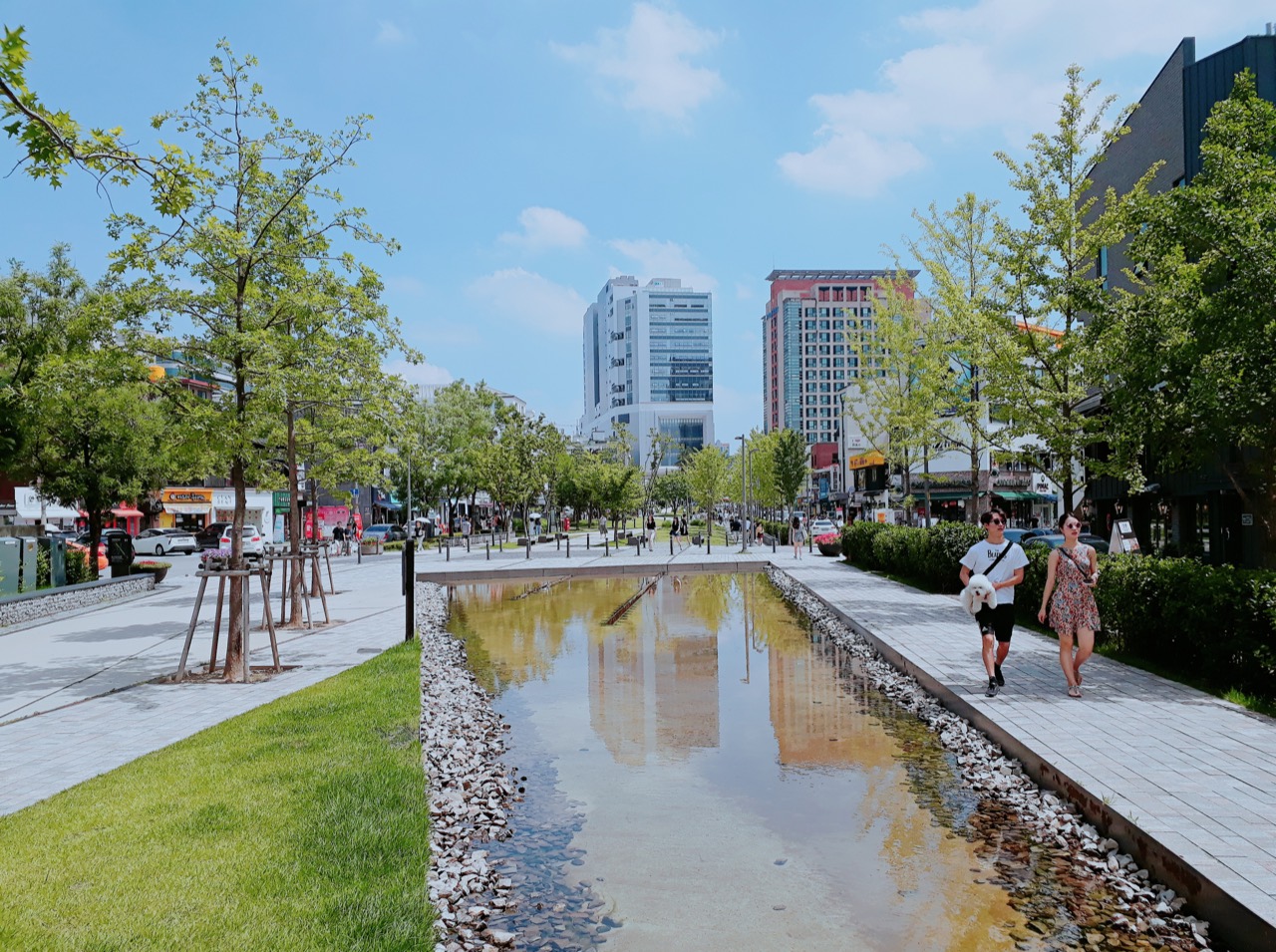
3.Seats come in five tiers, each named after a playing card. They start at 33,000 won for Club, climb through Heart, Spade and Diamond, and top out at 77,000 won for the Immersive seat. Each tier adds 11,000 won. The difference is not only the view. Only Immersive ticket holders get five chips and a place at the pre-show gaming tables.
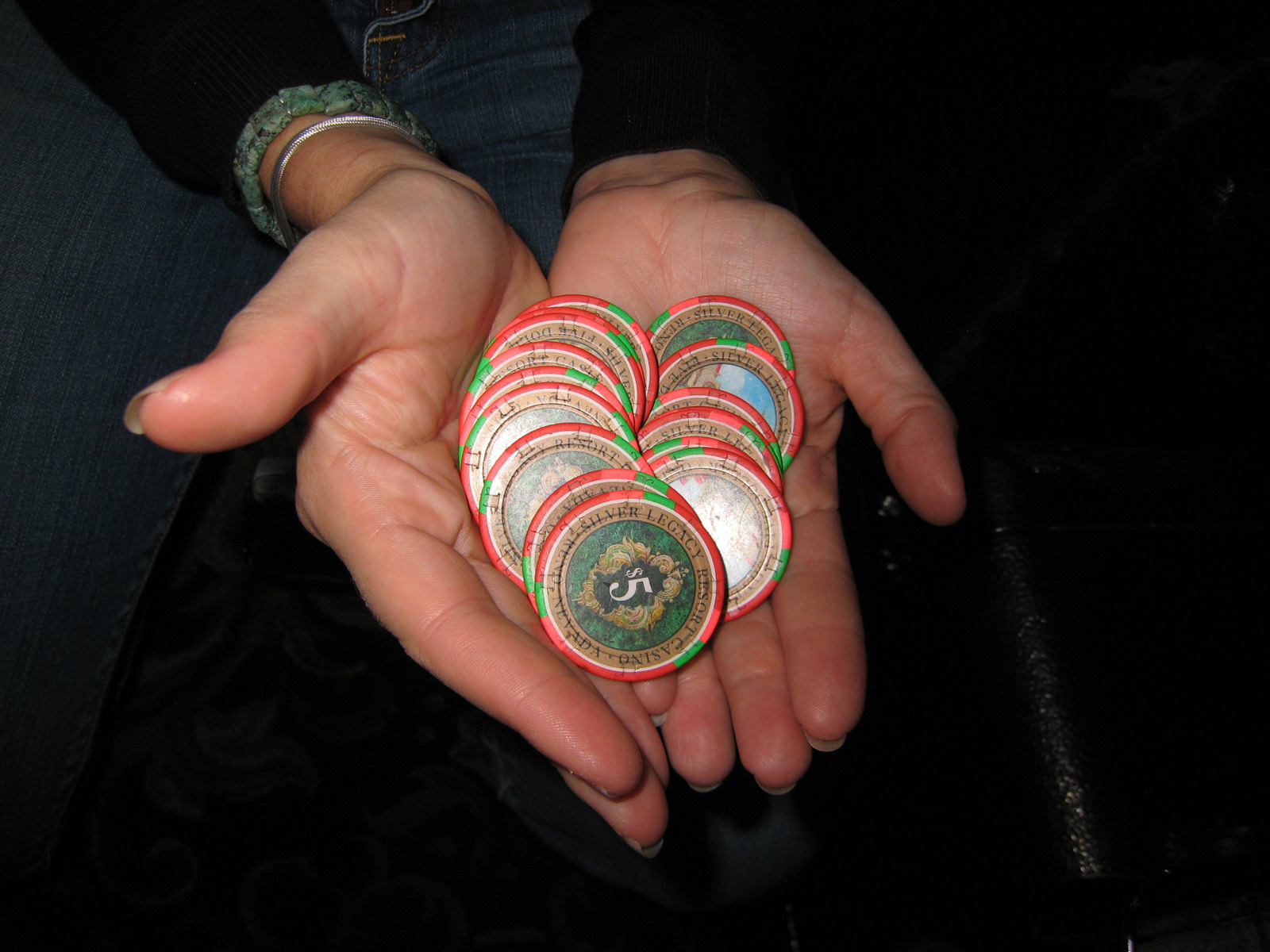
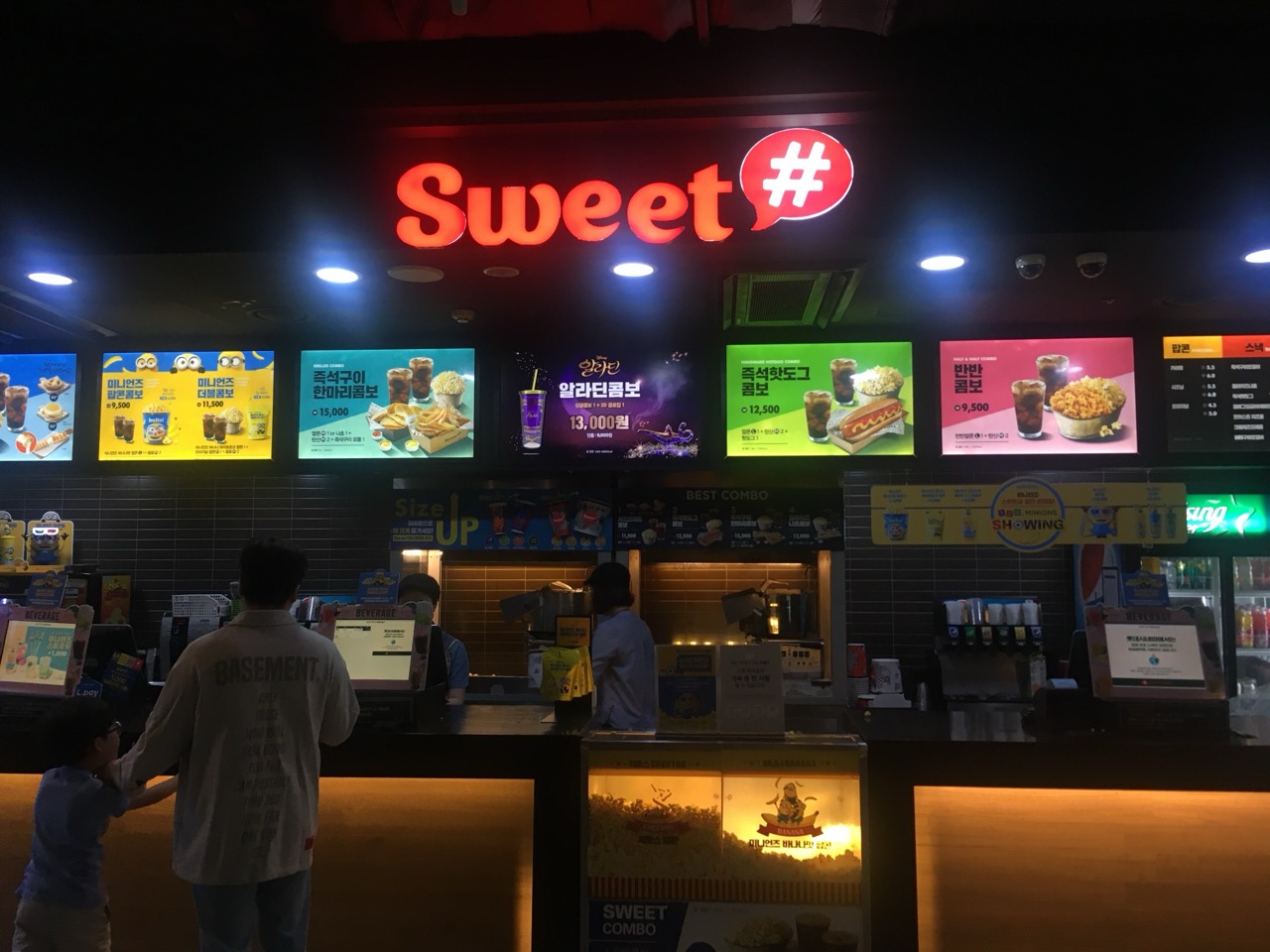
4.Thirty minutes before curtain, the lobby turns into a party first. In the spot where people usually wait with popcorn for the doors to open, actors circulate as if greeting guests, and audience members holding chips sit across from them to be dealt cards. While the chips clink in their palms, the line between actor and spectator blurs. Once the main show starts, the betting moves into the seats, and where the audience places its chips decides that night's ending. Actor Park Sang-jun says the same script, performed exactly the same way, lands in a completely different atmosphere depending on the crowd.
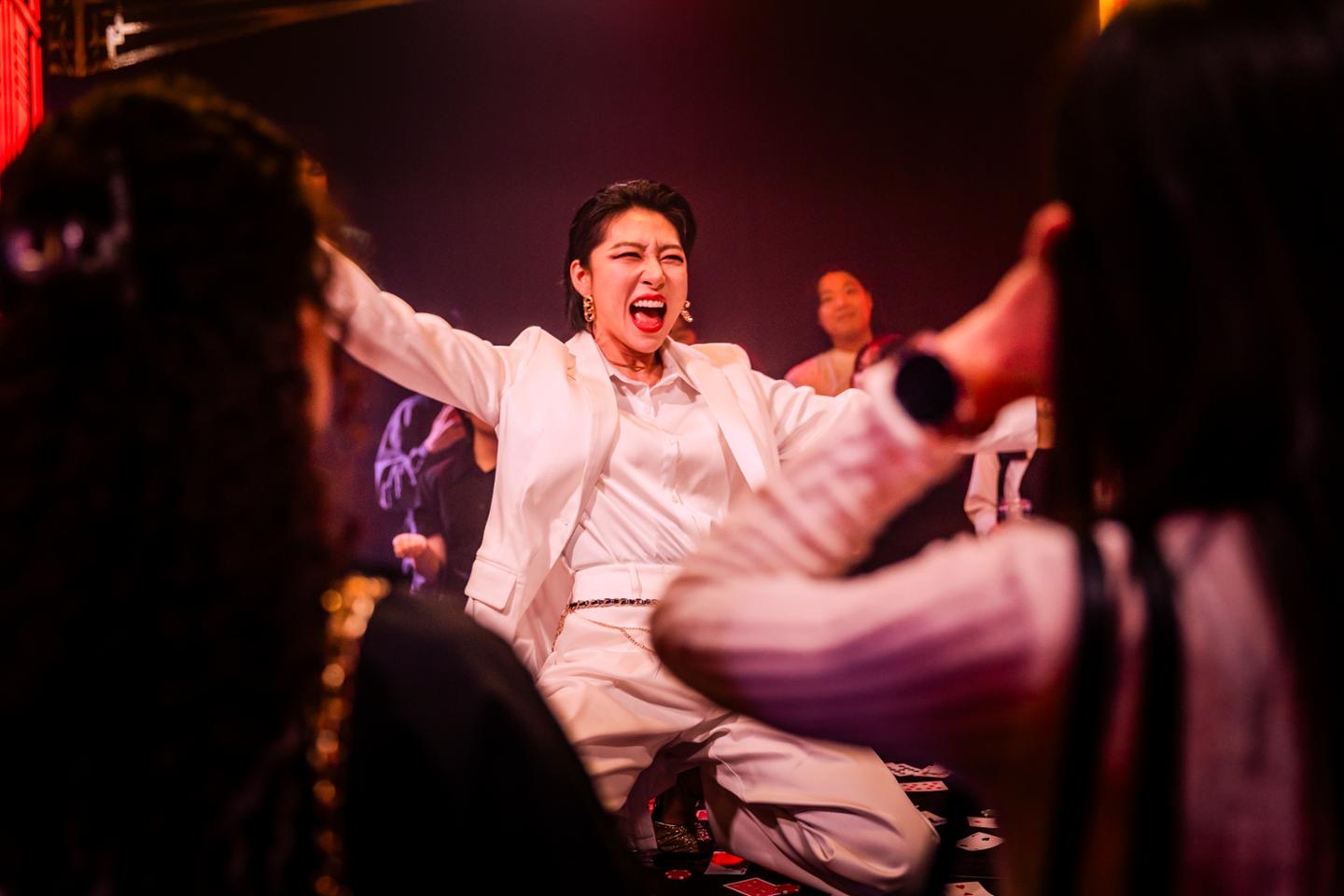
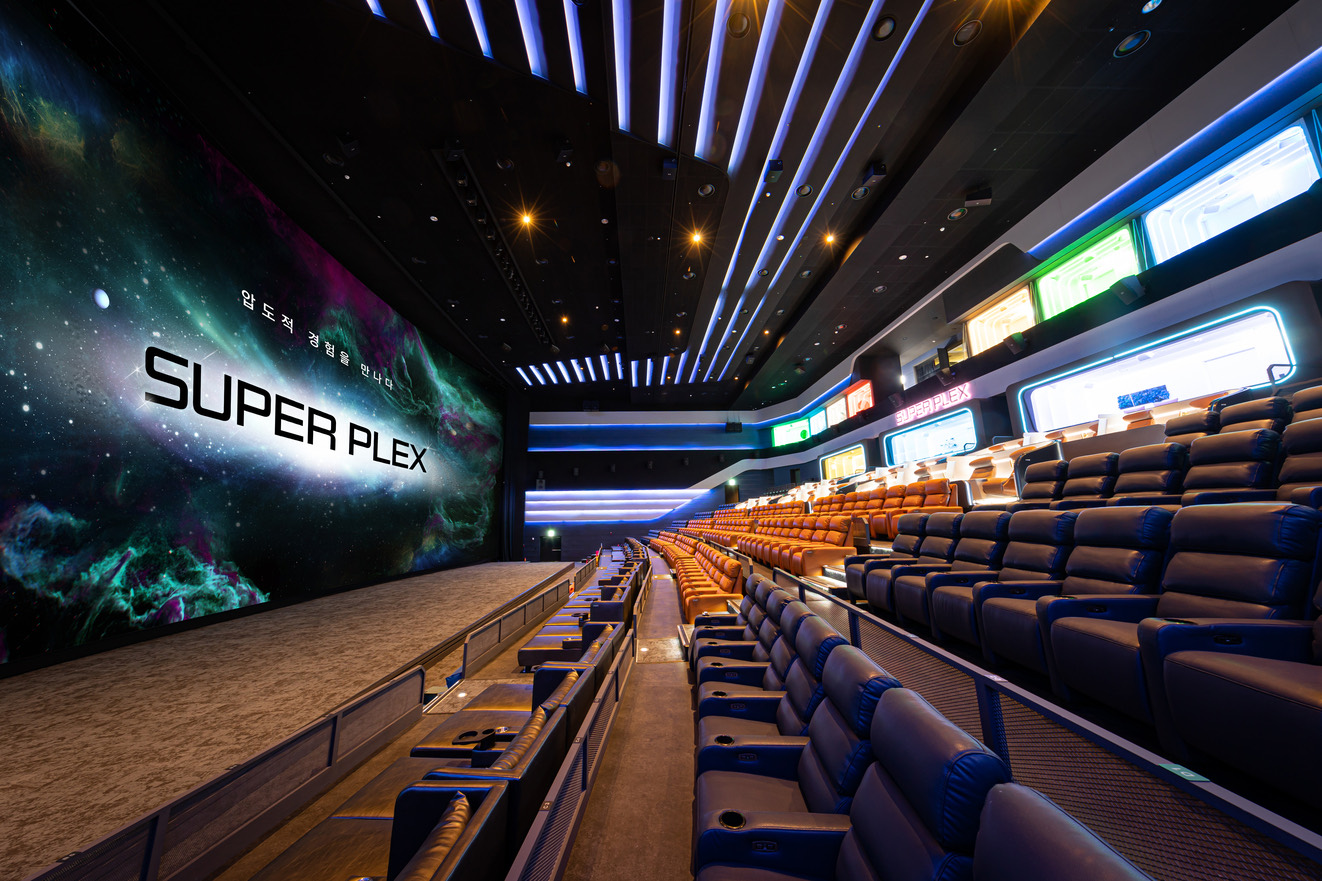
5.The house is a premium auditorium done in black and gold. At Yeonnamjang the ground floor was unreserved and only the balcony had fixed seats. This time every seat is reserved. The rake keeps heads from blocking the view, and the screen carries the actors' faces and the mansion backdrop at full size. You can bring beer and popcorn in. At Yeonnamjang, food was not allowed in the seating area.
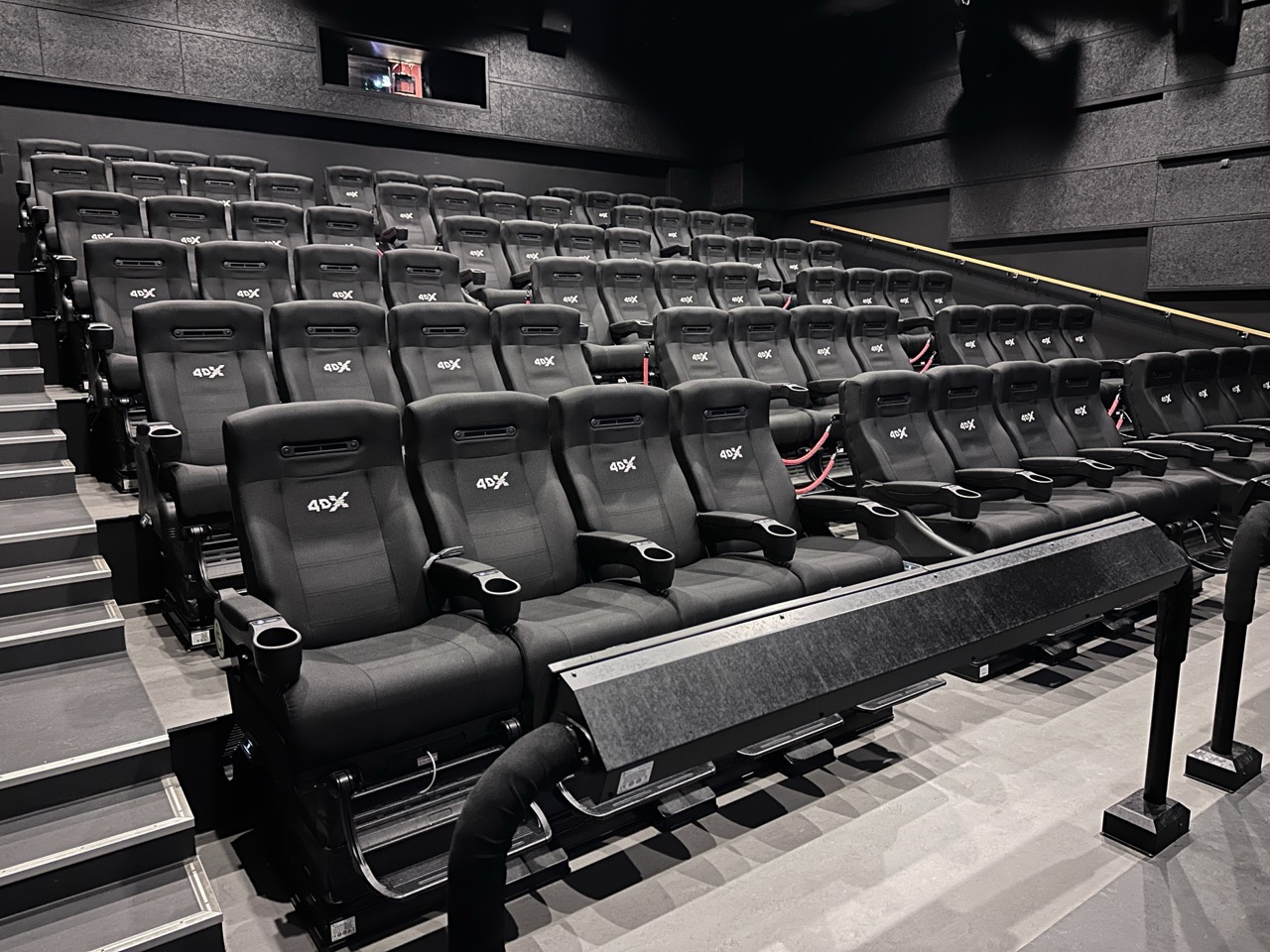
6.What this show sells is a promise that the ending can change. A film shows the same final scene however many times you run it. In Roulette, where the chips land changes how the night ends, and anyone curious about another ending buys one more ticket. A show that one person sees several times keeps selling tickets without finding new audiences.
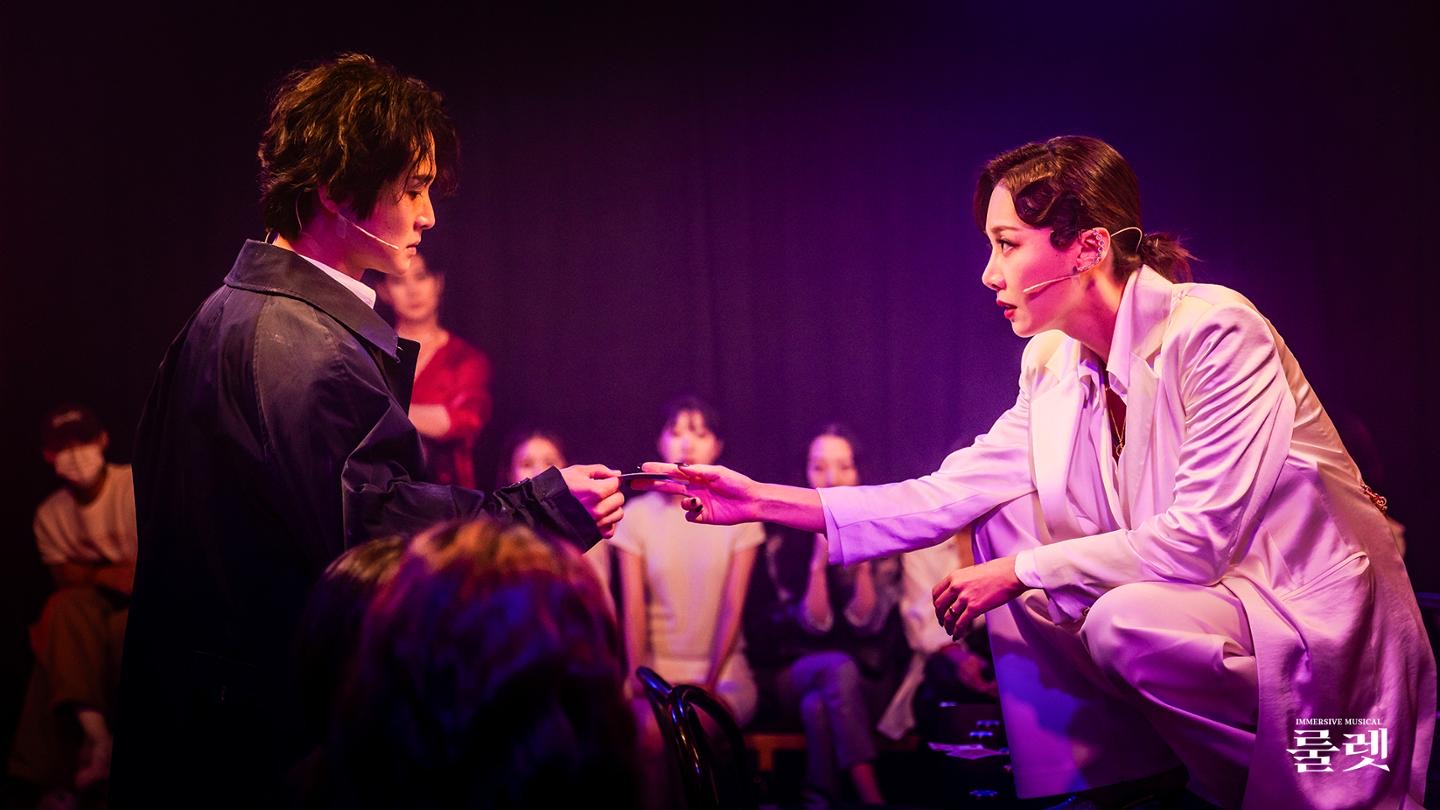
7.The long-standing weakness of immersive theater is that it is hard on the body. Many formats have you standing and following actors from room to room, or sitting on the floor peering over someone's shoulder. The immersion is good, but people who do not want to stand for two hours do not buy tickets. A cinema fixes that weakness almost for free. Soft chairs, raked rows, film-grade sound and a giant screen are already installed.
8.The cinema has its own reasons. Since new releases alone stopped filling rooms, multiplexes have been selling experiences people cannot get at home: premium large-screen halls, sports broadcasts, knitting screenings, even CGV's indoor climbing gyms. Artistage itself opened in October 2025 at the World Tower and Dogok branches as a room for fan meetings and talk concerts. Of all the ways to put people in those seats, a musical carries the highest ticket price.
9.In 2025, Korean cinemas drew 106.09 million admissions, and each moviegoer paid 9,870 won on average. The country had 437,975 cinema seats as of 2024. Five screenings a day would add up to nearly 800 million seats a year, yet only a little over 100 million tickets were sold. By estimate, six of every seven seats sat empty while the projectors ran.
10.Why are empty seats so frightening? Because the rent does not shrink. Many multiplexes sit in other people's buildings on long leases, so rent and maintenance fees keep coming even when a room is empty. At the end of the third quarter of 2025, Lotte Cultureworks carried 601.8 billion won in borrowings including lease liabilities, against equity of just 28.1 billion won. That year, cinema attendance was less than half the 2017-2019 average.
11.The seat count after the conversion has not been disclosed. As a cinema, the sixth-floor room at the Dogok branch held 302 seats. Take out the stage and the actors' paths and assume 200 seats on sale. With the middle tier of 55,000 won as the average ticket and occupancy at 90%, close to the Yeonnamjang runs, one performance brings in about 9.9 million won.
12.The show rests only on Tuesdays and runs about 110 performances over three months. At 9.9 million won each, estimated revenue comes to around 1.1 billion won. Screening films in the same room over the same period at the national average occupancy would bring in less than 200 million won.
좌석 하나가 한 번에 버는 돈
같은 관, 같은 95일의 추정 매출
13.Not all of that difference lands with the cinema. The production carries the cost of actors and crew, and how Lotte Cultureworks and Spotlight split the revenue has not been disclosed. The cinema is sure of two things. People fill, for three months, a room it was paying rent on anyway. And beer and popcorn sell in the lobby and the seats through the 30-minute pre-show and the 90-minute performance.
14.Live performance inside a cinema is nothing new. The Roxy Theatre, which opened in New York in 1927, put dance troupes on stage between films, and cinemas stripped out the stage and kept only the screen later. Immersive theater grew from the opposite direction. In 2011 the British company Punchdrunk turned warehouse buildings in Chelsea, New York, into a 1930s hotel for Sleep No More, and the audience, masked, climbed from floor to floor following the actors.
15.A genre that went looking for warehouses and hotels to escape the fixed seats of theaters has now come back to the most firmly fixed seats of all. And it sells those fixed seats as a strength. Lotte's series uses its rooms differently at each branch. The first production, Charlotte the Play: Survival, was a survival thriller set in a locked cinema that opened at the Sindorim branch in October 2025. The second, Gunche, ran from May to August this year at Lotte Cinema Sindaebang and charged 69,000 won.
16.A cinema whose audience has fallen to half its pre-pandemic level turned one room into a theater for three months, and now sells seats that averaged 9,870 won per film for 33,000 to 77,000 won. Anyone, cinema or otherwise, who tries to copy this hits the seat count first. Immersive theater works only when actors can reach each guest, so adding seats breaks the form, and that keeps the ceiling on per-show revenue low. The math holds only in an empty room whose rent is already being paid, with everything from chairs to lighting already in place.