A music festival that has rented Olympic Park every autumn turns 20 this year. Once again there is no two-day ticket. Each day is sold on its own, and one person can buy at most two tickets per day.
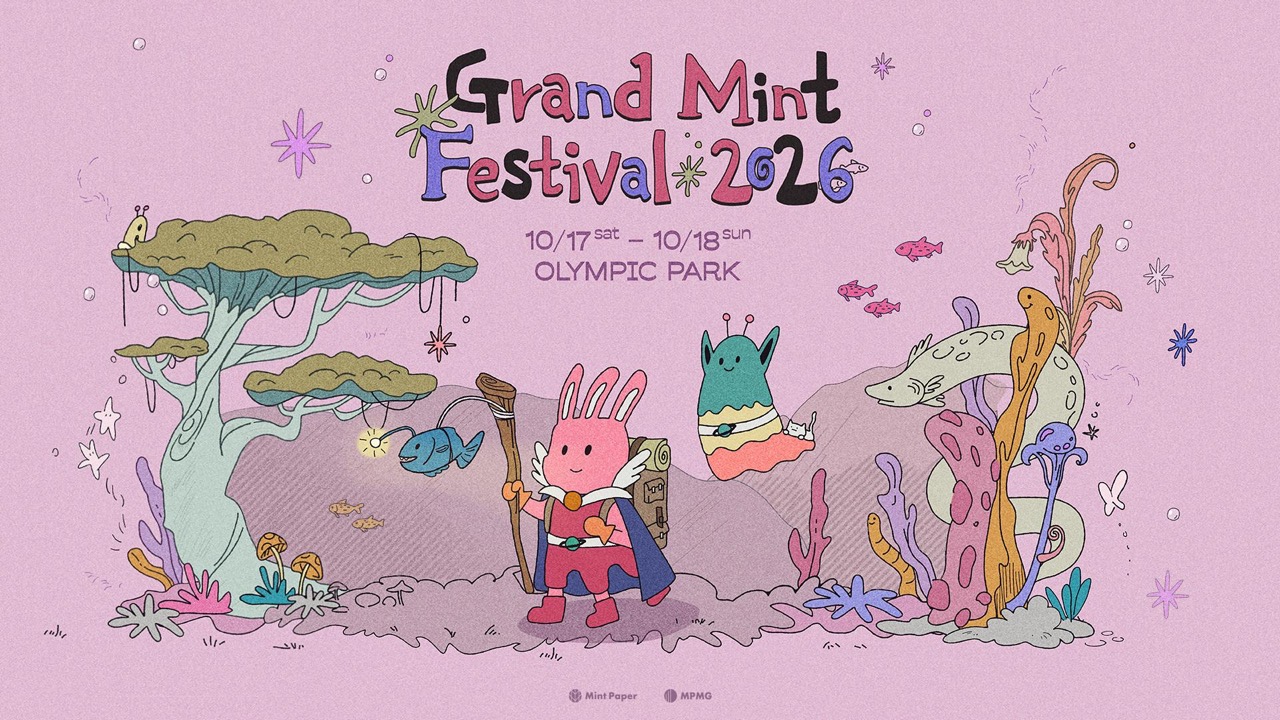
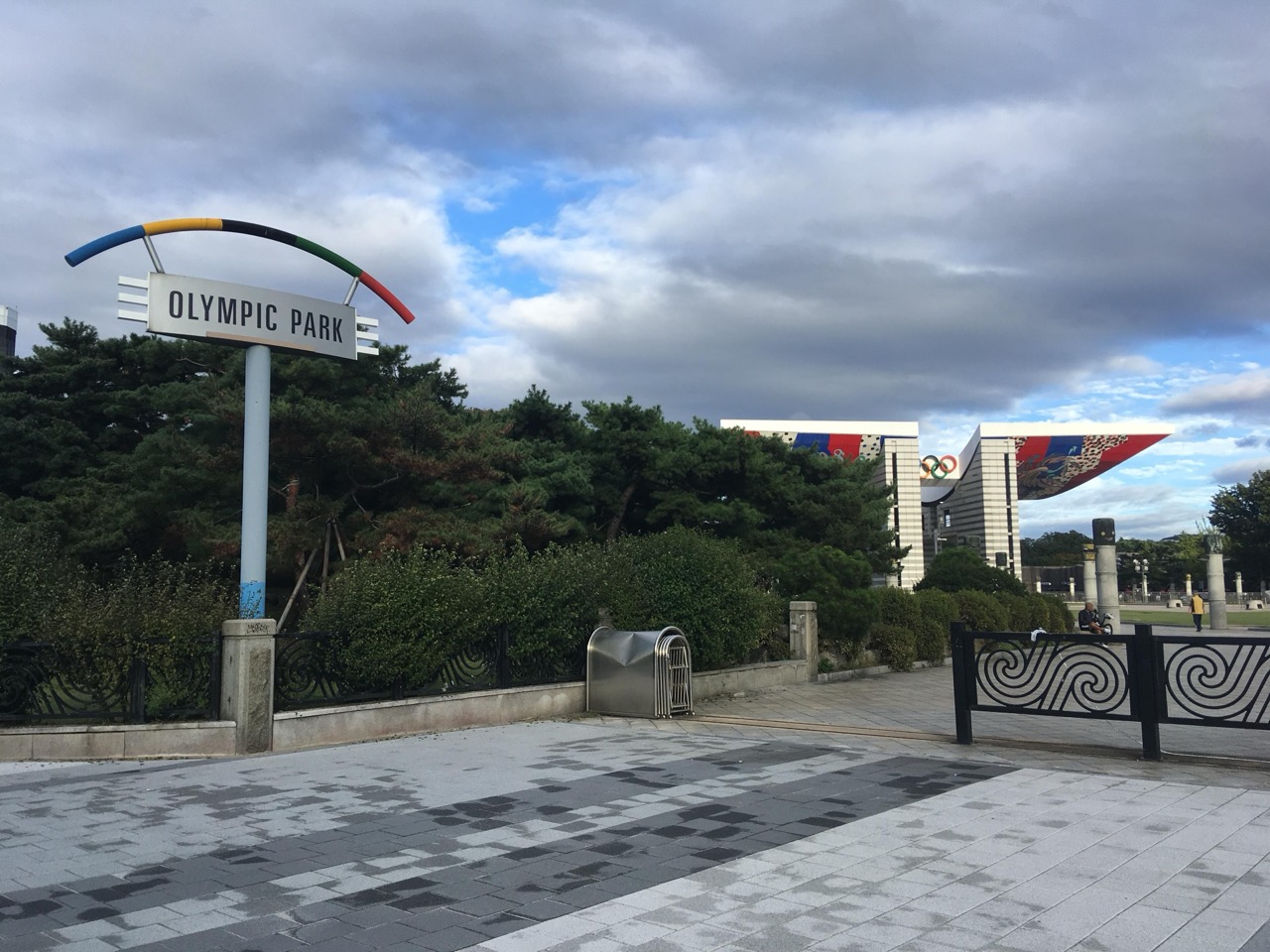
1.Grand Mint Festival (GMF) takes place on October 17 and 18 at Olympic Park in Seoul. The first edition ran in October 2007, which makes this the 20th anniversary. The only ticket is a one-day pass for a given date: KRW 132,000 in advance, KRW 140,000 at the gate. Sales opened on July 22 through NOL Ticket, YES24 and Naver Booking.
2.The official page lists four stages: Mint Breeze Stage on the 88 Lawn, Club Midnight Sunset in KSPO DOME, Station Stardust in Ticketlink Live Arena, and Loving Forest Garden on the 88 Lake waterside stage. The bill includes Lee Sora, Lee Seung-yoon, Jang Kiha, Jung Seung-hwan, Younha, Peppertones, CNBLUE and N.Flying, and the final announcement in mid-September added Jung Joon-il (17th) and Lee Seok-won (18th).
3.The organizer, MPMG, started out as Master Plan, a club that opened near Hongik University in 1997. It incorporated in 2002, launched the culture community Mint Paper in 2006, and created GMF the following year. Today it also runs the labels Happy Robot Records and Label GHS, and each spring it stages Beautiful Mint Life in the same park. The headcount listed on a job site is 21.
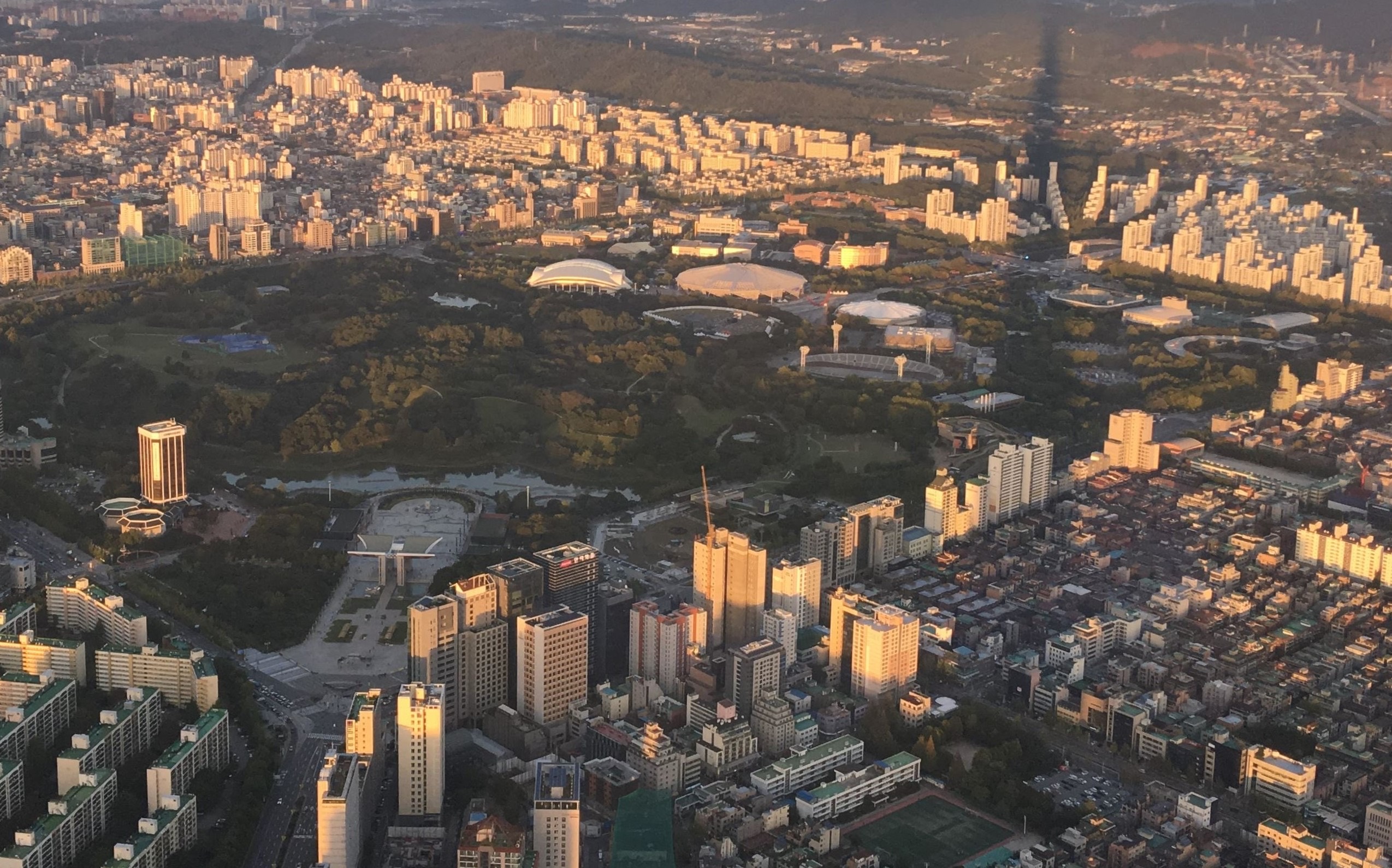
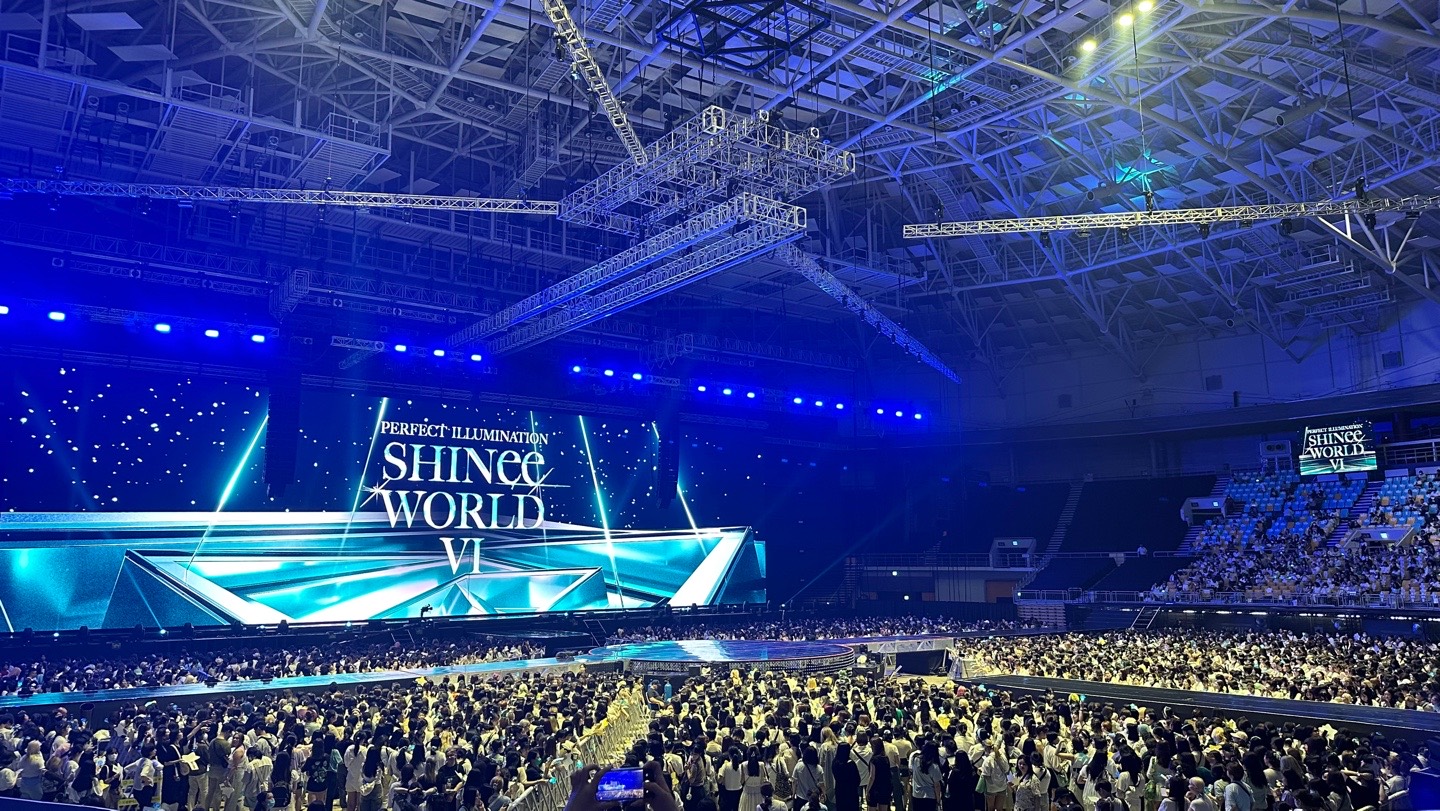
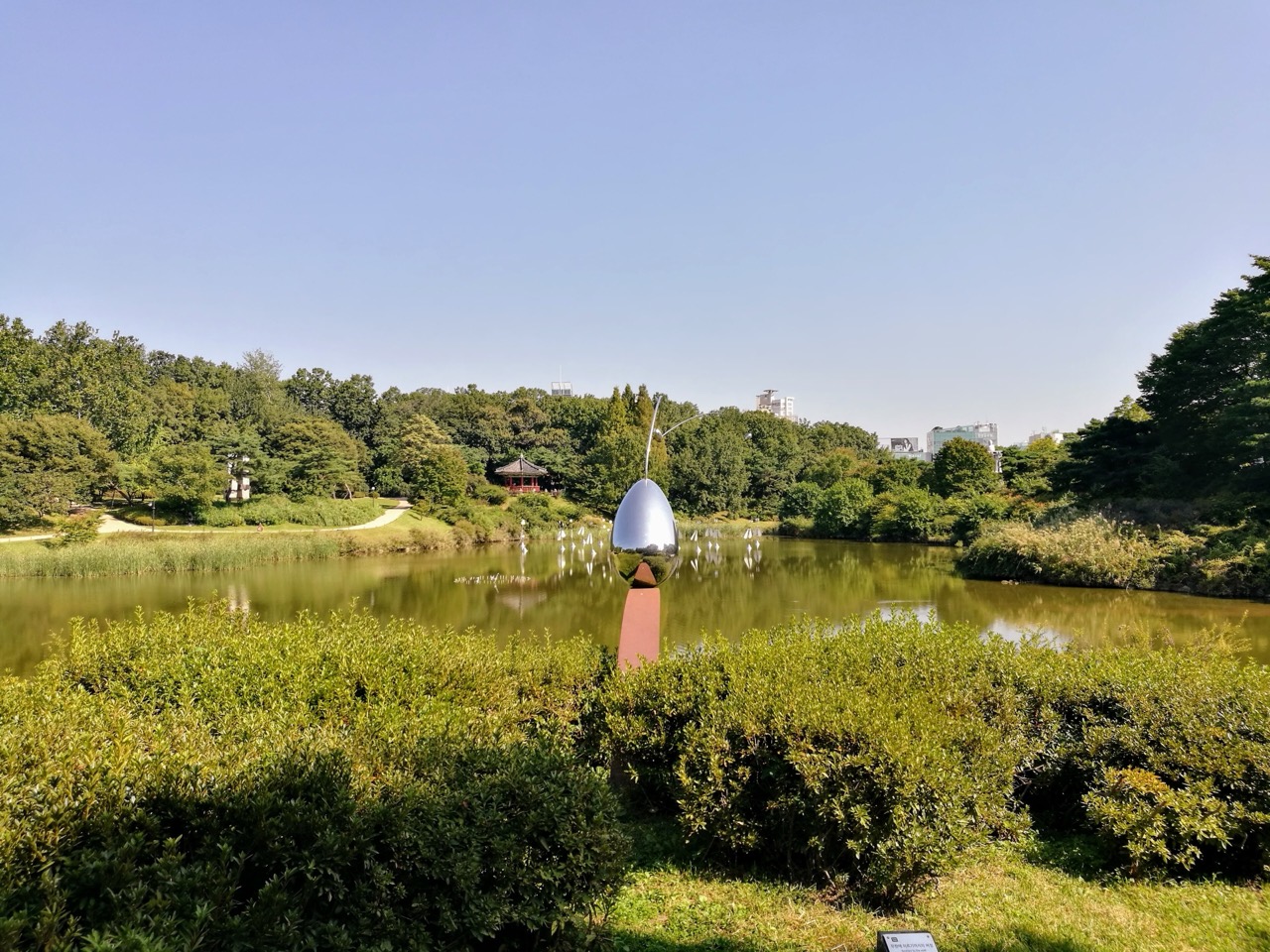
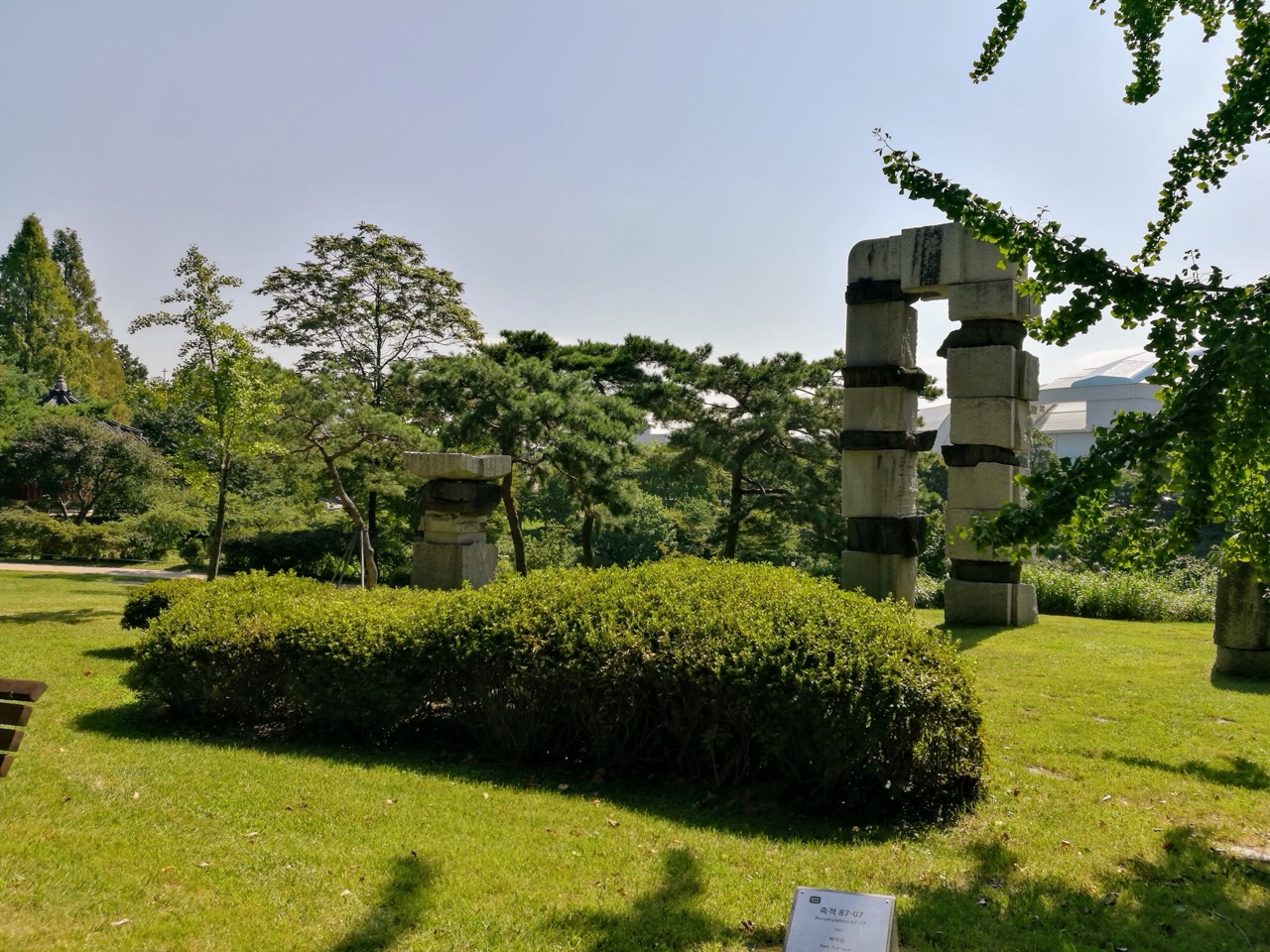
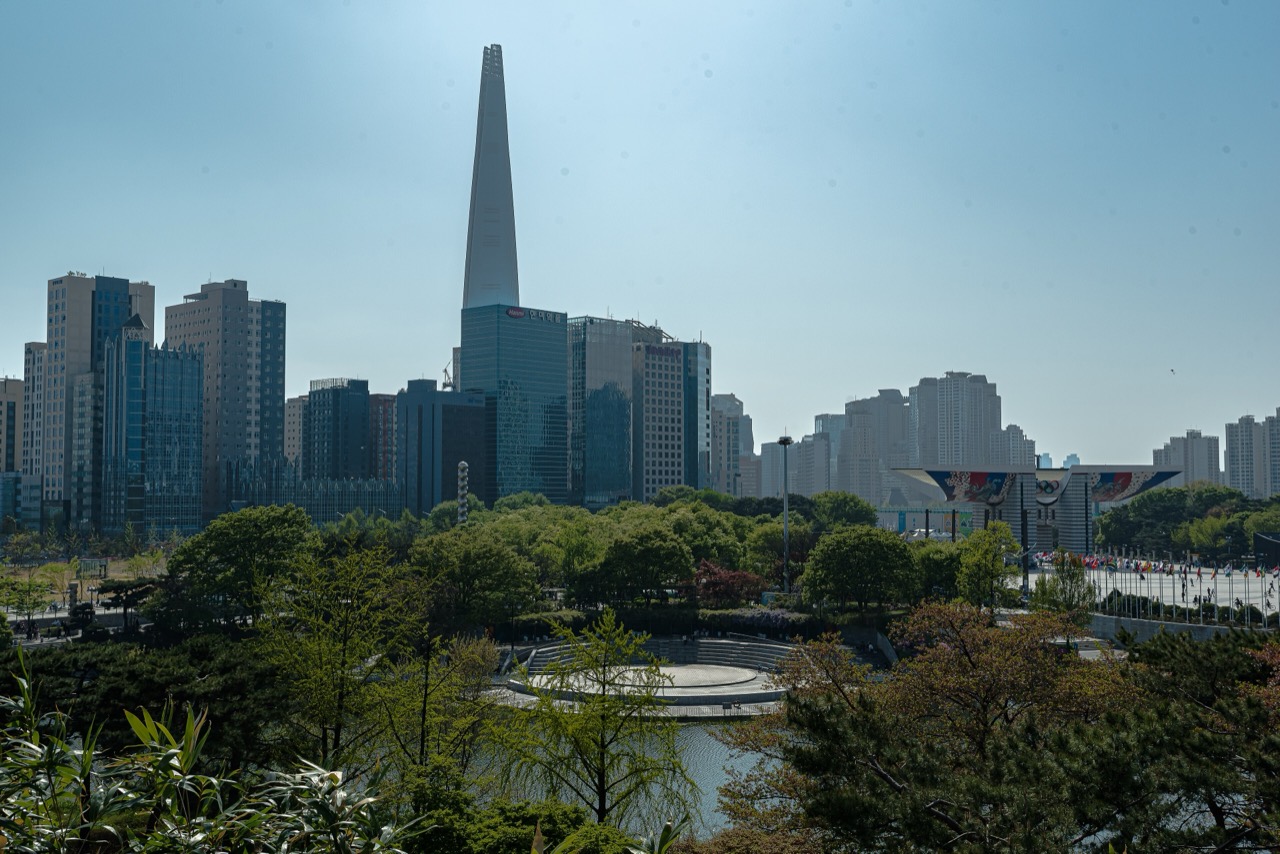
4.This festival uses a city park, not a campsite. An outdoor lawn stage, the 15,000-seat KSPO DOME, a concert hall converted from the handball gymnasium and a terraced lakeside stage all sit inside one park, and a single wristband lets you walk between them. As of 2025 the lawn stage and the dome each held up to 9,000 people, the arena 5,000 and the lakeside stage 2,000. You arrive by subway, watch the shows, and sleep at home.
5.Mats are allowed on the 88 Lawn, but their size is fixed: one 1.2m by 1.2m square per two people. Tents, umbrellas, coolers and alcohol stay outside, and in the standing zones and indoor stages only capped 500ml bottles of water are allowed. The guide warns that a mat left unattended may be removed. On an October afternoon, a square of grass smaller than a single pyeong is two people's territory for the day.
6.What GMF sells is not one headliner. A lineup that mixes indie bands, ballad singers and idol bands is built for people who come to spend a day, not for those who come for a single set. The organizer says it opened this year's season on July 1 with an event asking audiences which artists they wanted to see. Acts from the 15th volume of bright, the rookie compilation it has released since 2013, FuturePeerClub, love is cycle, Sanbo and kwacamolee, are split across the two days.
7.The calendar has helped it last 20 years. Since the first edition it has run almost every year on an October weekend in the same park, and the audience remembers an autumn picnic and a concert as one date. The only pause was two pandemic years. In 2020 the organizer moved the event to KINTEX, and it said 70% of existing ticket holders asked for refunds. Change the venue, and the tickets drained away.
8.In 2019 a GMF one-day pass cost KRW 99,000 and a two-day pass KRW 158,000. Buy the two-day pass and a day came down to KRW 79,000. This year there is only the one-day pass at KRW 132,000, so seeing both days costs KRW 264,000. Over seven years the one-day price rose 33%, while what a two-day visitor pays jumped 67%.
2019년과 2026년, GMF 표값
9.At heart, the two-day pass was a discount product that handed over two single-day spots at 20% off. Sell only one-day passes and every spot earns full price, but Saturday and Sunday must each sell on the strength of their own lineup. Will someone with a Saturday ticket come back on Sunday? With no guarantee, the organizer spreads names of similar weight across both dates. The purchase limit also fell from four tickets in 2019 to two per date this year, and entry requires both a mobile ticket and ID.
10.According to KOPIS, Korea's performing arts box office network, GMF drew 30,783 paying visitors over two days in 2025, third among Korean music festivals. The two above it, Busan International Rock Festival and Seoul Jazz Festival, run for three days. Divide by days and GMF was the busiest, at about 15,400 a day.
2025년 음악 축제 하루 평균 유료 관객
11.If all 30,783 had paid the advance price of KRW 132,000, ticket revenue would be about KRW 4 billion, or roughly KRW 3.7 billion before VAT. The organizer announced about 36,000 attendees, some 5,000 more than the network's count. The gap is likely invitations and industry guests. Food and drink concessions and sponsorship add to this, but their size has not been disclosed.
12.The venue costs less than you might expect. KSPO DOME's base rental for a cultural event is KRW 2,518,000 for a weekend day, excluding VAT. That is the price of 19 one-day passes. It is a public sports facility, which is what makes that price possible, and fees for the lawn, the arena and the lakeside stage, plus set-up and tear-down days, come on top. The big money probably goes to fees for the 62 acts of 2025 and to staging, sound and security, but those figures appear nowhere.
13.MPMG calls the same audience back three times a year: three days of BML in spring, two days of GMF in autumn, and Countdown Fantasy at year's end. The company says its cumulative 2025 attendance passed 100,000. This year one of GMF's indoor stages carries the name of the year-end show, a place that shows autumn visitors their winter tickets in advance.
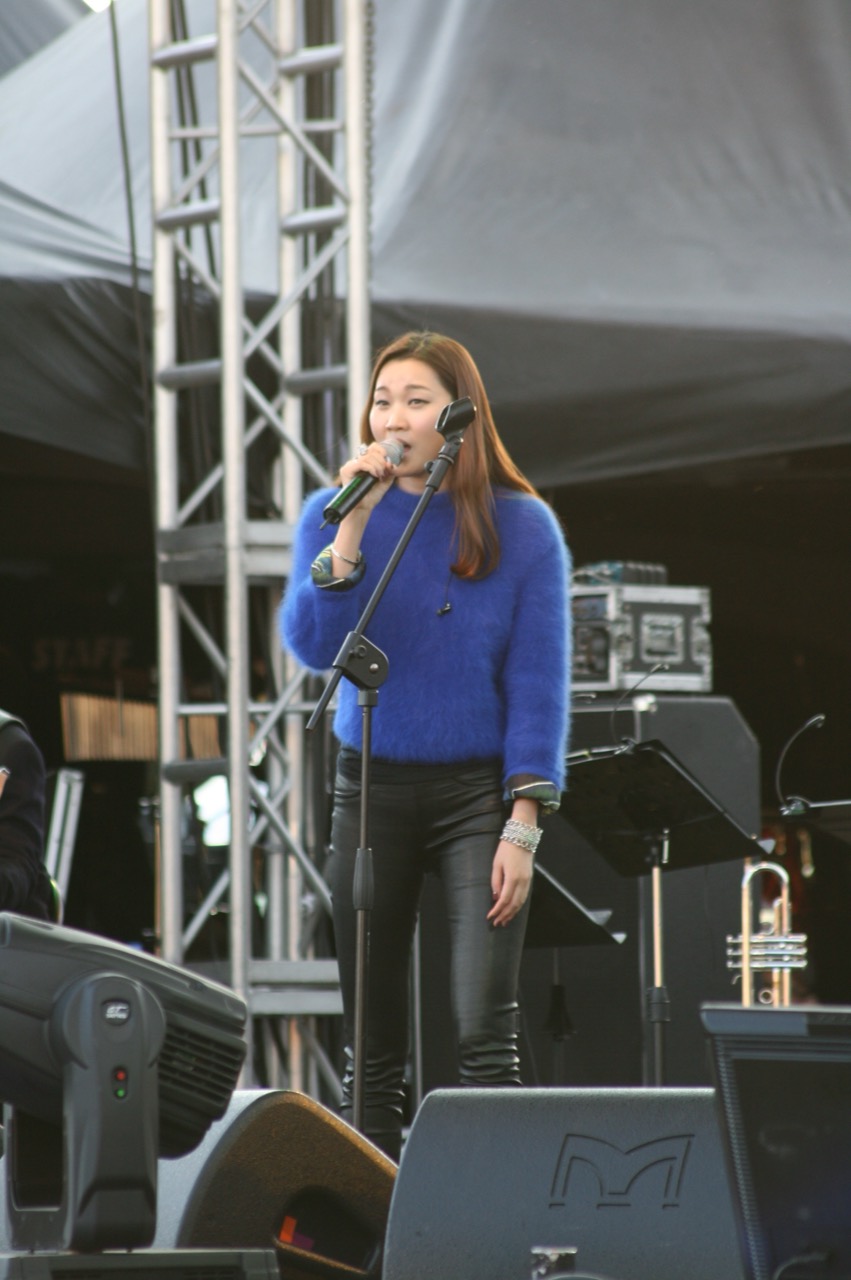
14.In the late 2000s, when GMF began, Korean music festivals filled seats with free invitations and ran at a loss for years. GMF also took several years to turn a profit, and 2012 is remembered as the year it sold out without comp tickets. What it built over 20 years was not stage equipment. It was an audience's habit of coming to the same park in the same week.
15.The organizer once tested that habit itself. In 2024, in agreement with Olympic Park, it spread the event over four days across two weekends, October 26 and 27 and November 2 and 3. The dates doubled while the price stayed the same, and when a 500-person priority-entry ticket appeared on top of that, audience complaints ran high. The next year it went back to two days under the banner of a "return to the basics."
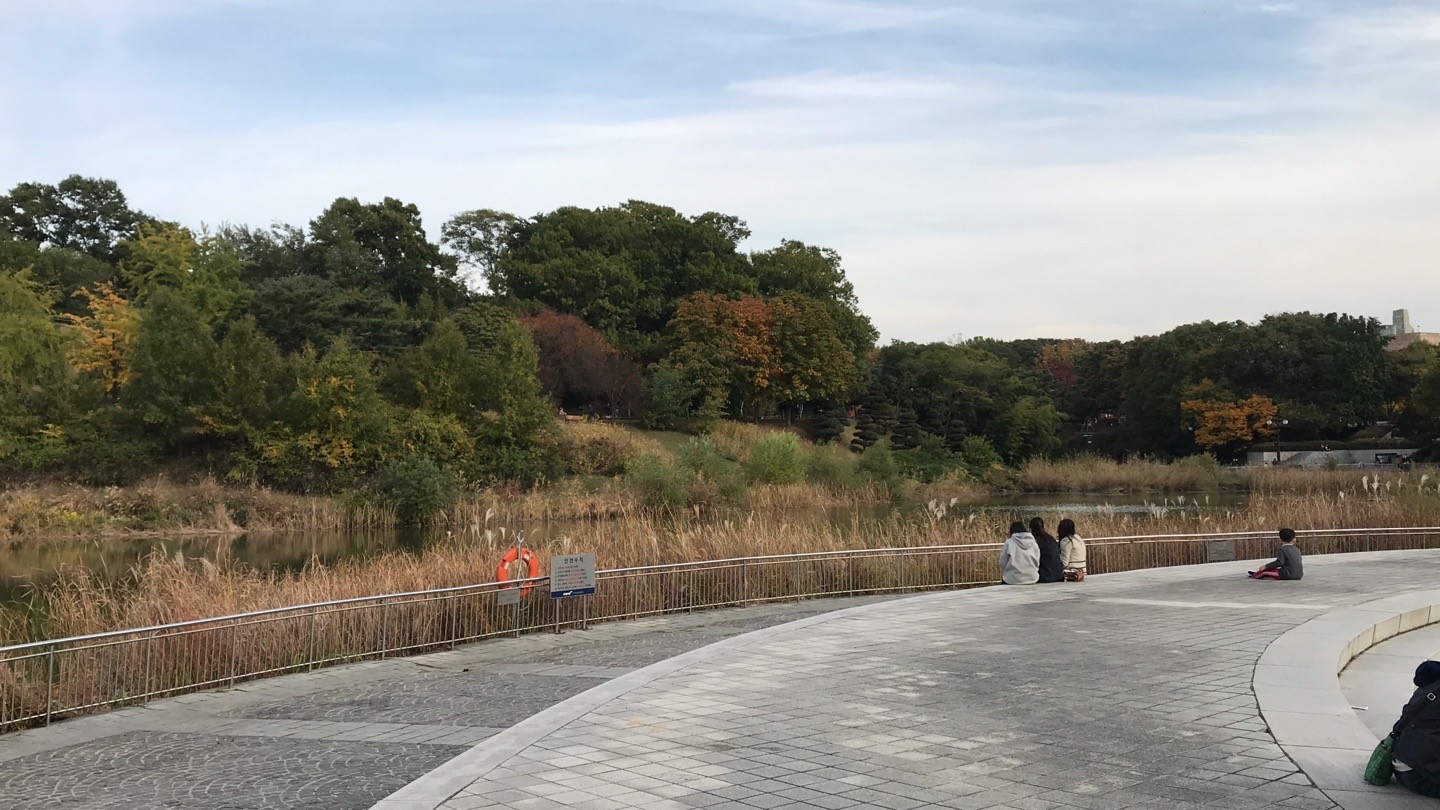
16.At 20, GMF sells only a one-day pass at KRW 132,000, with no two-day option. Its 30,783 paying visitors in 2025 made for the busiest two days of any Korean music festival on a per-day basis. For a new festival on this model, the hardest thing to secure is not a headliner. A public park has only a few autumn weekends a year, and someone has already held those dates for 20 years. A festival without the dates has no grounds to raise prices in the first place.