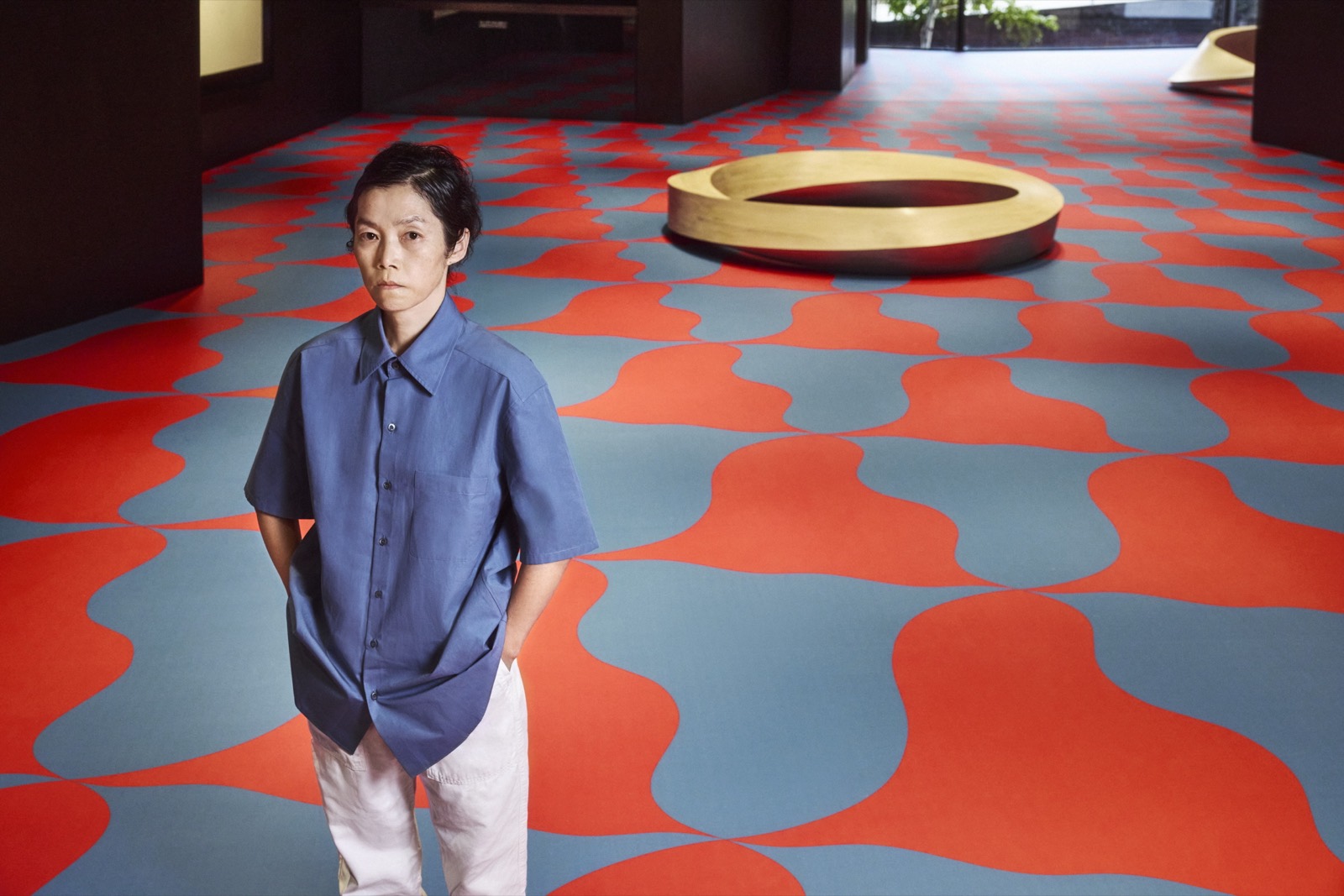
Leeum Museum of Art has gathered thirty years of Koo Jeong A's work in one place. Yet the 35 pieces are not in one gallery. They are scattered through the lobby, the traditional art galleries and even the cracks of the retaining wall outside, and visitors have to find them on their own.
1.Leeum opened "KOO JEONG A: OUSSSMOS" on September 5. It runs until December 27 at 60-16 Itaewon-ro 55-gil, Yongsan-gu, Seoul. About 35 works are on view, from early pieces of the 1990s to new work made for this show. Admission is KRW 18,000, and bookings open on the museum website two weeks before the visit date. Closed Mondays.
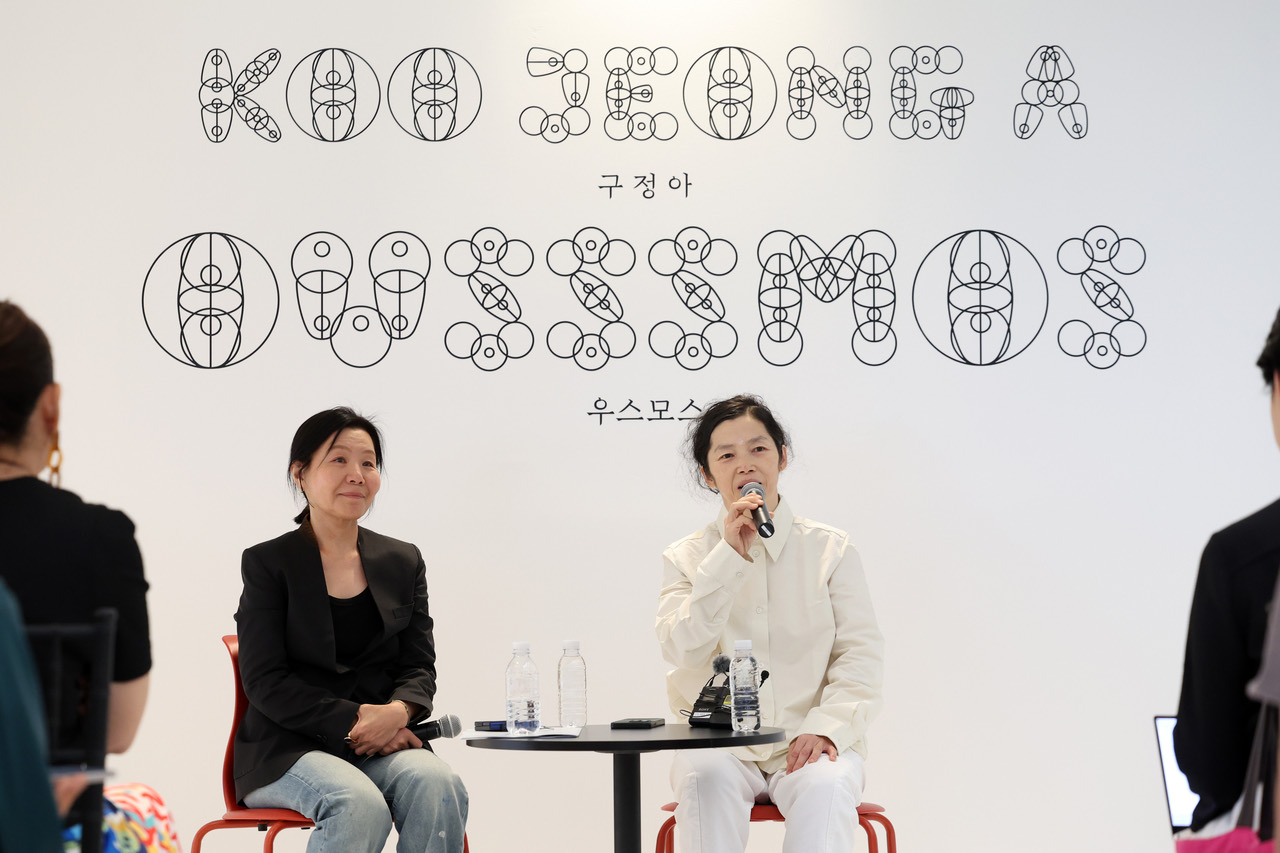
2.Koo was born in Seoul in 1967, studied painting at Seoul National University and moved in 1991 to the École nationale supérieure des Beaux-Arts in Paris. She has since worked between France, Britain and Switzerland, and Tate Modern and the Guggenheim hold her work. In 2024 she represented Korea at the Venice Biennale. This is the largest solo show she has had in Korea.
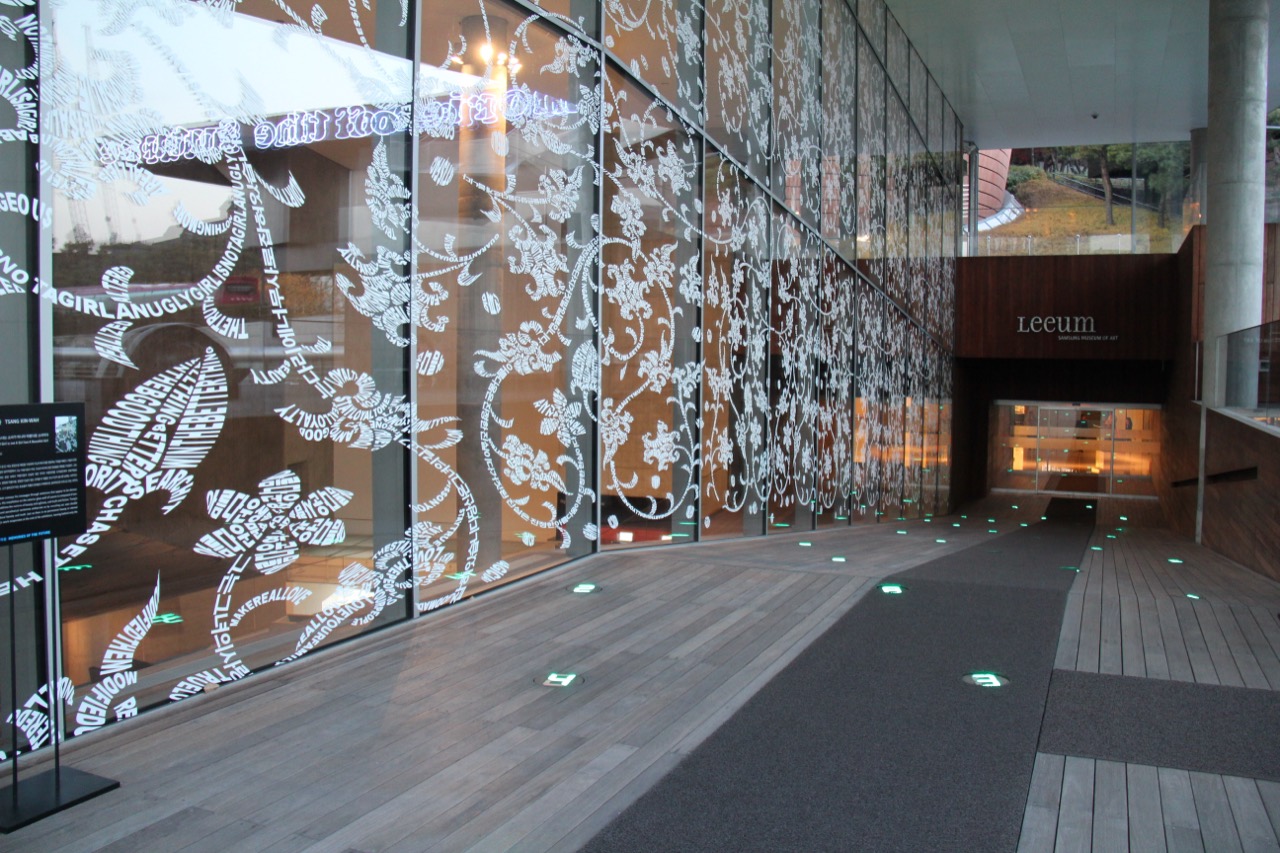
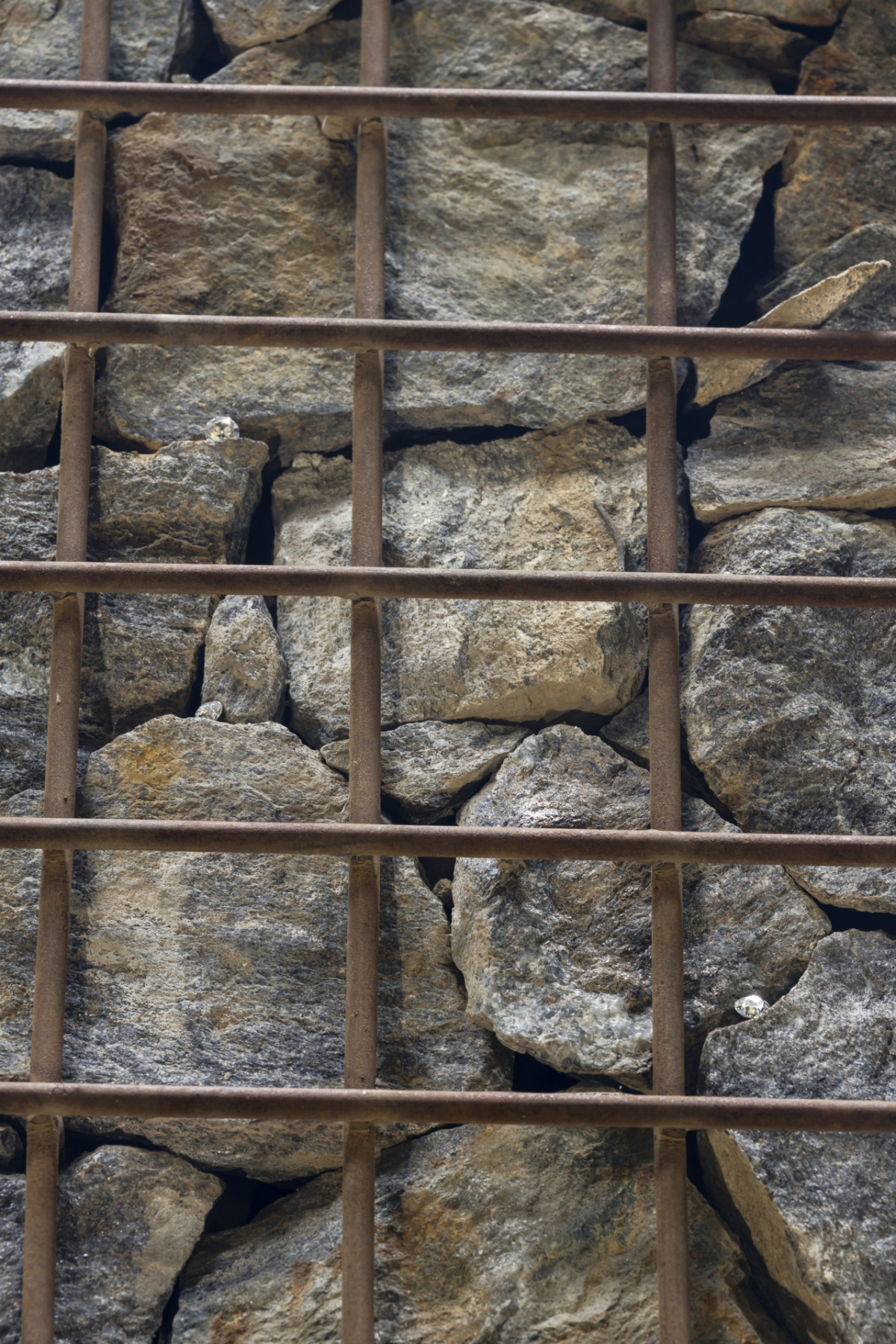
3.The show does not stay in one room. Besides the M2 exhibition hall, works were placed in the lobby, the permanent traditional art galleries and the cracks of the stone retaining wall outside. Magnet sculptures sit between cases of old ceramics, and crystals are lodged between the stones of the wall. The Herald Business put the artist's words in its headline: "The chance that you miss the work is part of the work."
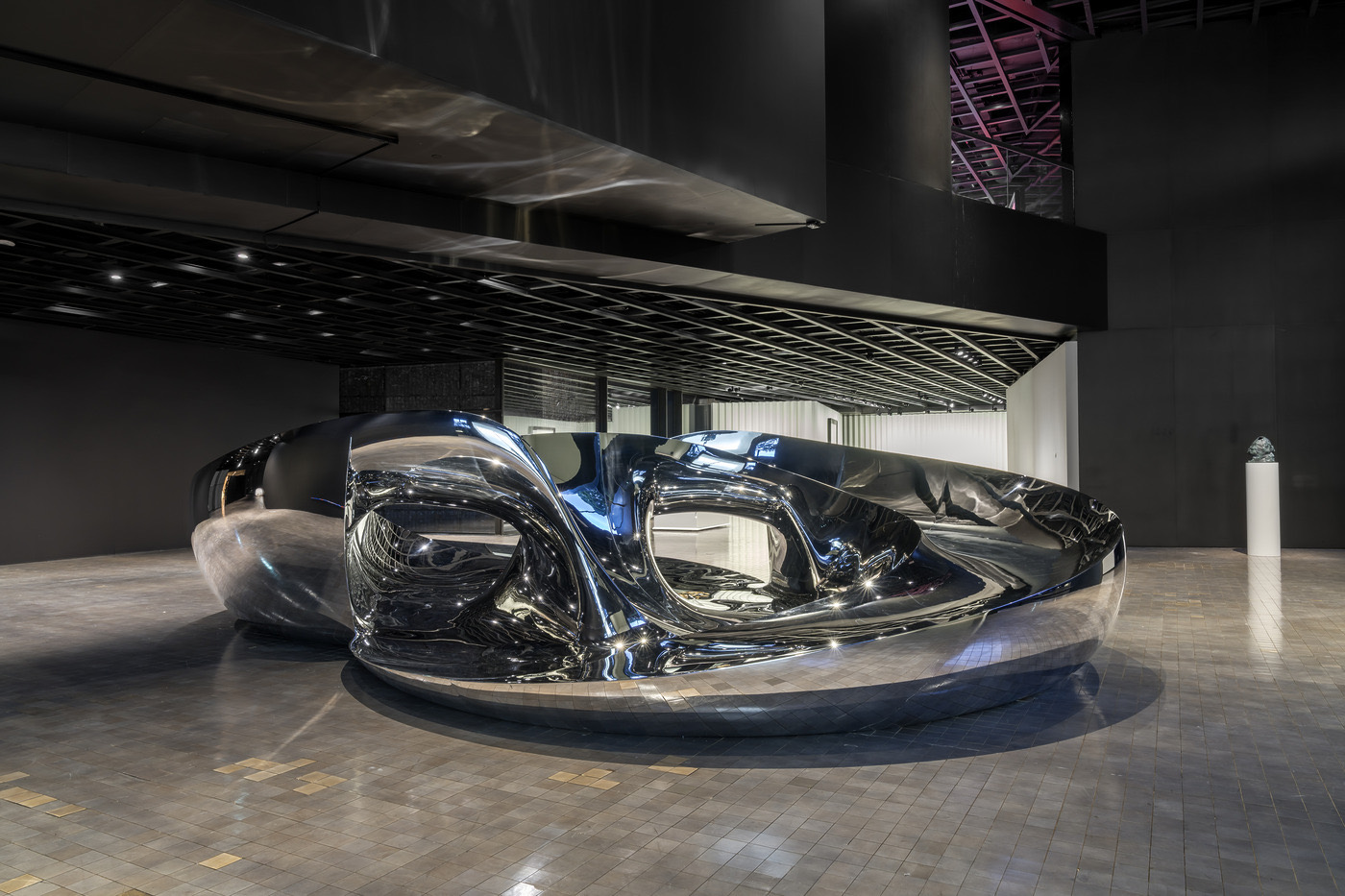
4.The works swing wildly in scale. The new "Mobius" is a stainless steel structure 8 m wide that gives three dimensions to the infinity sign Koo has repeated since 1998. Nearby stands a 1998 piece: 57 mechanical pencil leads leaning on one another with no glue. The pairing asks whether the bigger thing looks any sturdier.
5.The small works are many. "Magnet Cities" is nine sculptures standing on magnetic force alone, without nails or adhesive, and "R" packs 1,001 drawings made since 2005 into 77 wooden boxes. "Ousss," the word in the title, is something the artist made up as a child. Since the mid-1990s it has kept returning like a character, with a new face in each work.
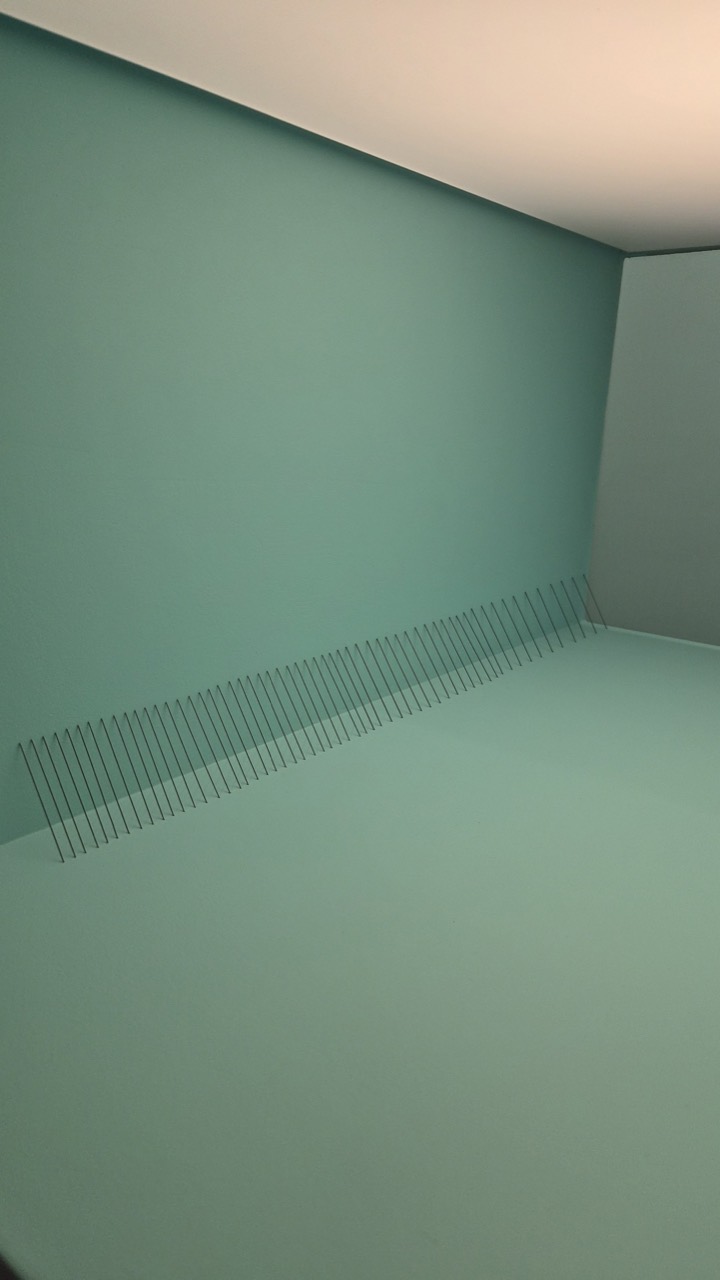
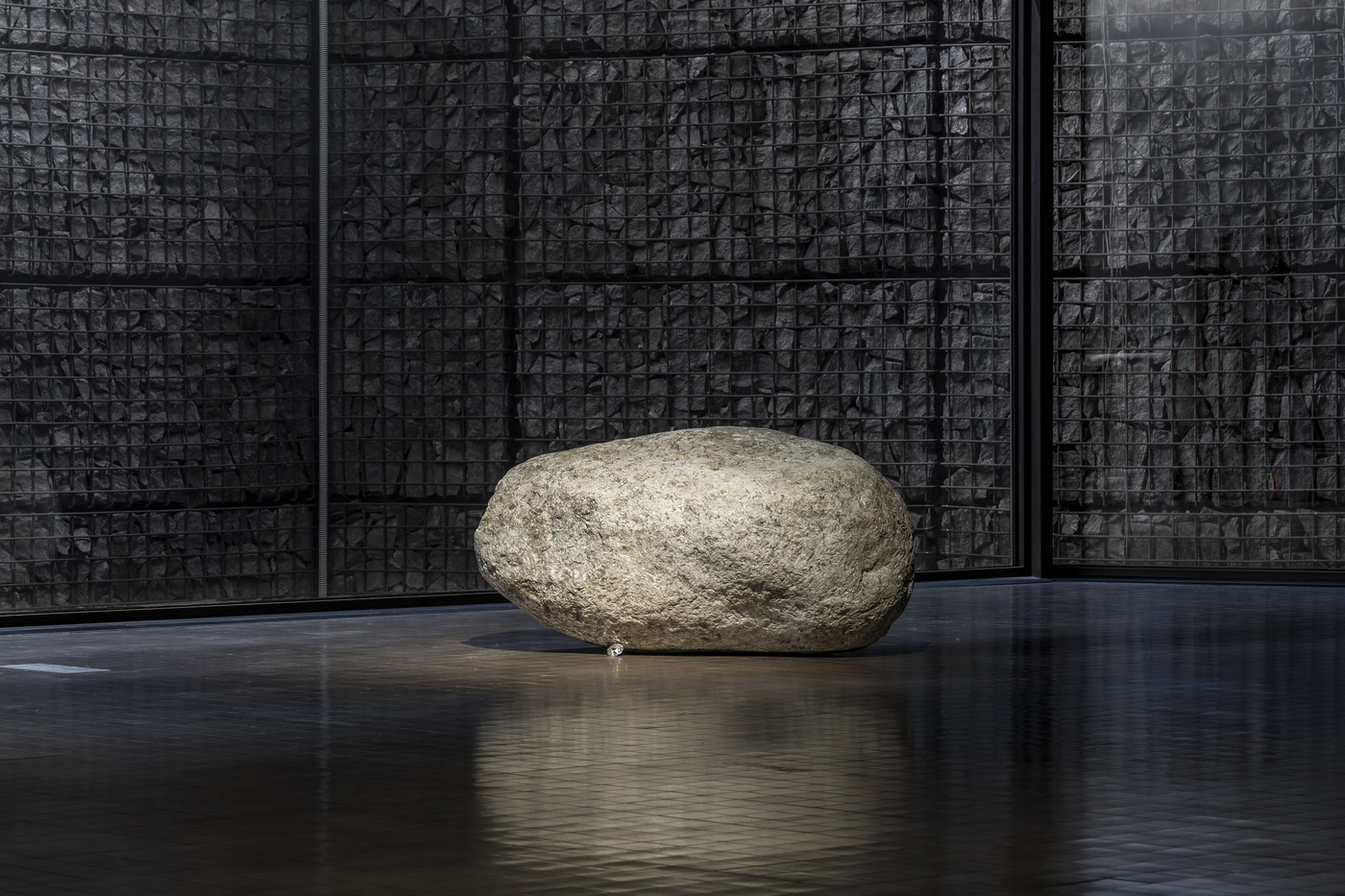
6."Gravita" in the lobby is a large curved structure coated with phosphorescent pigment. It soaks up light through the day, then glows green on its own once the room goes dark. A stone hangs in the air, held by magnetism, and scent drifts from a piece of wood. "Reality Upgrade & End Alone," made with 50 crystals, catches the eye only when light enters at a certain angle. This is a show you see by stopping and tilting your head. A phone screen does a poor job of holding that moment.
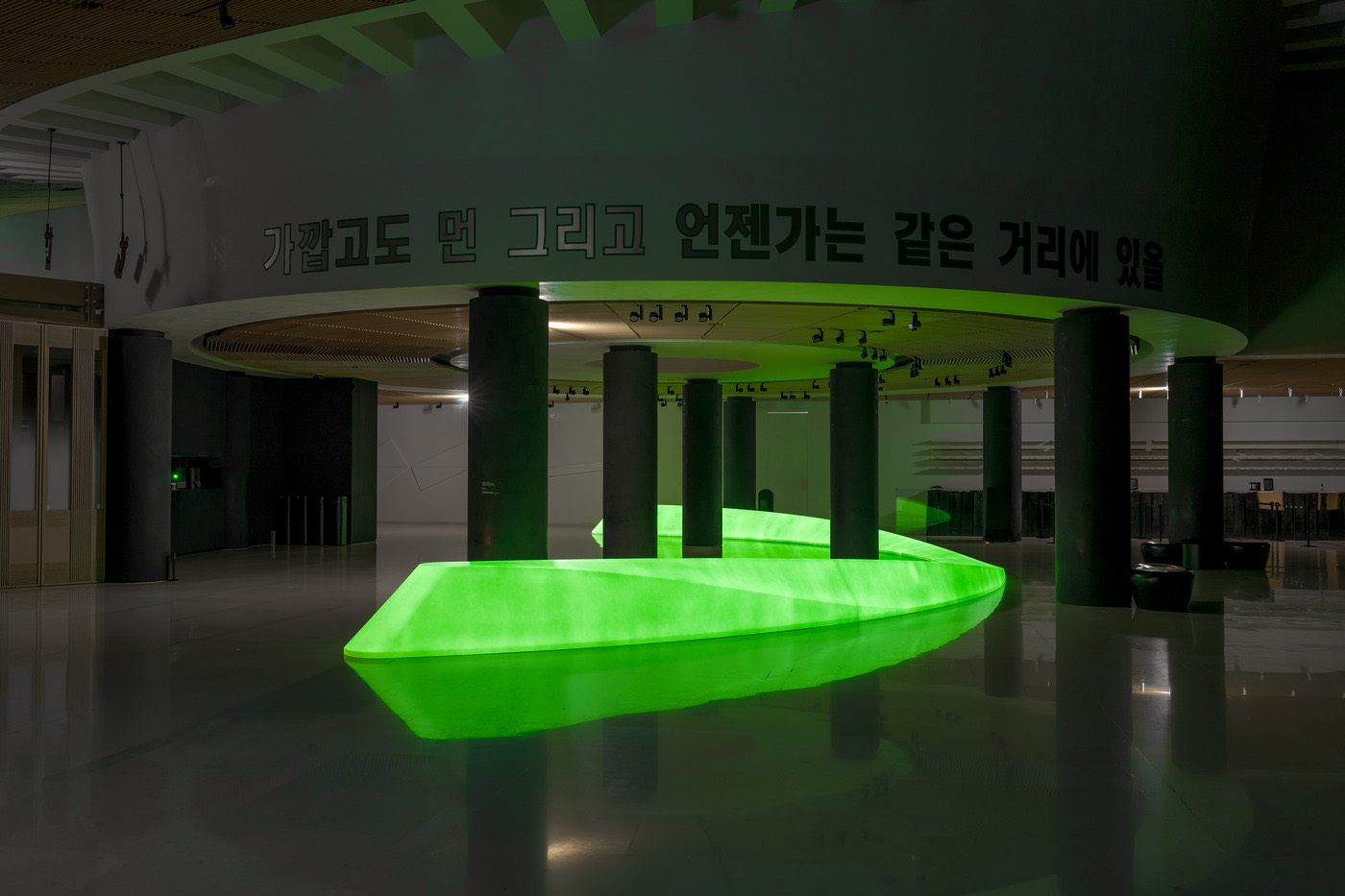
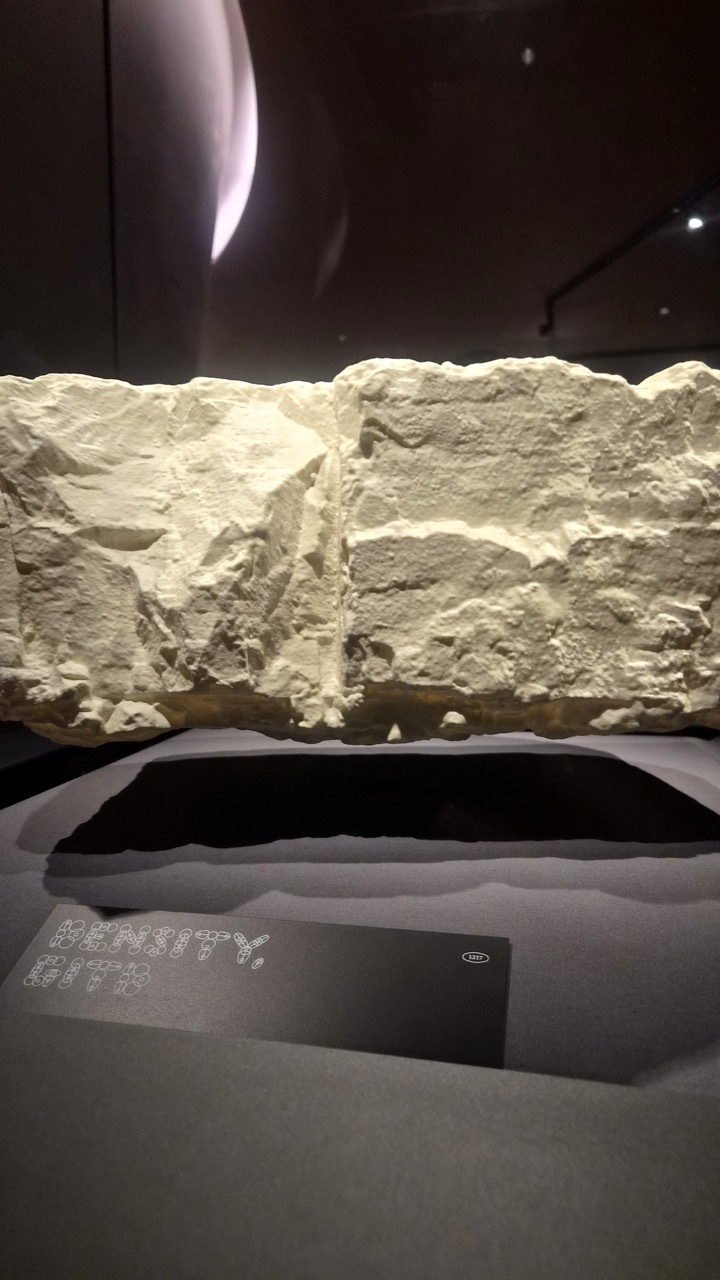
7.Most exhibitions now come with a fixed route. You walk the numbers from the entrance, pause in the room that photographs well and finish at the gift shop by the exit. This show removes that path. Visitors first have to work out what is a work at all, and the moment of finding one becomes the viewing itself. The whole building turns into a treasure hunt.
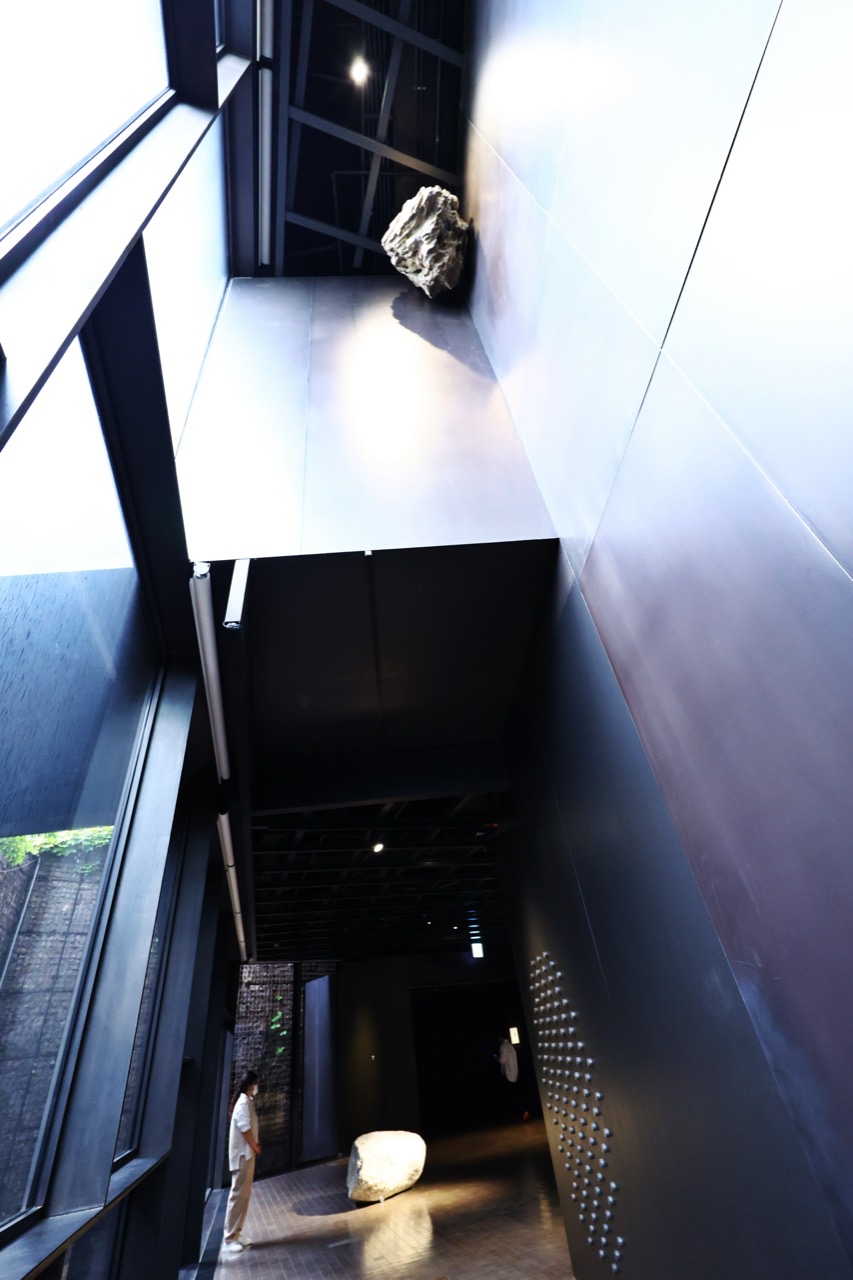
8.Finding travels. Someone who spots a crystal in the wall wants to tell a friend where it is, and the friend comes to check the same spot. Can anyone be sure on the way out that they saw everything? That doubt brings people back. A show with a fixed route ends after one visit, while this one leaves a feeling that something was missed.
9.In 2023 Leeum opened Maurizio Cattelan's "WE" for free. It showed 38 works in the same lobby and M2, and drew about 250,000 visitors according to Munhwa Ilbo. Three years on, a show in the same space charges KRW 18,000. Advance booking was required then and is now.
10.Next to the ticket sits the membership. "Leeum Friends" for one person costs KRW 100,000 a year. Members see exhibitions free and get 10% off at the café and shop. Six visits to a KRW 18,000 show come to KRW 108,000, more than the annual fee. For visitors who suspect they missed some of the scattered works, that is a reason for a second and third visit.
방문 횟수별 표값과 멤버십 연회비
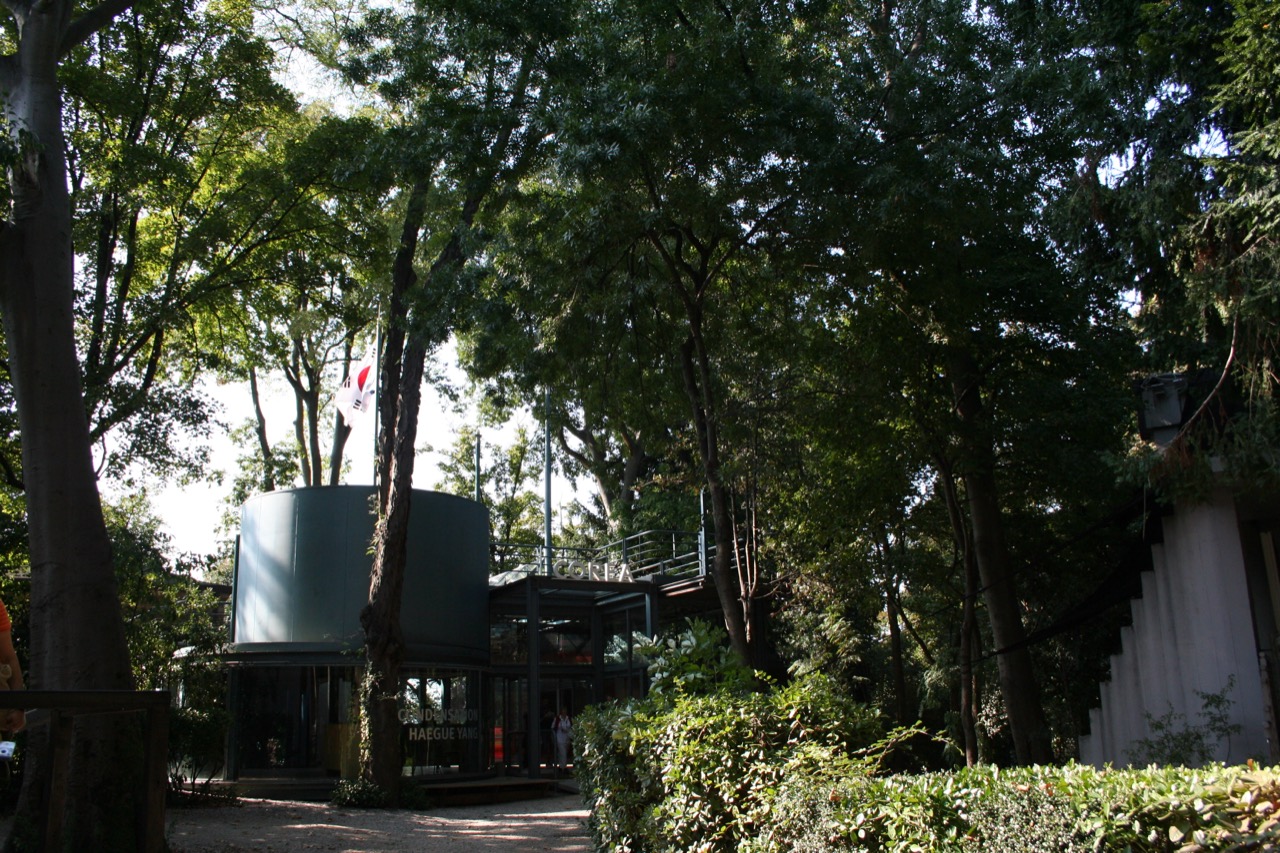
11.If 250,000 people came again, as they did for Cattelan, and all paid full price, tickets alone would bring in KRW 4.5 billion. The real figure is lower because members and discounted visitors are mixed in, and with Mondays taken out the run is just under 100 days. The traditional art galleries are free. As paying visitors hunt for works through the free rooms, they stay longer and pass the café and shop one more time.
12.Who pays for work like this became clear in Venice in 2024. For the Korean Pavilion show "Odorama Cities," Koo spent three months from summer 2023 collecting 600 stories about smells that recall Korean cities and hometowns. Keywords drawn from them became 16 scents released into the pavilion. As a national pavilion it runs on public money, and Hyundai Motor Company joined as sponsor that year.
13.Before that came skateparks. "OTRO," commissioned in 2012 by the art center on the Île de Vassivière in France, was a skatepark whose surface glows after dark. In 2015 a second one, "Evertro," opened in Everton Park, Liverpool. Liverpool Biennial and the city's mayor commissioned it, and Koo met local skaters and youth groups during design. According to the Biennial, the park charity The Land Trust now runs it.
14.A crystal in a wall or a floating stone does not move easily into a collector's living room. How do you hang scent, magnetism or light on a wall and sell it? So Koo's work has found its place through museums, biennials and city commissions. In an interview with Kukmin Ilbo she said she had asked whether art could become infrastructure that holds society up. A skatepark that glows at night is close to her first answer to that question, and Leeum itself describes the new "Mobius" as a structure that recalls both the infinity sign and a skatepark.
15.For a private museum the math here is awkward. Scattered works mean more guides and longer security routes, and using the lobby and permanent galleries as exhibition space means sharing them with other shows. In return each visitor walks the whole building. A museum run by the Samsung Foundation of Culture charges for tickets yet weights its layout toward time spent inside.
16.Leeum did not put Koo's 35 works in one gallery but spread them across the building, and visitors pay KRW 18,000 to go looking for them. This is the same lobby that drew 250,000 people to a free show three years ago. Another museum trying the same layout would run first into insurance and security, not the art. Works between display cases and in wall cracks have few eyes on them, so getting insurance terms that cover those spots takes as long as the installation.