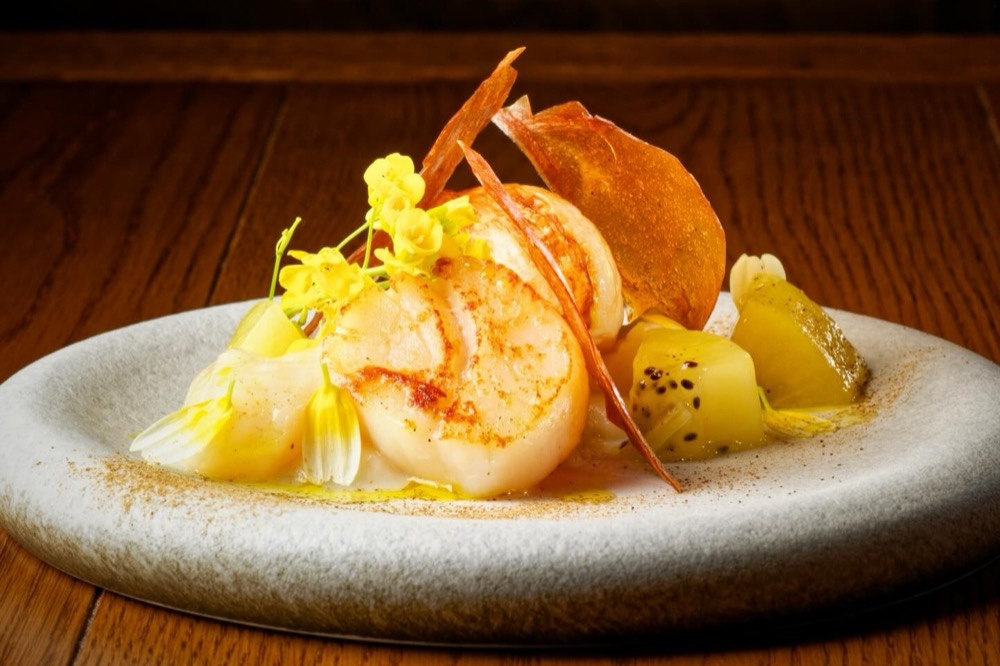
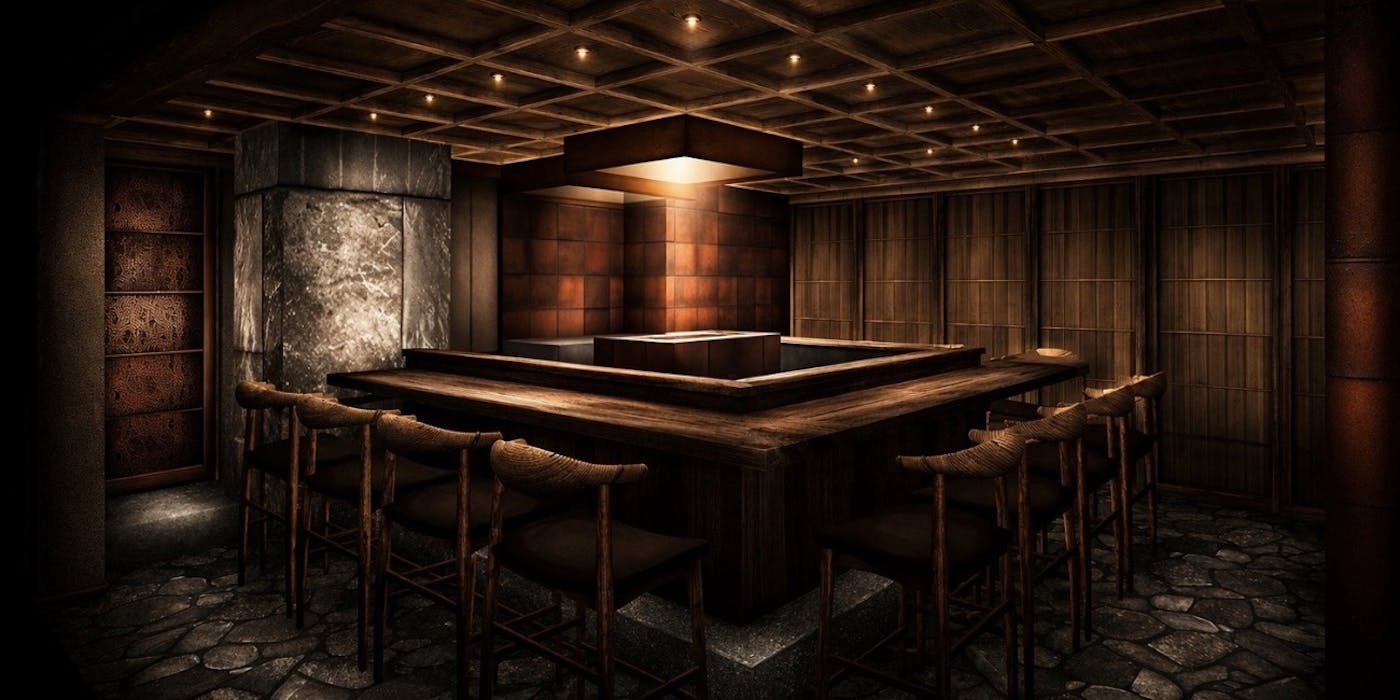
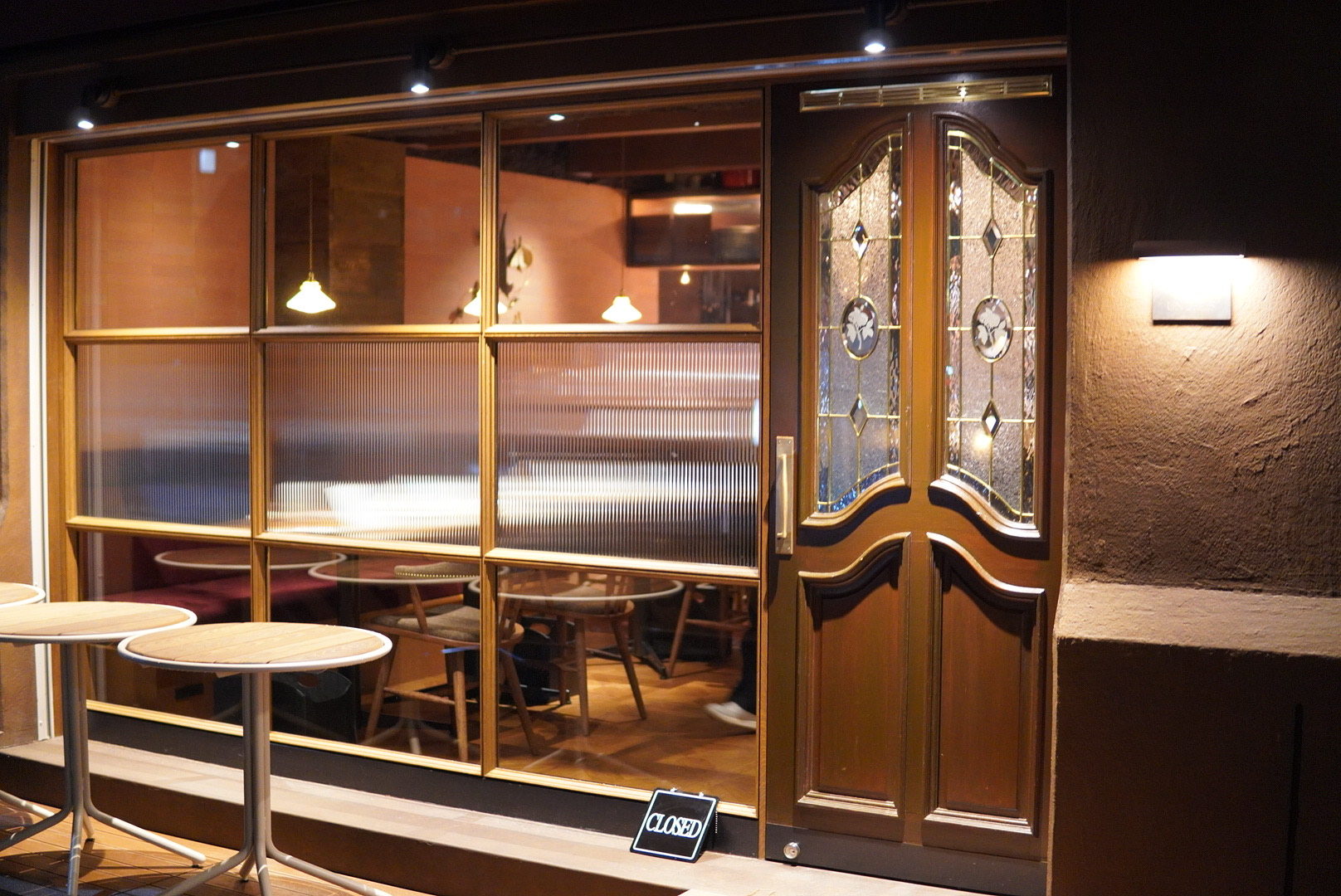
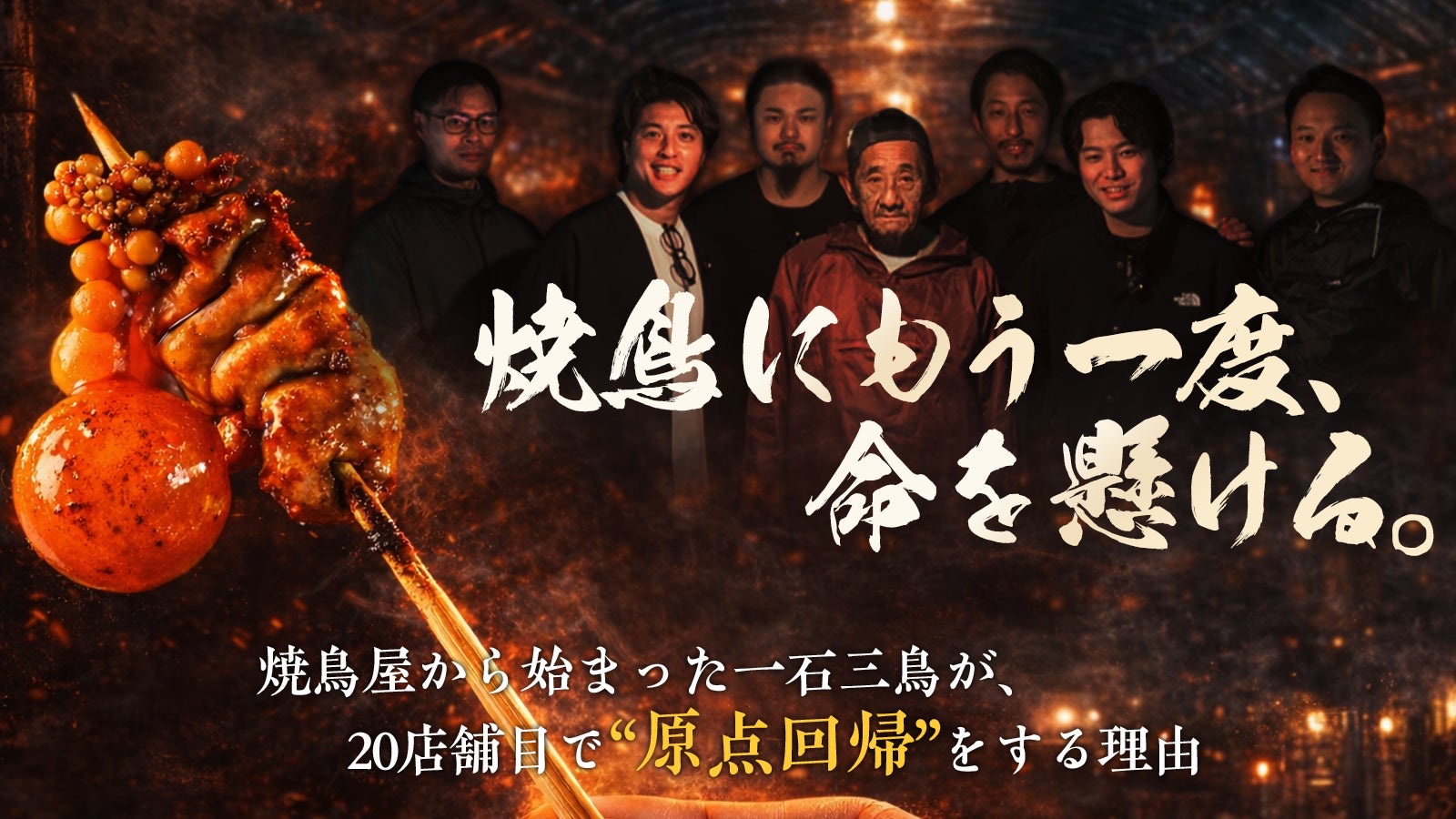
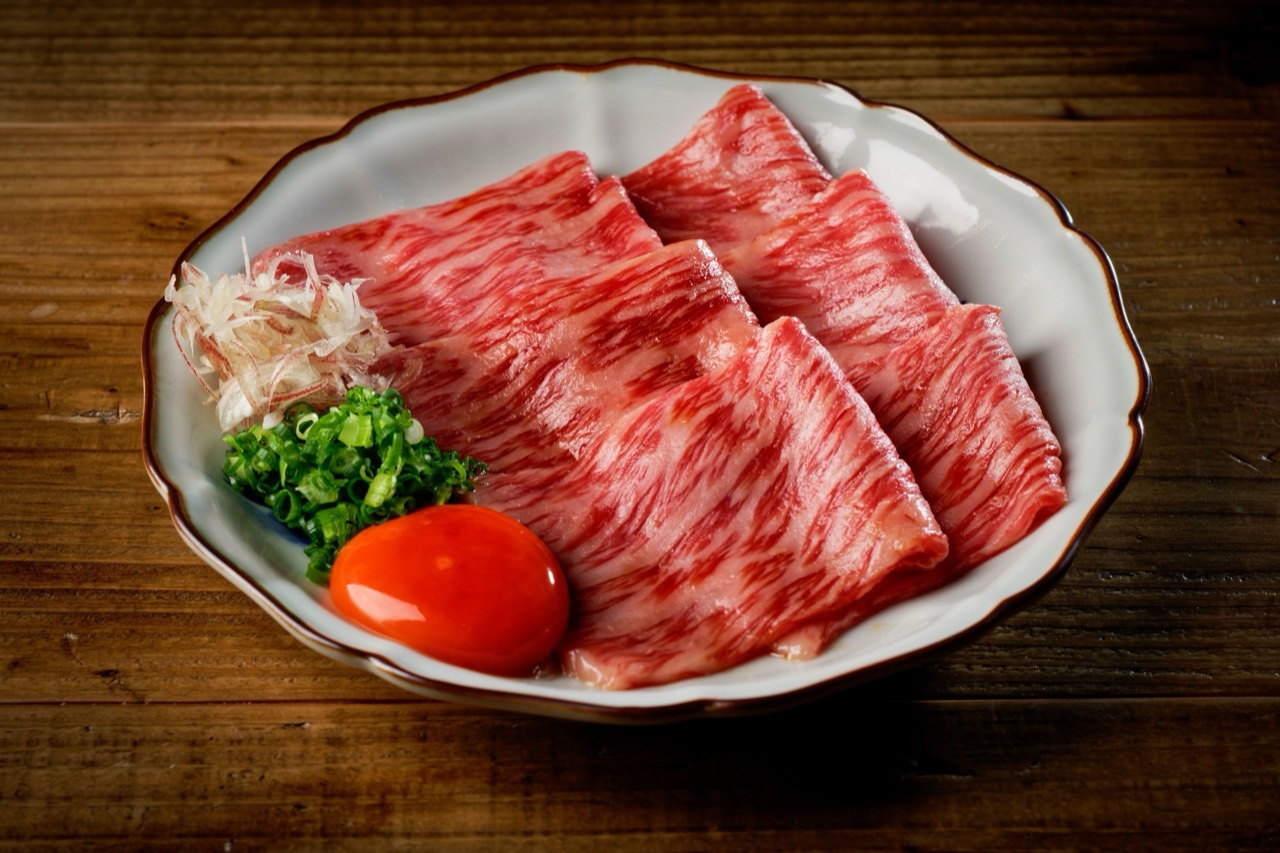
The first bird has 17 seatsBistro Un Trois, opened April 29, 2026. Seven counter seats and ten at tables, 17 in all. It runs from 17:00 to 23:00 and closes on Wednesdays. ⓒTableCheck
Daily dining
Isseki Sancho in Shibuya: three restaurants on one street, and why they were not one
2026.07.26
Maruyamacho, a back street of Shibuya, Tokyo. A French bistro opened on April 29, and five days later, on May 4, a sushi restaurant opened on the floor above it. In mid-July a yakitori place joined on the ground floor of the building next door. All three belong to the same operator. The group is called Isseki Sancho, three birds with one stone. The name is not simply a name, it is a summary of the business model. What matters here is not that Tokyo has another good restaurant, but why they did not build one large place and instead split it into three small ones. The answer is not in seat count, it is in cost, turnover and leverage in a lease negotiation.
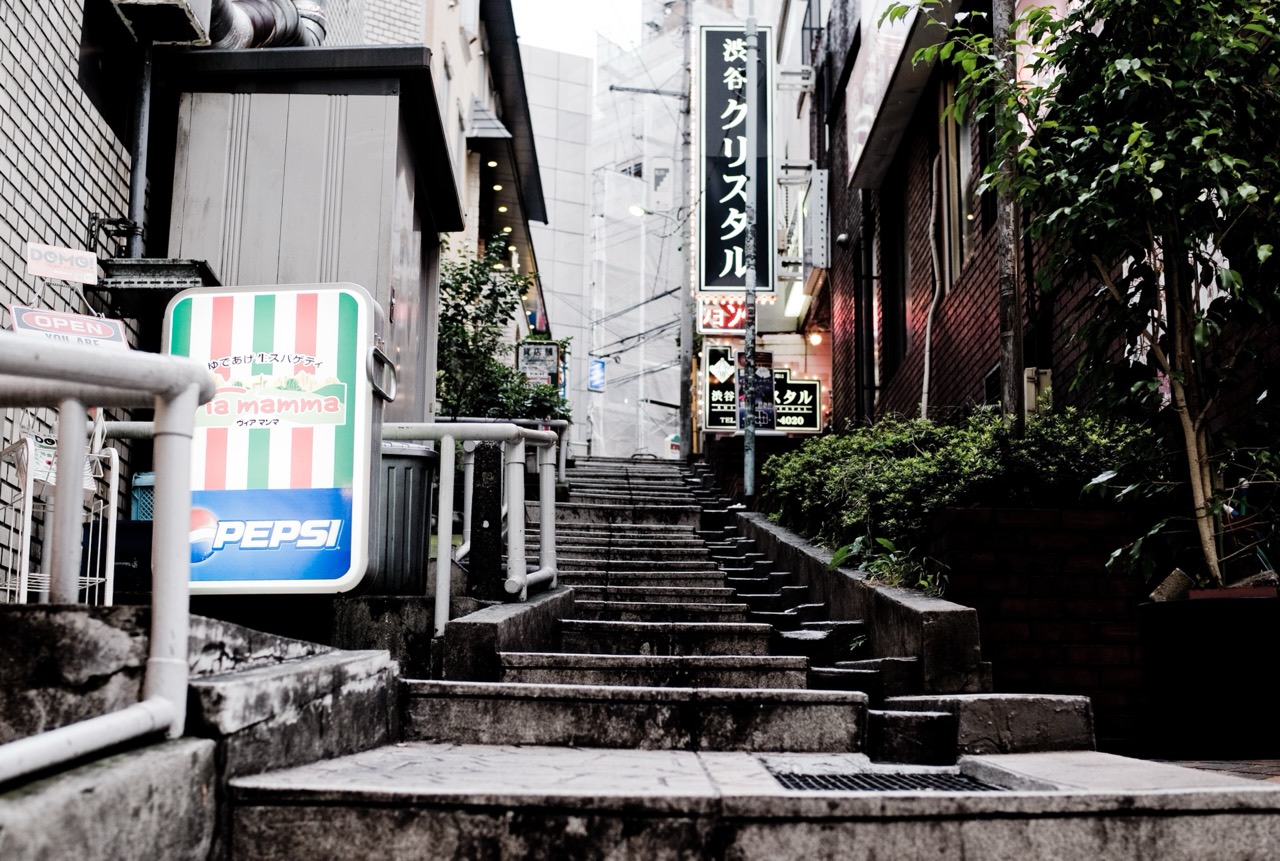
1.Start with the location. Up Dogenzaka from Shibuya station, two minutes on foot from Shinsen station, around 5-10 Maruyamacho. Not the front of the entertainment district but a back street that turned from an old geisha quarter into a love hotel quarter, so rent runs visibly cheaper than on the Shibuya main street and almost nobody walks in off the street. Every seat that has to be filled is a reservation.
2.The first restaurant. Bistro Un Trois on the ground floor, opened April 29, 2026. Seats are 7 at the counter plus 10 at tables, 17 in total. Courses run 12,800 yen for seven dishes and 15,800 yen for nine, with a 10% service charge, and à la carte carries an 800 yen cover per person and 5,000 yen corkage. Evenings from 17:00 to 23:00, closed Wednesdays. Trade media put spend per head at 15,000 yen.
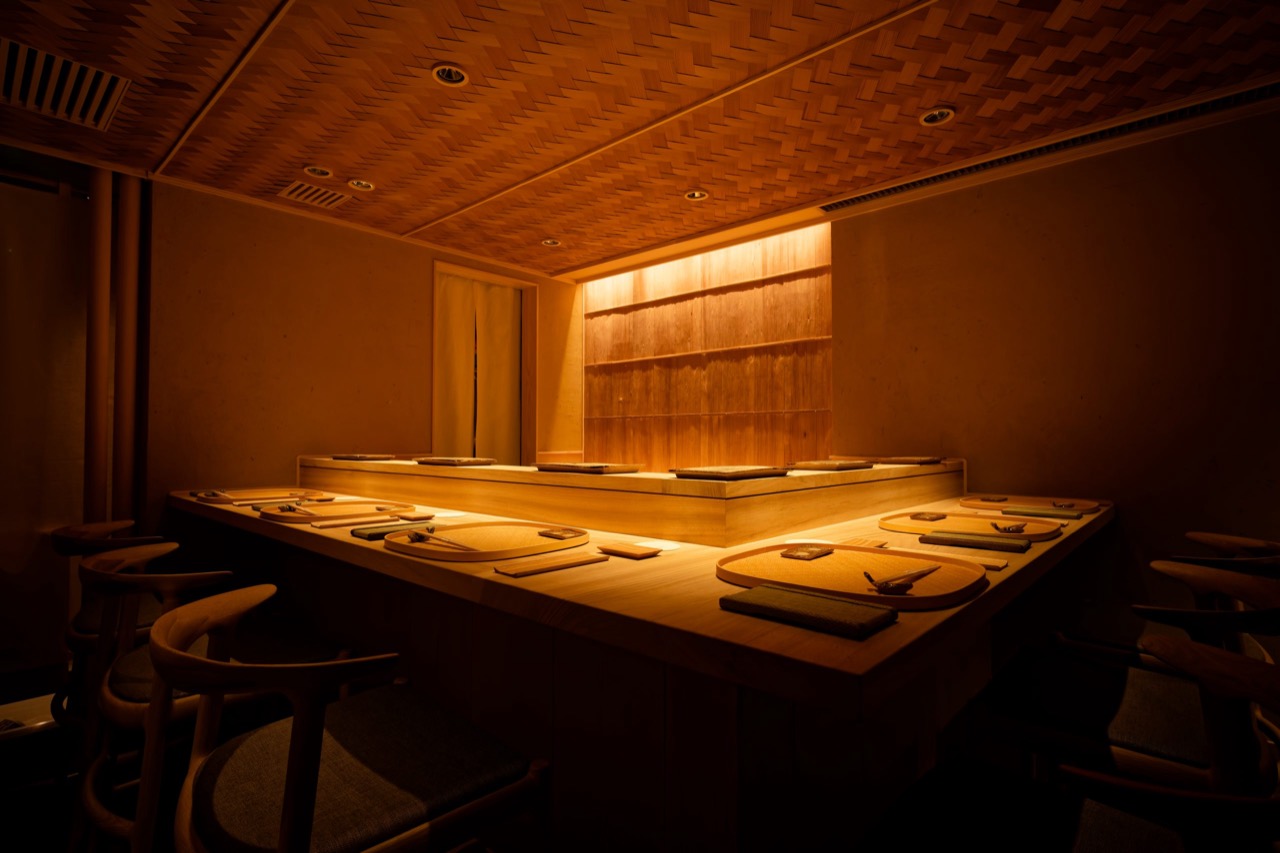
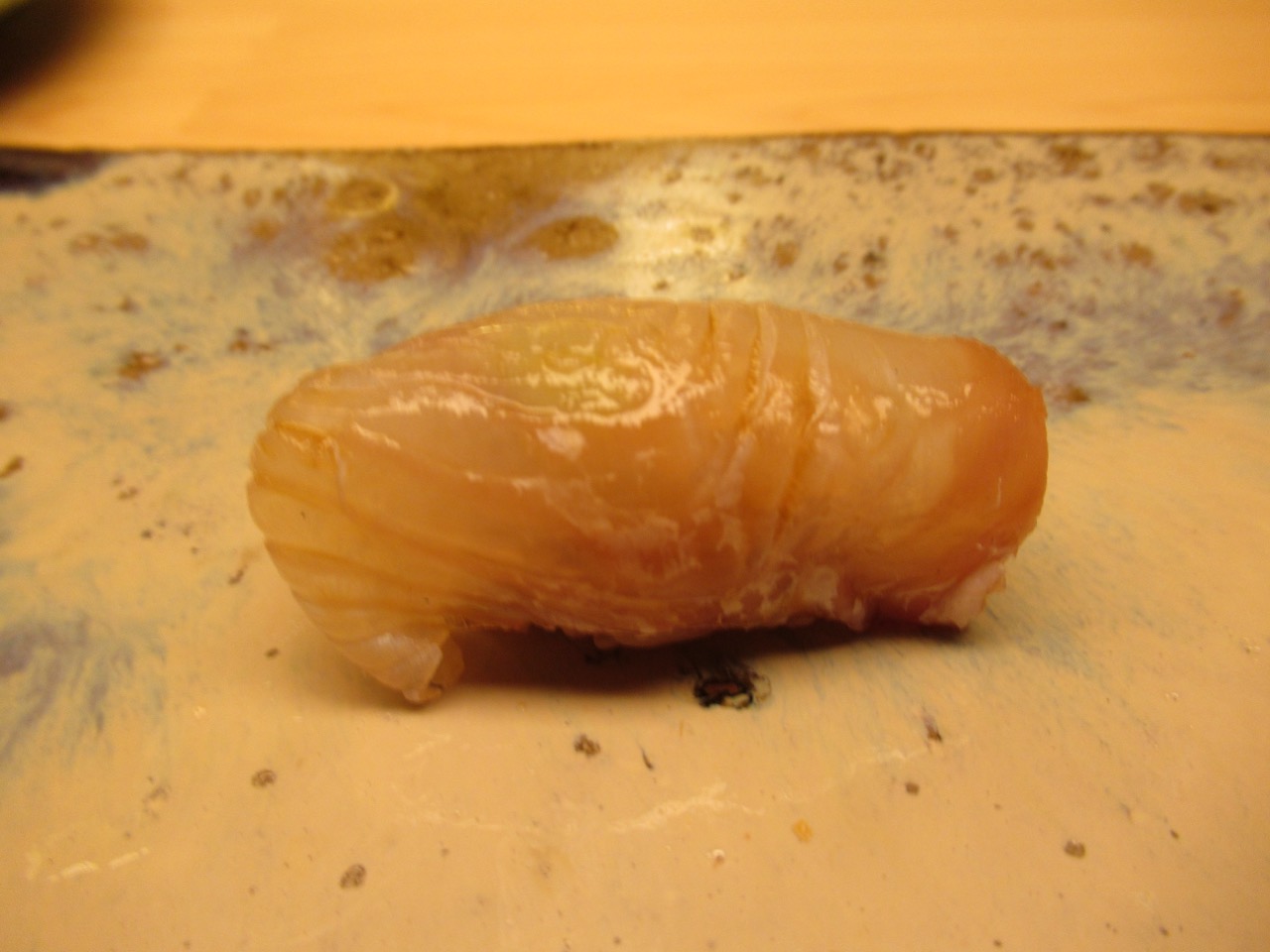
3.The second restaurant. Sushisho Isseki Sancho, on the second floor of the same building. It opened May 4, five days after the floor below. 16 at the counter plus 11 in a semi-private room, 27 in total, spend per head 20,000 yen, omakase course in the 19,800 yen range. The theme is dashi, the broth, and the vessels are Edo kiriko glass. Weekdays are dinner only, weekends and holidays add an 11:00 lunch.
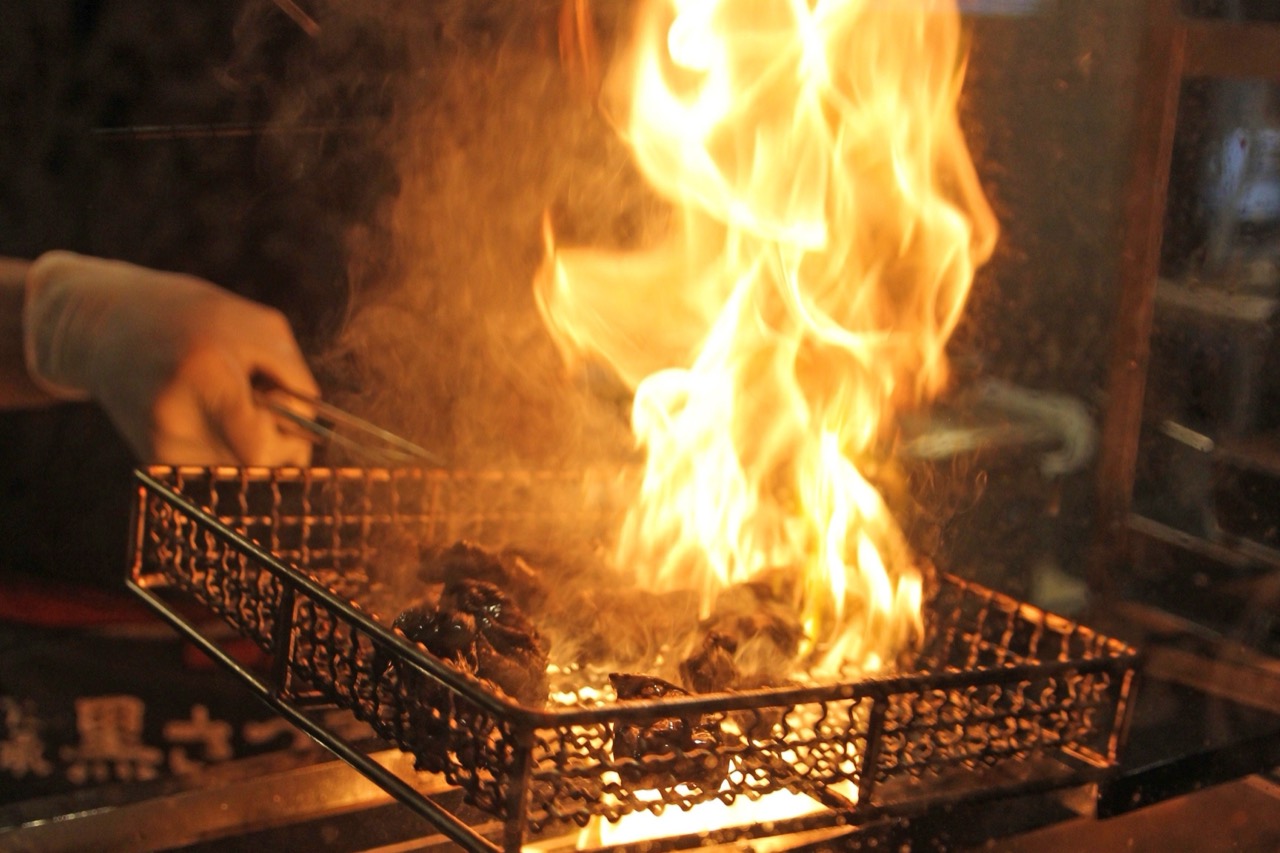
4.The third restaurant. Torikage Isseki Sancho on the ground floor at 5-11, right next door. It opened in mid-July, serving yakitori. 12 at the counter plus one four-person private room, 16 in total, with a dinner budget of 8,000 to 9,999 yen. One decisive line attaches here. From 10:00 to 13:00 the same room runs a breakfast format called Samjo. One piece of real estate sells twice a day.
The third bird is yakitoriTorikage Isseki Sancho, opened in mid-July. Twelve counter seats and one four-person private room, 16 in all. Its dinner budget of 8,000 to 9,999 yen is the lowest of the three. ⓒIkyu.com Restaurant
5.The operator is Human Qreate (Shimbashi, Minato ward, Tokyo), led by Takushi Yoneda. It started in 2020 and reached 20 locations in six years. The mix is 8 sushi, 4 yakiniku and 2 yakitori, with wagyu, kaiseki and izakaya attached. Shimbashi, Akasaka, Nishi-Azabu, Kachidoki, plus Osaka, Kyoto and Shizuoka. The concept fits in one line, luxury within reach.
6.The real frame of this group lies elsewhere. It holds a seafood wholesale subsidiary called Full Bet, taking direct shipments from roughly 150 fishing ports nationwide, and runs its own central kitchen. Meat covers wagyu, Ezo deer, lamb and Miyagi poultry, and the wheat for bread comes from Hokkaido. The phrase the company uses is blunt: healthy price destruction. It is a declaration to strip out the middle of distribution and serve something better at the same price.
The second bird is upstairsSushisho Isseki Sancho, which opened on the second floor of the same building five days after the bistro. Sixteen counter seats surround the chef, with an 11-seat semi-private room behind. Fish arrives by direct shipment from 150 ports through the group's seafood subsidiary. ⓒTHE-SELECTION
7.Now take it apart. First, the three seating plans each do a different job. The bistro runs 7 counter against 10 table seats, more tables, which takes couples and small work dinners. Sushi runs 16 counter against 11 semi-private, where the counter makes the rate and the private room takes entertaining. Yakitori runs 12 counter against 4 private, almost entirely counter, which means turnover. On one street, guests are divided by purpose into three.
8.Second, there are three kitchens and one supply line. The three do not each phone the market. Fish comes through the group's seafood subsidiary, and meat and wheat through group procurement in a single call. Buying power grows on the combined volume of three, and cost is managed in one place. They manufactured a condition small restaurants never get, at the scale of one street.
9.Third, the menus reference each other. The amuse at the bistro translates the group's other formats into French grammar, the yakitori, the sushi, the yakiniku, the bar, the Korean place. A bird-shaped duck rillettes sablé taken from the yakitori, a playful name attached to a potato soup. For a guest it is a trailer for the other restaurants, and for the kitchen it is reuse of a recipe that already exists.
10.The obvious question follows. Add the three and there are 60 seats. So why not build one 60-seat place, why split it into three. That question is the substance of today, and the answer comes with numbers later. First, why guests come.
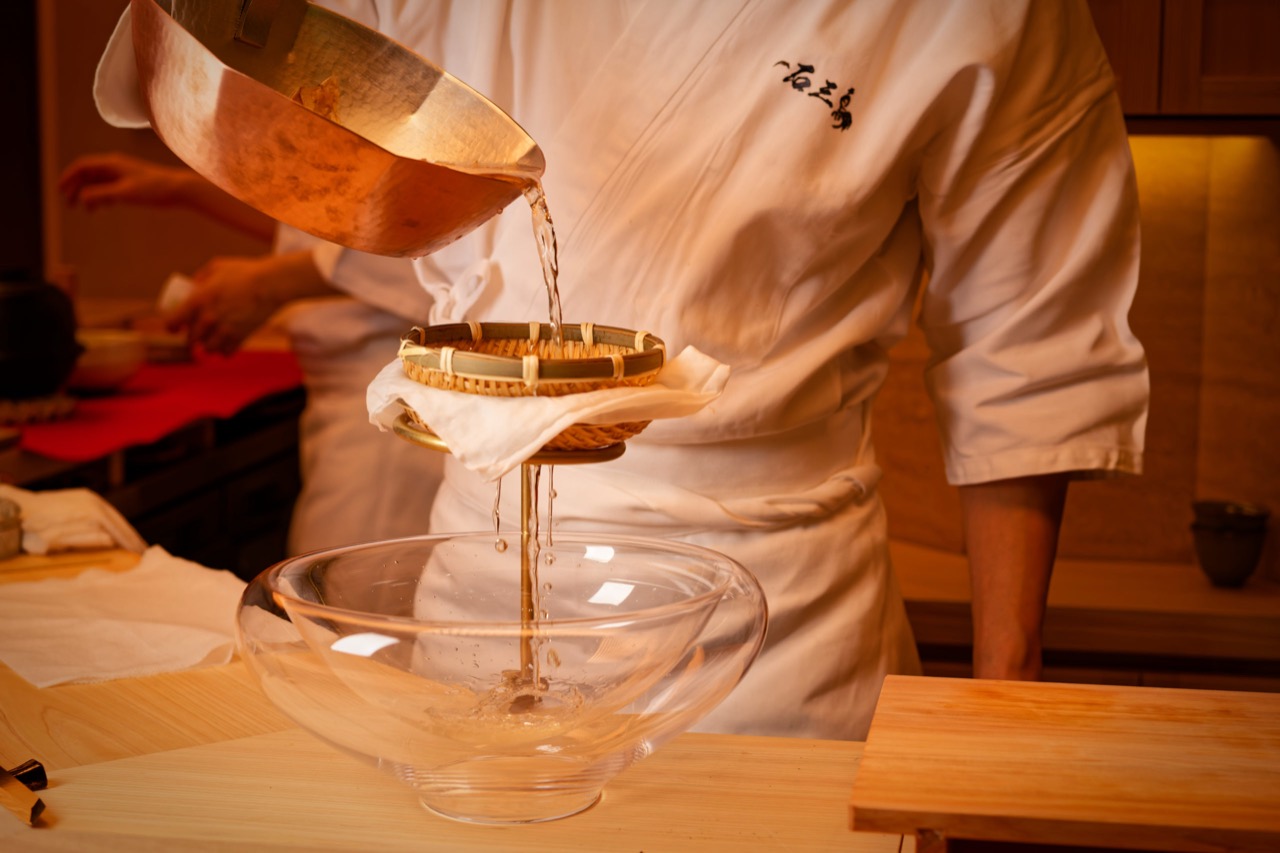
A counter at 20,000 yen per headThe omakase course runs in the 19,800 yen range, with dashi as the theme. The vessels are Edo kiriko glass. Weekdays are dinner only, and an 11:00 lunch opens on weekends and holidays. ⓒLiveen Times
11.First, the price bands are precise. 8,000 yen, 15,000 yen, 20,000 yen. In Tokyo this band is where you can entertain on company money and still go on your own money for something special. The 30,000 to 50,000 yen band chasing Michelin stars is once a year, while this band is once a quarter. Luxury within reach is not a feeling, it is a price that designs the return interval.
12.Second, one guest sells three times. A guest satisfied at the yakitori books the sushi upstairs for next month's entertaining and the bistro downstairs for an anniversary. Trust built once travels across formats. Acquiring a new customer is the most expensive thing in this industry, and this structure holds three things to sell to a guest already won.
13.Third, the street itself becomes a destination. One restaurant ends at people saying it is good, while three on the same street turn that street into a search term. The weakness of a back street with no footfall is erased by manufacturing a destination. They chose a cheap address and solved the crowd problem with density.
Why they chose a site with no footfallShinsen and Maruyamacho sit behind the Shibuya entertainment district, in a back street that came out of an old geisha quarter. Fewer people walk here, and rent runs cheaper than on the main road. ⓒJoi Ito / Wikimedia Commons (CC BY 2.0)
14.Fourth, missed reservations are picked up inside the group. A 17, 27 or 16 seat restaurant is certain to be full on a Friday evening, and normally that is where the guest is lost. Here, when the upper floor fills, the guest goes downstairs or next door. A structure where a declined booking converts into revenue somewhere else does not exist when you have one restaurant.
15.Fifth, service is the brand. The group presents a service standard drawn from the bridal industry. The calculation is that at a price band where food cannot differentiate, the sense of having been looked after is what brings people back. Receive 20,000 yen service at an 8,000 yen yakitori and a guest remembers the gap.
20,000 yen service at an 8,000 yen seatThe three price bands are spread at 8,000, 15,000 and 20,000 yen. The service standard the group presents comes from the bridal industry. ⓒTHE-SELECTION
16.It is not the first. Japanese cities have always had a zakkyo building culture. Each floor of one building fills with a different restaurant and guests choose a floor from the elevator. The difference is that those floors have different operators. What changed here is one thing, that a single operator filled the whole building with its own brands. The form is old, the owner changed.
17.On procurement the precedent is clearer. Tsukada Nojo of AP Holdings is the prototype. Its model runs production, processing, distribution and sale of Miyazaki jidori and Kurosatsuma chicken in house, connecting production straight to sale, on the logic that stripping out the middle margin puts high quality at a low price. Full Bet and the direct shipments from 150 ports are the seafood version of that grammar.
18.The method carries its own trap. Tsukada Nojo was once cited for violating the Act against Unjustifiable Premiums over its labeling of jidori, the heritage chicken. Sell an origin and a breed, and the label becomes the product, so one slip shakes the whole brand. Vertical integration holds cost down while pulling labeling risk onto your own desk.
From production straight to the seatThe prototype for holding procurement directly is Tsukada Nojo of AP Holdings. It runs production, processing, distribution and sale of regional heritage chicken in house and strips out the middle margin. ⓒPR TIMES
19.Revenue per pyeong at a 20,000 yen sushi bar and an 8,000 yen yakitori is almost identical. Talk about money head-on here. What follows is my estimate, laying customary turnover and floor area by format over the published seat counts and spend per head. Sushi at 27 seats × 1.2 turns × 20,000 yen gives 650,000 yen a day, the bistro at 17 × 1.3 × 15,000 gives 330,000 yen, the yakitori at 16 × 1.8 × 9,000 gives 260,000 yen.
20.Now divide by area (estimated at 35 pyeong for sushi, 20 for the bistro, 14 for the yakitori, over 26 trading days a month). Monthly revenue per pyeong comes to about 480,000 yen for sushi, about 430,000 for the bistro, about 480,000 for the yakitori. They converge. The reason is simple. High spend per head kills turnover, low spend per head keeps it alive. However far upmarket the format goes, the ceiling on revenue per pyeong barely rises.
Revenue per pyeong convergesA 2.2 times gap in spend per head is erased in revenue per pyeong. If that is so, the reason for splitting into three formats is not to raise revenue. The cost side is where to look.
21.So the reason for splitting into three lies in cost, not revenue. First, lease leverage. When one operator takes a whole building and the one next door, the terms per pyeong change. Second, staff. Three sites side by side let people move on a busy night, which cuts the safety headcount each site has to carry. Third, inventory. With one supply line, one fish gets used three times.
22.The third is the striking one. Sushi takes less than half of a good fish. The bones and offcuts become fumet and rillettes at the bistro, and the chicken bones from the yakitori go into the broth of the breakfast format. From the circumstances it looks designed that way (this is my reading). What is confirmed is that procurement and the central kitchen are shared across the group and that the menus reference each other. Three birds with one stone, exactly as the name says.
23.In numbers it looks like this. Customary cost ratio at a fine bistro or sushi bar is 30 to 35%. Strip out distribution steps through direct shipment and you can either use a grade better of ingredient at the same cost ratio, or accept a 40% cost ratio and raise the value a guest feels. The group's healthy price destruction is the second one. It is a model that raises the cost ratio and makes it back on turnover and return visits (cost ratio figures are estimated from customary industry levels).
One fish sells three timesSushi takes less than half of a single fish. The remaining bones and offcuts go into fumet and rillettes at the bistro. ⓒLiveen Times
24.A crowdfunding campaign with a 300,000 yen target. Opening the yakitori, the group put a project on Makuake with a target of 300,000 yen. Around 1% of the capital expenditure on one site. The campaign confesses on its own that raising money is not the point. So what is the point.
25.The rewards give the answer. Omakase for two plus membership at 17,600 to 25,600 yen, VIP for two at 31,600 to 33,600 yen, a whole heritage chicken course at 60,000 yen (limited to 100), dining vouchers from 50,000 to 2 million yen, a yakitori craft experience at 50,000 yen, a poultry farm tour at 100,000 yen, a day as manager at 200,000 yen. This is not funding, it is prepaid revenue before opening, membership lock-in and free media. Cumulative group funding has passed 250 million yen.
26.The largest risk in this industry is that cash is thinnest at the moment of opening. Interior, equipment and deposit have all gone out, and revenue starts from zero. Prepaid vouchers fill that valley, and the membership discount of 5 to 20% ties return visits into a contract. The funding page itself creates search results and articles before opening. Those three, not the money, are the substance.
A campaign targeting 300,000 yenThe project posted on Makuake to coincide with the yakitori opening. Rewards are built from dining vouchers of 50,000 to 2 million yen, a day as manager at 200,000 yen and a poultry farm tour at 100,000 yen. ⓒMakuake
27.The traps are clear too. First, betting one street concentrates trade area risk. One redevelopment, one crackdown on the nightlife quarter, one change in station circulation, and all three shake at once. Second, cannibalization. If the three overlap in guests they eat each other. Spreading the price bands at 8,000, 15,000 and 20,000 looks like the defense against that.
28.Third, and most dangerous. Twenty sites in six years is faster than people can follow. The most common way for a company that puts service at the center of its brand to fall is on the quality of that service. The wagyu flagship in Shimbashi runs until 3 in the morning, and the yakitori opens at 10. The more the timetable stretches to squeeze out revenue, the sooner people wear out.
People wear out firstThe wagyu flagship in Shimbashi runs until 3 in the morning, and the yakitori from 10. The pace of 20 sites in six years sits on top of that timetable. ⓒPR TIMES
Summary
On a back street in Maruyamacho, Shibuya, Tokyo, one operator built three restaurants in three months. A 17-seat bistro on April 29 (spend per head 15,000 yen), a 27-seat sushi bar on the second floor of the same building on May 4 (20,000 yen), and a 16-seat yakitori next door in mid-July (8,000 to 9,999 yen). By estimate, monthly revenue per pyeong converges at 430,000 to 480,000 yen across all three, despite a 2.2 times gap in spend per head. Higher spend kills turnover, which is why the reason for splitting into three lies in cost rather than revenue. Leverage from leasing the whole building, moving staff between sites, and one supply line that uses one fish three times. Anyone moving this to Korea gets caught in two places. Stacking restaurants in one building puts septic tank expansion and required parking counts in charge of both construction cost and the permit schedule, and the cost engine, unified procurement, runs into the fact that a general restaurant business filing covers only food served directly to that site's own guests, so the moment broth made at site A moves to site B it becomes a separately filed operation. That is exactly why franchises go to the trouble of building a separate central kitchen.