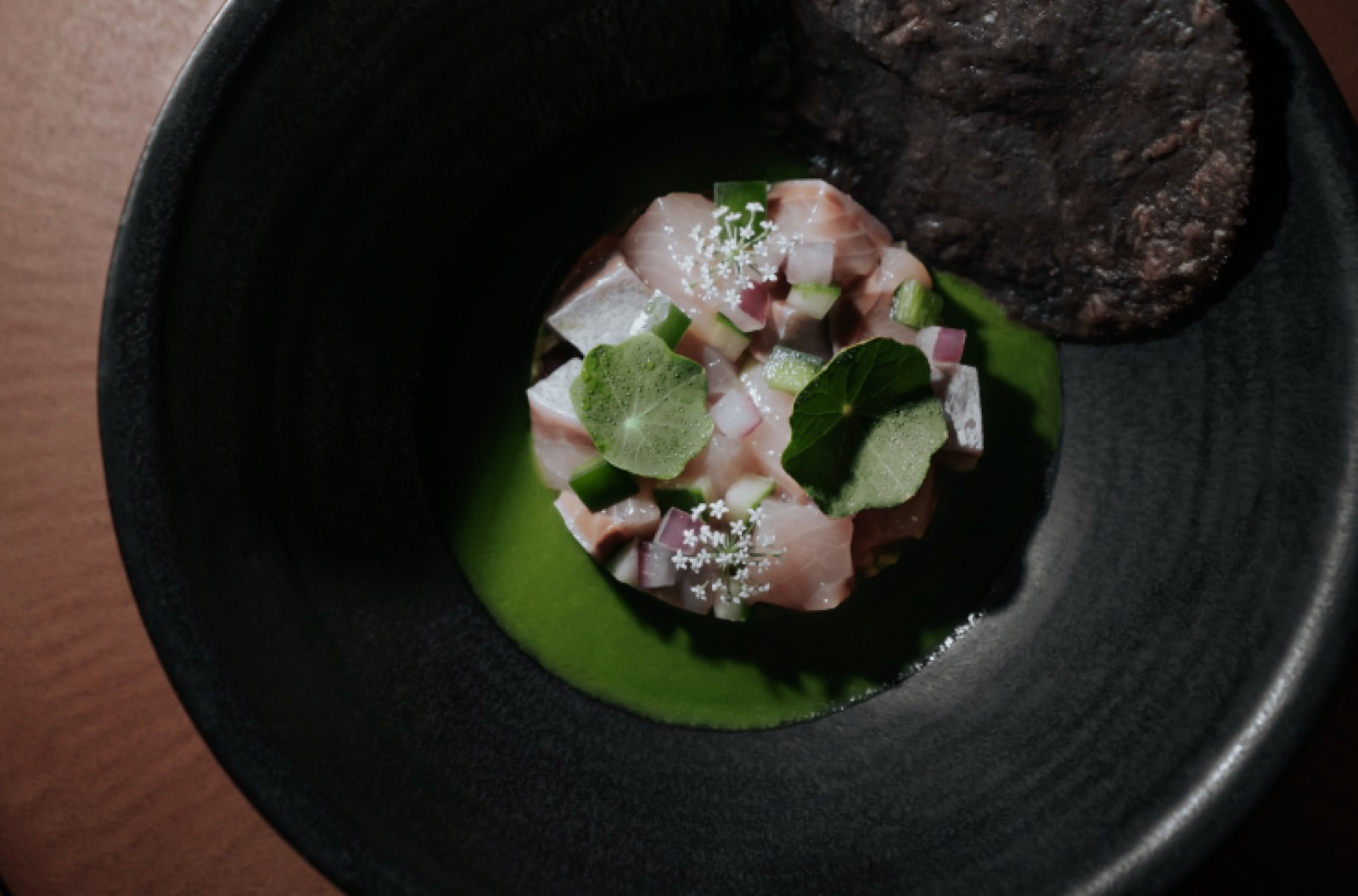
In a basement off an alley in Hannam-dong, Seoul, a restaurant whose entire seating is one counter took a Michelin star this March. The first in Asia for Mexican cooking. Yet the company that built it is selling two tacos for 9,600 won at Jungang Market in Sindang at the same moment. The price spread is twentyfold and the dough comes out of the same factory. The star landed on the floor they added last.
1.Hannam-daero 20-gil, Yongsan-gu, Seoul, basement level one on an alley one turn off the main road. Behind a door with almost nothing you could call a sign sits escondido. Spanish for hidden. It opened in 2023, and in the Michelin Guide Seoul and Busan 2026 announced this March it was among seven places newly awarded one star. The guide describes it as the first restaurant in Asia to take a star for Mexican cooking.
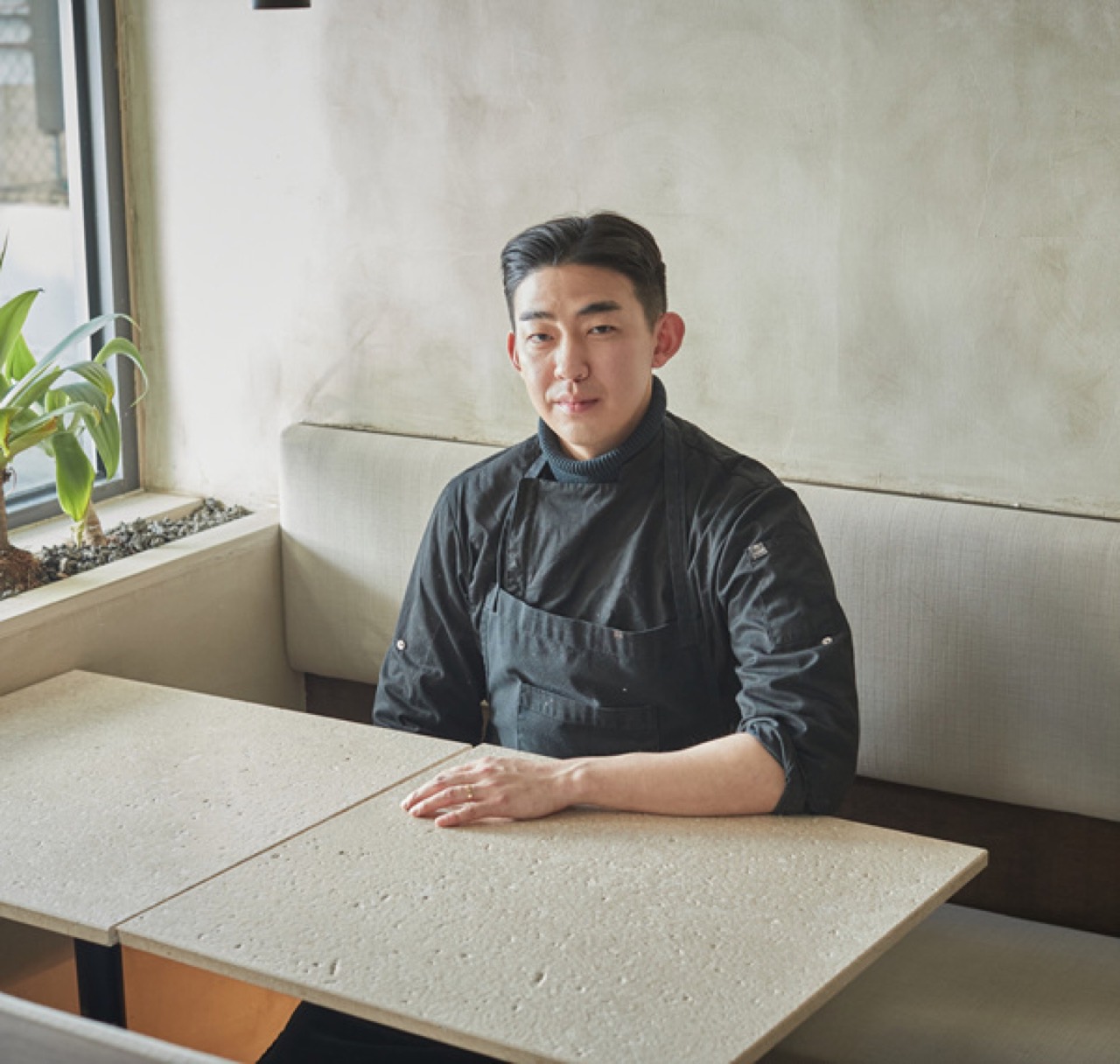
2.The chef is Jin Woo-bum, born in 1993. He moved to California in primary school and ate his first food truck taco there, then dropped out of architecture at UC Berkeley. He went to Mexico City in 2017, finished Le Cordon Bleu and took Best Chef Mexico the following year. Then came Pujol. He was the first Asian to enter Enrique Olvera's kitchen and spent a year there, and the kimchi taco he made in it went onto that restaurant's menu. He came home in December 2021.
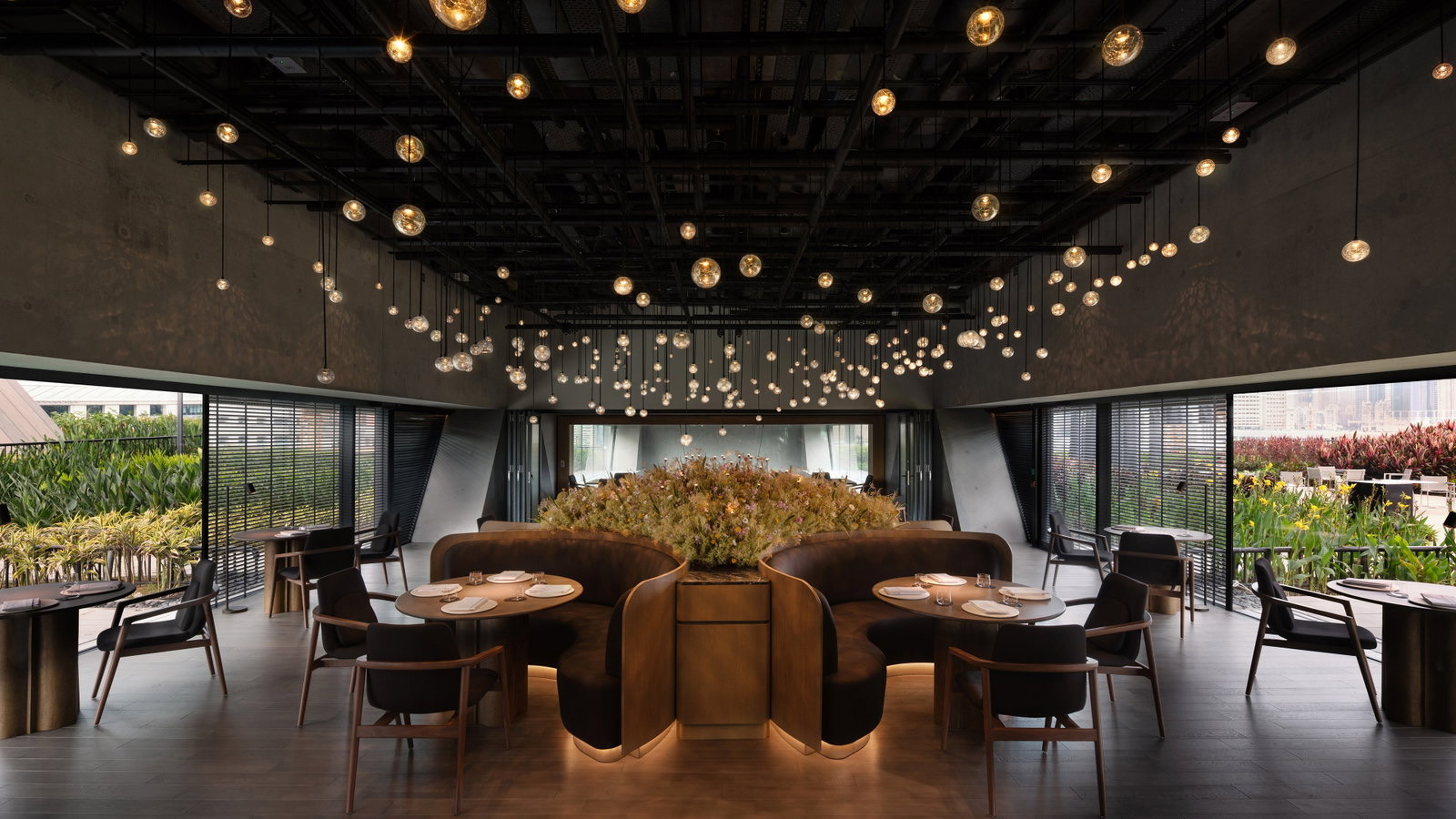
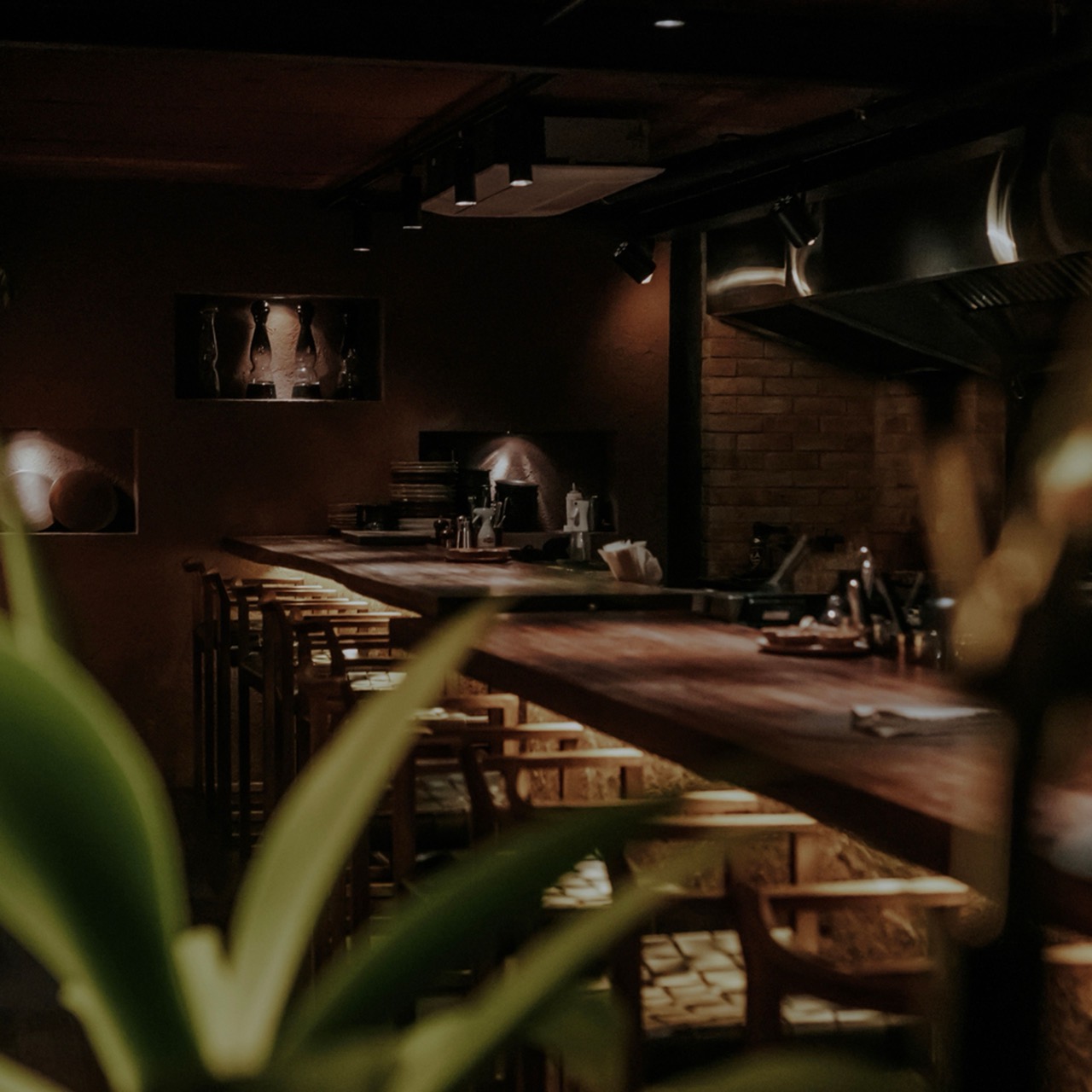
3.Go down to the basement and the seating ends at one counter. Cocktails are made on the right and the open kitchen is on the left, so from one seat you watch both sets of hands. With no aisle for a floor server, service is split between the person cooking and the person pouring. It trades Tuesday to Saturday across two evening sittings, with what looks like around fourteen seats, an estimate.
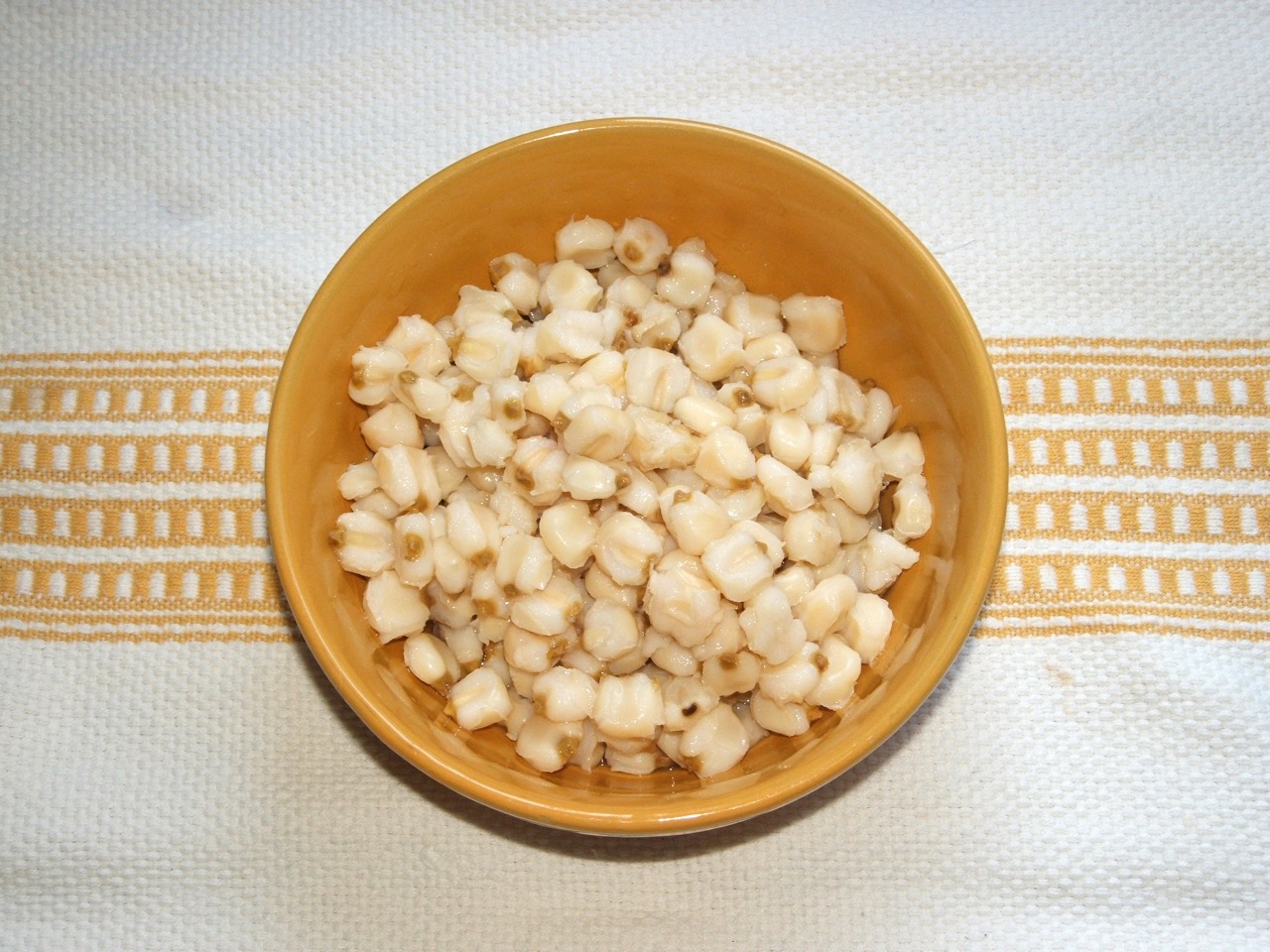
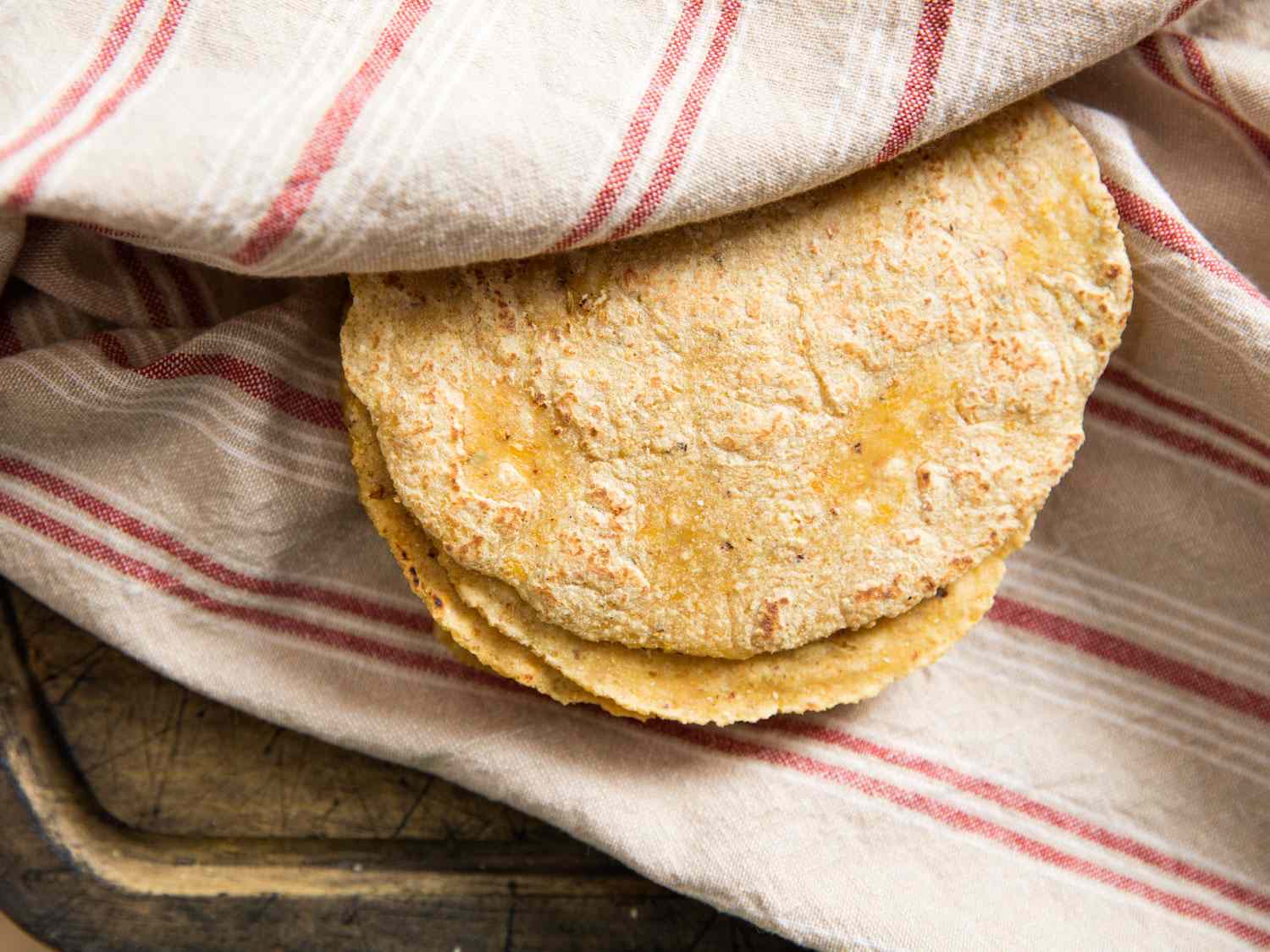
4.This restaurant is rooted in a process called nixtamalization. Dried corn is boiled in water with lime, left overnight, washed and ground. The smell moving through the kitchen while it boils sits somewhere between popcorn and wet ash. The skin comes off and alkali soaks into the kernel, and only then does corn become dough. Put that masa on a hot plate and about twenty seconds later the middle puffs up once. Five varieties of corn are used here.
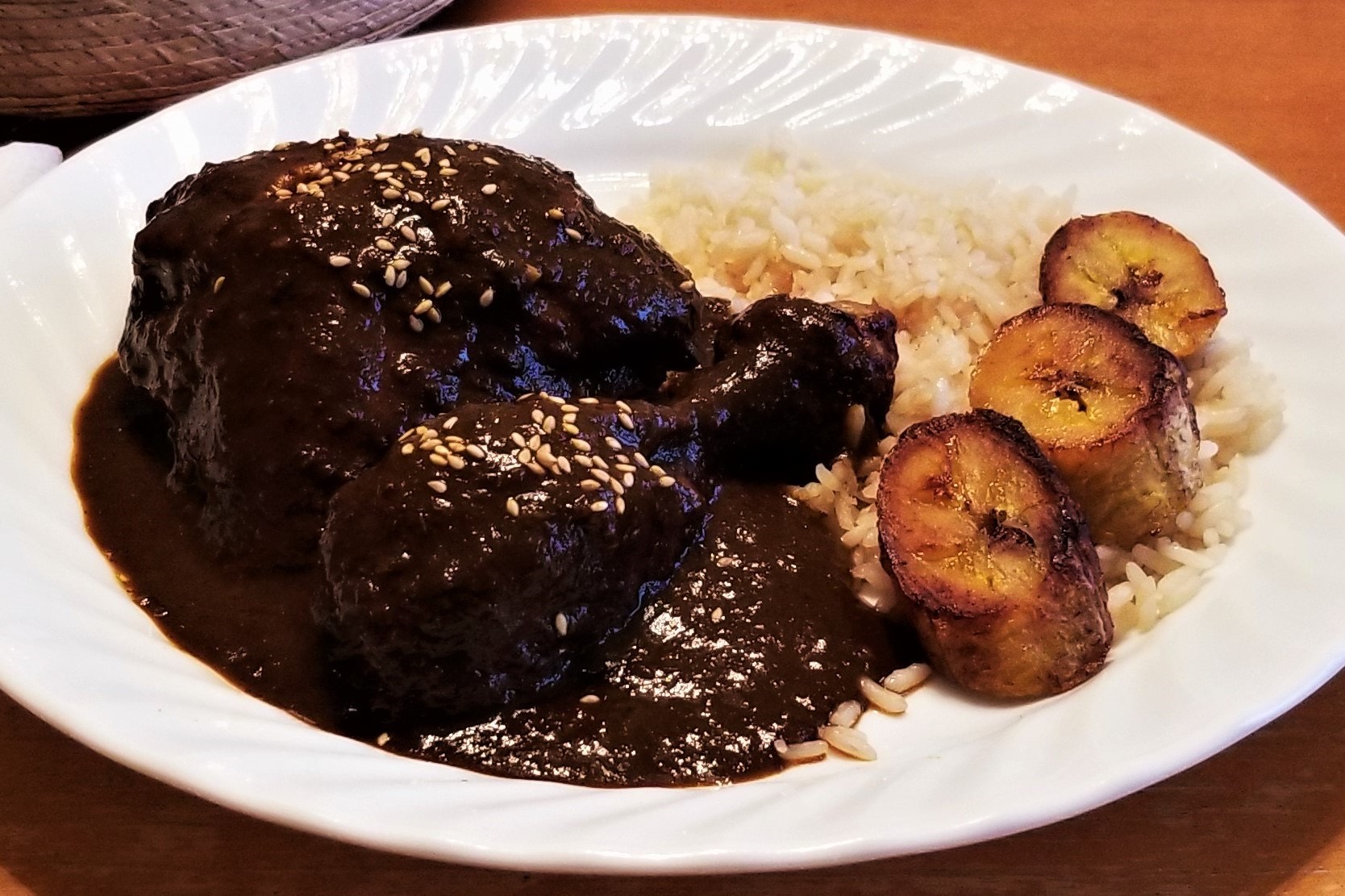
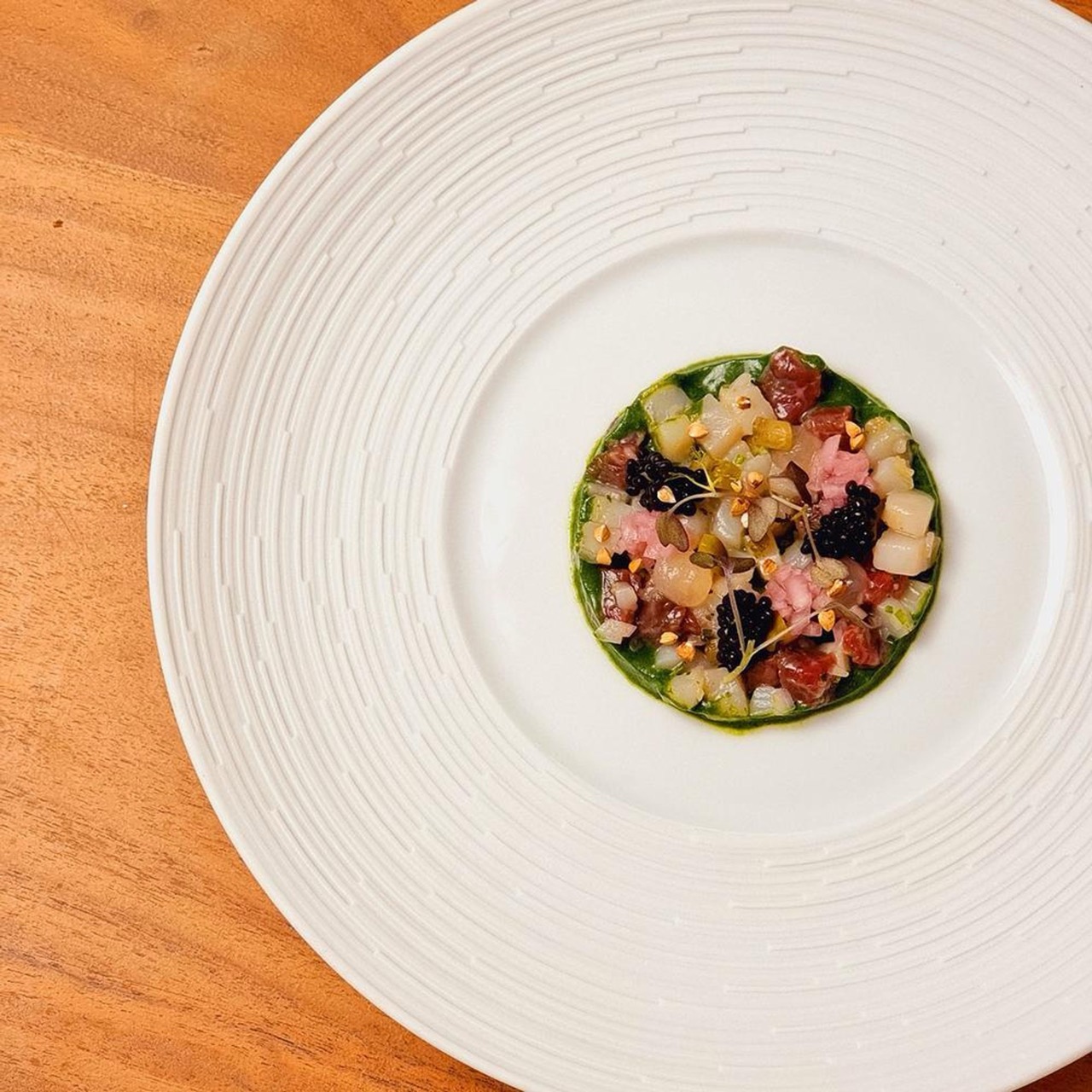
5.The sauce side is handled by mole. Several kinds of dried chili are toasted nearly to burning, and dozens of things including seeds, spices and cacao are ground and simmered long. Black is mole negro, green is mole verde. No single ingredient steps forward alone and the whole arrives as one mass. The tasting menu runs nine plates, with sea urchin, abalone, sea bream and wagyu on top of it.
6.Mexican food has long stood on the cheap side in Korea. A few thousand won for a quesadilla, ten thousand for a burrito. What this restaurant did is stand a 190,000 won tasting menu on top of that, and its choice was to offer process rather than ingredients as the ground for that price.
7.What a guest sees from the counter is not a finished plate but the route by which corn becomes dough. Dry kernels, limewater, a mill, a hot plate. Restaurants in Korea that walk all four steps can be counted on the fingers, and the rest heat imported tortillas. This is where the price divides over the same taco.
8.The face did its part too. He appeared on Netflix's Culinary Class Wars in 2024 under the name Korean Taco King, and carried Mexico into broadcasts afterwards. What broadcast made was not a booking backlog but a way of naming him. Once customers have a word for him, the restaurant starts getting searched.
9.Now the money, estimates from here. Turn fourteen counter seats twice an evening at 70% full and it is twenty people a day, and opening only Tuesday to Saturday puts about 430 people in the seats a month. Even pulling average spend down to 230,000 won to allow for guests who skip drinks, monthly revenue lands near 99 million won.
10.Costs are heavy. Sea urchin, abalone and wagyu go in while the corn comes in by separate varieties and the mole simmers for a day. Apply the usual fine dining figures of 38% food and 33% labor and those two alone take seven tenths of revenue. What protects the remainder is rent. A basement off an alley goes for half the price of a ground floor on the main road.
11.Set out that way, monthly revenue per pyeong comes to about 3.53 million won and one seat makes 7 million won a month. Not a bad number in fine dining, but with only fourteen seats, a day's revenue vanishes whole if nobody can cook in place of someone who falls ill. Few seats make fixed costs light, and in exchange one absence cannot be absorbed.
12.Look at this restaurant alone and the picture does not form. The same company sells a taco omakase at 43,000 won in Seoul Forest and two pieces at 9,600 won at Jungang Market in Sindang. There is one more, a tavern serving seafood tacos at Gyeongdong Market. Four brands, a twentyfold price spread.
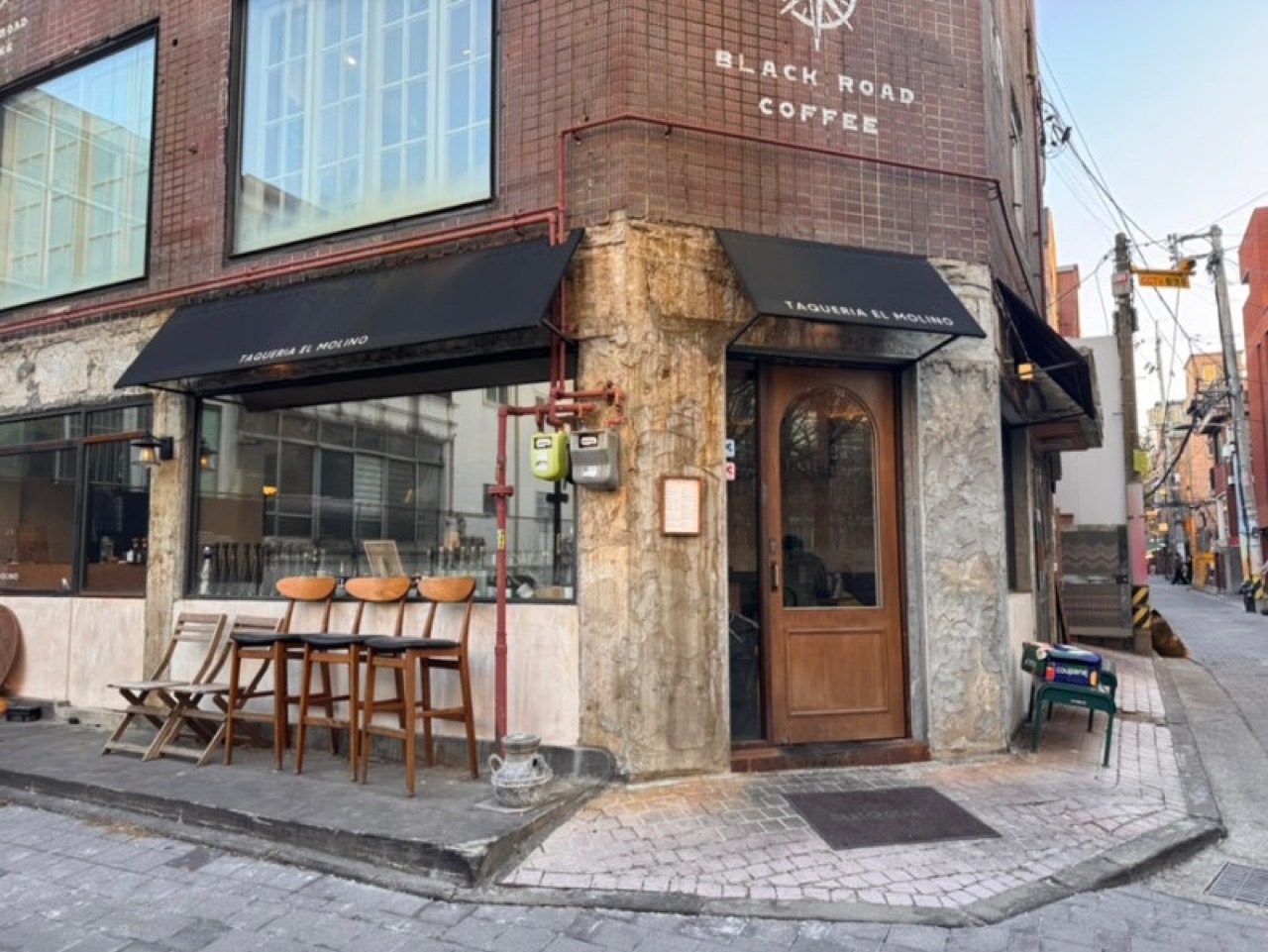
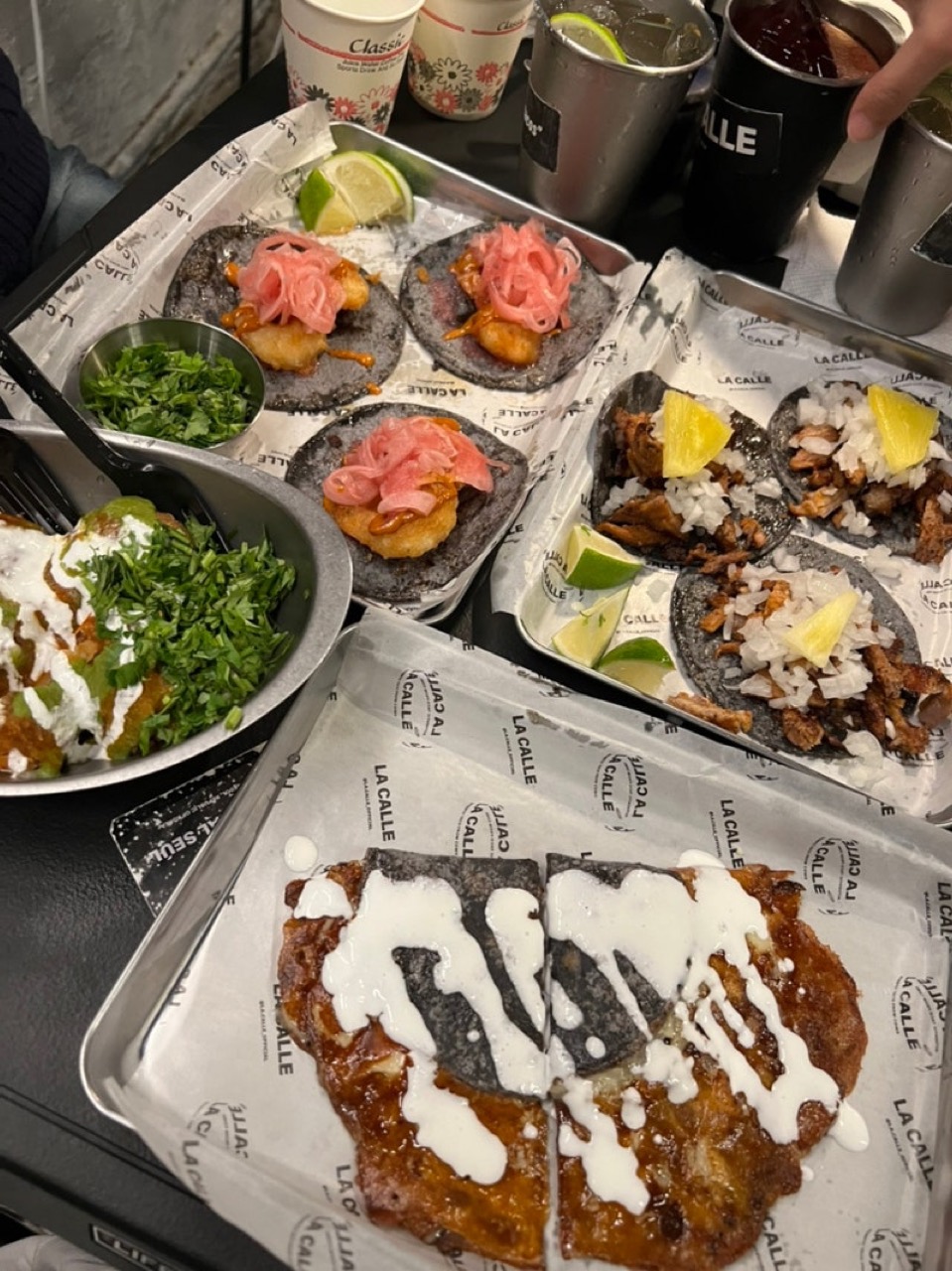
13.What threads those four together is masa. The company washes and grinds corn at its own factory to make the dough, and the four locations share it. How many tortillas does a fourteen-seat restaurant use in a day. A few dozen will not turn a line, and the market taco shop has to attach for the volume to fill. What creates factory utilization is the lower floor, not the upper.
14.The movement to grind masa yourself came back around in Mexico first. From about the time Pujol opened in 2000, chefs dropped industrial corn flour and returned to native varieties and limewater, and in the United States places like Nixta Taqueria took a James Beard award on that grammar. What Seoul did is closer to carrying that movement over late and whole.
15.The company's real distinction is that the order runs backwards. Normally fine dining takes the star first and casual outlets multiply on the borrowed name. Here it was casual in 2021, market tacos in 2022, fine dining in 2023. The star landed on the floor added last. It reads easily as a story of someone who quit architecture building from the foundation up, but as a business it reads differently. Cash has to turn on the lower floors before there is money to build the upper one.
16.A company that held onto one process, boiling corn in limewater, and built four brands over four years took Asia's first Mexican star with the fourteen-seat basement it added last. In numbers, 9,600 won and 190,000 won, a twentyfold gap between two prices out of the same dough. In Korea what snags first is not rent but the factory. The moment tortillas made in one of your own outlets go to another outlet, that is manufacturing rather than cooking, and business registration for food manufacturing and processing, facility standards and grounds for setting a shelf life all follow. The paperwork is a different thickness from making something in a shop and selling it on the spot.