A Sichuan restaurant on Dingxi Road in Shanghai's Changning district, charging RMB 400 a head, closed in October 2017. The reason was rent. In 2019 that chef opened a reservation-only banquet restaurant that made the Michelin list, and last September he opened a RMB 200 a head place on the second floor of a new mixed-use complex in Jing'an. Halving the price and moving from the street into a mall was his answer after eight years.
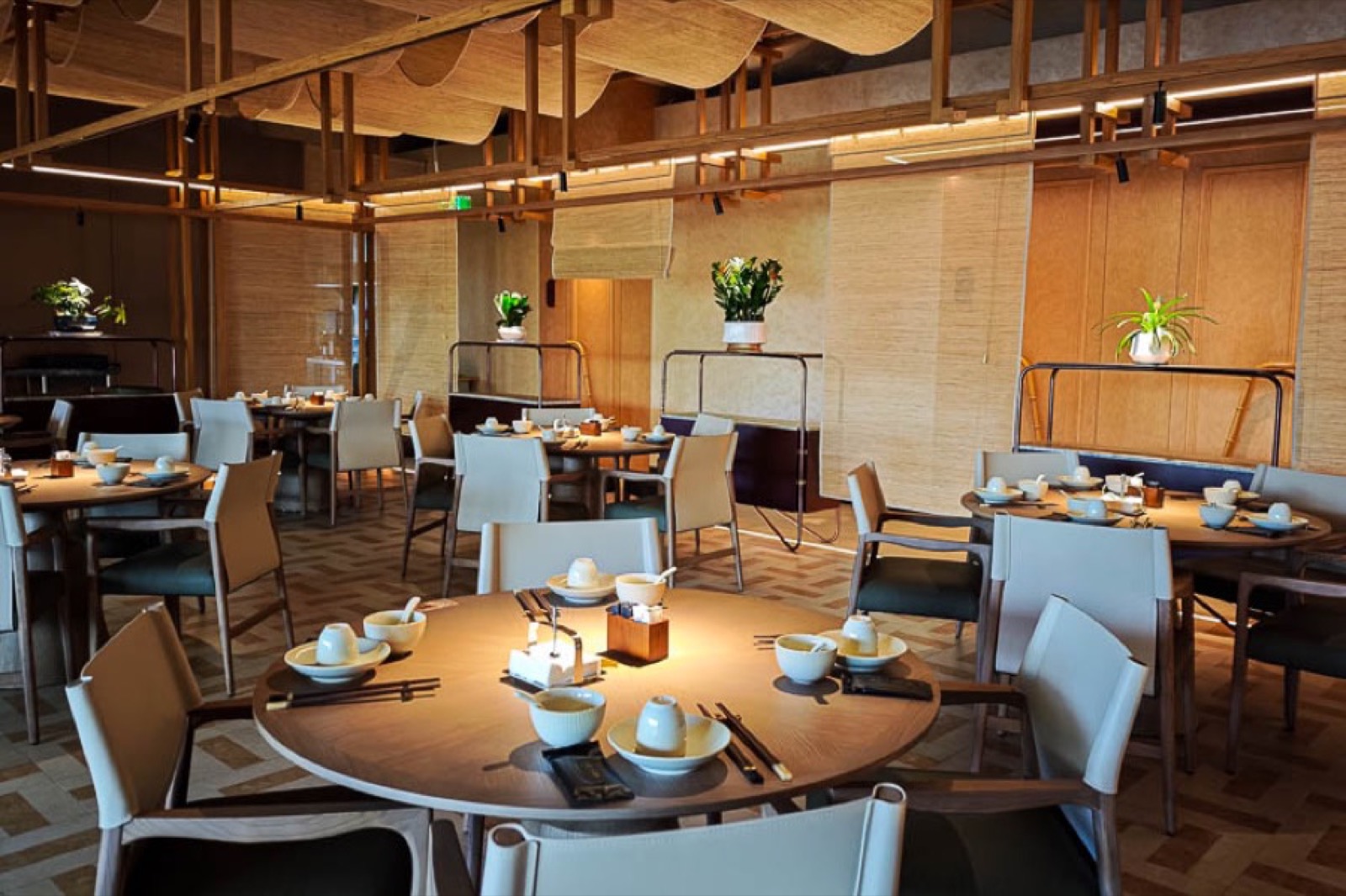
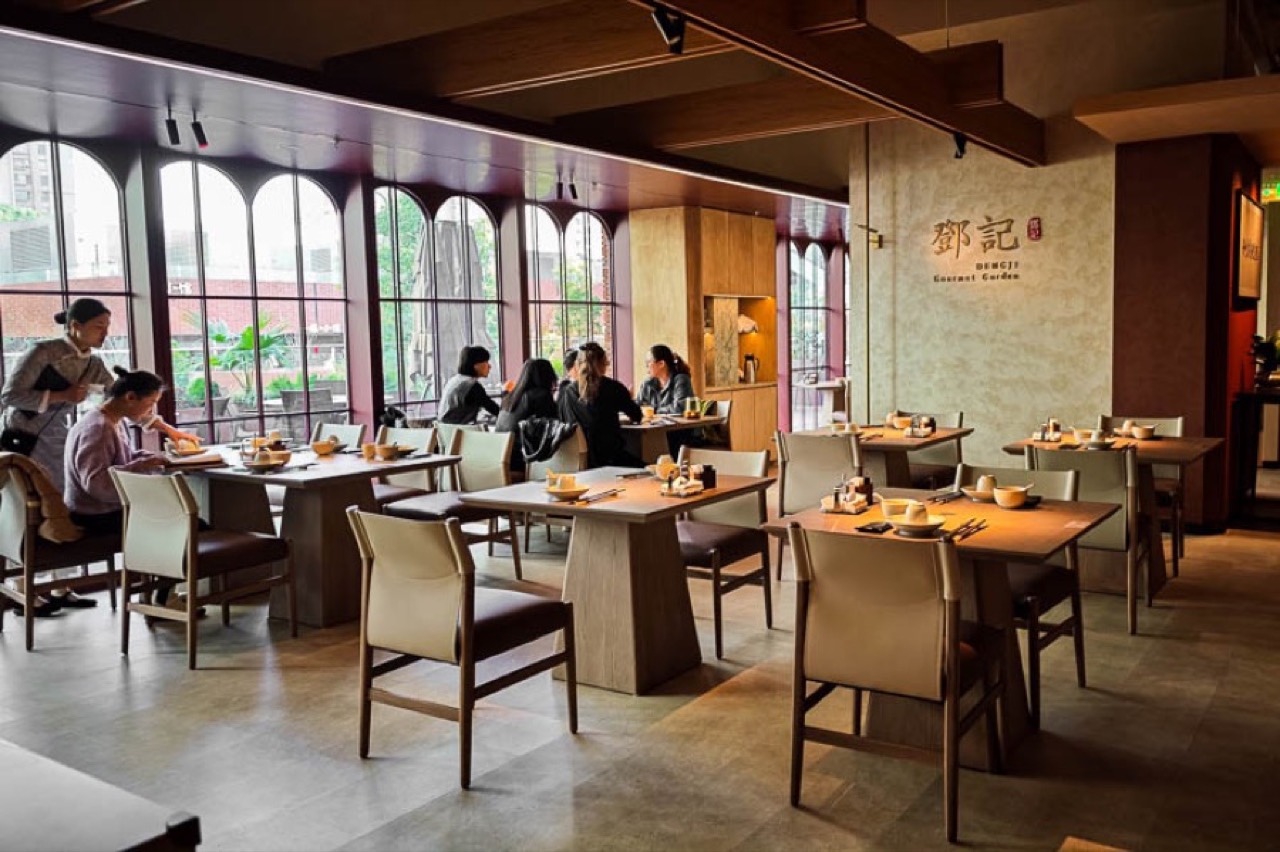
1.688 Changde Road, Jing'an, Shanghai. Deng Ji Gourmet Garden (邓记食园) sits on the second floor of Park Avenue Central, the complex built by Keppel Land. It opened in September 2025 at RMB 200 a head, about KRW 38,000 at 190 won to the yuan. Hours run 11am to 2pm and again 5pm to 9:30pm. You can walk in without a booking, eat one bowl of dandan noodles and leave.
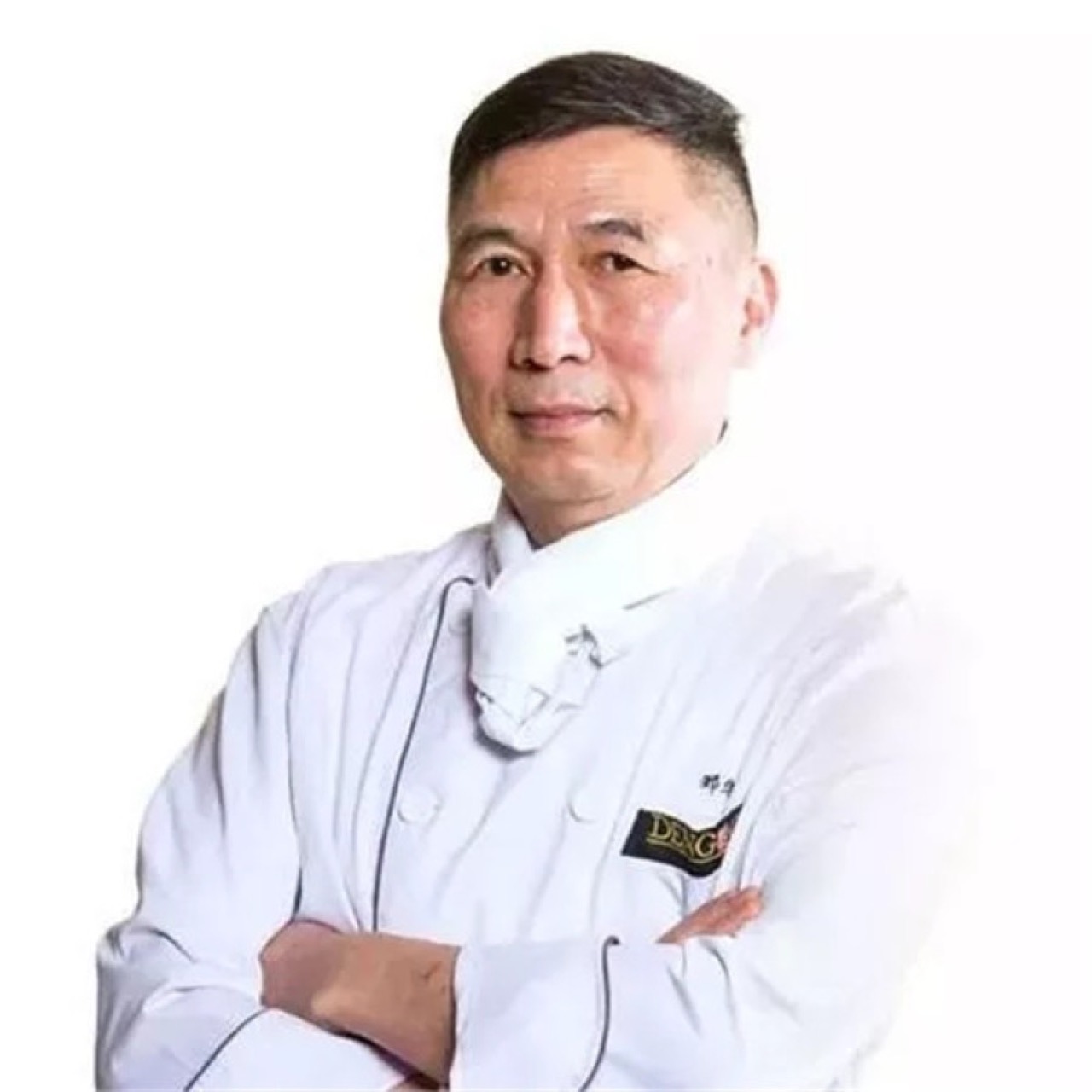
2.The chef is Deng Huadong. He has cooked nothing but Sichuan food for more than 40 years and now runs Nan Xing Yuan on Huaihai Middle Road. That one is reservation-only banquet dining, where the set runs RMB 800 a head with a 10 percent service charge on top, and with drinks and tea the real outlay lands around RMB 1,500 a head. It carries a Selected listing in the Michelin Guide Shanghai 2026. One person runs a KRW 280,000 table and a KRW 38,000 table in the same city at the same time.
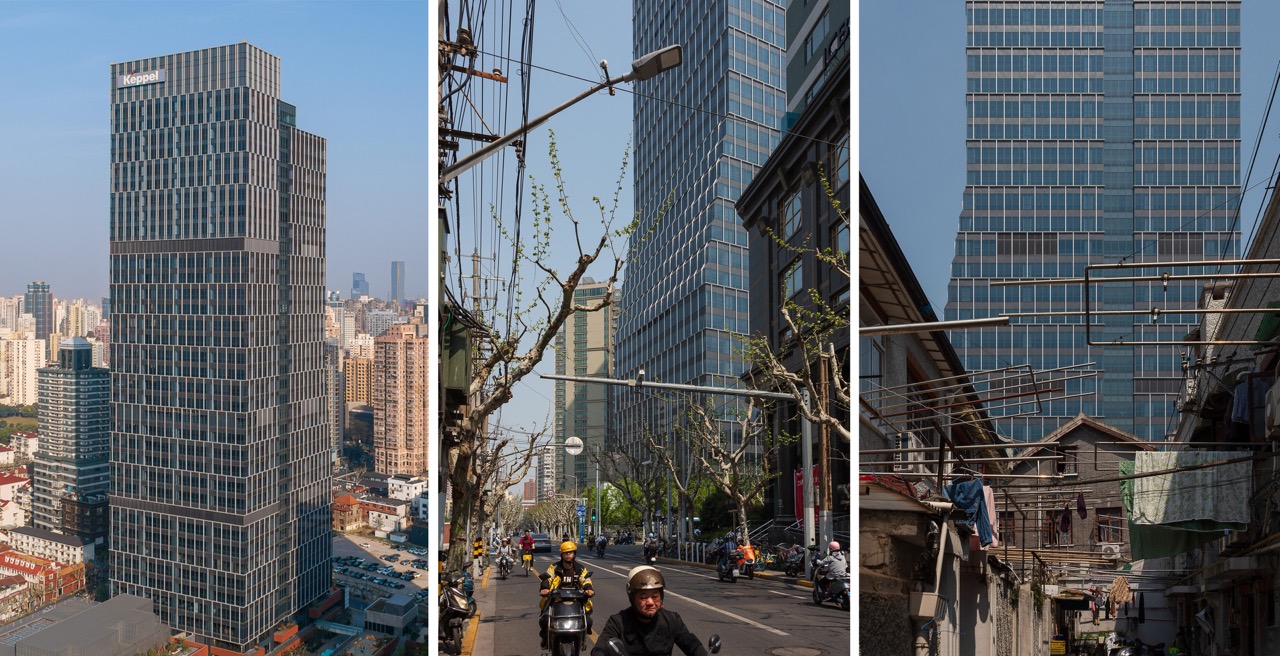
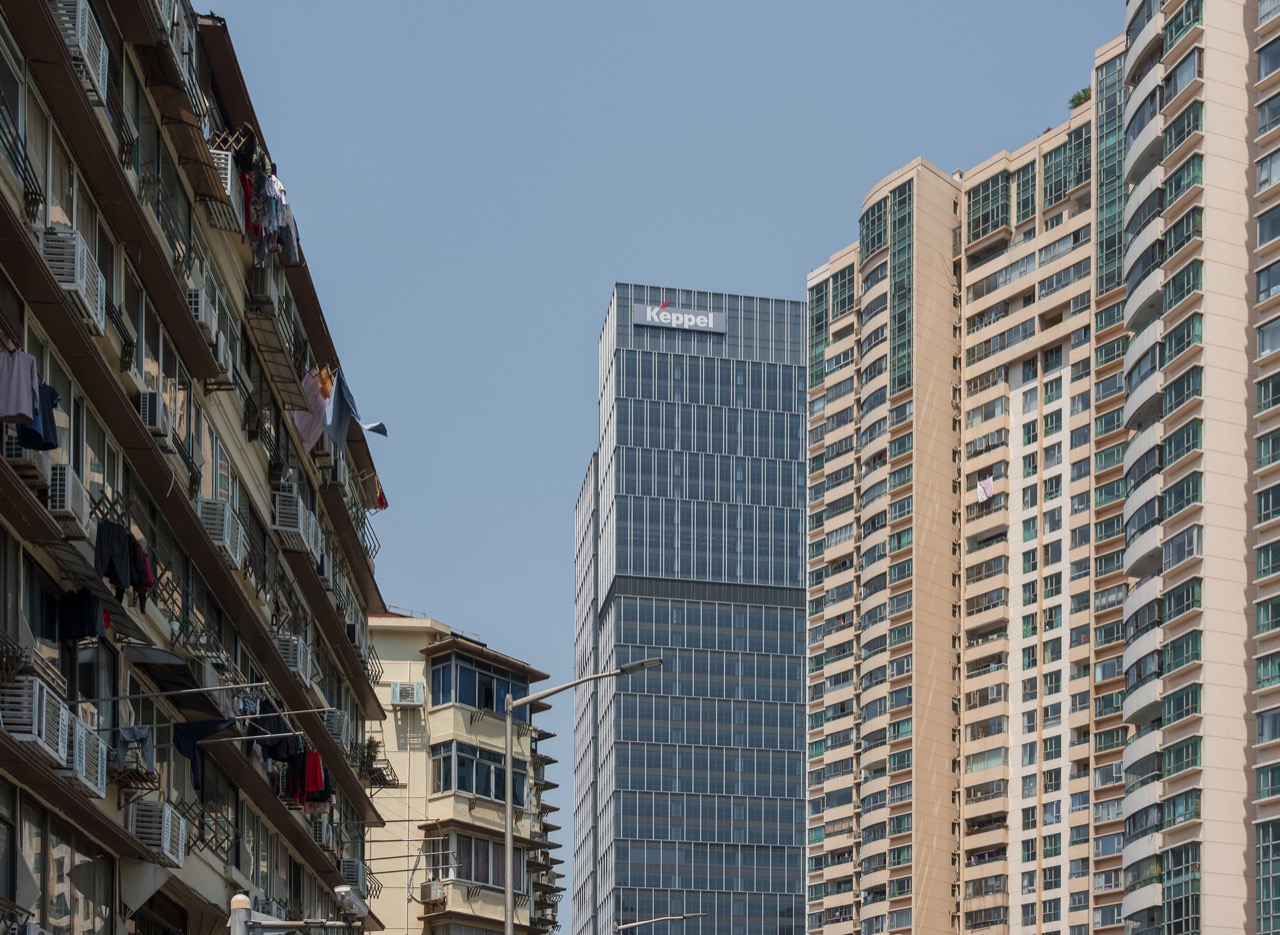
3.Start with the building. PAC is Keppel Land's first mixed-use development in Shanghai, designed by Hassell. A 28,000㎡ site with 188,000㎡ of floor area, one 180m office tower with retail attached. The mall opened first, on 20 December 2024. The design is said to draw on shikumen and longtang, the gateways and narrow lanes of Shanghai alley housing.
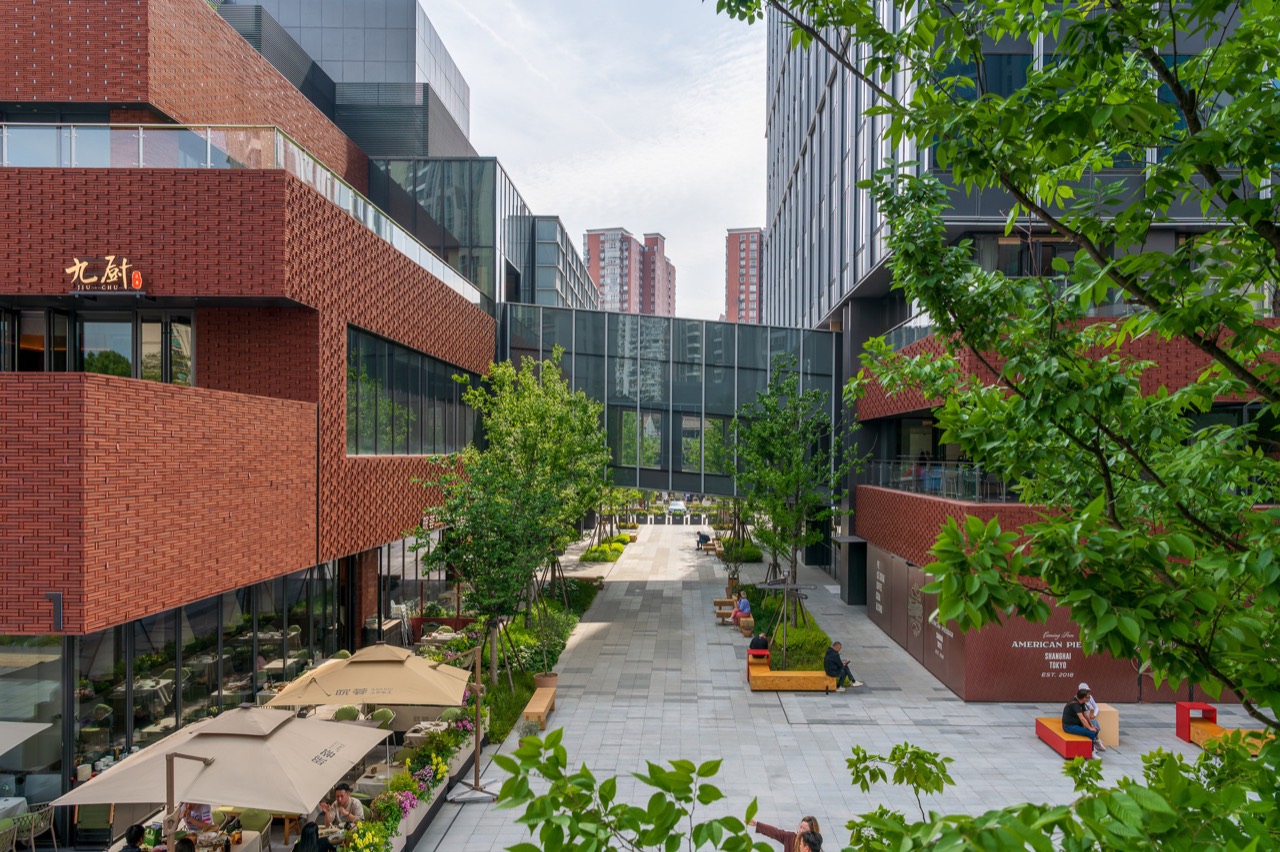
4.The street splits two ways. Large units and terraces face Changde Road, while one and two storey blocks sit scattered among stepped planting on the residential side. Food and beverage was set at 40 percent and about twenty places are trading now. That share is why Deng Ji got the second floor. A mall needs a place to catch lunch from the office tower, and putting a known cook on that floor moves the units next door.
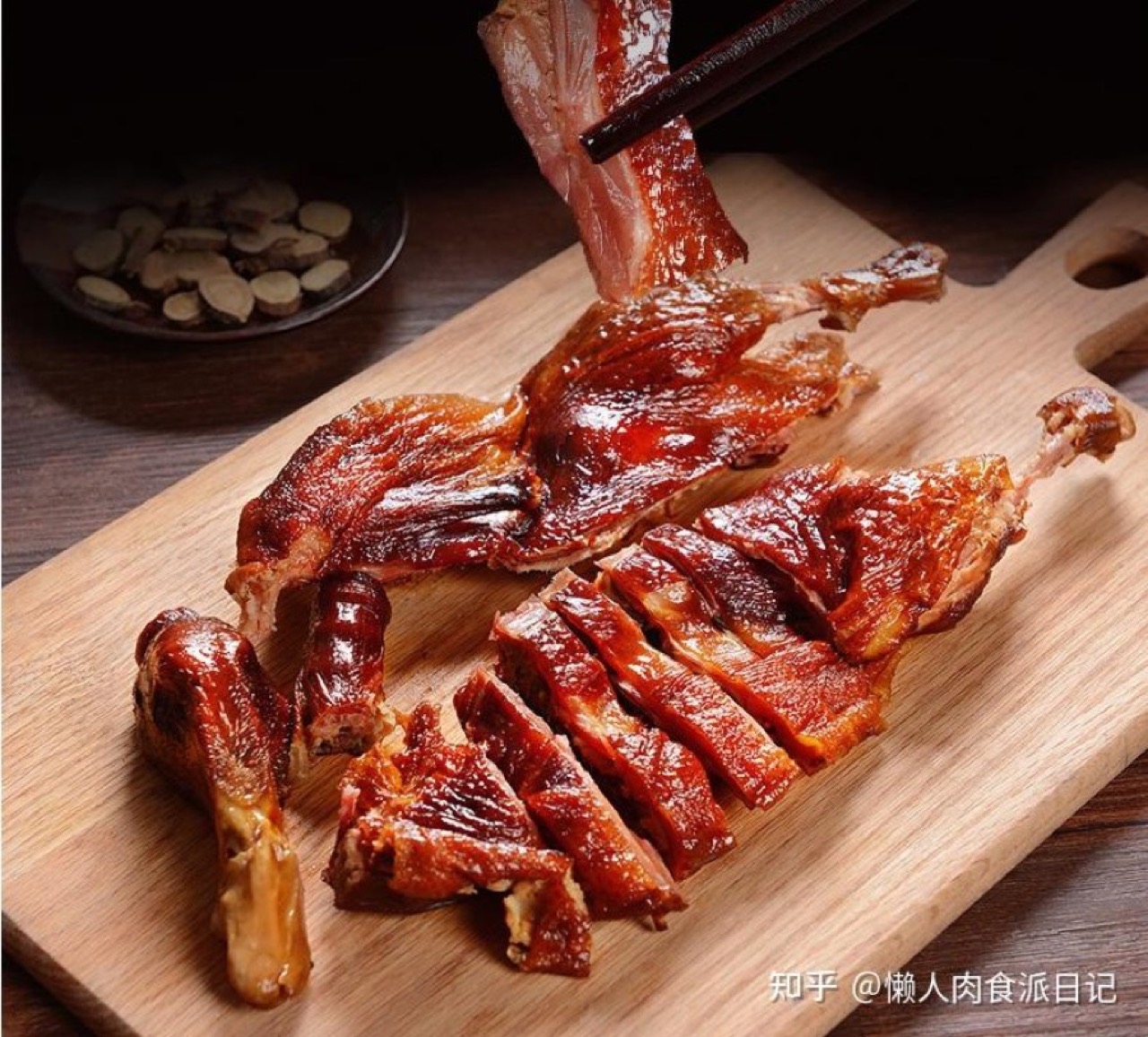
5.The menu is built as a ladder of prices. Dandan noodles at RMB 18 sit on the bottom rung and gongbao shrimp at RMB 168 on the top, so the guest assembles their own spend. Zhangcha duck is set in smoke from burning camphor leaves and tea leaves, then steamed and fried. Bite through the skin and ash comes first, with the fat behind it.
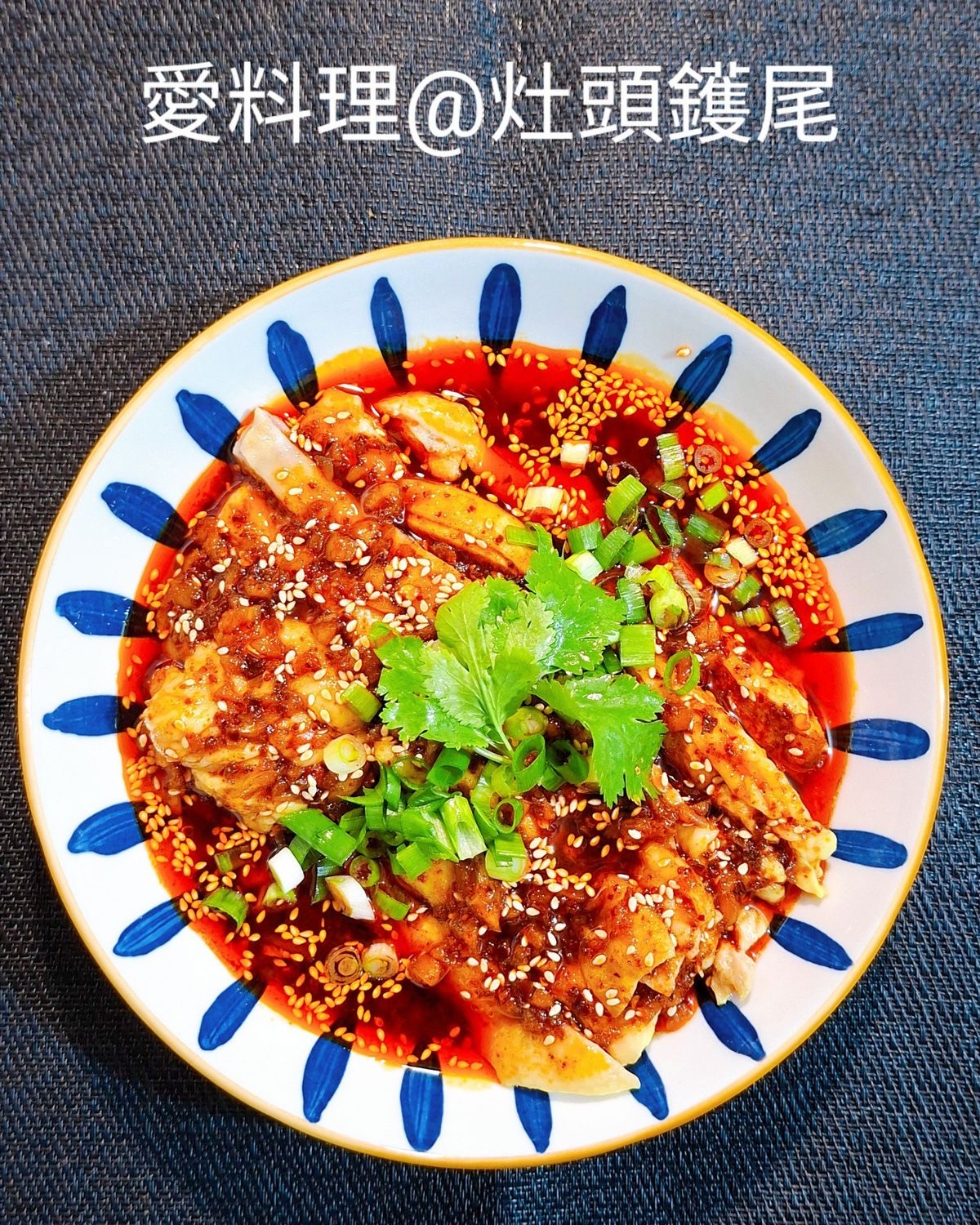
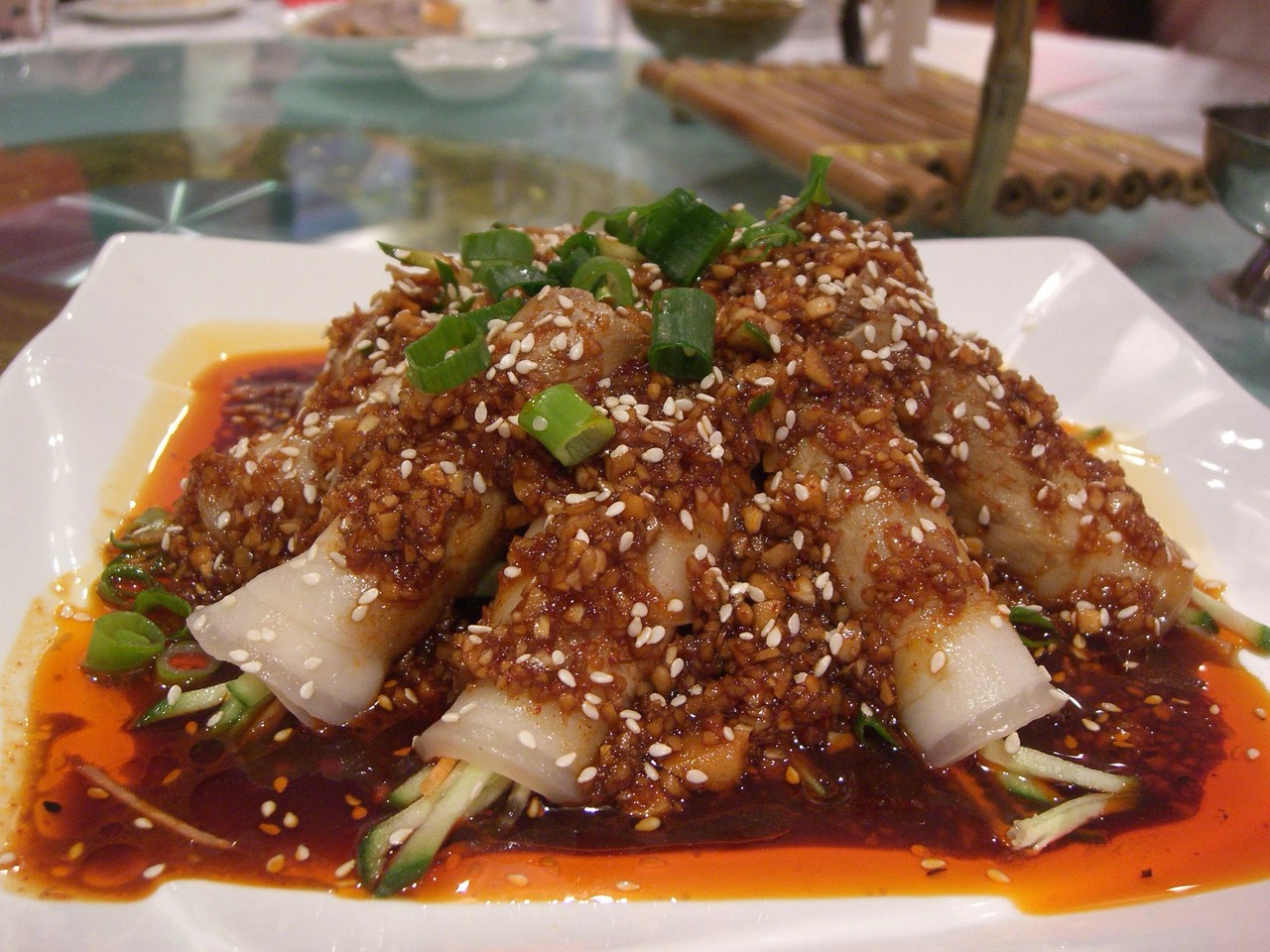
6.The liquid under koushuiji is red but does not hit the tongue. Soy, vinegar, sesame and sugar go over chilli oil, and huajiao makes the tongue tingle from behind. Seven tenths of traditional Sichuan cooking uses no chilli at all, and mala is one of twenty-four flavour categories. That is the line Deng Huadong has held for forty years.
7.So what this place sells is not heat. In Shanghai, Sichuan food had hardened toward cheap malaxiangguo and hotpot, with banquet restaurants like Nan Xing Yuan standing at the far other end. The middle had been empty for a long time.
8.In its Dingxi Road 737 days, Deng Ji ran RMB 400 a head with a three-day booking and a RMB 3,000 table minimum. Which is to say you needed four or more to get in. Now you can walk in alone for a bowl of noodles and the price has come down by half. Three thresholds are gone. Booking, minimum spend, headcount.
9.A new mall wants a cook like this for its own reason. A retail scheme that opened at the end of 2024 pushes its whole tenancy negotiation into the following year if it cannot fill floors in the first year. A known name is a device for pulling customers upstairs, so opening terms come soft (estimate). For someone who closed under rent eight years ago, those terms are the opening.
10.Now the money, and what follows is an estimate. Take 250㎡ with 80 seats, 2.2 turns a day across lunch and dinner and a 60 percent fill, and 106 people sit down a day. At RMB 200 a head, monthly revenue lands around RMB 630,000, roughly KRW 120 million.
11.Costs use casual Sichuan norms, food at 35 percent and labour at 27. Shanghai kitchen wages sit below Seoul's, so the labour line is where the gap opens. Rent comes to under 8 percent of revenue (estimate). That is the point of departure from the days of a standalone building on the street.
12.Set it beside Nan Xing Yuan and the order flips. The per-head price is more than four times higher at Nan Xing Yuan, and revenue per pyeong runs about twice as high at Deng Ji (estimate). A three-storey house with ten rooms loses area to corridors and a banquet hall and turns only once a day. Nan Xing Yuan wins on revenue per seat. Casual wins on revenue per pyeong.
13.The lineage climbs to Rong Le Yuan. He trained under Chen Tingxin, a pupil of the founding Sichuan master Kong Daosheng, and what he cooks is Nantang Sichuan cuisine. He explains it as high-end Sichuan food that set when Jiangsu and Zhejiang cooking brought in by silk merchants took on Shandong technique and Huaiyang finesse, mixed with local dishes such as mapo tofu.
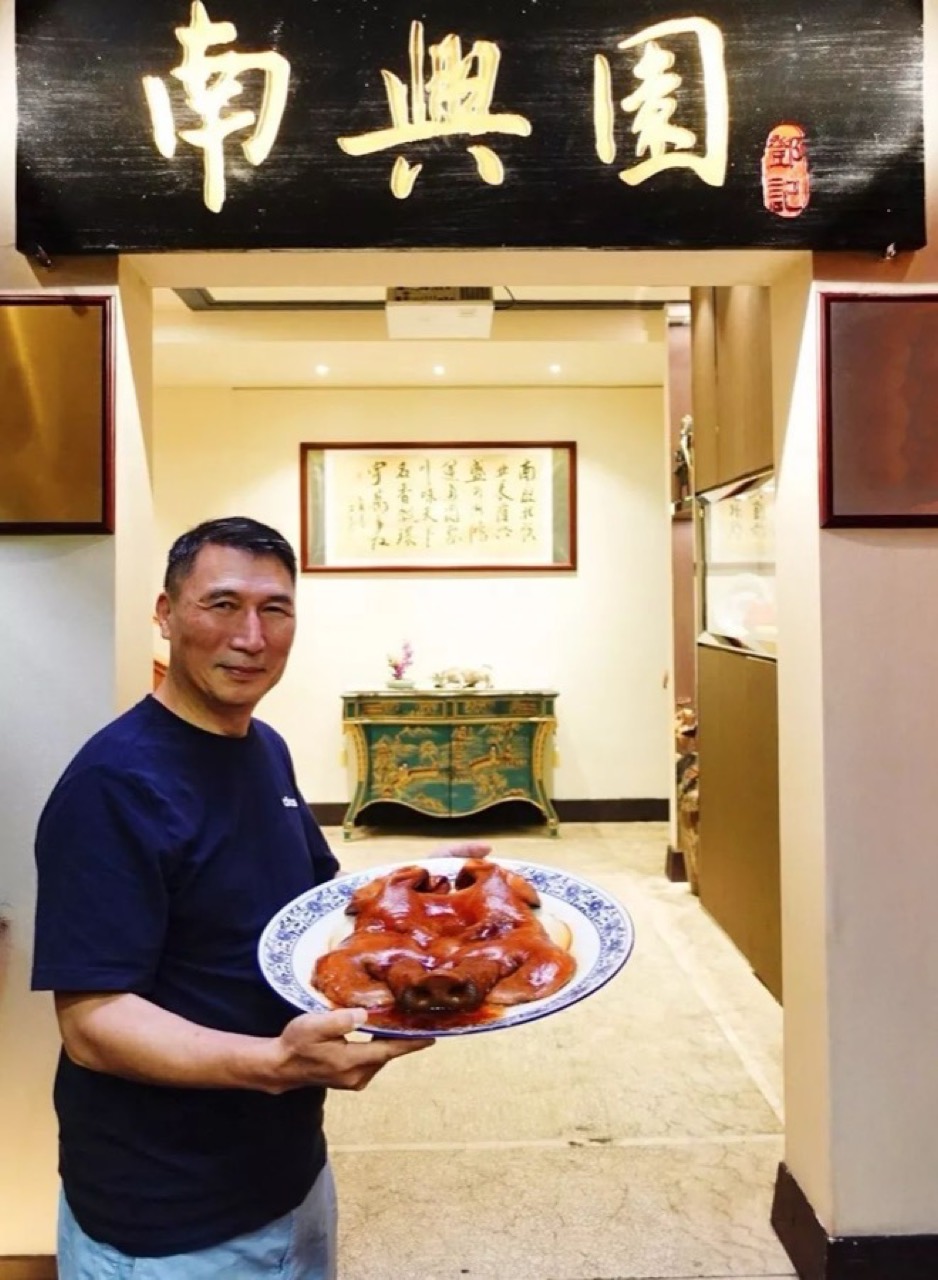
14.Splitting the price in two is not new for him. At Dingxi Road 737, Deng Ji sold cheap fish hotpot on the ground floor and ran reservation banquets upstairs. Two price bands stacked in one building. Now those two floors are simply pulled apart into two addresses in the city.
15.The two addresses are walking toward each other, though. Nan Xing Yuan put hall tables on the ground floor so two or three people can order single dishes, and Deng Ji put private rooms on the mall's second floor. In Hong Kong, Elite Concepts borrows his name to run Deng G at 147 Queen's Road East in Wan Chai and on the fourth floor of K11 MUSEA. Coming down from above and up from below, meeting in the middle.
16.A Sichuan restaurant that closed in 2017 under rent reopened eight years later on the second floor of a developer's mall at half the price, and there its revenue per pyeong beats the flagship charging four times as much per head. If only one number survives, RMB 200 a head. What trips this up in Korea is not the rent figure but the form of the contract. Food and beverage leases in new mixed-use malls often carry turnover-linked terms instead of fixed rent, and opening concessions usually end in year two or three. Put a format that cannot turn tables into that space, and the month the concession ends brings back exactly what happened on Dingxi Road.