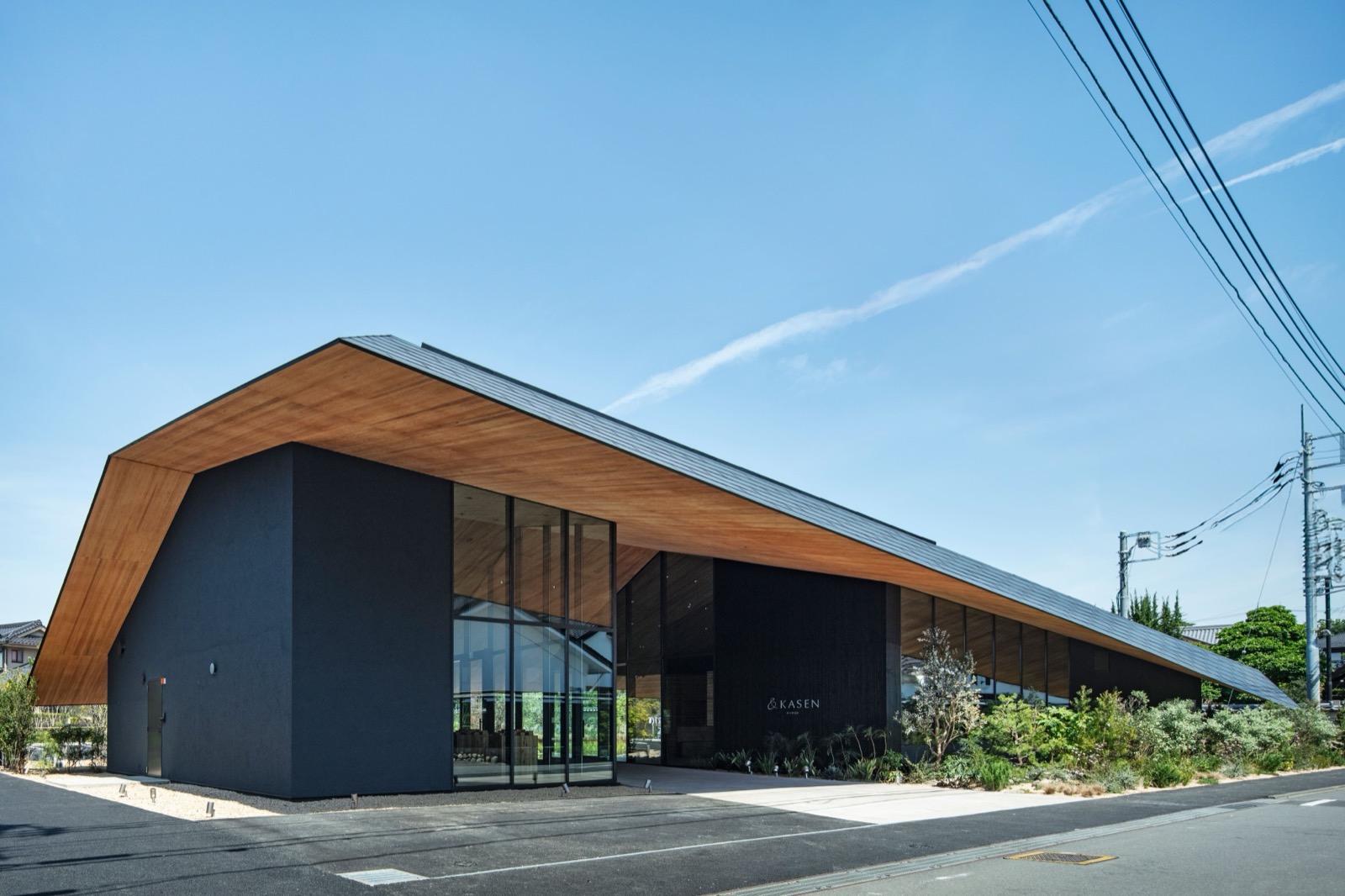
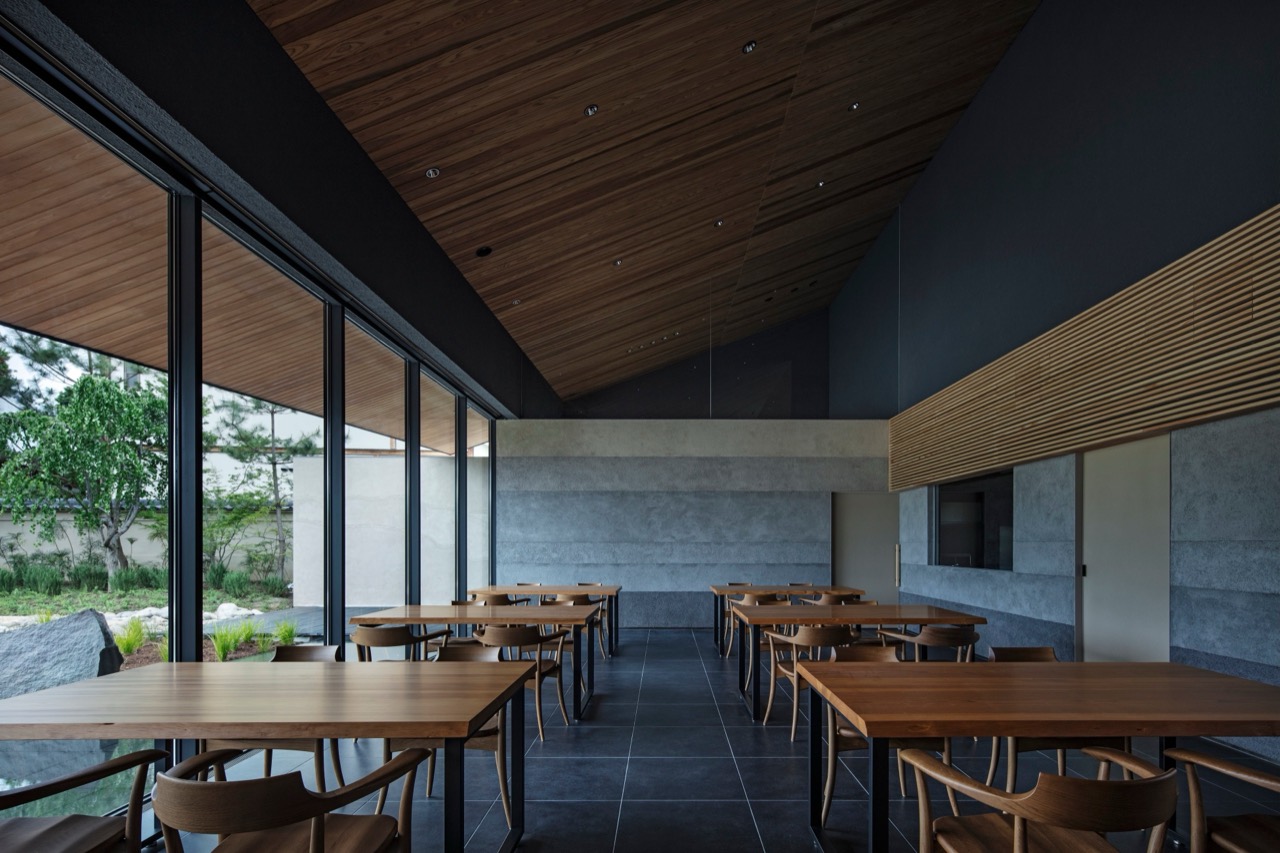
A sake brewery in Fussa, west of Tokyo, opened a restaurant, a bar and a shop in one building on its own grounds on 1 July. Two timber storeys, 564㎡ of floor area, a dinner course at 11,000 yen, a brewery tour at 2,700 yen. A house that started in 1822 is selling a place to drink rather than the drink itself for the first time in 204 years. The volume of sake sold in Japan has fallen below three tenths of its peak.
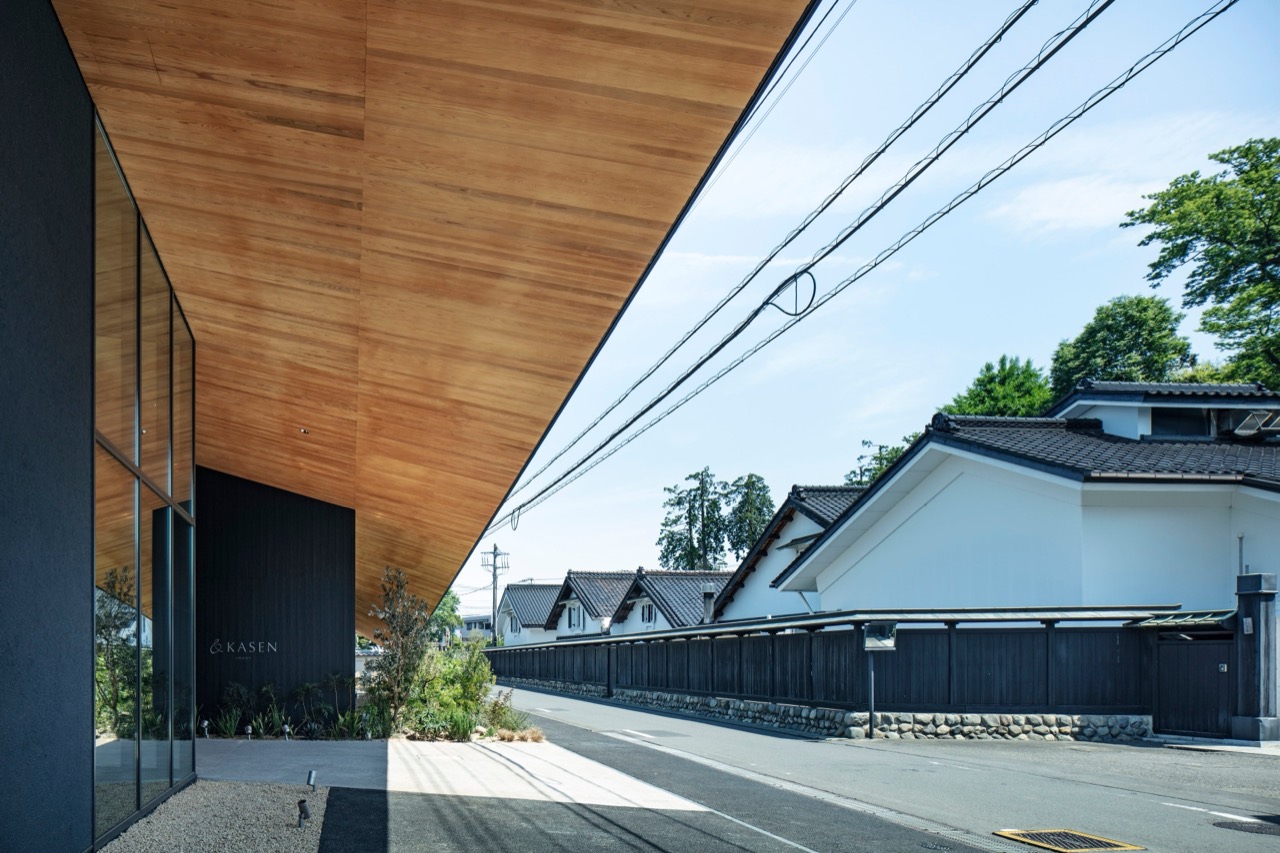
1.On 1 July 2026, &KASEN opened at 609 Fussa, Fussa city, Tokyo. Twelve minutes north on foot from JR Fussa station. It stands on the grounds of Tamura Shuzojo, with a restaurant, a SAKE-Bar and a shop in one building. Two timber storeys, 564㎡ of floor area, 171 pyeong in Korean terms. The opening date was set for 1 July because it is the first day of the brewing year, which makes it New Year's Day for anyone who makes sake.
2.Prices are 11,000 yen for the dinner course and 5,500 for the short lunch course. At 950 won to 100 yen that is about 104,000 won and 52,000 won. The bar runs unbroken from 11:30am to 10pm and the shop closes at 5:30pm, with Mondays off. For a while after opening the restaurant takes reservations only. This house began in Bunsei 5, which is 1822, making this its 204th year, its flagship brand is Kasen, and it now brews 1,500 koku, about 150,000 of the one-sho bottles.
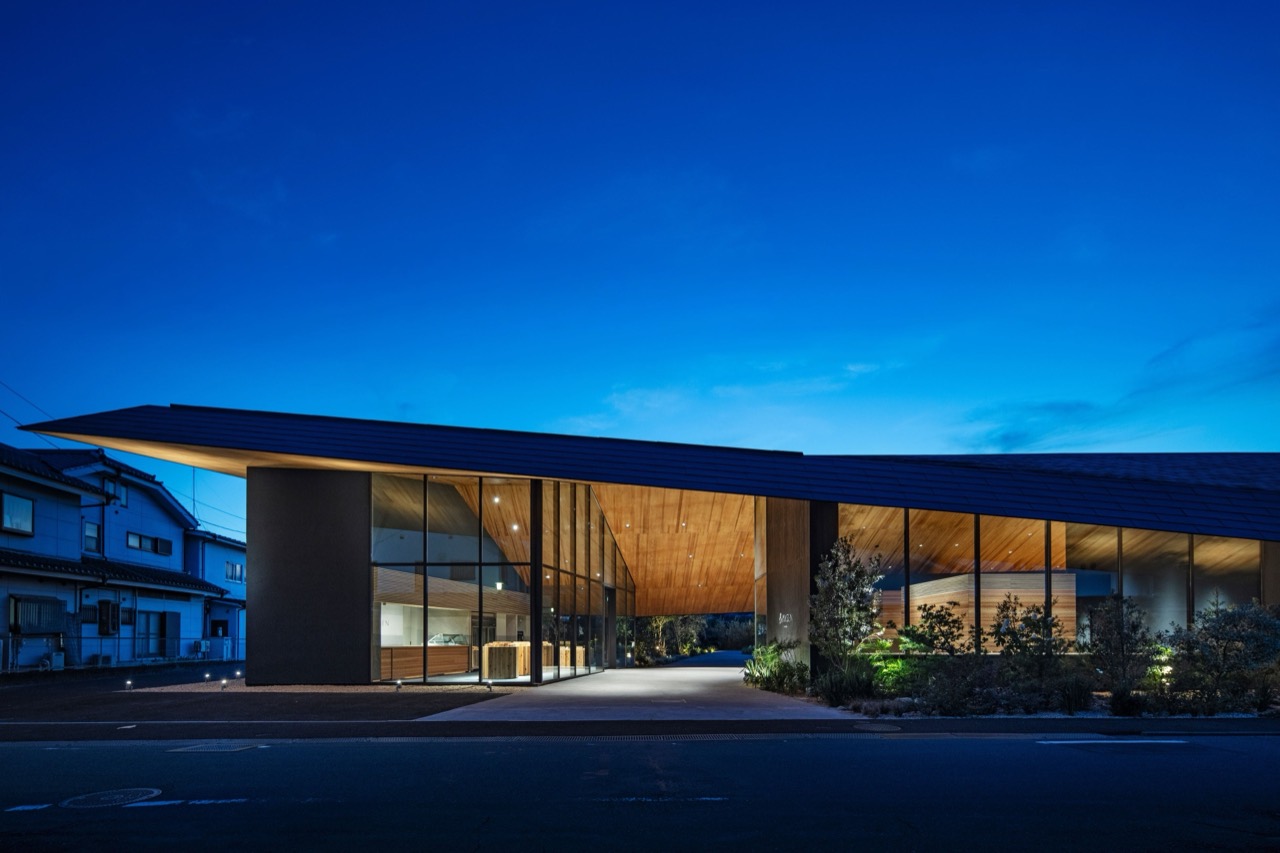
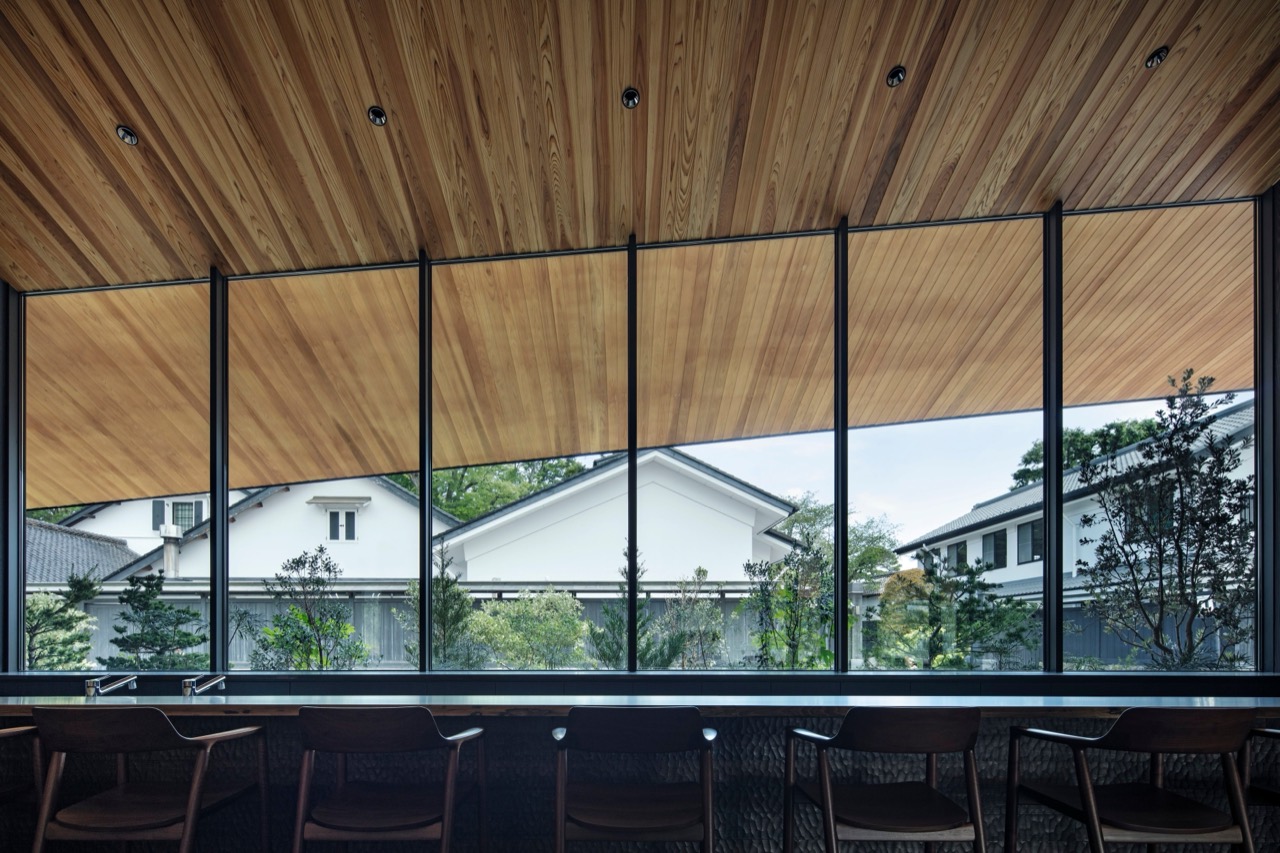
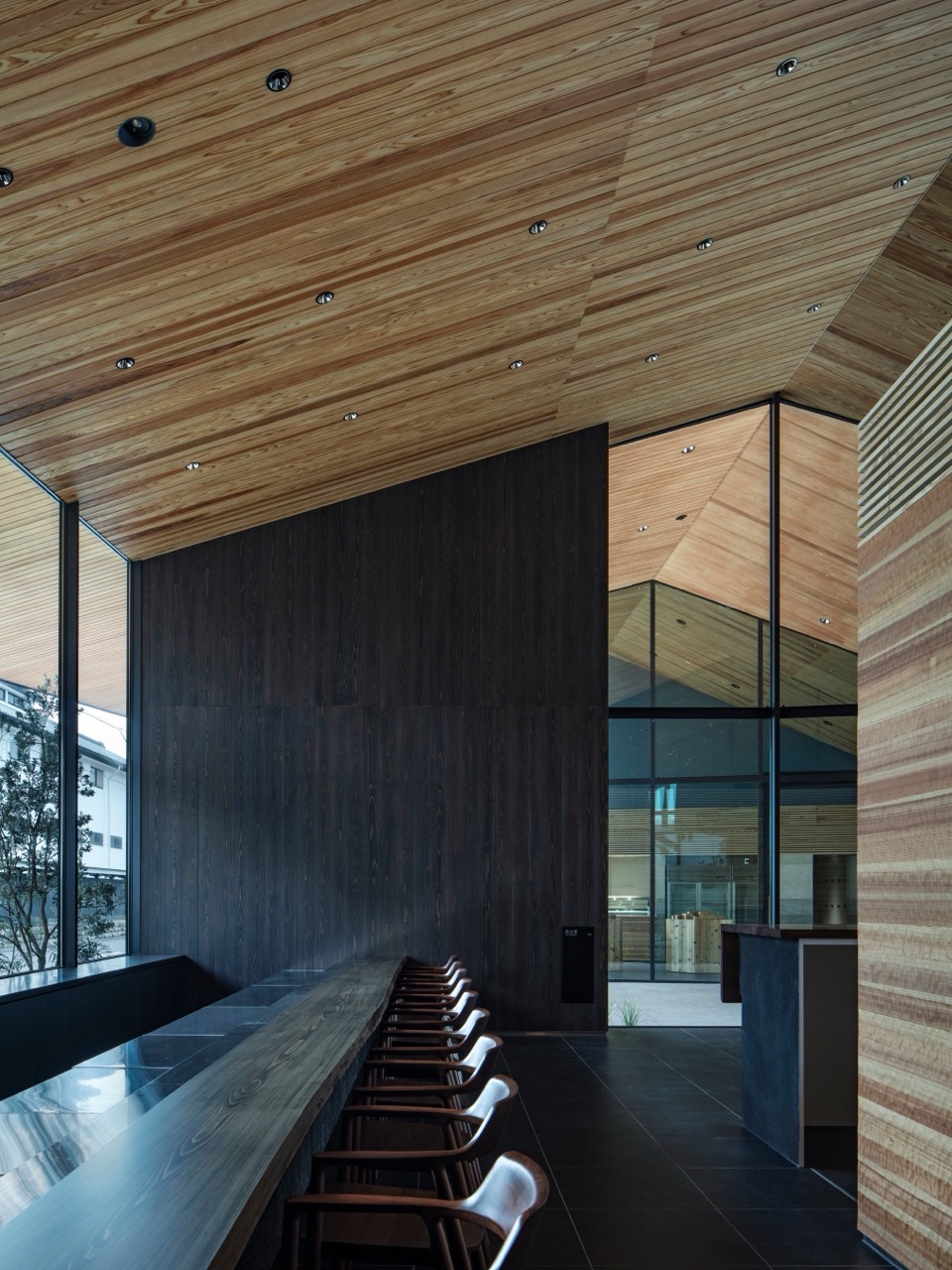
3.What already stood on the site set the conditions for this building. Five registered tangible cultural properties remain, and the one that catches the eye first is an octagonal chimney laid in the French bond. The new bar counter is turned so that the chimney sits straight ahead of anyone seated. Tetsuo Yamaji Architects and Dentsu Live designed it together, and ryokuensha did the garden.
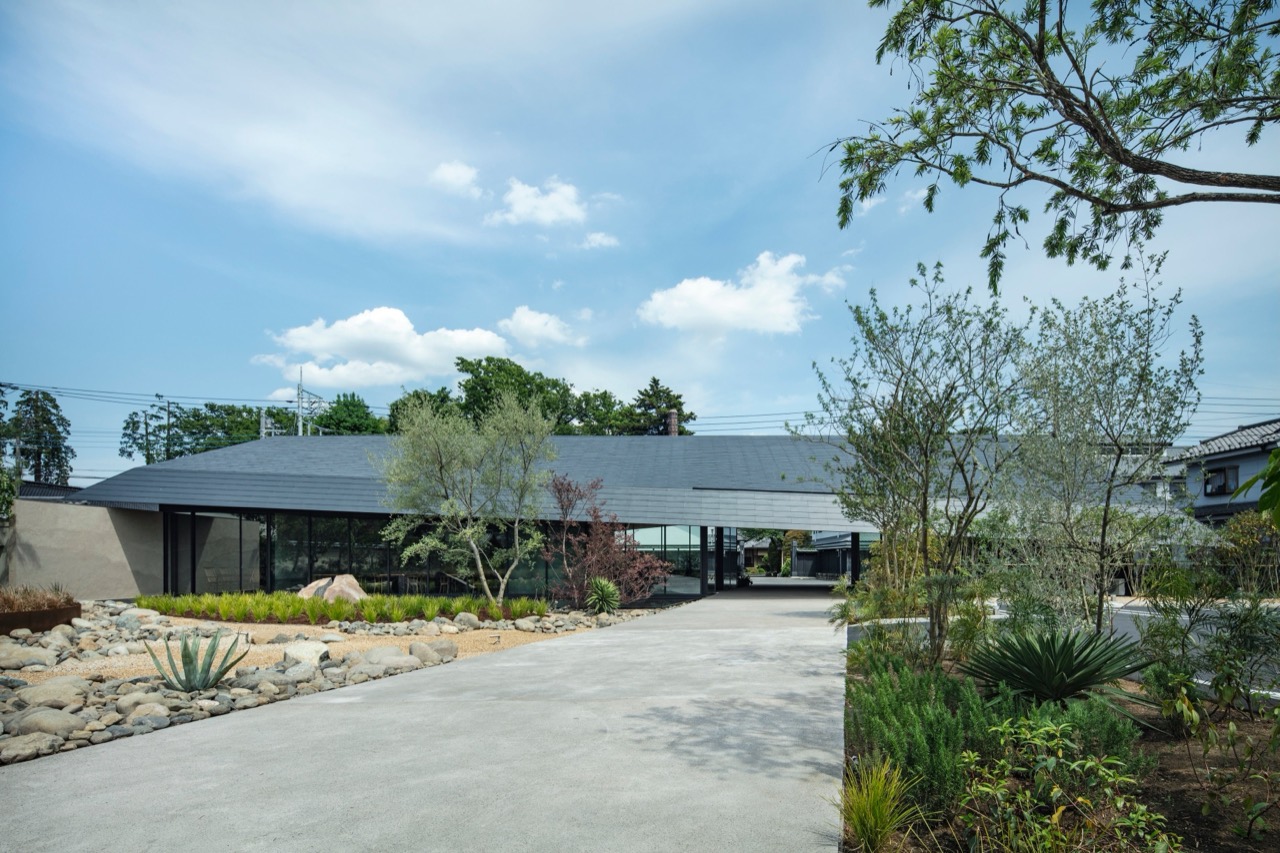
4.The garden copies the flow of the Tamagawa. A watercourse and sandbars were laid in with grasses of the rice family planted on the bars, explained as a courtesy to rice. At a brewery a river is raw material rather than landscaping. The brewing water this house uses carries its own name, Kaki-mizu, and that water goes into the kitchen as well.
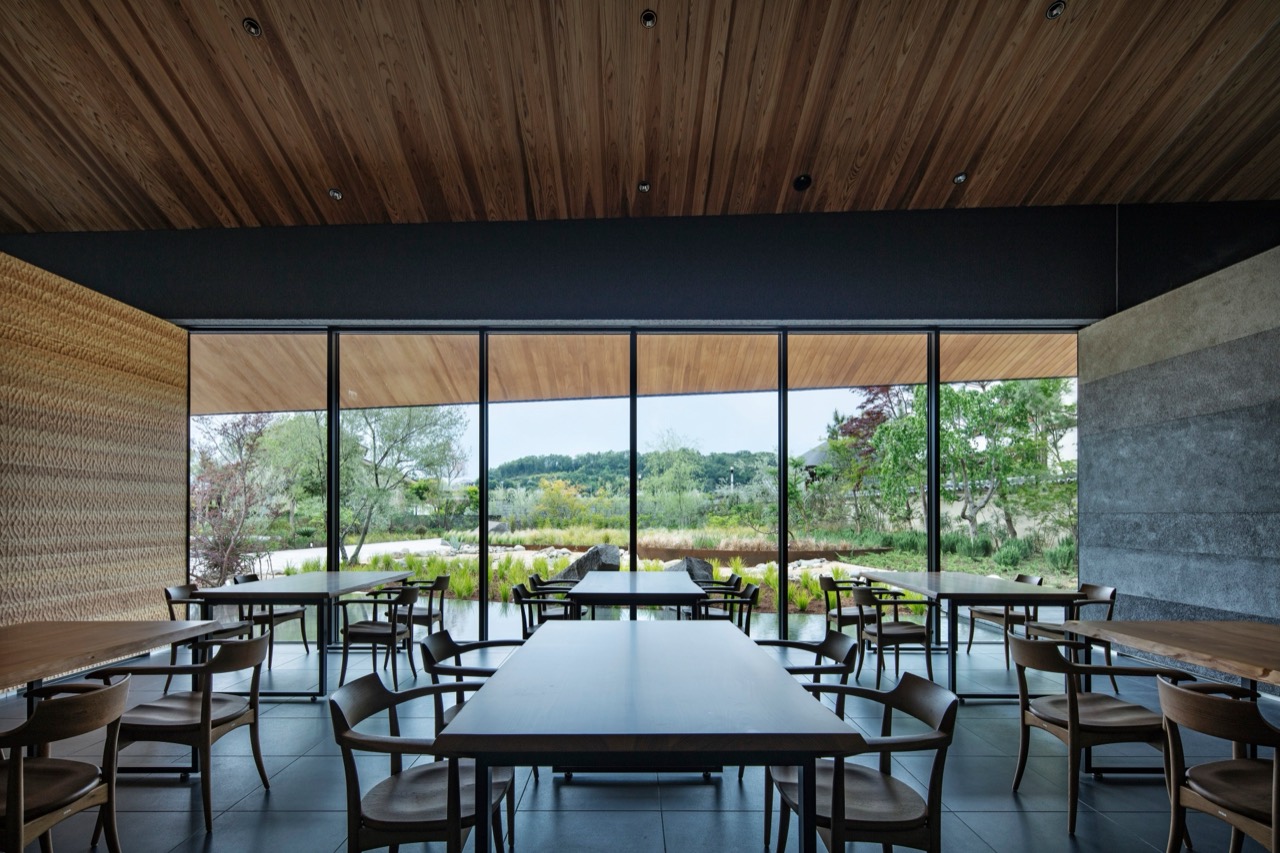
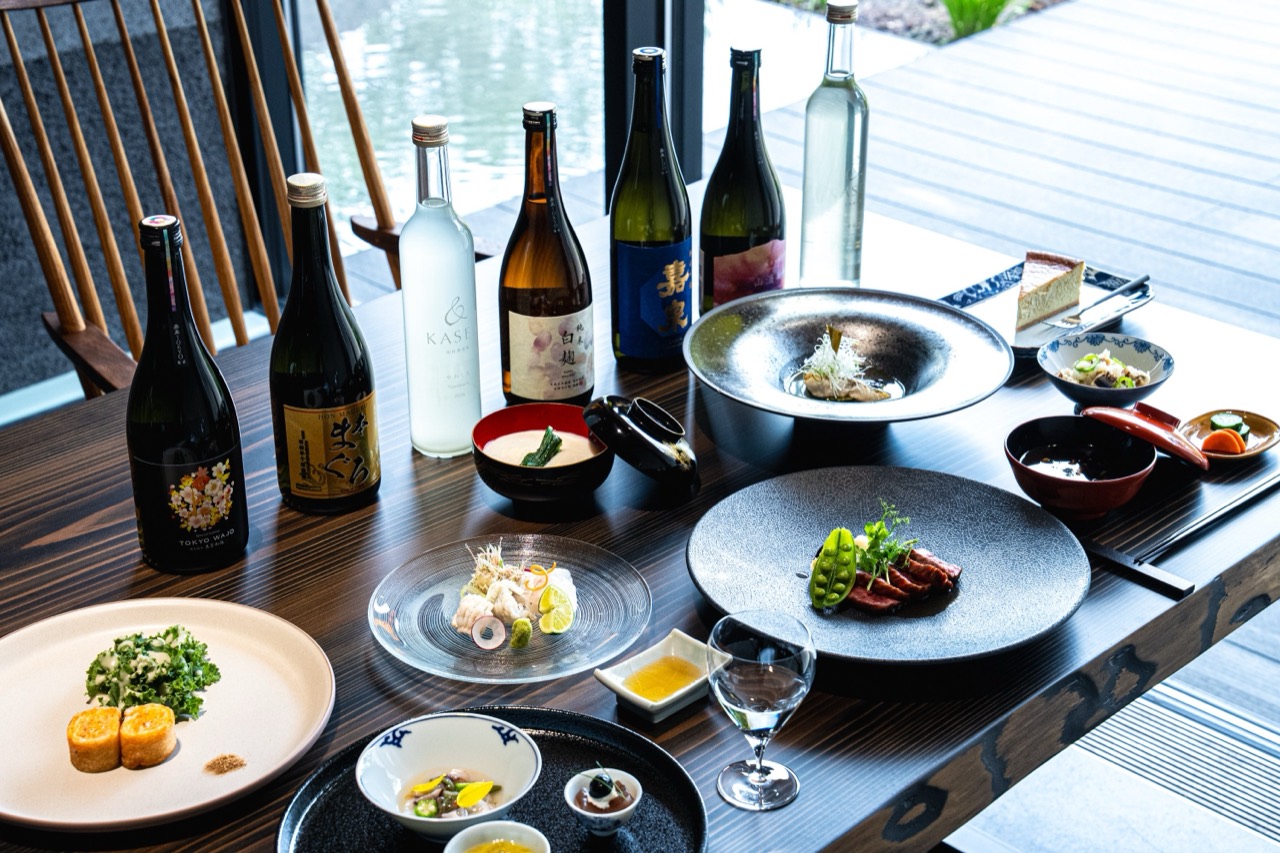
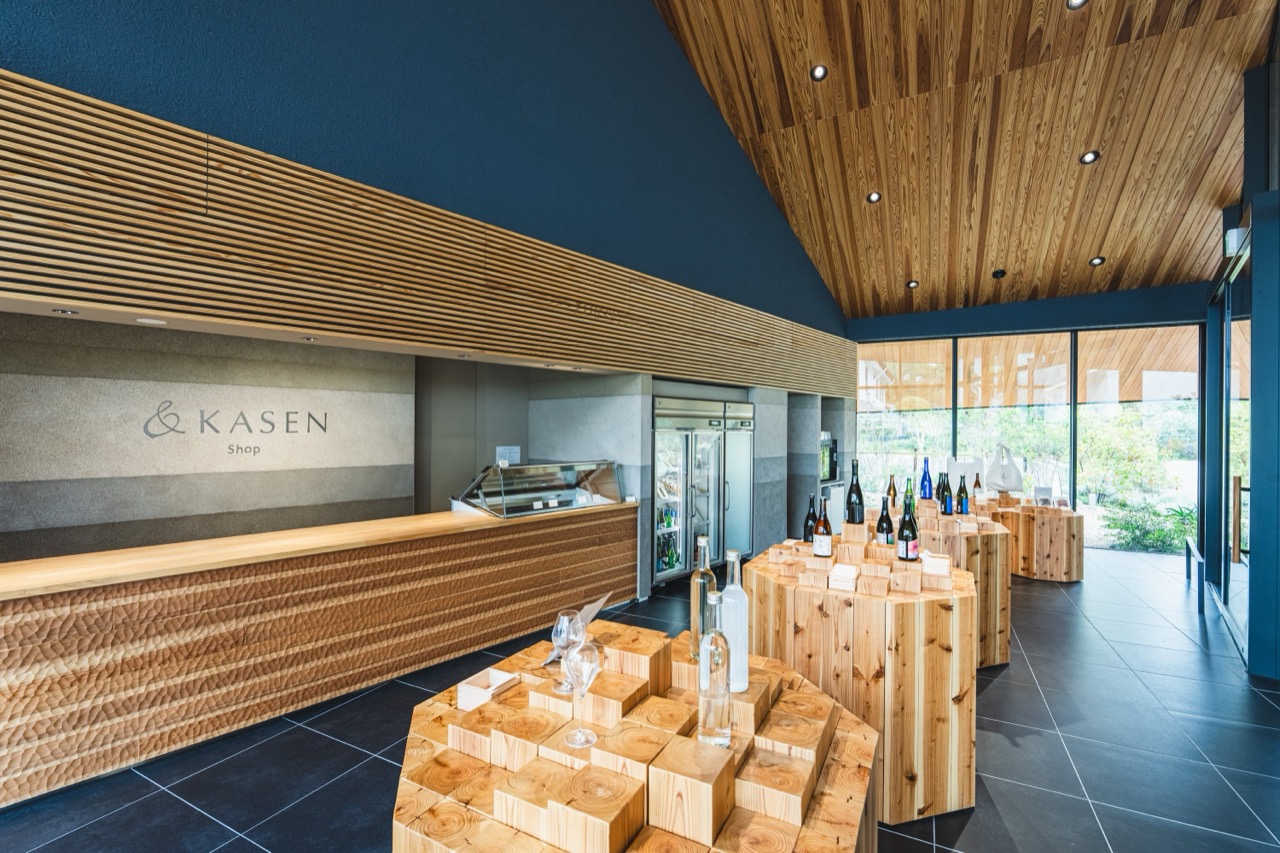
5.Sake lees are on the kitchen's list of ingredients. What is left after pressing sake is a by-product breweries always struggle to place, and here it is both a cooking ingredient and a product for sale. Warm it and the alcohol goes first, leaving a sweet smell and koji. It neighbours the smell of bread dough rising but sits heavier, and on the tongue it lays down a thickness that is neither salt nor acid. The tableware mixes old ceramics handed down in the Tamura family with glassware made new for this house.
6.Pours of around 90ml are the convention in pairing. The same sake becomes three different drinks when the temperature is split three ways. A junmai ginjo served cold stands its aroma up right under the nose, and warmed to roughly body temperature that aroma drops behind the throat while the sweetness widens sideways. Where one glass is attached to one plate, that temperature difference does as much work as a sauce.
7.Why now? The volume of sake sold inside Japan peaked at 1.77 million kL in 1973 and fell to 390,000 kL in 2023, under three tenths of the peak. What grew instead is export, and 2025 sent out 45.88 billion yen worth, 33,500 kL. The export price per litre went from 771 yen in 2015 to 1,368 yen in 2025, 1.8 times. A market turning from earning on volume to earning on price.
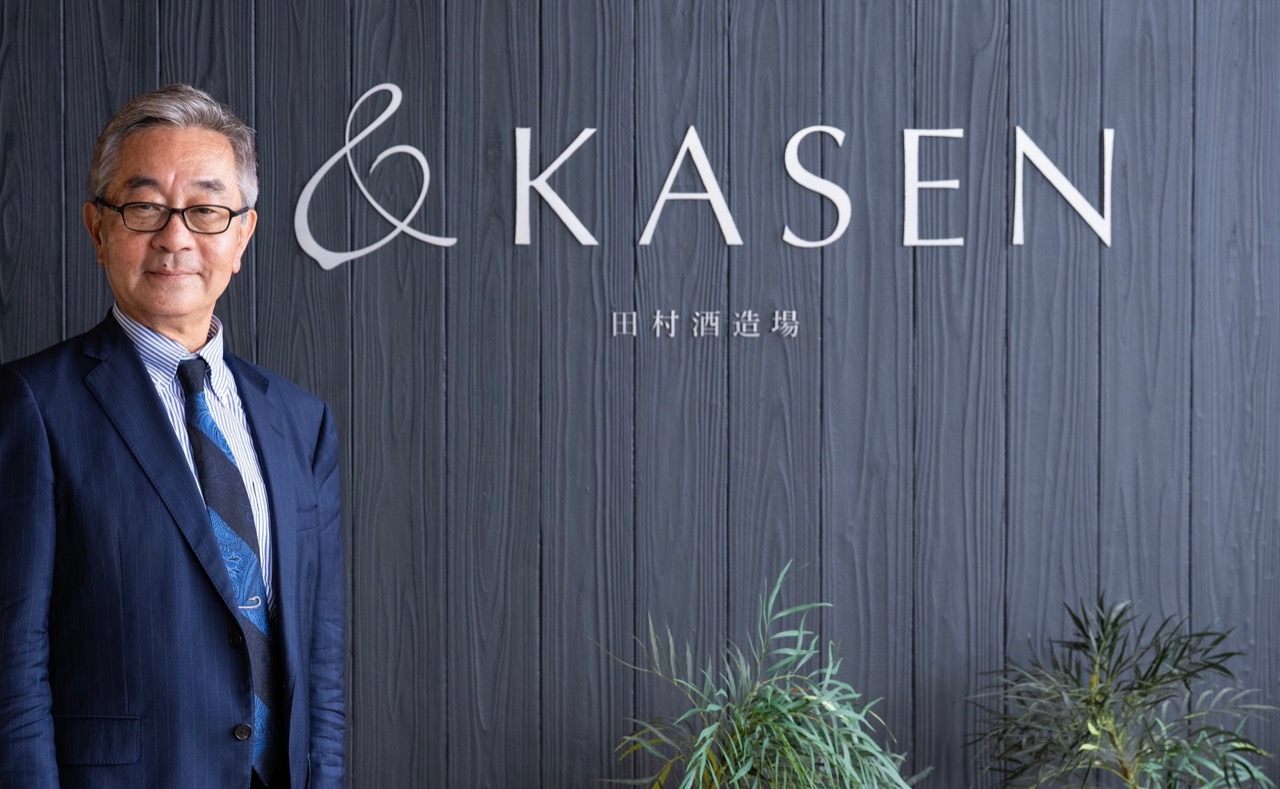
8.People come too. Foreign visitors to Japan numbered 42.68 million in 2025 with spending of 9.5 trillion yen, both records. The number of people coming to see a brewery is growing faster than the number coming to buy sake. Hanjuro Tamura, the sixteenth head of the house, says the family motto was to make with care and sell with care. Adding one more line, to convey with care, is this building's argument for itself.
9.Now the money, and the arithmetic below is the writer's estimate. Put the retail price of a 720ml junmai ginjo at 3,000 yen and that is 4,170 yen a litre, and going through a wholesaler brings what the brewery holds down to 65 percent of it, around 2,700 yen a litre. Sell the same sake directly in the shop and the 4,170 comes in whole, and sell it by the glass at 1,200 yen for 90ml and it works out at 13,300 yen a litre.
10.Selling by the glass takes a room and people, though, and that cost is this 564㎡ building. Two hundred years have already shaved the cost of brewing and it will not come down further. Changing where you sell is a matter of building and hiring, so the part that could still be touched was at the back.
11.The seat count is not published. Working back on 171 pyeong holding a restaurant, a bar, a shop and a kitchen, and assuming 40 restaurant seats and 12 bar seats, daily revenue comes to about 700,000 yen and 26 trading days a month gives 18.4 million yen (estimate). That is KRW 175 million, and 220 million yen over a year.
12.What is left over is another story. Dining spends six tenths of revenue on food and labour, and bottles do not. The scale that shows in revenue and the scale that shows in profit must not be read as the same. What this building actually changes is not the margin but the number of times the house meets a customer directly, and that count pushes bottle sales up from behind.
13.The best margin is not in the course but in the tour and the sake lees. The brewery tour is 2,700 yen a head and the only cost going in is the guide's time. Tasting in the shop is 100 yen, and 100 yen is a device for lowering the threshold rather than a price. Gelato made from sake lees starts from a by-product of the process, so its cost ratio does not compare with course cooking.
14.This model is not new. Ishikawa Shuzo stands within walking distance in the same city, and that house, which began in 1863, runs Fussa no Beer Koya serving Italian food and the fish restaurant Shokudo Ishikawa on its own grounds. In 2021 it opened a brewery-experience guesthouse as well. A neighbour founded 41 years later went down this road first.
15.What differs is the price and the people. Supervision of the restaurant went to a pastry chef, Hiroyuki Emori, who runs MAISON GIVRÉE in Chuo-Rinkan, Kanagawa. He captained the Japanese team that won the ice cream and chocolate world cup at the 2015 Milan Expo. Putting a pastry chef on a sake pairing course is uncommon, and someone who has moved by-products into sweetness is the fastest at turning sake lees into a product. Bar supervision went to Hisato Ono, who runs Shutei Enrome in Monzen-Nakacho, a place with eight counter seats, no fixed menu, whatever came in that day, and a six to four ratio of sake to food.
16.In an industry where domestic shipments have fallen below three tenths of the peak, a 204-year-old maker built 171 pyeong of seating on one side of its grounds and began selling by the glass at 13,300 yen a litre the sake it had been getting 2,700 yen a litre for through wholesalers (estimate). The number that stays is 4.9 times. What trips this up in Korea is not the sake but the distance. Most Korean breweries are an hour away by car rather than twelve minutes on foot from a station, and making people spend three hours on the round trip takes more than one course, so a tour and a shop and lodging have to attach before the day is filled. On top of that come the rules for separating production space from seating and a separate restaurant business registration, so what has to be counted before ground is broken is not the seat count but the timetable of that day.