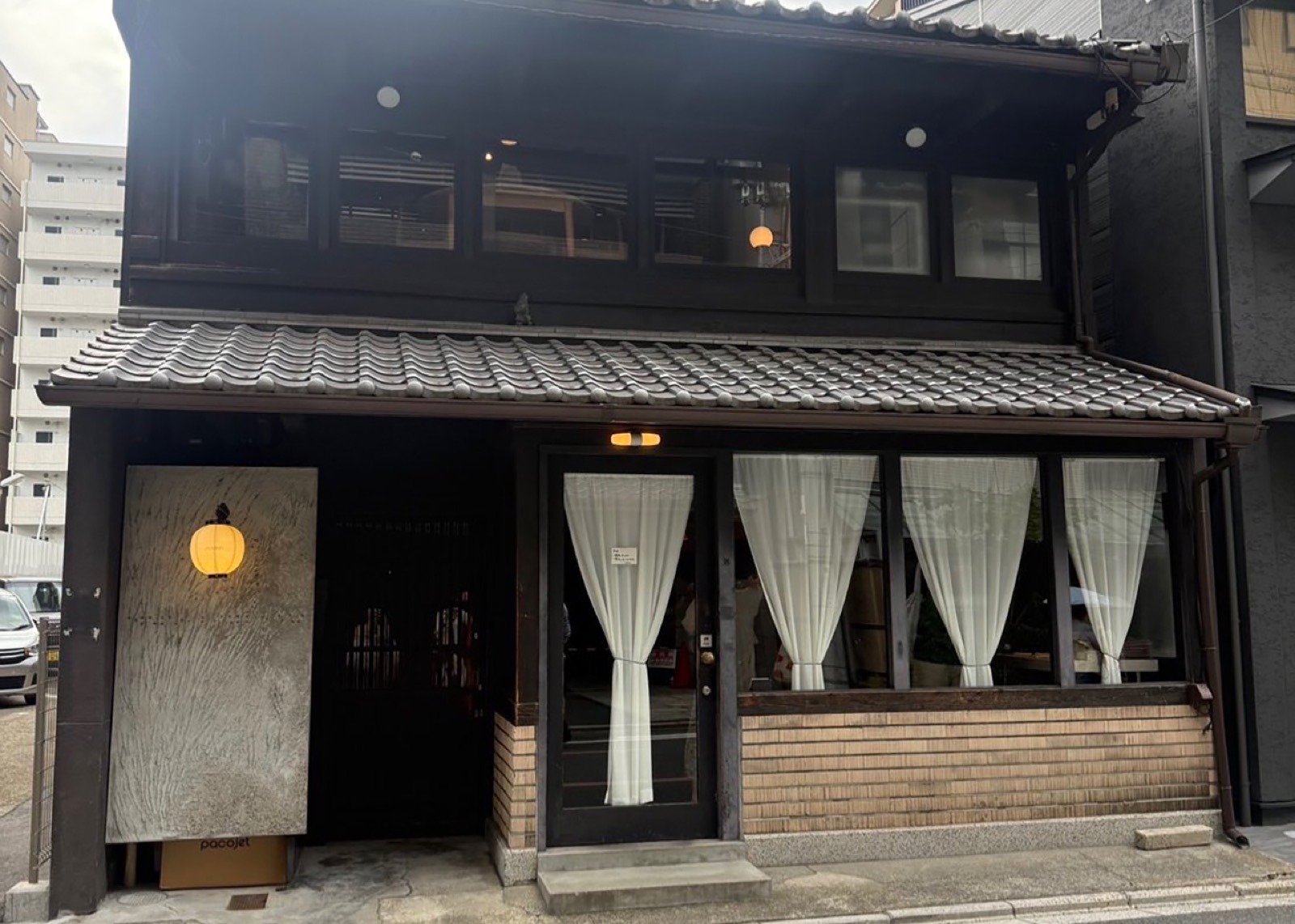
A machiya more than a century old, tucked into a lane west of Nijo Castle in Kyoto, opens as a restaurant on the 10th. The owner, who also cooks, is the actor Mocomichi Hayami. Seat count and course prices remain unannounced, yet reservations opened on the 1st of this month. In Japan, seven of every ten restaurants close within three years.
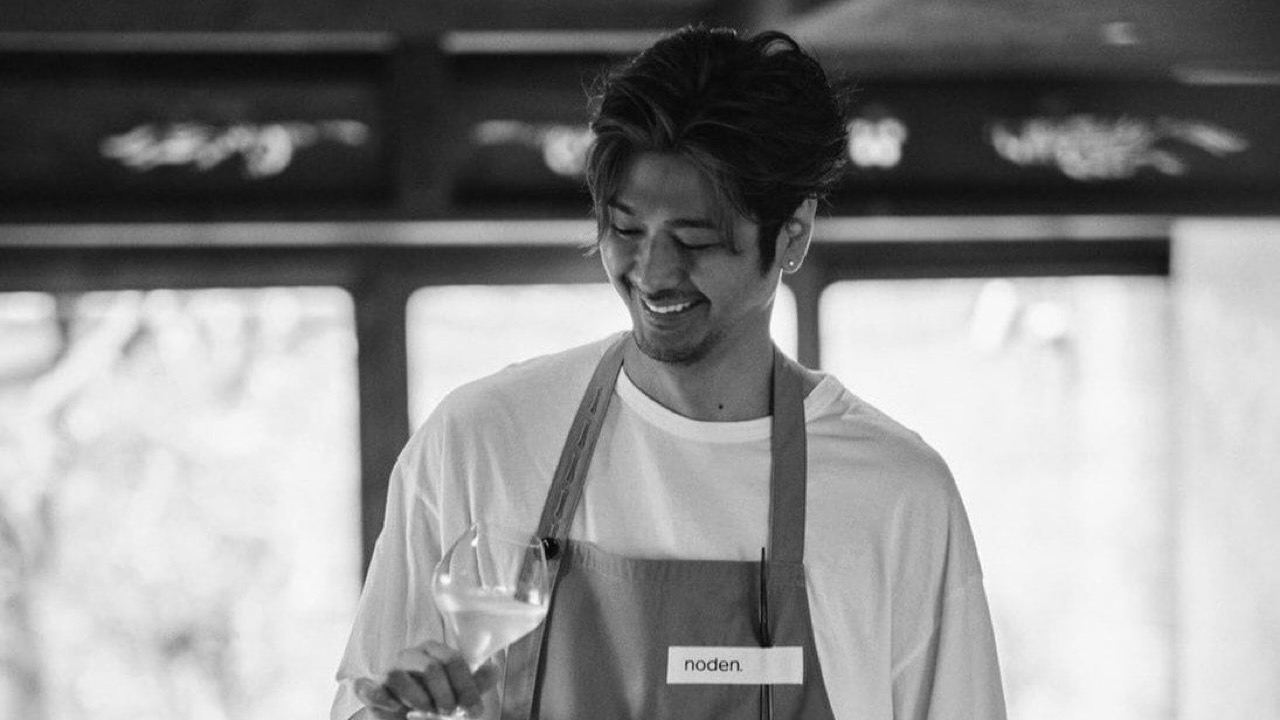
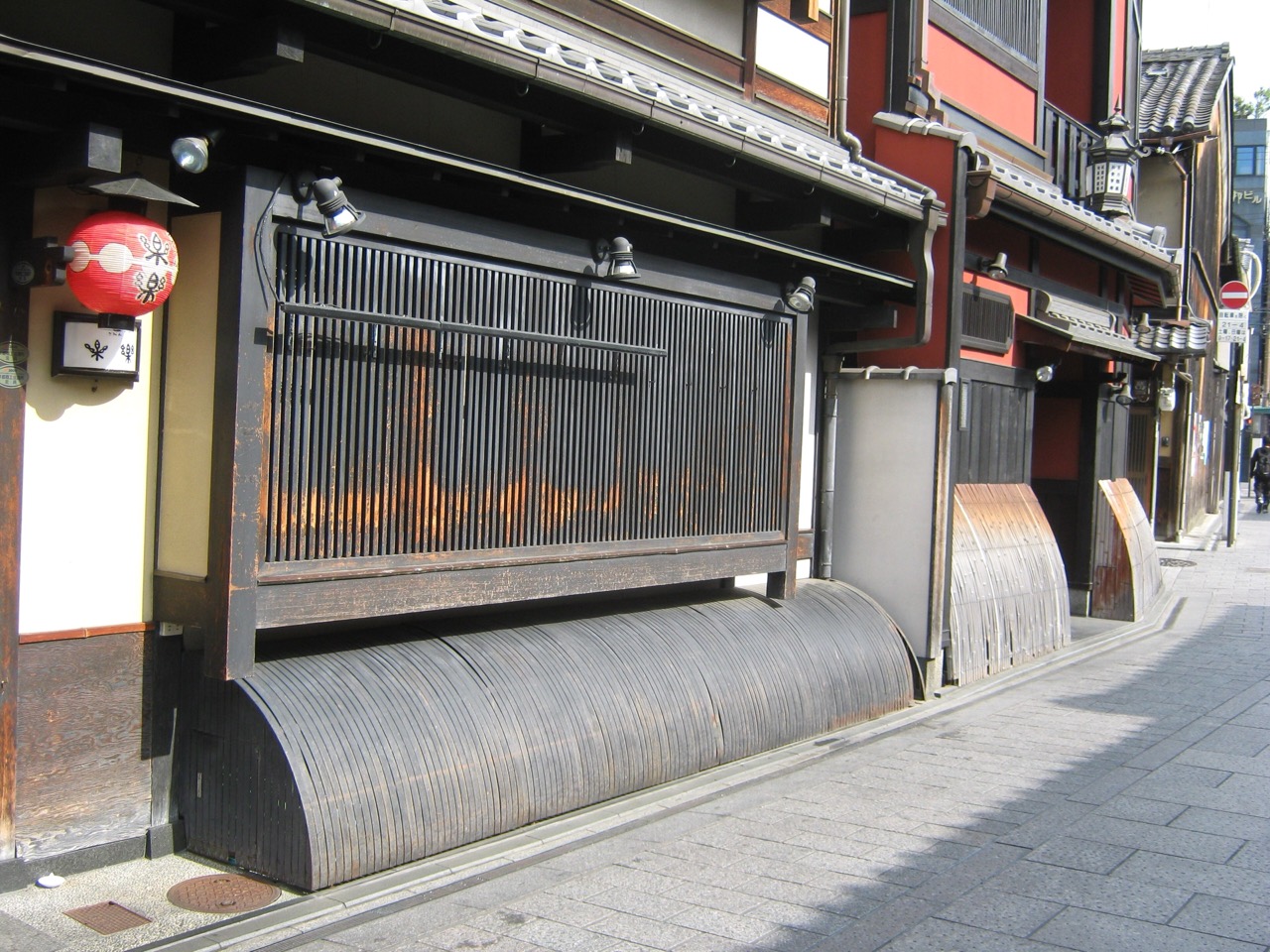
1.On 10 August 2026, noden. opens at 610 Oshinishinotoin-cho, Nakagyo Ward, Kyoto. The site sits on Nishinotoin-dori just north of Oike, in a Kyoto machiya over a hundred years old. Lunch service starts two days earlier, on Saturday the 8th, and reservations opened on the 1st. The representative and chef-operator is the actor Mocomichi Hayami, forty-one.
2.The name works on three layers, the owner says: node, meaning a knot or junction; en, the tie between people; and no, for farming. Kyoto produce anchors the kitchen, ingredients from across the country fill it out, and the promise is a plate unbound by genre. That is the whole of what has been announced. Seat count, hours and prices are still blank. Only the booking line opened.
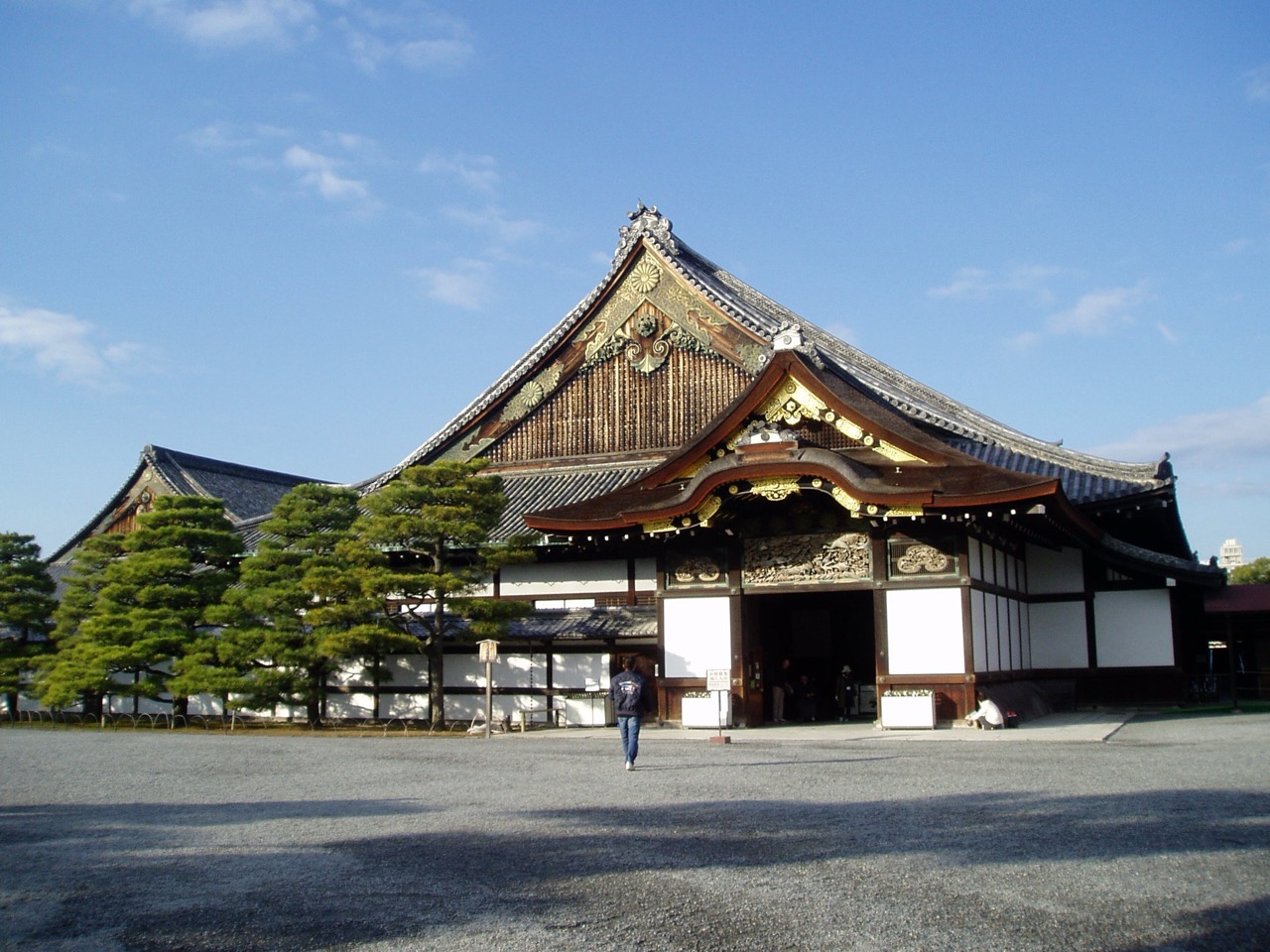
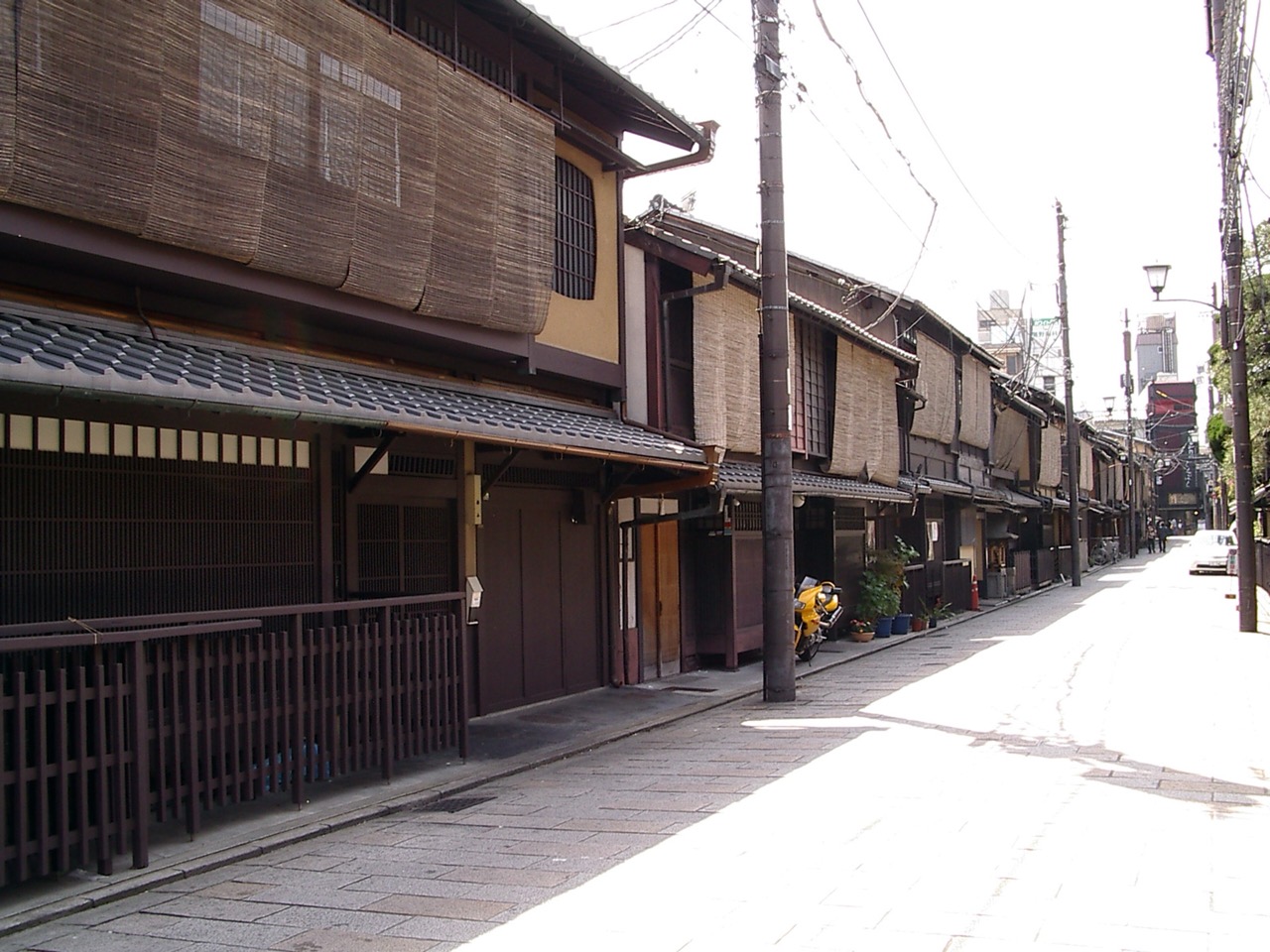
3.It is a walk from Nijojo-mae Station on the Tozai subway line, and reachable on foot from Karasuma Oike Station where the Karasuma line crosses. There is no parking. Nijo Castle, a World Heritage site, sits right there, but people leaving the castle in search of dinner have always drifted south toward Shijo rather than into this lane.
4.A machiya comes with conditions attached the moment you take it on. Timber framing, a long earthen corridor called a toriniwa running front to back, and the old cooking hearth set at the far end of it. Seating guests means either pulling the kitchen forward or repurposing that corridor as circulation, and either choice requires cutting new drainage and new exhaust.
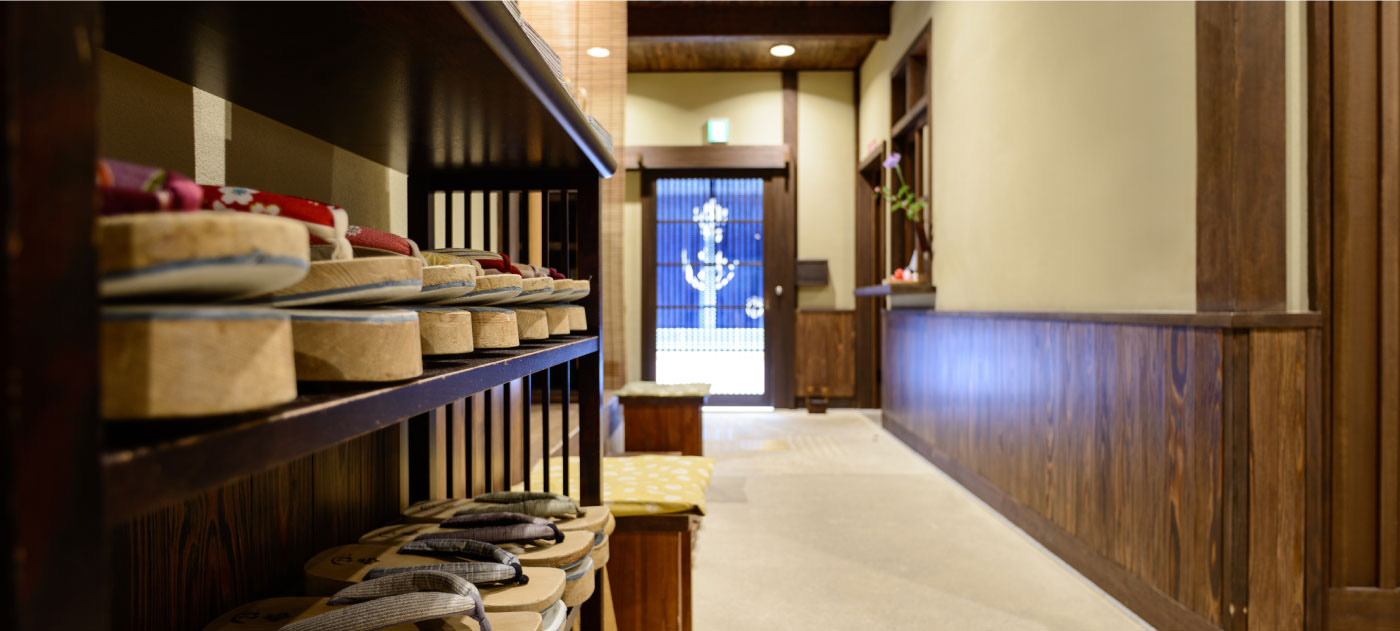
5.The moment a dwelling becomes a shop, the Building Standards Act brings interior finish restrictions and fire protection with it. Exposed timber in the ceiling and columns is precisely what this building is worth, and keeping that timber while making it resist fire is where machiya conversion eats the most money. Hence the figures Kyoto builders quote: above 700,000 yen per tsubo for work that reaches the structure, up to a million when the building is small.
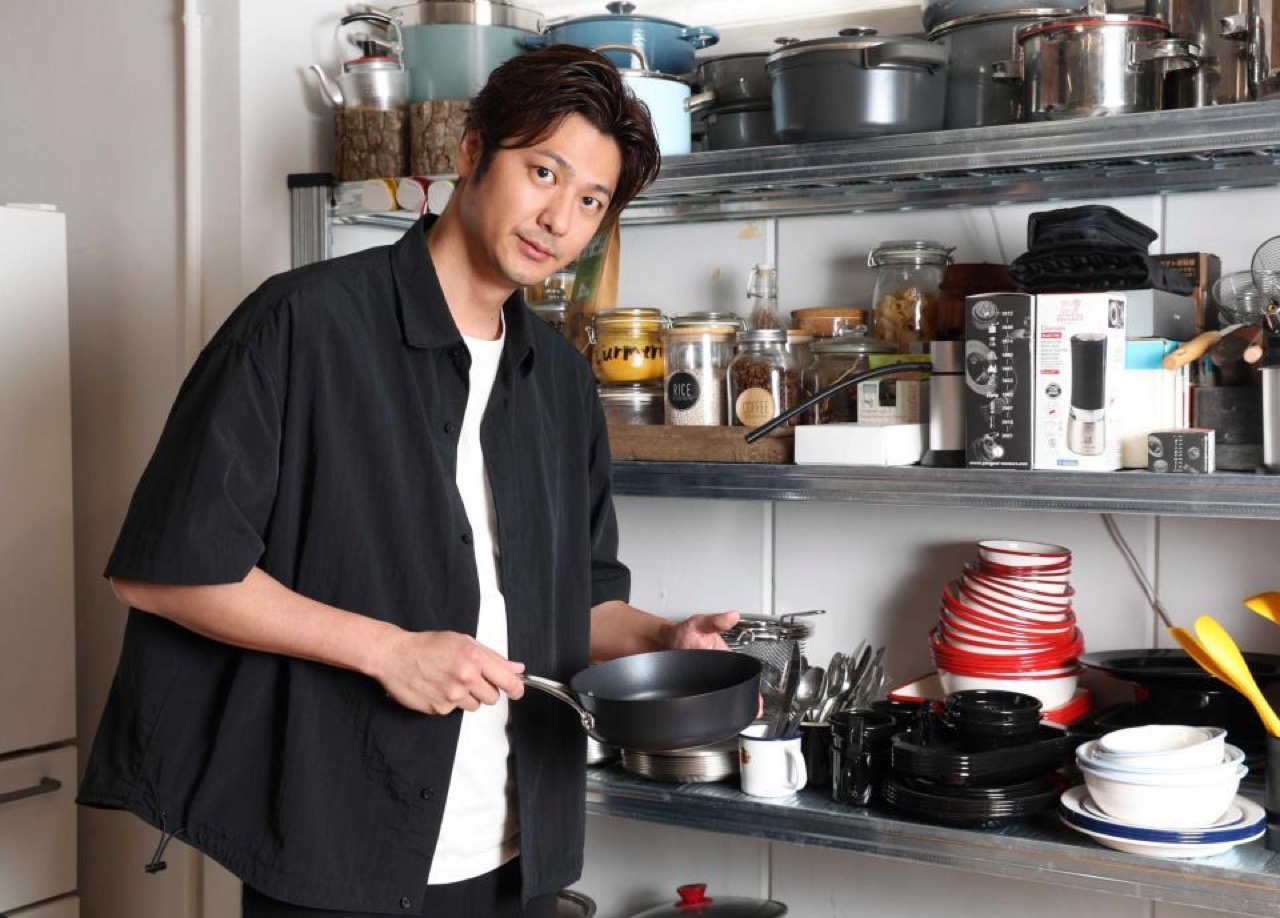
6.There are already eight years of evidence about how this man cooks. From 2011 to March 2019 he put out 1,896 dishes on the morning program MOCO'S Kitchen, and he says he wrote essentially all the recipes himself. He pours enough olive oil for it to have become a catchphrase, so Kyoto produce in his hands is unlikely to end up in dashi.
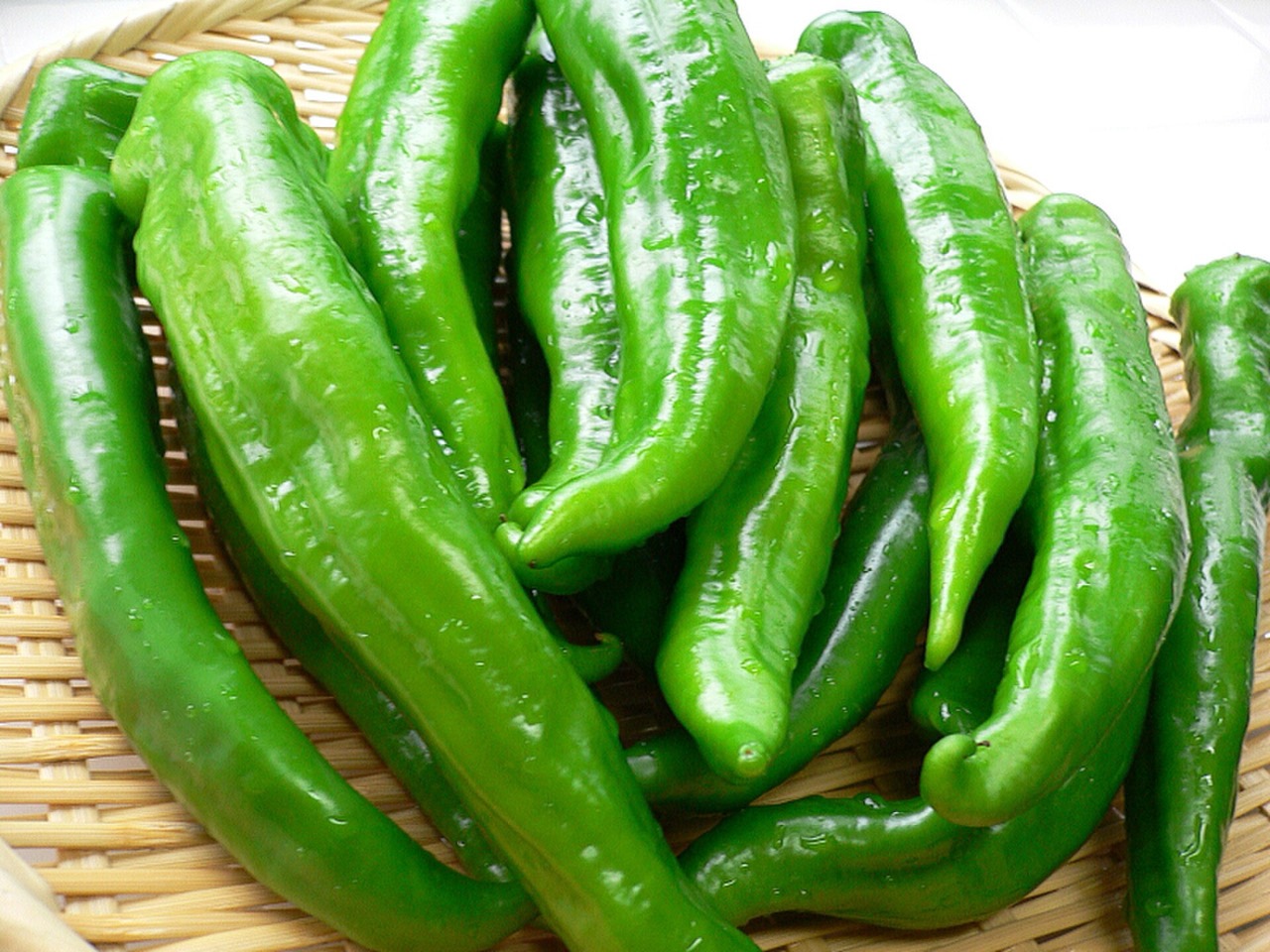
7.Summer in Kyoto brings kamo nasu and manganji peppers. Sear a round kamo nasu in oil and the skin tightens first while the flesh softens until a spoon goes through. Miso on top is the long-standing local habit, but take the same eggplant through olive oil and salt and the sweetness comes forward instead. Refusing to fix a genre means choosing at that fork every time.
8.The cooking work never stopped after the program ended. He opened a YouTube channel in September 2019, and since 2022 he has carried an ingredient-hunting show through a fourth season. Then in March he left the agency that had represented him since his debut, set up his own company in April, and opened a restaurant the same year. The sequence does not look accidental.
9.What he sold until now was product and video. The olive oil began with a 2012 shoot in Spain, and YouTube runs on advertising. In both, inventory and view counts set the revenue and the customer stays faceless. Buying a room reverses that. A ceiling called seat count appears, and in exchange the amount taken from one person jumps by an order of magnitude.

10.Half the answer lies in the district he chose. Shop rents in Kyoto run 25,000 to 50,000 yen per tsubo per month around Shijo Kawaramachi and Kiyamachi, 20,000 to 40,000 around Shijo Karasuma and Karasuma Oike, and 20,000 to 40,000 in Gion and Higashiyama. The Sanjo and Nijo belt where noden. sits runs 15,000 to 30,000, among the cheapest in central Kyoto.
11.Cheap rent comes back as construction cost. The rule of thumb for fitting out an ordinary shop is ten to fifteen months of that site's rent, and machiya break the rule. Reach the structure of a 30-tsubo machiya and you are above 21 million yen; touch only the interior and it is 250,000 to 400,000 per tsubo, or 7.5 to 12 million. On a site renting for 600,000 a month, construction alone arrives as three years of rent up front.
12.When does that money come back. The figures below are calculated, not disclosed. Take 30 tsubo and 24 seats, lunch at 4,000 yen and dinner at 12,000, one turn each: 384,000 yen a day, and 9.21 million yen over 24 operating days. That is 87.5 million won, or 110 million yen a year. Monthly sales per tsubo of 307,000, with rent at 6.5 percent of revenue, sits easier than the 10 percent restaurants usually plan around.
13.The softest figure in that calculation is the 35 percent on ingredients. Leave the genre open and the ingredient list grows; a long list turns over slowly and waste climbs. Buying direct from growers lowers the purchase price while handing you minimum volumes and logistics, so direct sourcing is less a device for cutting cost than one for moving inventory risk into the kitchen.
14.Seven of every ten restaurants in Japan close within three years. For places opened by known names the curve is steeper, because opening publicity lifts the first year and the second returns to where it would have been once that publicity drains. Beat Takeshi's curry shop closed. So did Tamori's okonomiyaki place.
15.The ones that survived were the ones where the owner stayed in the building. noden. has stated plainly that he will cook on an irregular schedule, which is an honest disclosure and also this restaurant's largest risk. Fans come to see a person, and when they cannot tell which nights he is there they postpone, and a postponed booking mostly does not return. Which means the food has to stand ahead of the person from opening day.
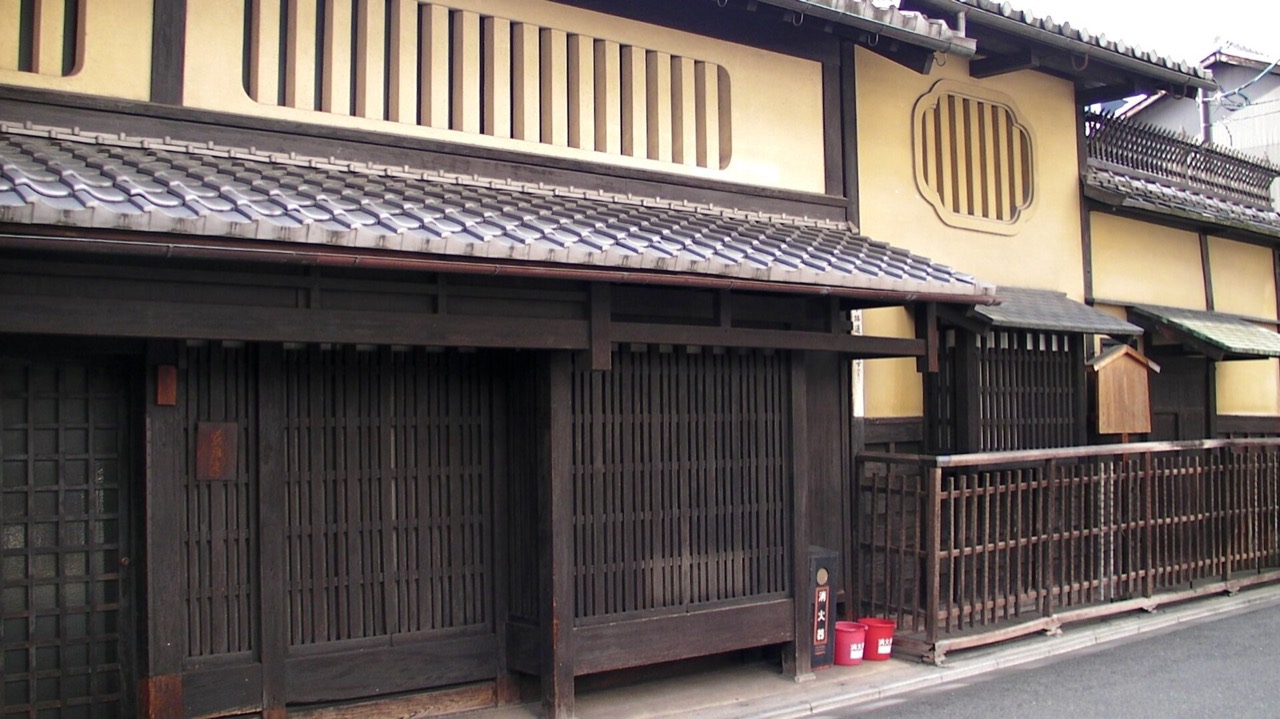
16.A man who made 1,896 dishes across eight years of morning television has taken a century-old timber house in the cheapest central lane in Kyoto and opened bookings without naming a seat count or a price. Reverse-engineered at 30 tsubo and 24 seats, 9.21 million yen turns over in a month and the first year's profit goes entirely to construction (calculated). Anyone attempting this in Korea runs into hanok first. Hanok in Bukchon and Ikseon-dong sit under district plans and design review that narrow what can be touched on the exterior, and converting an old house into a restaurant catches once on septic capacity and exhaust ducting, then again on the fire safety completion certificate. What to count before signing is not the seats but the months those two reviews will take.