A Michelin Bib Gourmand modern French house in Minami-Aoyama has opened 48 seats in Fukuoka and 120 seats in Harajuku within twelve months, and next month a ground-floor room by Tokyo Station joins them. Prices barely came down. What grew was the seat count, and the biggest of the three takes weddings.
1.Reservations for L'AS TOKYO opened on the 6th. It debuts on September 10 on the ground floor of TOFROM YAESU, a new complex attached to Tokyo Station. The retail zone there holds 68 tenants and 55 of them open that day. This is the first venue in the Tokyo Station district for L'AS, the modern French restaurant from Minami-Aoyama, and a separate tart counter called Tarte & Table by L'AS comes with it.
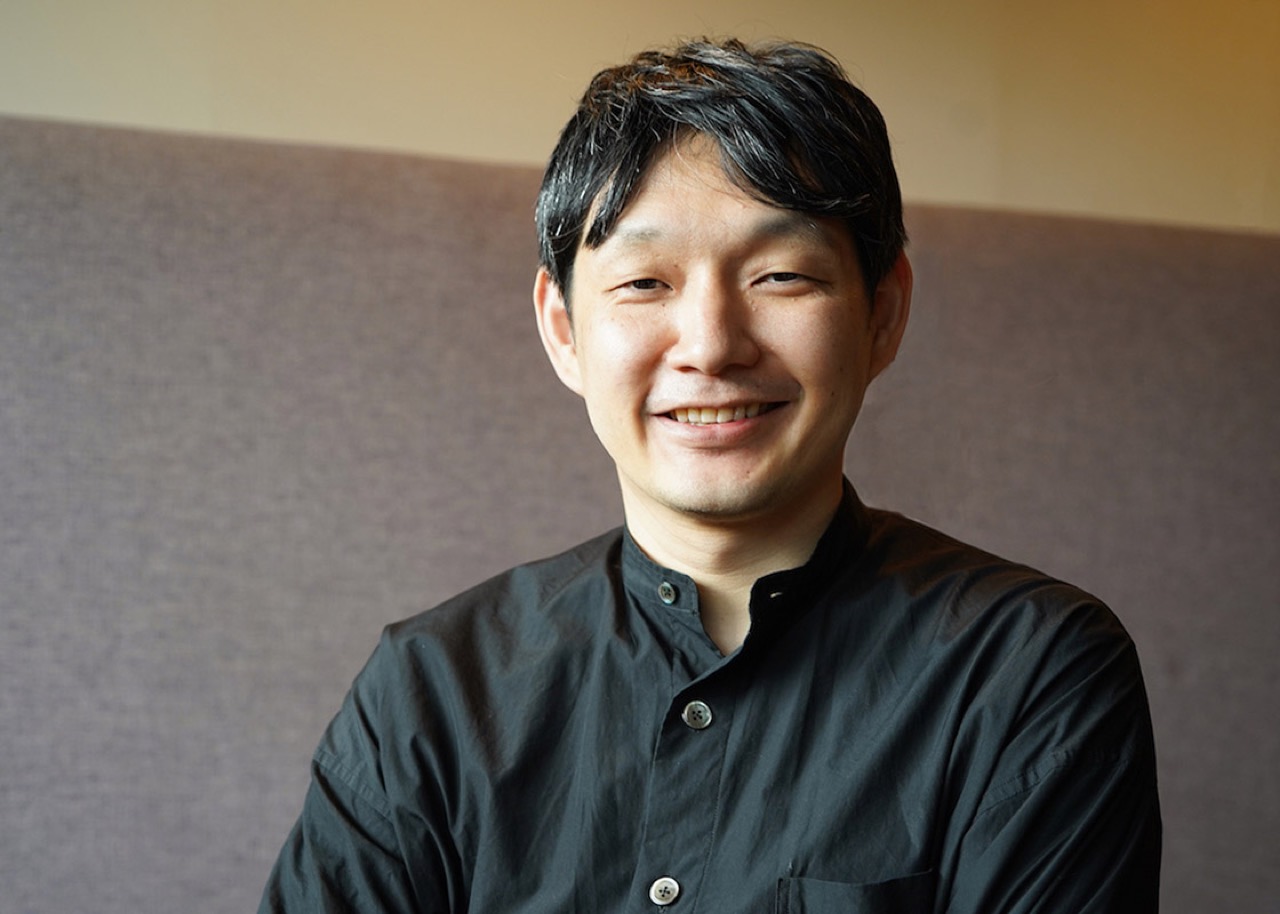
2.L'AS was opened by Daisuke Kaneko. Born in 1979, he passed through La Becasse in Osaka and Côte d'Or in Tokyo before leaving for France, then opened his own room in Minami-Aoyama in 2012. The British food magazine FOUR named him among the world's best young chefs in 2014, and the 2026 Michelin Guide Tokyo lists him as a Bib Gourmand. The original room holds 36 seats.
3.Those 36 seats were the only room he had for thirteen years. A 48-seat second house opened in Yakuin, Fukuoka on September 12, 2025, and roughly 120 seats opened in Harajuku on April 24, 2026. Add Yaesu next month and that is three rooms in twelve months.
4.Start with the biggest of the three. Prés de L'AS, sixth floor of Harajuku Quest at 1-13-14 Jingumae, Shibuya. Lunch runs 11:00 to 15:00 with food orders closing at 13:30. Dinner runs 17:00 to 22:00, with course orders closing at 20:00. The weekday-only seasonal course is ¥3,800, the Prés de L'AS course ¥5,300, the dinner omakase ¥5,500. All figures include tax and service, with a separate table charge.
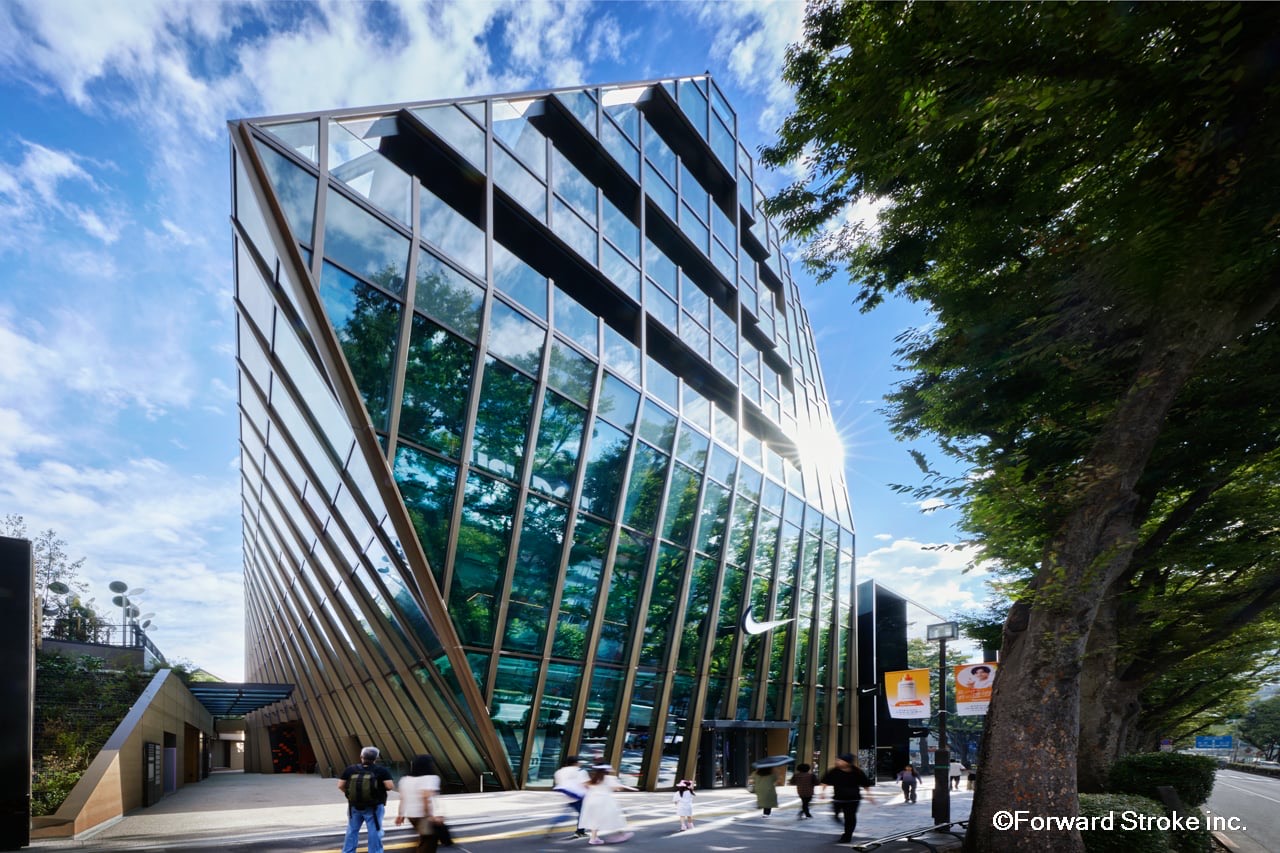
5.The building is Harajuku Quest. Shohei Shigematsu of OMA led the design, on a 1,956.49㎡ site with 7,513.18㎡ of floor area across two basement levels and six floors above ground. Nike came first on September 11, 2025, and the remaining nine tenants opened together on April 24 this year.
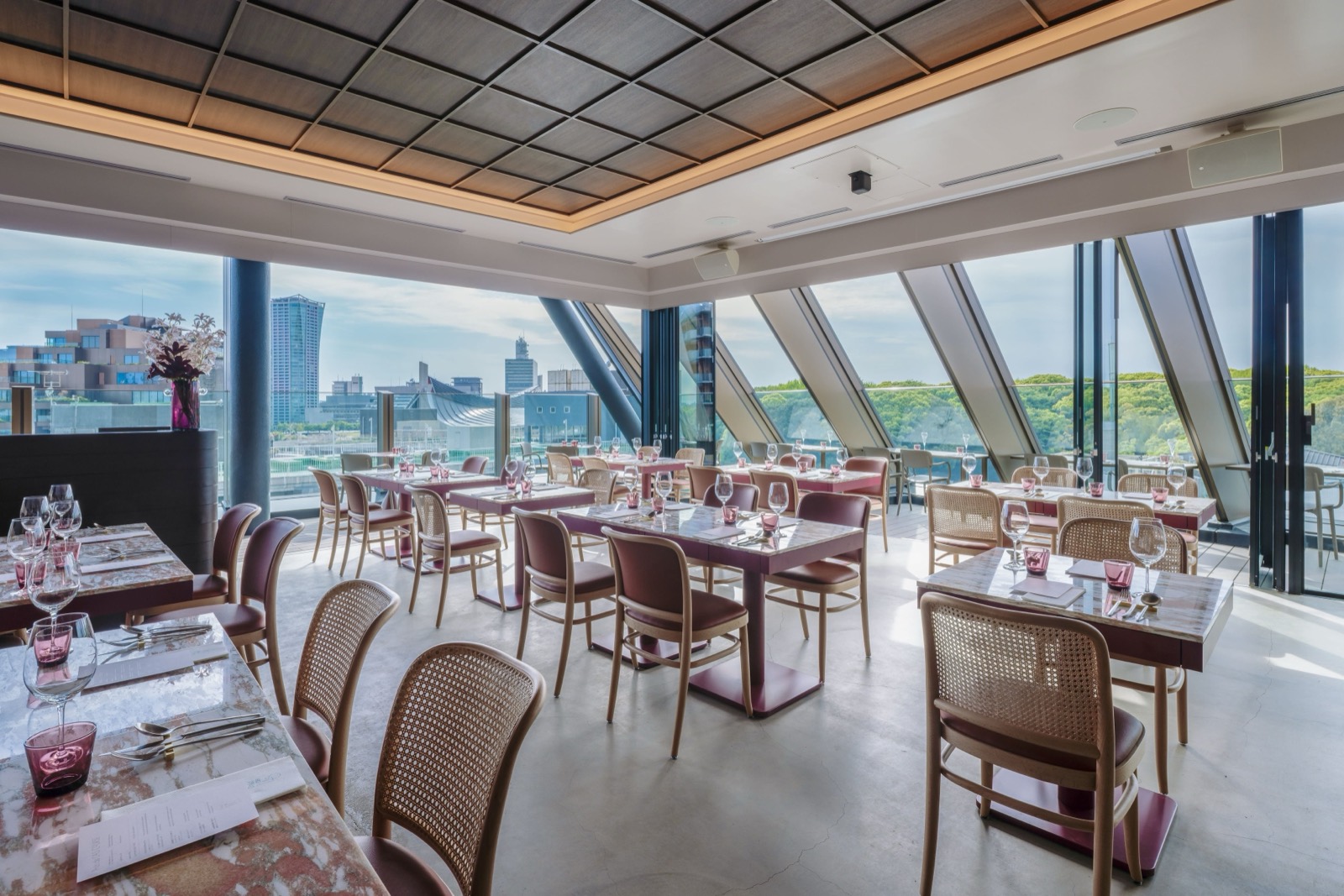
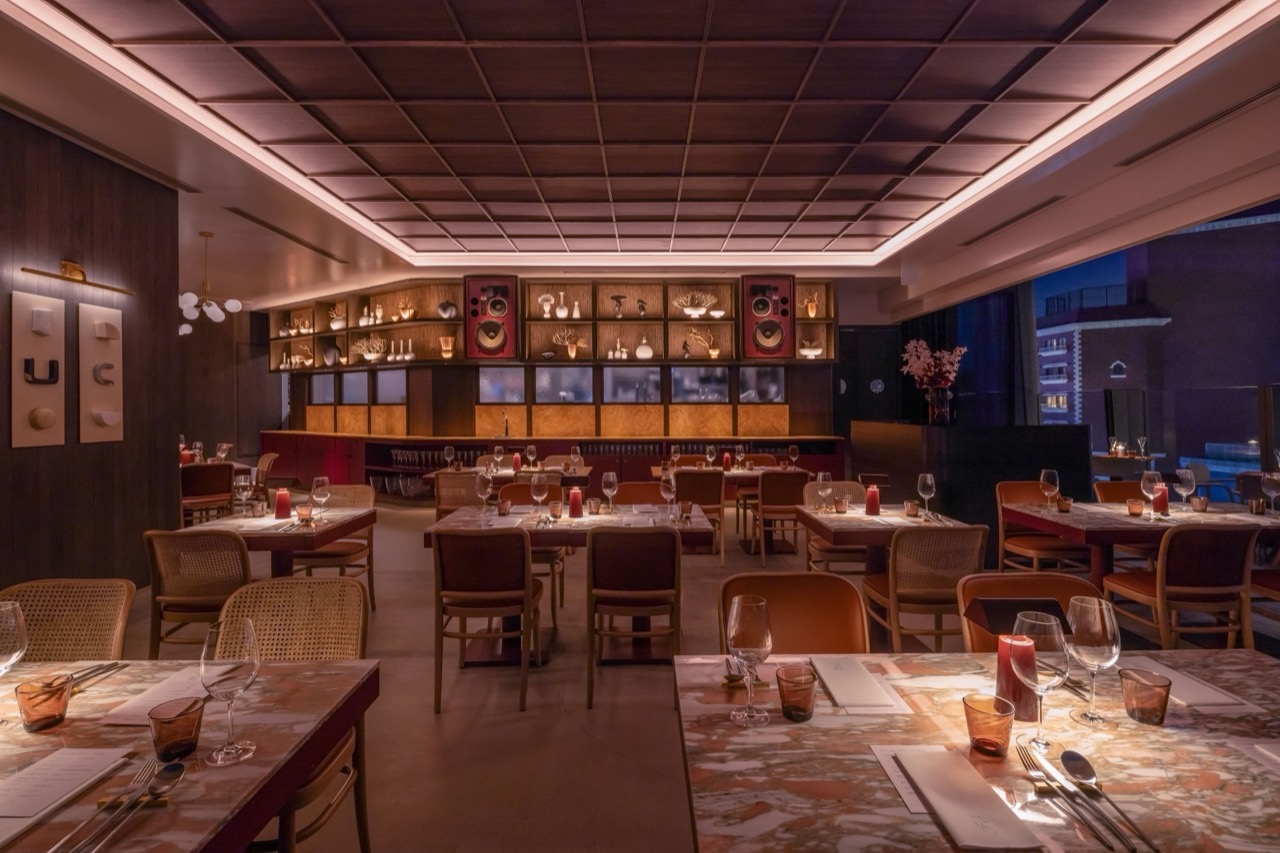
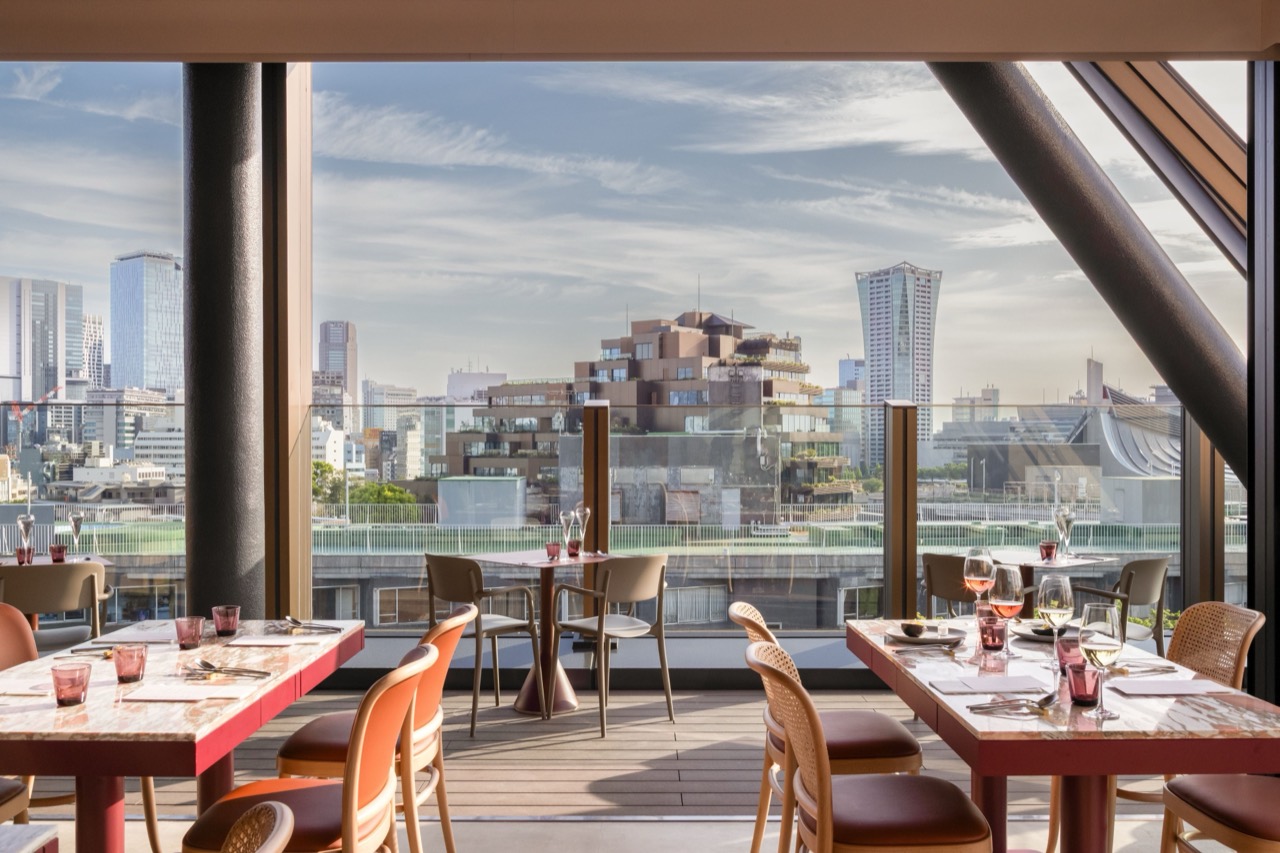
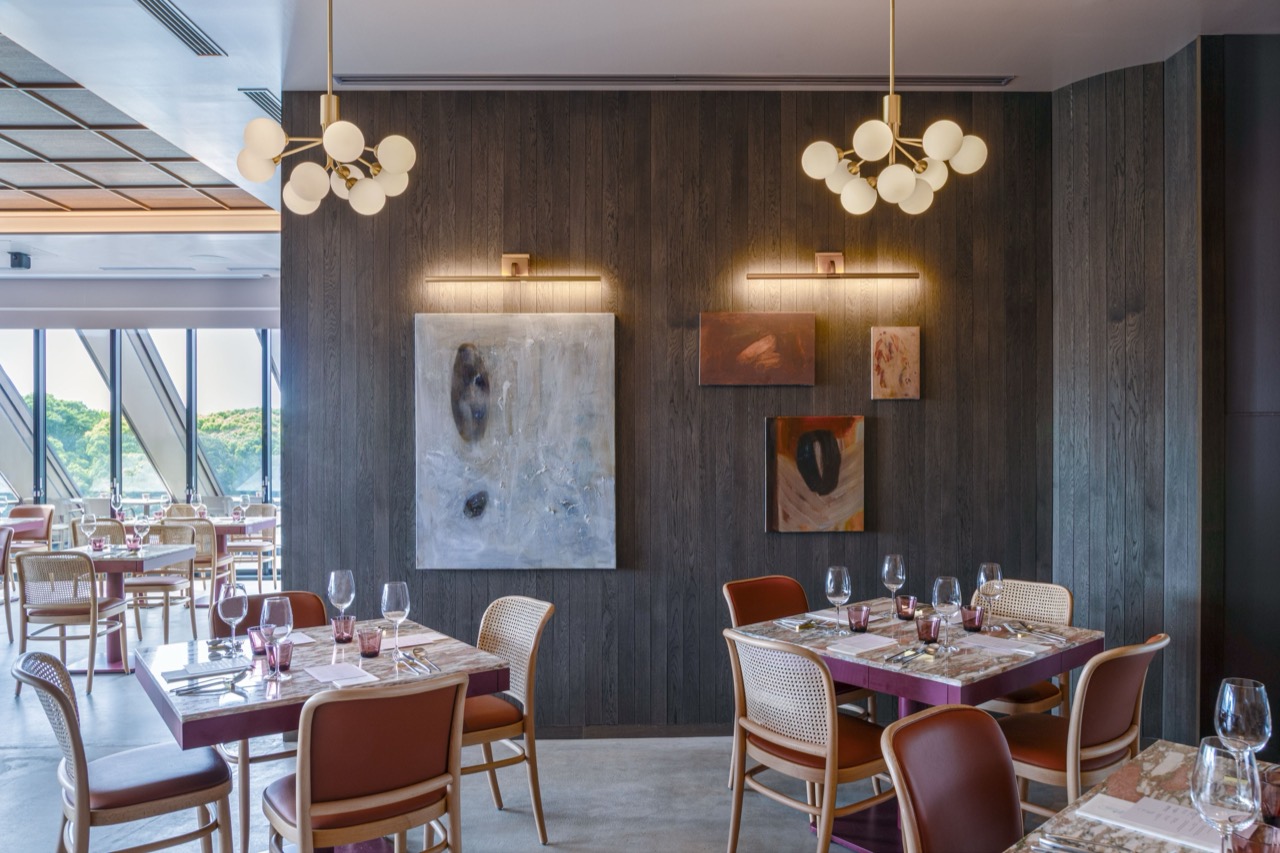
6.Step onto the sixth floor and the glass registers first. The outward-leaning face meets a timber grid overhead, and below it the blocks toward Shibuya and the Meiji Jingu woods land in one view. The interior was drawn by Takenouchi Webb of Singapore. Diners keep repeating one line in their write-ups, that the spacing between tables is more generous than at the original.
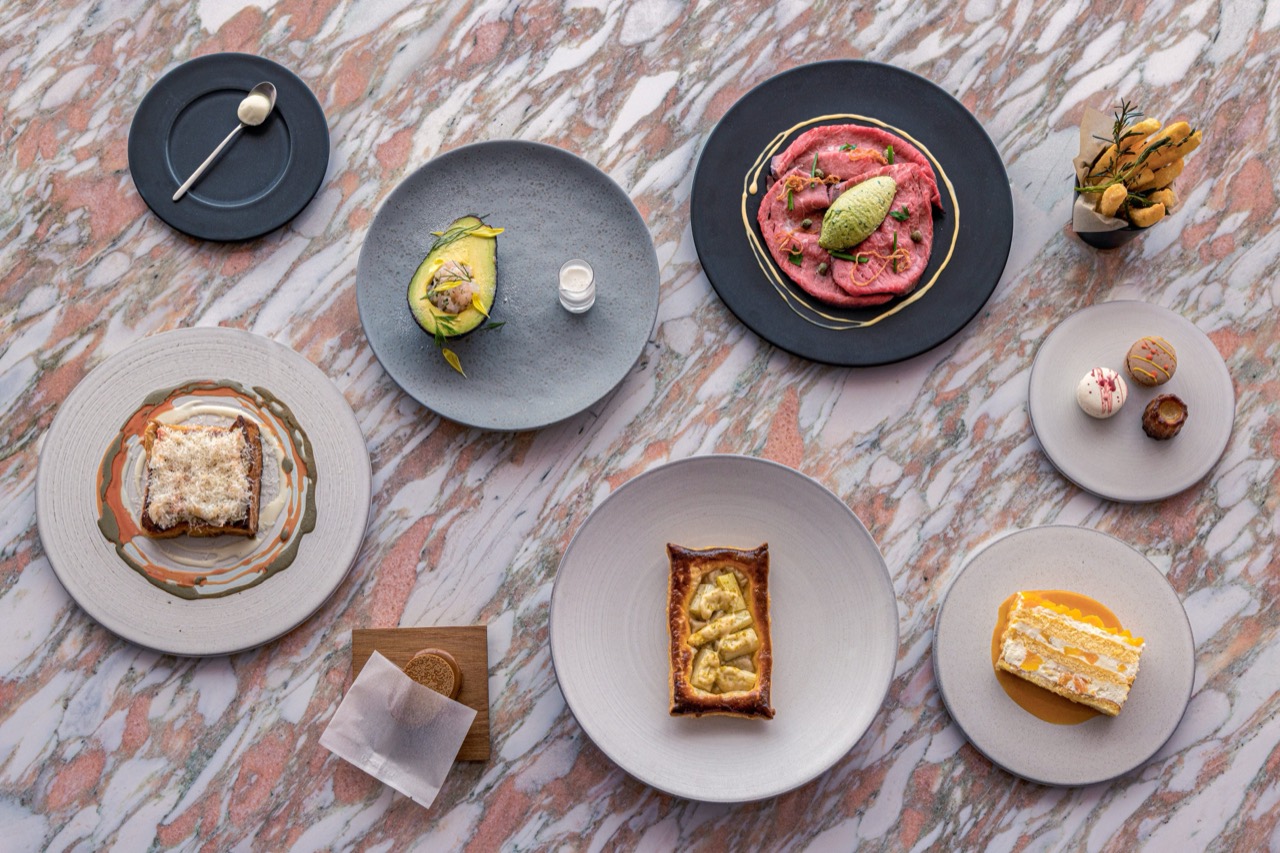
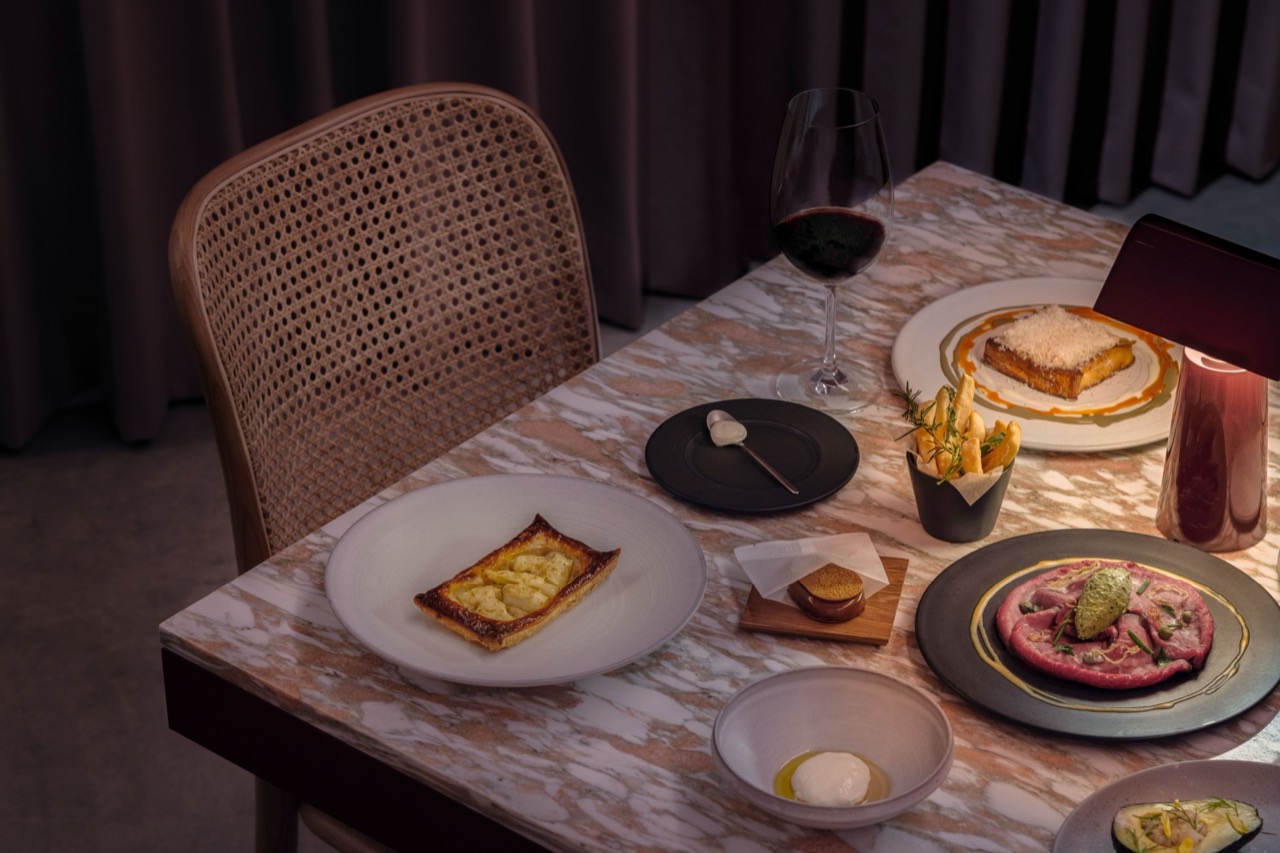
7.The dinner course opens with a single-bite amuse, then an avocado and sweet shrimp cocktail and a white asparagus and scallop tartine. The fish course is French toast topped with snow crab from Hokkaido, sauced with crab miso, egg yolk and Grana Padano. Salt, sugar and butterfat stack onto one spoon, so the name is not entirely a joke. The meat is wagyu roast beef with café de Paris butter. It closes with dessert chosen from the wagon and a seasonal herbal tea from Kajitani Farm in Hiroshima. Exactly one thing carried over from the original: the foie gras crispy sandwich, a single bite of foie gras terrine and yuzu jam pressed between two thin, cookie-like wafers, added here for ¥1,100.
8.Thirty-six seats are hard to book. People who know the name but have never eaten there pile up. The Harajuku room sells that name at ¥3,800 for lunch. Less a price cut than a lowered threshold.
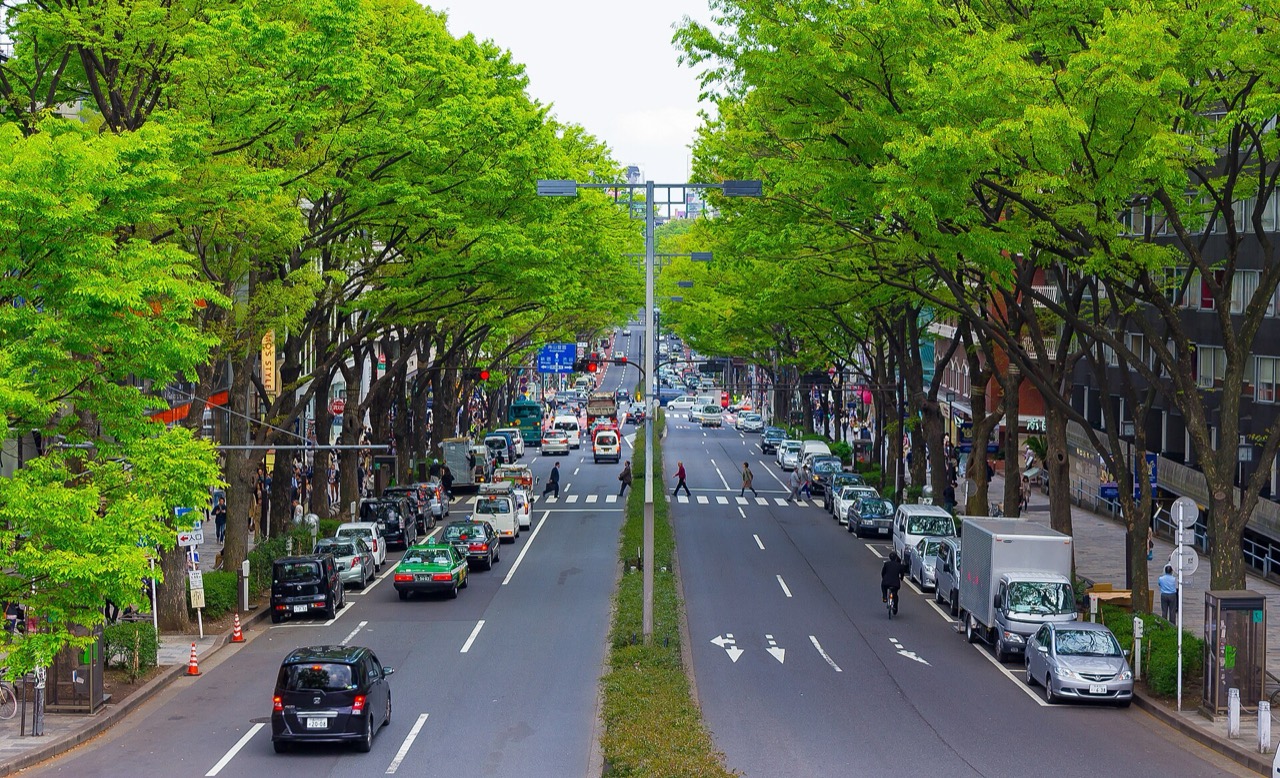
9.The address does its own arithmetic. Harajuku is not a destination so much as a route people walk through. JR Harajuku Station handles boardings and alightings in the 110,000 range each day, and those people go looking for somewhere to sit after a couple of hours on foot. The sixth floor, though, gets no walk-ins at all, so it only receives people who booked before riding up.
10.And this house takes weddings. The official booking page lists ¥986,150 for 10 guests, ¥1,366,750 to ¥1,597,750 for 30, and ¥1,603,800 to ¥1,749,000 for 40. Seated or standing, with a separate plan that guarantees the private room.
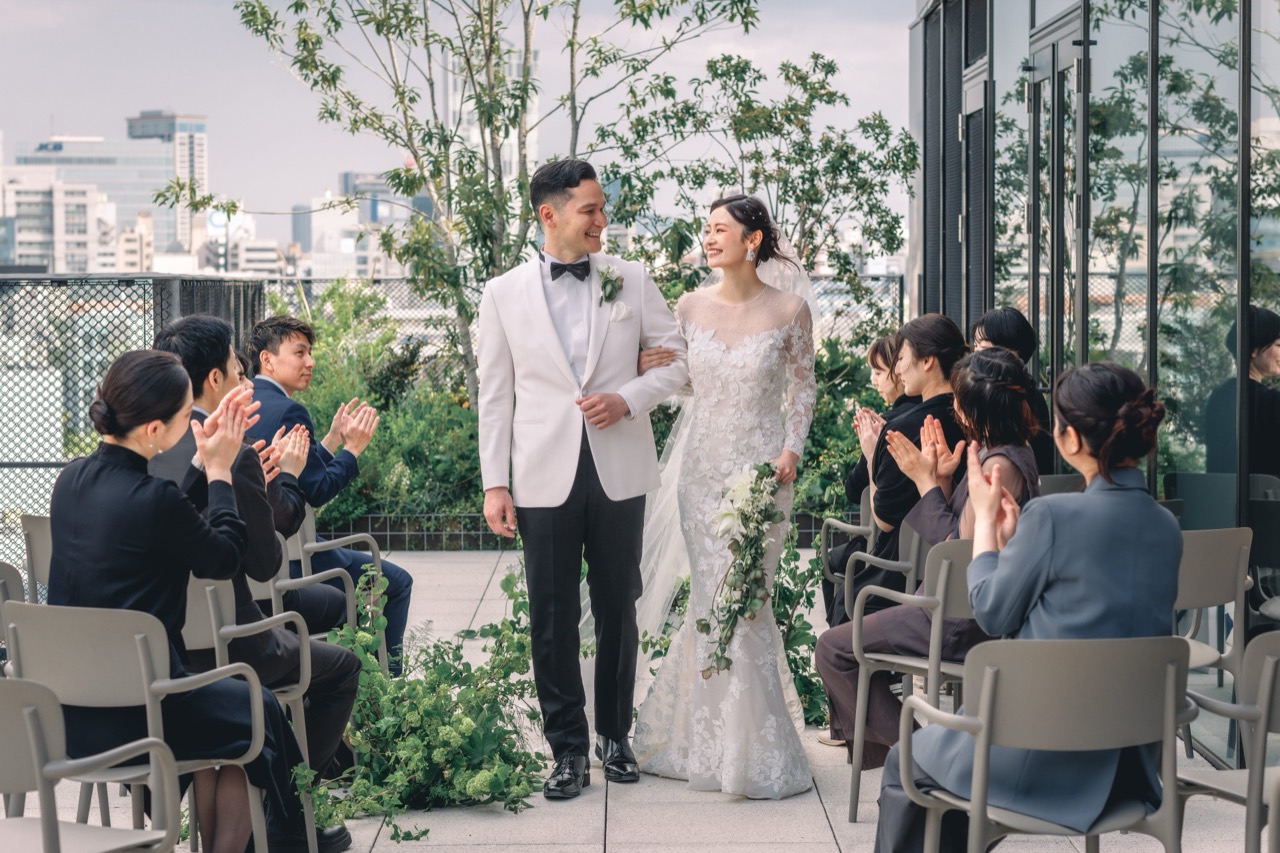
11.Line the numbers up and the identity of the place shifts. Filling all 120 seats once with the dinner omakase yields ¥660,000. A wedding seats 40 and collects ¥1,749,000. That is ¥43,725 a head, eight times the dinner course, using a third of the seats.
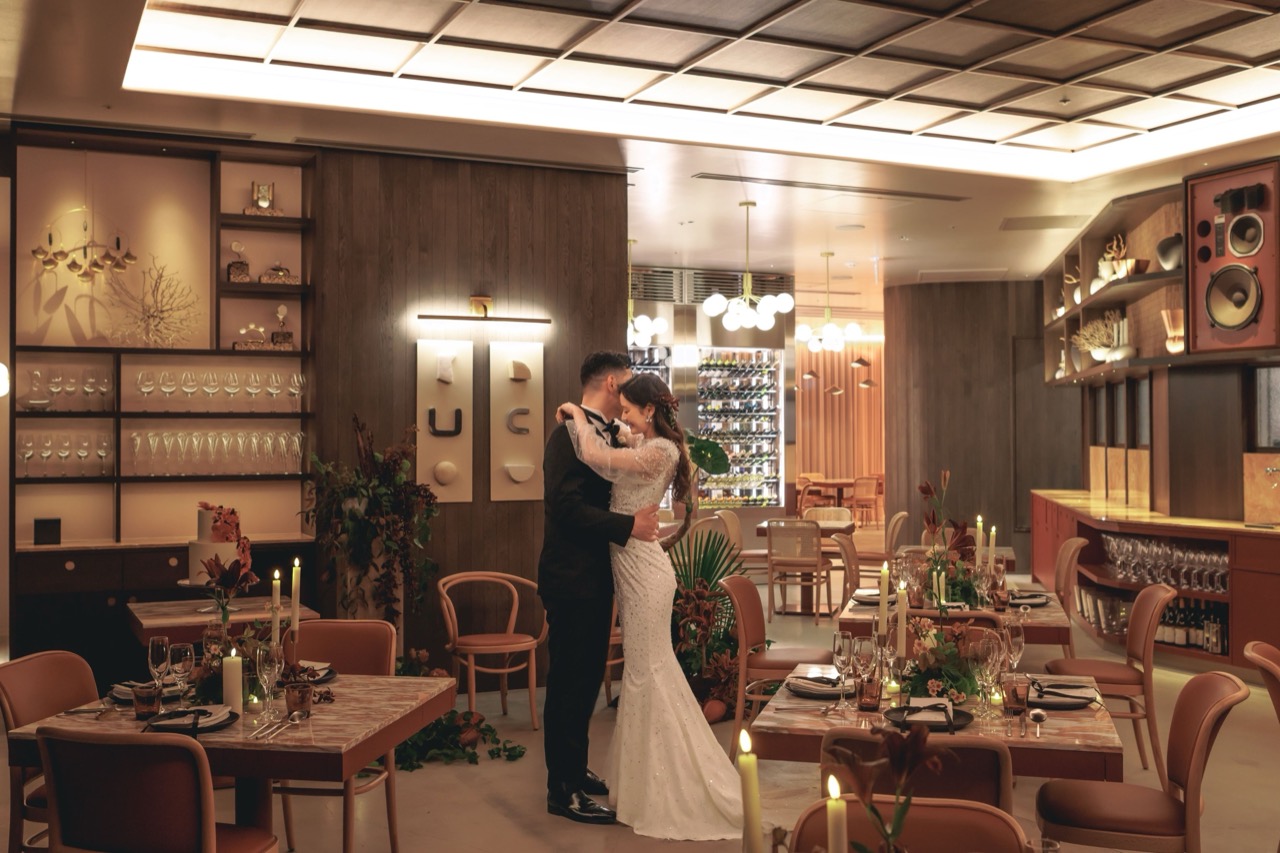
12.The choice of the sixth floor unwinds from here. Ground-floor shop rent on Omotesando ran ¥54,000 per tsubo per month in the second half of 2025. Fitting 120 seats plus terrace and kitchen puts the room near 380㎡, about 115 tsubo, a figure calculated at 2.5㎡ per seat because no floor area has been published. Put that footprint on the ground floor and rent alone runs ¥6.2 million a month, ten full dinner services straight out the door.
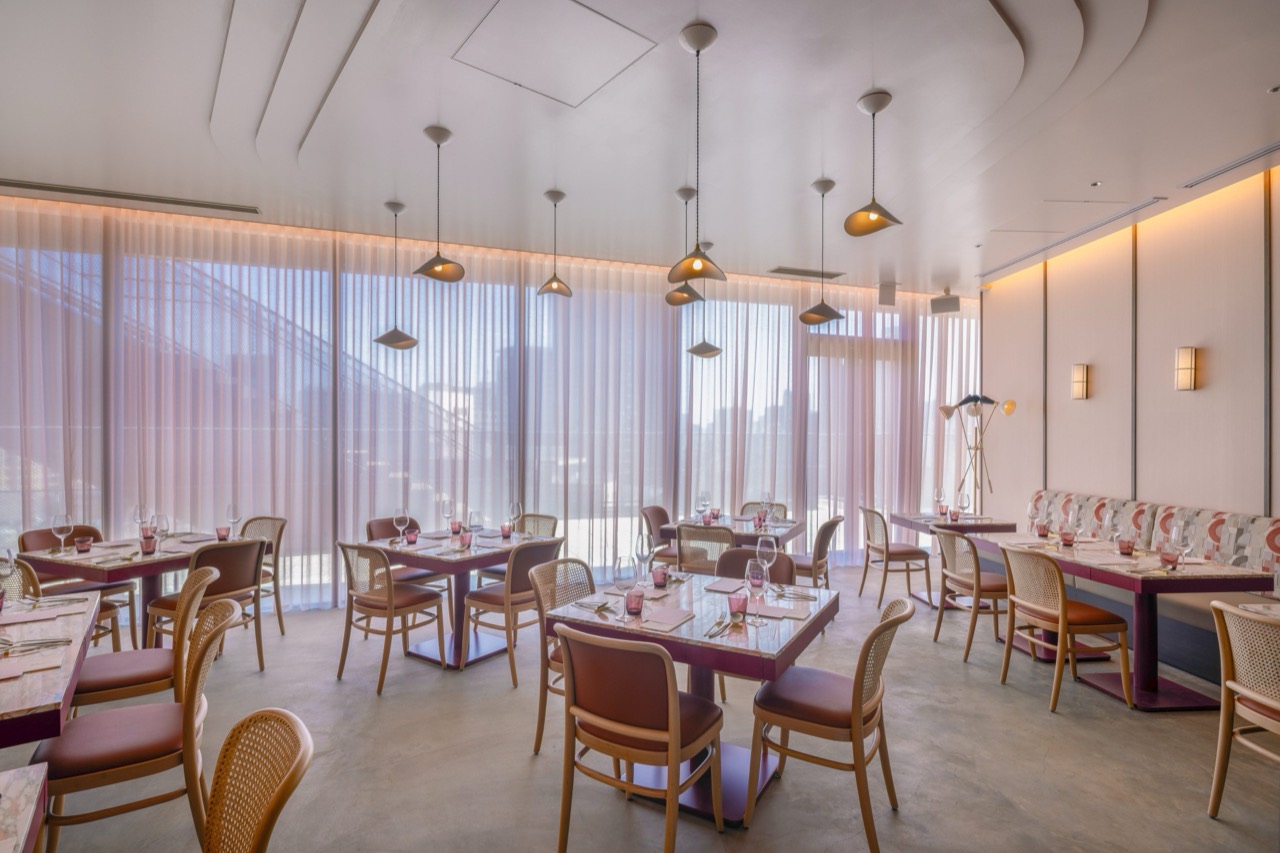
13.Filling it is the remaining job. Put lunch occupancy at 60% and dinner at 55% and daily revenue lands in the ¥780,000 range, or the ¥20 million range across 26 days. One wedding clears twice a day's trade. The catch is that the one booking swallows a whole Saturday afternoon.
14.A fine-dining chef launching a second brand is ordinary enough. The usual move is a steep price cut and a smaller room. This went the other way. The original carries a dinner budget around ¥10,000 while the Harajuku dinner course is ¥5,500, so half. Yet the seat count went from 36 to 120, a factor of 3.3.
15.The chef is not in that kitchen. Menu supervision sits with Kaneko's own company, Eat Life, while Transit Operation Service runs the floor and Transit Creative handled the concept. What is being sold is the name rather than the hands, and the muscle to turn 120 seats comes from the operator. Next month in Yaesu, a tart brand gets bolted onto that same name.
16.Forty-eight seats and 120 seats arrived within twelve months, a ground floor by Tokyo Station lands next month, and prices held. While the largest room collects ¥1,749,000 for a single 40-guest ceremony, the same floor makes ¥660,000 on a dinner service. The first thing that catches in Korea is the weekend afternoon. A Seoul restaurant selling courses already runs its strongest service at Saturday lunch, so turning those two hours over to ceremonies means giving up the revenue that works best. In a market where a 50-guest small wedding is quoted between ₩15 million and ₩25 million, restaurant hire fees have settled between ₩500,000 and ₩2 million. Pricing above that means selling the place as a ceremony venue rather than a restaurant, and the moment it sells that way, the sign a weeknight diner reads changes too.