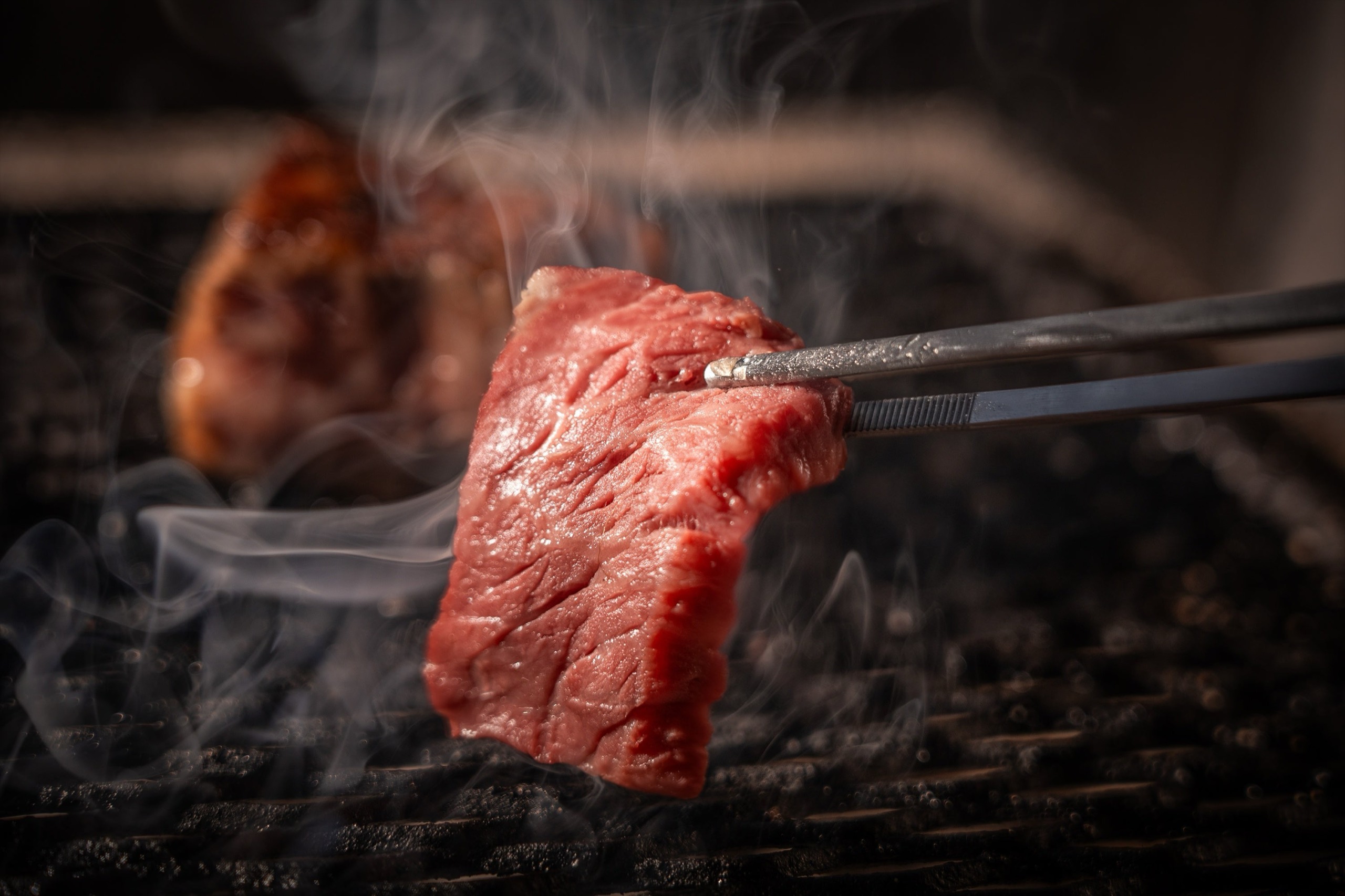
A five-minute walk from Shinagawa Station, 100 seats on the fourth floor of an office building. The restaurant that opened on August 26 sank a charcoal hearth into every table. Courses start at 5,500 yen, or 8,000 yen with unlimited drinks. The charcoal is billed separately, as a 600-yen cover charge.
1.Robata Kaiseki KAKU Shinagawa opened on August 26 on the fourth floor of an office building in Konan 2-chome, Minato City, Tokyo, five minutes on foot from the Konan exit of JR Shinagawa Station. One hundred seats. Kaiseki means a set course served in fixed order, robata means grilling over charcoal. Putting both words on one table is the whole design.
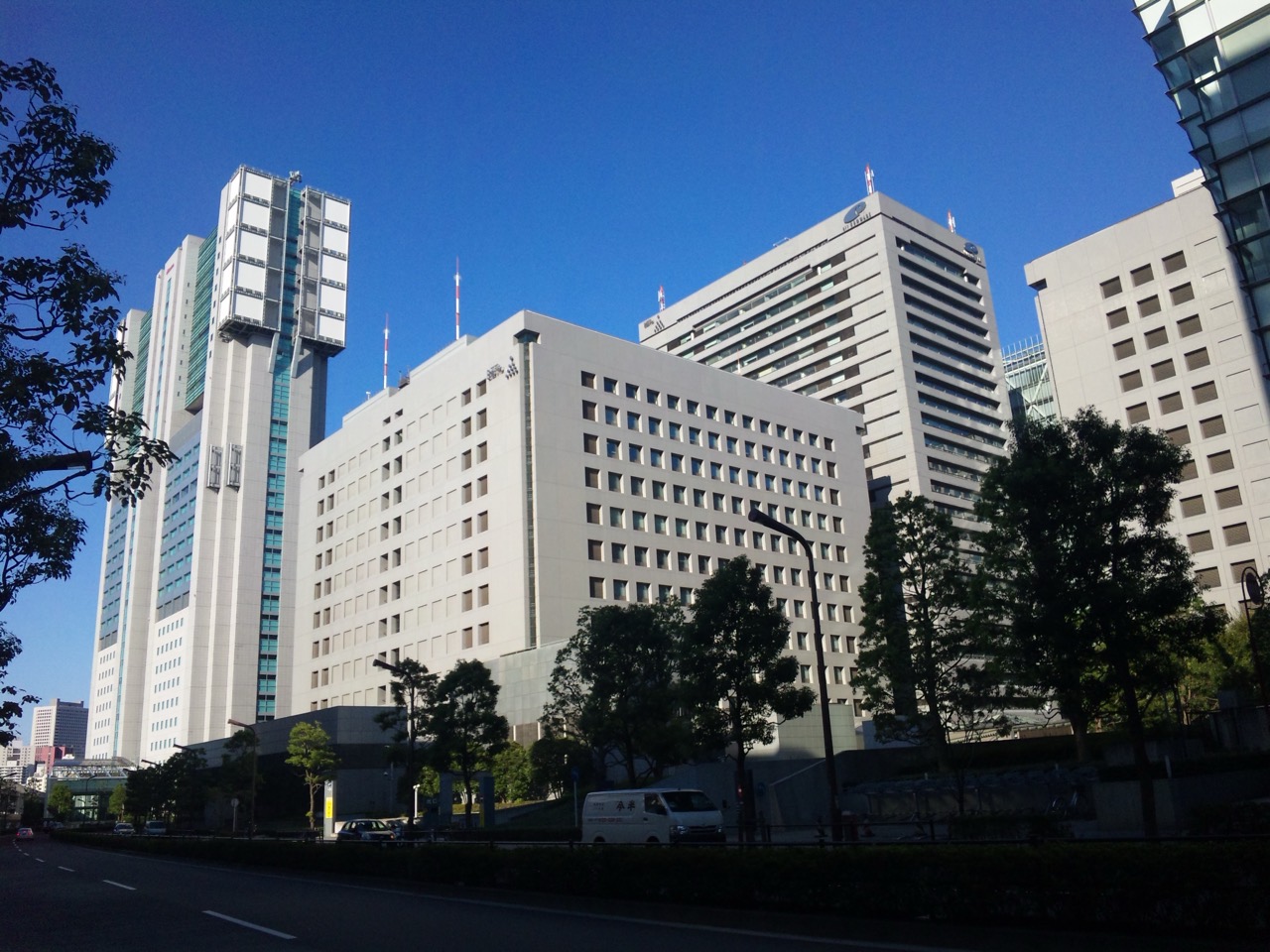
2.The operator is Diamond Dining, the restaurant arm of the listed DD Group. It made its name in 2010 by reaching 100 outlets with a different sign over each door. Today it runs 310 directly. In the most recent quarter it opened one and closed two. A company that is shrinking has just opened a 100-seat room.
3.The address is a fourth floor, not a ground floor. Walk-in traffic was never in the plan, and the place runs on reservations and courses. Private rooms come in three sizes, for six, eight, and ten to twenty. Twenty is also the ceiling for booking the whole room.
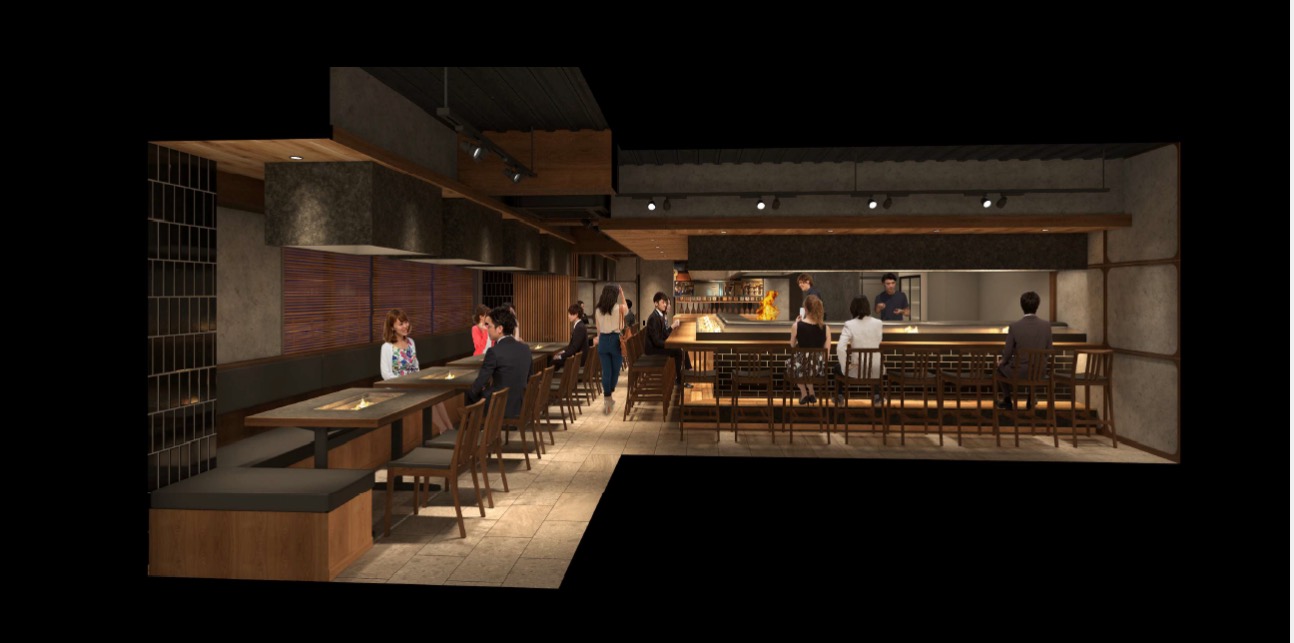
4.The middle of each table is hollowed out and filled with charcoal. Sit down and the heat reaches face height first, then fat drips onto the coals with a short hiss and a thin sheet of smoke lifts. Conversation breaks and resumes with that sound, which is why silence never turns awkward at a company dinner here. There is always something for the hands to do.
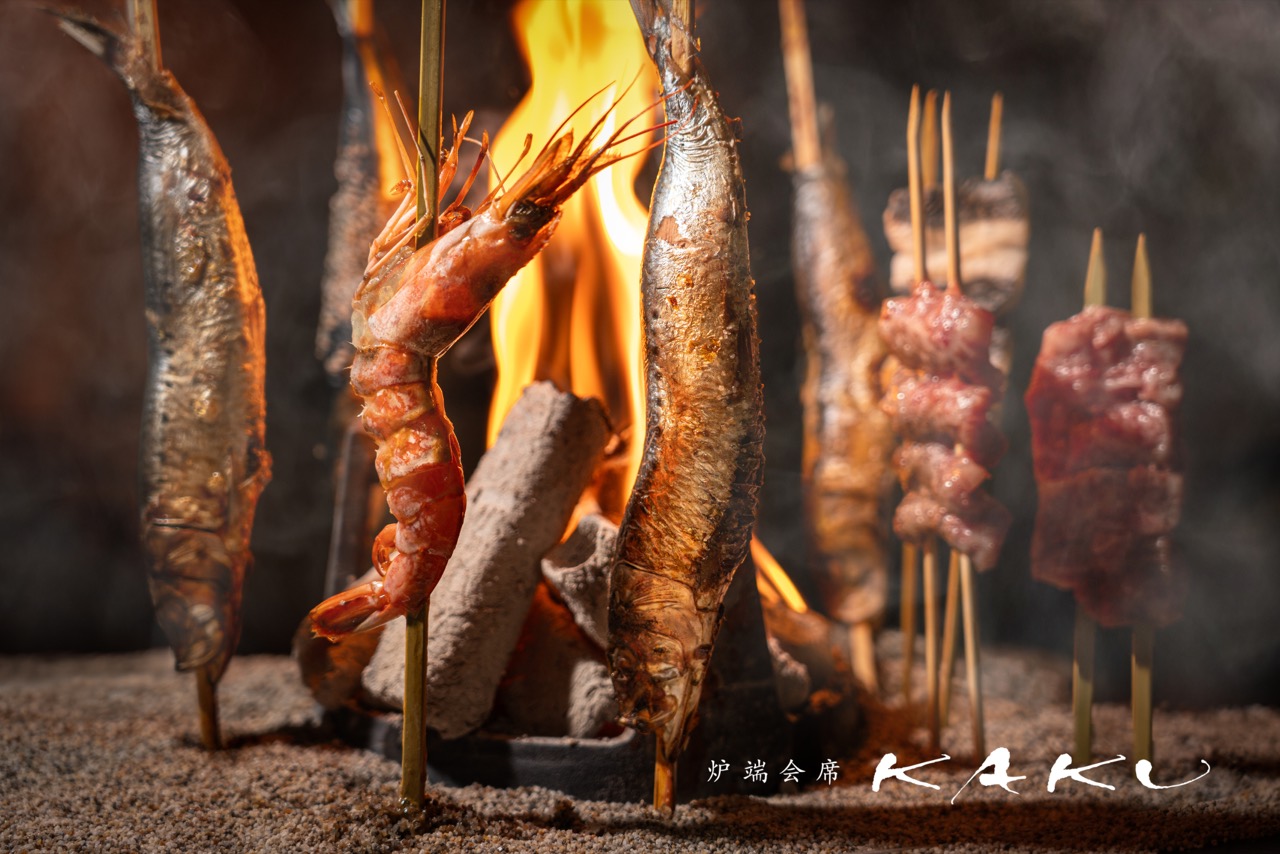
5.There is a second way of using fire here. Warayaki sears only the surface with burning rice straw, a flame that jumps close to a meter and dies within twenty seconds. The smoke settles in a thin layer on the skin of the fish while the inside stays raw. Mackerel, eel and chicken are listed as prepared this way.
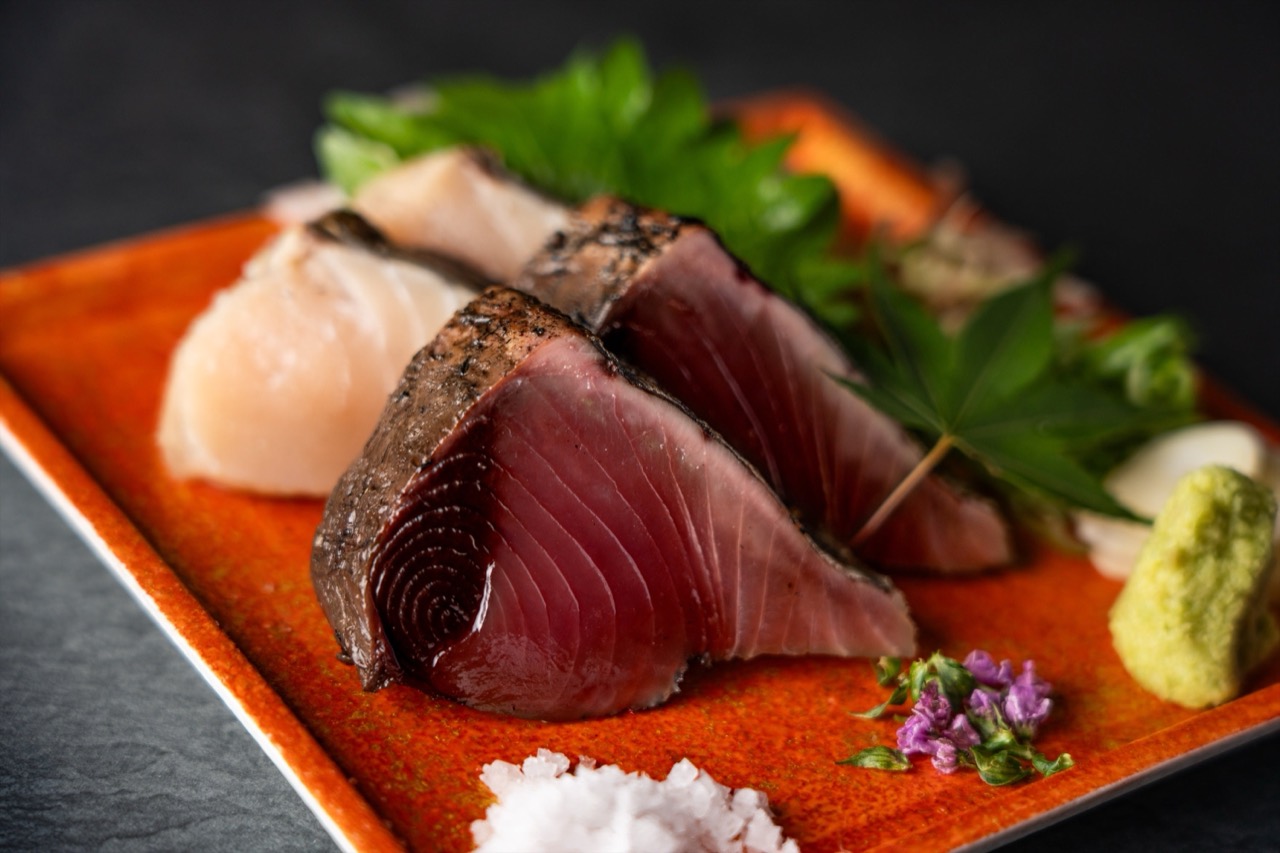
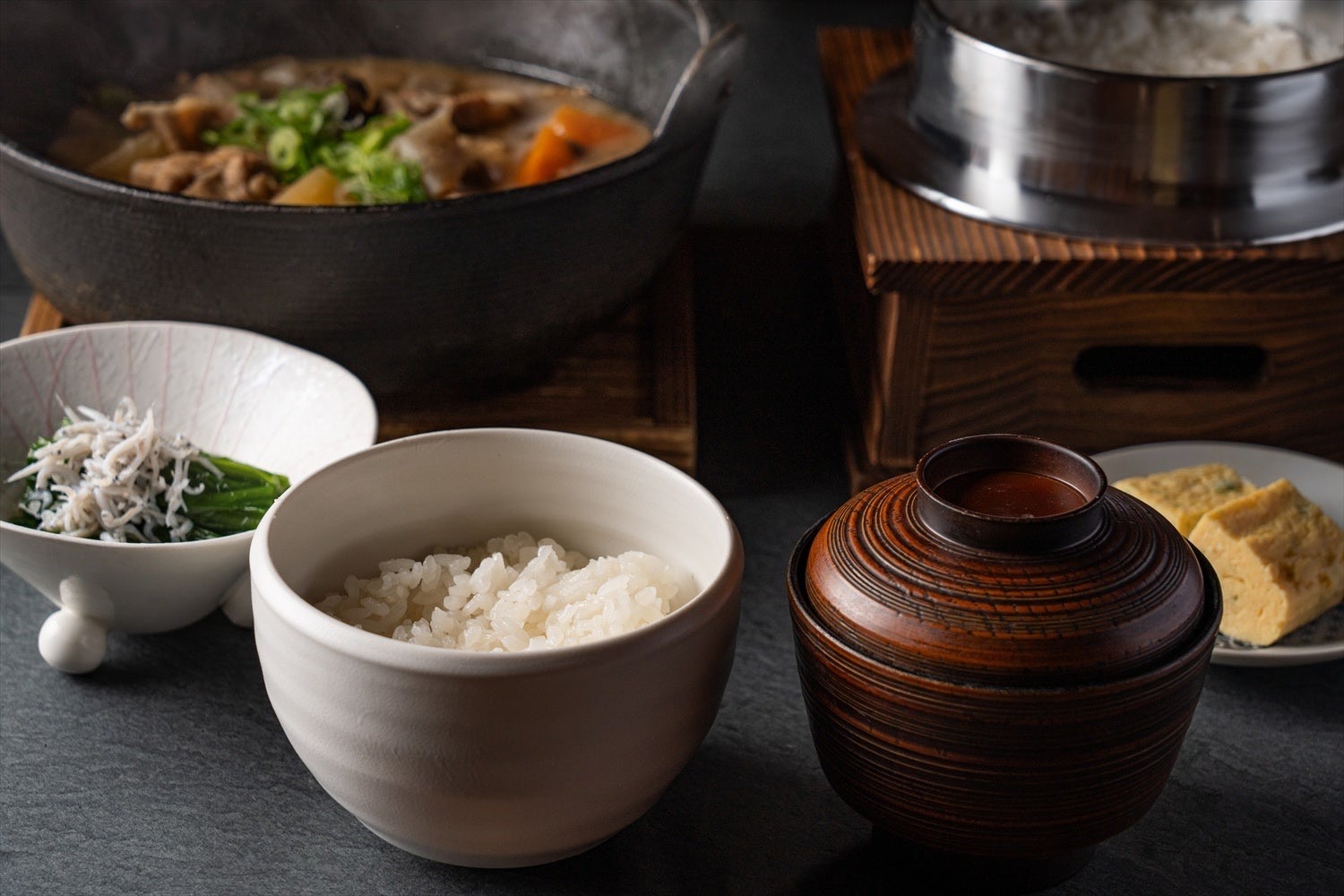
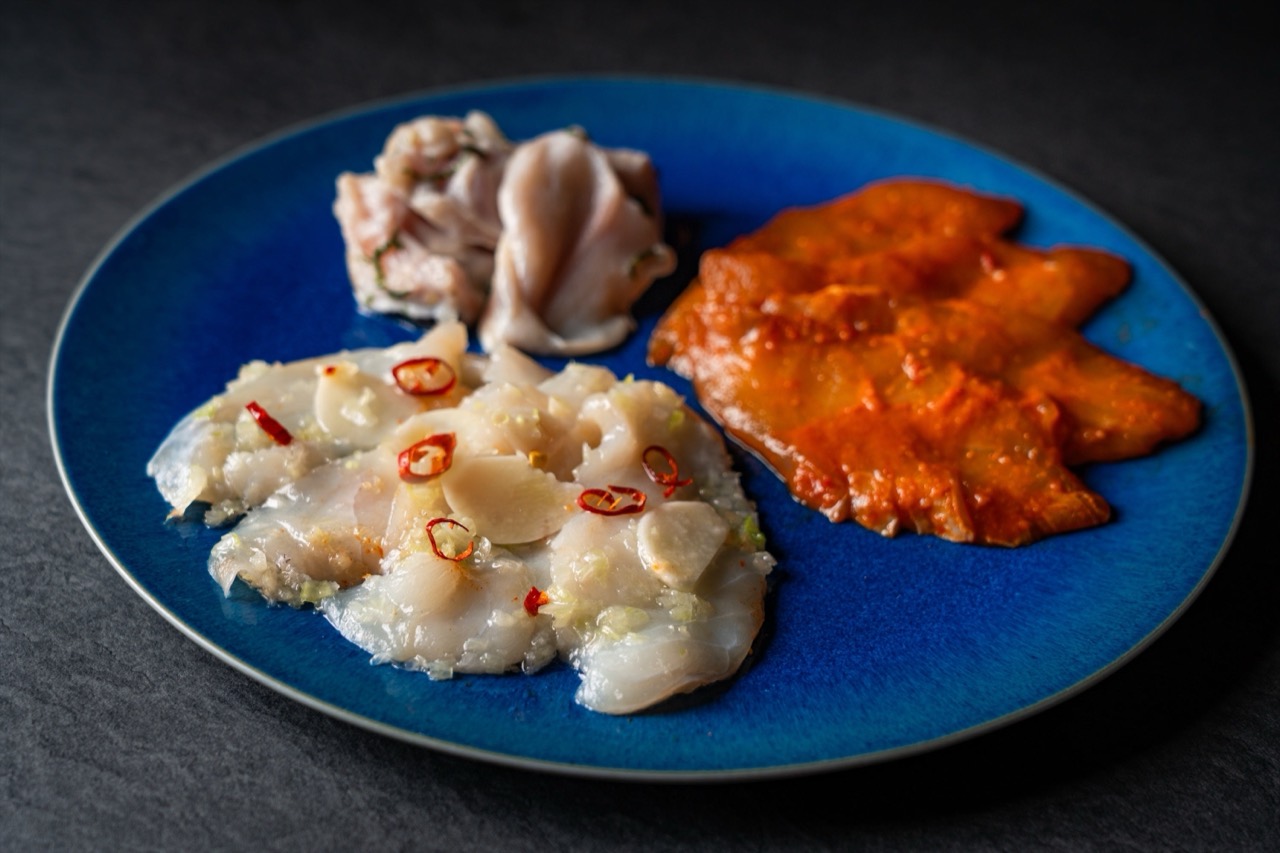
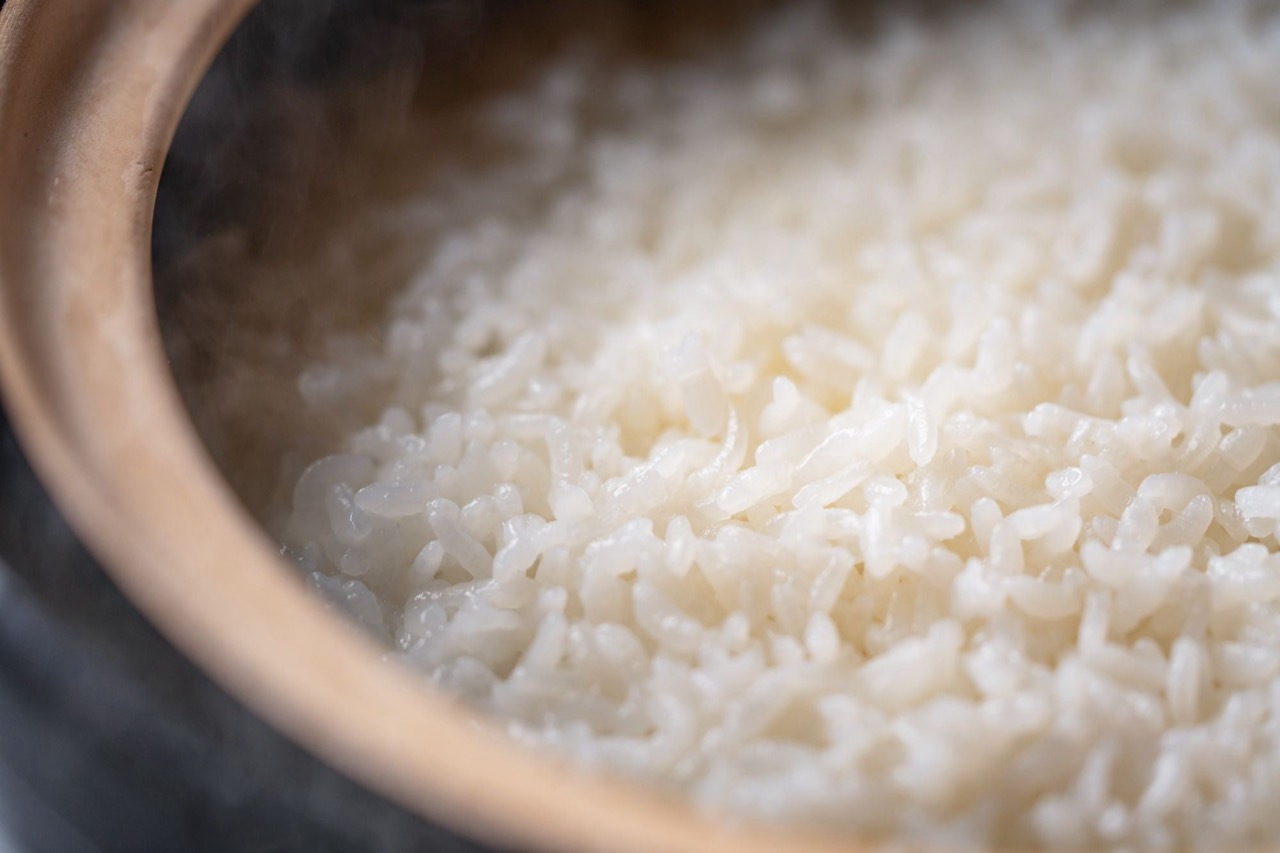
6.A course runs 13 to 14 plates. Cold dishes come first, then a wooden box of raw ingredients arrives whole and the guest starts grilling, and it ends with rice milled inside the restaurant and cooked in a hagama pot. Nodoguro, splendid alfonsino, eel, Shimanto beef, Tosa duck, king crab and fugu appear on the list. Matsumura Atsuhisa, who founded the company, is from Kochi Prefecture, and Shimanto and Tosa are place names there.
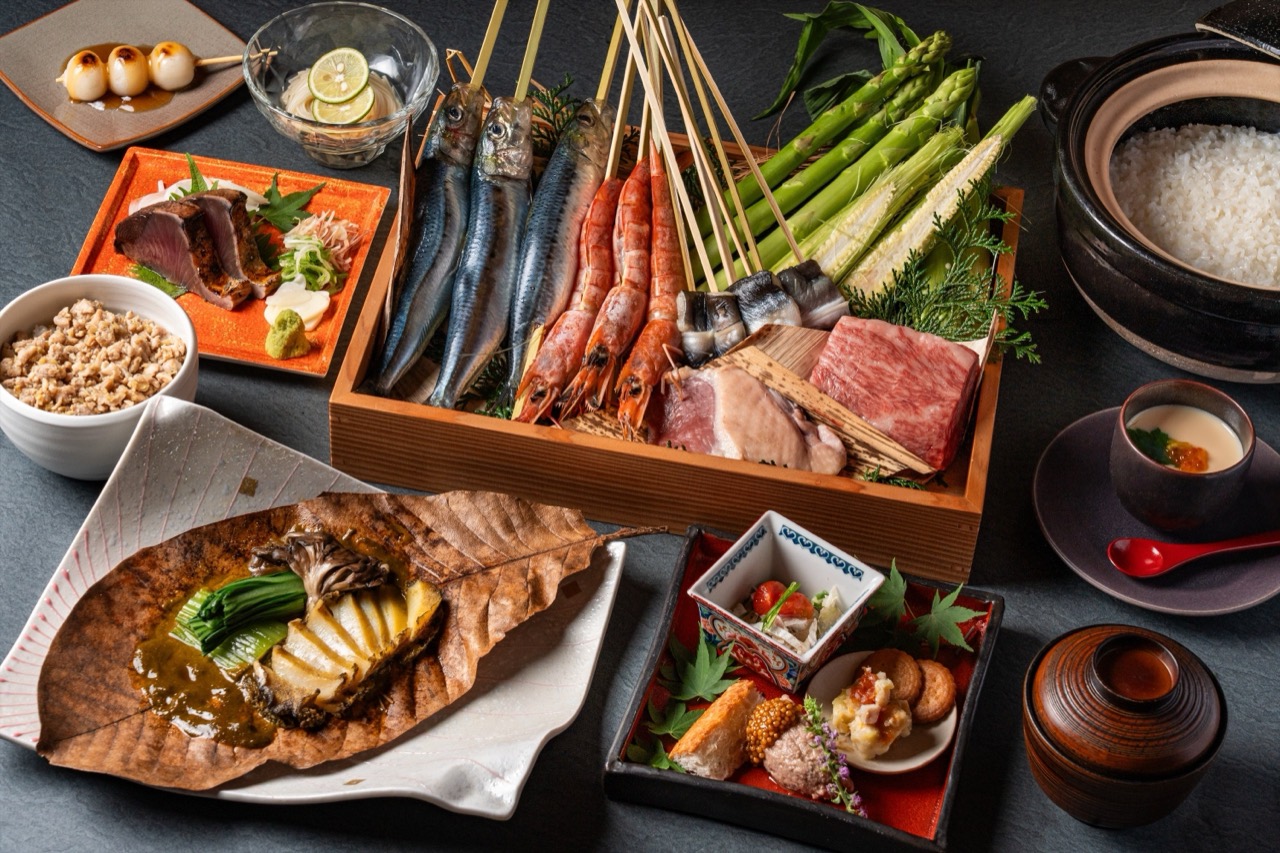
7.Prices come in three tiers. Food alone is 5,500, 7,500 or 9,500 yen, and adding two and a half hours of unlimited drinks makes it 8,000, 10,000 or 12,000. That is 2,500 yen for access to some thirty drinks, and in this structure the bill is set not by how many glasses anyone pours but by how much the person booking decides to spend in advance.
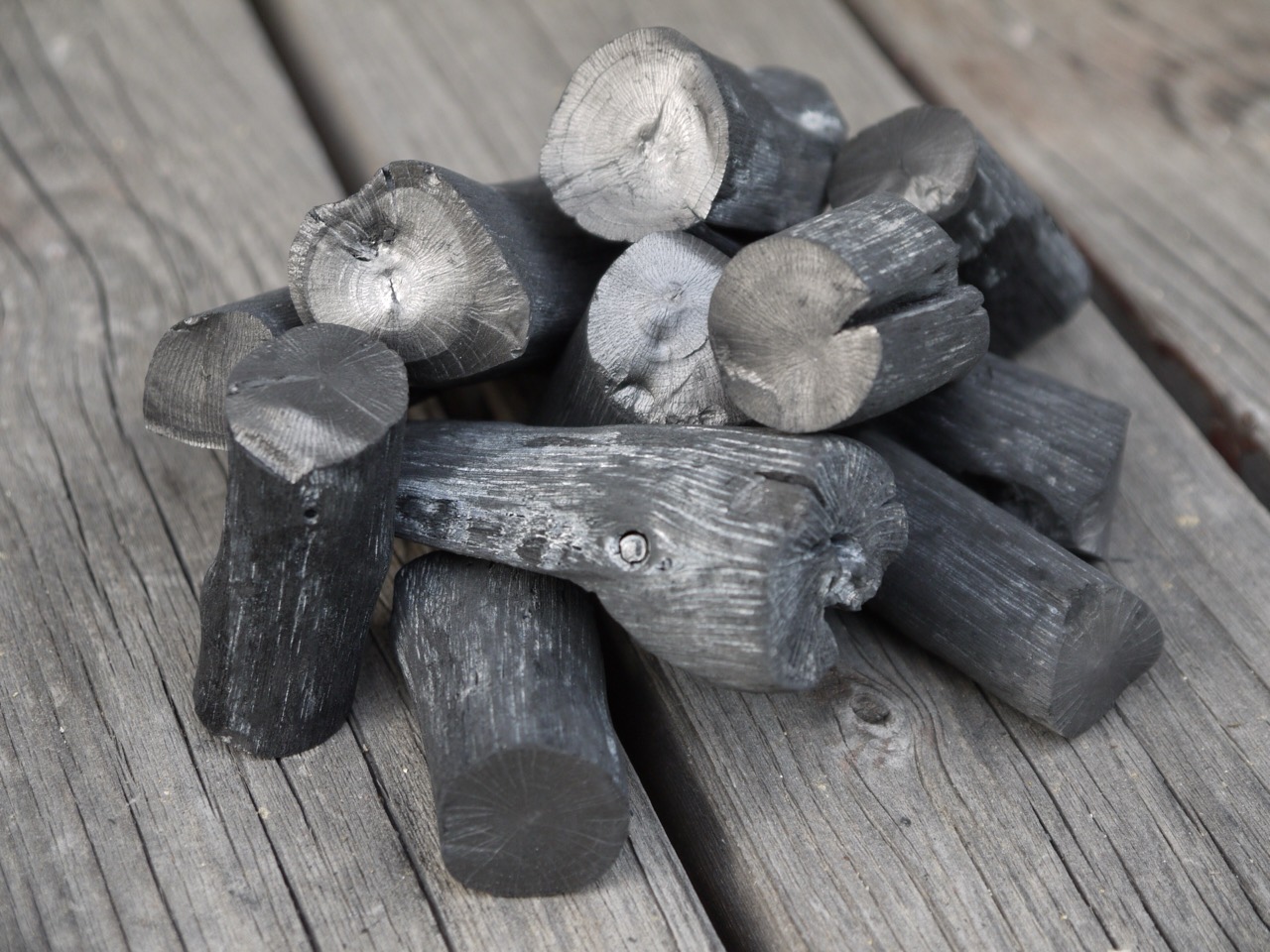
8.On top of that sits a 600-yen cover charge. The notice says it covers the charcoal. A restaurant where guests do the grilling bills them separately for the fuel. At 120 guests a day that comes to somewhere in the two millions of yen a month. Close to what the rent on this floor works out to. Neither figure is disclosed; both are calculated here.
9.Turnover is decided by the clock. Unlimited drinks are capped at two and a half hours and dinner service runs six hours, from 17:00 to 23:00, so two turns is the arithmetic ceiling and 1.2 is the realistic figure. Grilling takes time, which is this format's value and its limit. The twenty minutes spent waiting for meat to cook are pleasure for the guest and an unsold seat for the house.
10.Three sizes of private room and a hearth in every table make for generous spacing. A hundred seats works out to roughly 330 square meters. Office rent in Shinagawa City runs around 6,500 yen per square meter a month and 5,500 to 6,000 near Shinagawa Station, so 330 square meters comes to about 1.9 million yen.
11.Put the average check at 8,600 yen including the cover charge and dinner alone brings in something over 23 million yen a month. Add the weekday lunch service starting in September and it approaches 26 million. Rent lands in the seven percent range of revenue.
12.The reason for this address is the evening, not the afternoon. Shinagawa Konan is packed with corporate headquarters and office vacancy has come down to 3.5 percent. Opening private rooms up to twenty is a signal aimed at department dinners and client entertaining, and bundling drinks into one number serves the same end. What frightens the person booking a company dinner is not the food but the settlement.
13.Nothing shows that the grilling itself is the product better than complaints. At a steakhouse, tough meat is the kitchen's fault; meat the guest put on the fire is tough because they left it three minutes too long. The whole argument over doneness disappears. There is nobody to complain to about meat you burned yourself.
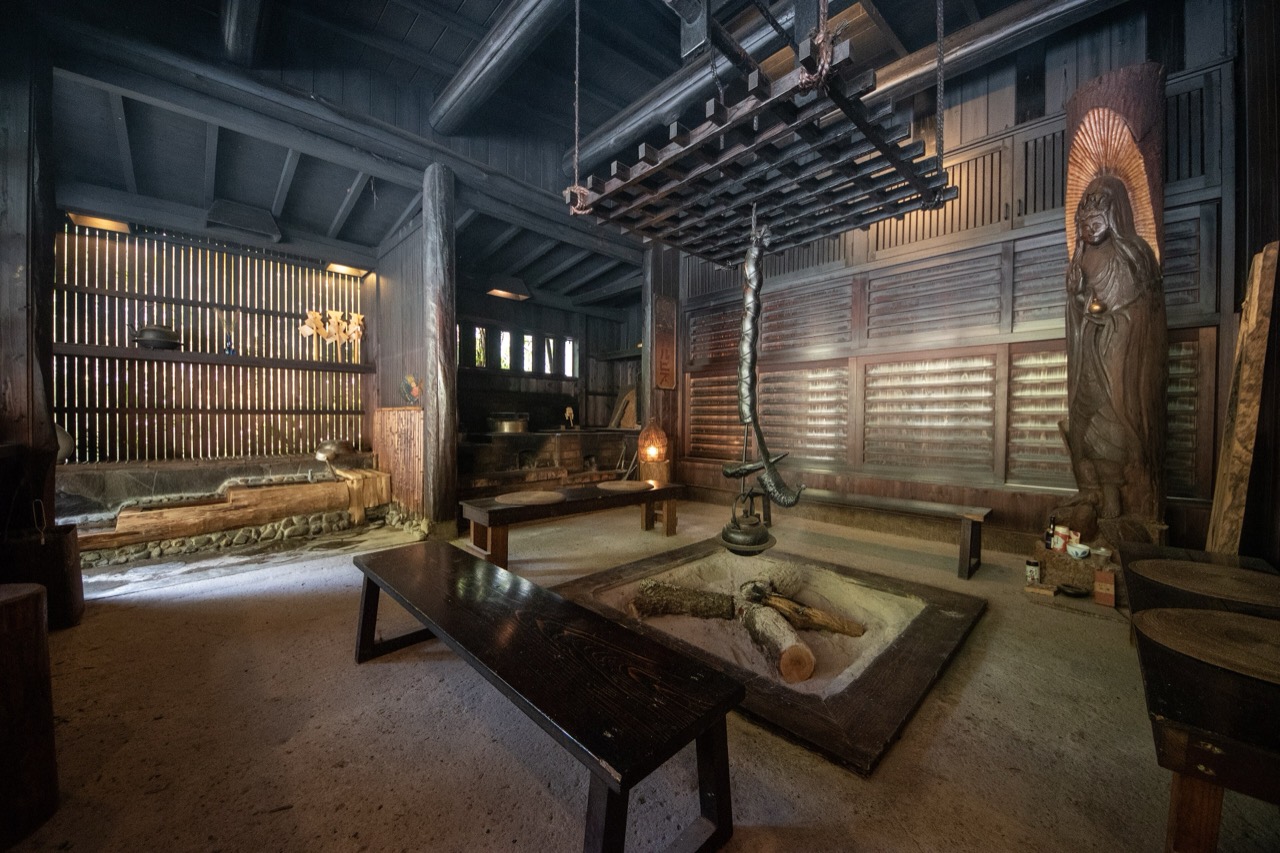
14.Sitting around a hearth is not new. The irori in a Japanese farmhouse was a square pit filled with ash that heated the room and cooked the food, and the seats around it were assigned by rank within the household. Turning that into a business was the work of the robatayaki houses in Sendai and Kushiro in the 1950s. In those rooms, though, the one doing the grilling was the owner.
15.The idea that handing the grilling to the dining room cuts kitchen labor does not hold in this format. A kaiseki course still needs a kitchen building 13 plates, and the floor now needs someone to change charcoal, watch the fire and prevent burns. That is why yakiniku houses run heavy floor staff. What shrinks is not payroll but the kitchen's opportunity to make a mistake, and in exchange the exhaust system needed to put fire in 100 seats comes out of the build budget first.
16.A company that had been closing outlets opened 100 seats on the fourth floor of an office building and charges 600 yen a head for handing the grilling to the guest. Those 600-yen charges alone add up, over a month, to roughly what this floor costs in rent. Anyone trying the same thing in Korea gets stuck on exactly that 600 yen. Table hearths and exhaust hoods are cheap here, since barbecue restaurants made them standard, but the moment charcoal is billed on its own line it reads as gouging rather than a cover charge. Where to hide the price of the fun of grilling is the first problem to solve.