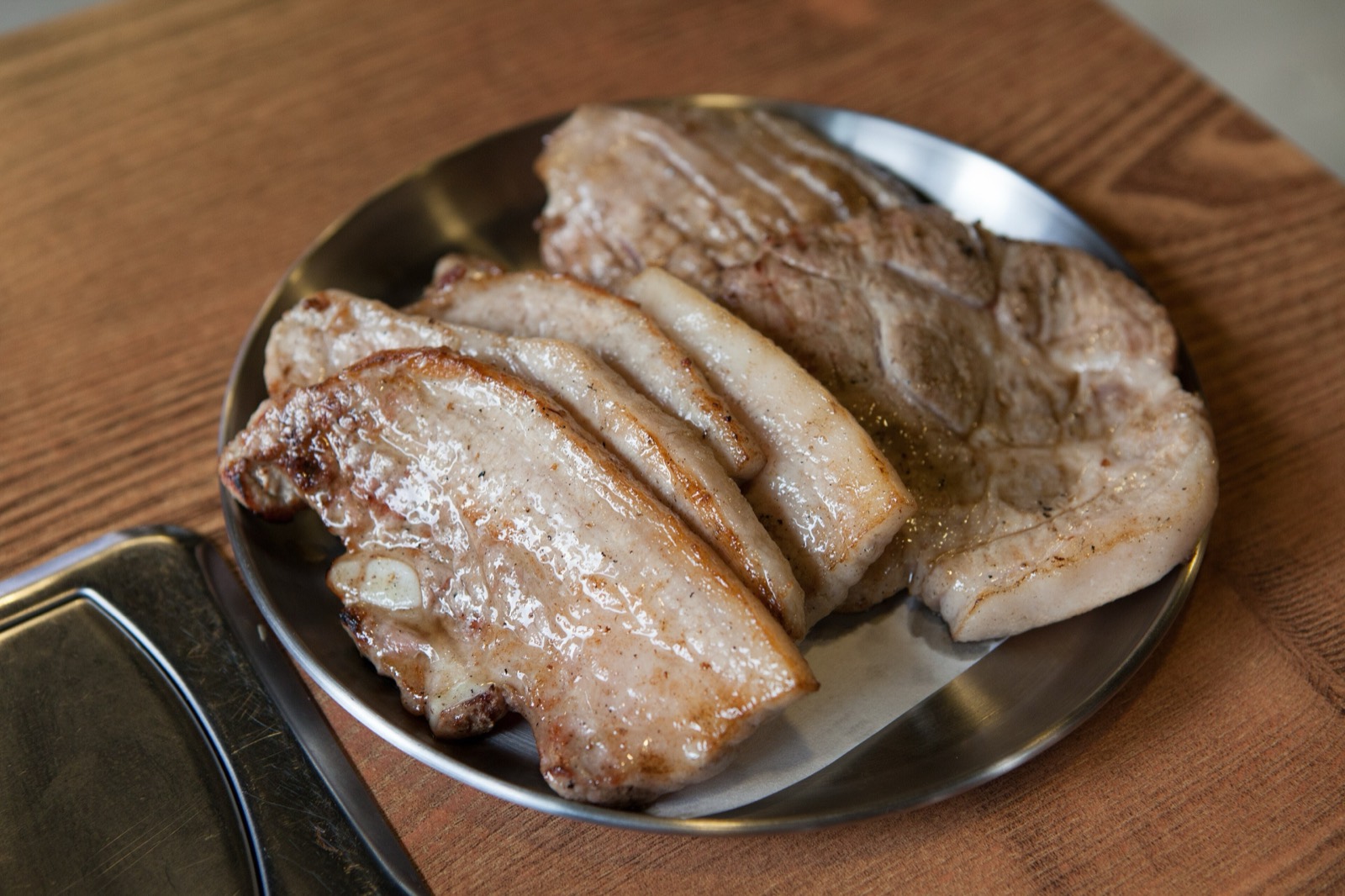
A Nasdaq-listed company that sells all-you-can-eat Korean barbecue across the United States reported its second-quarter results on August 10. One restaurant sells $5.45 million a year, roughly KRW 7.6 billion. The same release carried a line saying it had terminated the leases on two of its Korean restaurants.
1.One line sat inside the August 10 filing. The company had terminated leases on two Korean locations and booked a $0.6 million loss. The filer was GEN Restaurant Group, Nasdaq ticker GENK, a public restaurant company selling Korean barbecue at one flat price per head.
2.The first restaurant opened in 2011 in Tustin, outside Los Angeles. Two Korean immigrants started it, and one of them, David Kim, had run the Mexican chain Baja Fresh. In the summer of 2023 the company listed on Nasdaq and raised $43.2 million. Its first Korean location opened last June at Western Dome in Ilsan, Goyang, and the company says its overseas count reached six within a year.
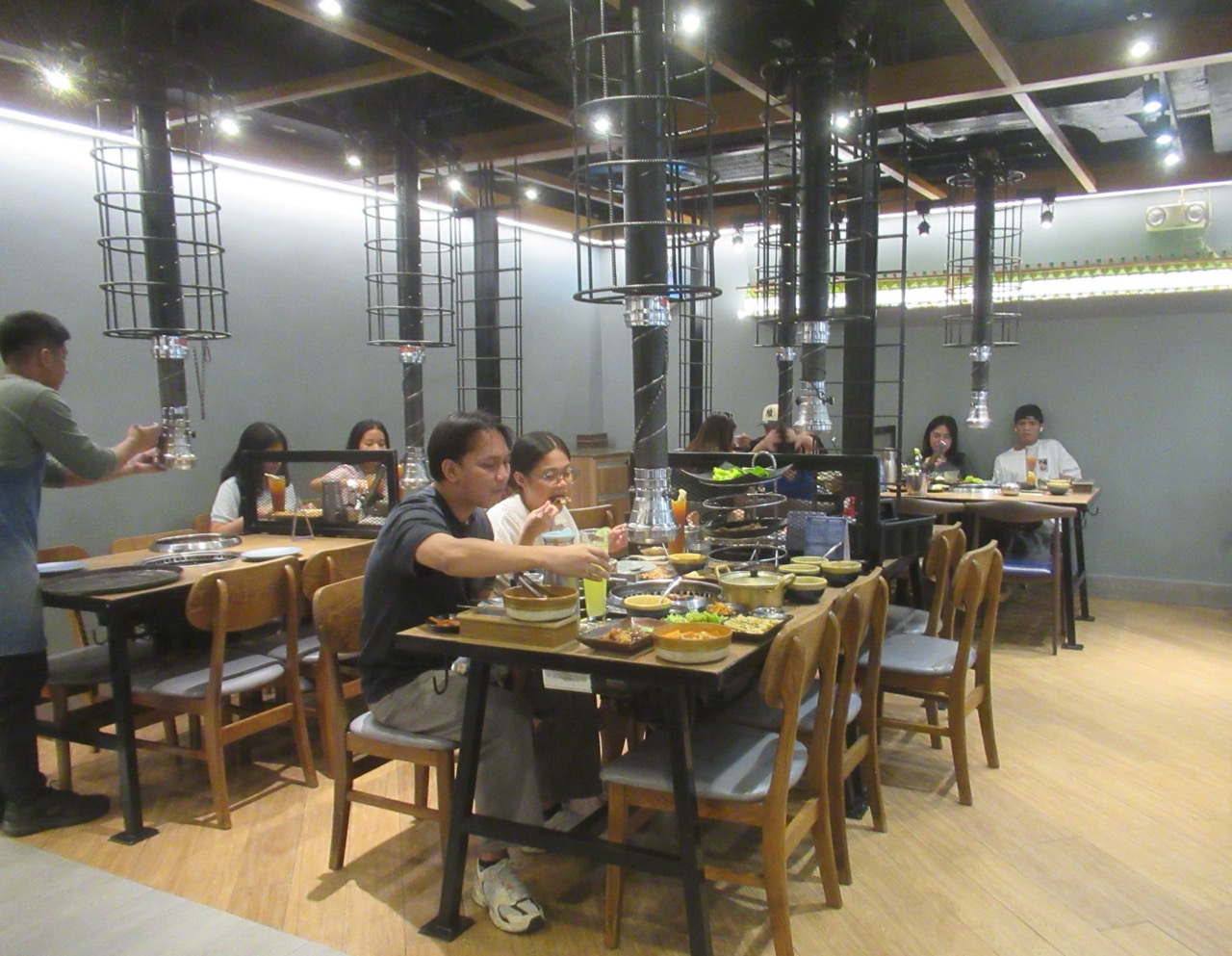
3.The smallest units run 4,700 square feet and the largest 12,000, with the average at 7,500. Seats range from 90 to 140. That is large for a Korean meat restaurant and ordinary for American casual dining, and this company placed that footprint only in malls and on major roads.
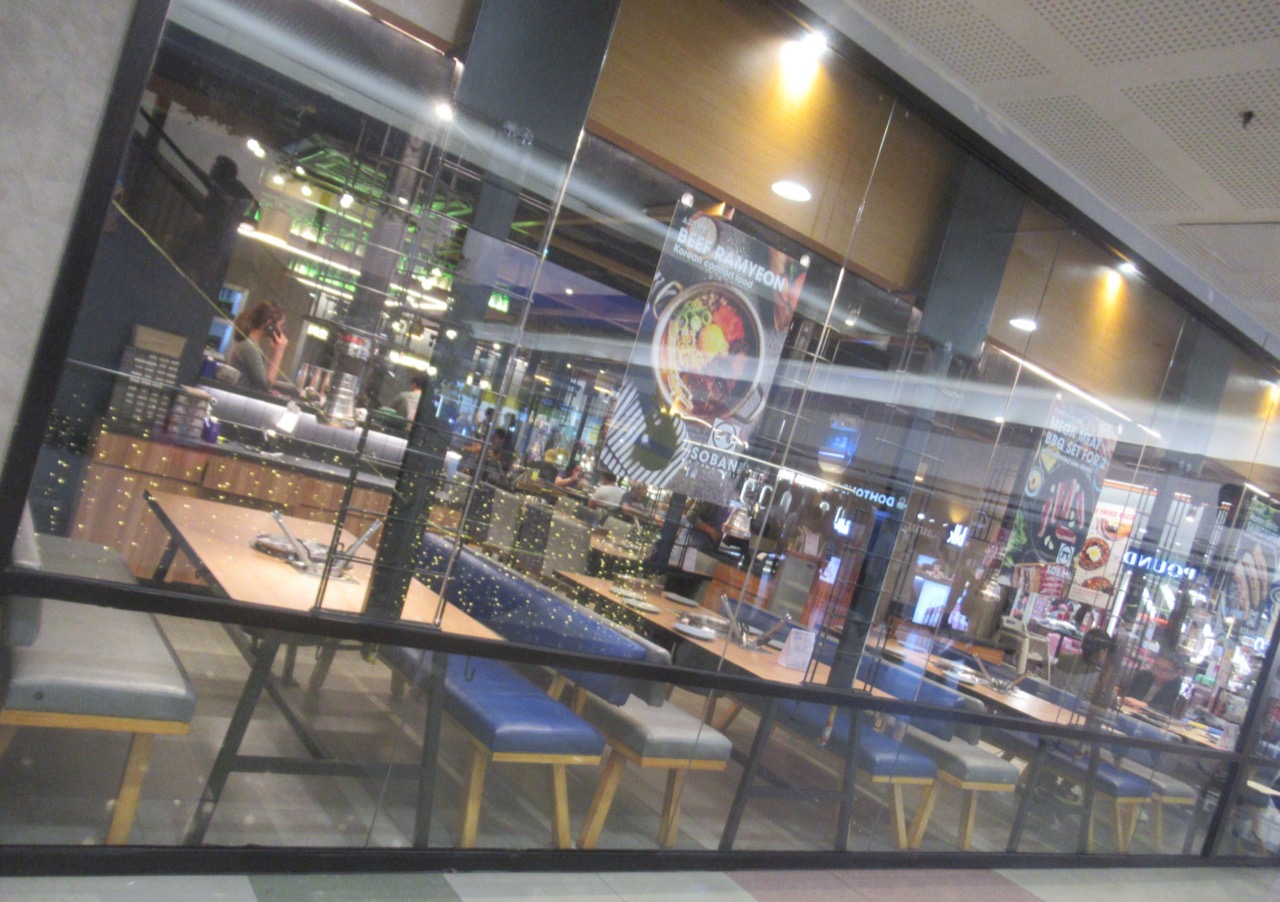
4.Sit down and the hood hangs low over your head. Put meat on the grill and there is a short spit of fat before the smoke gets pulled upward, and how much of the smell lands on your clothes is decided by that exhaust system. Whether the room survives a two-hour group dinner is settled right there.
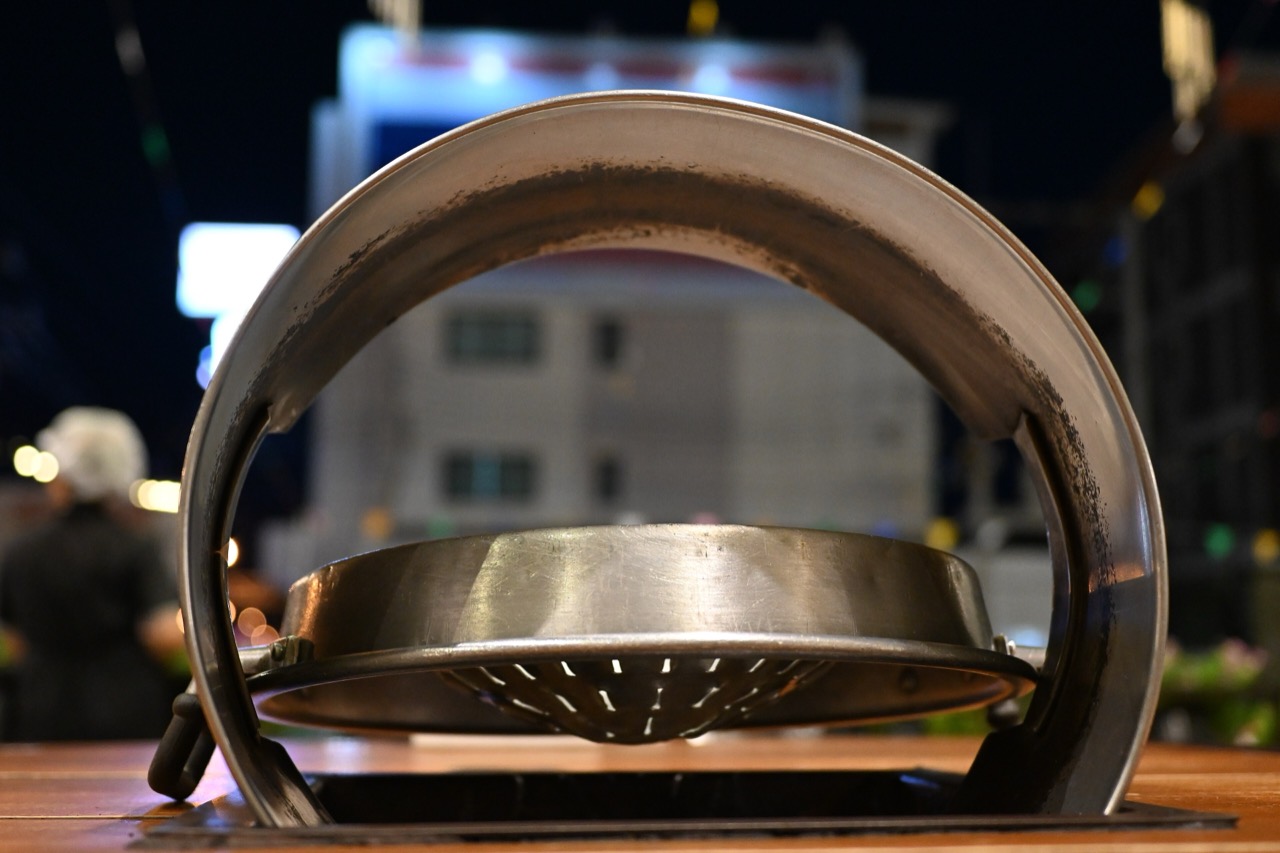
5.What you choose is not a dish but a tier. Lunch opens 32 items, dinner 45. Everyone at the table must order the same tier, and the stay is capped at two hours. Galbi, bulgogi, brisket and pork belly sit in the base tier, with wagyu either a step up or charged separately.
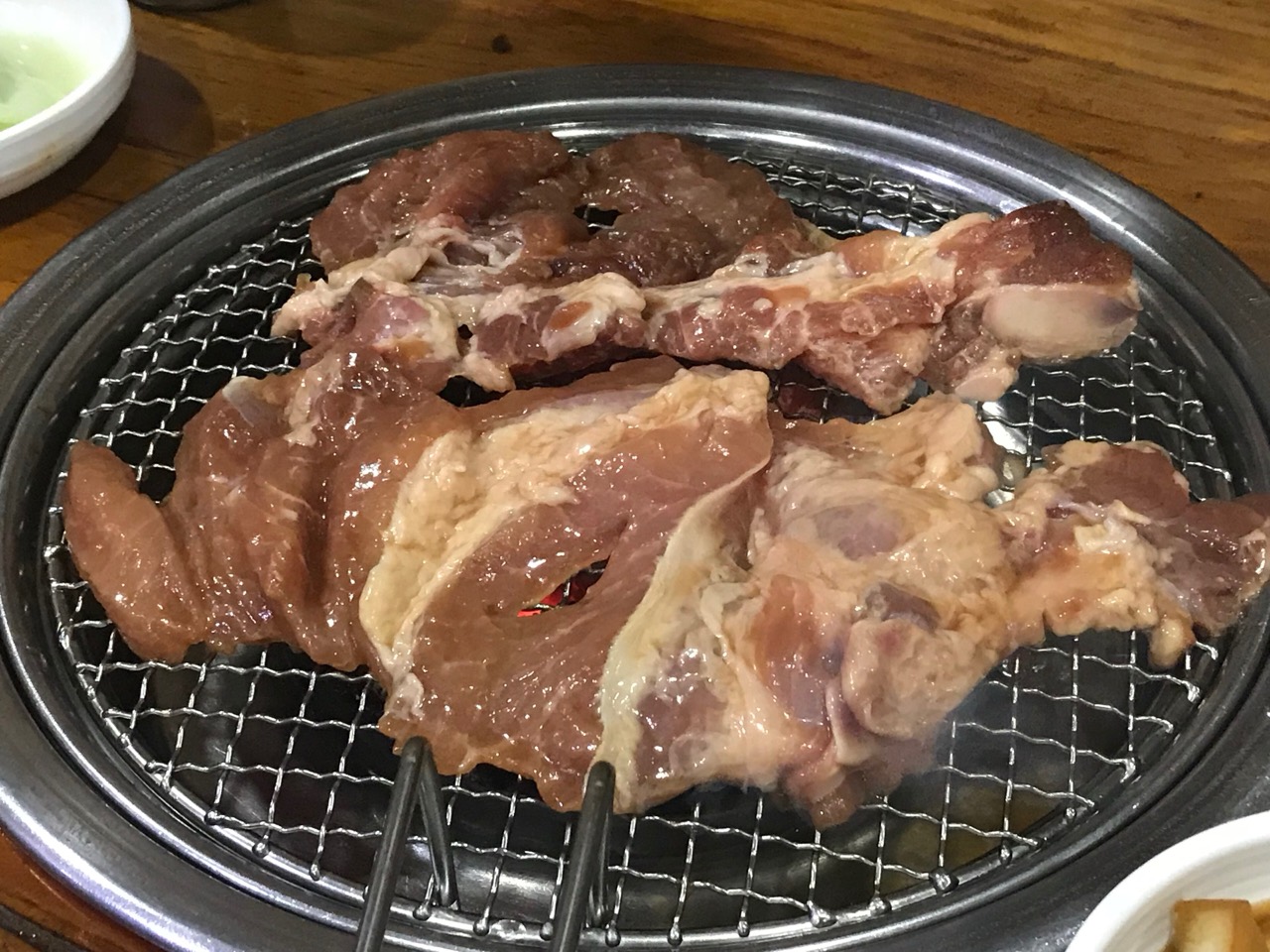
6.What this company sold in America was not meat but the act of grilling. Raw material arrives instead of a finished plate, and conversation breaks and resumes as people cook. Hands stay busy, so two hours do not feel long.
7.The single price mattered just as much. Eating out in America means tax and tip land at the bottom of the check, so the real spend is hard to know in advance, while one flat rate only needs to be multiplied by the number of guests. It built a price that first-timers do not fear.
8.The customer base widened past Korean-Americans for the same reason. You do not need to know the menu names, and if you cannot eat something you simply do not order the next plate, so the old barrier of what should I order disappeared. Moving the trade area outside Koreatown came from the same read.
9.One restaurant sells $5.45 million a year. KRW 7.6 billion. Divided by 211 pyeong, the 7,500 square feet in floor area, that is KRW 36 million per pyeong a year and about KRW 3 million a month. Strong Korean meat restaurants reach that level too, but here 54 stores produce it as an average.
10.Cut to a day, that is $15,000. Put the check average at $28 and 540 people sit down each day. In a 120-seat room every seat turns four and a half times. The two-hour cap is not a rule for pushing lingering guests out but a device that manufactures that turnover. The check average and the turns are not disclosed figures but our own calculation.
11.Second-quarter restaurant economics broke down this way. Out of every 100 in sales, food took 39.0, payroll 28.0 and occupancy 9.6. Add the rest of the store costs and 95.4 goes out. What stays at the restaurant is 4.6.
12.The direction is the problem. Sales at restaurants open more than a year fell 9.3% in the second quarter after an 8.8% drop the quarter before. Restaurant-level margin slid from 16.3% to 11.3% in a year. Quarterly net loss of $4.6 million. The count stayed at 54 while six locations dropped out during the quarter. The only revenue outside the flat rate is drinks, which leaves little room to price your way out when costs rise.
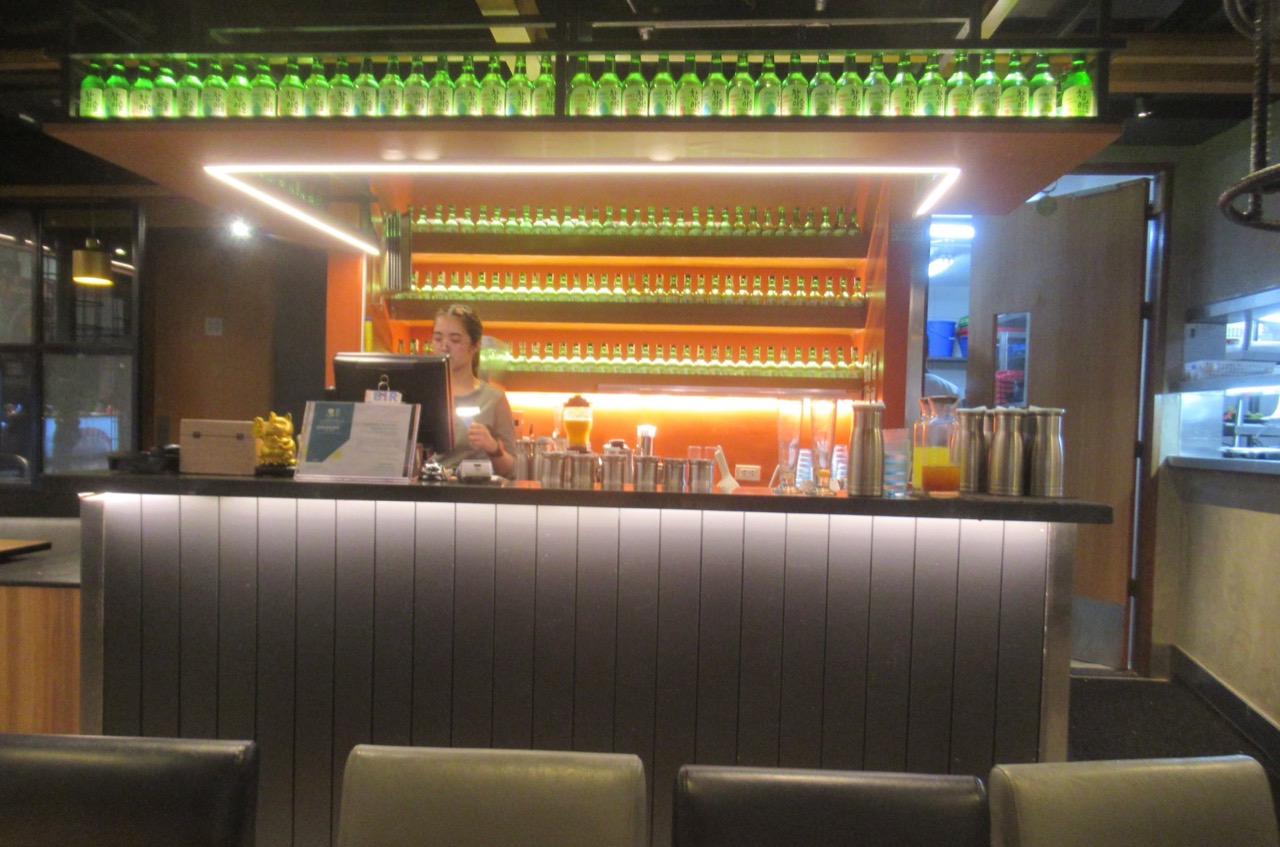
13.Korean prices sit below American ones. KRW 37,800 on weekday evenings, KRW 39,800 on weekends, KRW 25,800 at lunch. Convert the American dinner price and it lands in the KRW 47,000 range, about 20% higher. Two locations closed anyway. What the company sold in America was the experience of grilling meat the Korean way, and in Korea that is not a product but the baseline.
14.This company was not the first to run all-you-can-eat Korean barbecue in Koreatown. Those restaurants took root on the west side of Los Angeles from the 1990s, and most stopped at one or two locations. Three things set this one apart. It moved outside the Korean trade area, it built rooms of 200 pyeong and up, and it locked ordering and service into a manual so every store runs the same sequence.

15.What the company now wants to keep is not the restaurants. The August release disclosed a letter of intent to hand over the entire U.S. restaurant business for roughly $100 million, with the company keeping only the retail arm that sells frozen marinated meat. That retail revenue rose 341% from the prior quarter and now sits on nearly 2,000 shelves. The company puts the next twelve months at $35 million to $40 million. What 54 stores built was not store profit but trust in the flavor, and that is being converted into cash on grocery shelves.
16.A company whose stores each sell KRW 7.6 billion a year watched two straight quarters of decline at its mature locations, put the entire U.S. restaurant business on the block and kept the grocery shelf. In Korea it terminated two leases at a cost of $0.6 million. A flat-rate format built here does not inherit that 39% food cost. It held in America because rice, ramen and banchan slowed the pace of the meat, and guests who grew up grilling touch the sides less and keep loading the grill. Whatever the flat rate is set at, that one habit moves the food cost.