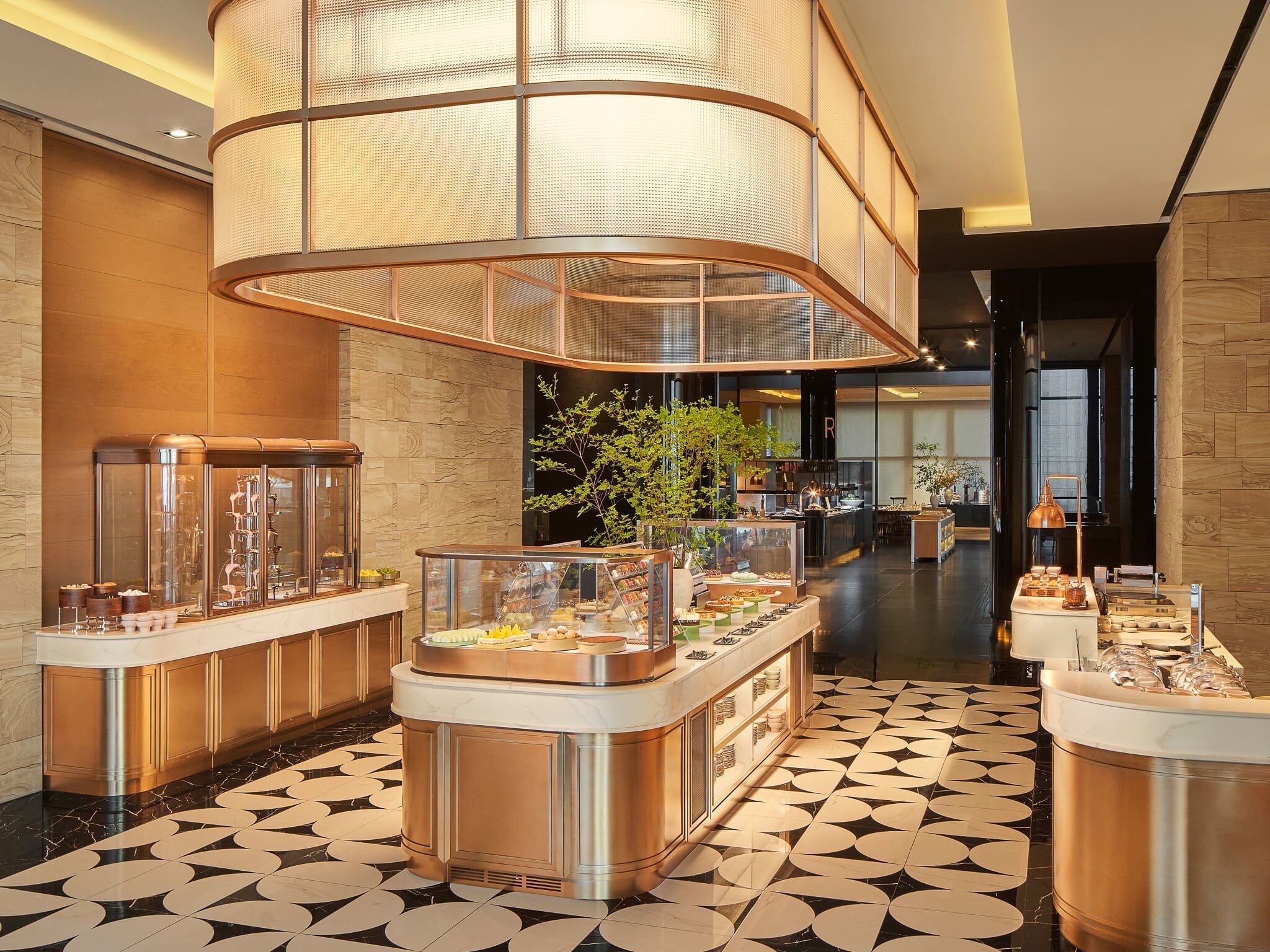
A 244-seat hotel buffet in Seoul's Yeouido district reopened on August 12. Fourteen years after the hotel opened, the kitchen and the dining room were gutted and rebuilt, and not a single seat was added. What changed is the calendar. Breakfast runs all seven days, but lunch and dinner are served only Wednesday through Sunday.
1.On August 12, Zest, the all-day dining room on the second floor of Conrad Seoul on Gukjegeumyung-ro in Yeouido, opened its doors again. Construction ran from June 1 to August 10, and this is the first time the restaurant has been stripped to the shell since the hotel opened in November 2012.
2.The seat count stays at 244. Five live stations were built into the middle of the room: Ocean, Ranch, Bistro, Oriental and Patisserie, each with a chef standing behind it who finishes the plate and hands it over.
3.The route through the room was planned in advance. The hotel calls it Discovery Dining, an instruction to walk the five stations in order, the way you would move through a tasting menu. Instead of piling a plate and carrying it back to the table, you take one finished plate at the station, eat it, and get up again.
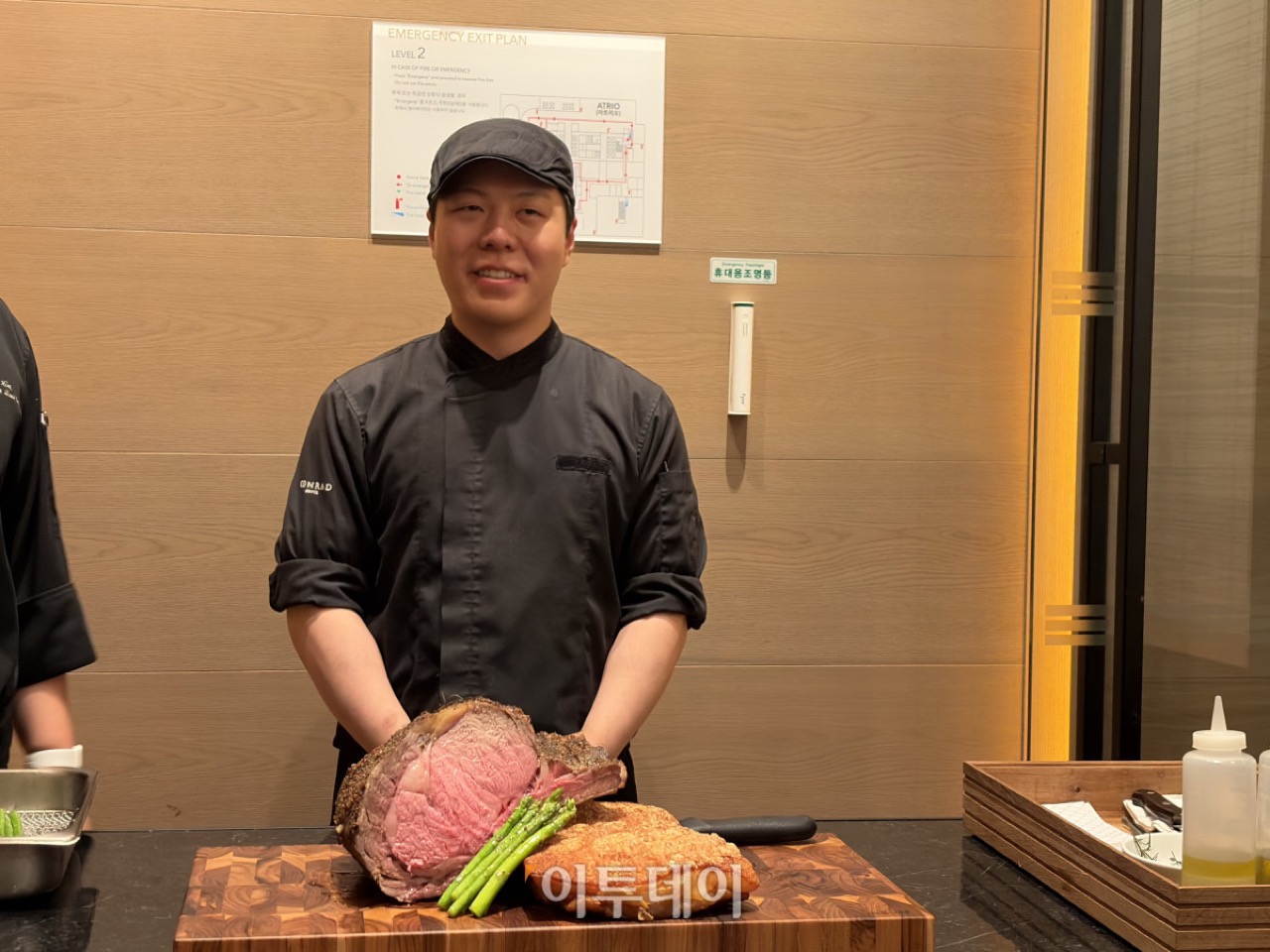
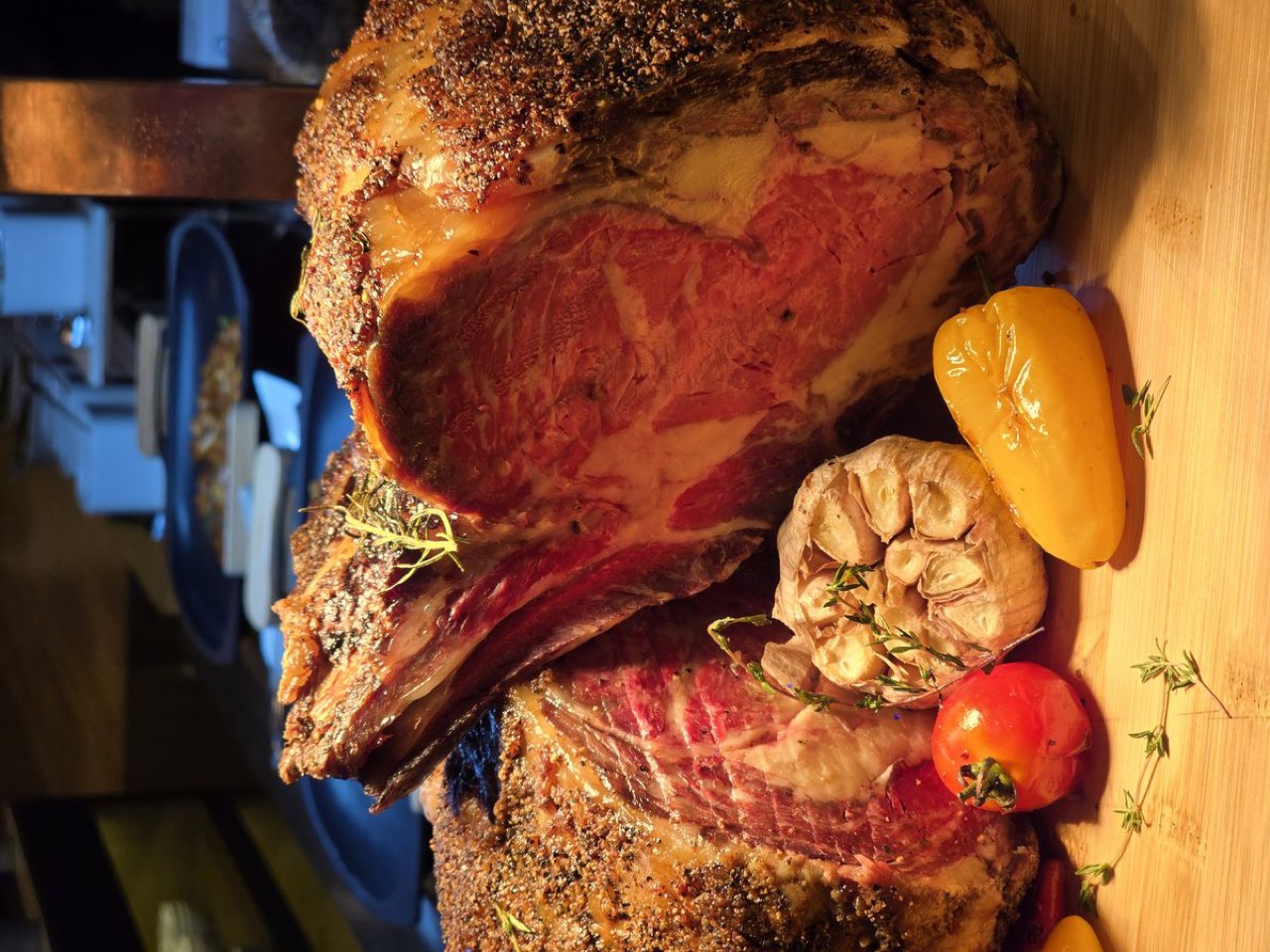
4.At Ranch a bone-in roast sits out whole. The crust has gone dark where pepper and salt baked on, and the knife opens a face that reddens toward the center. While the juices run down the grooves of the board, what reaches the queue first is the smell.
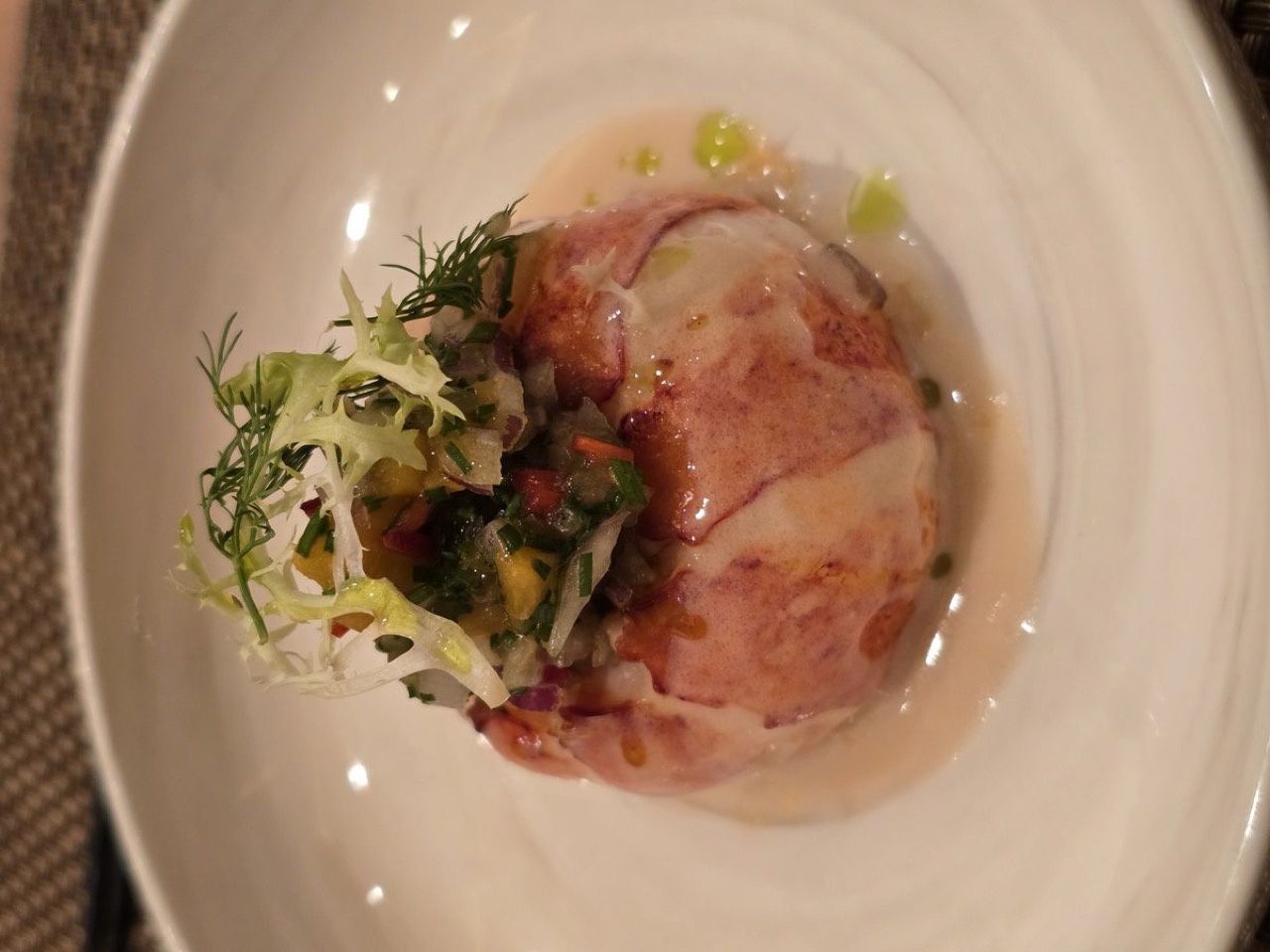
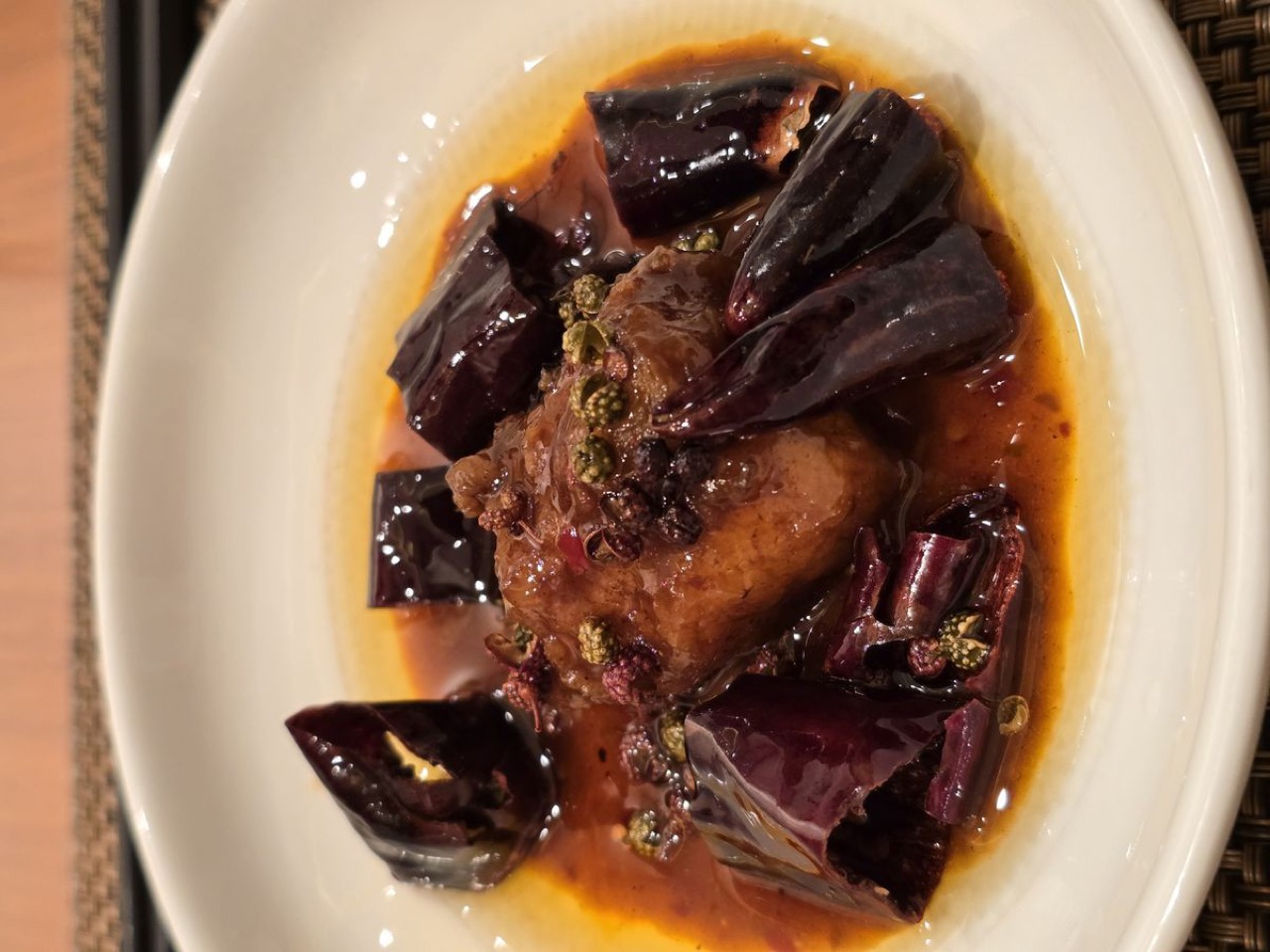
5.Ocean is the quiet end. Under a shelled lobster tail sits a shallow pool of marsala cream, with a few sprigs of dill and frisee on top. Move to Oriental and the fish arrives in Chongqing-style xiang la with whole dried chilies left in the pan, and the smell of chili oil wipes out the cream you were holding a moment ago.
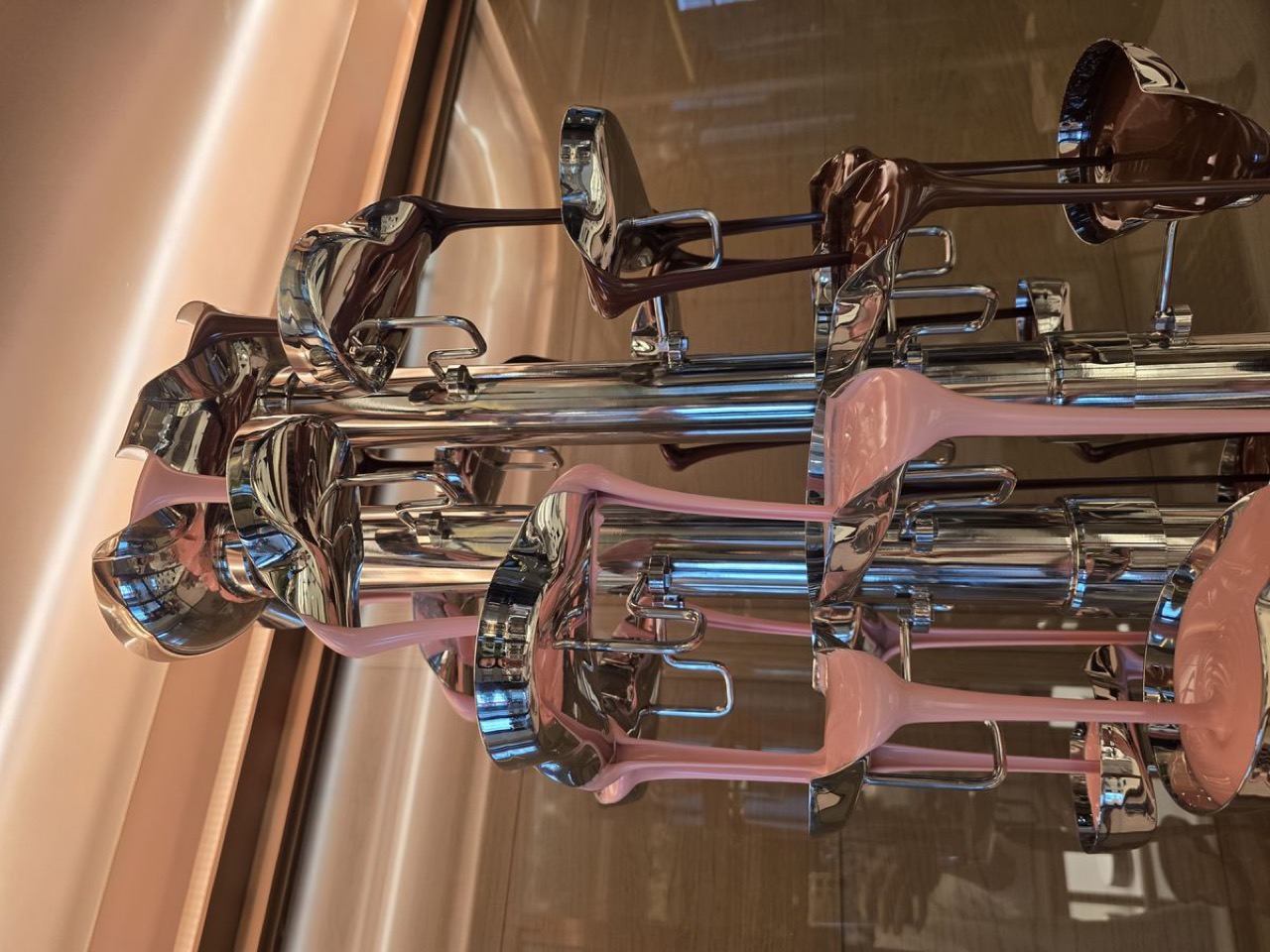
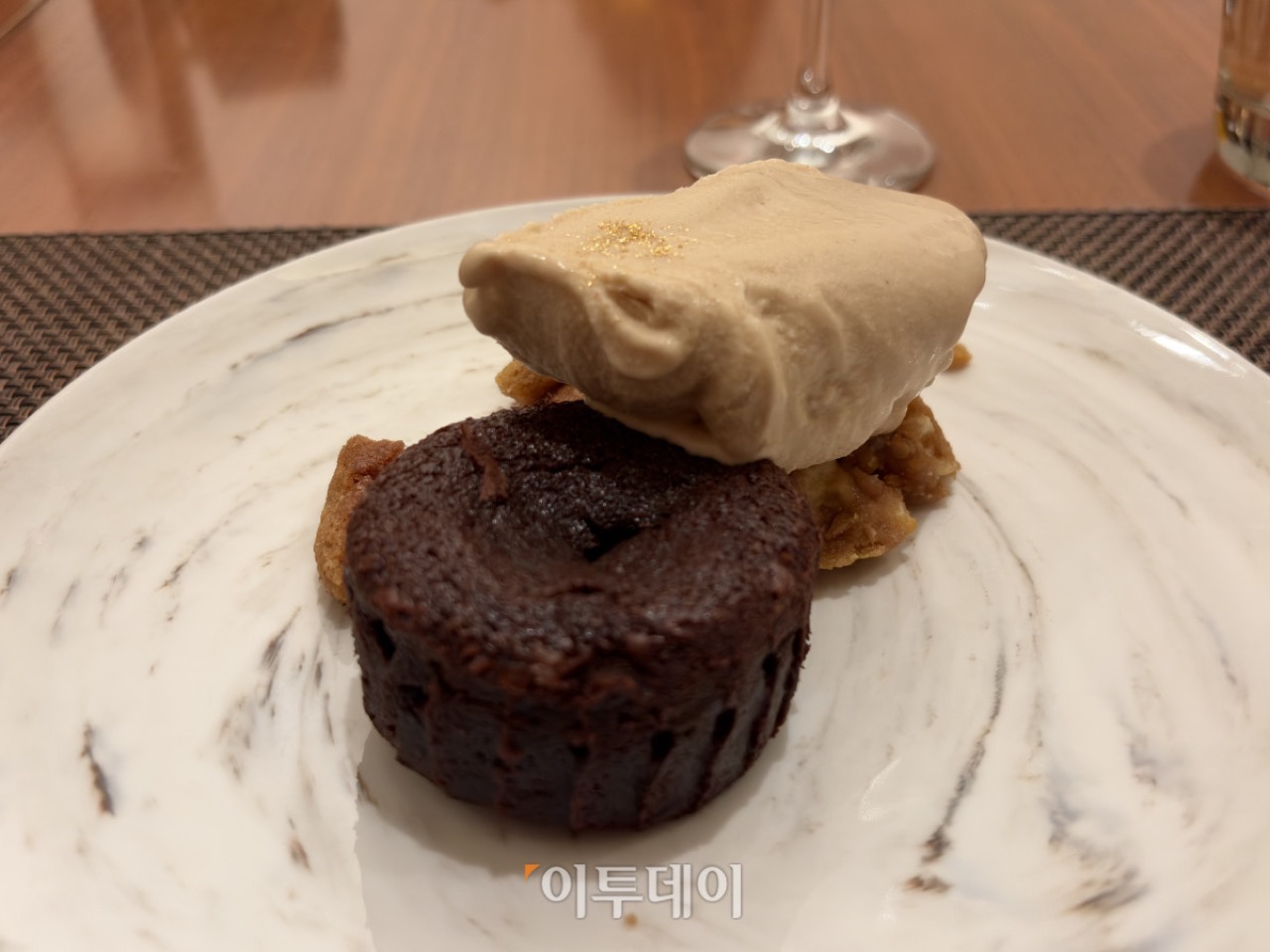
6.Desserts now run to about fifty kinds. Before the rebuild there were fewer than twenty. A seven-tier chocolate fountain sends one pink stream and one brown stream down the steps, and beside it gelato is churned to order. Pairing a live gelato counter with an under-counter coffee bar is a first among Korean hotel buffets, according to the hotel.
7.The promise a buffet has been selling for decades was volume. Does that promise hold at 200,000 won a head? Once guests start counting plates to get their money back, the house is pulled into a cost fight, and the higher the price goes the more precisely they count.
8.So the product changed. Not volume but sequence. When a chef finishes the plate and hands it over, the unit the guest counts shifts from plates to moments, and the price gets measured against tasting menus rather than the buffet down the road.
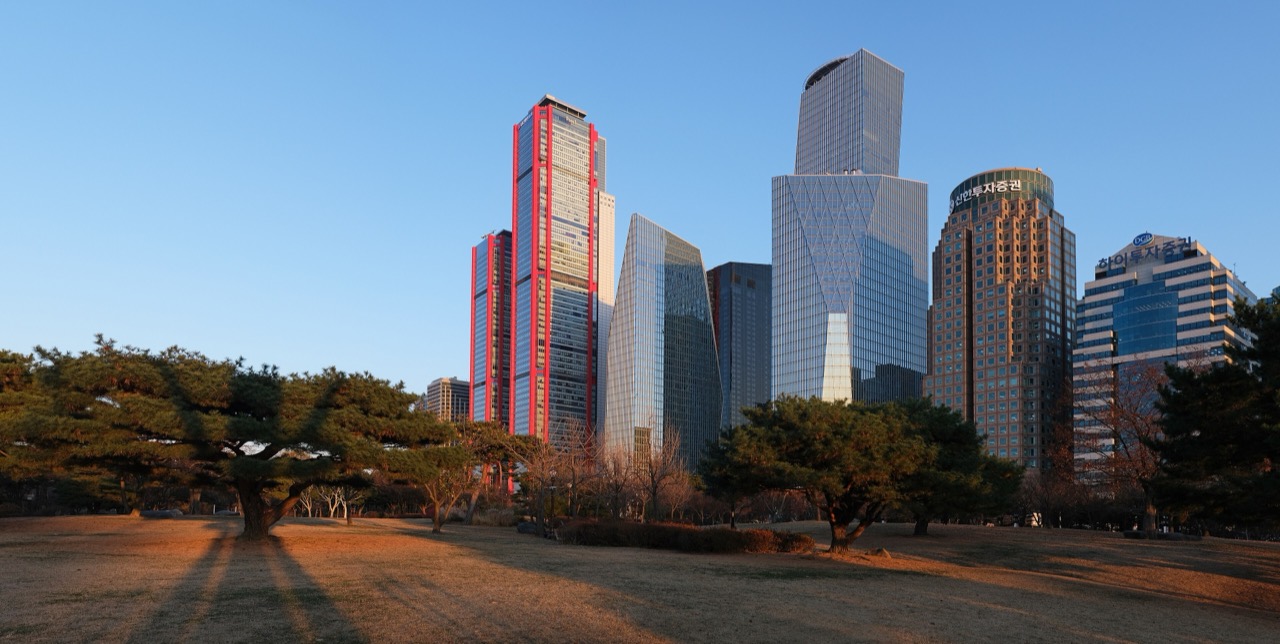
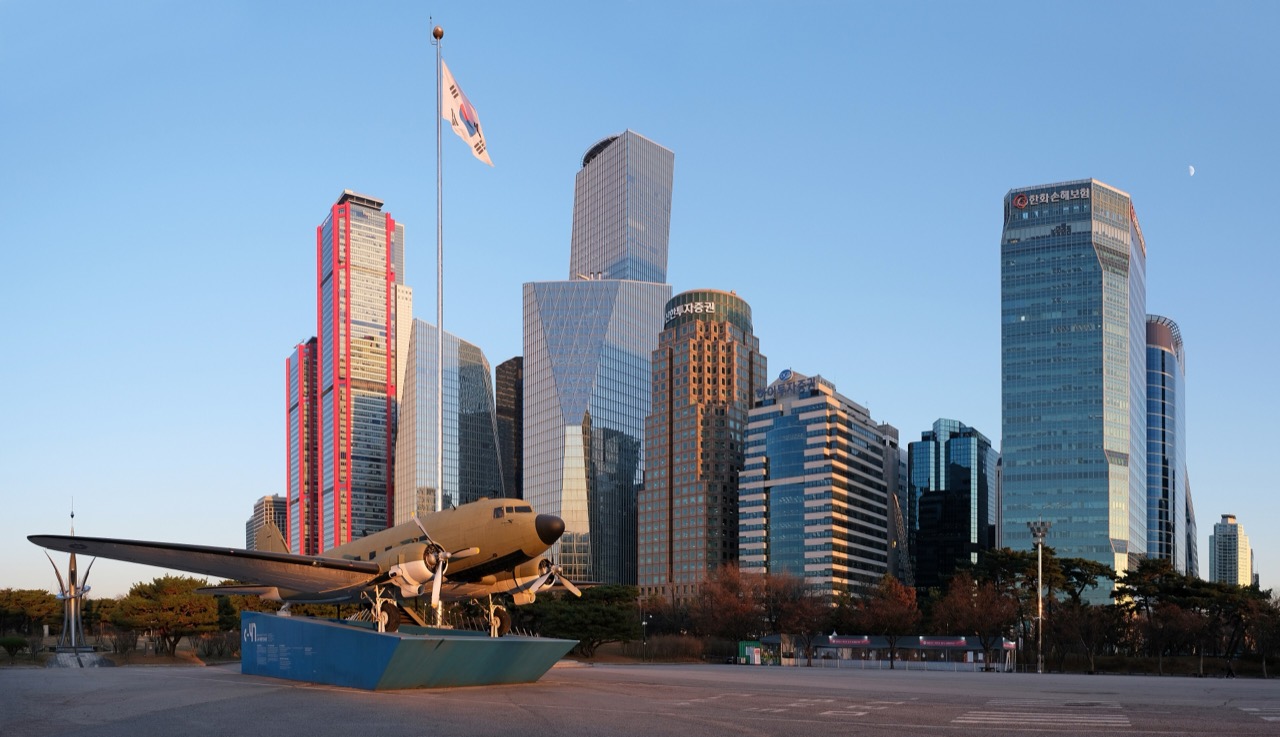
9.Location helps too. Yeouido is among the densest office districts in Seoul and the hotel adjoins the International Finance Center, so weekday middays fill with client lunches and meetings. On weekends, families crossing the river take those seats. The two demands do not overlap in time.
10.On Mondays and Tuesdays, though, neither lunch nor dinner is served. Breakfast opens at 6:30 and closes at 10:30, and the rest of the day the lights stay off. A 244-seat restaurant leaving two services empty, two days a week.
11.Count what that costs. If all 244 seats fill at the 160,000-won weekday lunch and dinner follows, roughly 170 million won disappears from the calendar over two days. That assumes a full house every time, so the real loss is smaller.
12.The reason it is worth absorbing sits on the cost side. Food cost at a hotel buffet runs 45 to 50 percent, and inside food and beverage expenses labor is the heaviest line at 59 percent. Chefs still have to stand at all five stations on a half-full day, so a thin day leaks money the longer it stays open.
13.Saturday dinner is split into two seatings. The first sits at 5:30 and rises at 7:30, the second starts at 8:00 and ends at 10:00. The same 244 seats, 488 covers in a night. Cutting the clock does push guests along, but it works more as a way to pin down the turn a buffet never used to measure.
14.The price sits just below the top of the market. Several luxury hotel buffets in Seoul have pushed weekend dinner past 200,000 won, and this one stopped short of that line. Weekday lunch was 145,000 won in the autumn of 2024, so it is up 10 percent in two years.
15.Food and beverage exists in a hotel to serve the rooms. The margin runs 28 to 29 percent against 70 to 80 percent on rooms, so on the numbers alone you would close it, and the reason nobody does is that the restaurant sells rooms. Korean hotels saw food and beverage revenue fall 5 to 10 percent last year, and this rebuild came after that.
16.A 244-seat buffet in Yeouido pushed weekend dinner to 195,000 won and cut lunch and dinner service back to five days a week. Copy the move outside a hotel and the first thing you hit is breakfast. Those two days could be emptied because guest breakfast still runs the kitchen and carries part of the payroll on them. A standalone restaurant with no breakfast demand that adopts the same calendar puts two days of rent and social insurance on top of zero revenue. A five-day week is not a card for saving labor, it is a card you can only play once the check average and the turn on the other five days have been raised enough to cover it.