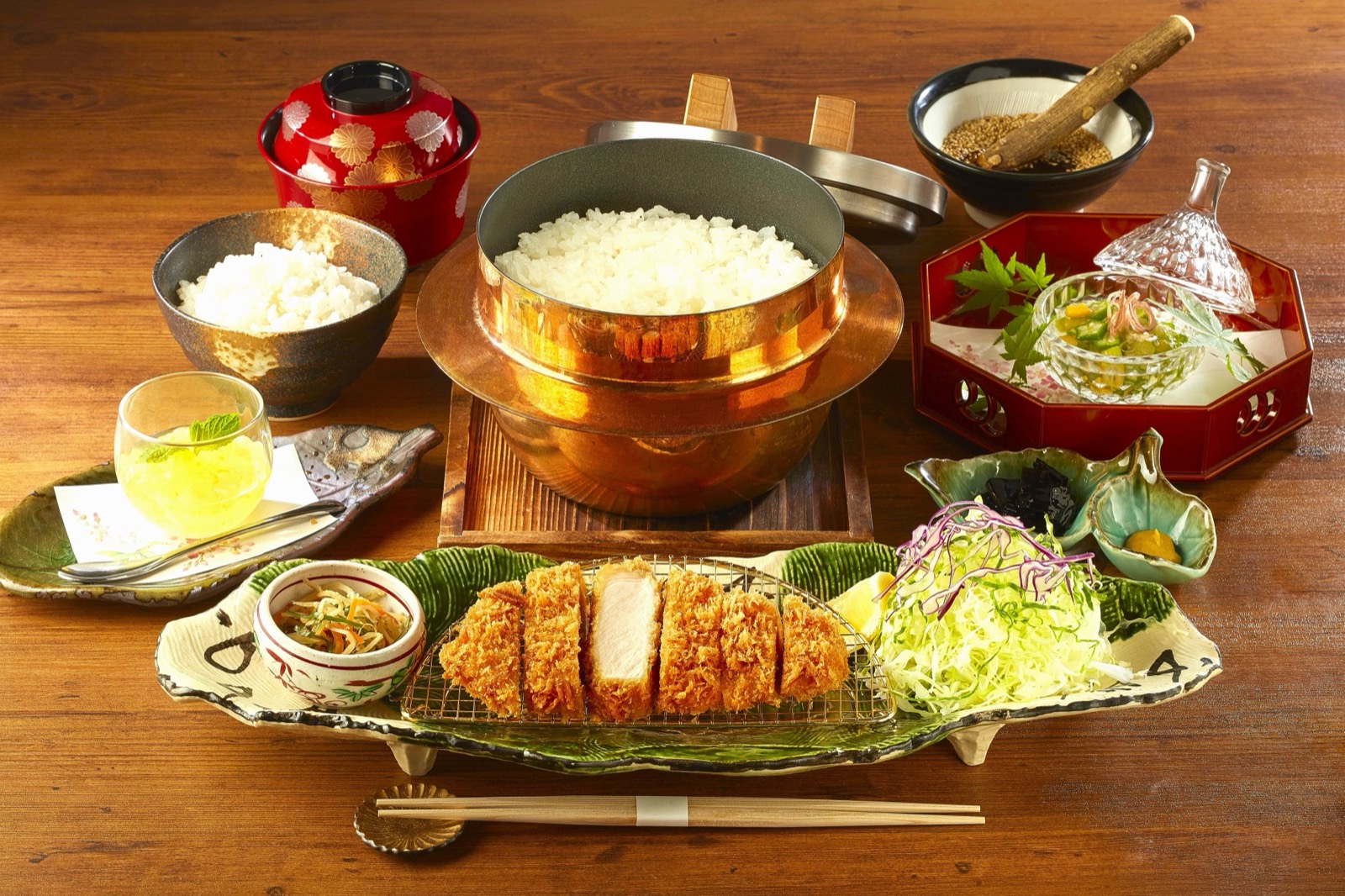
On July 31 a tonkatsu restaurant opened on the 11th floor of the new wing of Ginza Mitsukoshi in Tokyo. It is a course-only restaurant, the one thing this chain had not built in nearly 60 years since it started in 1966 and grew to some 480 outlets at home and abroad. The rice goes on the fire only after the order comes in.
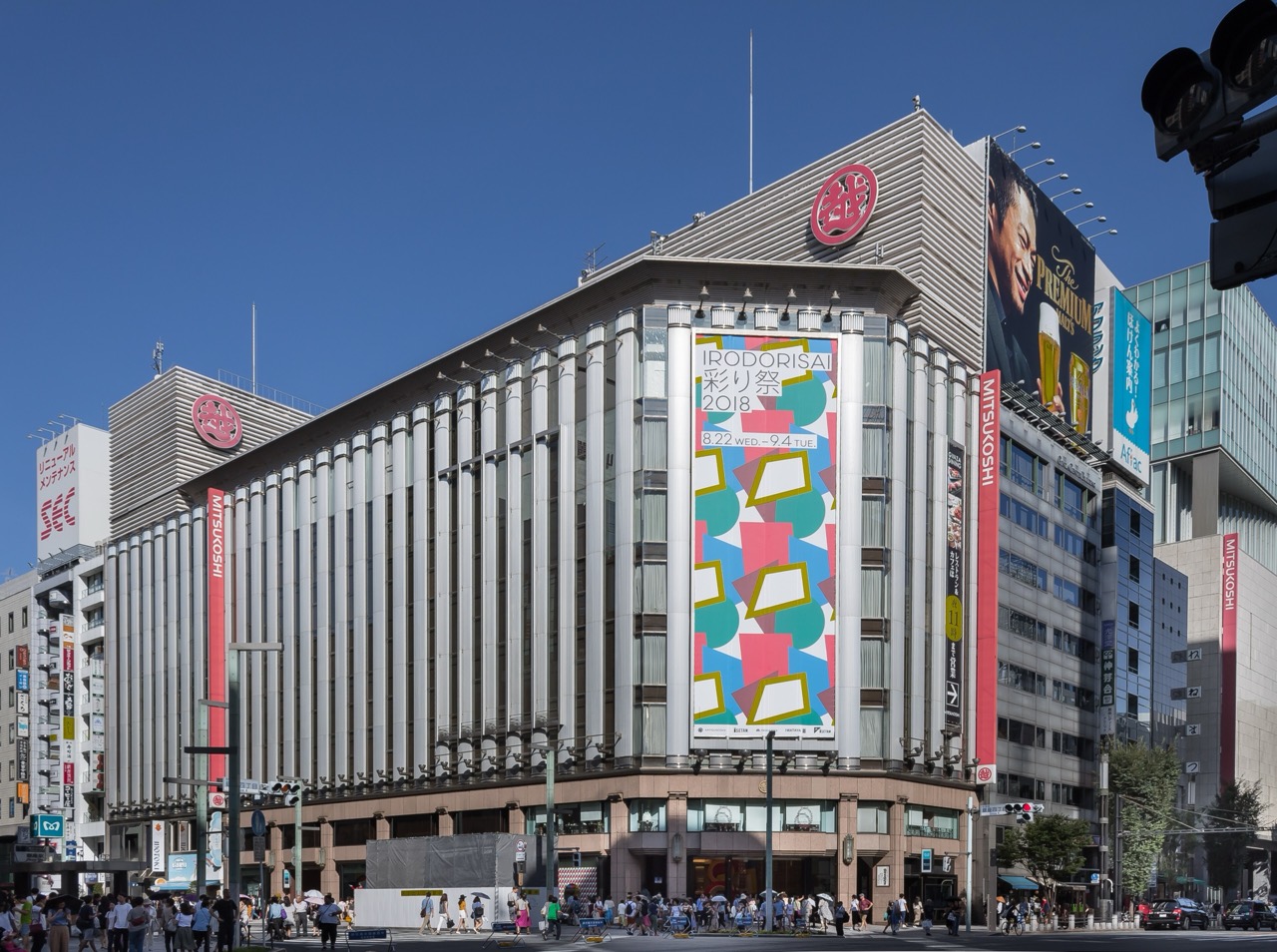
1.Friday, July 31, at 4-6-16 Ginza, Chuo-ku, Tokyo. Ginza Katsu Takumi Saboten opened in the GINZA Dining section on the 11th floor of the new wing of Ginza Mitsukoshi. The operator is Green House Foods; the brand is Tonkatsu Shinjuku Saboten. It began in 1966, runs about 480 outlets at home and abroad and turns 60 next year, and in all those years the one format it never built was a course restaurant. Hours are 11 a.m. to 10 p.m., last order at nine.
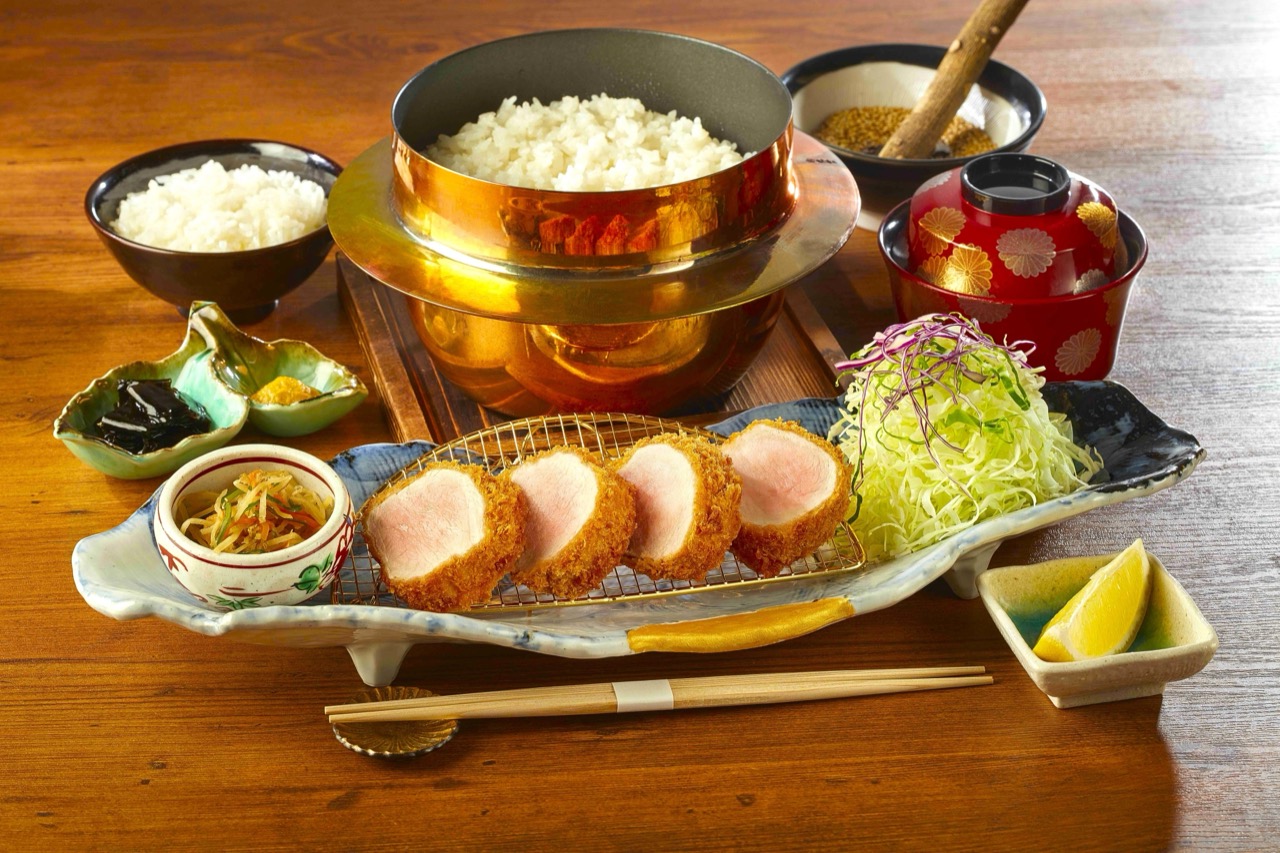
2.There are three things to order. A loin katsu set from pork raised in Kitami, Hokkaido, at 3,680 yen; a loin katsu set using Takumibuta, a branded pig from the Boso area of Chiba, at 4,000 yen; and a special fillet fried in a bar shape at 4,500 yen. At an ordinary outlet of the same brand, the Sangen Mugibuta loin katsu set costs 1,518 yen.
3.The meal opens with cherry-blossom tea. Small dishes come first, summer vegetables in aspic, wasabi kombu, kinpira, then the katsu straight out of the oil, and a citrus jelly at the end. Lunch and dinner run the same composition, which is unusual.
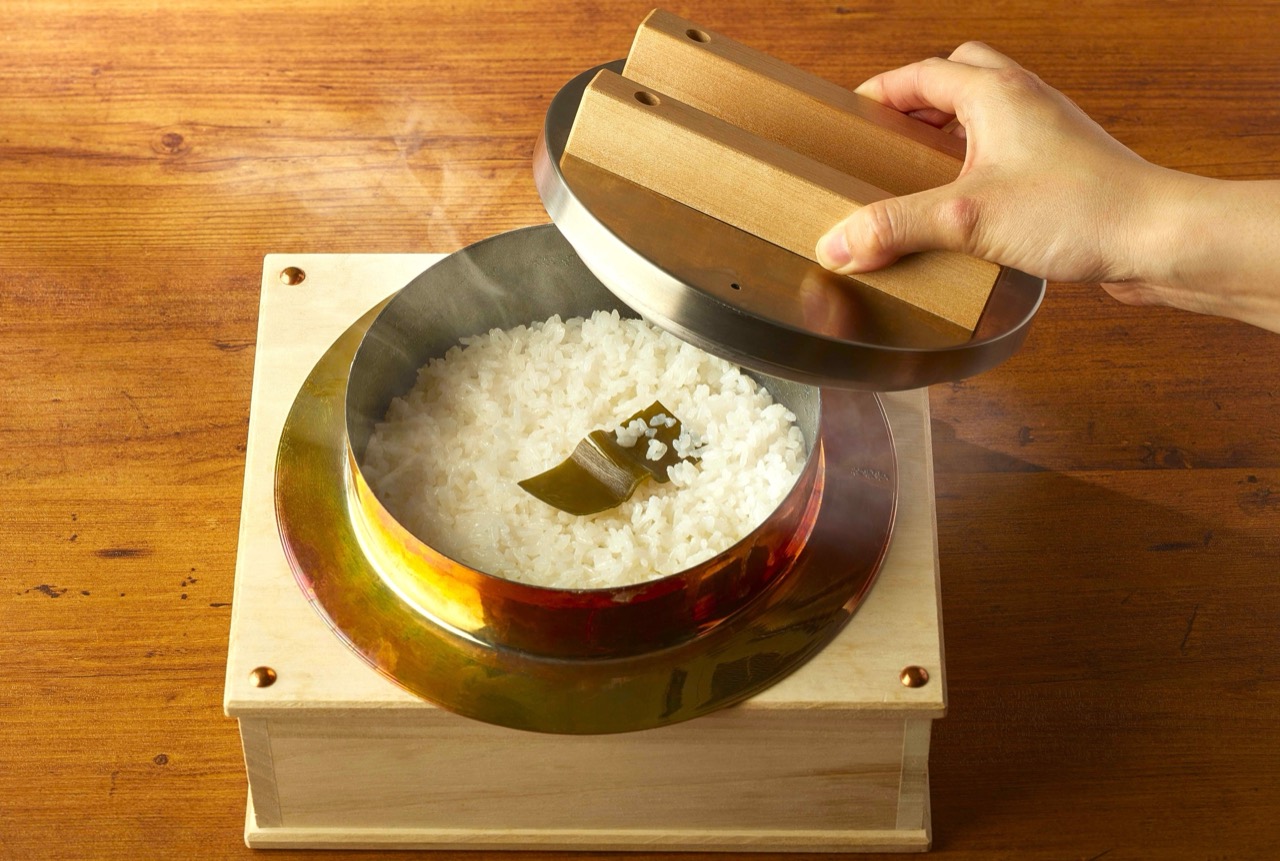
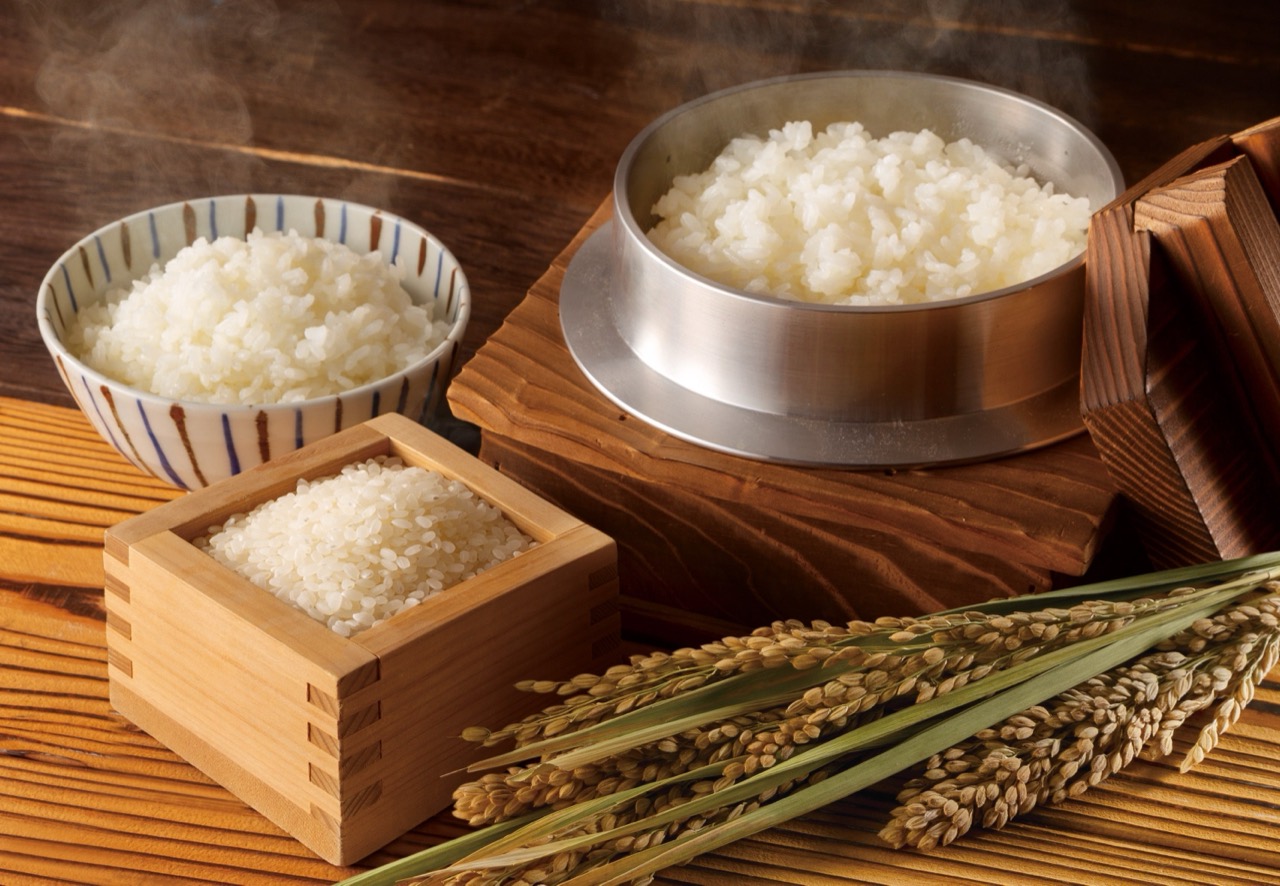
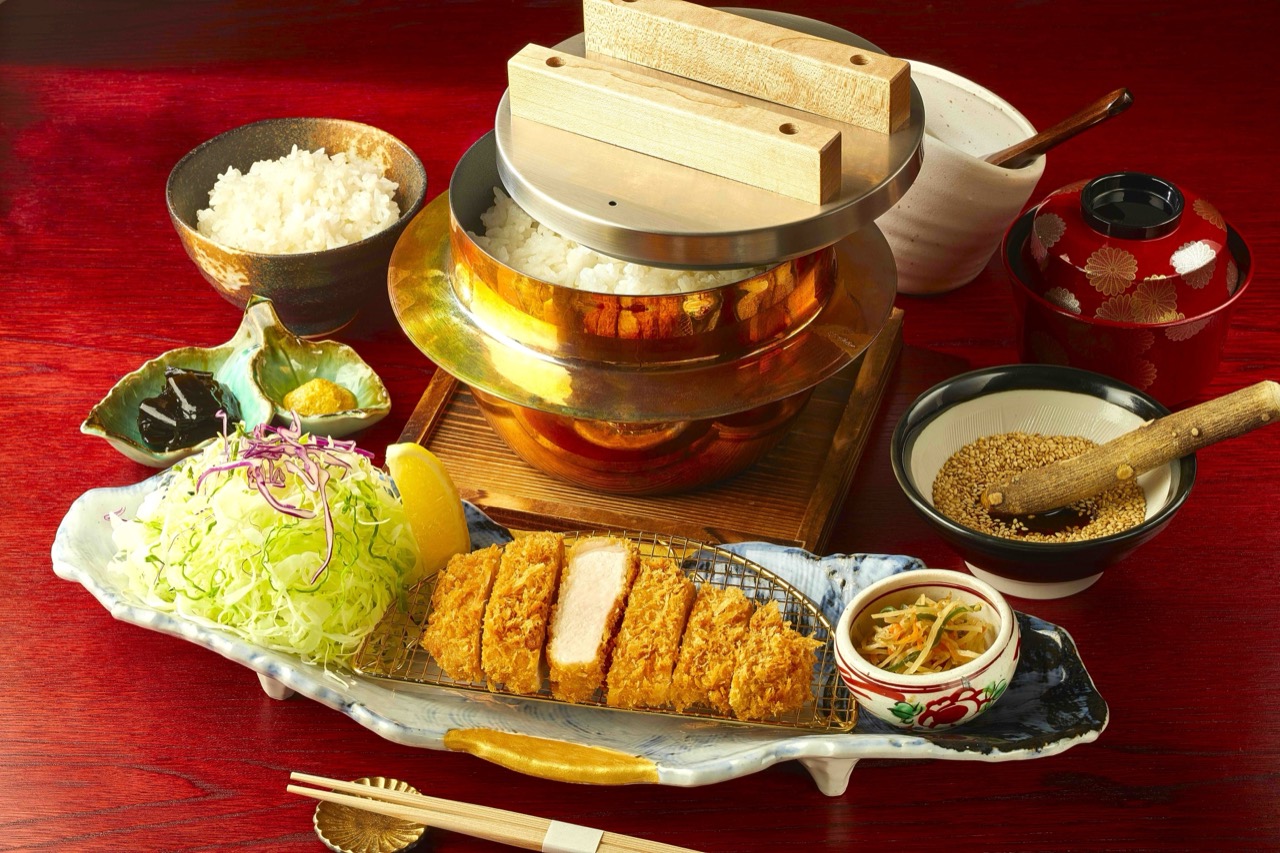
4.The rice is cooked in a copper hagama. The pot goes on the fire when the order lands and takes twenty minutes; the grain comes from Iwate and Yamagata. Rice, shredded cabbage and soup are refilled as often as you ask, at no charge.
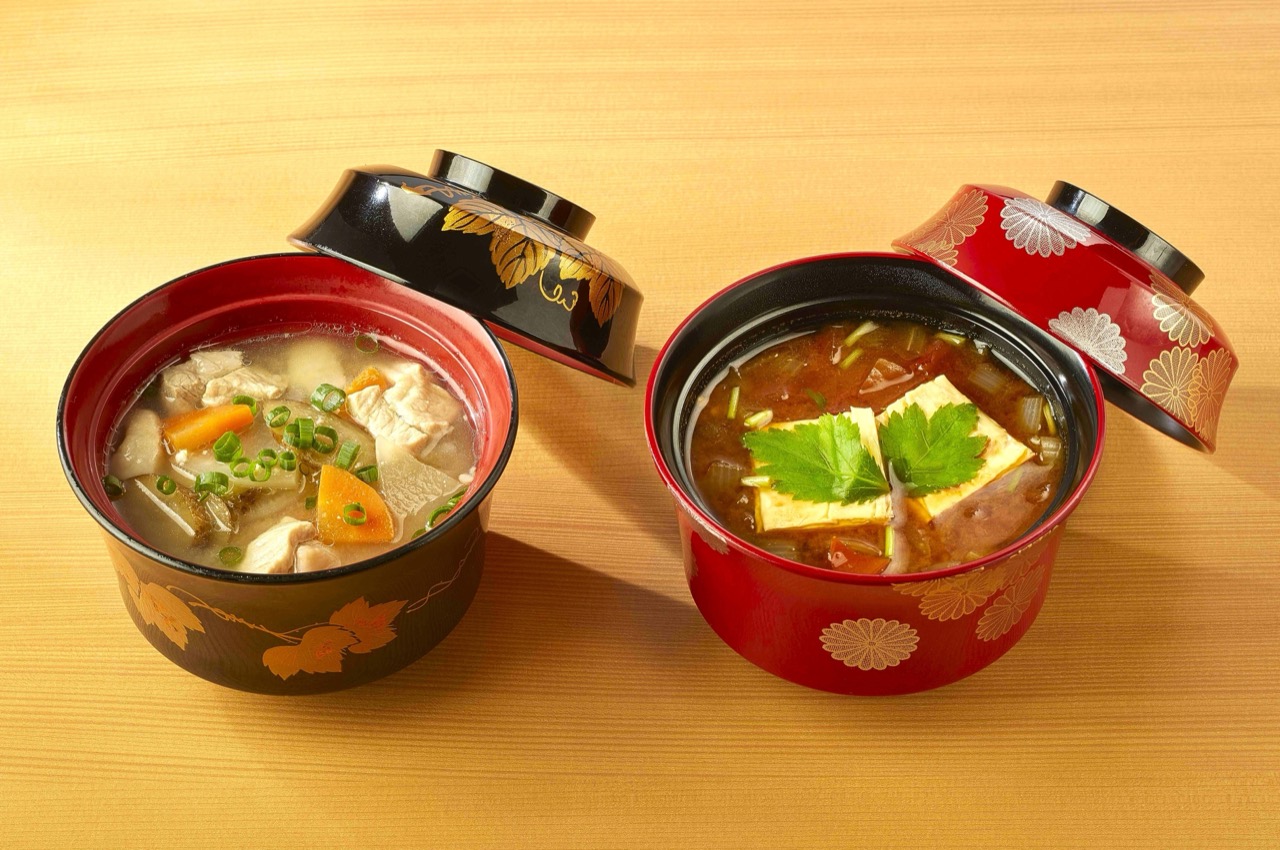
5.The guest chooses twice. Coarse or fine fresh breadcrumbs, and koji-miso pork soup or the seasonal red miso. Order the same cut as the person next to you and a different plate arrives.
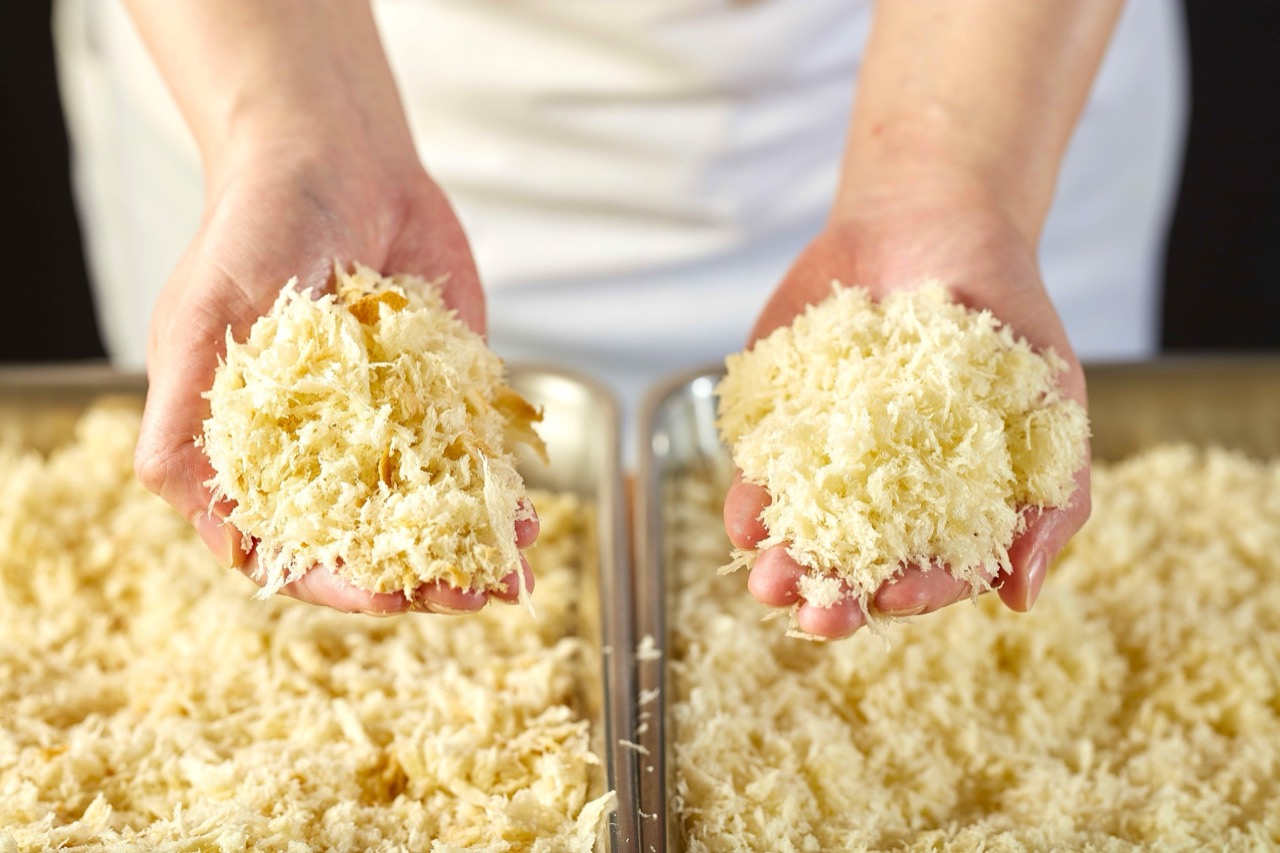
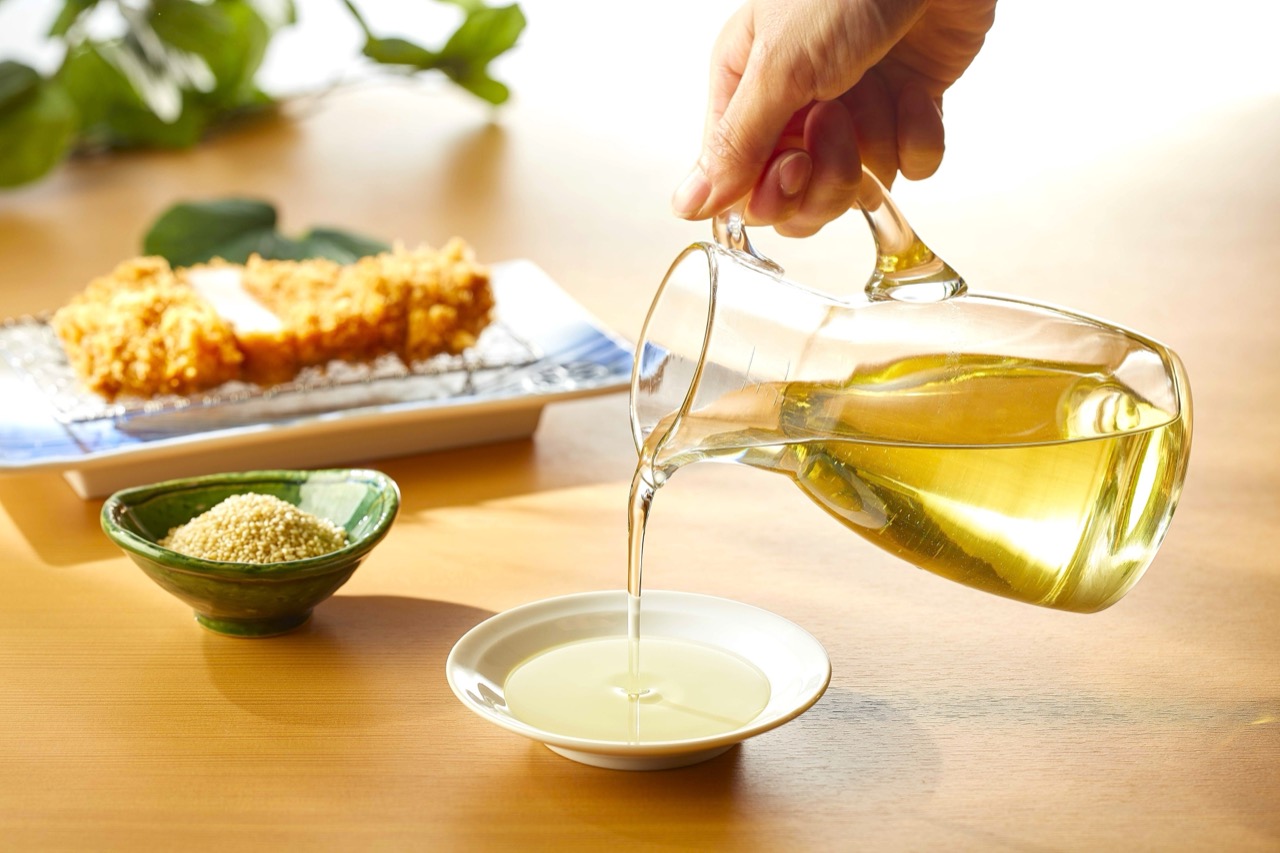
6.Coarse crumbs stand up in the oil and shatter the moment a tooth reaches them, while the fine ones leave a smooth surface that lets the juice come through first. The oil is untoasted sesame oil, the temperature low and the time long. Pressed without roasting, it carries almost no colour or scent, so instead of a nutty note on the coating what stays is the smell of pork fat.
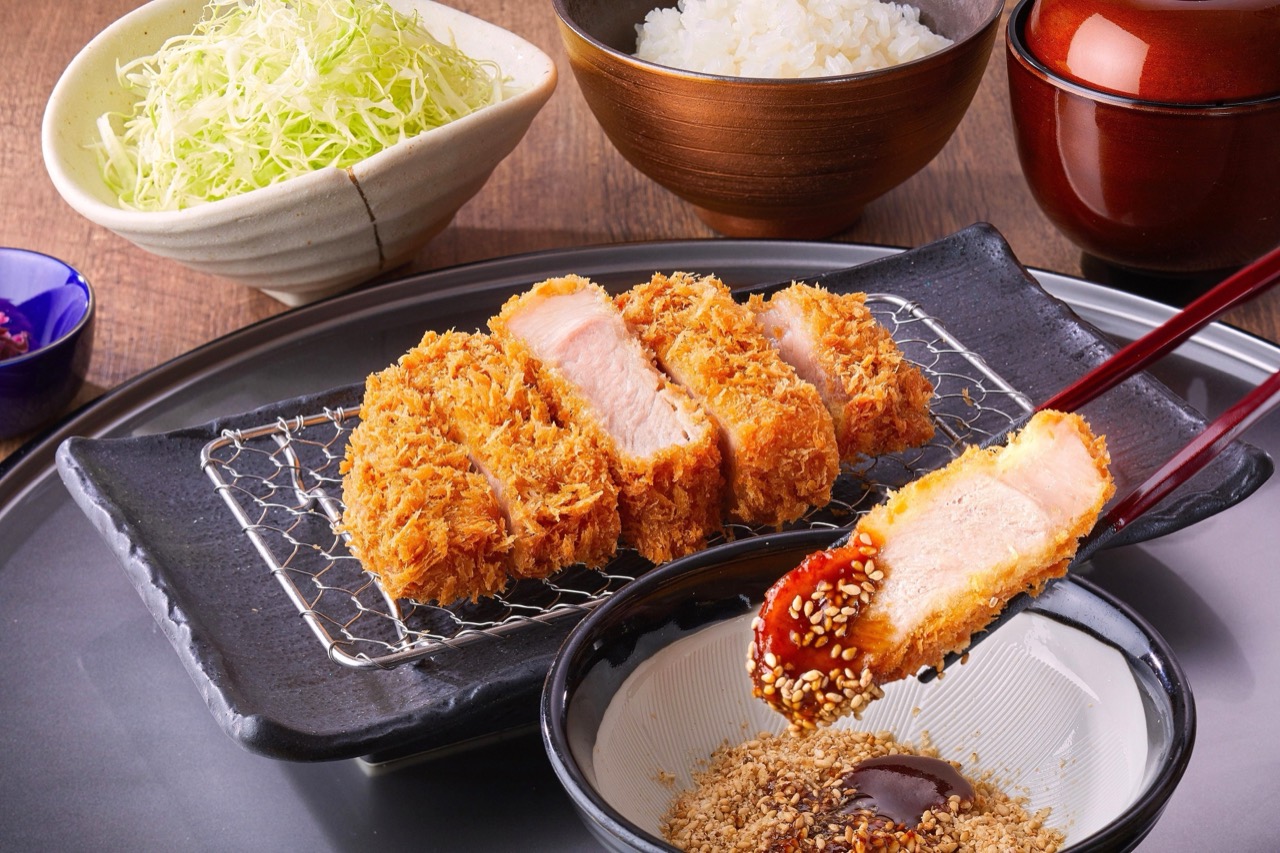
7.The cut face stands pale pink. Bringing the temperature up slowly gets the centre there before the outside burns, so juice pools where the knife went, and the piece is dipped in sauce and ground sesame. Frying long at a low temperature also means the plate takes time to reach the table.
8.What an eleventh floor sells is closer to time than to food. People who have finished shopping, people who came up looking for a place to meet, people eating alone all stand on that floor. The counter seats are there for the last of the three, and the single all-day course is there for the first two.
9.Tonkatsu has been one of the slowest prices to move in Japanese dining. A 1,500 yen set had long hardened into a ceiling. Who held the space above it? Maisen, in the same building, held some of it, and 3,680 yen was a slot nobody had filled.
10.A company running 480 outlets does not normally buy from a single farm. Volumes are small, so the unit price rises, and if supply stops there is no substitute. This is procurement only a single restaurant can do, and opening that single restaurant under a name built by 480 is the frame of the whole venture.
11.Average spend lands somewhere around 4,000 yen (estimate). Even with no drinks, that is 2.4 to 2.6 times the 1,518 yen of an ordinary outlet. Seat count and floor area are not disclosed, which is why sales per unit of floor area are not calculated here.
12.The turn of the seats is deliberately tied down. Twenty minutes of cooking after the order makes it hard to get a guest in and out in under an hour. Two rounds at lunch and two at dinner is the realistic ceiling. Raising the average spend 2.4 times was therefore not a choice but a precondition.
13.The cost side pushes back. Food cost at a tonkatsu specialist is usually put at 25 to 35 per cent, and this restaurant uses branded pork and named-origin rice and gives away refills of rice, cabbage and soup. A Teikoku Databank survey found the average food cost ratio at Japan's 100 largest restaurant companies hit 37.5 per cent in fiscal 2021, the highest in a decade, and this outlet sits around that line or above it (estimate).
14.The ground this brand actually stands on is the department store basement. Delica counters selling bento boxes and katsu sandwiches are the body of the business, most of the 480 outlets are that kind of shop, and one of them sat in the Ginza Mitsukoshi basement for years. A name that sold sub-1,000 yen bento downstairs now takes 4,000 yen eleven floors up in the same building.
15.Overseas the brand runs 121 outlets across 11 territories, and South Korea holds the largest share at 33 (as of July 2026). Kalisco operates the brand in Korea, where the original loin katsu is 15,500 won, standing roughly where the 1,518 yen set stands in Japan. Nothing exists yet on the floor above it.
16.A 60-year-old chain built its first course restaurant, lifted a 1,518 yen set to 3,680 yen, and deliberately installed a device that slows the seats down. Doing the same thing in Korea splits first on the tenancy terms. Tenants in Korean department stores pay an average sales commission of 21.3 per cent. Add 35 per cent for food and half the revenue is gone before labour is paid. A decision to cook rice for twenty minutes and halve the turn only works when the average spend sits in the 30,000 won range. Building a floor above a market that sells loin katsu at 15,500 won means doubling the price first, and whether people will buy a tonkatsu at twice the price is something nobody has tested yet.