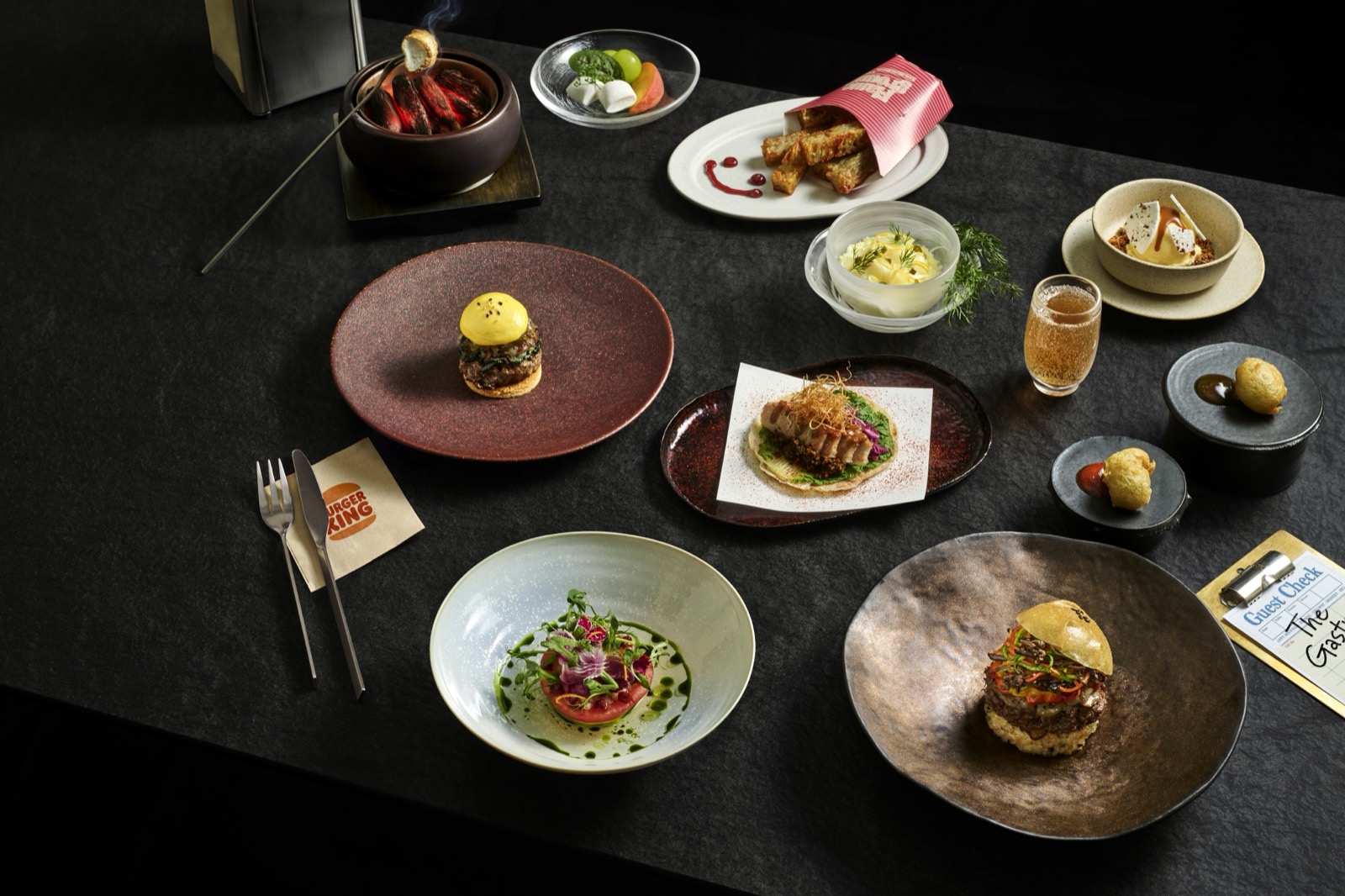
Burger King opened its first flagship store in 70 years, and it landed in Seoul. The main hall seats 90, and behind it sits a separate room with 10 seats. What that room sells is not a burger. It is an 89,000 won tasting course, and five chefs work it.
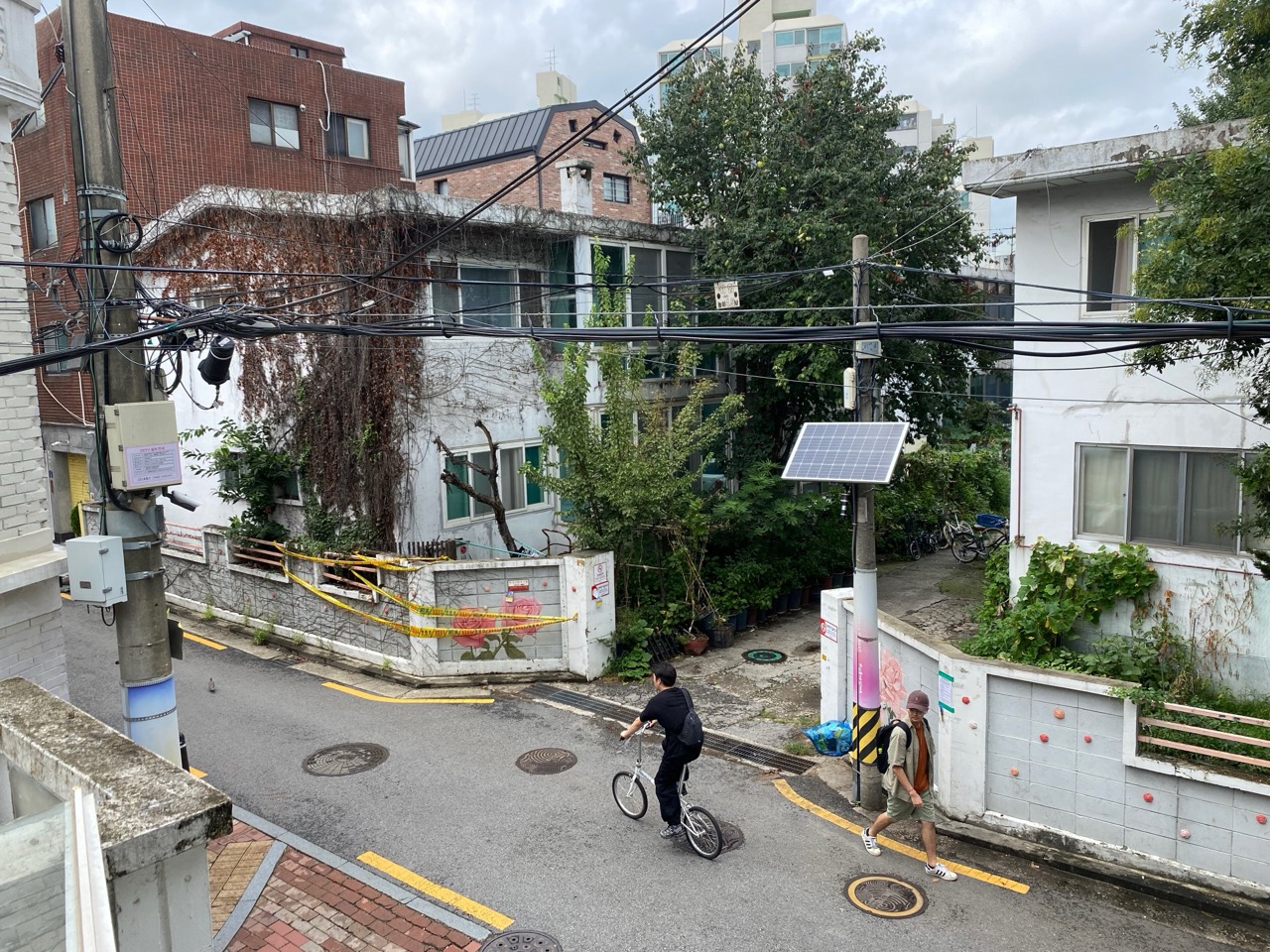
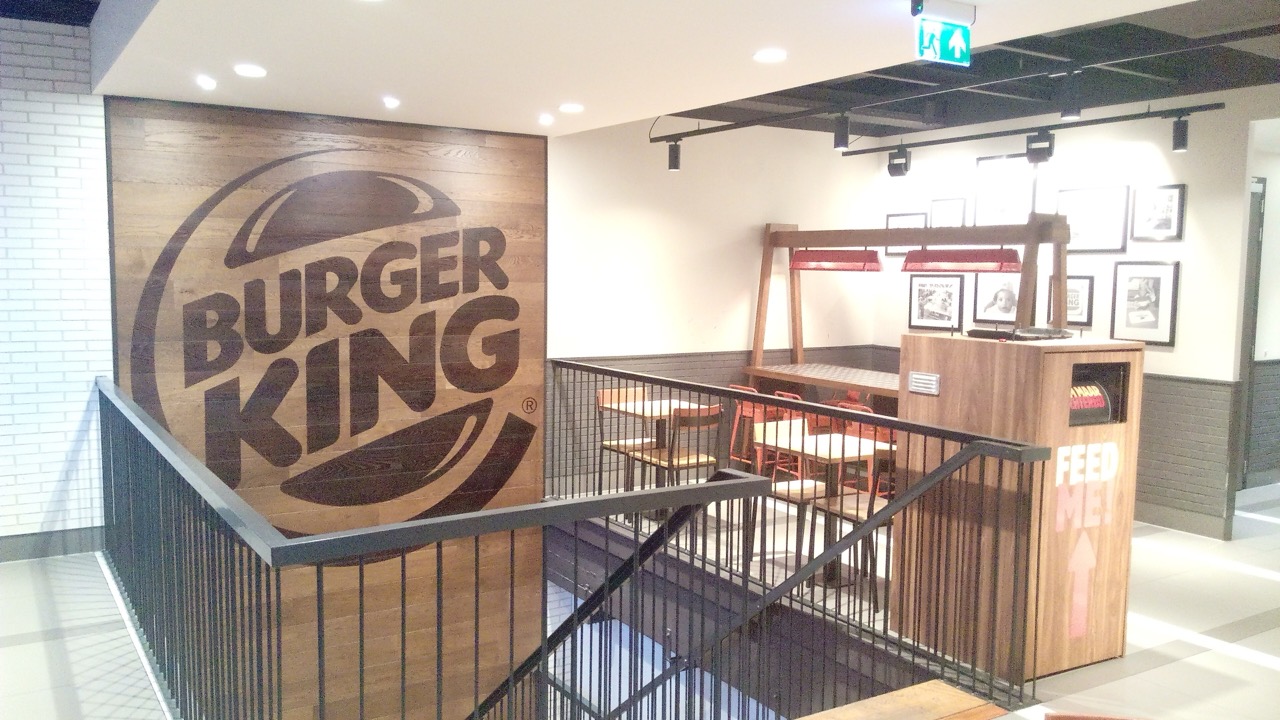
1.28 Seongsui-ro 7-gil, Seongdong-gu, Seoul. Burger King's Flameground now fills a building of stacked red brick. The press saw it on August 26 and the official opening is September 10. The brand started in the United States in 1954 and went more than 70 years without a flagship, and the first one stands in Seoul rather than America or Europe.
2.Indoor floor area runs a little over 300㎡. The main hall takes 90 people, and a door at the back opens onto a separate 10-seat room. It is called The Gastro. You cannot walk in without a reservation, and the price is 89,000 won per person.
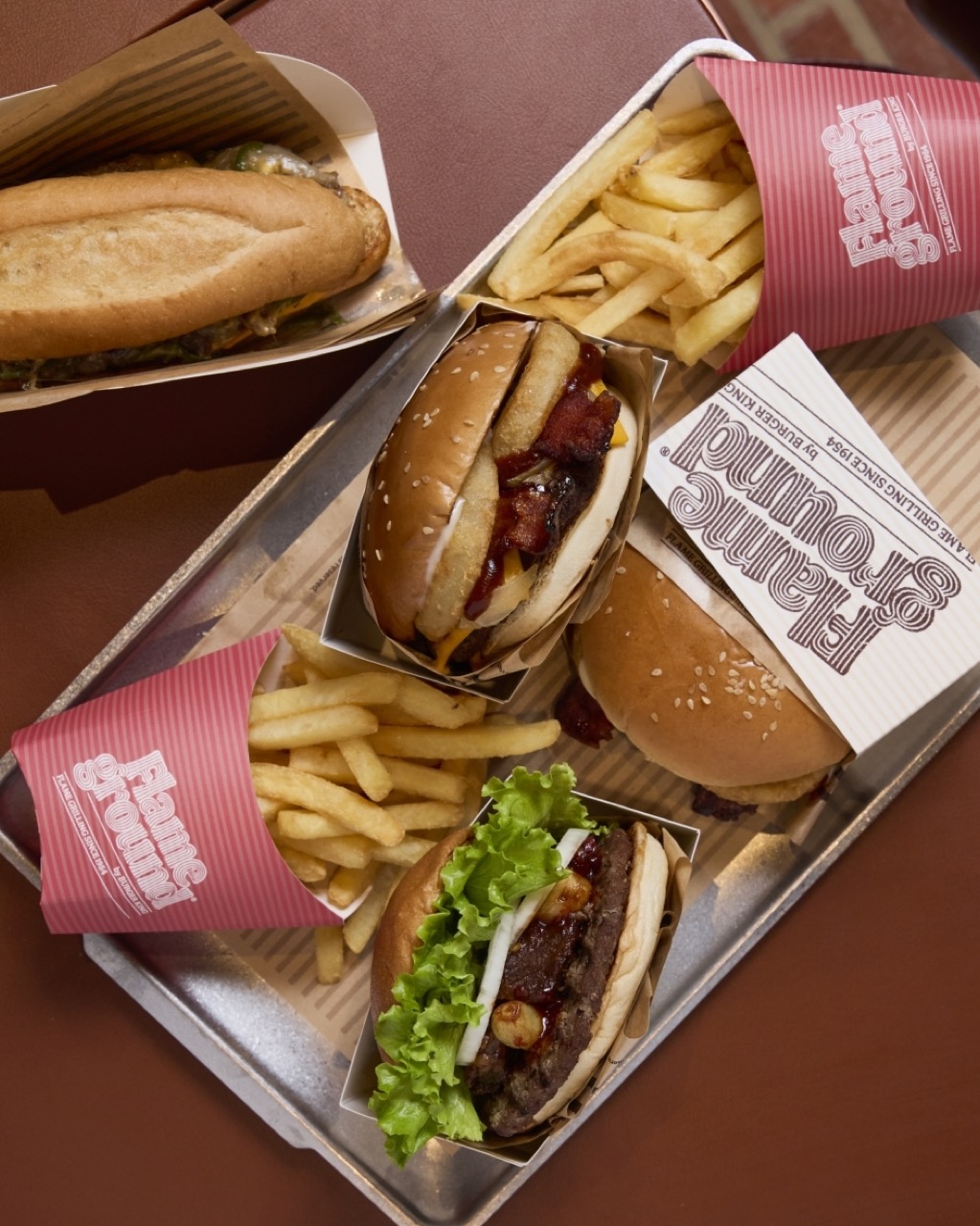
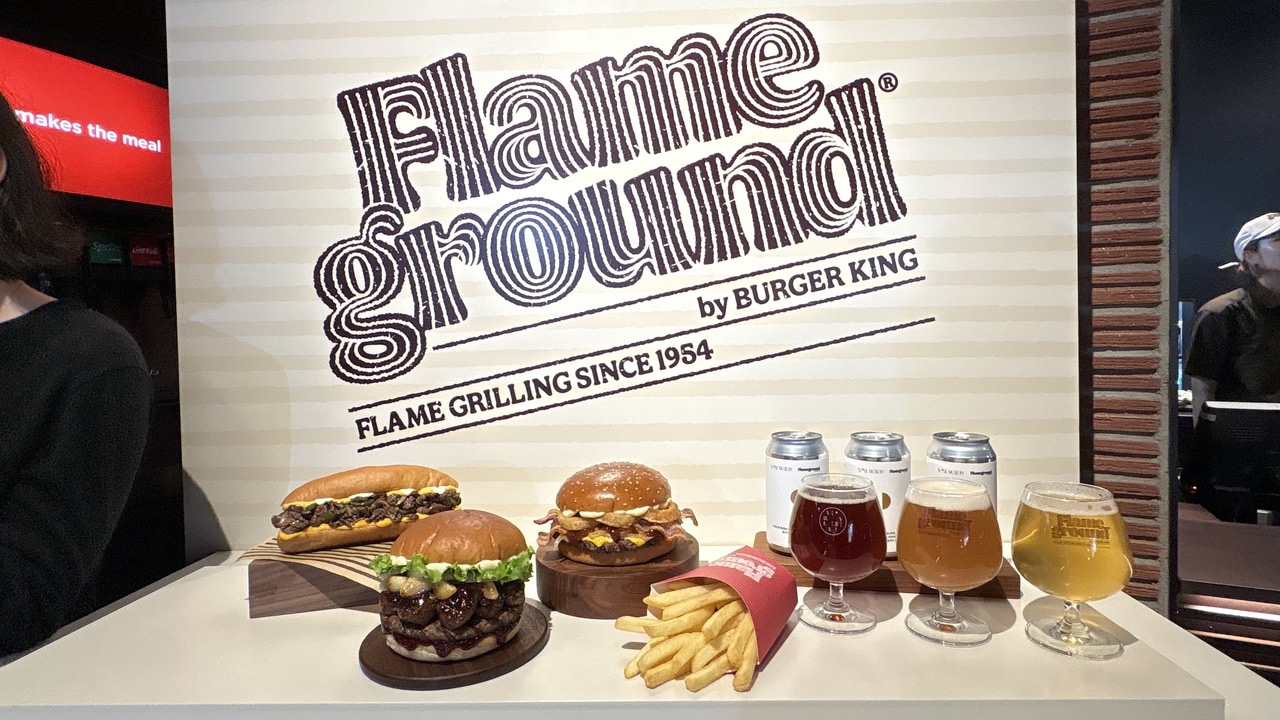
3.The main hall menu also breaks from the other stores. The K-Cube Galbi Burger and the Philly Cheesesteak run 13,900 won each on their own, the Memphis BBQ 12,900 won. Canned beer made with Seoul Brewery, a brewery in the same neighborhood, goes for 8,000 won a glass. The three burgers and the three beers are sold nowhere else.
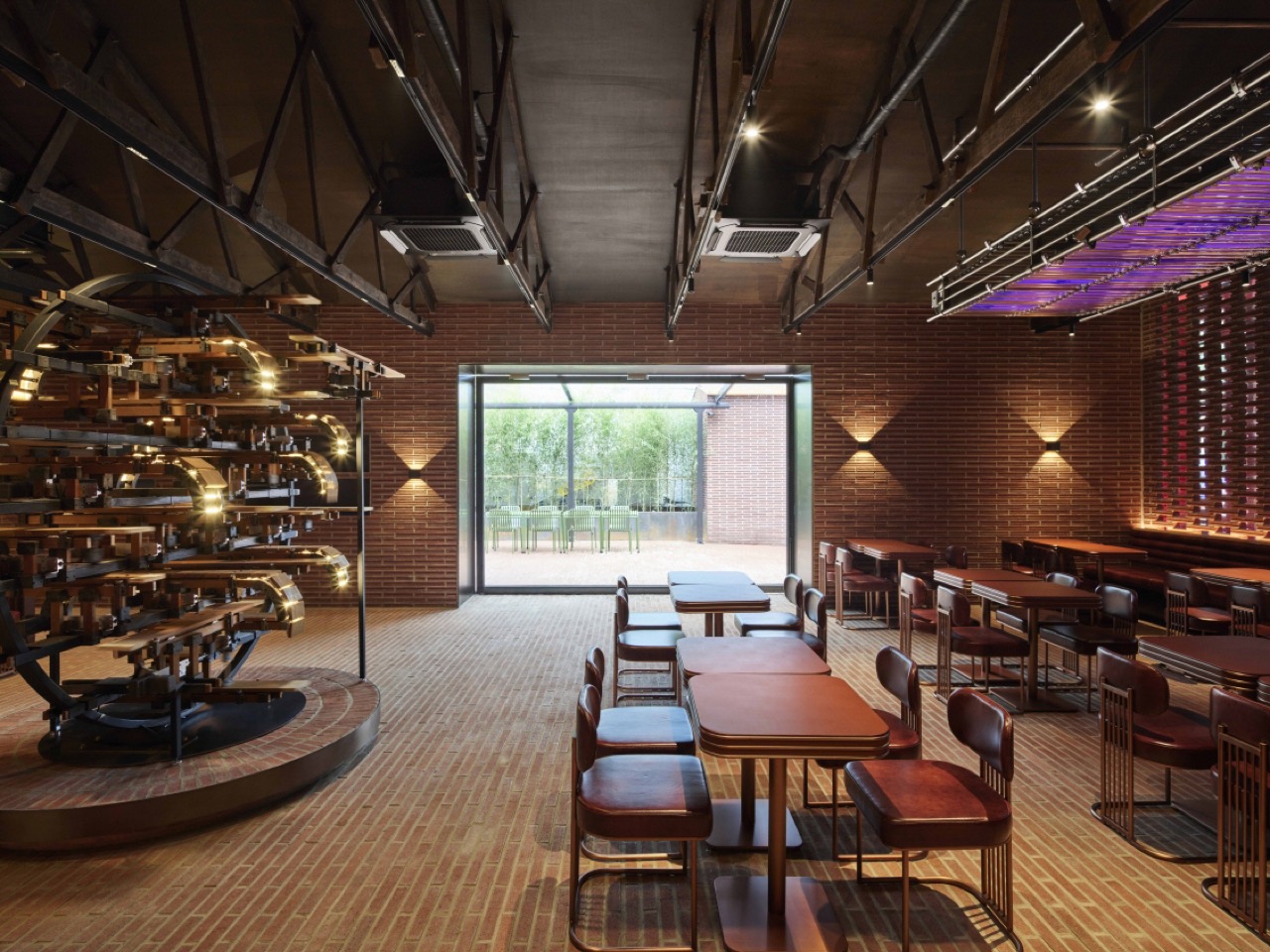
4.The bricks were stacked with gaps left between them. Daylight comes through those gaps and smoke rises in the space between. A kinetic piece modeled on a conveyor rail turns overhead, and below it leather chairs and wood-top tables run in rows. Not one molded plastic seat of the kind fast food usually uses. Works by five Korean artists sit around the hall, and one wall holds a merchandise display carried nowhere else.
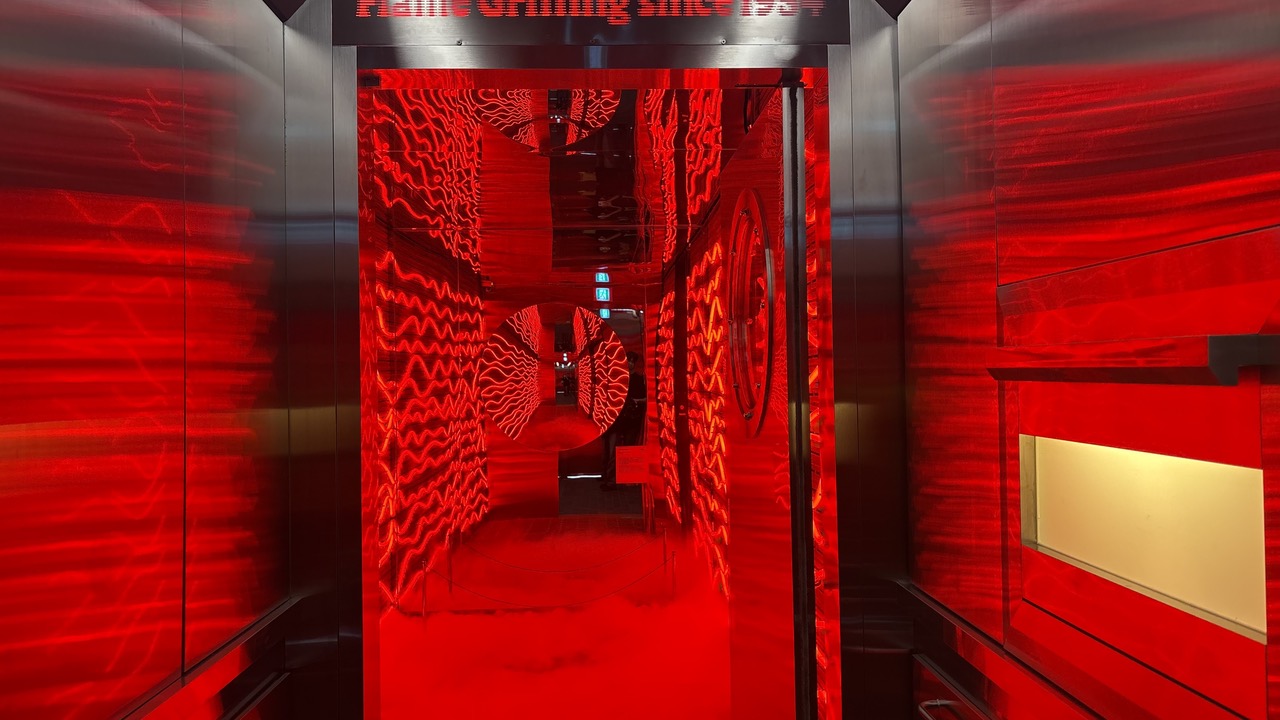
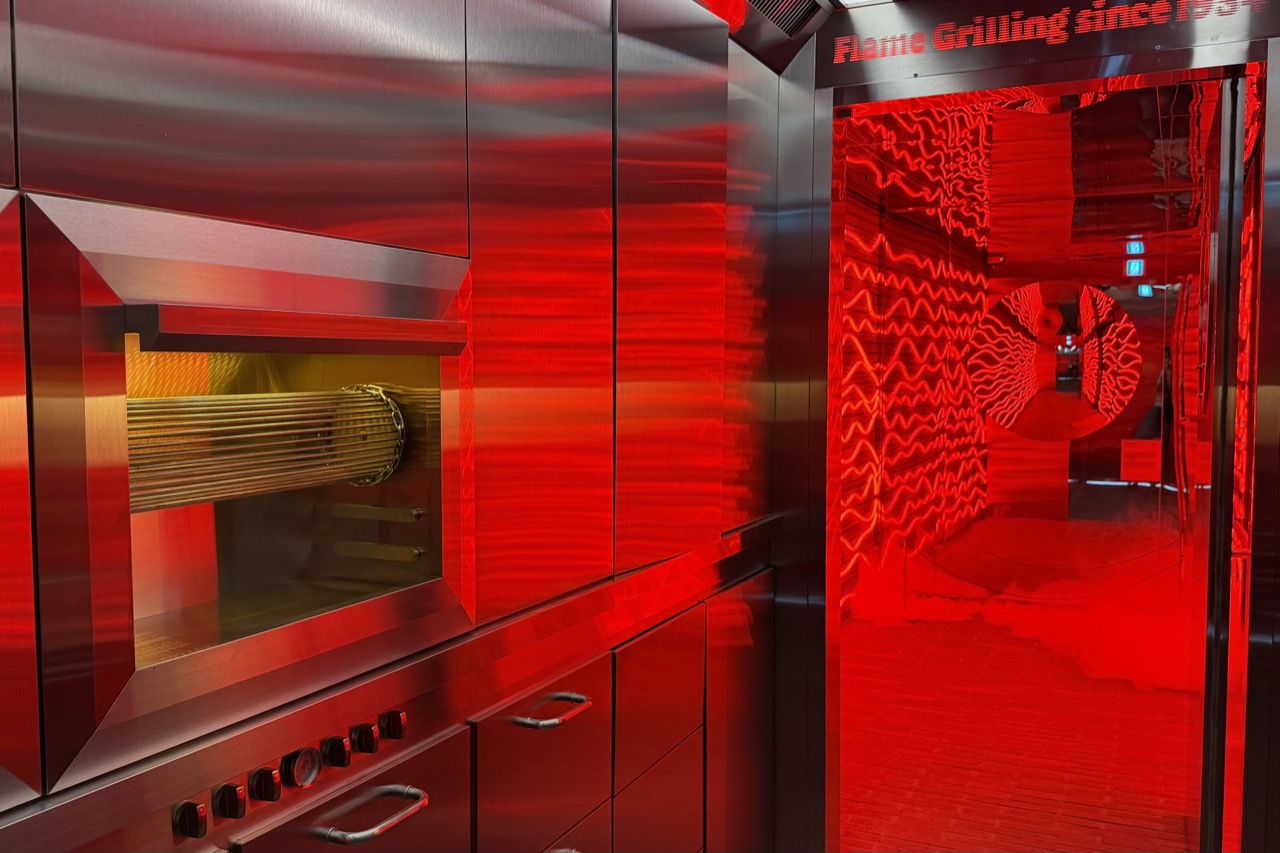
5.The entrance begins as a corridor. Red light fills the narrow stainless passage and smoke settles at foot level, and set into one wall is a working broiler with its coils glowing yellow behind the opening. No smell of meat yet. Heat and machine noise arrive first.
6.Every plate at The Gastro carries a name. The Fresh opens with tomato and vegetables, and The Whopping Wrap turns the Whopper's components into a single wrapped bite. The Pivot builds a course around pickles alone, then From Heel to Crown ties the bottom and top bun into one movement. Onion comes back as dessert in The Change. The last is The Ember, a marshmallow toasted over a bowl of live coals with fruit in season. Charcoal at the start, charcoal at the finish.
7.Reservations go through Catch Table and the room closes Monday and Tuesday. Seventeen sessions across the remaining five days put 170 people in the seats each week, 8,840 in a year. The company says bookings are already full through next month. Even at capacity all year, the course price alone caps the room at 787 million won.
8.Drinks come on top. The alcohol pairing is 59,000 won, the non-alcohol 34,000 won. If half the guests take one, roughly 200 million won gets added and the room lands near 1 billion won a year (estimate). A single 10-seat room pulling that much beats most fine dining on revenue per pyeong.
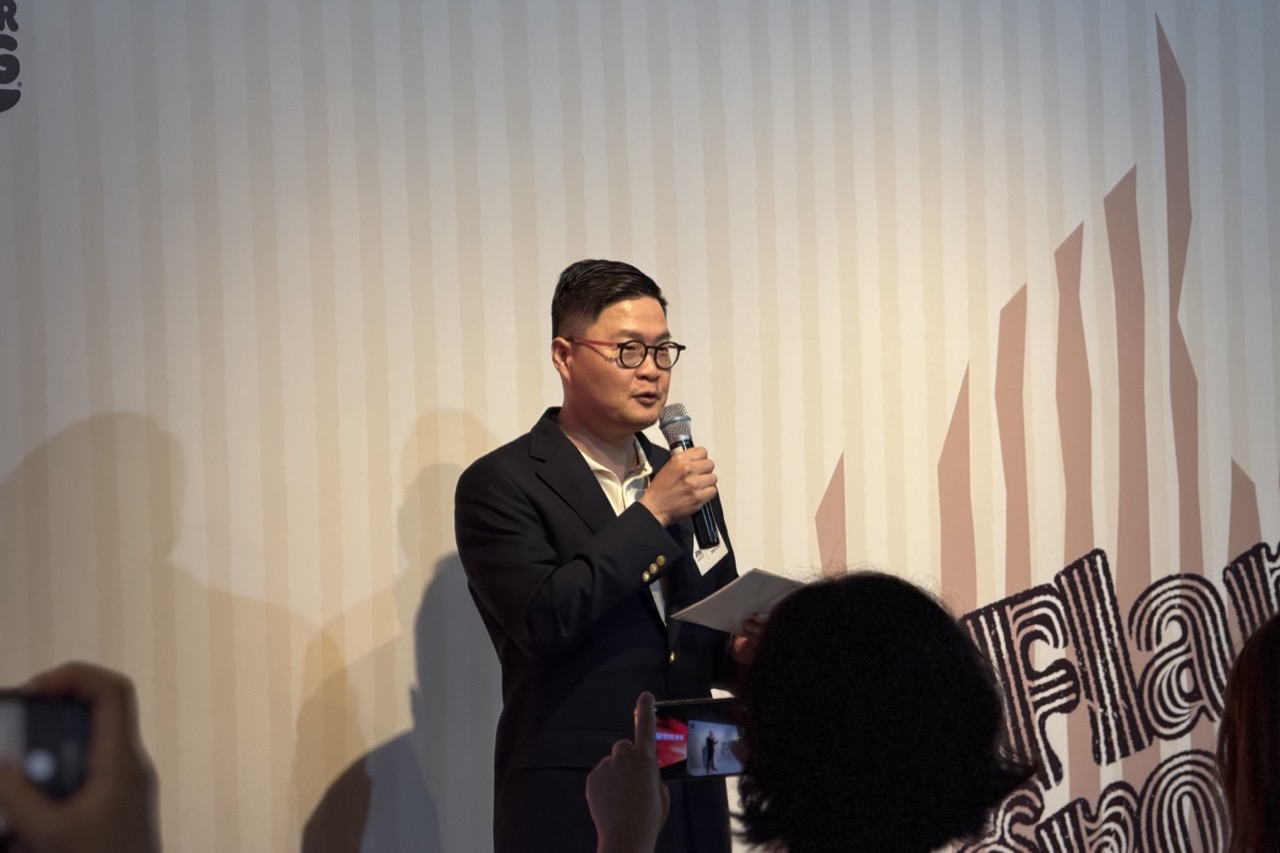
9.People come on top too. Five chefs work this one room. The head chef is Lee Seung-min, trained at the Culinary Institute of America, with Choi Jong-hyun as sous chef. The job posting asked for 8 to 12 years of experience, a Michelin-starred kitchen on the résumé, and hands-on work with tasting courses and omakase service. It was not a posting for someone to make burgers.
10.Payroll for those five, with insurance and severance included, runs about 240 million won a year (estimate). That is 24% of revenue. Add a fine dining food cost of 35% and 60% of revenue leaves for people and ingredients. Front-of-house staff and rent are not in that figure yet.
11.Rent comes next. In the third quarter of 2025 street-level retail in this area rented for 149,777 won per pyeong per month, up 48% in five years, with vacancy under 3%. Counting the interior as 91 pyeong puts rent alone at 160 million won a year. Split with the main hall, the share landing on this room is not light. So what does this room pay for?
12.Burger King had 560 stores as of August 20, 423 company-run and 137 franchised. Of those, 559 sell a 7,400 won Whopper and one charges 89,000 won. That single store does not move the company's revenue.
13.Shake Shack opened a three-floor store in the same neighborhood, No Brand Burger keeps a test bed for new products there, and McDonald's returns after three years away. Four brands are spending on space in the same district at the same time. The ground where taste alone decided has narrowed.
14.The real math is not on the store's P&L. Affinity Equity Partners, which controls BKR, bought the company for 210 billion won in 2016 and is now trying to sell it for as much as 1 trillion won. Last year's revenue was 892.2 billion won and EBITDA 106 billion won. The market puts the multiple at 8 to 10 times.
15.106 billion won. That is what one turn of the multiple is worth. The 1 billion won a year a 10-seat room earns comes to under 1% of it. What the room produces is not revenue but what kind of company this reads as, and when the category shifts from burger chain to restaurant brand, the multiple moves. In February the Japanese Burger King operation went to a Goldman Sachs affiliate for 7.85 billion yen. The brand's Asian assets are being sold in order, and Korea is next in line.
16.A company that built 560 stores on one burger opened its first flagship in Seoul and put a 10-seat course room in exactly one of them. The room earns a billion won a year at best and takes five chefs to run. Anyone doing this in Korea hits those five salaries first. Put a job that demands a Michelin résumé and eight years of experience into a 10-seat room and the payroll never comes back out of that room's sales. The other 559 stores absorb the loss, which is what holds the structure up, and a brand without that body behind it will watch the room eat the body.