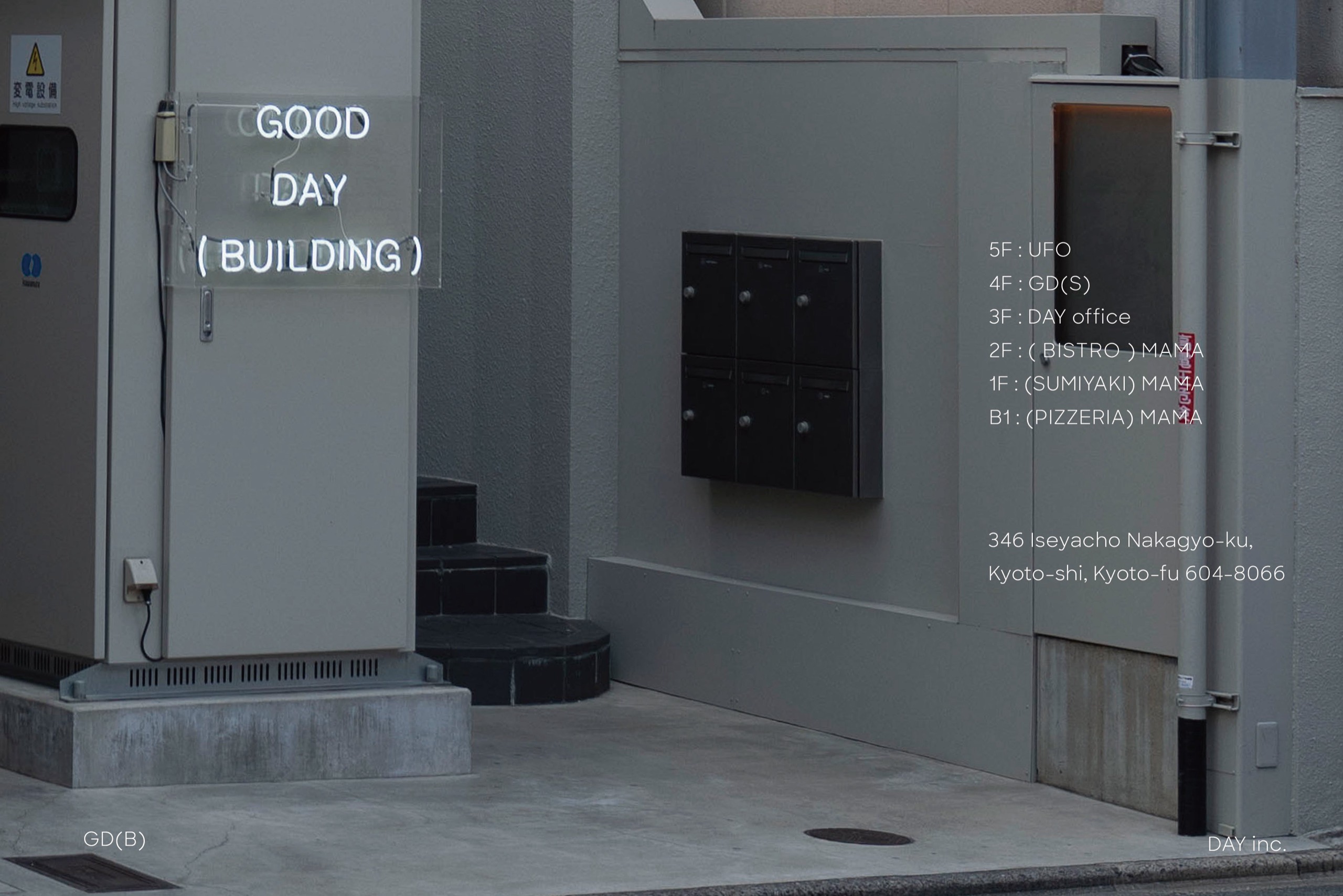
A small building in Kyoto's Nakagyo Ward has reopened under a new name, GOOD DAY (BUILDING). (BISTRO) MAMA opened on the second floor on September 4, and a pizza stand in the basement and a charcoal counter on the ground floor follow in November and December. All three came out of one restaurant in Arashiyama, and all three are rooted in Italian cooking. Hours are identical everywhere: 17:00 to 23:00.
1.The address is 346 Iseyacho, Nakagyo-ku, just below Rokkaku on Gokomachi-dori. Six minutes on foot from Hankyu Kyoto-kawaramachi Station, eight from Karasuma on the subway. It sits a block off the main street, so tourists do not simply spill into it.
2.The upper three floors were already occupied. UFO, an ice cream bar that opens only at night, on the fifth; GD(S), a room for exhibitions and rentals, on the fourth; the operator's own office on the third. What is being filled now is the bottom half. (BISTRO) MAMA ran a pre-opening on September 1 and opened properly on the 4th. (PIZZERIA) MAMA in the basement is due in November, (SUMIYAKI) MAMA on the ground floor in December.
3.The operator is DAY Ltd., headed by Watanabe Akihiko, with 70 people on the payroll including part-timers. It is a company that does not leave Kyoto, and the root of these three rooms is a restaurant in Arashiyama called Mama.
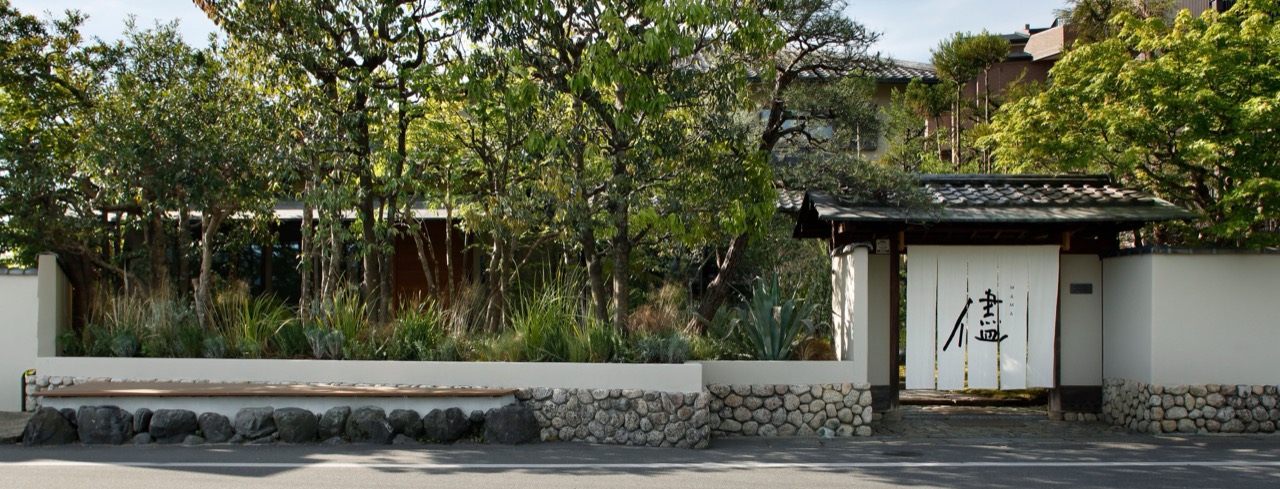
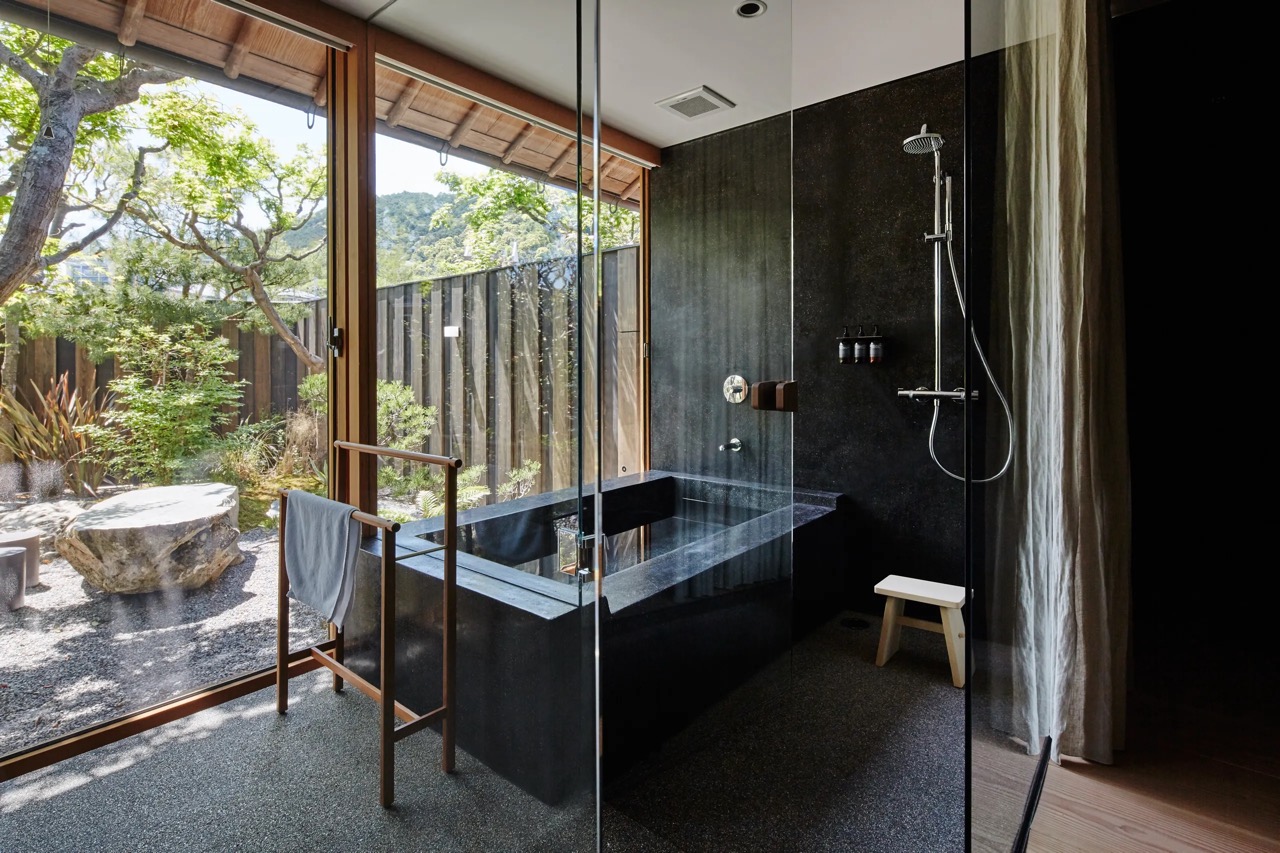
4.That building was a staff retreat owned by Hankyu Railway. DAY inc., working with Kishimoto Himeno Architects, reworked 802 square meters and opened a ten-room inn with a restaurant in March 2021, taking a Good Design Award the following year. The restaurant sign reads PIZZERIA Mama. A wood oven, dough pressed from domestic wheat, lunch from 1,500 yen and dinner from 4,500.
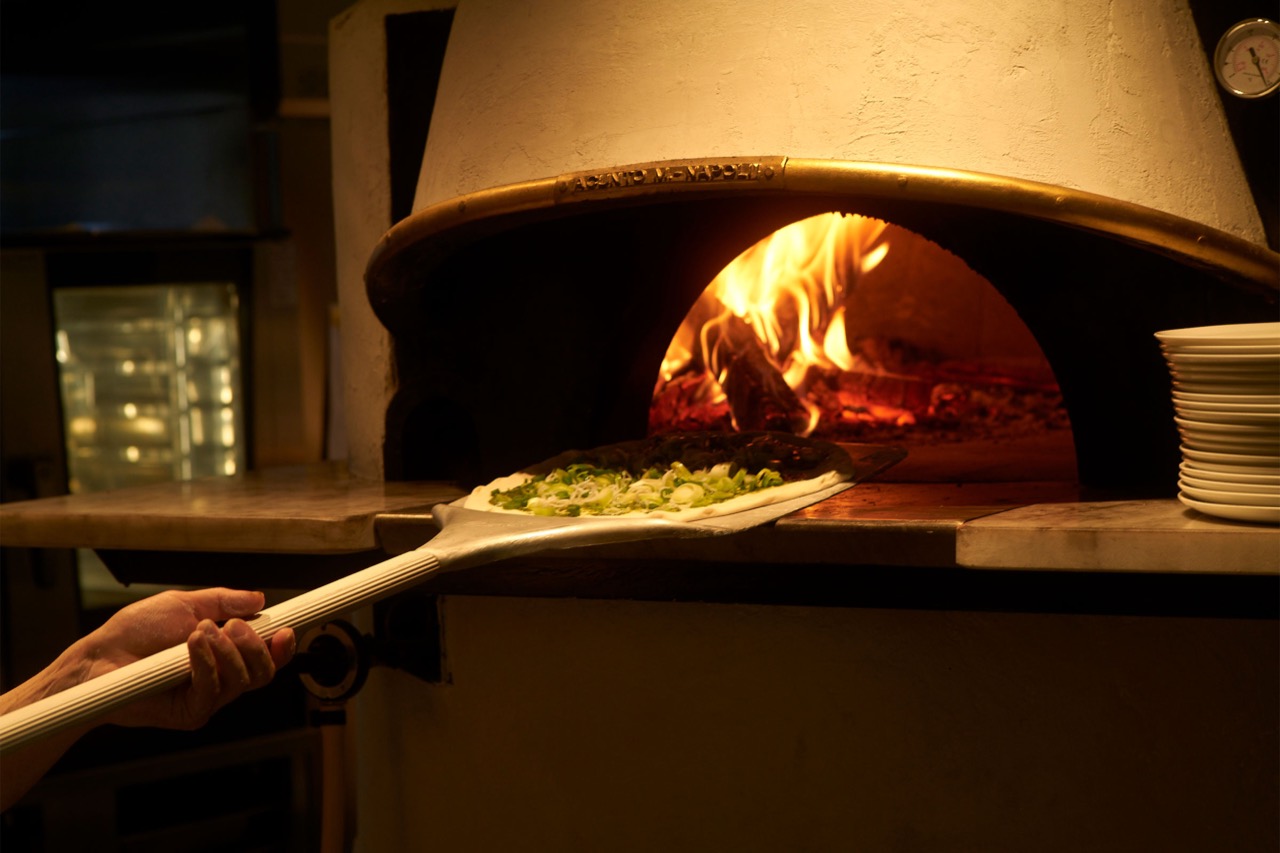
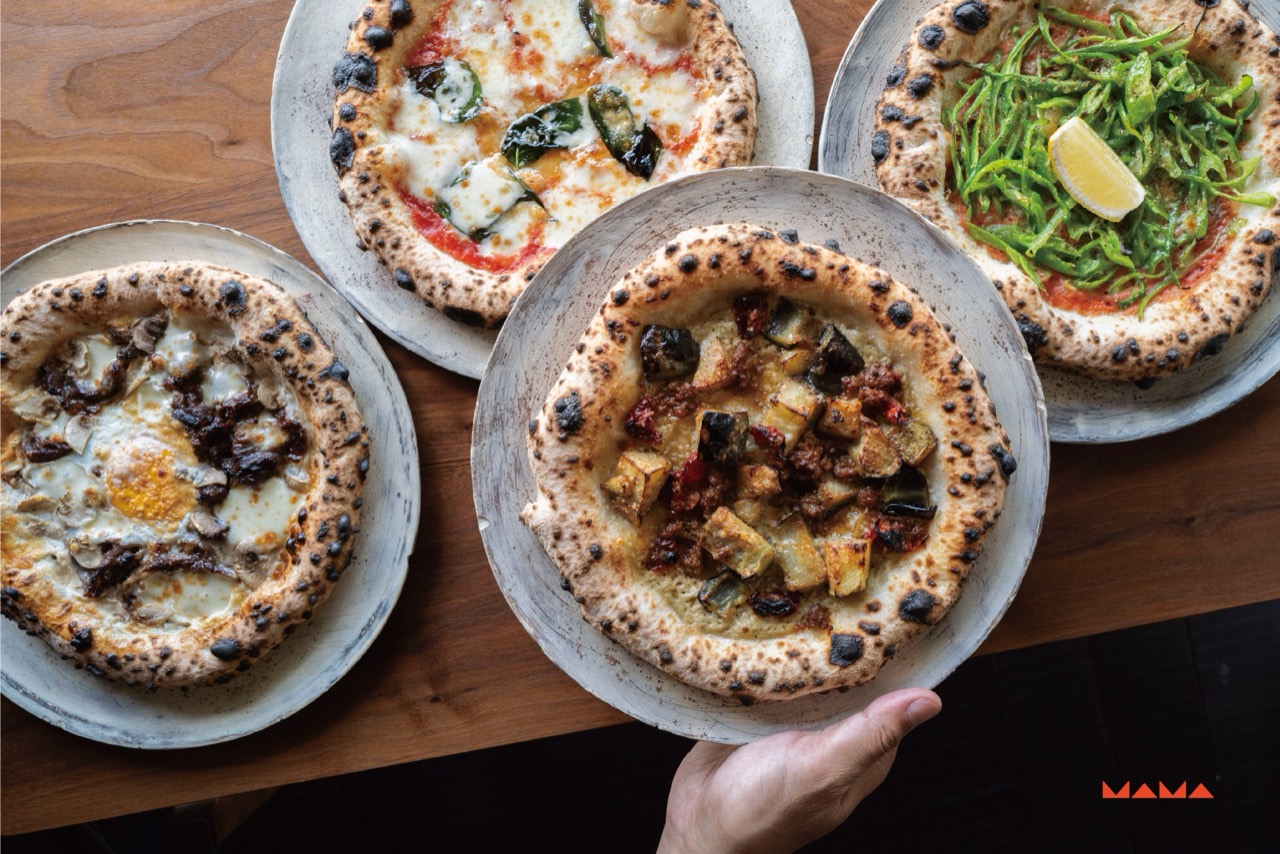
5.Summer in front of a wood oven is hot. Heat off the burning floor climbs the arm holding the peel, and once the dough goes in the rim swells within a minute and takes on black blisters. A pie topped with shishito peppers comes out in that time. This speed is what carried lunch service in a tourist district, and running ten kinds through a basement stand needs the same speed first.
6.A floor here is not large. DAY lists 57 square meters when it introduces UFO on the fifth, which puts one floor at roughly 17 pyeong (estimate). Add up every seat across the three floors and you get 78. That is about 0.6 pyeong per seat, an ordinary density for a small Japanese restaurant.
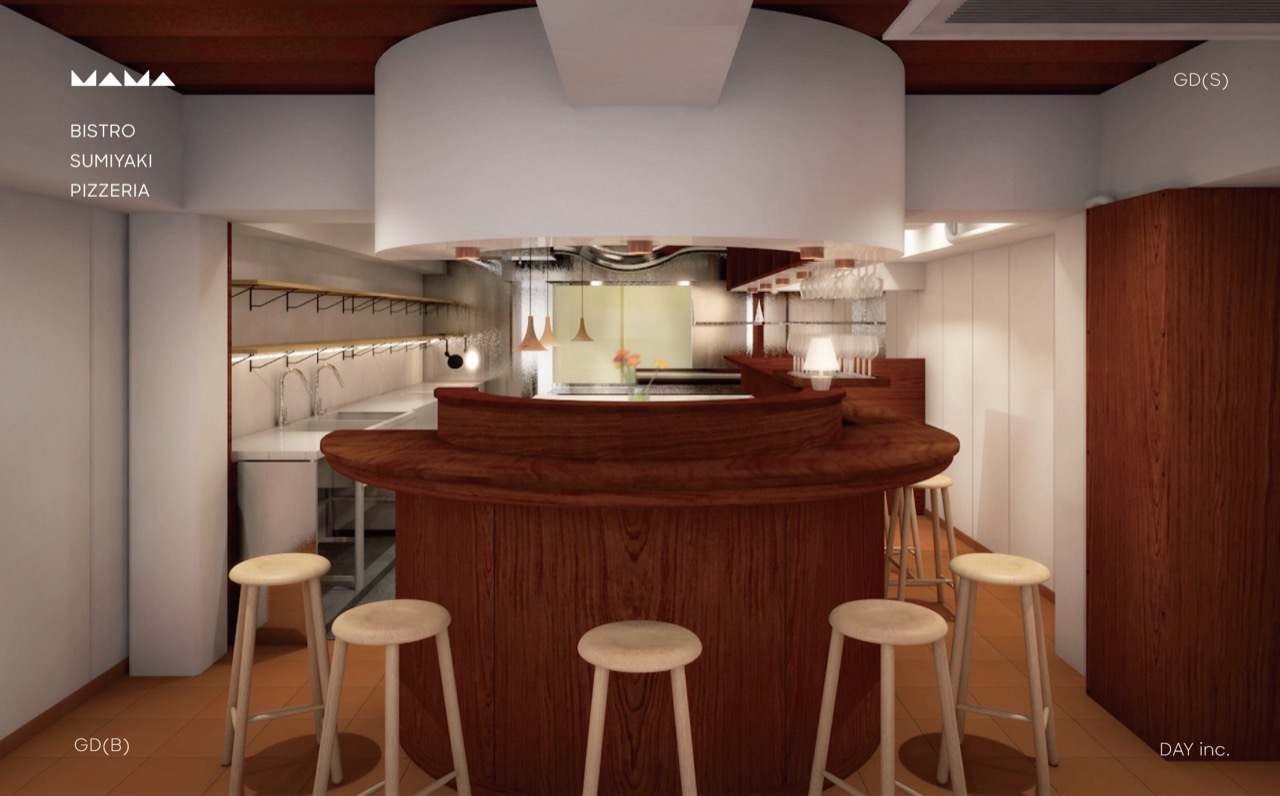
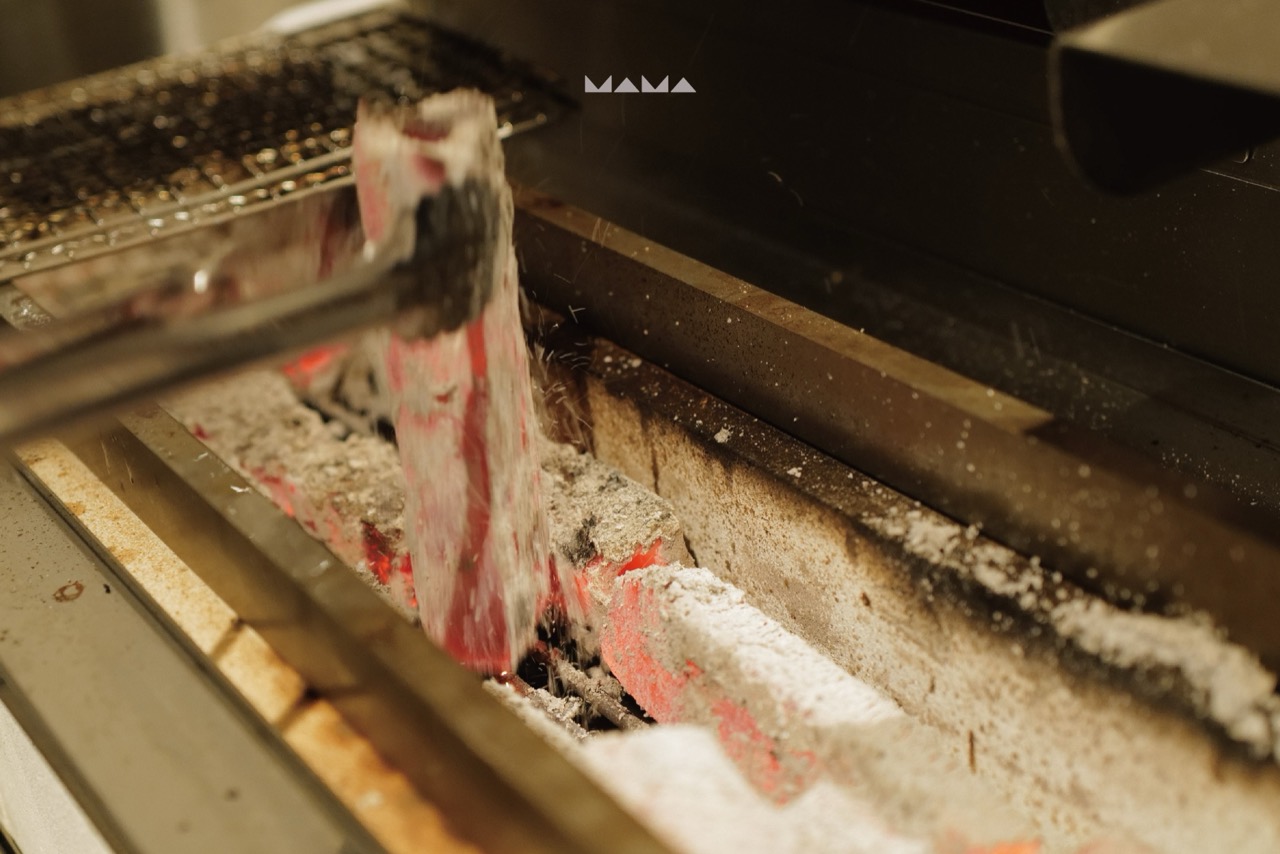
7.The hearth going into the ground floor is long and narrow. Ash lies thin over coals that stay red underneath, so white ash lifts every time the grill goes up and down. Kyo-yasai vegetables and Kyo-gamo duck will go on it, the company says. When duck fat hits the coals the smoke rises in one push, and the smell reaches all thirteen counter seats at the same strength. Because it is narrow.
8.The three share one staircase. A pizza in the basement, then pasta and natural wine one flight up, then ice cream and whisky on the fifth: an evening that ends without a single step outside. Walking to a second stop in central Kyoto usually costs about ten minutes. Those ten minutes became stairs.
9.There is no lunch. All three open at 17:00 and close at 23:00, giving up the hours when tourists move, because this company already takes those guests in Arashiyama. Material compiled by the Kyoto National Highway Office of the Ministry of Land, Infrastructure, Transport and Tourism shows crowds concentrating around Saga-Arashiyama during the day while the Kiyomizu and Gion side spreads from evening into night. Daytime tourists and night-time locals, split by district.
10.Seventy-eight seats turn once each evening. Setting a different check average and a different turn for each floor puts the day a little over 710,000 yen (estimate), which lands in the 18.5 million range per month at 26 days. Divide by 51 pyeong across three floors and it comes to roughly 360,000 yen per pyeong per month. That is the band a small restaurant occupies when it works, in Kyoto or Tokyo.
11.The reason the math holds is rent. Shops in central Kyoto run 25,000 to 50,000 yen per pyeong per month around Shijo-kawaramachi and Kiyamachi, and 15,000 to 30,000 around Sanjo and Nijo, and this building sits between them. Ground-floor frontage costs 1.5 to 3 times what upper floors and basements cost, so an average of 20,000 yen per pyeong across three floors puts rent around one million yen a month (estimate). Under 6 percent of revenue.
12.What it costs is three kitchens. A wood oven and a charcoal hearth cannot share one hood, and the bistro line calls for its own extraction. Fire safety equipment is priced floor by floor as well. Could they not have packed 78 seats onto one floor and finished with a single kitchen? Do that and the evening crowd sits down at once and leaves at once, and the guest who climbs a flight for the next glass disappears. Building three sets buys two things. One floor can be swapped out without touching the others, and on a full night guests can be moved up or down.
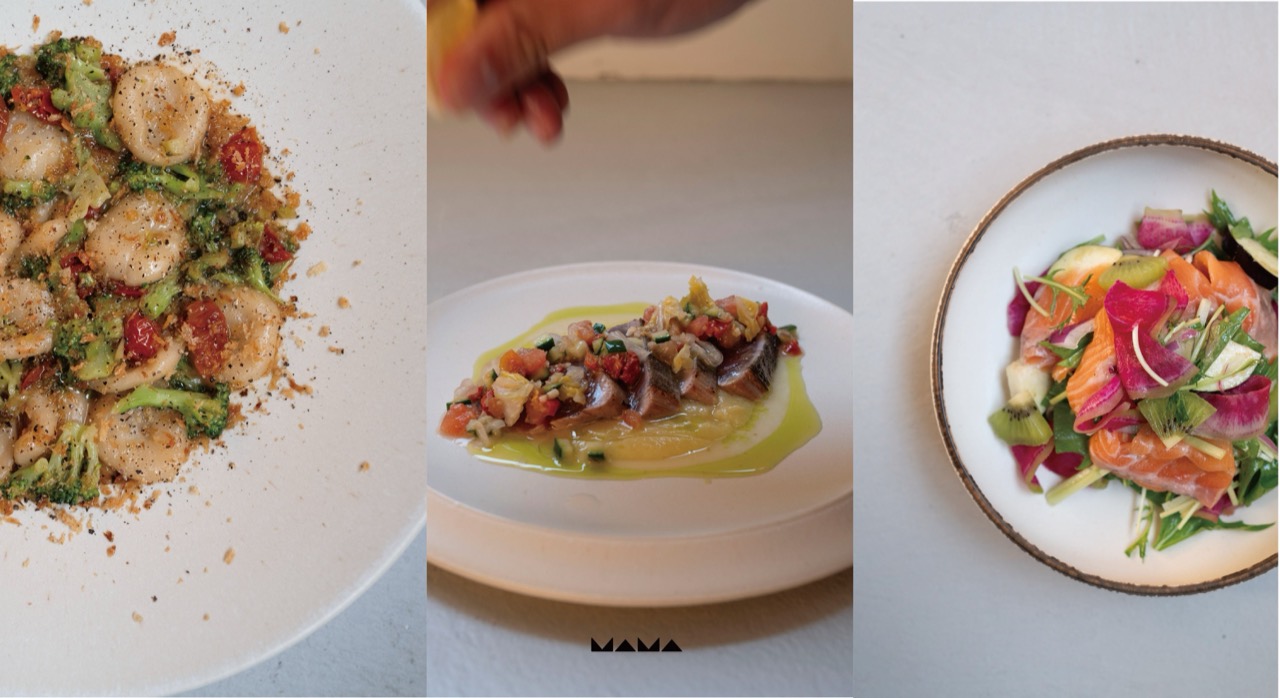
13.The order of opening carries a price too. From September to December, four months of building costs come out of 33 seats. Opening all three on one day would mean hiring everyone at once, training everyone at once, and being clumsy in three places on day one. Space them two months apart and the people who learned the work upstairs walk down. Cash pressure traded against staffing.
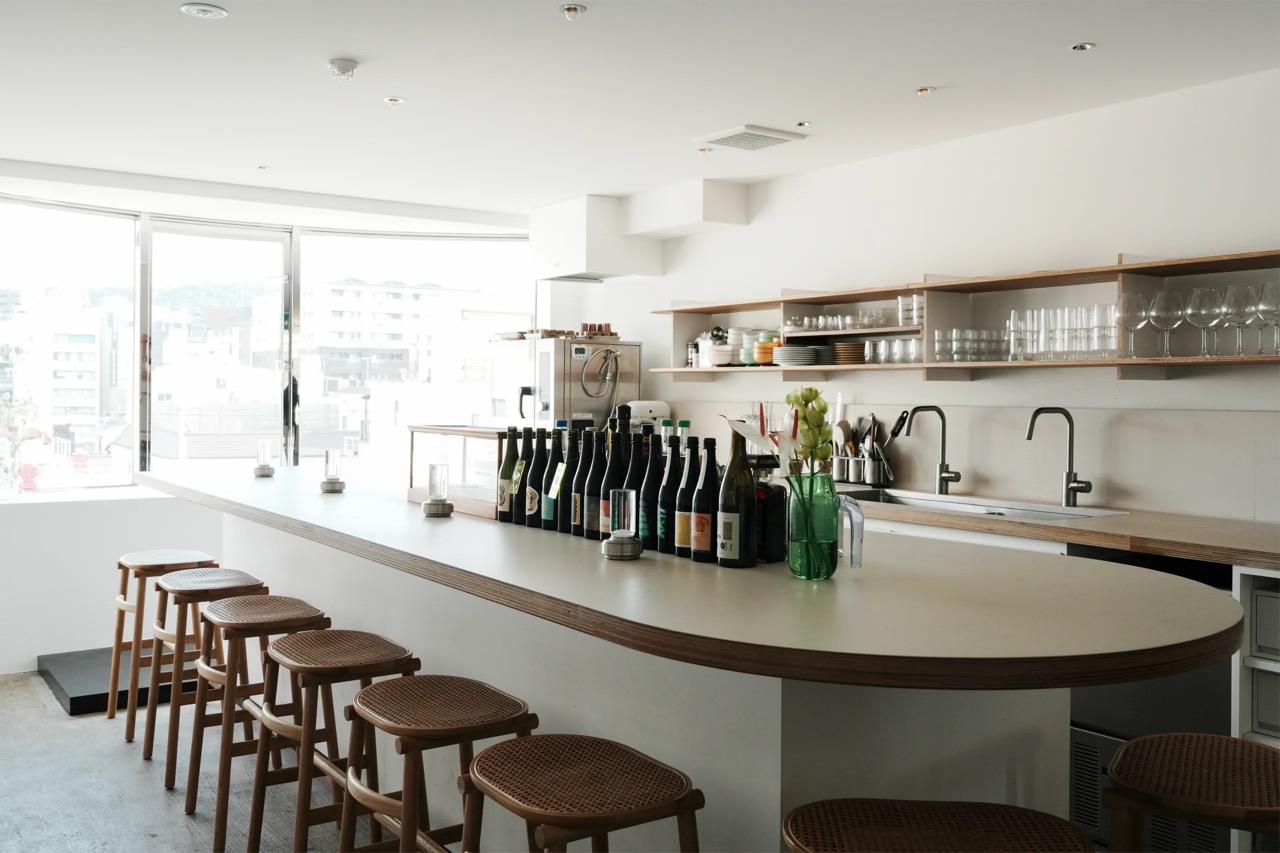
14.A company built on tourism is shifting weight toward the city. The Kyoto City Tourism Association put the April 2026 occupancy forecast at 81.1 percent, 8.4 points below the 89.5 percent of a year earlier. The reasons cited were travel restraint from China and tension in the Middle East. Ten rooms in Arashiyama take that number head on. Seventy-eight seats downtown take a different guest.
15.One brand hangs three price lists inside one building and opens for six evening hours. Seventy-eight seats, roughly 17 pyeong a floor, rent under 6 percent of revenue. Try it in Korea and the arithmetic breaks somewhere else. Each floor that counts as a separate premises needs its own business registration, and a basement premises picks up the safety requirements for multi-use establishments. The bigger item is headcount. When one operator runs three floors, employees are counted together and the exemptions granted to workplaces under five people fall away. Add overtime and night premiums and a six-hour evening has to be costed again.