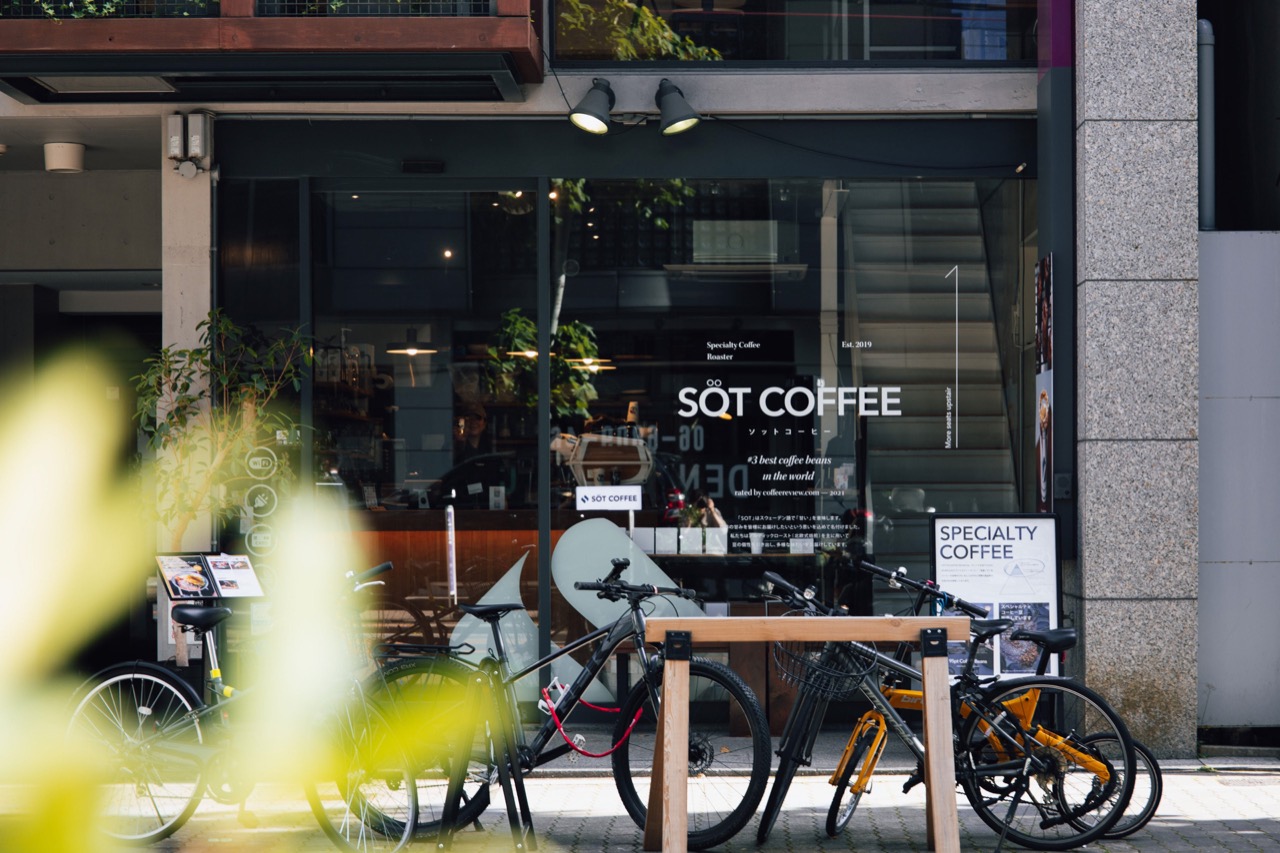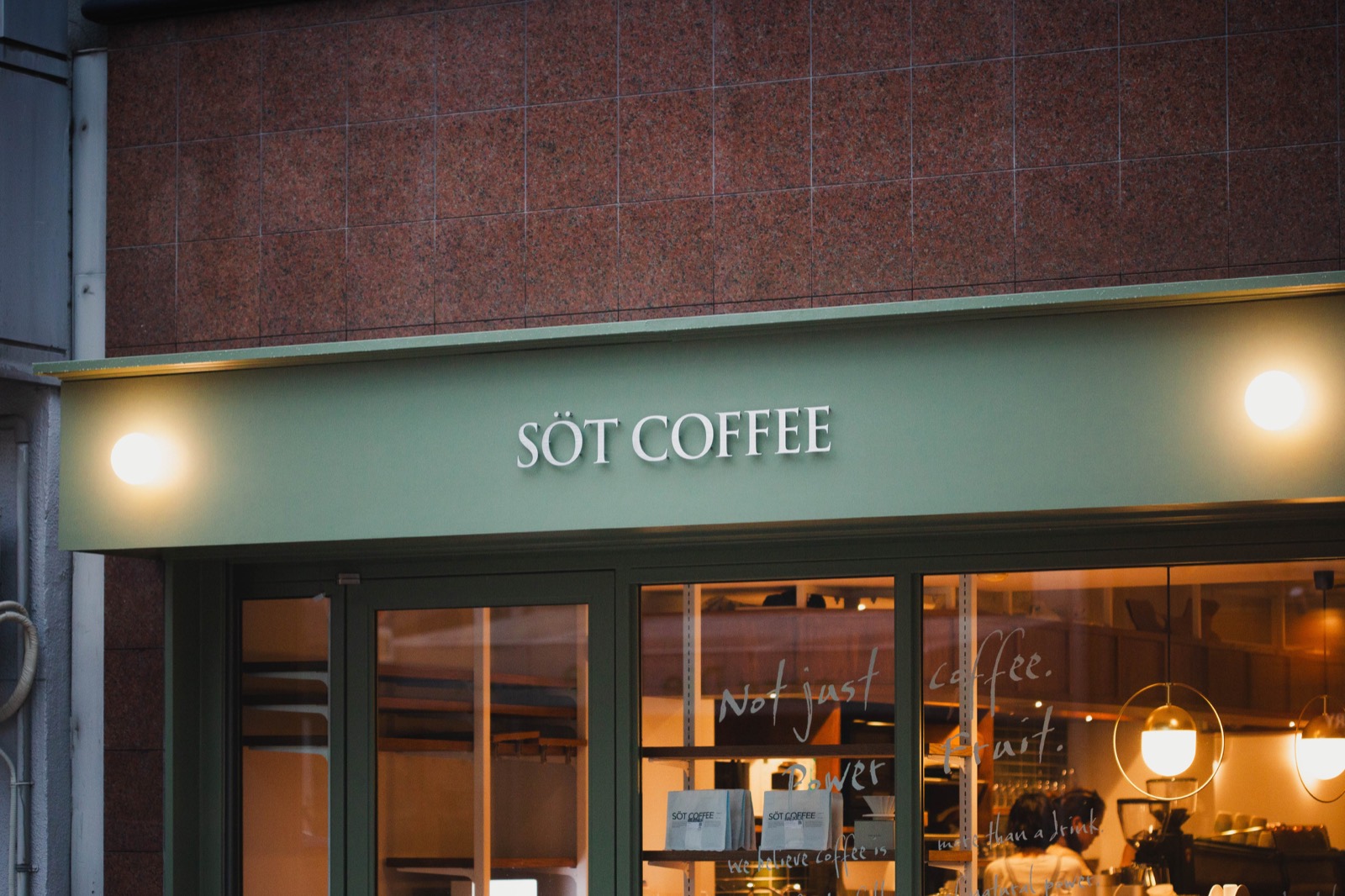
A specialty roaster in Osaka opened its fourth shop at eight this morning. The site is Shinsaibashi. It is the company's first opening in a busy shopping district in seven years of trading, and the first shop since it received B Corp certification two months ago. Follow the order that built three back-street shops and a roastery first and came to the tourist district last.
1.Ground floor, 3-7-31 Minamisemba, Chuo ward, Osaka. Five minutes on foot from Shinsaibashi station, one minute from the Semba Shinsaibashisuji shopping arcade. At 8 in the morning on July 28, 2026, SÖT COFFEE ROASTER Shinsaibashi opened here. It is run by Bit by Bit, incorporated in December 2018.
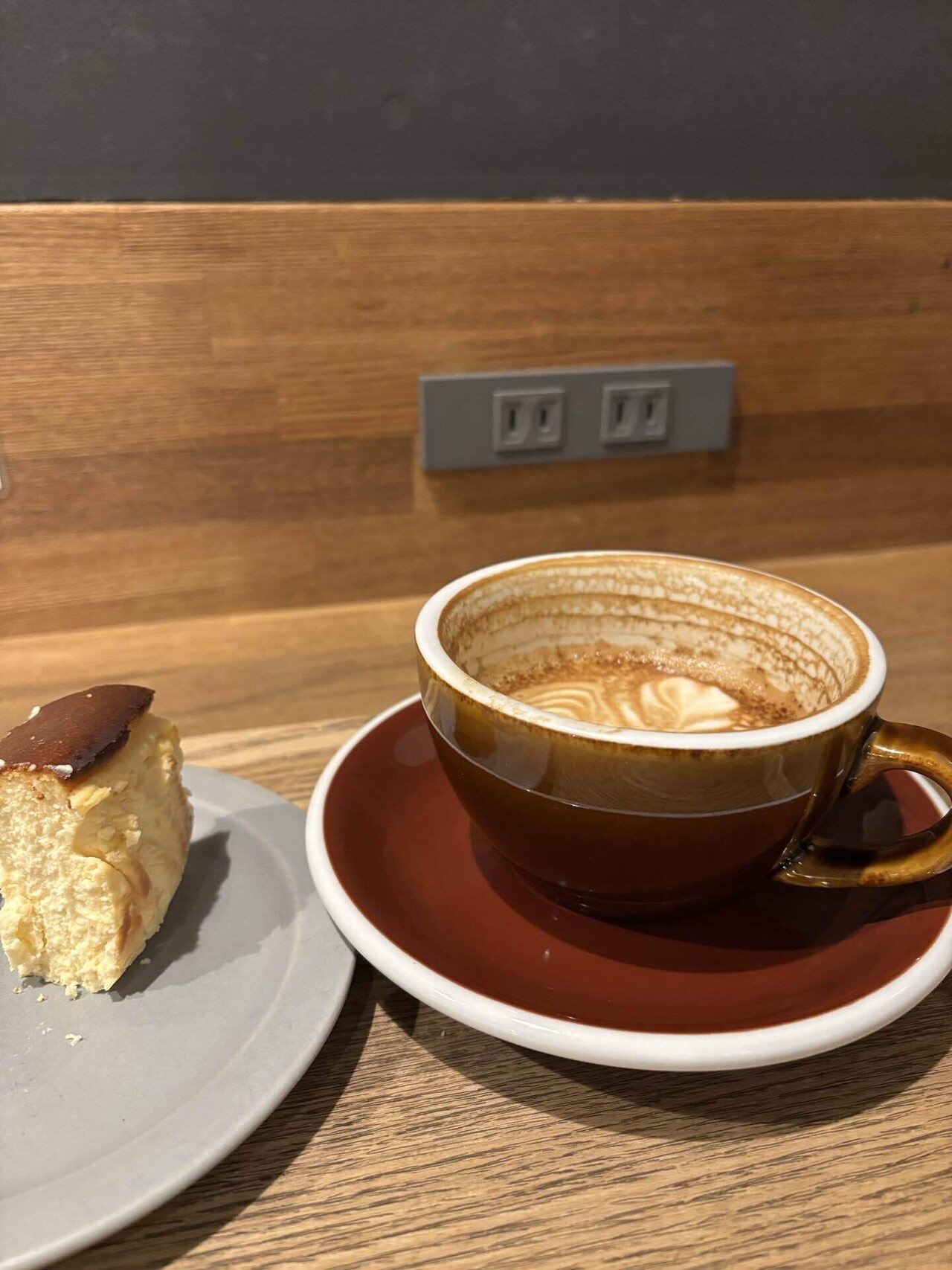
2.It is the company's fourth shop. The first three were in Temmabashi and Kitahama in Osaka and Shichijo in Kyoto, all in office districts or on riverside back streets. This is the first in a tourist and shopping district. Trading runs 8:00 to 18:00, with a latte at 750 yen and Basque cheesecake at 800 yen.
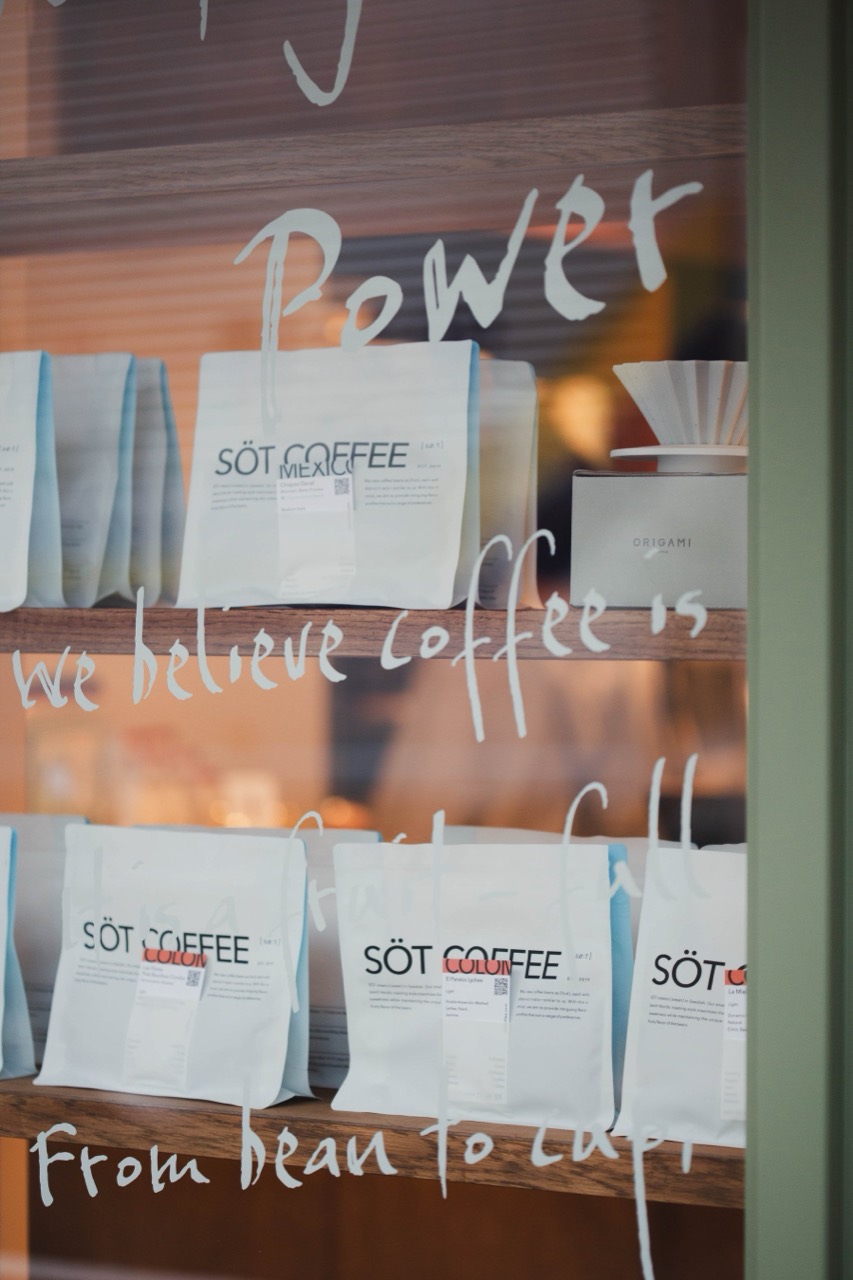
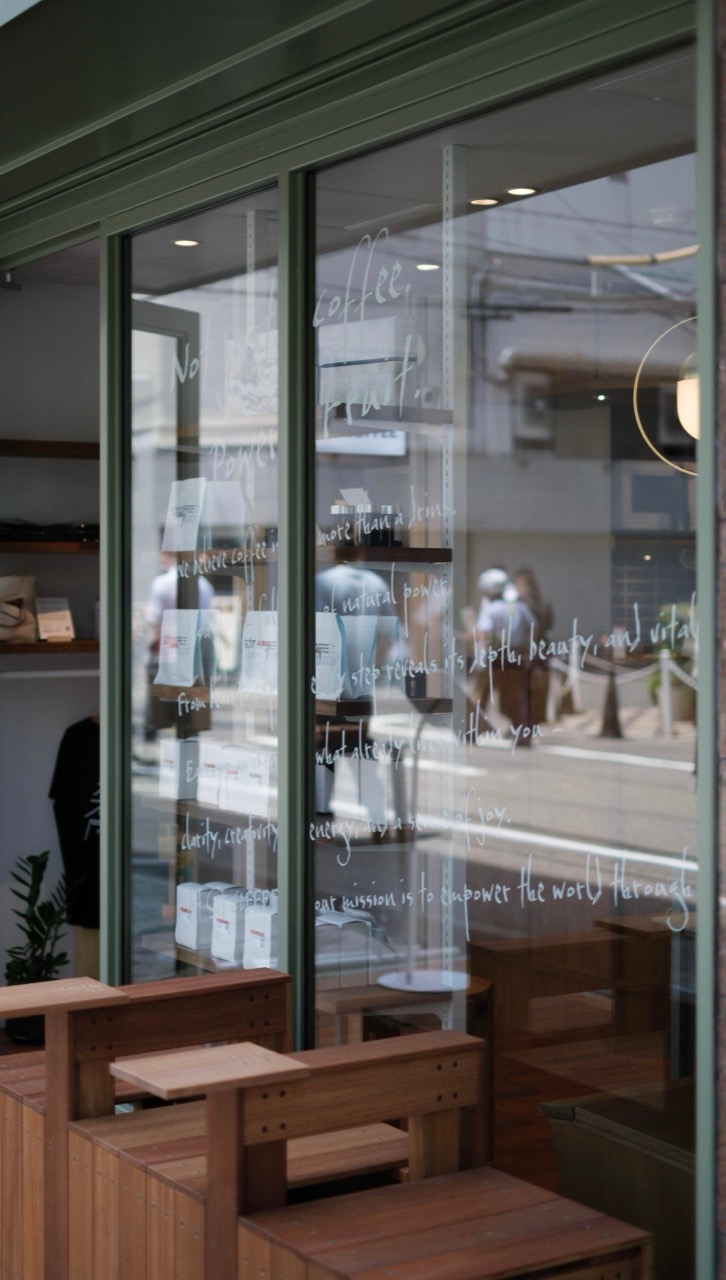
3.The brand name SÖT means sweet in Swedish. The company states it uses only beans graded 80 points or above by the SCA and roasts light in the Nordic manner. The line hung at the new shop is Not Just Coffee. Power Fruits. A declaration to push coffee toward fruit rather than toward a stimulant.
4.A lightly roasted bean sounds different from a dark one. The sound going into the grinder breaks short and hard, and what rises from the cup is sour fruit rather than anything burnt. The cup notes on Kenya Reura natural read passion fruit and blood orange, and Ethiopia Guji G1 black honey reads lemon tea and apricot. To a tongue trained on dark roasting it arrives closer to tea than to coffee.
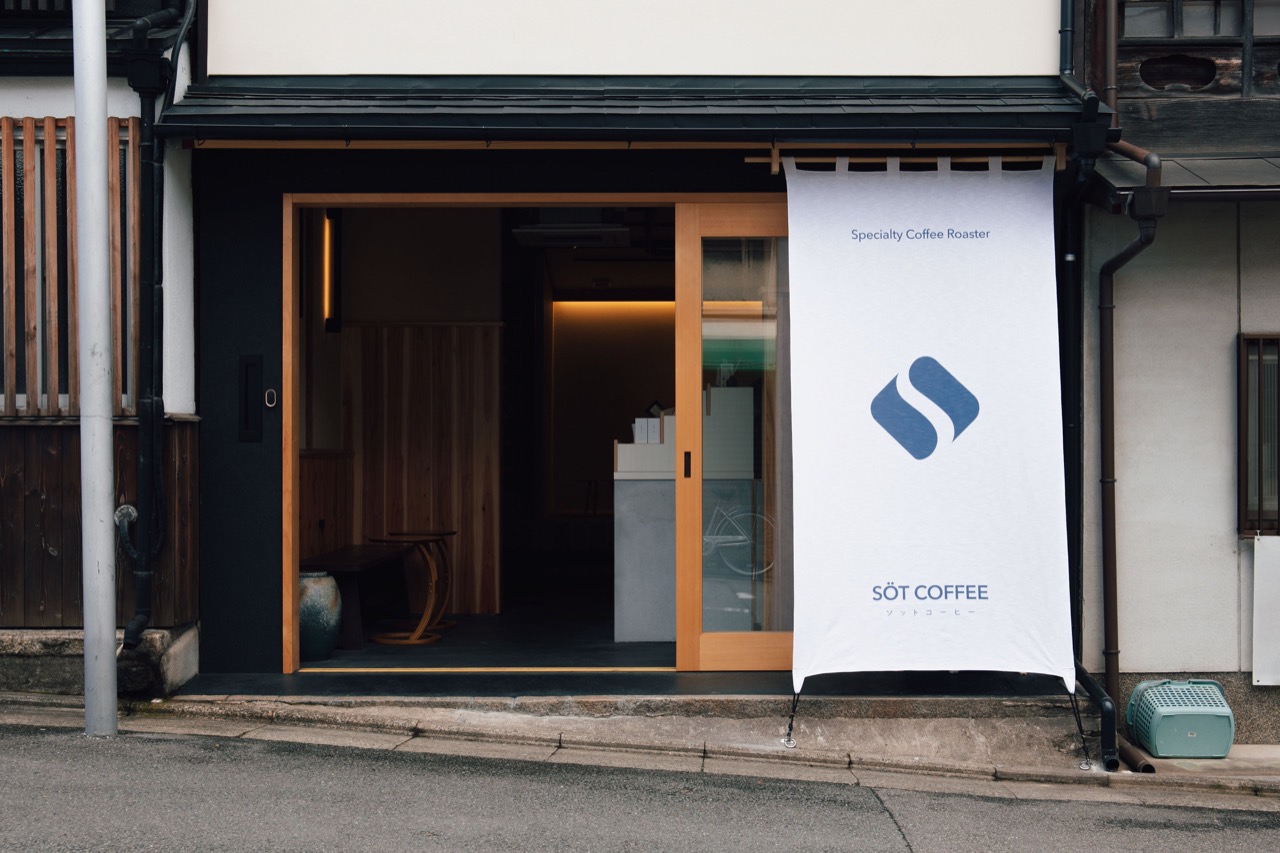
5.Floor area and seats are not published. Where the Temmabashi original has 30 seats on the ground floor and 20 above for 50 in total, Shinsaibashi is a single ground floor, and from published photographs it looks like 15 to 20 pyeong with 20 to 30 seats. Unlike the Kyoto Shichijo shop, a converted machiya of about 100 years, this one is a ground floor unit on an arcade, so leaving the door open lets passing feet walk straight in.
6.Count the cup first. A latte at 750 yen is about KRW 7,100. Put self-roasted beans at 2,500 yen a kilo and a 20g double is 50 yen, 180ml of milk is 45 yen, and cup, lid and sleeve add 30, giving a cost per cup of around 125 yen, a cost ratio of 17% (estimated). Taking one in four guests to buy cake as well puts spend per head around 1,100 yen, and with the Temmabashi shop's published average budget at 1,000 yen, that is the range.
7.Japan attaches one variable Korea does not have. The reduced consumption tax rate. Takeaway is 8%, eating in is 10%. Charge the same 750 yen including tax on both and what remains to the company before tax splits at 694 and 682 yen, a gap of 12 yen a cup, or 2,400 yen at 200 cups a day. Not a large sum, and the higher the takeaway share climbs in a tourist district, the more those 12 yen keep stacking in the same direction.
8.Lay rent over it. Average asking rent for a ground floor unit in Shinsaibashi ran in the mid 30,000 yen per pyeong range in 2023, and the Minamisemba back streets sit below that, with a 7.56 pyeong unit listed in this neighborhood in May 2026 at 165,000 yen a month, about 22,000 yen per pyeong. Put 20 pyeong at 25,000 yen per pyeong and rent is 500,000 yen a month. At 180 guests a day and 1,100 yen a head, monthly revenue is about 5.94 million yen, so rent runs 8 to 9% (estimated). Set beside Korean cafes typically spending 10 to 15%, the price of an Osaka back street becomes visible.
9.The labor side is heavier. The Osaka prefecture minimum wage is 1,177 yen an hour and a specialty barista starts above it, so putting it at 1,400 yen, with three at peak and two off-peak over ten trading hours, gives 25 person-hours a day at 35,000 yen. At 1.05 million yen a month that is 18% of revenue, and adding social insurance and a salaried manager brings it to around 25% (estimated). Cost, rent and labor still leave room, and what sits in that room is the substance of this business.
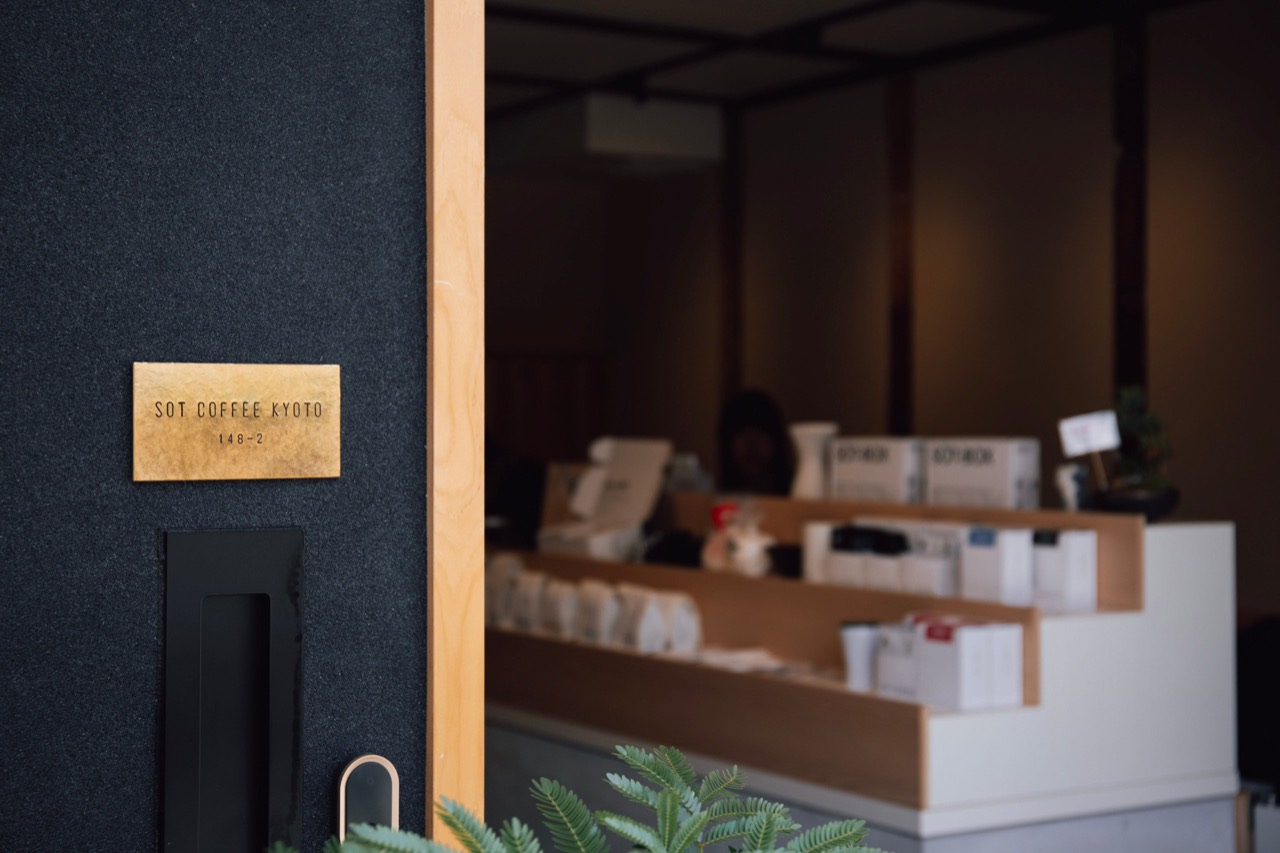
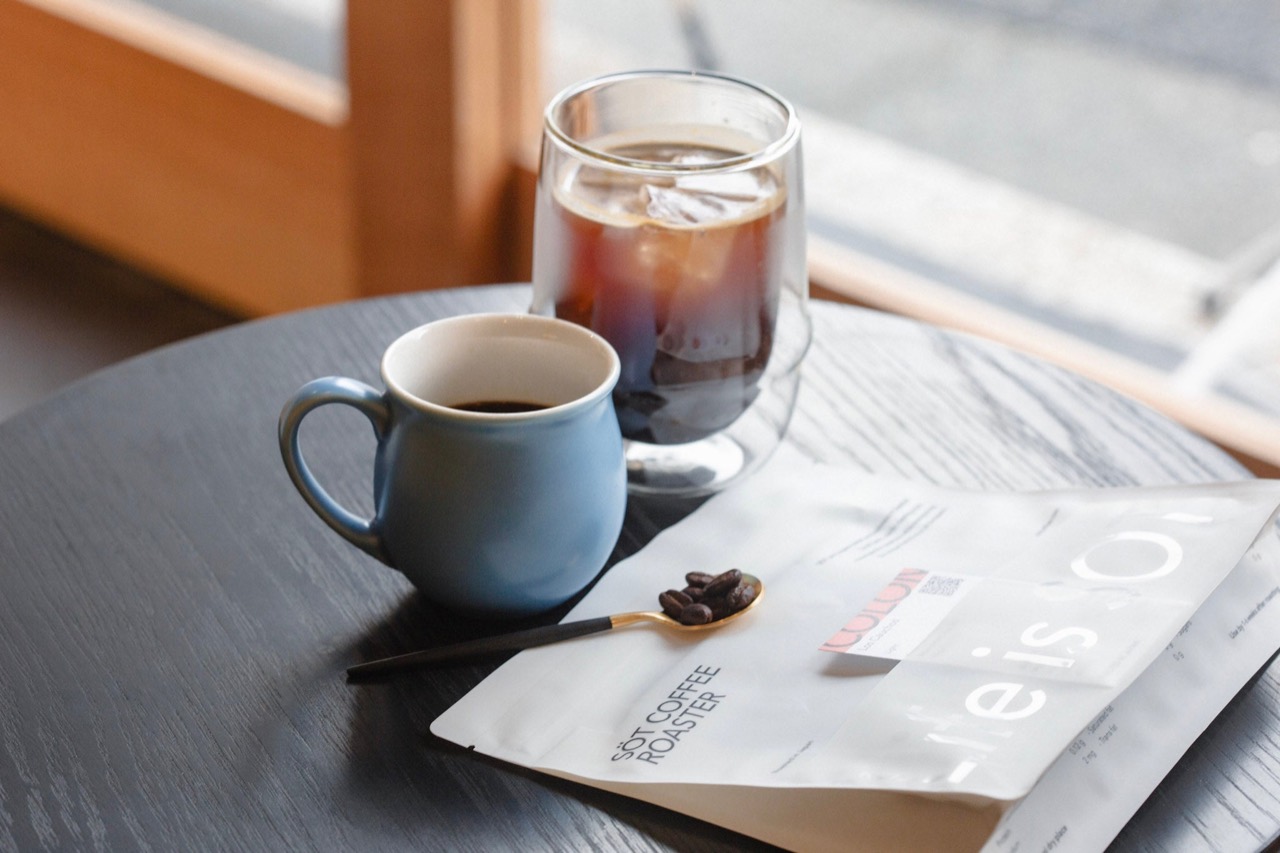
10.It is the beans. Online retail runs from 1,880 to 7,960 yen per 100g. Panama Don Eduardo Geisha Symmetry at 100g is 7,960 yen, more than ten lattes, with Colombia El Paraiso anaerobic lychee at 3,680 and Kenya Reura and Ethiopia Guji at 3,080. The 3,500 yen monthly subscription sends 4,000 yen of beans at a 15% discount, and wholesale starts from 1kg. While the shop sells by the cup, the roastery sells by the bag.
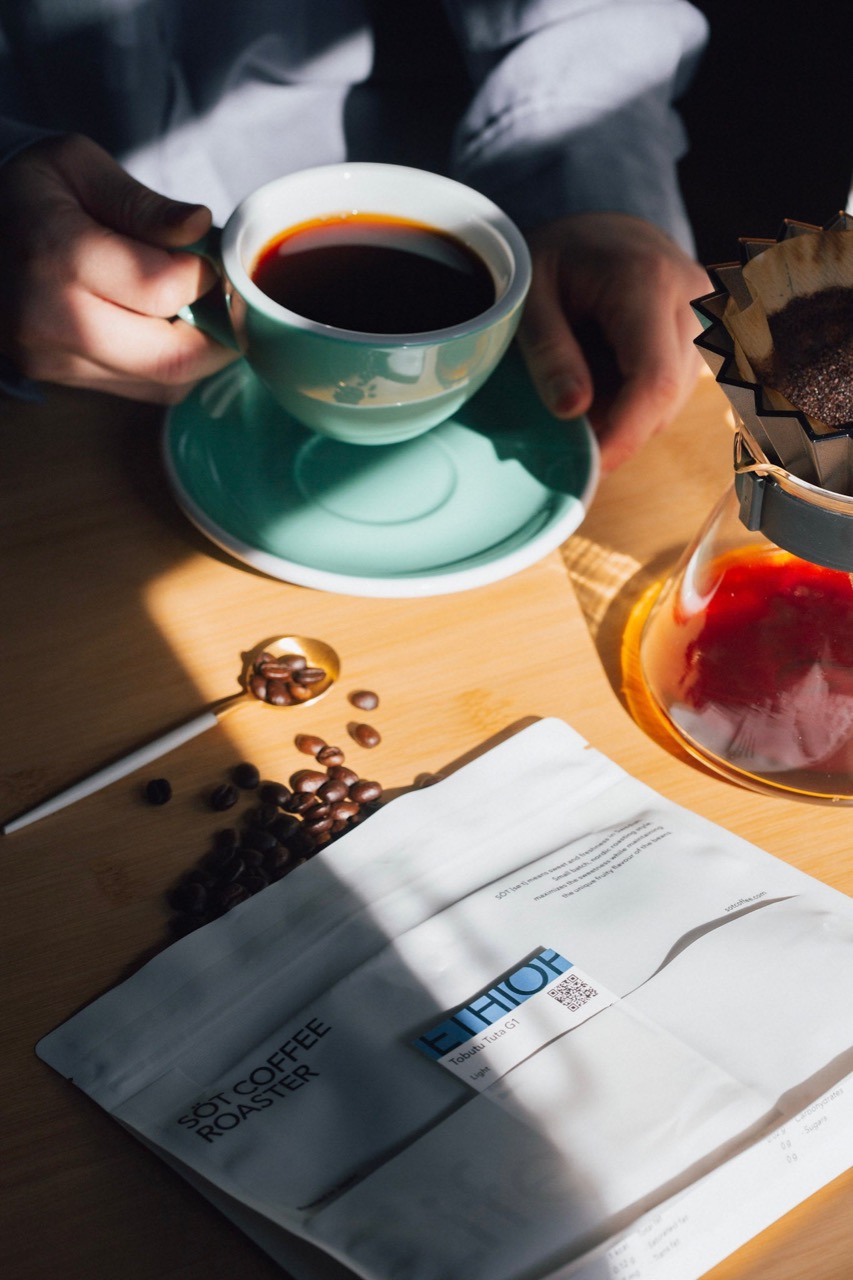
11.B Corp certification came on May 30, 2026, and Shinsaibashi is the first opening since. Certified Japanese companies grew from 21 in April 2023 to 99 in July 2026, and coffee roasters among them can be counted on one hand. Certification does not bring guests in. What brings them in is a contract. It fills in advance the box a hotel, an office or an overseas buyer asks a supplier to fill.
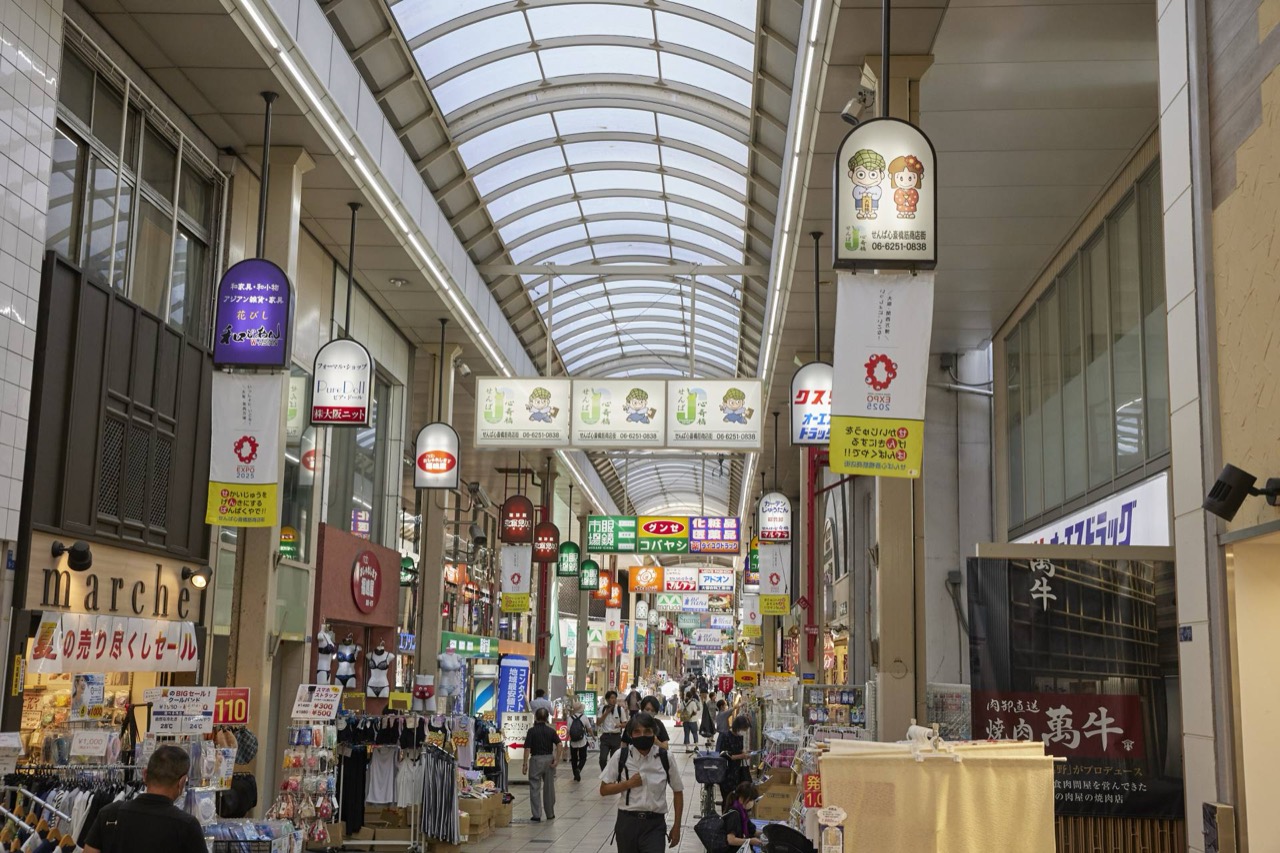
12.From the guest's side something different is sold. Shinsaibashi is a district crowded all day, and 10.68 million foreign visitors came to Japan in January to March 2026 alone. In the middle of that flow, a lightly roasting coffee shop opening at 8 in the morning does not wear the face of a tourist cafe. The face of a neighborhood shop, built by the first three, is what a traveler wants to buy.
13.The record is Nordic. The grammar of roasting light to keep acidity and sweetness was settled in Oslo and Copenhagen and crossed to Tokyo in the 2010s. What this shop laid over that grammar is local names. The two house blends are called Oshiro and Kyoto Kamogawa, after Osaka Castle and the river in Kyoto. A brand with a Swedish name roasts in the Nordic manner and sells it under Osaka place names.
14.What differs is the order. The usual route is to enter a crowded place first, make cash and build a back-street roastery with that money, and this company ran it backwards. Starting with Temmabashi in 2019, it filled three back streets through Kitahama and Kyoto Shichijo, then built a roastery in Takarazuka, Hyogo prefecture in 2022. It also produced a third place worldwide at the US CoffeeReview in 2021 along the way. The shopping district came last, and it took seven years.
15.An Osaka roaster that spent seven years on back streets opened its first shopping district ground floor two months after receiving B Corp certification. If one number survives it is the Geisha at 7,960 yen per 100g, and this structure of taking ten lattes' worth in one bag is what lets a small shop with low spend per head hold. What gets in the way in Korea is paperwork rather than taste. Selling beans roasted on site in a bag requires an on-site manufacturing and processing business filing, and depending on roaster capacity an air emission facility filing and abatement equipment follow. A cafe that only sells by the cup and a roastery that also sells by the bag are not the same business category.