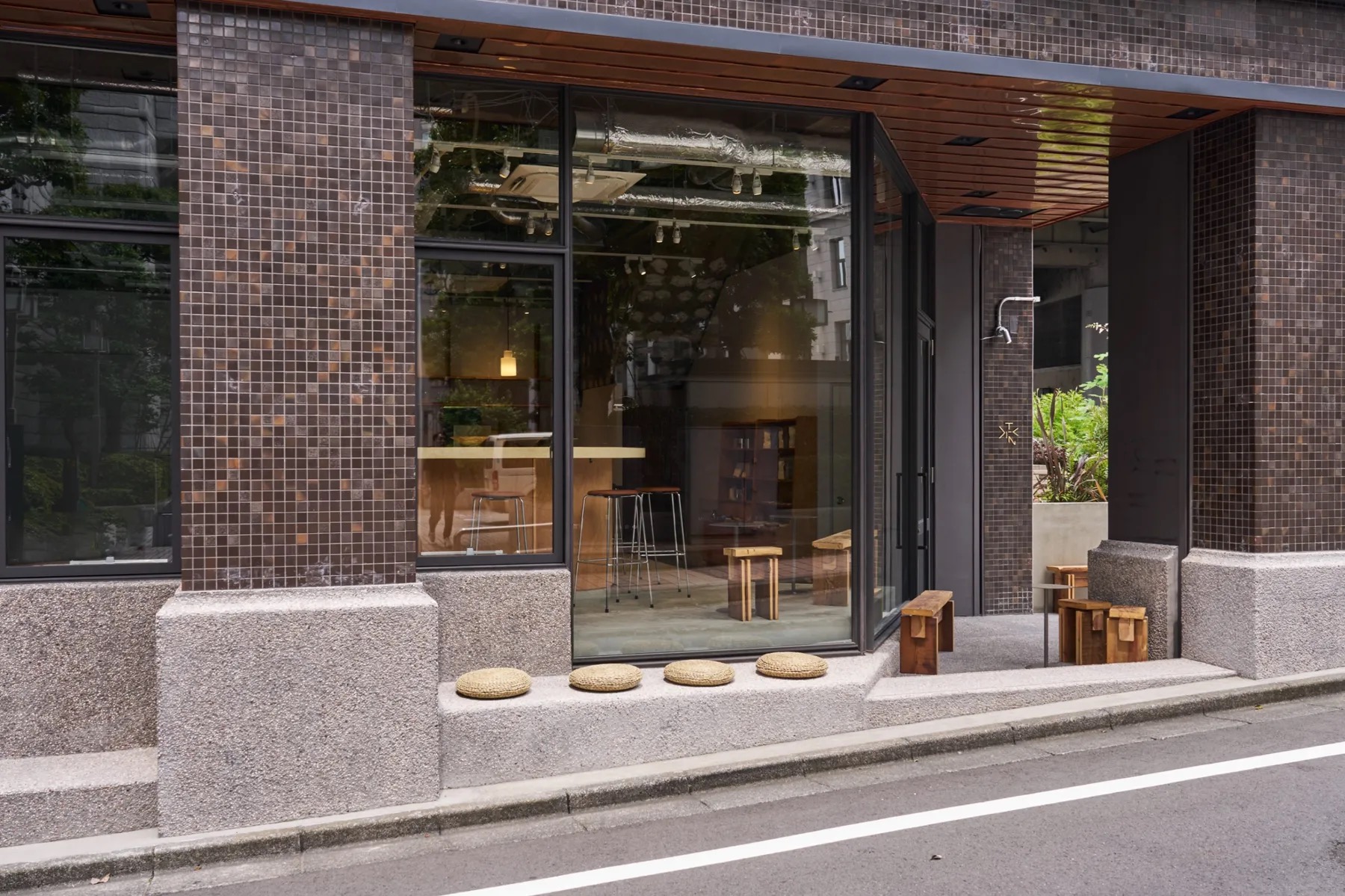
On July 4, 2026, a shop that sells neither coffee nor black tea opened in Nihonbashi Kabutocho, Tokyo. Twenty-eight seats and seven trading hours. Work out whether cups alone can pay the rent at this address and the answer will not come. Follow the numbers on why the site was chosen anyway.
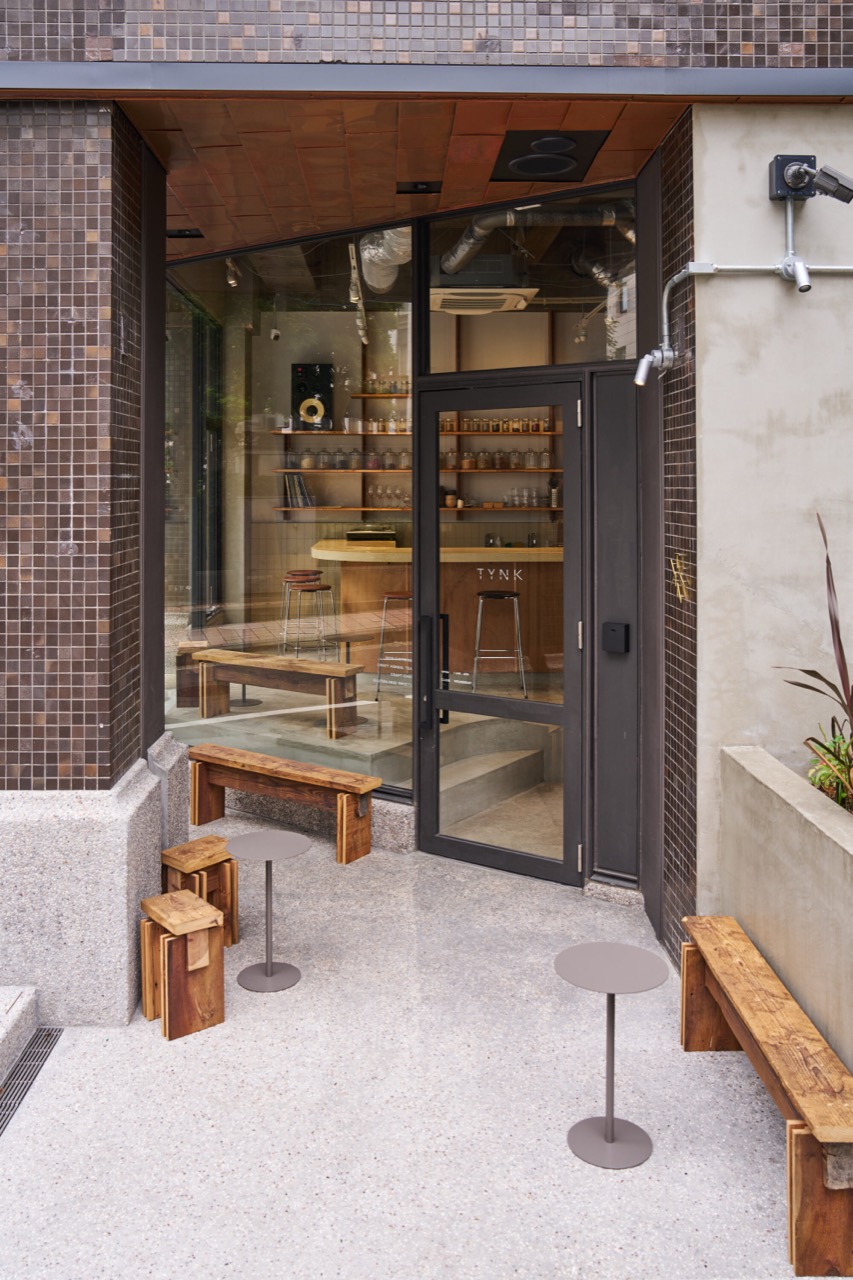
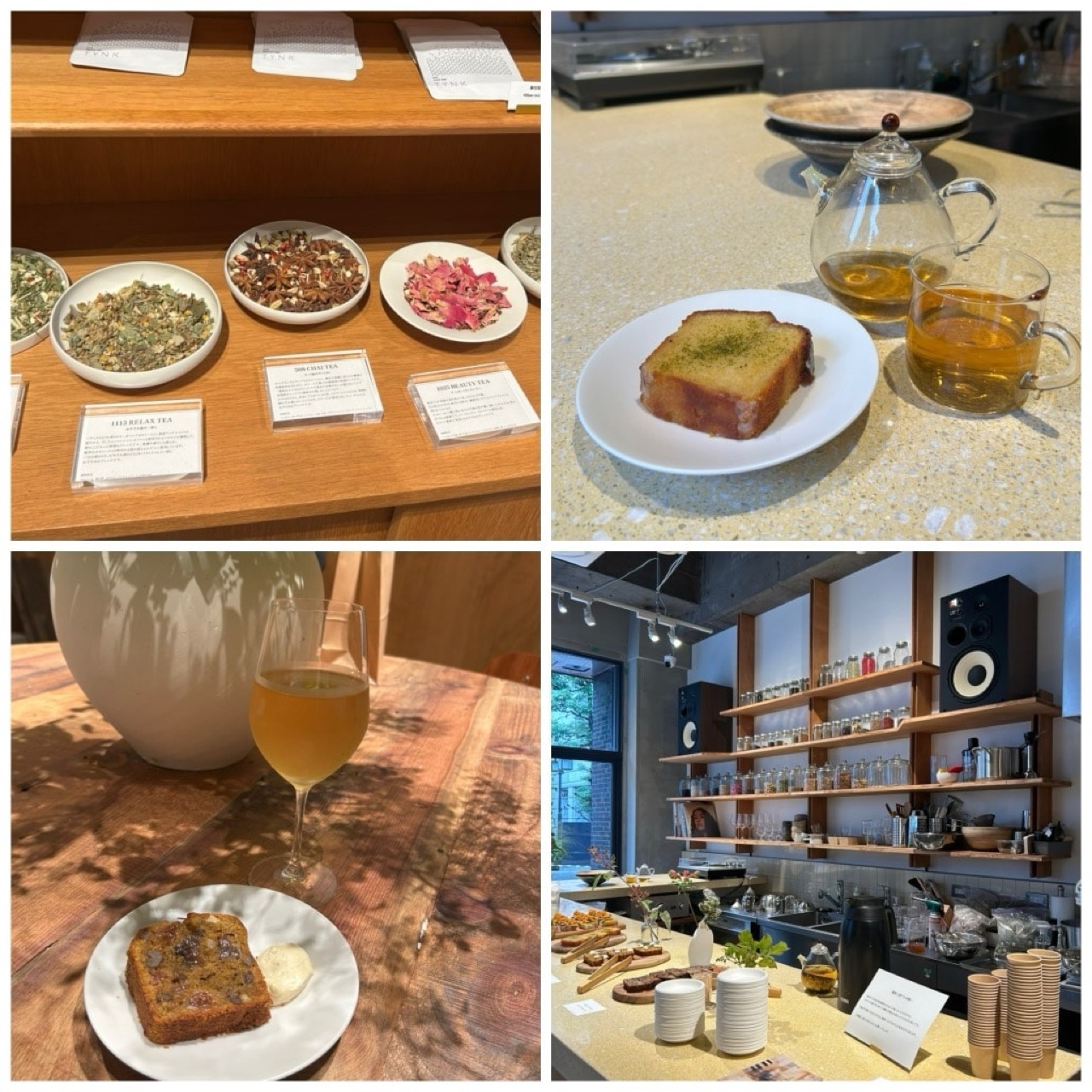
1.3-3 Nihonbashi Kabutocho, Chuo-ku, Tokyo, ground floor of the Kabutocho Heiwa Building. TYNK Kabutocho opened on July 4, 2026. Twenty-eight seats, 18 inside and 10 on the terrace, trading 11 a.m. to 6 p.m. and closed Wednesdays. There is no coffee on the menu and no black tea either. Not a single cup in the place carries caffeine.
2.The brand started in 2022. Founder Tsujita Yasunori spent years building brands in the fashion trade, and the company says his own caffeine sensitivity was the trigger. Blends are supervised by Yoshida Shigeko, a kampo pharmacist, and the raw material is grown without pesticides at the company's own farm in Nobeoka, Miyazaki prefecture. For four years it supplied tea to more than 70 shops nationwide, and this is the first store under its own name.
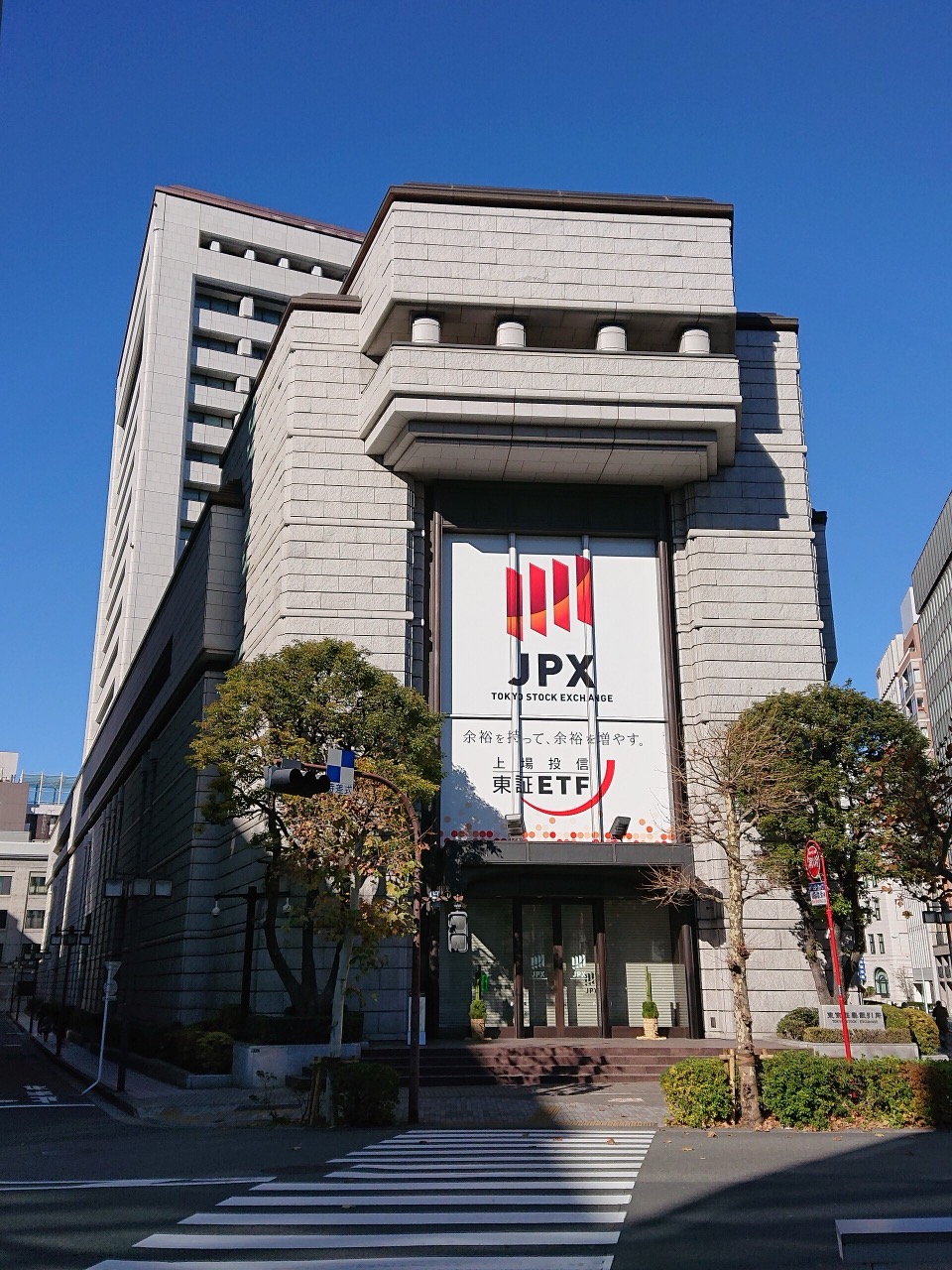
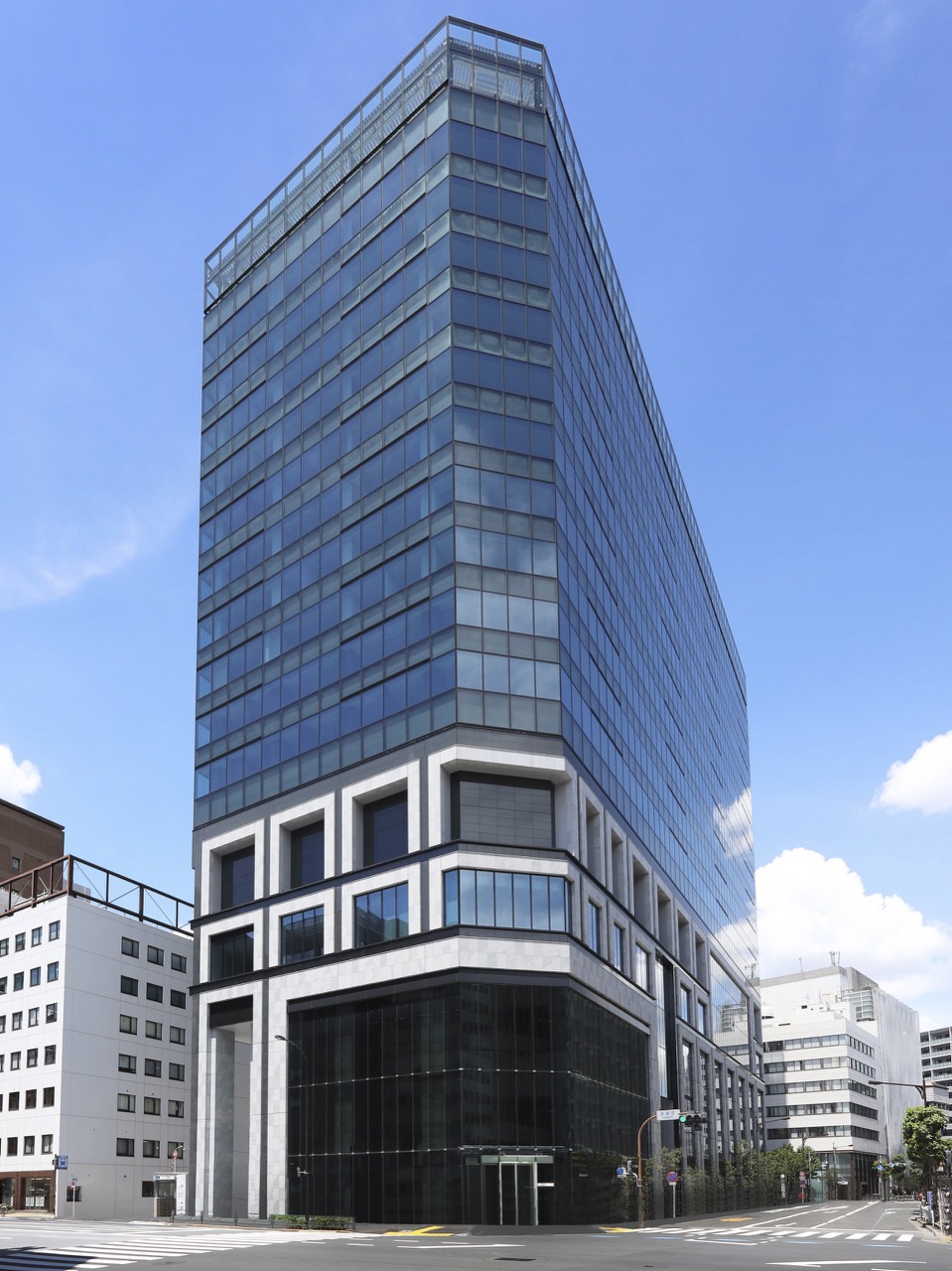
3.The address deserves a look. Kabutocho is where the Tokyo Stock Exchange stands, a street that held people only in daytime for a long stretch. Heiwa Real Estate has run revitalization of this area as a business for several years. It built KABUTO ONE with a total floor area of about 39,208㎡ in August 2021, and the company says it has since brought in more than 20 retail tenants.
4.The list of neighbors is the street's own drawing. Bakery bank, a natural yeast bakery in a converted former bank building, Coffee bar & Shop coin in its basement, teal for bean to bar chocolate and gelato, GARDEN HOUSE COFFEE up from Kamakura, the Swedish brewery Omnipollos Tokyo, and Hotel K5. Places serving alcohol take the evening and the rest take the day, and it reads naturally as a layout with one slot left open for caffeine-free tea.
5.Ten of the 28 seats are outside. A layout where the terrace takes more than a third is a loss on seat efficiency alone, but the arithmetic changes if making a picture of people sitting at street level was this project's aim. The logo and packaging came from Simon Taylor, founder of the British design collective Tomato.
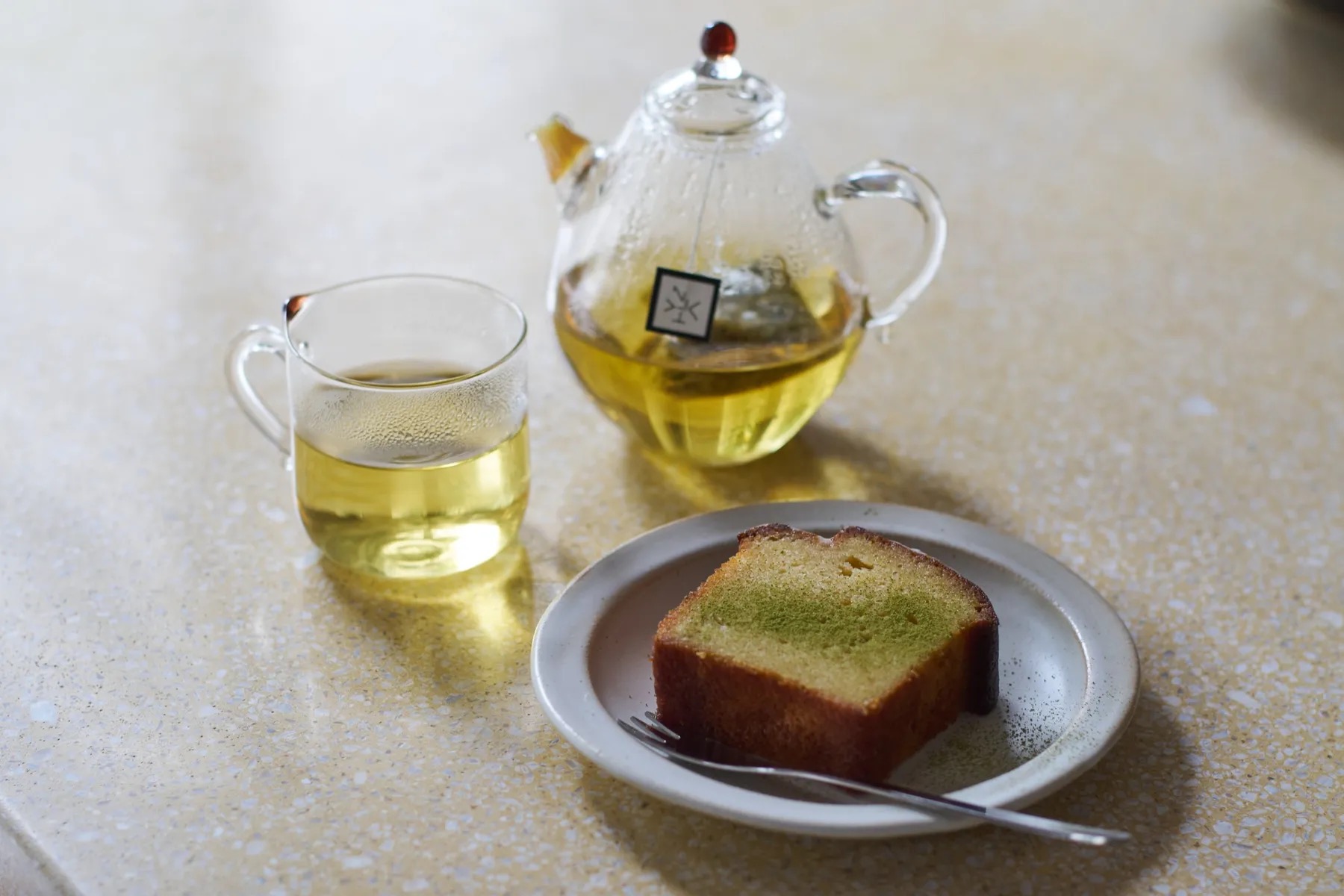
6.The signature is wakan chai. Caffeine-free chai is chai with the black tea taken out, and once the tannin goes, the astringent finish that grips the back of the tongue disappears and cinnamon, ginger and cardamom walk forward. Oat milk carries no butterfat, so it does not cover the spice. 800 yen.
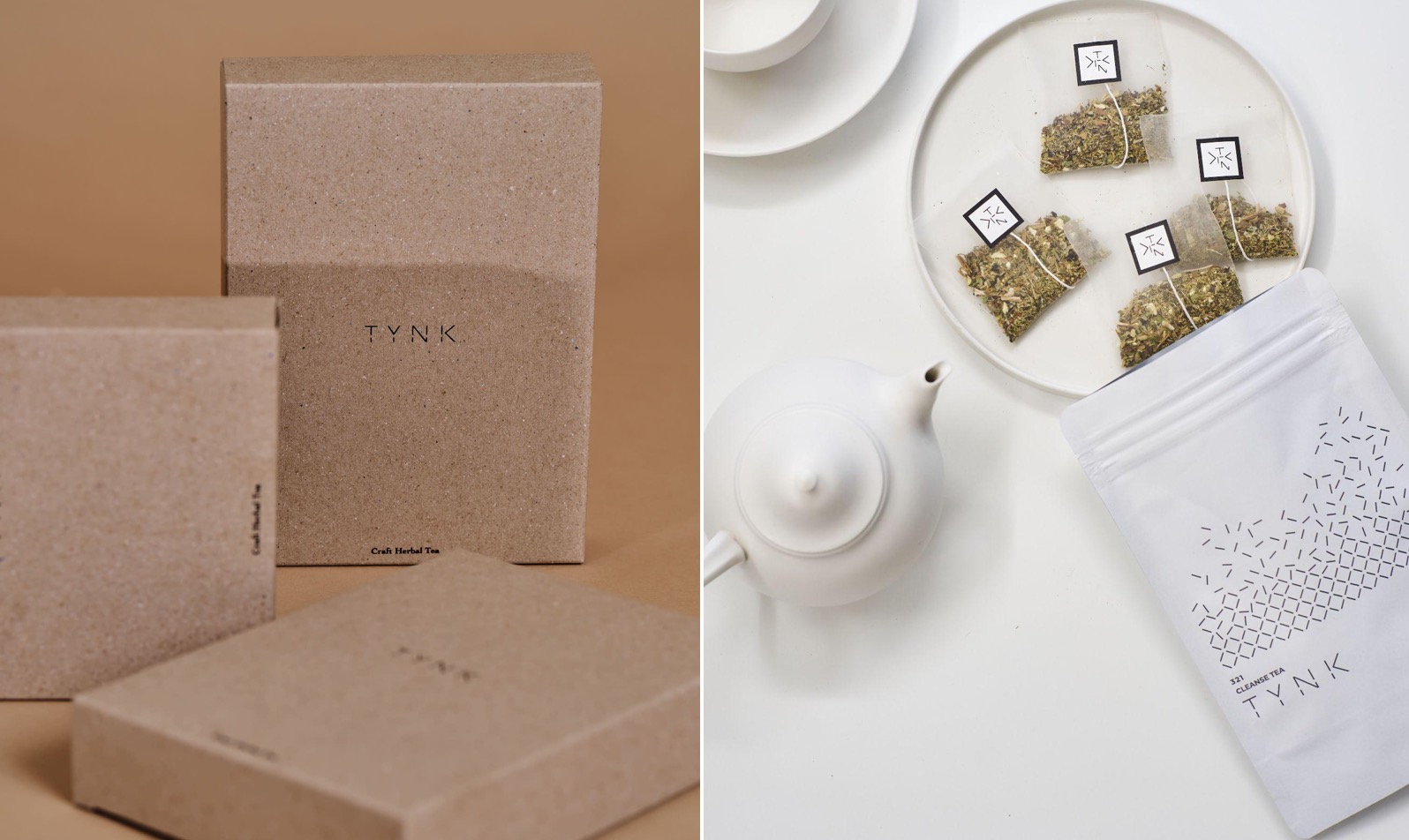
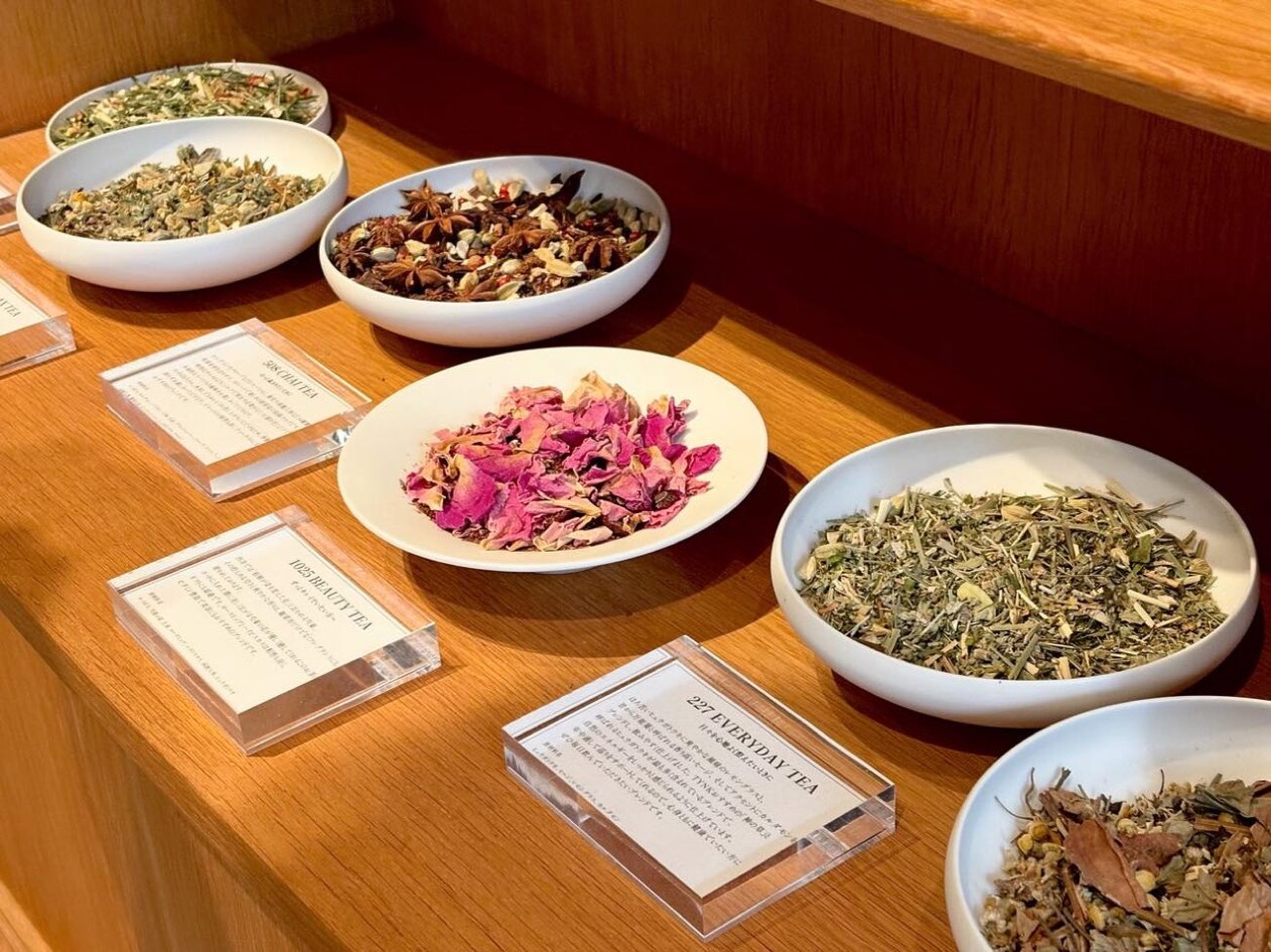
7.Craft herb tea is 700 yen. A cup with the stimulant taken out keeps only aroma and the way it goes down. Coffee proves itself through bitterness and acidity, while this side has fewer means of proof, so the history of the raw material becomes the product description. That is why three lines, pesticide-free, own farm, kampo pharmacist supervision, sit on top of a 700 yen cup.
8.Customers in this neighborhood run to a timetable. A financial district fills in the daytime and empties in the evening. Opening at 11 and closing at 6 is not laziness but that timetable copied straight across, and the Wednesday closing comes from the same place.
9.People who cannot drink caffeine have never really been customers in a cafe. Anyone pregnant, with a weak stomach, or unable to sleep at night got one decaf line, and that line usually sat at the bottom of the menu. Here that person gets the whole menu. Putting gluten-free desserts alongside follows the same grammar.
10.The market backs this up. Sales of caffeine-free coffee in Japan reached 5.023 billion yen in 2024, up 7.3% on the year and past 5 billion for the first time. The global decaf coffee market is projected to grow from 2.92 billion dollars in 2025 to 5.08 billion in 2032. More people are paying extra to have the stimulant taken out.
11.Arithmetic from here. Twenty-eight seats, seven trading hours, 26 trading days a month. Tea drinkers sit longer than they would at a coffee stand. Put a stay at 45 minutes and turnover comes to more than eight in theory, but the real ceiling is 2.5 to 3, an estimate, giving 70 to 84 guests a day. Average spend, with drinks at 700 to 800 yen and desserts at 600 to 830 attaching to a little over half of orders, lands around 1,250 yen, an estimate.
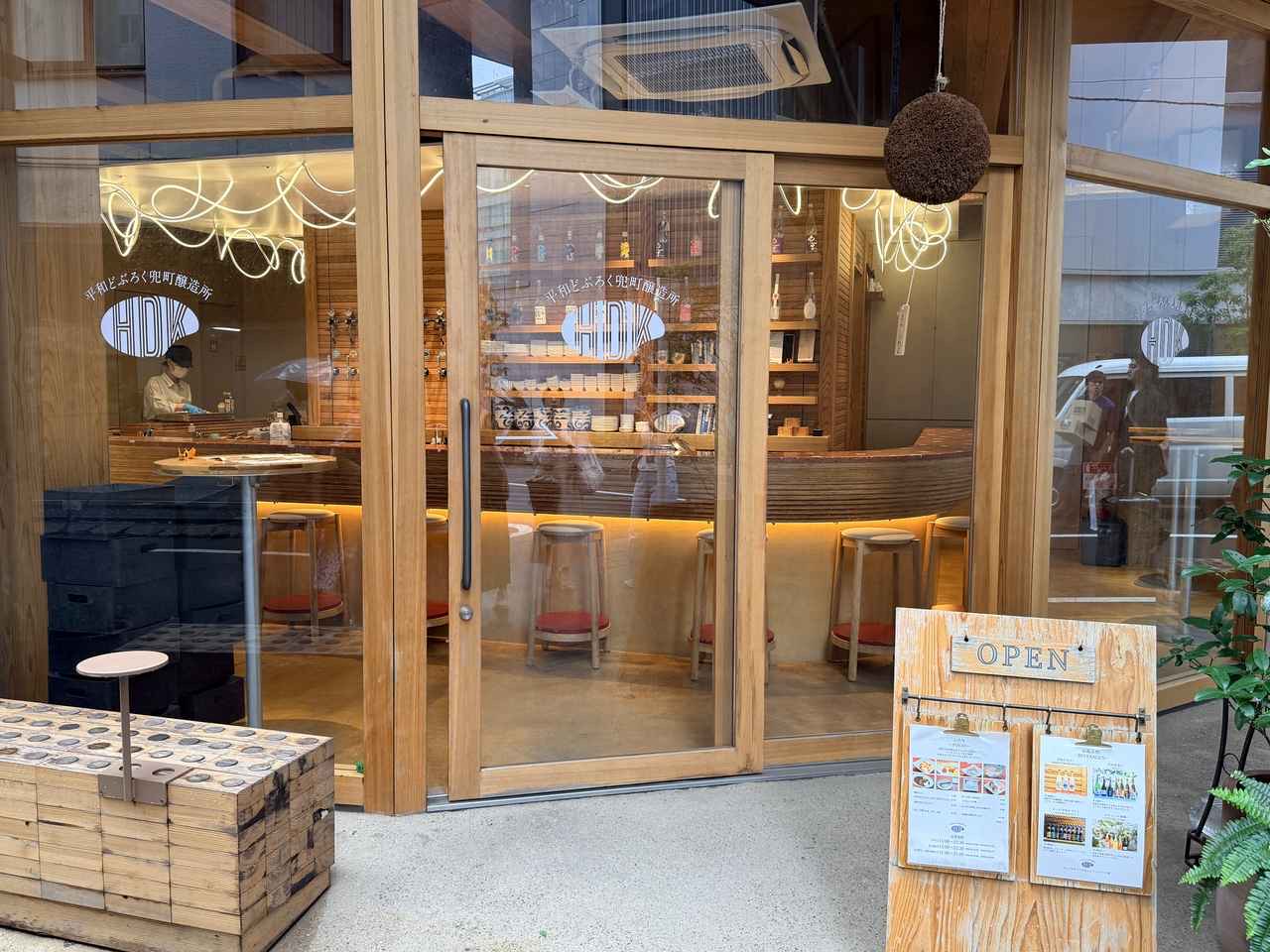
12.Multiply and it comes to 88,000 to 105,000 yen a day, 2.28 to 2.73 million yen a month. Now add rent. Average office rent in Nihonbashi, Kyobashi and Yaesu stood at 54,480 yen per tsubo in June 2026, up 8.6% on the month. Ground floor street frontage sits above that. Read it at 60,000 to 80,000 yen per tsubo, multiply by the 20 tsubo that 18 indoor seats need, and you get 1.2 to 1.6 million yen a month, an estimate.
13.The usual standard in food service is that rent above 10 to 15% of sales turns dangerous, and this calculation gives 44 to 70%. Cups cannot pay for this address. So other legs go on. Individually wrapped herb tea 450 yen, a box of 12 at 2,900 yen, 100g of wakan chai leaf at 2,900 yen, gift boxes at 3,000 yen. Retail goods are not tied to seats and do not ride on turnover. Ten people a day taking a box of 12 makes 750,000 yen a month.
14.The first direct store a wholesale brand opens is usually a showroom. For a company supplying 70 shops, these 28 seats are not a revenue unit but a place for accounts to come and see the real thing. And the party that made this picture is the landlord. Heiwa Real Estate owns this building and is also the developer trying to make a street, and writing soft terms to land a tenant it wants is not rare in that position, an estimate. The brand gets a face and the developer gets people in daytime. Neither judges by this store's income statement.
15.A company that supplied tea to 70 shops nationwide opened its first store, 28 seats on the ground floor of Tokyo's financial district, and took caffeine off the menu entirely. On the numbers, cups make 2.28 to 2.73 million yen a month against ground floor street rent of 1.2 to 1.6 million, and packets and the showroom effect fill that gap. Move it to Korea and it snags at the packet rather than the cup. Selling your own blended tea in store requires a separate business filing as on-site manufacturing and processing or as food manufacturing and processing, and the moment kampo ingredients go in, the first thing to check is whether that material appears on the food ingredient list set by the Standards and Specifications for Food. A good many medicinal herbs cannot be used in food. Opening the ingredient list before writing the recipe is the cheaper order.